
Review · CRETAN COOKING CLASSES
Heraklion Private Cretan Cooking Class at a Traditional Village
Cooking Crete, one dish at a time. I love the one-on-one coaching and the way you learn Cretan recipes with real context, not just steps. I also love the countryside setting outside Heraklion, with sea views in the background and a relaxed lunch that includes local wine. The only watch-out: the village part may feel more recreated than you expect, so go in knowing it’s village-style, not a random working hamlet.
You’ll start with hotel pickup in a modern vehicle and a short ride through Cretan villages toward an off-the-beaten-path location. Then you cook with a chef who explains what to do and why—so it’s easier to repeat at home later.
The class runs about four hours, starting at 10:00 am, and ends with you eating a multi-course meal based on what you cooked. If you’re paying for privacy and instruction time, this is a good match; if you just want a cheap lunch, it may feel pricey.
In This Review
- Key highlights worth planning for
- Getting out of Heraklion: the calm start that sets the tone
- Private pickup and the “what actually happens” timing
- The village setting: beautiful, but read the fine print
- Meet the chef: one-on-one help that turns recipes into skills
- What you cook: from tzatziki to dolmadakia to sarikopita
- Tzatziki: the starter you can reproduce fast
- Dakos: crunchy rusks with a bright topping
- Dolmadakia: stuffed vine leaves with patient technique
- Dessert: sarikopita and the phyllo-and-cheese logic
- Dishes can vary slightly, but the themes stay Cretan
- The village tour feel: short, informative, and useful for context
- Eating what you made: the wine lunch and the best moment to slow down
- Price and value: what you’re paying for at about $313 per person
- Practical tips to get the most from your class
- Who should book this private Cretan cooking class
- Should you book it? My decision guide
- FAQ
- What time does the cooking class start?
- How long is the experience?
- Is this a private class or shared group?
- Does the tour include hotel pickup and drop-off?
- Is wine included with the meal?
- Can I cancel for free?
Key highlights worth planning for
- Private, hands-on instruction with an English-speaking chef—questions and tweaks happen as you go
- Cretan classics like dakos, dolmadakia, and tzatziki, plus a region-typical dessert such as sarikopita
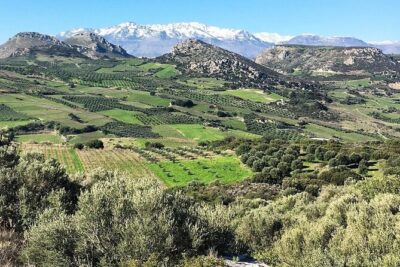
- Village-style setting with views over herb-scented hilltops and the sea, just outside Heraklion
- Short drive from town (about 30 minutes outside Heraklion city) in a modern vehicle with pickup
- Wine with lunch, so you’re not only cooking, you’re also settling in to taste
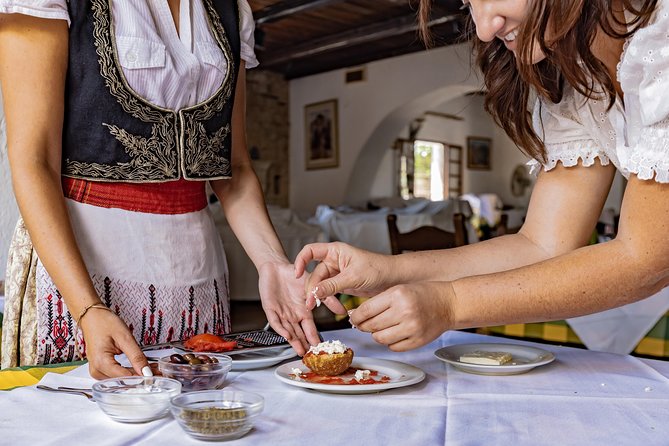
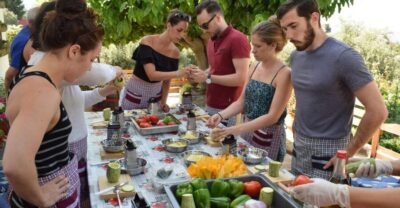
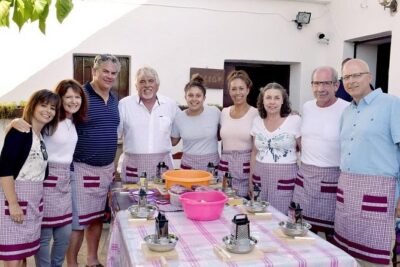
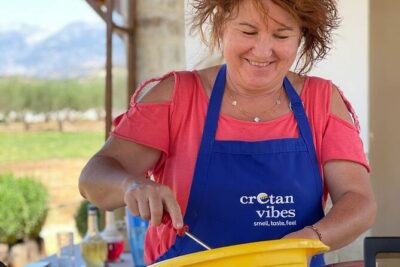
Aprons on for a proper Cretan kitchen
- Full-Day Jeep Safari Tour with Cooking Lesson
★ 5.0 · 284 reviews - Crete: Olive Oil, Soap, Wine, Raki – Flavorful Culinary Journey
★ 5.0 · 119 reviews - Crete: Olive, Wine, & Raki on a Flavorful Culinary Journey
★ 4.7 · 56 reviews - Heraklion Private Cretan Cooking Class at a Traditional Village
★ 4.5 · 11 reviews
Getting out of Heraklion: the calm start that sets the tone
Heraklion can be busy in a hurry. What I like about this experience is how quickly it changes pace. You’re picked up and transferred in a modern vehicle, then guided out into the countryside area around the city—roughly a half-hour from central Heraklion.
That ride matters. Even if you only have a day or two on Crete, it helps you feel the food is rooted in place. You’ll move through Cretan villages and arrive at a spot that looks out toward the sea, with hilltop views that make your class feel special before you even wash your hands.
Private pickup and the “what actually happens” timing
This is a private activity, so you’re not squeezed into a big group schedule. Start time is 10:00 am, and the total experience is about four hours.
A typical flow looks like this:
- You get picked up (downtown Heraklion pickup and drop-off are complimentary).
- You travel to the countryside location.
- You meet your chef and get oriented.
- You cook several dishes step-by-step.
- You sit down and eat what you made, with local wine.
One detail that’s worth knowing: the hands-on cooking portion can be relatively quick compared with some full-day cooking programs. In one case, the cooking time ended up around ninety minutes, with the rest of the time devoted to the introduction and the meal.
If you’re the kind of person who wants to spend hours churning dough or perfecting a single sauce, keep that in mind. If you want variety—starter to dessert—this structure is efficient.
The village setting: beautiful, but read the fine print
The listing style is “traditional village,” and the experience delivers a warm, welcoming village-like environment. You meet your cook in a peaceful setting with sea and hillside views, and you get a short look at village life as part of the day.
Here’s the consideration: some people felt the village portion was a recreated Greek village / living museum feel rather than an entirely “natural” working village you could wander through on your own. Others still enjoyed it for the atmosphere and for what it set up emotionally: you’re learning Cretan food in a place designed to feel like the old rhythms of village life.
My practical advice: if you’re a big stickler for authenticity, adjust expectations early. Think of it as a curated setting that supports the cooking lesson, not as a documentary walk through a real neighborhood.


Meet the chef: one-on-one help that turns recipes into skills
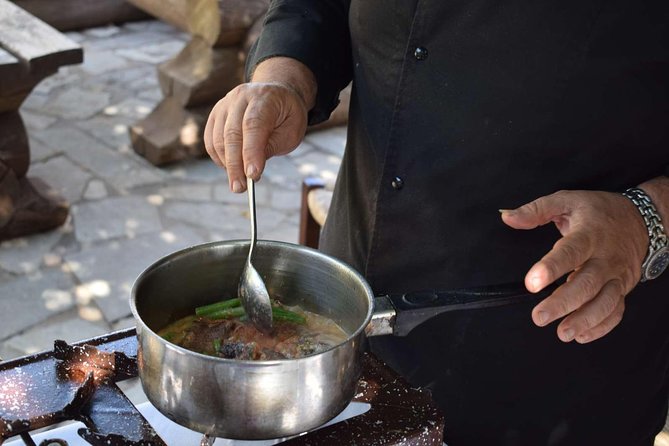
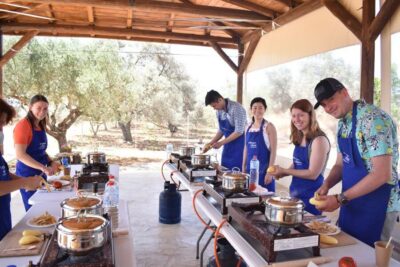
The biggest value here is the teaching style. This is a private hands-on class, led by an English-speaking chef. You’re taught step-by-step, with guidance as you chop, mix, roll, stuff, and assemble.
In the stories shared by past participants, named instructors came through strongly—Chef Vicki showed up in one standout account, and Evie also earned praise for being kind, patient, and genuinely fun. That matters because cooking classes fail when the chef talks at you. This one is about working alongside the instructor.
What you’ll learn isn’t only what to cook. It’s how Cretan cooks think about everyday flavors:
- yogurt-based dips and how to balance garlic and herbs
- simple topping logic for crunchy rusks
- stuffing techniques for vine leaves
- how phyllo pastry style desserts rely on texture and timing
Even if you’ve cooked before, you’ll likely pick up small habits you can reuse at home.
What you cook: from tzatziki to dolmadakia to sarikopita
The sample menu gives you a clear sense of the dishes you’ll cover. Expect Cretan comfort food with a mix of fresh starters and a sweet finish.
Tzatziki: the starter you can reproduce fast
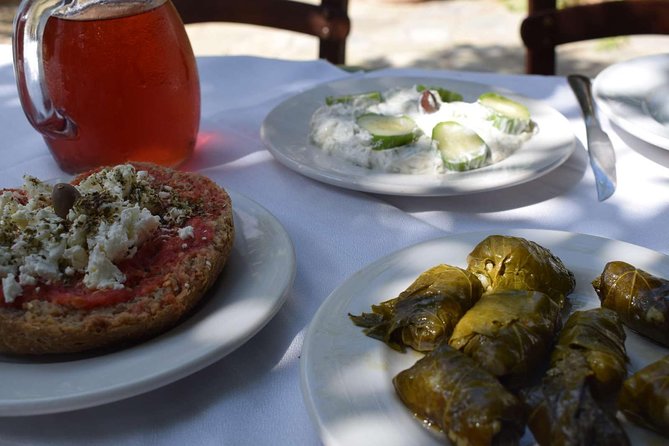
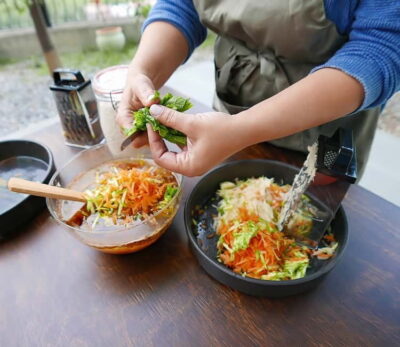
You’ll make tzatziki—a yogurt, garlic, and cucumber dip seasoned with herbs and vinegar. This is a smart starter choice because it’s practical. You learn how to get flavor without making it heavy, and it’s easy to taste and adjust as you go.
Dakos: crunchy rusks with a bright topping
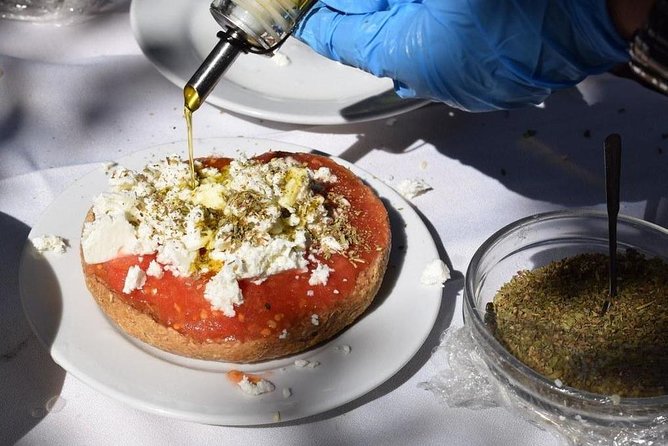
Next comes dakos: Cretan rusks topped with tomato sauce and feta cheese. It’s a dish that teaches something important about texture. You’re working with crisp bread, and you’ll see how toppings change the experience—less is more, and timing matters.
Dolmadakia: stuffed vine leaves with patient technique
Dolmadakia are stuffed vine leaves with a rice and herbs mixture. This part is where a chef’s hands-on help pays off. Rolling and stuffing require technique, not speed, and it’s the kind of task where one good tip can save you from frustration.
Also, this dish is a great window into how Crete stretches culinary knowledge through generations. The day’s teaching emphasizes old recipes passed down over time, and dolmadakia is a perfect example of that continuity.
Dessert: sarikopita and the phyllo-and-cheese logic
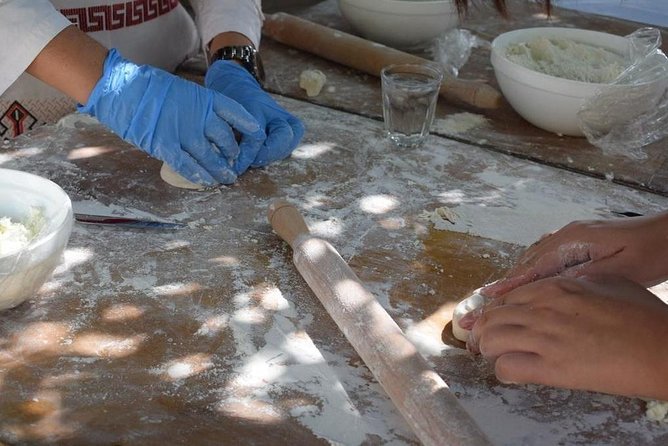
For dessert, you’ll make sarikopita—a traditional phyllo pastry pie with local cheese and honey. It may sound unusual at first if you’re not used to cheese-and-honey desserts, but it makes sense once you taste the contrast.
A smart way to enjoy this portion is to watch the texture. Phyllo can be intimidating on paper, but if the chef shows you what correct dough handling looks like, it suddenly feels doable.
Dishes can vary slightly, but the themes stay Cretan
One participant described additional items that weren’t in the sample menu—things like a stew of lamb and pork, plus filled peppers and tomato, and a different pastry-style dessert approach. That suggests what you make may shift based on the class flow, seasonal availability, or the instructor’s plan.
So if you care about a specific dish, don’t assume every menu is identical. But you can assume the core style: herb-forward, cheese-and-yogurt comfortable, and built around traditional technique.
The village tour feel: short, informative, and useful for context
Before the cooking really ramps up, you get a village-style tour segment. In one account, it was about an hour and focused on historical life and how people lived—what Crete looked like when food prep was part of the daily rhythm, not a separate weekend activity.
Even if you’re not a deep history person, this helps you pay attention while you cook. You’re not just making food; you’re making food stories:
- why certain herbs get used
- why preservation and stuffing traditions matter
- why simple ingredients end up tasting complex
You also get a chance to reset from the travel time. By the time you reach the kitchen space, you’re ready to focus.
Eating what you made: the wine lunch and the best moment to slow down
After cooking, you get to taste everything you prepared. The class ends with an appetizer lunch featuring house wine (or other beverages if you prefer).
This is more important than it sounds. A lot of cooking classes let you assemble bites, but don’t leave time to really eat. Here, the relaxed atmosphere gives you a proper sit-down meal, which is how Crete often feels in real life—slow enough to talk, quick enough to stay hungry for dessert.
Also, the view from the dining area doesn’t hurt. Even if you’re concentrating on flavor, it’s hard not to notice the sea in the distance while you’re eating tzatziki and dakos.
Price and value: what you’re paying for at about $313 per person
At $313.07 per person for a private class, you’re not paying like a casual group cooking demo. You’re paying for:
- private, hands-on instruction
- hotel pickup and drop-off for downtown Heraklion
- modern vehicle transport to the countryside location
- a meal built around what you cooked, including house wine
- taxes and VAT included
So the value isn’t just the food cost. It’s the time with a chef, the step-by-step guidance, and the complete food experience from starter to dessert.
That said, there’s a real-world caution. Some people felt the class was a bit short on cooking time and described the menu as somewhat basic for the price they paid. In contrast, others had a great time specifically because they got personalized attention and lots of laughs with the instructor.
If you go in expecting a half-day craft project with hours of kitchen practice, you might be disappointed. If you go in wanting a structured Cretan lesson—plus a good meal—this price can start to make sense.
Practical tips to get the most from your class
You’ll get a lot out of the day if you show up ready to work, taste, and ask questions.
- Come hungry. You’ll taste along the way, then eat a full lunch at the end.
- Be ready to roll up sleeves for stuffing tasks. Dolmadakia especially can be hands-on.
- Ask about substitutions. The chef’s tips are easiest to transfer into your own cooking once you understand what’s flexible and what’s not.
- If you have dietary needs, plan ahead. One group reported that food allergies were handled without trouble, so it’s worth sending details before you go.
- Don’t overschedule right after. Even though it’s only about four hours, you’ll likely want time to decompress and digest—especially after wine.
Who should book this private Cretan cooking class
This is a strong choice for:
- couples and small groups who want a private pace and 1-on-1 help
- food lovers who want a repeatable skill set, not just a “look and learn” show
- travelers who like learning food history through actual cooking technique
- anyone staying in Heraklion who wants a short countryside outing without complex driving plans
It may be a weaker match if:
- you mainly want an inexpensive meal and don’t care about instruction
- you’re obsessed with authentic villages versus reconstructed settings
- you want a long, slow cooking marathon rather than a structured four-hour experience
Should you book it? My decision guide
Book this class if you want the combination of private instruction, traditional dishes like dakos and dolmadakia, and a full wine lunch in a calm countryside setting near Heraklion. The price only makes sense if the chef time and step-by-step learning are what you’re after.
Hold off if your top priority is absolute “real village streets” authenticity, or if you’d be unhappy if the hands-on cooking time ends up closer to ninety minutes than two-plus hours. You can still enjoy the day, but you’ll enjoy it more with the right expectations.
If you want an efficient way to take home Cretan cooking skills—plus a meal you helped create—this is an easy yes.
FAQ
What time does the cooking class start?
It starts at 10:00 am.
How long is the experience?
It’s about 4 hours.
Is this a private class or shared group?
It’s private. Only your group participates.
Does the tour include hotel pickup and drop-off?
Yes, pick-up and drop-off are complimentary if your hotel is located in downtown Heraklion. There’s an extra charge if your hotel or apartment is outside Heraklion.
Is wine included with the meal?
Yes. Lunch includes house wine (or other beverages).
Can I cancel for free?
Yes. You can cancel up to 24 hours in advance for a full refund.
Try Your Hand at Something

More Tour Reviews in Heraklion





Cook the Cretan Classics



Fresh Off the Boat: Newest Crete Reviews




Cretan Cooking Classes, compared.
 ★ 4.9Chania: Authentic Cooking Class in the White MountainsFrom $129529 reviews
 ★ 5.0The Real Cretan Cooking ExperienceFrom $133528 reviews
 ★ 5.0Chania Cooking Class-The Authentic Enjoy traditional Cretan mealFrom $133339 reviews
 ★ 5.0Full-Day Jeep Safari Tour with Cooking LessonFrom $111284 reviews
 ★ 5.0Cretan Cooking Class and Olive Oil TastingFrom $114178 reviews
 ★ 5.0Olive Oil, Soap, Wine, Raki – Flavorful Culinary JourneyFrom $111119 reviews
 ★ 5.0Rethymno: Chrysoula’s Cretan Home Cooking LessonsFrom $11698 reviews
 ★ 5.0Moires: Cooking Class and Olive Oil Tasting at a Family FarmFrom $10093 reviews
Browse the lists this tour appears in