
Review · HERAKLION CITY & MUSEUMS
Heraklion Area: CRETAquarium Admission Ticket
Fish therapy, for real. CRETAquarium in Crete turns a simple ticket into a one-hour walk through Mediterranean habitats and beyond, with friendly, helpful staff and lots to spot at your own pace. The main thing to plan around is crowding in summer afternoons, when lines can stretch.
What I like most is how easy it is to do in about 1 hour and still feel like you covered real variety, not a rushed loop. I also like that the aquarium leans into education and care, not just spectacle, with plenty of information signs and an option for an audio guide. The one drawback: during peak season, especially roughly 11:00 AM to 4:00 PM, it can get busy and you may lose time in queues.
Key highlights to know before you go
- One-day visit that usually lands around 1 hour (with enough extra time if you slow down)
- Many habitats and tanks with Mediterranean species plus some tropical visitors
- Sharks and stingrays are part of the main experience, not a footnote
- Jellyfish and open-topped viewing tanks give a different perspective
- Audio guide available on-site for 3€ in 9 languages
- Thalassokosmos (HCMR) connection means education and research are built into the mission
In This Review
- Getting to CRETAquarium: quick access from Heraklion and easy parking
- The route reality check: 1 day, about 1 hour, and how to pace it
- What you’ll see underground and around the “Mediterranean caves” exhibit
- Open-ocean sharks and the feeding moments that keep attention focused
- Jellyfish and open-topped tanks: why the viewing style matters
- Audio guide and signage: learning without the lecture vibe
- Thalassokosmos and the science behind the scenes (HCMR mission)
- Food and timing: cafe break and beating the worst crowd hours
- Price and value: is the one-day admission worth about $9?
- Who should book CRETAquarium (and who might not love it)
- Final call: should you book CRETAquarium near Heraklion?
- FAQ
- How long does it take to visit CRETAquarium?
- Is the admission ticket valid for only one time slot?
- Do I need a guided tour to understand what I’m seeing?
- How much is the audio guide, and what languages are offered?
- What’s included in the ticket price?
- Is transport to the aquarium included?
- Can I bring pets, and can I smoke or drink alcohol?
- Is CRETAquarium wheelchair accessible?
Getting to CRETAquarium: quick access from Heraklion and easy parking
CRETAquarium sits outside Heraklion, and getting there is simple by car or taxi. You can plan on about 25 minutes from Heraklion, and it’s also roughly 25 minutes from Malia and Hersonissos. The meeting point is straightforward: reach it via the national road, and you’ll find signs once you’re close.
If you’re driving, one thing you’ll appreciate is that there’s parking available. That sounds basic, but it matters in Crete—parking stress can steal time from your day. One review also called out that the location has a free car park, making it easier to turn the aquarium visit into a full half-day outing.
If you’re arriving by public transport, you may find the area around the aquarium a bit less polished than the inside. That shows up in small ways (one person noted stray cats outside), but it doesn’t change the aquarium experience once you’re through the entrance.
More of Heraklion, its museums and old streets
- CRETAquarium Entrance Ticket in Crete
★ 4.0 · 359 reviews - From Heraklion: Historical Center City Tour & Knossos Palace
★ 4.4 · 340 reviews - Day Trip To Heraklion City Center & Market & CretAquarium
★ 4.5 · 205 reviews - Crete: Knossos Palace, Heraklion City, Market Guided Tour
★ 4.2 · 164 reviews
The route reality check: 1 day, about 1 hour, and how to pace it
This ticket is valid for one day, and the experience is designed for a self-guided loop. A fair expectation is about 1 hour to explore, and a lot of people land right around that mark. If you move fast and only hit the highlights, you can do it sooner. If you stop to read signs and watch animals longer, you might stretch it closer to 90 minutes to 2 hours—especially if you’re traveling with kids.
Here’s my practical pacing advice: don’t try to do everything like a checklist. Pick 2 or 3 sections you care about most (for example sharks and jellyfish), then let the rest fill in around those. The aquarium layout is well signposted, so you’re not constantly guessing where to go next.
Also note this important timing detail: if you arrive at an incorrect time slot, your ticket is still valid for the day, but you may not be able to skip the line. In summer, that can matter, so aim to arrive during your planned window if you can.
What you’ll see underground and around the “Mediterranean caves” exhibit
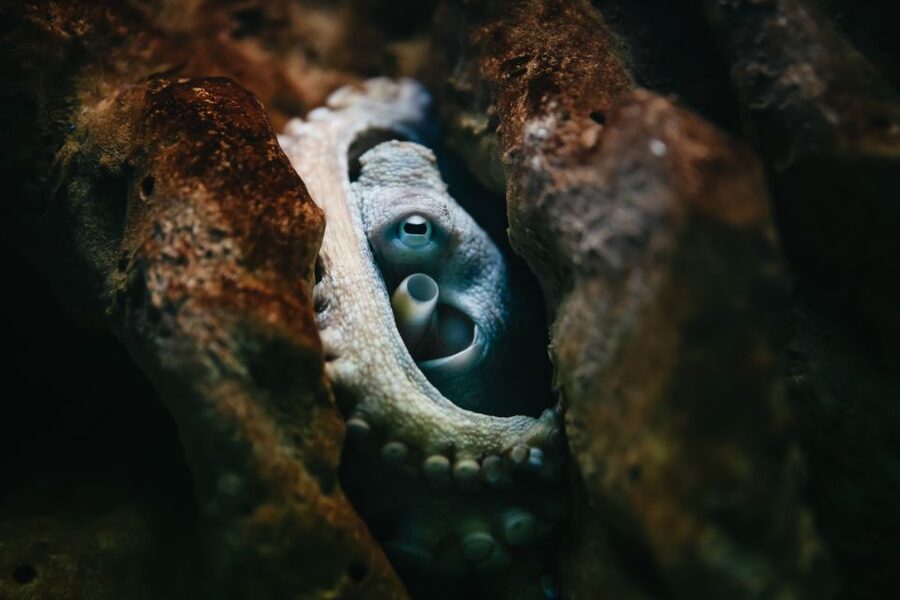
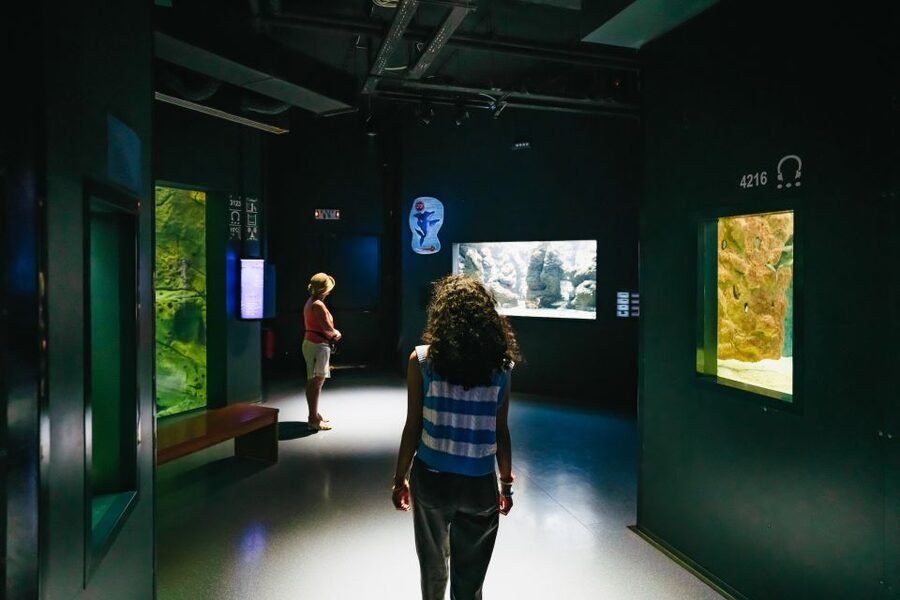
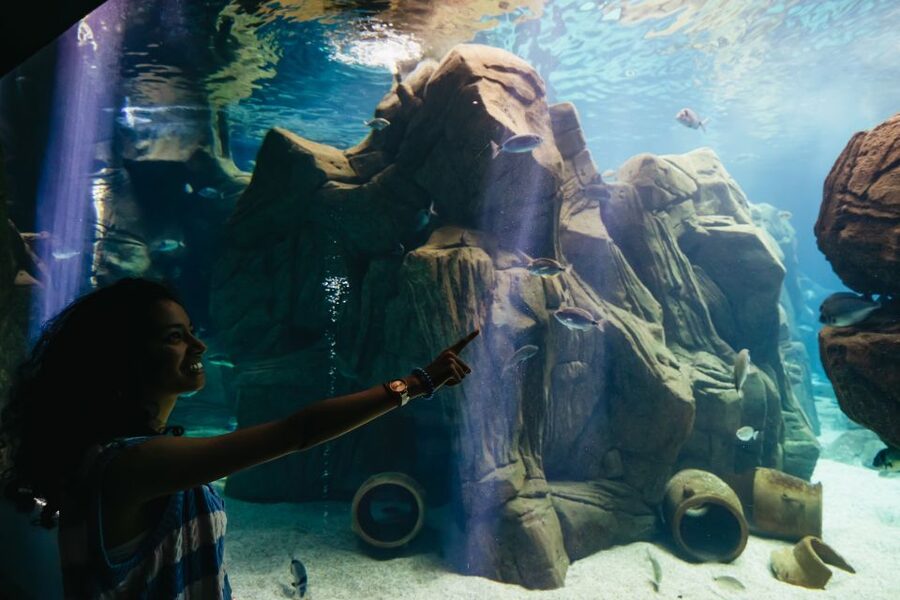
CRETAquarium is built around habitats—not a random collection of tanks. You’ll walk through Mediterranean-style caves and crevices, where species are presented in ways meant to resemble their natural environments.
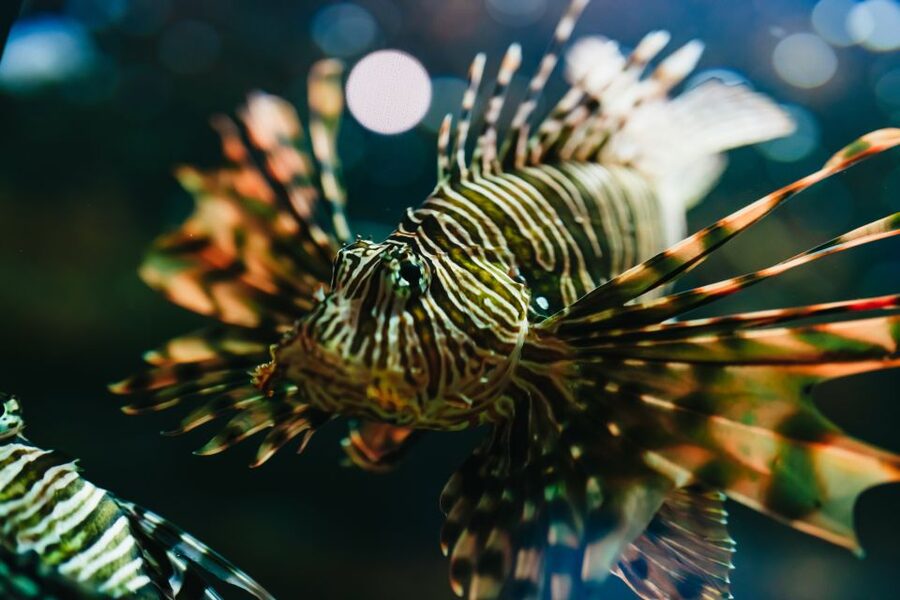
This is where animals like stingrays show up in a way that feels more real than a simple glass box. You may also see fish described as rock-like, including scorpionfish, which fits the cave-and-crag theme. The point of this section isn’t just to spot animals—it’s to help you understand what “habitat” means underwater: structure, hiding places, and the kind of conditions different creatures prefer.
If you’re the kind of person who likes observing behavior (not just looking at big names), you’ll probably enjoy these areas most. They tend to reward slow wandering.
Open-ocean sharks and the feeding moments that keep attention focused
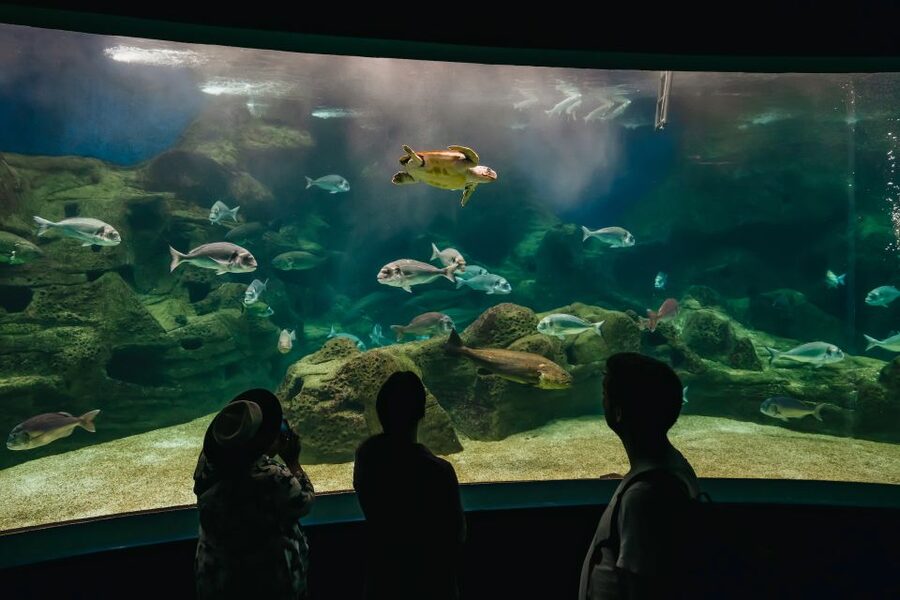
When the route pushes you out into more open-water viewing, the atmosphere shifts. This is where you’ll encounter the aquarium’s sharks. The experience is described as sharks circling in a larger setting, with feeding moments used to make them easier to watch.
I like this setup because it gives you a reason to stop. In many aquariums, you can look at a tank for five seconds and move on. Here, the open-ocean area is structured so that you naturally linger to see what changes when animals move and feed.
One caution: the shark area can draw a lot of eyes fast, especially on hot days when people try to find indoor cool air. If you want the best viewing time, arrive earlier in the day or be willing to shift positions and re-check as crowds move.
Worth lining up before you lock in this one:

Jellyfish and open-topped tanks: why the viewing style matters
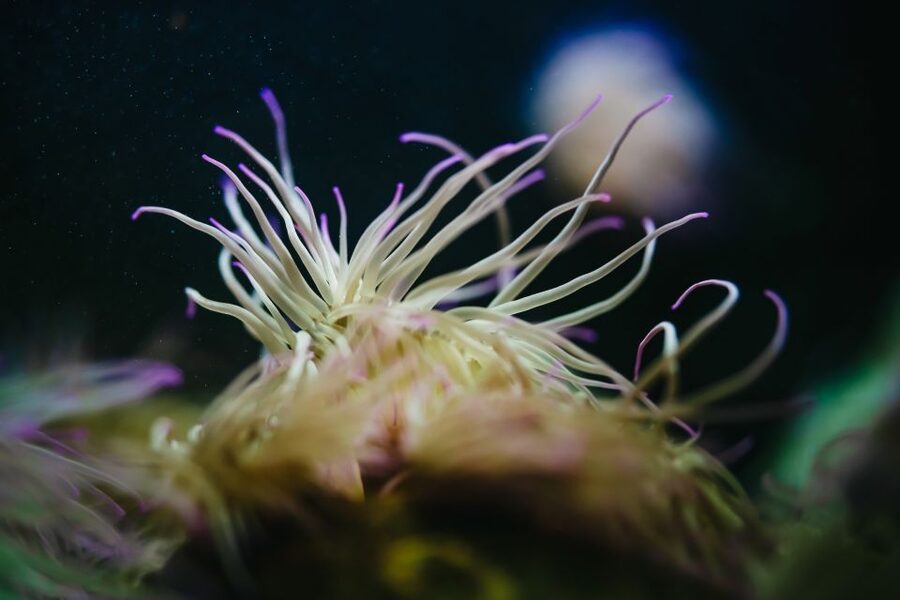
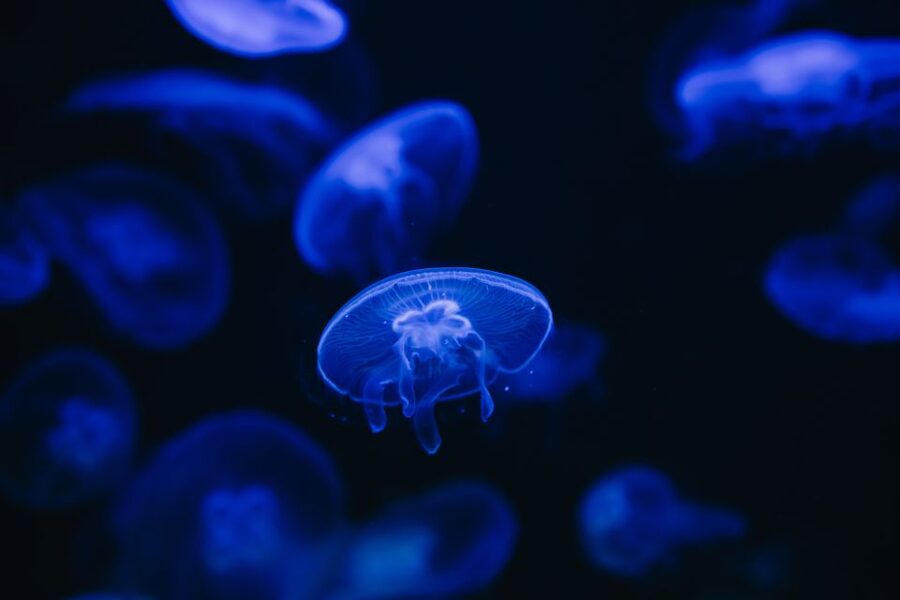
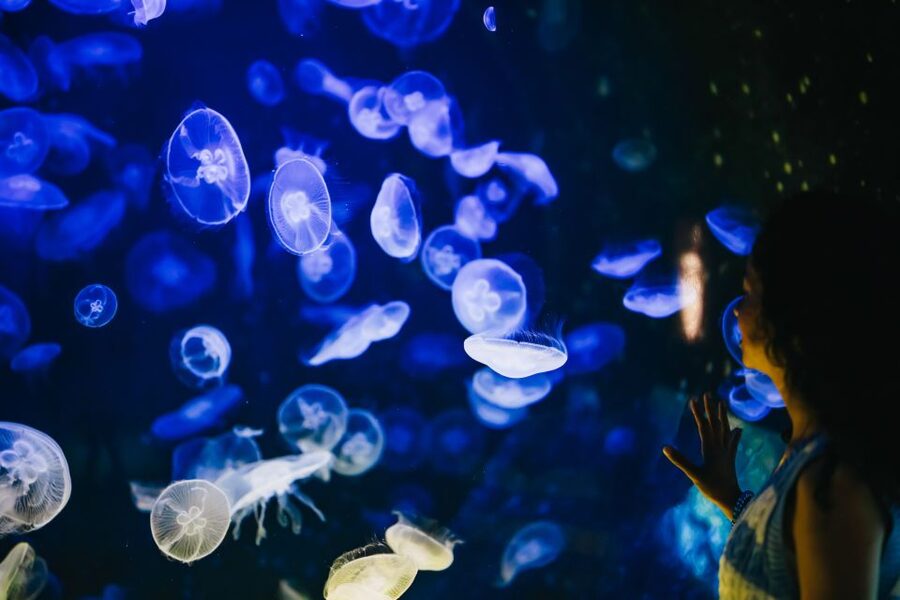
One of the most memorable parts is how the aquarium handles jellyfish viewing. You’ll see jellyfish alongside other sea life in tanks that use shallow, open-topped viewing. That sounds like a small design choice, but it changes the whole feel: you’re looking at animals from a higher, closer angle instead of through a narrow view.
The aquarium also includes tanks for tropical clownfish, described as colorful, and these tanks are part of the reason the visit feels more than just Mediterranean sameness. The aquarium blends Mediterranean habitats with selected tropical species, so your brain gets variety without the experience turning into a chaos of unrelated displays.
If you’re bringing kids, this is a strong zone. Jellyfish are calm, mesmerizing, and easy to watch, and clownfish are active enough to keep attention.
Audio guide and signage: learning without the lecture vibe
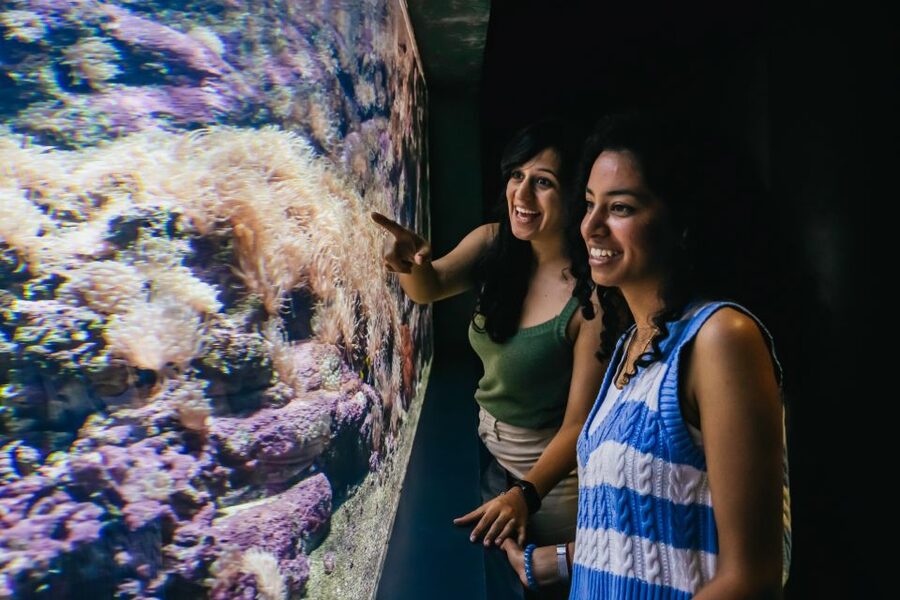
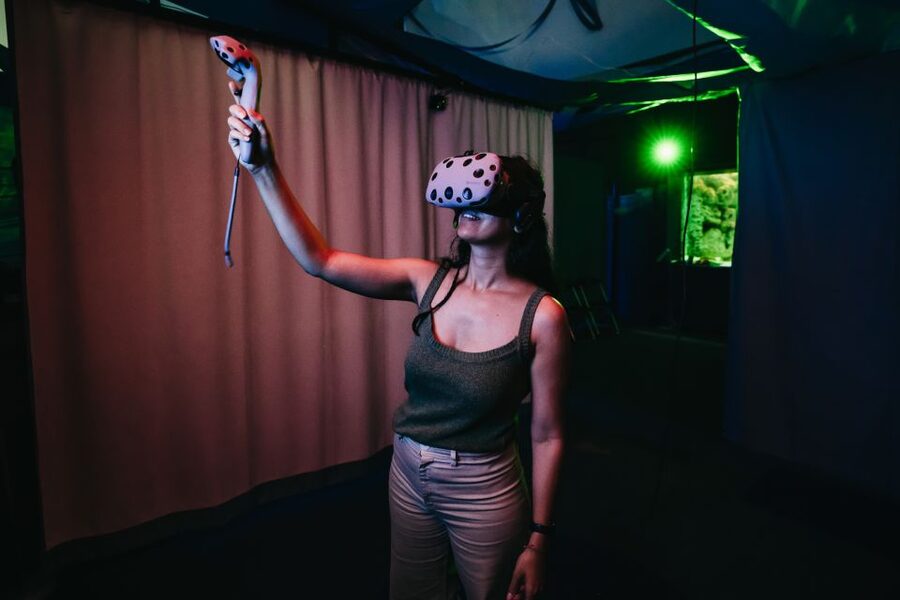
You don’t have to do anything extra to enjoy CRETAquarium. But if you like context, the aquarium offers an audio guide rental at reception for 3€, with 9 languages.
Why I think it’s worth considering: the aquarium’s mission isn’t just to display marine animals. It’s also meant to explain what you’re seeing—species, habitats, and why care and research matter. Even without the audio guide, the route is described as informative and is easy to follow, with clear signposting.
Audio helps most if you’re the type who likes knowing what you’re looking at. It’s also a nice way to slow down without needing to read every label.
Thalassokosmos and the science behind the scenes (HCMR mission)
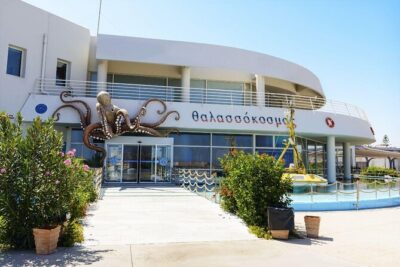
CRETAquarium is part of the THALASSOKOSMOS park connected to HCMR facilities in Heraklion. That matters because it explains why this place feels different from a purely commercial aquarium.
Here’s what the mission emphasizes:
- Education & awareness, with interactive educational programs designed for different age groups
- Ethics and welfare, with strict rules for caring for animals, plus awareness actions tied to the visitor experience
- Research & protection, including experimental research on living organisms
- Care for endangered species, with special emphasis mentioned for threatened animals like sea turtles, including recovery and return to the natural environment after care
You don’t need to be a marine science person to appreciate this. It shows up in the way the aquarium positions the visit: you’re not only watching animals—you’re learning why this ecosystem matters and how science connects to real-world protection.
If that theme clicks for you, you’ll likely enjoy reading the information along the route. If it doesn’t, you can still treat it like a straightforward sight-and-stare aquarium. The entertainment value is there either way.
Food and timing: cafe break and beating the worst crowd hours
CRETAquarium has a cafeteria on-site. Reviews mention that the food is reasonably priced, and one person even called out having carbonara there. I’d plan to use the cafe as a pause point if you arrive earlier, because in summer you might feel the pressure to keep moving as crowds build.
When to go for a calmer experience: multiple notes point to reduced crowding if you arrive earlier. The aquarium is described as busiest roughly 11:00 AM to 4:00 PM in summer, when queues can be long.
So think of it like this:
- Late morning and mid-afternoon = more people, more waiting
- Earlier = smoother entry and better tank time
Also, bring comfortable shoes. The route is walkable, but you’ll be on your feet for the full loop.
Price and value: is the one-day admission worth about $9?
At around $9 per person, CRETAquarium is priced like an easy add-on to a Crete day. That’s what makes it good value: you’re buying a short outing with a lot of visible variety and a strong indoor escape from heat.
You also get:
- An experience that typically lands around 1 hour
- Plenty of tanks and many species
- Well-kept facilities, with friendly staff and smooth entry when you pre-book
One useful reality check: it’s not an all-day mega aquarium where you spend half your vacation. That’s a plus for many people, but if you’re expecting a huge, days-long attraction, you might feel it’s “smaller.” That sentiment shows up in a few comments, but even those weren’t negative about value—just about expectations.
If you want a controlled, family-friendly indoor activity that doesn’t eat your whole day, the price makes sense.
Who should book CRETAquarium (and who might not love it)
CRETAquarium is a strong fit if you want:
- A short, self-paced activity that works for adults and kids
- A focused aquarium experience centered on Mediterranean life
- An option to add more learning through audio guide
- A place that feels clean and organized inside
It’s also a good choice if you’re traveling with people who don’t want a long museum-style commitment. You can do it, cool off, and still have time for beaches.
You might like it less if:
- You’re expecting a massive, international mega-aquarium experience with endless rooms
- You’re a hardcore collector of rare species and need very specific animals in large numbers
The good news is that the highlights—sharks, stingrays, jellyfish, and the open-topped viewing—are exactly the kinds of animals people remember.
Final call: should you book CRETAquarium near Heraklion?
If you’re in Heraklion (or nearby) and you want an indoor activity that’s good value, easy to reach, and easy to finish, I’d book it. The one-day format is perfect for people who don’t want their schedule swallowed whole, and the aquarium’s habitat-style displays make the time feel purposeful.
My main tip is timing: plan to go earlier in the day in summer if you can, so you spend more time watching and less time waiting. If your goal is a calm, educational marine stop with clear highlights, CRETAquarium hits the mark.
FAQ
How long does it take to visit CRETAquarium?
You should plan for about 1 hour to explore the aquarium.
Is the admission ticket valid for only one time slot?
It’s valid for the day you select. If you arrive later than the exact time slot, your ticket is still valid for that day, but you may not be able to skip the line.
Do I need a guided tour to understand what I’m seeing?
No. You can visit independently. An optional audio guide is available for rent.
How much is the audio guide, and what languages are offered?
You can rent an audio guide at reception for 3€, with 9 languages to choose from.
What’s included in the ticket price?
The entrance fee is included.
Is transport to the aquarium included?
No. Transport to the aquarium is not included.
Can I bring pets, and can I smoke or drink alcohol?
Pets are not allowed. Smoking is not allowed, and alcohol and drugs are not allowed.
Is CRETAquarium wheelchair accessible?
Yes, it is wheelchair accessible.
More Tickets in Heraklion





More Tour Reviews in Heraklion





Heraklion, Room by Room




Fresh Off the Boat: Newest Crete Reviews





Heraklion City & Museums, compared.
 ★ 4.3Heraklion Archaeological Museum Ticket & Audio GuideFrom $33396 reviews
 ★ 4.0CRETAquarium Entrance Ticket in CreteFrom $9359 reviews
 ★ 4.4From Heraklion: Historical Center City Tour & Knossos PalaceFrom $47340 reviews
 ★ 4.5Minoans World 3D Museum & 9D CinemaFrom $24315 reviews
 ★ 4.4From Rethymnon: Day Trip to Knossos Palace & Heraklion CityFrom $25216 reviews
 ★ 4.5Day Trip To Heraklion City Center & Market & CretAquariumFrom $23205 reviews
 ★ 4.2Knossos Palace, Heraklion City, Market Guided TourFrom $41164 reviews
 ★ 4.3Chania/Rethymno: Knossos Palace & Heraklion City TourFrom $29152 reviews
Browse the lists this tour appears in