
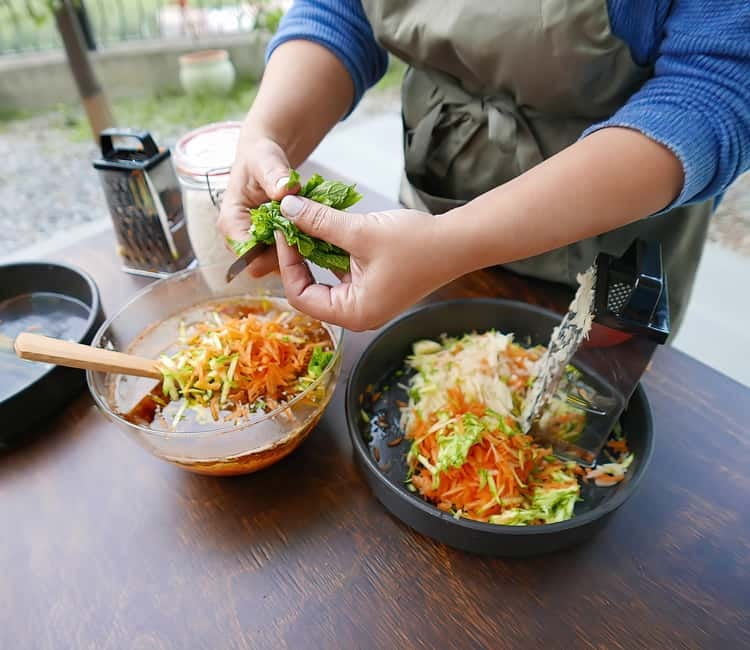
Review · CRETAN COOKING CLASSES
Rethymno: Chrysoula’s Cretan Home Cooking Lessons
Some meals teach you more than a cookbook ever will. This class turns Cretan home cooking into hands-on fun, with a wood oven and farm-fresh ingredients in a real family setting. I love the wood-fired cooking and I love that you make a full meal, from starter to dessert, with local wine and raki. One thing to consider: come hungry and expect the raki, because there’s plenty of food and it can be a few rounds before dessert is even finished.
You’ll spend about 3.5 hours cooking, tasting, and learning how Cretans actually cook at home. The menu can be adjusted for vegetarian diets and allergies, so you’re not shoehorned into a generic version of the meal. Still, since you’re preparing dishes and then eating what you make, this is not a quick stop you can tack onto a busy schedule.
In This Review
- Key reasons this Cretan home cooking lesson works so well
- Why a wood oven Cretan cooking class feels different near Rethymno
- Arriving at Chrysoula’s home: coffee, lemonade, and a quick taste of Crete
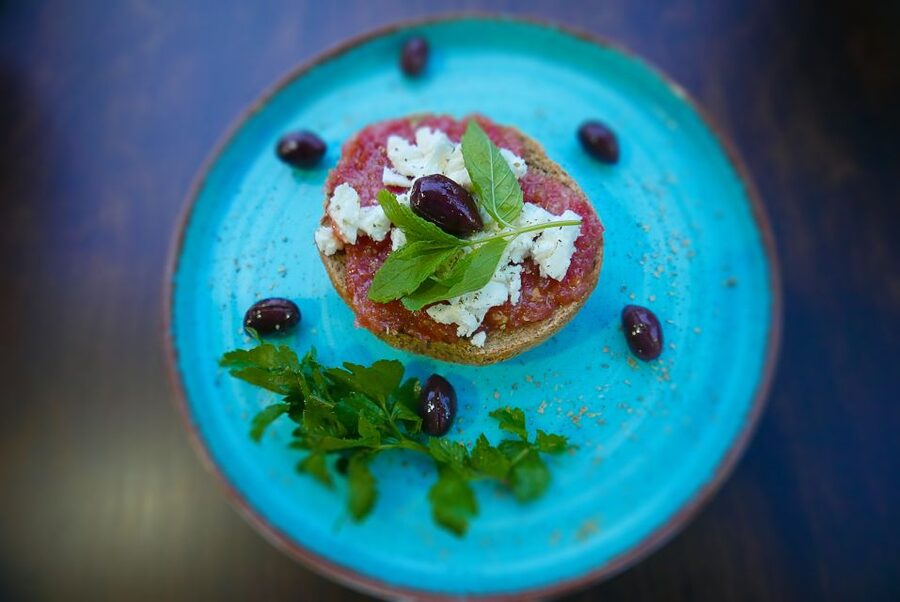
- Starter workshop: dakos, tzatziki, and Greek salad the Cretan way
- Main course cooking: gemista and moussaka with real technique
- The dessert chapter: Tyropitakia, honey, cinnamon, and homemade ice cream
- Drinks with your meal: wine early, raki later
- Price and value: what $116 per person really buys you
- Who should book this Cretan home cooking lesson
- Practical tips I’d use before you go (so you enjoy it more)
- Should you book Chrysoula’s Cretan Home Cooking Lessons?
- FAQ
- How long is the cooking lesson in Chrysoula’s home?
- What will I cook during the lesson?
- Is there a vegetarian or allergy-friendly menu?
- Does the experience include drinks?
- Is the host/greeter English-speaking?
- Is the cooking class wheelchair accessible?
- What is the price per person?
- Can I get a full refund if plans change?
Key reasons this Cretan home cooking lesson works so well
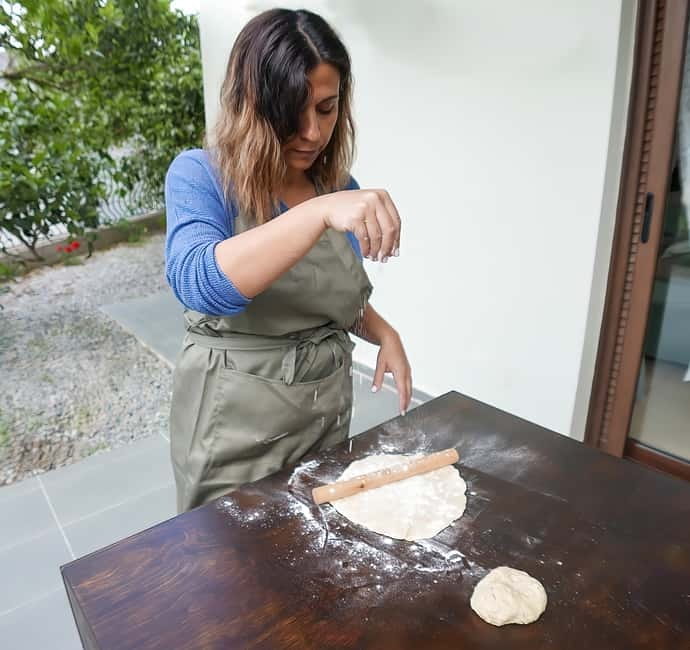
- Wood oven methods: you’re not just mixing bowls, you’re learning the heart of Cretan baking and roasting
- A real meal, not a snack demo: starter, main, and dessert all served with wine and raki
- Farm-to-table ingredients: fresh produce is sourced from the family farm or local farmers
- You cook, you taste, you ask questions: the class is interactive and designed for learning
- Adjustable menu: vegetarian friends and people with allergies can be accommodated
- Warm, chatty home hospitality: it feels like a dinner with a Cretan family, not a factory tour
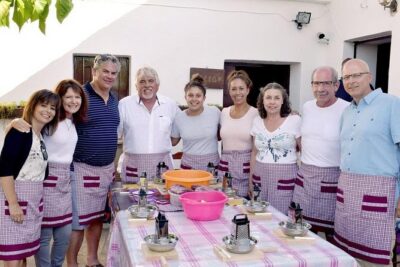
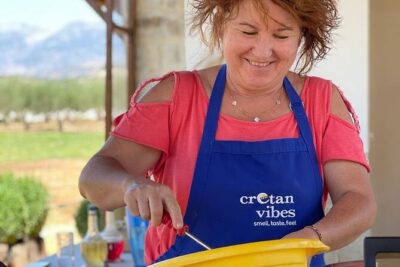
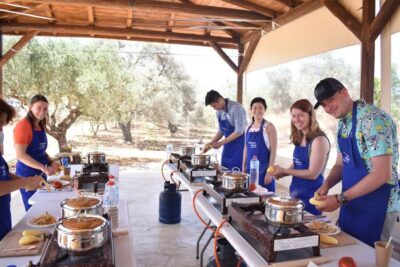
Aprons on for a proper Cretan kitchen
- Rethymno: Authentic Cooking Class with a Local
★ 4.8 · 23 reviews - Dining In Rethymno: An Evening Of Cretan Cooking
★ 4.9 · 12 reviews
Why a wood oven Cretan cooking class feels different near Rethymno
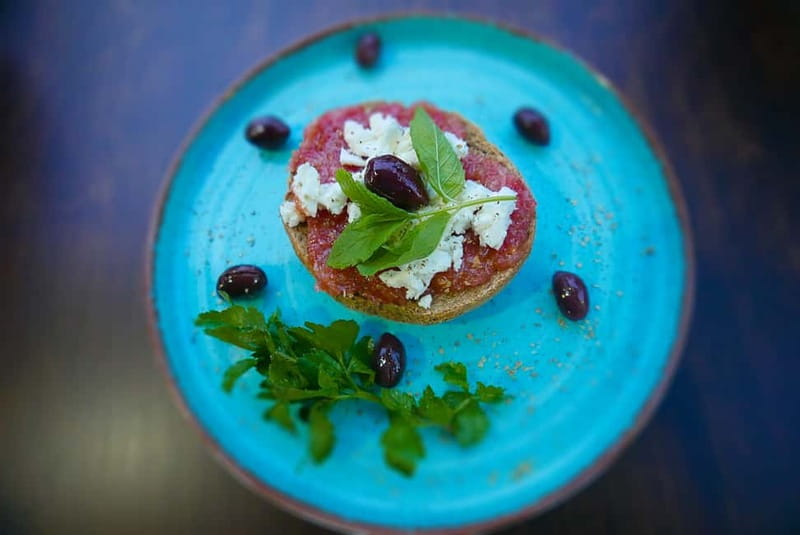
A lot of cooking classes teach technique. This one teaches context. In Crete, the oven and the ingredients are part of the story—wood heat, olive oil, seasonal produce, and old-school habits you can’t really fake with a quick “demo then go.”
What I like for you is how the experience moves in phases. You start with lighter dishes that set the flavor baseline, then you move into mains that show how Cretans build comfort food without wasting steps. Finally you finish with pies, honey, cinnamon, and something cool like homemade ice cream. That order matters because it helps you understand why the meal tastes like it belongs together.
And because this is hosted in the cook’s home, you get a gentle pace. The vibe is friendly and social, with enough structure that you’ll know what to do next, but not so rigid that it feels scripted.
Arriving at Chrysoula’s home: coffee, lemonade, and a quick taste of Crete
Expect a warm welcome as you settle in. You’ll likely start with something soothing like Greek coffee or herbal tea, and you’ll also be offered homemade lemonade and small bites such as ladokouloura (olive-oil rolls) and loukoumakia. These aren’t just random snacks. They set expectations for the rest of the day: olive oil isn’t a side idea here—it’s central.
This is also where you get to meet the other people in your group and chat with the host. That matters because Cretan cooking is as much about conversation and habits as it is about the recipe card. You’ll hear how the recipes are done using older, traditional practices, and that makes it easier to remember what to look for while cooking.
Practical tip: don’t plan a big meal right before. Several people have learned this the hard way because the class is scheduled so you arrive ready to work with your hands—and ready to eat.
Starter workshop: dakos, tzatziki, and Greek salad the Cretan way
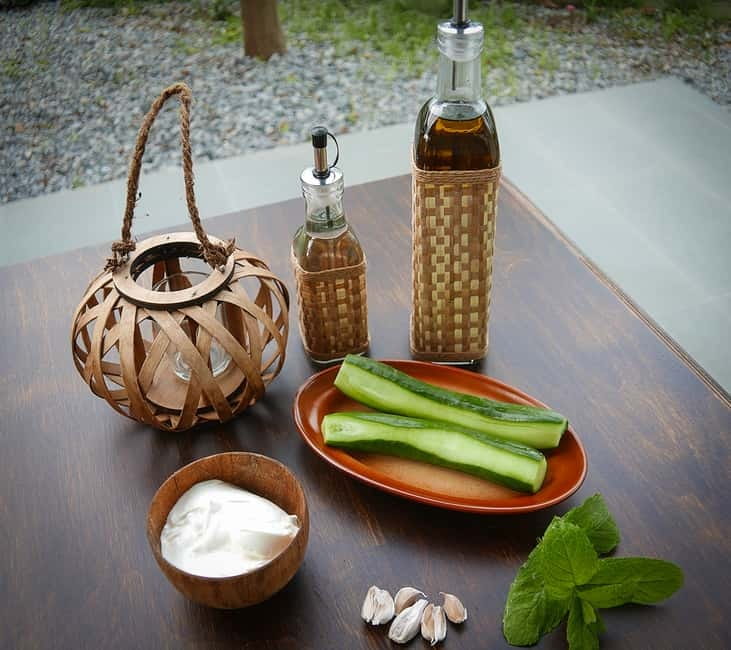
The starter part is where you learn to taste and adjust. You’re not just chopping for the sake of chopping. You’re building flavors—tomato brightness, herbs, salt, olive oil, and that creamy tang that shows up again in other dishes.
You’ll get hands-on with staples like:
- Dakos: a Cretan salad built from tomato, cheese, olive oil, and herbs
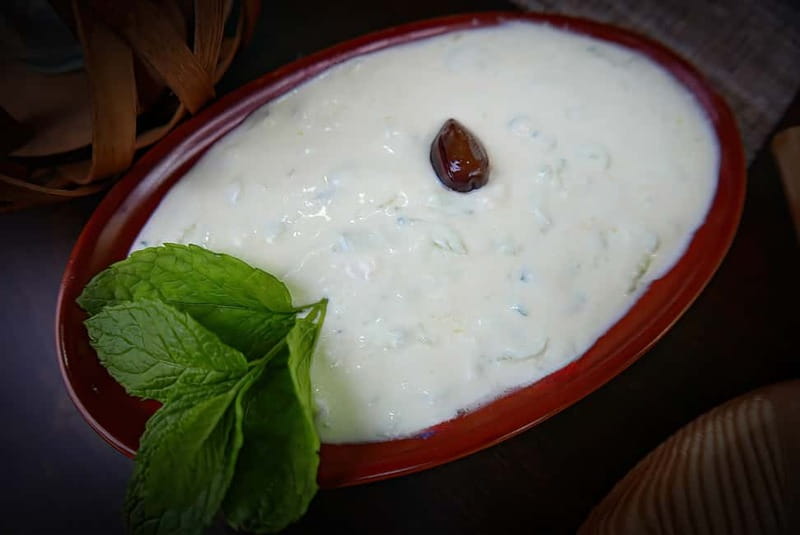
- Tzatziki: the famous Greek dip, made as a balance of cool and savory
- Greek salad: the familiar mix, but treated as part of the same flavor system
Here’s what makes this section valuable for you: it teaches how Cretan dishes use a few strong ingredients in smart combinations. It’s not about 20 spices. It’s about getting olive oil, herbs, and acidity to sing together, then making sure the textures match—fresh, creamy, crisp.
Also, if you care about dietary needs, this is a good moment to confirm how the host is adapting things for you. The menu can be adjusted for vegetarian friends or those with allergies, and the class is built with that flexibility in mind.
Worth lining up before you lock in this one:
Main course cooking: gemista and moussaka with real technique
When mains start, you move from mixing and topping into building dishes that take shape. This is where you’ll feel the wood-oven influence, plus the Cretan approach to stuffing, layering, and cooking until the food tastes like it’s been loved for hours.
You’ll cook classics such as:
- Gemista: stuffed vegetables like vine leaves, zucchini flowers, tomatoes, zucchini, and pepper
- Moussaka: the comforting layered casserole that anchors so many Greek meals
What I think you’ll notice (and what’s worth paying attention to) is how Cretan home cooking leans on fresh produce and olive oil rather than complicated steps. Gemista, for example, isn’t about fancy plating. It’s about getting the filling seasoned, the wrapper or vegetable cooked properly, and the whole dish finished so every bite has the same flavor.
For moussaka, the key is learning the rhythm—how to assemble layers, manage heat, and avoid turning it into something dry or bland. Even if you’ve made moussaka before, cooking it in this setting helps you understand what the dish is supposed to feel like when it comes out ready for sharing.
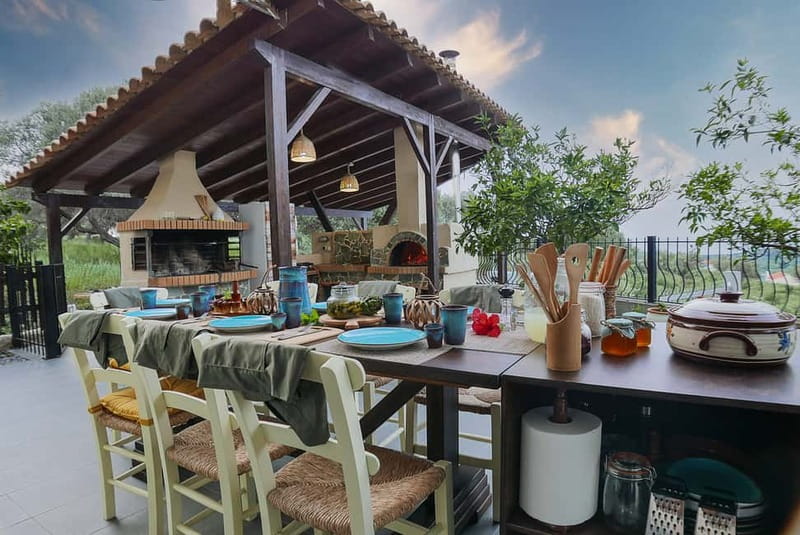
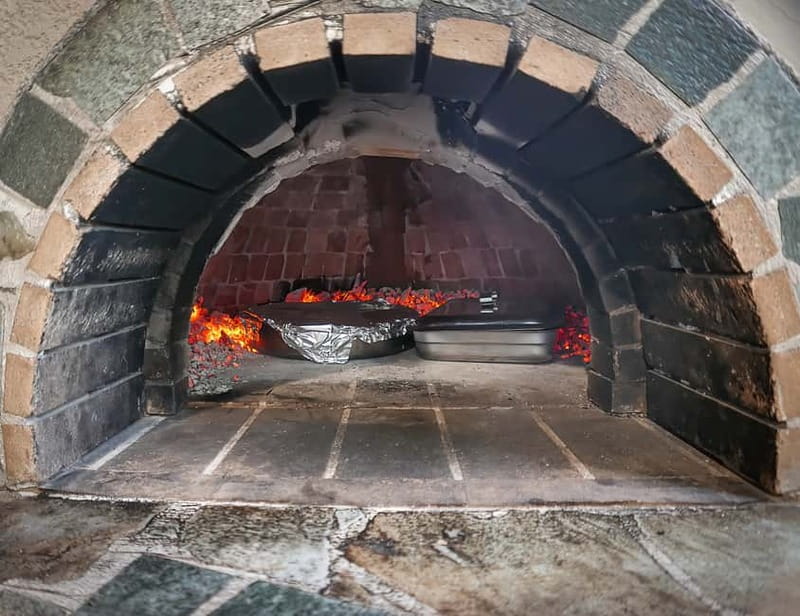
And yes, the traditional wood oven is part of this stage. That changes the cooking experience in a way you can’t fully translate to a modern kitchen, but you can still learn what to aim for: browned edges, tender interiors, and that gentle roasted character.
The dessert chapter: Tyropitakia, honey, cinnamon, and homemade ice cream
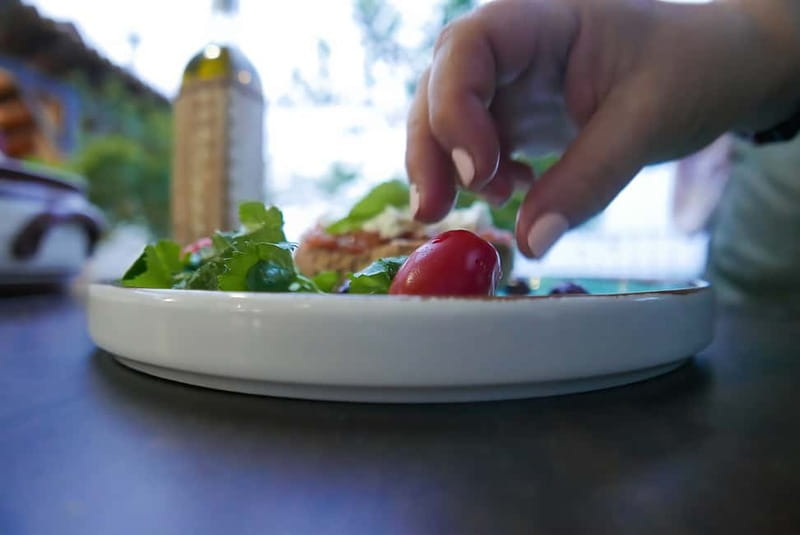
Dessert here isn’t an afterthought. It’s a full stop on the day’s route, and it’s where the sweetness has its own personality—cheese pies, honey, cinnamon, and colder textures to balance the heavier mains.
You’ll work with desserts like:
- Tyropitakia: traditional cheese pies
- Other pie styles with homemade cheese
- A finish of local honey and cinnamon
- Homemade ice cream and seasonal fruit
Then comes the part you should plan around: raki. Multiple people have pointed out that you should expect it, and that it can show up toward the end—often around dessert time. If you’re not used to it, pace yourself. It’s fun, but it’s also strong.
What makes this dessert section especially good for you is the way it connects to the rest of the meal. The cheese pies aren’t random. They echo the savory flavors earlier in the day, and the honey-cinnamon combo is a classic Greek finish that feels right after a wood-oven main.
Drinks with your meal: wine early, raki later
This class includes local wine and raki, and you’ll also be offered welcoming drinks like coffee or herbal tea at the start, plus homemade lemonade. The drinks aren’t just an add-on. They’re part of the rhythm: you eat, talk, and keep going at a home-dinner pace.
A useful mindset: plan to drink with the meal, not before it. If you go in slightly hungry and ready to eat, you’ll enjoy the experience more and feel less rushed.
If you’re driving later or prefer not to drink, you can still enjoy the cooking. The class is about the food and learning techniques, not about finishing alcohol at all costs.
Price and value: what $116 per person really buys you
At $116 per person for 3.5 hours, you’re paying for more than instruction. You’re paying for the whole experience of a Cretan home meal:
- You get a full sequence: starter, main, dessert
- You get drinks included: local wine and raki
- You cook with fresh ingredients sourced from the family farm or local farmers
- You use a traditional wood oven, which is a big part of the authenticity
So the value isn’t only “you learn recipes.” It’s that you come away with a memorable meal, plus techniques tied to how Cretans actually cook. When cooking classes focus only on one dish, they can feel like workshops with a small snack. Here, the meal is the point, and you’re part of the process.
If you’re the type of traveler who likes to bring home practical skills—how to balance flavors, how to stuff and assemble, how to finish in the oven—this price starts to make sense fast.
Who should book this Cretan home cooking lesson
This is a great match if you want:
- Authentic, home-style Greek cooking, not a tourist version
- Hands-on time with real recipes like dakos, gemista, moussaka, and cheese pies
- A social meal where you can chat with the host and other participants
- A setting with gorgeous views and an outdoor cooking feel around the oven area
It’s also promising for families, including people traveling with kids, because the atmosphere is warm and flexible. One person even shared that the host was accommodating with a young baby during cooking, which says a lot about how comfortable the home setting can be.
You might skip it if you want a highly structured, timed classroom style. This one is more like cooking together and eating like family: relaxed, interactive, and generous.
Practical tips I’d use before you go (so you enjoy it more)
- Come hungry. You’ll be fed—more than once—and you’ll also be cooking, so arriving with an empty stomach makes everything better.
- Expect raki later. Plan your pace, especially if you’re sensitive to alcohol.
- Wear clothes you can cook in. There’s chopping, mixing, and likely some heat near the oven area.
- Ask about allergies early. The class can adapt menus for vegetarian needs and allergies, but you’ll want to communicate clearly so the host can adjust the plan.
- Go in with curiosity. You’ll learn traditional practices and get tips you can actually use back home.
Should you book Chrysoula’s Cretan Home Cooking Lessons?
Yes, if you want a Cretan experience that feels like a real home dinner with real cooking skills, this is an easy recommendation. It’s built around the wood oven, a full meal, and recipes you can remember and remake—starter to dessert—without the experience feeling rushed or performative.
I’d also book it if you’re traveling in a group and want a shared activity that ends with everyone sitting down together. The combination of conversation, hands-on prep, and a final plate with wine and raki is exactly what makes this kind of class memorable.
If you’re short on time, though, or you hate cooking with your hands, you might prefer a lighter food experience. This one is meant for people who want to participate.
FAQ
How long is the cooking lesson in Chrysoula’s home?
The class lasts about 3.5 hours.
What will I cook during the lesson?
You’ll learn and cook a starter, a main dish, and a dessert. The class includes dishes such as dakos, tzatziki, Greek salad, gemista, moussaka, and desserts like Tyropitakia and other cheese pies, plus homemade ice cream and seasonal fruit.
Is there a vegetarian or allergy-friendly menu?
Yes. The menu can be adapted for vegetarian guests and for people with allergies.
Does the experience include drinks?
Yes. You’ll be served local wine and raki during the meal, along with welcome drinks such as Greek coffee or herbal tea and homemade lemonade.
Is the host/greeter English-speaking?
Yes. The host or greeter is listed as English.
Is the cooking class wheelchair accessible?
Yes, the activity is wheelchair accessible.
What is the price per person?
The price is $116 per person.
Can I get a full refund if plans change?
Free cancellation is available up to 24 hours in advance for a full refund.
Try Your Hand at Something

More Tour Reviews in Rethymno






Cook the Cretan Classics
Fresh Off the Boat: Newest Crete Reviews




Cretan Cooking Classes, compared.
 ★ 4.9Chania: Authentic Cooking Class in the White MountainsFrom $129529 reviews
 ★ 5.0The Real Cretan Cooking ExperienceFrom $133528 reviews
 ★ 5.0Chania Cooking Class-The Authentic Enjoy traditional Cretan mealFrom $133339 reviews
 ★ 5.0Full-Day Jeep Safari Tour with Cooking LessonFrom $111284 reviews
 ★ 5.0Cretan Cooking Class and Olive Oil TastingFrom $114178 reviews
 ★ 5.0Olive Oil, Soap, Wine, Raki – Flavorful Culinary JourneyFrom $111119 reviews
 ★ 5.0Moires: Cooking Class and Olive Oil Tasting at a Family FarmFrom $10093 reviews
 ★ 4.8Sightseeing Day Trip with Cooking Lesson and LunchFrom $10877 reviews
Browse the lists this tour appears in