
Review · CRETAN COOKING CLASSES
Dining In Rethymno: An Evening Of Cretan Cooking
Warm evenings, better food. This is a hands-on Cretan cooking class that ends as a real dinner in a home. You’ll learn dishes built on homegrown produce, and you’ll taste the kind of hospitality that doesn’t feel staged.
What I like most is the focus on working the food with your hands instead of just watching, plus the fact that the meal is made from ingredients that feel local and personal. One thing to keep in mind: it’s an outdoor setup, so weather and personal food restrictions matter.
This is also a small-group experience (up to 10 people), taught in Greek and English, so the evening stays friendly instead of chaotic. If you like Greek cooking for more than one bite, this format makes sense.
In This Review
- Key highlights worth showing up for
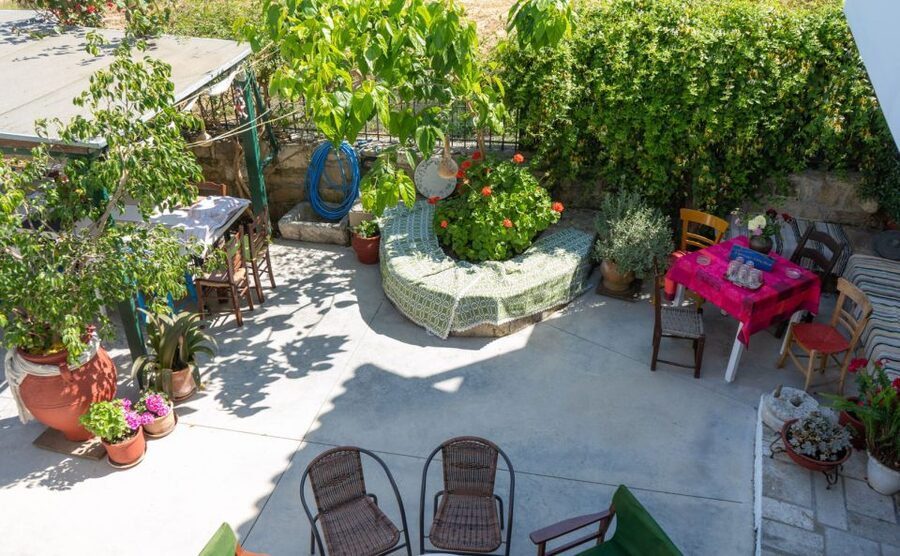
- A Wood-Oven Cretan Kitchen Outside Rethymno
- Meet Androniki: Small-Group Teaching With Real Hospitality
- What You Actually Cook: Chortopites, Pies, and More
- Homegrown Ingredients, Olive Oil, and Homemade Raki
- The 4-Hour Flow: From Oven Prep to a Shared Feast
- Price and Value: What You’re Really Paying For at $114
- Getting to Loutra: 11 km, No Street Names, One Google Map Pin
- Who Should Book This Cretan Cooking Evening?
- Should You Book Dining in Rethymno?
- FAQ
- How long is the cooking experience?
- Where does it take place?
- Who hosts the class?
- What kinds of dishes will I cook and eat?
- Are drinks included?
- Is it a small group?
- What about allergies or food restrictions?
- What are the cancellation and payment options?
Key highlights worth showing up for
- Wood-oven cooking outside in a real Cretan courtyard setup
- Homegrown vegetables and herbs used during prep and cooking
- Homemade raki plus wine and other drinks included with dinner
- A small group (max 10) so you actually get time at the oven and the ingredients
- Cretan classics you can name before you eat them: chortopites, pies, and more
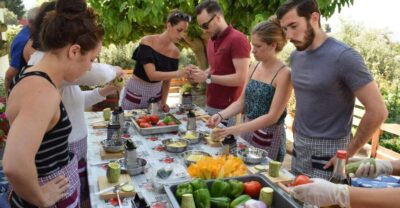
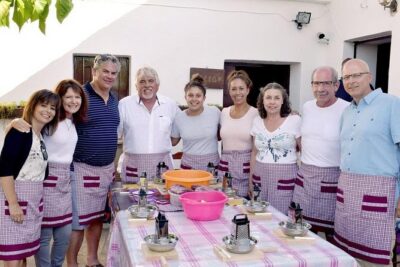
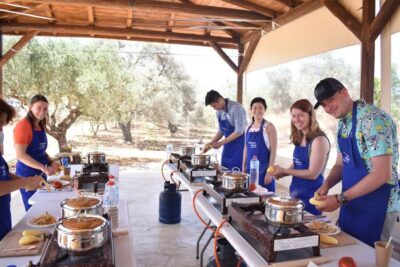
Aprons on for a proper Cretan kitchen
- Rethymno: Authentic Cooking Class with a Local
★ 4.8 · 23 reviews - Dining In Rethymno: An Evening Of Cretan Cooking
★ 4.9 · 12 reviews
A Wood-Oven Cretan Kitchen Outside Rethymno
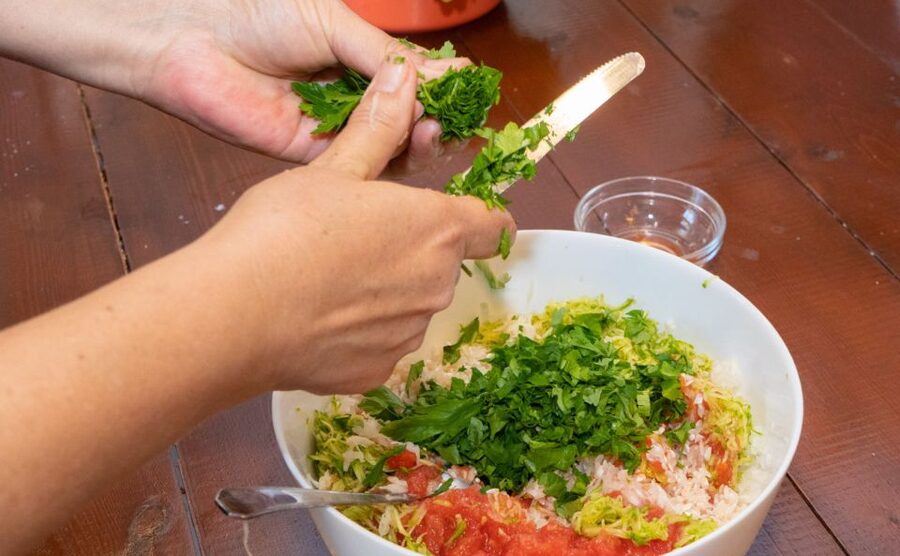
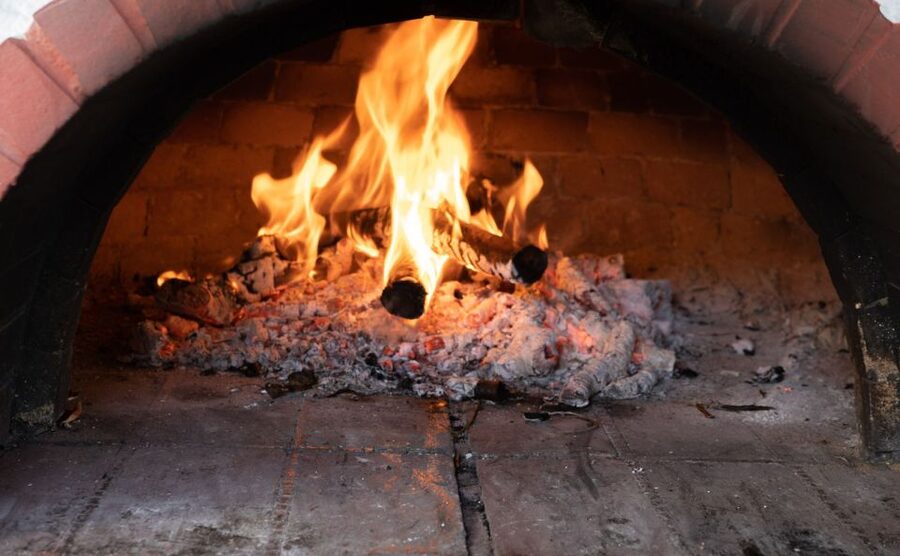
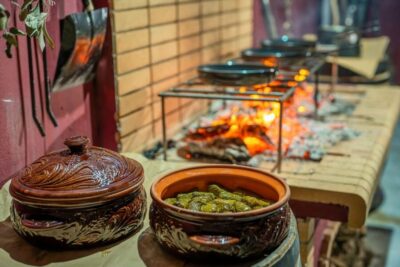
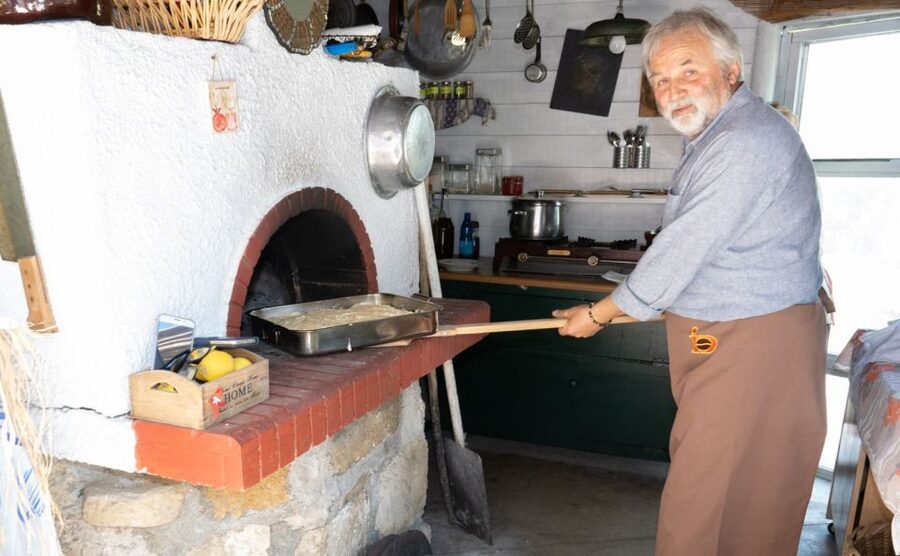
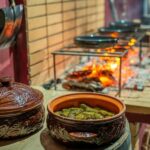
If you’ve ever wanted to understand why Cretan food tastes the way it does, this kind of class helps. You don’t just learn recipes. You learn the rhythm: chop, mix, stuff, shape, and then cook in the heat of a wood oven outdoors. The setting near Rethymno (in the Loutra area) adds to it, because it doesn’t feel like a restaurant performance.
The evening centers on a home-cooked approach. Ingredients come from the property, with olive oil and homemade staples used through the dishes. That matters for flavor, but it also changes how you cook. When you’re using ingredients that are fresh and local, the whole process feels less theoretical and more practical.
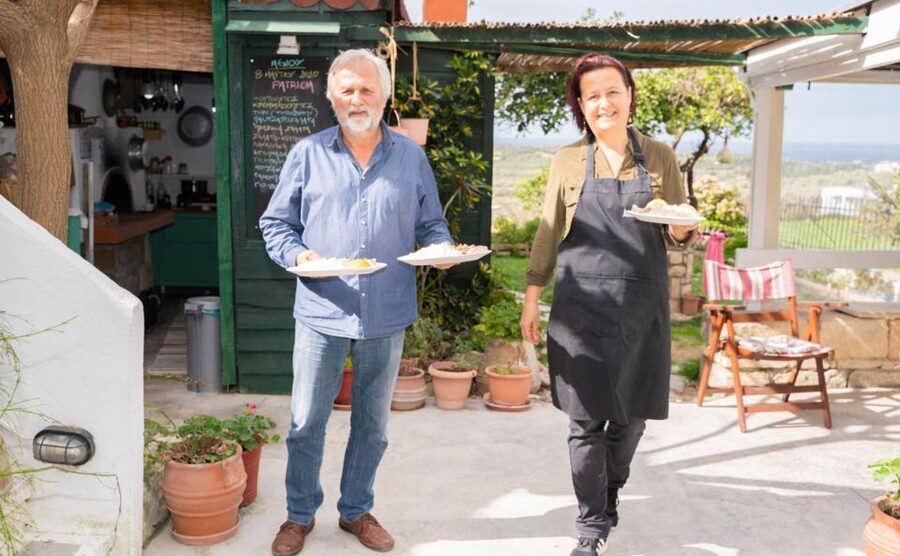
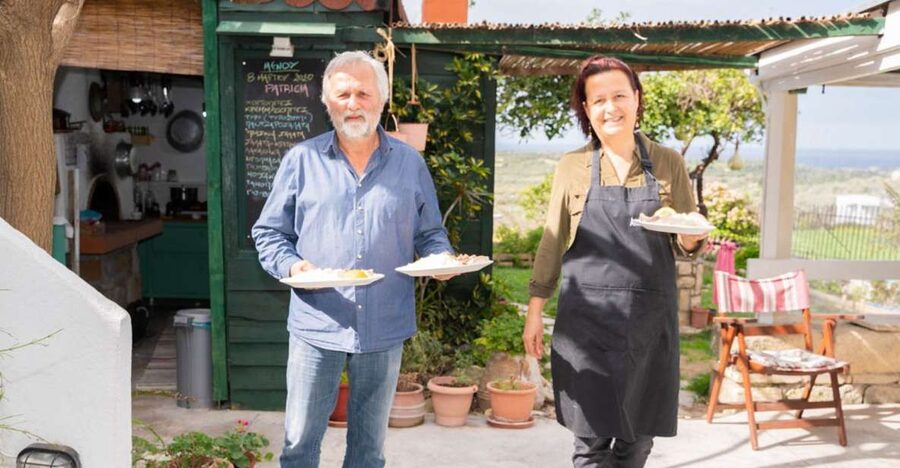
Androniki and her husband host the experience, and you’ll be working with them as the meal builds. With small-group limits, you’re not fighting for space, and you’re not stuck with a seat while someone else does the real work.
Meet Androniki: Small-Group Teaching With Real Hospitality
This is led by Androniki, a local host/chef who teaches in Greek and English. That language mix is helpful because Greek cooking has lots of specific terms—especially around pies, greens, and herbs. Having translation coverage means you can follow along without nodding politely through half the steps.
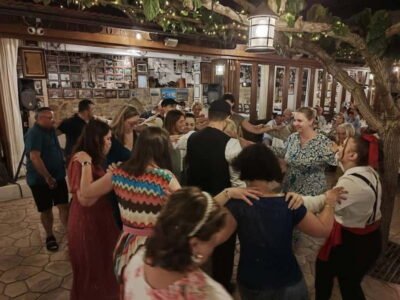
The group stays small, limited to 10 participants, so it feels like an evening with other food-minded people rather than a mass attraction. One detail I really appreciate from how the evening is described: the setup supports interaction. You meet, cook, and then dine together, which is the difference between a “class” and a “meal with education attached.”
From what you’ll see during the night, the teaching style is patient and practical. You’re not expected to be a chef. You’re expected to help. If you’re the type who learns by doing—chopping, mixing, shaping, adjusting—you’ll feel right at home.
What You Actually Cook: Chortopites, Pies, and More
The menu is built around traditional Greek appetizers, mains, and desserts, with examples that include classic names you might’ve heard in Greek tavernas. Expect at least several dishes, not just one “signature” item.
Here are some of the dishes that can show up during the evening, based on the dishes mentioned for this experience:
- Chortopites (wild greens pies)
- Kremidokalitsouna (often described as onion pastries/pies)
- Sfakianes pites (another traditional pie style)
- Kremidokalitsouna and chortopites are the kind of dishes where shaping and filling matter, not just tasting
- From the meal itself, you may also encounter dishes such as Greek salad (horiatiki), stuffed vegetables (gemista), moussaka, and dakos
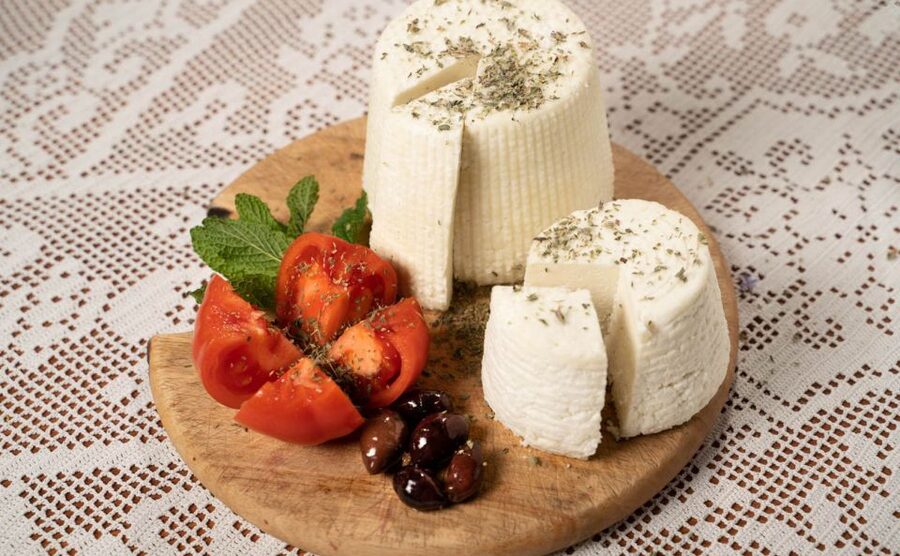
- You’ll also handle tzatziki and cheese as part of the tasting/dining spread
- Desserts are included as part of the overall flow
A quick reality check: the exact lineup can vary, but the structure stays consistent—multiple dishes, worked together during the cooking portion, then eaten in a shared meal.
Why this matters: you’ll learn cooking skills that transfer. Even if the specific dish differs from what you expected, the technique does not. For pies, it’s about working dough/filo layers (or whatever the night uses), controlling filling texture, and learning how the oven heat behaves. With dishes like moussaka or gemista, it’s about layering flavors and seasoning correctly before everything bakes together.
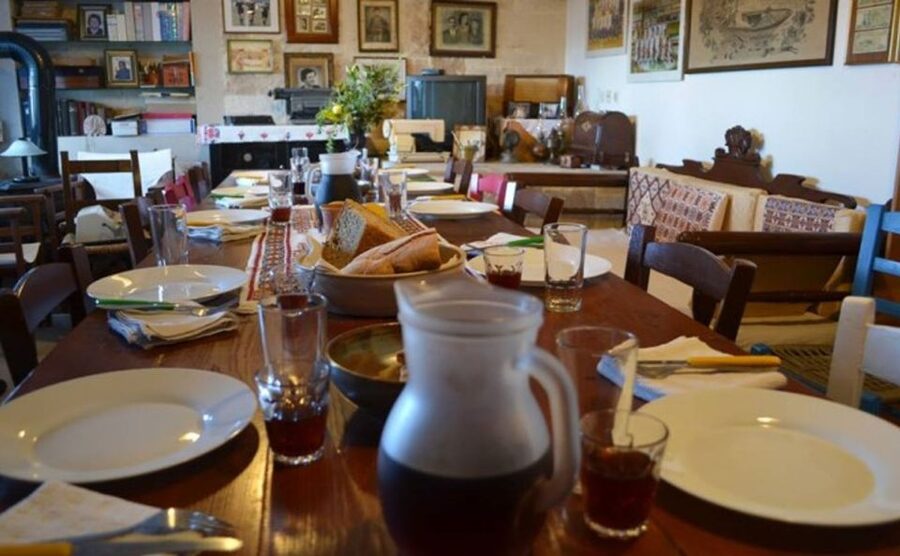
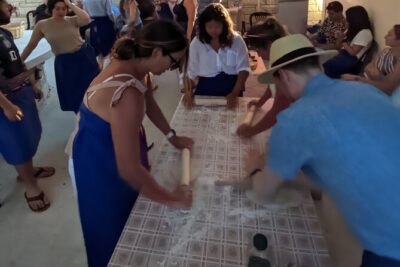
A Cretan table worth booking

Homegrown Ingredients, Olive Oil, and Homemade Raki
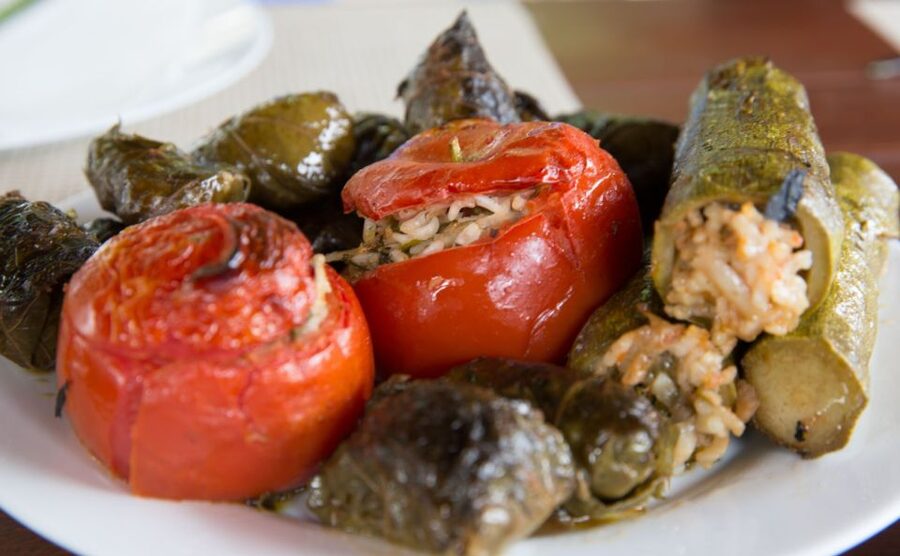
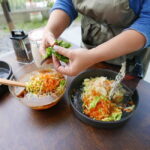
One of the best parts of this experience is the ingredient story. You’re not dealing with generic shopping-basket produce. The cooking uses homegrown vegetables and herbs, and homemade ingredients show up in the details.
That shows up in three areas:
- Flavor first: fresh herbs and vegetables taste like themselves, which makes the dishes easier to understand.
- Less guesswork: when you’re cooking with good basics, you don’t need fancy “chef shortcuts.”
- A more Cretan pace: olive oil and homemade staples help the meal feel local rather than imported.
And then there’s the drink situation. You can expect homemade raki, plus drinks and beverages included. Raki is a huge part of how many Cretan meals feel social—small pours, warm conversation, and a gentle shift from cooking mode to dinner mode.
If you’re a food person, this is where the night becomes memorable. You don’t just eat raki as a novelty. You experience it as part of the rhythm of the table.
The 4-Hour Flow: From Oven Prep to a Shared Feast
The total time is 4 hours, which is long enough to do real cooking, but short enough that you’re not stuck all day waiting. The evening works because it has a clear arc: you arrive, cook outdoors using the wood oven and fresh ingredients, then sit down and eat what you helped make.
Here’s what that feels like in practice:
- You start with instruction and ingredients in an outdoor kitchen environment.
- You work through a selection of appetizers, mains, and dessert components.
- You move from hands-on preparation to tasting and dining as the meal comes together.
- Drinks are part of the pace, not an afterthought.
A helpful tip: wear clothes you don’t mind getting food on. Even careful cooks end up with traces of herbs, olive oil, or dough residue. The “outdoor by the wood oven” setup can be charming, but it’s still a kitchen.
Also, plan on being present. This is not the type of tour where you can half-scroll on your phone and keep up. The learning comes from doing, and you’ll want your attention for filling, shaping, and the oven timing.
Price and Value: What You’re Really Paying For at $114
At $114 per person for about 4 hours, the price only makes sense if you think like a cook: you’re paying for instruction, ingredients, drinks, and the dinner itself. This isn’t a quick tasting walk-through.
What you get that supports the cost:
- Chef-led guidance with a local host (Androniki)
- Small-group format (max 10) which keeps the learning personal
- A wood-oven, outdoor cooking environment (more effort and setup than a typical cooking class)
- Drinks and beverages included, including Greek wine and homemade raki
- You dine in the host’s home, which turns it into a full evening rather than a sample platter
If you compare this to paying separately for a meal plus a cooking workshop, the structure holds up better than a lot of “dinner plus show” experiences. The core value is simple: you take part in making the food, not just consuming it.
And if you’re traveling with someone who loves food but gets bored by lectures, this is a good compromise. There’s teaching, but it’s grounded in action.
Getting to Loutra: 11 km, No Street Names, One Google Map Pin
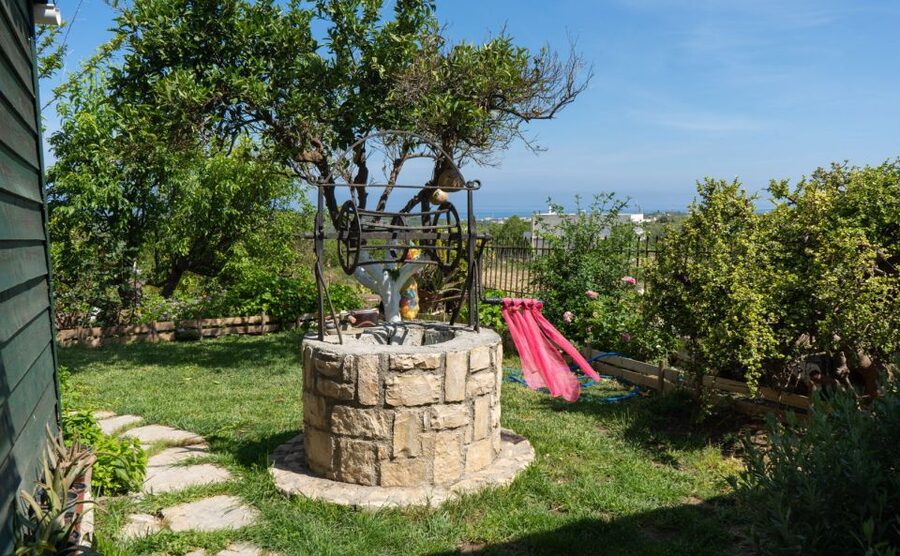
Location can make or break an evening like this. The village of Loutra is about 11 km from Rethymno. You can get there by car, taxi, or bus from Rethymno, but the village is small and doesn’t use typical street naming.
That means you should be ready for a slightly old-school navigation style:
- Use the confirmed map pin: it’s listed as andronikis cretan house on Google Maps (as provided for the area)
- Expect that the full address comes in your voucher
- Give yourself a little buffer if you’re driving for the first time in the area
This isn’t hard, but it is different. If you hate last-minute navigation, consider arranging transport in advance. The experience starts with showing up relaxed, not stressed.
Who Should Book This Cretan Cooking Evening?
This one is a strong match for:
- People who want hands-on cooking rather than sitting and watching
- Anyone who loves Cretan food—especially pies and greens-based dishes
- Couples or small friend groups who enjoy intimate, table-based social evenings
- Travelers who want a more local feel than a standard restaurant dinner
It may be less ideal if:
- You strongly dislike outdoor cooking environments
- You’re very sensitive to food allergies and don’t want to communicate ahead (you do need to share restrictions)
If you have any dietary needs (allergies or special diets), tell the organizers in advance so the kitchen can plan. This evening is built around fresh ingredients and specific dishes, so communication is the key.
Should You Book Dining in Rethymno?
Yes, if you want an evening that feels like learning Cretan cooking instead of just eating Cretan food. The combination of Androniki’s instruction, a wood oven, homegrown produce, and dinner with wine and homemade raki makes the experience feel complete for the time and price.
Book it especially if you’re the type who remembers meals by the techniques that created them. You’ll leave with practical knowledge you can actually use, plus the kind of dinner stories that start with: we cooked that.
If you want a more relaxed, “no participation” evening, look for something else. But if you’re curious and hungry for real Cretan methods, this is a very solid pick.
FAQ
How long is the cooking experience?
The duration is 4 hours.
Where does it take place?
It’s in the Loutra village area near Rethymno, about 11 km away. The full address is provided in your voucher, and the village doesn’t have street names.
Who hosts the class?
The experience is hosted by Androniki (with her husband supporting). Communication is in Greek and English.
What kinds of dishes will I cook and eat?
You’ll make a selection of traditional Greek dishes across appetizers, mains, and desserts. Dishes mentioned include chortopites, kremidokalitsouna, and sfakianes pites, and the meal may include items like dakos, Greek salad, gemista, moussaka, tzatziki, and cheese.
Are drinks included?
Yes. Drinks and beverages are included, including Greek wine and homemade raki.
Is it a small group?
Yes. It’s limited to a small group of up to 10 participants.
What about allergies or food restrictions?
You need to communicate any food restrictions (allergy, special diet, etc.) in advance.
What are the cancellation and payment options?
There is free cancellation up to 24 hours in advance for a full refund, and you can reserve now and pay later.
A Proper Sit-Down Meal


More Tour Reviews in Rethymno






Cook the Cretan Classics

Fresh Off the Boat: Newest Crete Reviews




Cretan Cooking Classes, compared.
 ★ 4.9Chania: Authentic Cooking Class in the White MountainsFrom $129529 reviews
 ★ 5.0The Real Cretan Cooking ExperienceFrom $133528 reviews
 ★ 5.0Chania Cooking Class-The Authentic Enjoy traditional Cretan mealFrom $133339 reviews
 ★ 5.0Full-Day Jeep Safari Tour with Cooking LessonFrom $111284 reviews
 ★ 5.0Cretan Cooking Class and Olive Oil TastingFrom $114178 reviews
 ★ 5.0Olive Oil, Soap, Wine, Raki – Flavorful Culinary JourneyFrom $111119 reviews
 ★ 5.0Rethymno: Chrysoula’s Cretan Home Cooking LessonsFrom $11698 reviews
 ★ 5.0Moires: Cooking Class and Olive Oil Tasting at a Family FarmFrom $10093 reviews
Browse the lists this tour appears in