
Review · CRETAN COOKING CLASSES
Chania Cooking Class-The Authentic Enjoy traditional Cretan meal
This Chania cooking class is the kind of experience that feels more like learning from a Crete family than doing a performance. You’ll start with a homemade welcome (Greek coffee or a local homemade refreshment plus cookies), then get your hands dirty making several classic Cretan dishes, including the lamb specialty kleftiko, plus stuffed vegetables and grape leaves (dolmades). I love that you’re not just tasting food you’re seeing how it’s made, step by step; and I especially like that the teaching comes with story, like the significance of the thieves dinner. The one drawback to plan for: you’ll do a lot of prep first, so your first proper sit-down meal can feel delayed unless you arrive hungry or pace yourself.
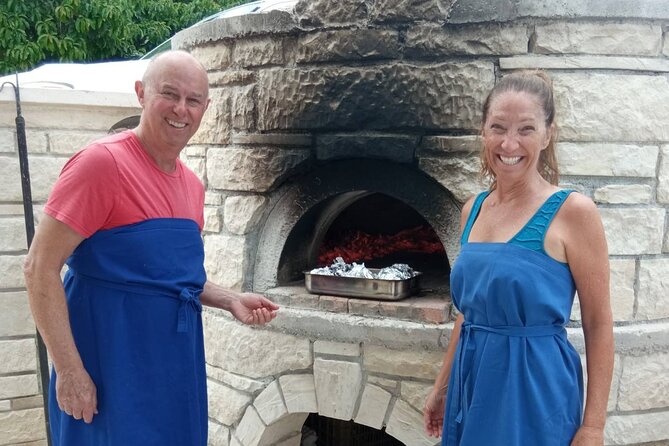
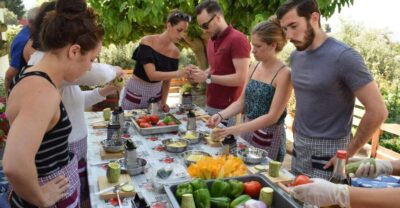
The setting adds to it. Based on how the day is run, you’re cooking outdoors in a shady, garden-and-olive-trees kind of space, with a wood-oven focus for the lamb. Hosts like Veerna and Kostas keep things friendly and organized, so even if you’re a first-timer, you’ll get pulled into the process without feeling lost.
In This Review
- Key moments that make this class worth your time
- A Chania cooking class that feels like olive-grove family time
- Price and value: what you’re really paying for
- Getting to Nerokouros and how pickup works in practice
- The welcome: homemade cookies, Greek coffee, and a quick game plan
- Your hands-on Cretan menu: what you’ll cook
- Appetizers: prepared and then enjoyed early
- Main focus: kleftiko lamb
- Stuffed vegetables and dolmades
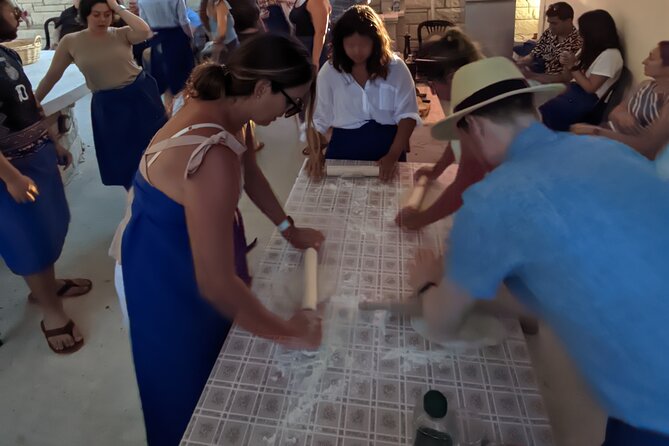
- Kalitsounia: the cheese pie and the rolling-pin moment
- Eating time: wine, lamb, and dessert you’ll want to save space for
- What the plates look like on your table
- Dessert: sweet kalitsounia and spoon sweet with yogurt
- Group size and attention: when hands-on actually means hands-on
- Who should book this Chania cooking class
- Should you book? My straightforward take
- FAQ
- What dishes will I help prepare in the class?
- Will we eat right away or later?
- Are alcoholic drinks included?
- Is transportation included?
- How long does the cooking class last and how big is it?
- Can I cancel for a full refund?
Key moments that make this class worth your time
- Kleftiko (thieves dinner) lamb explained and prepped in a way that makes sense, not just memorized
- Dolmades and stuffed vegetables so you get both the rolling-and-stuffing technique and the flavors
- Kalitsounia dough work with rolling pins, including the steps that make these cheese pies recognizable
- Appetizers served early (ntakos, tzatziki, and Cretan salad), even though you’ll cook much of the meal first
- Local wine and soft drinks included as you eat what you made
- A small-group vibe with a max of 40 people and lots of hands-on attention reported in practice
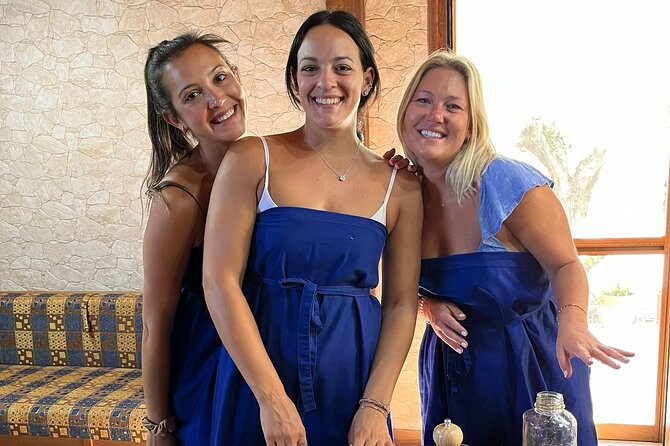
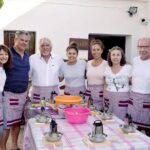
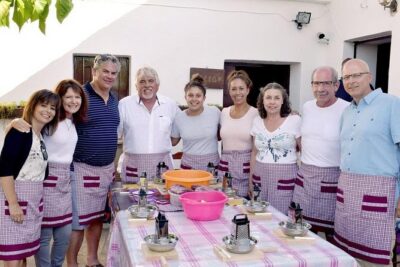
Aprons on for a proper Cretan kitchen
- Chania: Authentic Cooking Class in the White Mountains
★ 4.9 · 529 reviews - The Real Cretan Cooking Experience
★ 5.0 · 528 reviews - Chania Cooking Class-The Authentic Enjoy traditional Cretan meal
★ 5.0 · 339 reviews - Cretan Cooking Class and Olive Oil Tasting
★ 5.0 · 178 reviews
A Chania cooking class that feels like olive-grove family time
If you want more than the usual food tour stop-and-snap-photo routine, this is built for hands-on learning. The big win is the way the day flows: you cook, you snack, you cook some more, then you sit down and eat everything you helped make. That order matters because Cretan cooking is about process. When you roll dolmades, you feel why the filling tastes the way it does. When you shape kalitsounia dough, you see why the texture holds up with honey and spoon sweet.
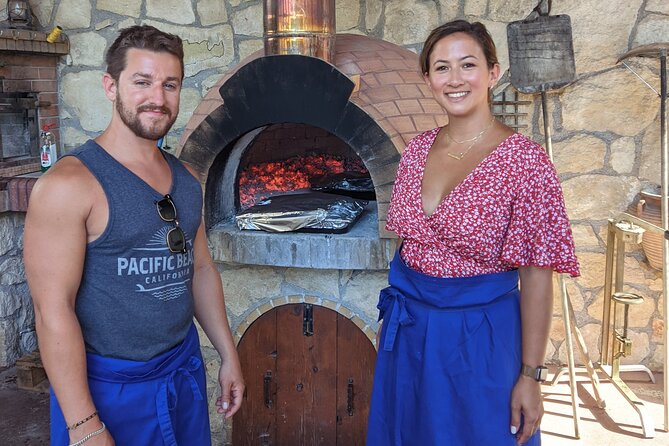
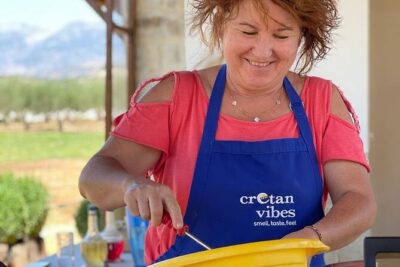
I also like that it’s not only “cook these dishes.” You get context. The class highlights the meaning behind kleftiko—Crete’s thieves dinner tradition—so the lamb doesn’t feel like a random main course. Instead, it lands as something that carries a real island identity. And hosts like Veerna (the lead teacher in the kitchen) and Kostas (often focused on the wood-oven side) make sure the food stories don’t turn into a lecture.
Price and value: what you’re really paying for
The price shown is about $133.08 per person, and the operator lists adult pricing at 105 EUR. Either way, you’re paying for a full 4–5 hour, multi-course cooking session where ingredients and drinks are included. That’s where the value is hiding.
Here’s what’s included with your class fee:
- Everything you need for cooking (ingredients provided)
- Alcoholic beverages plus soda/soft drinks
- A full meal spread (lunch or dinner service timing options)
- The experience itself, with instruction throughout
What’s not included is transportation to/from your area unless you arrange pickup (more on that below). But once you’re on-site, you’re not nickel-and-diming snacks or drinks. And because you make multiple dishes, you leave with a better “cookbook” than recipes printed on paper. You understand the rhythm: dough prep, rolling and stuffing, finishing sauces/dips, then eating and tasting how the final plates come together.
Getting to Nerokouros and how pickup works in practice
The meeting point is in Nerokouros (731 00 / 733 00), Greece. After confirmation, you’ll receive details about the exact location, so don’t count on guessing where the property is ahead of time.
If you need pickup, it’s offered for an extra fee and the transport is semi-private. The operation uses a 9-seat van and an EV, which means you might share the ride with other people joining the class. That’s a good thing for value, but it’s still not “private car for just your party,” so keep that expectation straight.
The activity ends back at the meeting point. If you’re on a tight schedule (port day, cruise day, or a bus connection), plan your day with a little buffer. The class runs long enough that you’ll want your next stop to be flexible.
Worth lining up before you lock in this one:
The welcome: homemade cookies, Greek coffee, and a quick game plan
Your morning or afternoon starts with a warm welcome. The hostess brings a homemade refreshment or a Greek coffee, plus homemade cookies. It’s a small moment, but it sets the tone: you’re not rushed into aprons and chaos.
Then you’ll get oriented on the Mediterranean-based menu. This is where the class earns trust. Instead of sending you into the kitchen with zero map, they explain what’s coming next and why the order matters. You’ll also hear about the significance of kleftiko (thieves dinner), and that story makes the lamb prep feel more purposeful.
Your hands-on Cretan menu: what you’ll cook
This class is built around a classic set of Cretan dishes with a mix of starters, mains, and dessert. The best part is that you’re not only watching. You’re doing.
Appetizers: prepared and then enjoyed early
Even though you’ll cook much of the meal first, appetizers show up as an early payoff. You’ll make and/or prepare:
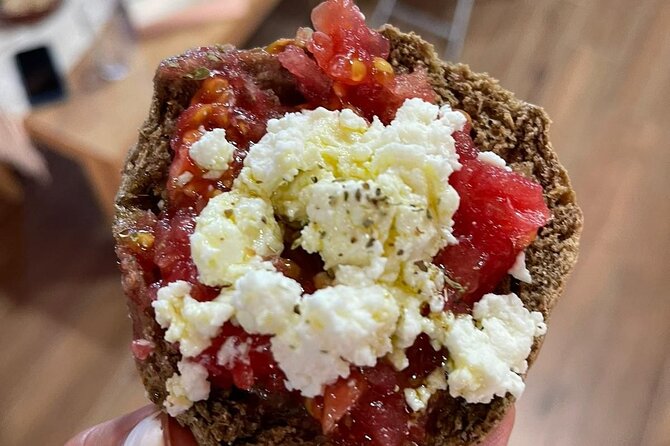
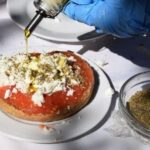
- Ntakos: traditional Cretan baked bread topped with grape tomato and goat cheese
- Tzatziki: yogurt with cucumber and garlic
- Cretan salad (served with the rest of the spread)
If you’re the type who gets impatient when food takes too long, this is your balance. You get flavor early, then you work on the heavier dishes, then you finish with dessert.
Main focus: kleftiko lamb
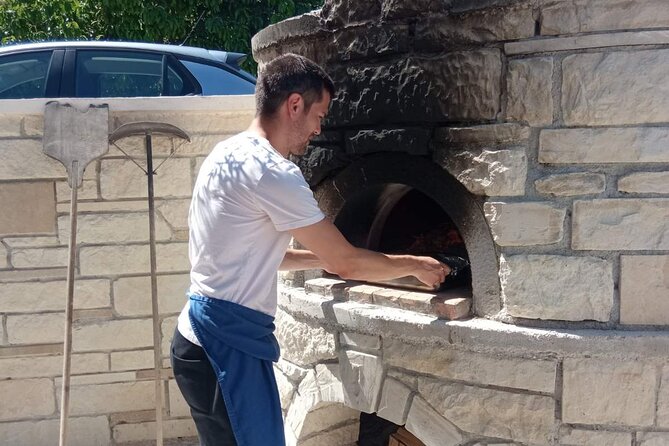
The centerpiece is kleftiko, known as the thieves dinner. You’ll learn about the dish’s meaning and you’ll prepare the main element: a lamb pouch stuffed with lamb (and also described alongside goat cheese and vegetables in the sample menu). It’s one of the dishes where method matters: the food is about packing, shaping, and letting heat do the work.
Stuffed vegetables and dolmades
Next comes the hands-on Mediterranean rolling and stuffing work:
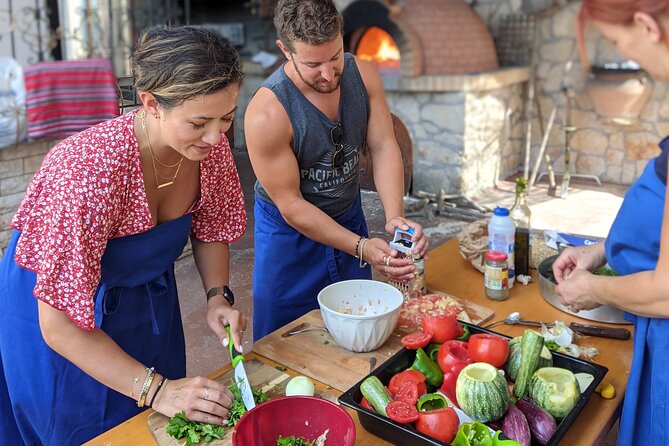
- Stuffed vegetables like tomatoes, peppers, and zucchini filled with rice and herbs
- Dolmades (stuffed grape leaves), including the shaping/rolling practice needed to make them neat enough to hold together
This is one of those “you’ll remember how long it took” steps. It’s not hard, but it’s detailed. The payoff is huge: when you eat them later, you’ll recognize what you put in every roll.
Kalitsounia: the cheese pie and the rolling-pin moment
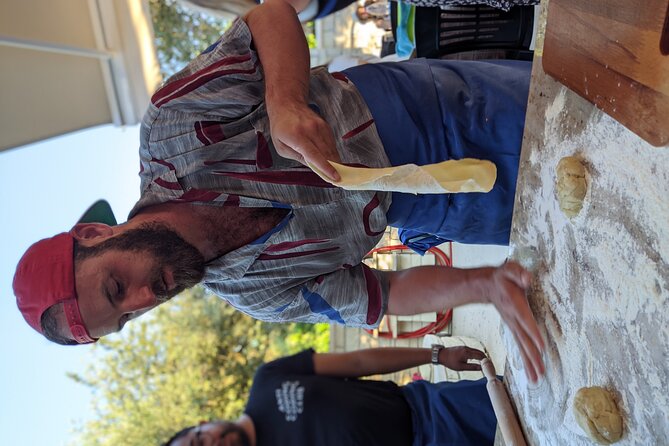
Then you’ll learn kalitsounia, Cretan cheese pies. You use rolling pins to roll out the dough. The class structure typically has you working the dough and filling steps so that later, when you see the pies, you can tell what you did that affected the final texture.
In many cooking classes, desserts are an afterthought. Here, kalitsounia shows up twice: once savory and once sweet.
Eating time: wine, lamb, and dessert you’ll want to save space for
Once everything is ready, you sit down and eat what you made. The meal includes local wine and plenty of it, plus soda/soft drinks. Based on how the experience is described, the food quantity is a real selling point: you’ll cook a lot in about 4 hours, then you’ll eat a multi-course spread without feeling like you got only a token taste.
What the plates look like on your table
You’ll enjoy the Cretan dishes you prepared in the following overall flow:
1) Appetizers like ntakos, tzatziki, and Cretan salad
2) The lamb kleftiko as a main
3) Stuffed vegetables and dolmades
4) Dessert, including something seasonal
Dessert: sweet kalitsounia and spoon sweet with yogurt
For dessert, expect:
- Sweet kalitsounia: cheese-filled pies served with honey
- Yogurt with spoon sweet: Greek yogurt paired with spoon sweet made from wild fruits
This dessert pairing is classic for a reason. The honey and spoon sweet bring sweetness and perfume, while the yogurt keeps it from becoming heavy.
Group size and attention: when hands-on actually means hands-on
The class runs with a maximum of 40 people. In practice, it can be smaller—some groups have mentioned numbers around 20–27. The reason that matters is simple: you’re handling dough, stuffing, and rolling. If a class is too big, someone ends up standing in the corner.
Here, the instruction is structured so you get time and guidance. Veerna leads much of the teaching, and Kostas focuses on parts like the wood-oven lamb side. The result is that beginners can participate and still feel confident at the end, and food lovers who know a bit can appreciate the techniques and choices behind the flavors.
Who should book this Chania cooking class
This works especially well if you:
- Want an authentic Cretan meal experience without guessing which restaurant dishes are worth it
- Like interactive cooking over passive tasting
- Enjoy food paired with stories (like the meaning behind kleftiko)
- Want a full meal with wine included, not a short snack tour
It may be less ideal if you:
- Can’t tolerate a wait between arrival and the main sit-down meal (the day is hands-on first)
- Prefer highly structured, quiet, no-sharing instruction (this tends to be warm and social)
A practical tip from the overall structure: if you’re the type who gets shaky when dinner runs late, eat a little before you go. You’ll still get cookies and early nibbles, but the real volume comes when the full spread is ready.
Should you book? My straightforward take
Book it if you want your time in Chania to pay off with more than photos. The combination of hands-on cooking, a clear Cretan menu, and included wine makes this a high-value half-day that teaches you how island flavors are built. If you’re traveling with food preferences, this is also a good format because you can ask questions while you cook.
Skip it only if you dislike being in the kitchen for most of the experience or you need immediate sit-down dining the moment you arrive.
If you’re deciding between this and another food activity, I’d choose the one where you leave with a real understanding of what you ate. This is that kind of class.
FAQ
What dishes will I help prepare in the class?
You’ll work on several traditional Cretan dishes, including ntakos, tzatziki, kalitsounia (including rolling out dough), kleftiko (thieves dinner) lamb, stuffed vegetables, and dolmades (stuffed grape leaves). Dessert includes sweet kalitsounia and yogurt with spoon sweet.
Will we eat right away or later?
You’ll be welcomed first with a homemade refreshment or Greek coffee and cookies, then you’ll do cooking steps. Appetizers are prepared last but eaten first, so you don’t have to wait until the very end to taste what’s going on.
Are alcoholic drinks included?
Yes. Alcoholic beverages are included, along with soda/soft drinks, and you’ll enjoy local wine during the meal.
Is transportation included?
Transportation is not included by default. Pickup is offered for an extra fee, and it’s semi-private using a 9-seat van and an EV. You may share the ride with other people.
How long does the cooking class last and how big is it?
The class runs about 4 hours, with duration up to 4–5 hours depending on the number of participants. The experience has a maximum of 40 travelers.
Can I cancel for a full refund?
Yes. Free cancellation is allowed up to 24 hours before the experience starts for a full refund. If you cancel less than 24 hours before the start time, the amount you paid is not refunded.
Try Your Hand at Something


More Tour Reviews in Crete



Cook the Cretan Classics
Fresh Off the Boat: Newest Crete Reviews


Cretan Cooking Classes, compared.
 ★ 4.9Chania: Authentic Cooking Class in the White MountainsFrom $129529 reviews
 ★ 5.0The Real Cretan Cooking ExperienceFrom $133528 reviews
 ★ 5.0Full-Day Jeep Safari Tour with Cooking LessonFrom $111284 reviews
 ★ 5.0Cretan Cooking Class and Olive Oil TastingFrom $114178 reviews
 ★ 5.0Olive Oil, Soap, Wine, Raki – Flavorful Culinary JourneyFrom $111119 reviews
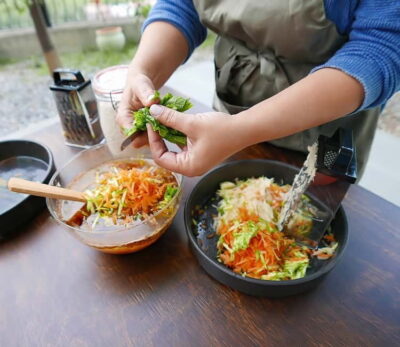 ★ 5.0Rethymno: Chrysoula’s Cretan Home Cooking LessonsFrom $11698 reviews
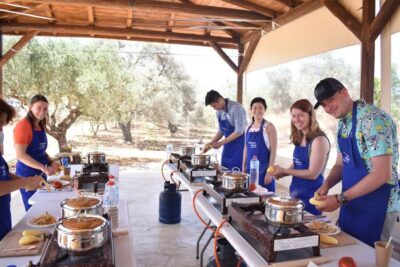 ★ 5.0Moires: Cooking Class and Olive Oil Tasting at a Family FarmFrom $10093 reviews
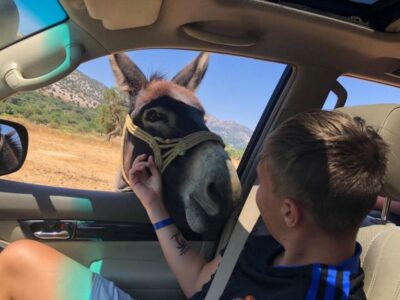 ★ 4.8Sightseeing Day Trip with Cooking Lesson and LunchFrom $10877 reviews
Browse the lists this tour appears in