
Review · CRETAN COOKING CLASSES
Heraklion: Cretan Cooking Lesson with Lunch in Arolithos
Cooking here feels like time travel.
I love the Arolithos village museum with its family collections and replica houses, and I love that you actually cook your own dishes before eating them with a glass of local wine. One catch: there’s no hotel pickup, so you’ll need your own taxi/transfer to reach the meeting point.
The total outing is about 4 hours, with roughly 2.5 hours of cooking-and-prep, then lunch on a terrace with valley views toward Heraklion and the mountain of Giouchtas. If you’re expecting to be running a personal stove for every course end-to-end, plan for the fact that a lot of your time is hands-on prep while the team handles the final cooking.
In This Review
- Key takeaways before you go
- Arolithos Traditional Cretan Village: the museum walk that sets the mood
- The cooking lesson: hands-on prep with the chefs doing the heavy lifting
- What you’ll actually make (or help make)
- Knives, folding, and the tiny confidence boosts
- The Cretan menu: why these dishes are a great learning path
- Tzatziki: the sauce you’ll use all year
- Dolmades and stuffed vegetables: technique you can transfer
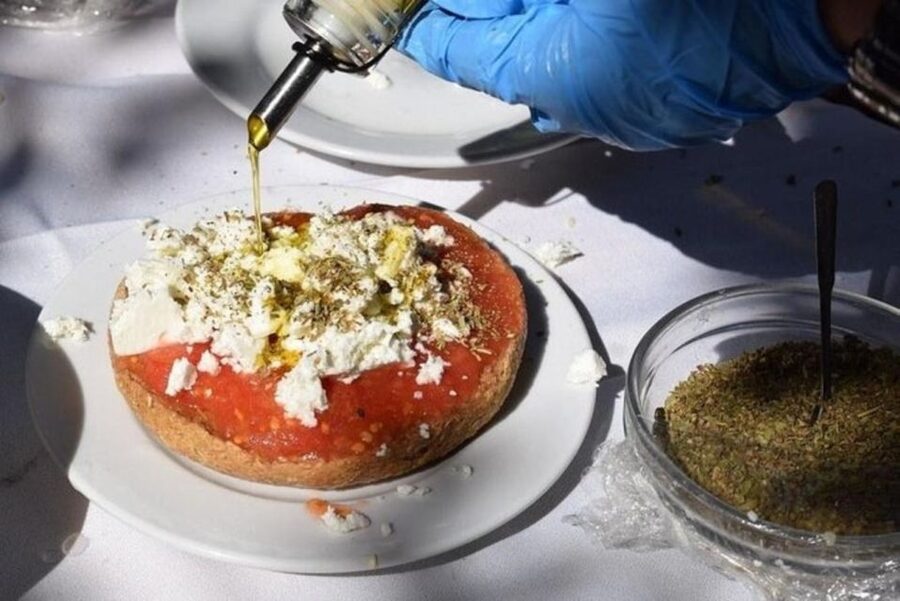
- Dakos/ntakos: learning how leftovers become a meal
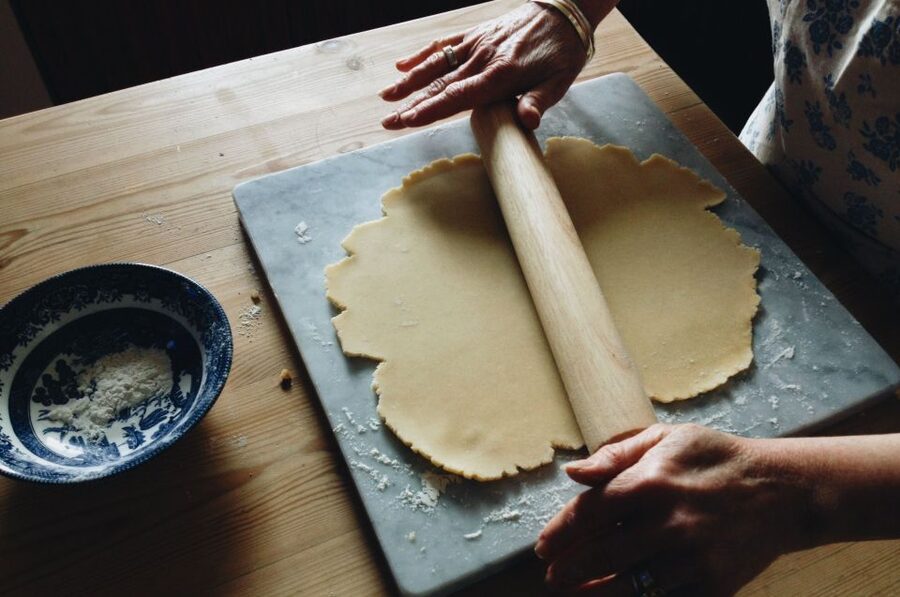
- Cheese pies: why Cretan comfort food is not complicated
- Meat dishes (pork and lamb): the class context matters
- Lunch with a view: when your cooking becomes your meal
- Wine and water: included, but keep it sensible
- What you’ll get when you leave
- Who should book this Cretan cooking class (and who should skip it)
- Price and value: is $129 per person worth it?
- Logistics that affect your comfort: meeting point, timing, and what to bring
- Dietary needs and vegetarian options
- Rules you’ll notice on the day
- Book it or skip it: my honest recommendation
- FAQ
- Where is the meeting point?
- Is hotel pickup included?
- How long is the whole experience?
- What kinds of dishes will we make?
- Are vegetarian options available?
- Is wine included?
- Can the menu be adapted for allergies?
Key takeaways before you go
- Arolithos is more than a class: you start with a museum and village walk through old houses and a folk collection.
- You’re hands-on: stuffed vine leaves/dolmades, tzatziki, dakos/ntakos, and cheese pies are part of the fun.
- Wine and snacks appear during the process: breaks include local wine, plus tasting nibbles along the way.
- Lunch happens on a terrace: you’ll eat what you helped make, with vineyards, olive trees, and Giouchtas in view.
- You leave with recipes: you get recipe guidance to recreate the dishes back home.
- Private group feel: it’s listed as a private group, so the experience can be more personal and flexible.
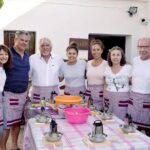
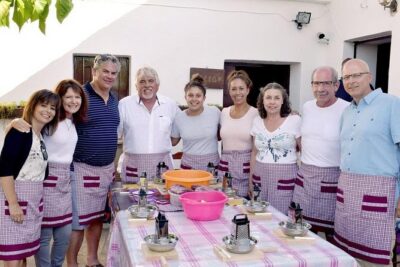
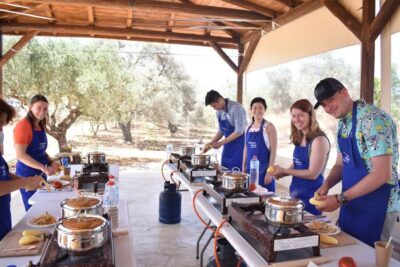
Aprons on for a proper Cretan kitchen
- Chania: Authentic Cooking Class in the White Mountains
★ 4.9 · 529 reviews - The Real Cretan Cooking Experience
★ 5.0 · 528 reviews - Chania Cooking Class-The Authentic Enjoy traditional Cretan meal
★ 5.0 · 339 reviews - Cretan Cooking Class and Olive Oil Tasting
★ 5.0 · 178 reviews
Arolithos Traditional Cretan Village: the museum walk that sets the mood
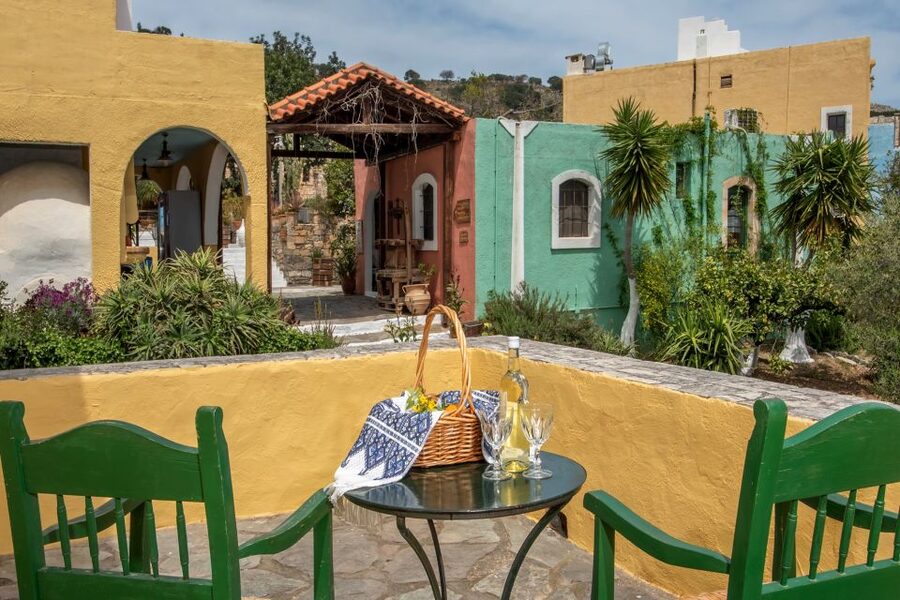
Before you touch any ingredients, you’ll tour the Arolithos Traditional Cretan Village. The setting is built to look like an old Cretan village, and the day starts with a stroll through small streets where you’re guided around the premises.
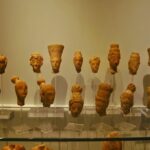
A big part of the appeal is the museum. You’ll see exhibitions from a familial collection of old objects, then visit two old houses. That house portion is where the experience starts to make sense: it’s not just set dressing. It’s a quick way to understand how Cretan daily life worked, and why certain foods mattered.
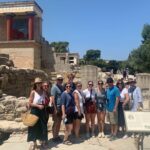
If you get a guide like Evi or Mary, the tone can turn very conversational. One group experience notes how the guide shared Cretan history as they walked, and how the pace felt unrushed—especially when the group was small. That matters because you’re going to spend time cooking afterward. You want to arrive at the kitchen already feeling oriented.
Practical note: this is a village tour, so expect some uneven spots and outdoor walking.
The cooking lesson: hands-on prep with the chefs doing the heavy lifting
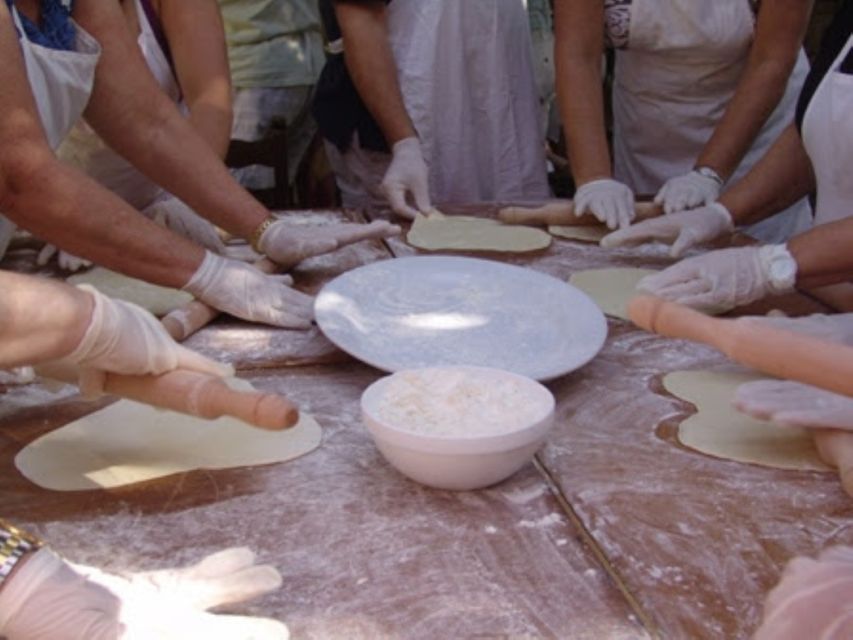
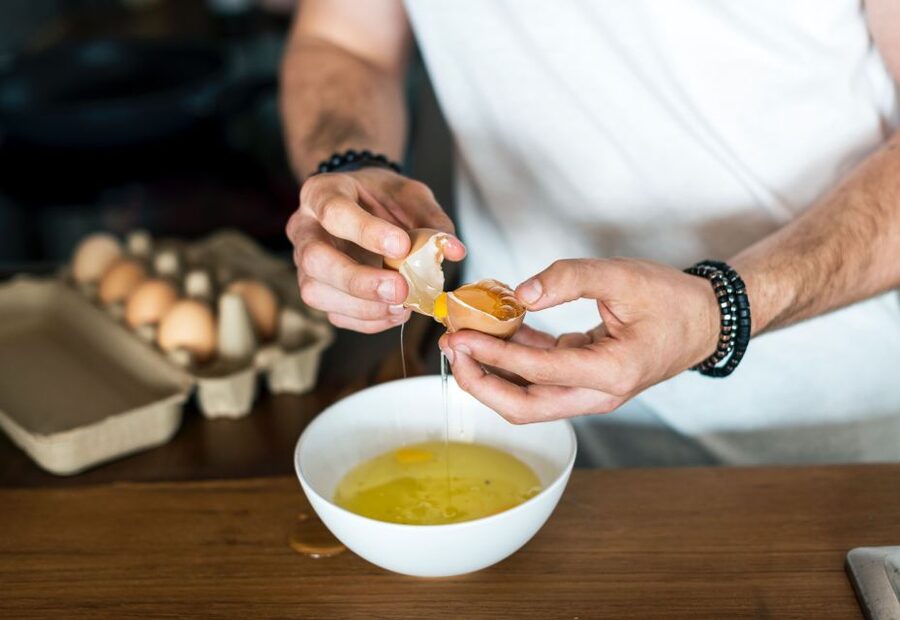
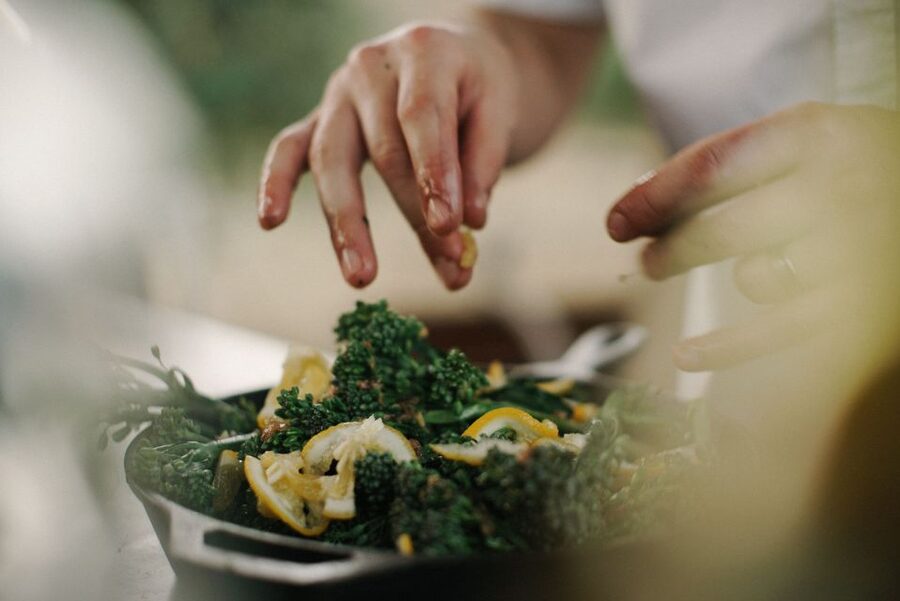
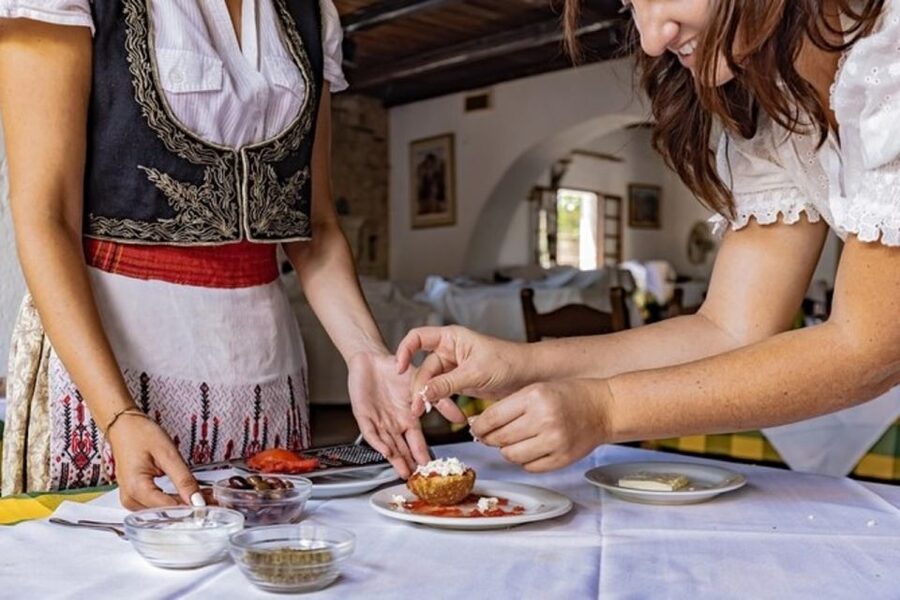
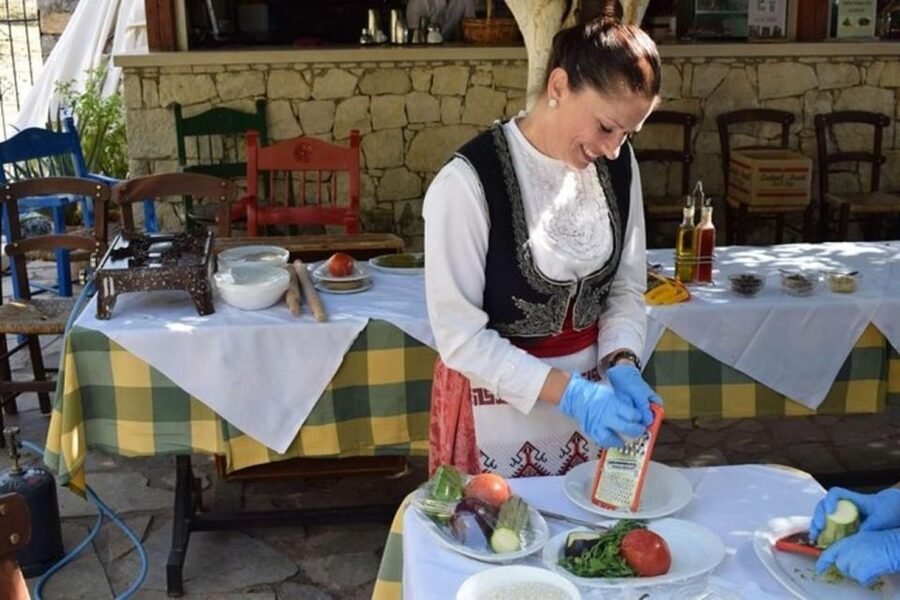
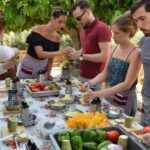
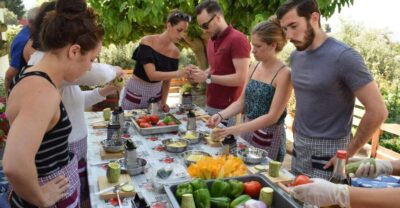
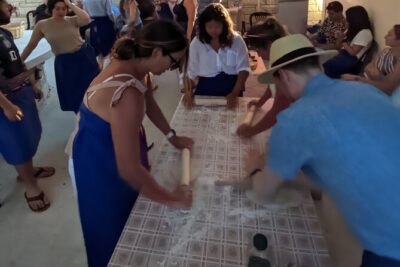
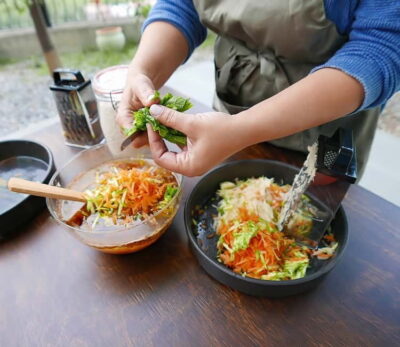
The cooking portion is described as a hands-on lesson, and that matches what you’ll likely feel in practice: you’ll be doing real food work—chopping, mixing, stuffing, folding, grating, and assembling—rather than just watching.
But a helpful expectation is that not every part is purely “you cook every second.” Some items may be finished by the chefs as your meal comes together. The day is designed so you learn the process, then you eat the results in a relaxed meal on the terrace.
What I like about the structure is that it’s paced. You don’t just race through recipes. You’ll hit prep stages for multiple dishes, then you’ll take breaks. Those breaks are where wine, cheese, and snacks show up, so the class doesn’t turn into a long dry stretch of standing over a counter.
What you’ll actually make (or help make)
Depending on the menu day, you should expect core Cretan staples. The program lists dishes like:
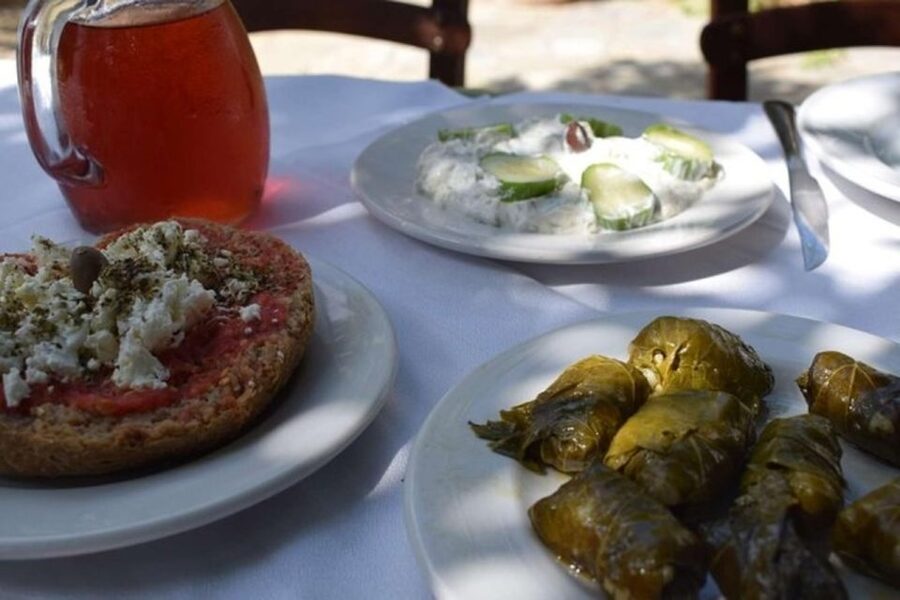
- Stuffed vine leaves (often called dolmades)
- Stuffed vegetables (examples include peppers and tomatoes, plus other fillings)
- Pork with wine sauce
- Lamb with green beans
- Ntakos (often spelled dakos in everyday use)
- Tzatziki
- Cheese pies (cheese pastry)
Past participant accounts also mention Greek coffee being covered as part of the experience. Even if you’ve had Greek coffee before, it’s useful to learn how it’s treated in the local style rather than guessing.
Worth lining up before you lock in this one:

Knives, folding, and the tiny confidence boosts
This is one of those activities where even beginners feel like they’re contributing. Several experiences describe patient instruction—especially for tasks like holding a knife safely, folding grape leaves, or grating tomatoes.
If you’re traveling with a kid or you simply want a friendly, structured class, that guidance is a big plus. One account even highlights a chef patiently coaching an 11-year-old through technique, which tells you the team isn’t just tossing people into the deep end.
The Cretan menu: why these dishes are a great learning path
Cretan cuisine has a reputation for being simple and ingredient-driven. In this class, that shows up in the way recipes are taught: not as complicated chef tricks, but as repeatable methods.
Here’s how the menu pieces fit together in a way that’s more useful than a “taste and leave” day:
Tzatziki: the sauce you’ll use all year
Tzatziki is one of those dishes that works as both a class win and a future staple. You can learn the balance of yogurt, garlic, and texture, then make it at home without needing fancy equipment. If you’re building your own Mediterranean routine, this is the one that usually gets repeated fastest.
Dolmades and stuffed vegetables: technique you can transfer
Stuffing vine leaves or vegetables teaches you a transferable skill: rolling and portioning so the filling cooks evenly. You’re also learning flavor layering, not just the end result. Once you understand the method, you can apply it to other fillings.
Dakos/ntakos: learning how leftovers become a meal
Ntakos is a great example of how Cretan food can be practical. It’s not about “look at this fancy dish.” It’s about assembling ingredients into something that tastes complete. If you like meals that feel sturdy and satisfying, this one lands well.
Cheese pies: why Cretan comfort food is not complicated
Cheese pies are a solid “I can do this” takeaway. They also tend to be forgiving for beginners. You’ll get the rhythm of working with dough and filling, then you’ll have something shareable at the end.
Meat dishes (pork and lamb): the class context matters
The program includes pork with wine sauce and lamb with green beans. Even when the final cooking step happens with chef help, learning the recipe flow helps. It turns into: what goes in first, what flavors hold together, and what “Cretan comfort” means in local terms.
Lunch with a view: when your cooking becomes your meal
After the prep and cooking work, you sit down for lunch (or dinner depending on the session format). The day includes food tasting during the process, then a full meal of the dishes you helped create.
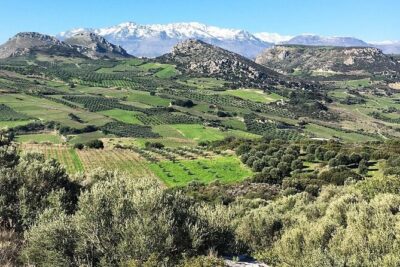
One of the most memorable parts is the setting. The taverna has a panoramic view over the nearest valley and Heraklion City. You’ll also take in vineyards and olive trees, with the holy mountain of Giouchtas as a recognizable backdrop. Somewhere in the background, you may even hear animal bells—small sounds that make the place feel lived-in rather than staged.
Wine and water: included, but keep it sensible
Local wine and mineral water are included. You’ll also get a wine tasting portion earlier in the day. That makes it easy to treat the experience like a full afternoon, not just a class where you can’t relax afterward.
Portions can be generous. More than one experience notes they ended up with so much food that finishing everything was a challenge. My advice: come hungry, then slow down at the end. Let the meal be the reward.
What you’ll get when you leave
You should plan to take home recipes. Some experiences also mention a certificate and a recipe packet, which is a nice touch if you want a souvenir that actually helps you cook later.
Who should book this Cretan cooking class (and who should skip it)
This is a good fit if you want more than a quick taste of Crete. It works well for:
- Food lovers who want a practical recipe toolkit
- Couples and small groups (it’s listed as a private group)
- Travelers who like cultural context, not just cooking steps
- Families with kids who can handle a hands-on, multi-dish session (children must be accompanied by an adult)
It may not be ideal if:
- You need wheelchair-friendly access for the whole tour. Only the cooking class is listed as wheelchair accessible, not the full tour.
- You have mobility challenges. The activity is not suitable for wheelchair users and people with mobility impairments.
- You have sensory or age-related limitations. It’s not suitable for visually impaired people, people over 80, and babies under 1 (and children under 3 years).
If you’re deciding between “cook class” and “museum + views,” this one gives you both. Just make sure you’re comfortable with a few hours of walking around the village and museum areas before you eat.
Price and value: is $129 per person worth it?
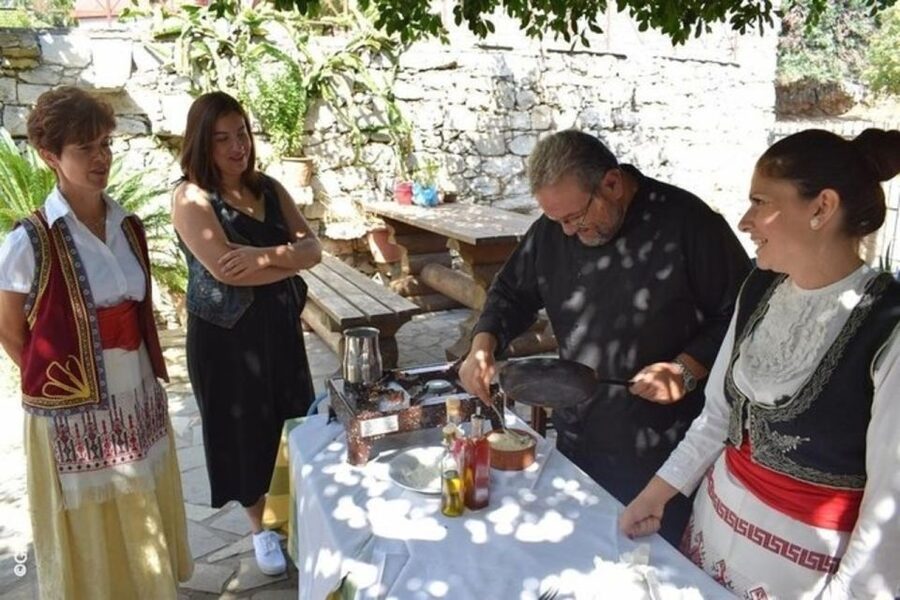
At $129 per person for about 4 hours, you’re paying for a bundle: village tour, museum access, wine tasting, food tastings, hands-on cooking prep, a full meal (your dishes), and recipes to take home.
Here’s how I’d judge value in real terms:
- You’re not just tasting. You help prepare multiple dishes, then you eat what you made.
- The setting is part of the package. The panoramic terrace view turns the lunch into a “day out,” not a cafeteria meal.
- You get learning materials. Recipes matter because otherwise you leave with memories only.
- No transport is included. The value assumes you can get to Arolithos on your schedule. If you’re far from Heraklion or relying on public transport, that can change the math.
If you can handle the logistics of getting there, this is usually a strong value class because it feels like a small cultural program plus a cooking lesson, all in one stop.
Logistics that affect your comfort: meeting point, timing, and what to bring
You meet at Arolithos Traditional Cretan Village. There’s no hotel pickup or drop-off, and you’ll need to arrange your own transfer or taxi (the company notes that transfer service and car hire can be organized for an extra charge).
Timing is straightforward but important:
- Total time: 4 hours
- Cooking activity time: about 2.5 hours
- After cooking: you enjoy lunch and relax
That means you should plan this as a main event. Don’t schedule a tight bus run afterward.
Dietary needs and vegetarian options
Tell the organizers ahead of time about allergies or special dietary needs. The menu can be adapted. Vegetarian options are available if requested during booking.
Rules you’ll notice on the day
The activity includes clear rules: no making fire, no weapons or sharp objects, and no alcohol/drug use beyond what’s provided as part of the program. Electric wheelchairs aren’t allowed, and unaccompanied minors aren’t permitted.
What I recommend you do: wear closed-toe shoes, because you’ll be walking around a village setup. And bring a water mindset—mineral water is included, but you might still feel warmer than you expect.
Book it or skip it: my honest recommendation
Book this if you want a Heraklion day that mixes food with culture, and you like the idea of learning techniques you can repeat at home. The best part is the combination: museum and old-house walk first, then cooking prep, then a generous terrace meal with local wine and scenic payoff toward Heraklion.
Skip it (or consider a different format) if you’re mainly looking for a show-and-tell demonstration, or if mobility and walking time are dealbreakers. Also think twice if you can’t get yourself to Arolithos without hassle, since pickup isn’t included.
If you’re the type who loves Cretan staples like tzatziki, dolmades, and cheese pies, this class gives you both the recipe names and the hands-on confidence to make them again.
FAQ
Where is the meeting point?
The meeting point is Arolithos Traditional Cretan Village.
Is hotel pickup included?
No. Hotel pickup and drop-off are not included.
How long is the whole experience?
The duration is 4 hours total, with about 2.5 hours for the cooking activity. After that, you enjoy your lunch.
What kinds of dishes will we make?
The program mentions dishes such as stuffed vine leaves, stuffed vegetables, pork with wine sauce, lamb with green beans, ntakos, tzatziki, and cheese pies. You’ll also prepare several recipes together during the lesson.
Are vegetarian options available?
Yes. Vegetarian options are available if you advise at the time of booking.
Is wine included?
Yes. Local wine is included, along with mineral water. There is also a wine tasting as part of the experience.
Can the menu be adapted for allergies?
Yes. You should inform the organizers beforehand about dietary needs or allergies so the menu can be adapted.
More Lunch Experiences in Crete


More Tour Reviews in Crete



Cook the Cretan Classics


Fresh Off the Boat: Newest Crete Reviews


Cretan Cooking Classes, compared.
 ★ 4.9Chania: Authentic Cooking Class in the White MountainsFrom $129529 reviews
 ★ 5.0The Real Cretan Cooking ExperienceFrom $133528 reviews
 ★ 5.0Chania Cooking Class-The Authentic Enjoy traditional Cretan mealFrom $133339 reviews
 ★ 5.0Full-Day Jeep Safari Tour with Cooking LessonFrom $111284 reviews
 ★ 5.0Cretan Cooking Class and Olive Oil TastingFrom $114178 reviews
 ★ 5.0Olive Oil, Soap, Wine, Raki – Flavorful Culinary JourneyFrom $111119 reviews
 ★ 5.0Rethymno: Chrysoula’s Cretan Home Cooking LessonsFrom $11698 reviews
 ★ 5.0Moires: Cooking Class and Olive Oil Tasting at a Family FarmFrom $10093 reviews
Browse the lists this tour appears in