

Review · CRETAN COOKING CLASSES
Crete: Olive, Wine, & Raki on a Flavorful Culinary Journey
Olive oil and raki in one focused day. This 6.5-hour Crete outing mixes hands-on tasting with real small-producer visits, starting at a Cretan olive mill in Skalani and ending with spirits from the Rakokazano distillery. I especially like the way the guides connect the flavors to the actual work behind them, from olive-growing to grape-to-glass.
You also get comfortable premium SUV transport and a guided flow that keeps you from having to plan car logistics yourself. The one drawback to consider: you’ll be tasting alcohol at multiple stops, so if you prefer lighter drinking or want to stay fully sober, plan accordingly and eat slowly.
In This Review
- Key points to know before you go
- Skalani Olive Mill and Olive Grove Farm Walk: Where the Day Starts
- Stironas and Rakokazano: Two Rakis, Clear Spirits Explanations
- Archanes Winery Stop: Indigenous Grape Focus and a Proper Lunch
- Wine and Raki Tastings: What You’re Really Learning
- Transport in a Premium SUV: The Hidden Value
- What the 6.5 Hours Feels Like (Without Rushing You)
- Guides and Hosts: How the People Shape the Day
- Price and Value: Why $126 Makes Sense Here
- Who This Tour Suits Best (and Who Might Prefer Something Else)
- Before You Book: Quick Checks That Save Headaches
- Should You Book This Crete Olive, Wine, and Raki Day?
- FAQ
- How long is the tour?
- What does the price include?
- What kind of vehicle is used?
- Is the guide available in English?
- Will I taste olive oil, wine, and raki?
- Is lunch included?
- How does pickup work?
- What’s the cancellation policy?
- Is reserve now and pay later available?
Key points to know before you go
- Skalani olive mill tour plus an olive grove farm walk and olive oil tasting
- Rakokazano raki tasting with two different rakis and a guided spirits tour
- Winery stop in Archanes with wine tasting focused on indigenous varieties
- Light lunch included, described as a generous Greek feast in some cases
- Pickup and return from your accommodation with premium SUV or minivan comfort
- English-speaking live guides who explain the process and answer questions
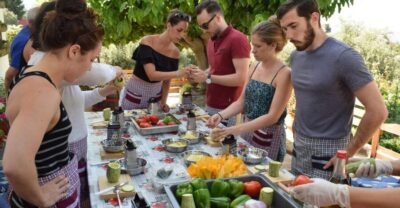
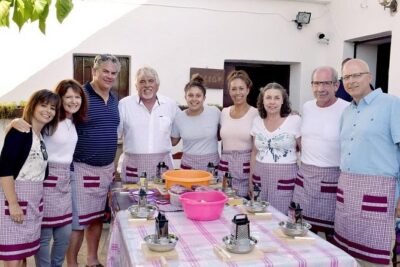
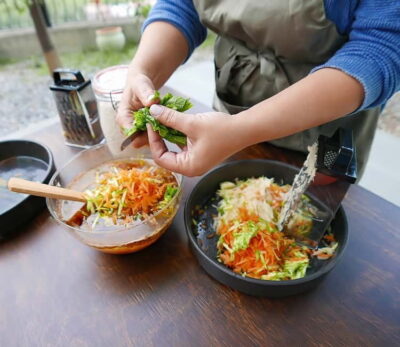
Aprons on for a proper Cretan kitchen
- Full-Day Jeep Safari Tour with Cooking Lesson
★ 5.0 · 284 reviews - Crete: Olive Oil, Soap, Wine, Raki – Flavorful Culinary Journey
★ 5.0 · 119 reviews - Crete: Olive, Wine, & Raki on a Flavorful Culinary Journey
★ 4.7 · 56 reviews - Heraklion Private Cretan Cooking Class at a Traditional Village
★ 4.5 · 11 reviews
Skalani Olive Mill and Olive Grove Farm Walk: Where the Day Starts
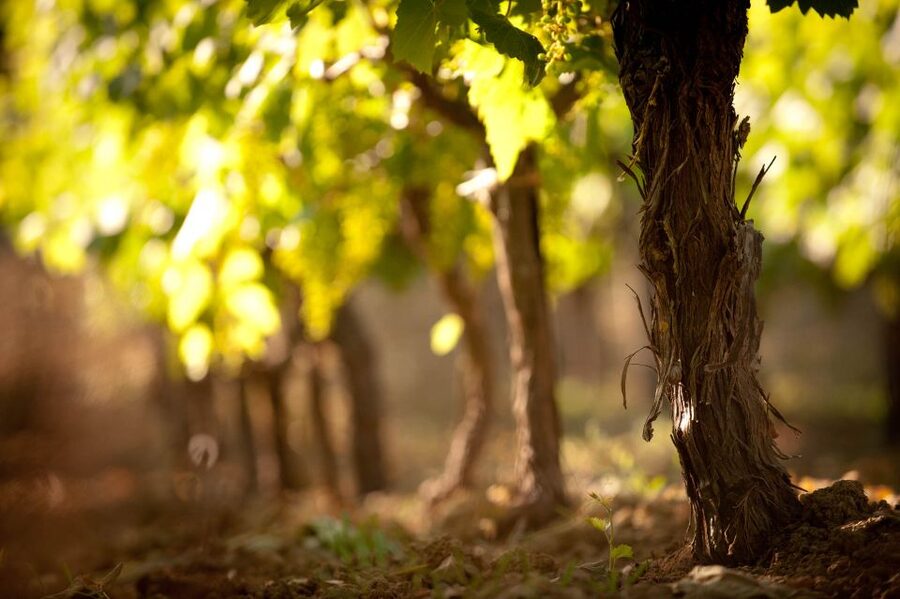
The best part of this tour is that it doesn’t treat tasting as a gimmick. It starts with olives, for a reason. When you see the olive grove farm and then move to the olive mill, you get the logic of the flavor: how long fruit is cared for, how extraction works, and why good olive oil tastes the way it does.
In Skalani, you’ll get a guided visit tied to how the product is made, not just how it’s sold. Expect time on the ground for the olive grove side of the story, then more mill-focused learning where the process is explained step by step. This is the kind of stop where the guide’s explanations matter, because olive oil isn’t one-note. It’s fruitiness, bitterness, and peppery bite, all showing up together.
Practical note: wear closed shoes. Even if the grove walk is gentle, olive-farm terrain tends to be uneven, and you’ll be standing and walking for a while as part of the tour.
Stironas and Rakokazano: Two Rakis, Clear Spirits Explanations
After olives come spirits. In Stironas, the day shifts from oil to raki with a guided visit that focuses on how distillation and production translate into the glass. The standout here is the tasting setup: you get to sample two different rakis, so you can actually compare how style changes from one to another.
The distillery experience is also more than a quick look. You should expect a guided tour at the Rakokazano (raki distillery), plus guided tastings. That combination is valuable because raki can be confusing if you only ever see it on menus. When someone walks you through what you’re smelling and tasting, you stop guessing.
One small consideration: raki tastings can come fast, and you may feel the stronger alcohol quicker than wine. If you’re the type who wants to sip and talk, tell your guide early. If you’re not, take your time anyway and don’t worry about finishing every pour on schedule.
Archanes Winery Stop: Indigenous Grape Focus and a Proper Lunch
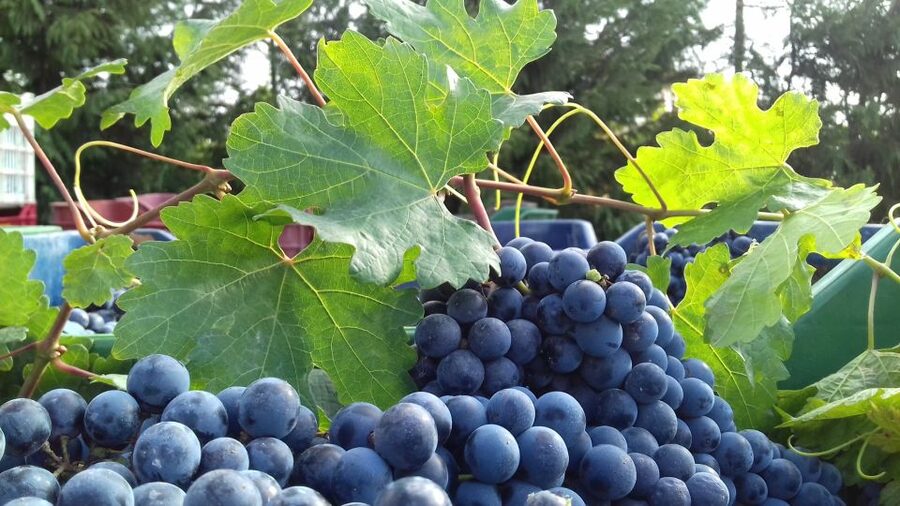
The Archanes portion is where the day turns into a full-on food-and-flavor stretch. You’ll have a photo stop, then a guided visit that pairs well with what you just learned about olives and raki. Grapes fit naturally into the theme: Crete’s local agriculture, local craft, and local taste traditions.
Wine tasting is a key part of this stop. The tasting is guided around indigenous Crete grape varieties, and you’ll sample multiple wines (the experience is described as featuring four distinct wines, with a focus on indigenous varieties). This is the most practical kind of wine tasting on the island because it gives you something to hold onto: which grapes matter here, and why Cretan wine tastes different than the wine you may know from other regions.
Then you eat. Lunch is included and described as a light lunch, but it often lands more generous than you’d expect. One review called it one of the best meals of a month in Greece, with a fresh, home-style Greek feast vibe. Vegetarian fare shows up in at least some meals, so if you eat that way, this tour may suit you well—just check with the operator when you book.
What I like about the lunch here: it functions as a reset. After olive oil and then spirits, the food gives you a new baseline. You’ll be able to taste wine more clearly and keep the day from turning into a blur of alcohol.
One more pour of Cretan wine and raki


Wine and Raki Tastings: What You’re Really Learning
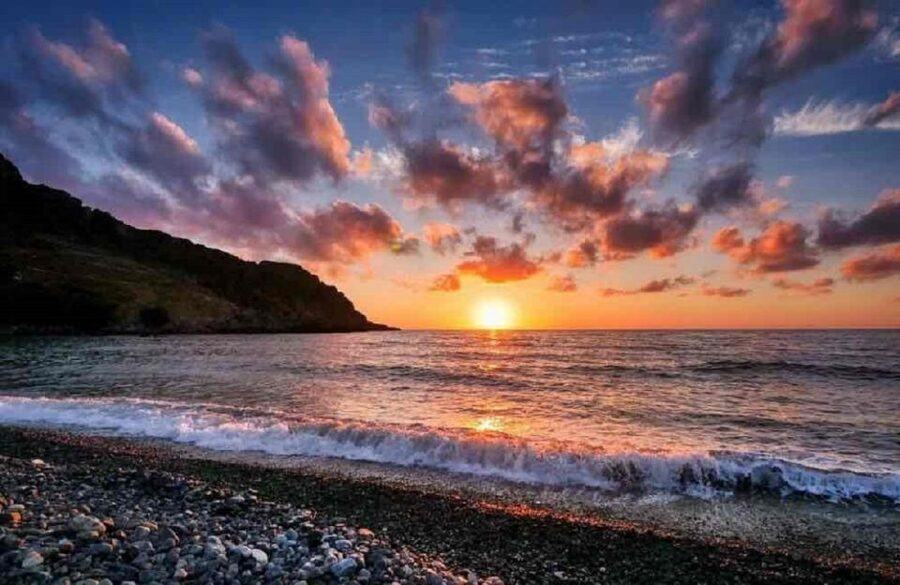
A lot of tasting tours are just a series of sips. This one is more useful because the guides aim to connect flavor to process. You’re not only tasting olive oil and spirits—you’re learning why those products differ and what to notice.
Here’s the practical payoff:
- Olive oil tasting helps you understand Cretan character. The mill-and-grove sequence makes it easier to see why the oil has complexity rather than just being green or just being mild.
- Wine tasting focusing on indigenous varieties gives you vocabulary for what you like. After this, you’re less likely to treat wine as a generic category.
- Raki tasting across two styles helps you recognize that raki isn’t all the same. Smell and burn intensity vary, and guided notes make it easier to remember.
Also, the guides tend to be chatty in a good way. Several experiences highlight a friendly, humorous guide style. I like that because tasting days can be awkward if the group is quiet. A good guide turns it into a conversation, and you pick up details naturally.
Transport in a Premium SUV: The Hidden Value
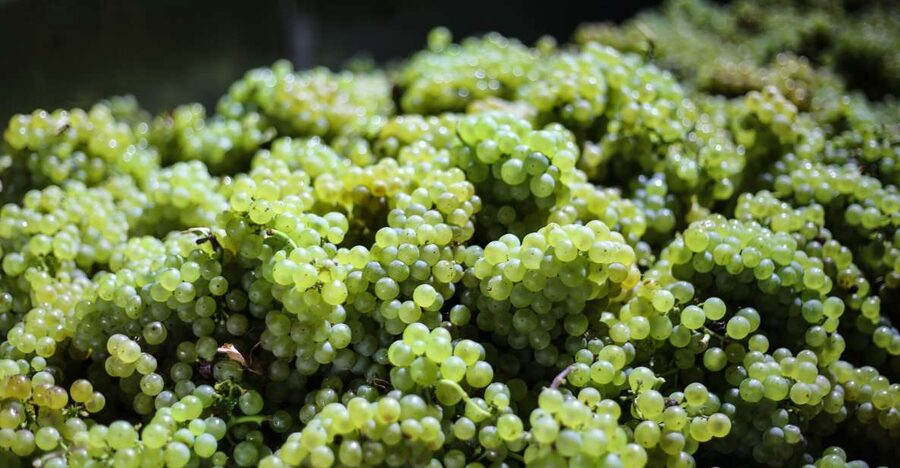
The transport is more than comfort. On Crete, distances between productive food spots are real, and waiting around in transit can quietly steal a day. Here, you’re moved in a premium SUV or minivan, with scheduled driving segments between stops. That keeps the day flowing and reduces decision fatigue.
This also matters for safety and sanity if you plan to drink. You don’t have to figure out taxis, timing, or parking after tastings. Pickup and return to your accommodation are included, which is exactly what you want on a day built around alcohol and lunch.
One more note: in at least some departures, the group size can be small, even as low as four guests plus the driver. That tends to make questions easier and learning feel more personal—without turning the day into a lecture.
What the 6.5 Hours Feels Like (Without Rushing You)
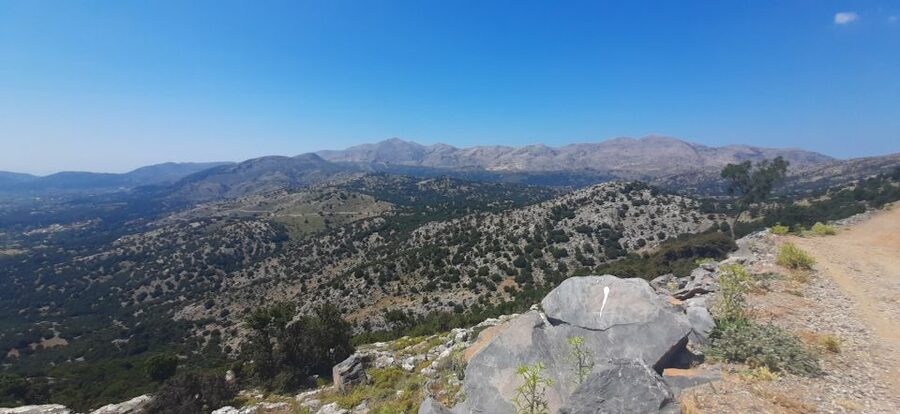
The timing is tight enough to be fun, not so tight it feels like a sprint. You’ll start with pickup, then head to the first stop in Skalani. From there you move to Stironas for the spirits segment, and later you reach Archanes for the photo stop, winery visit, tasting, and lunch.
Between stops, you’ll also travel through local villages. That small change—going past real everyday places instead of only highways—adds context. Even when you’re not out walking, you’re getting a sense of where these producers fit into the island.
You should still plan for a full-feeling day: you’ll be out and about, with tours at each stop. Wear sunscreen, keep water handy when you can, and don’t schedule a super late dinner right after. Your senses may be a bit tired from olive oil, wine, and raki.
Guides and Hosts: How the People Shape the Day
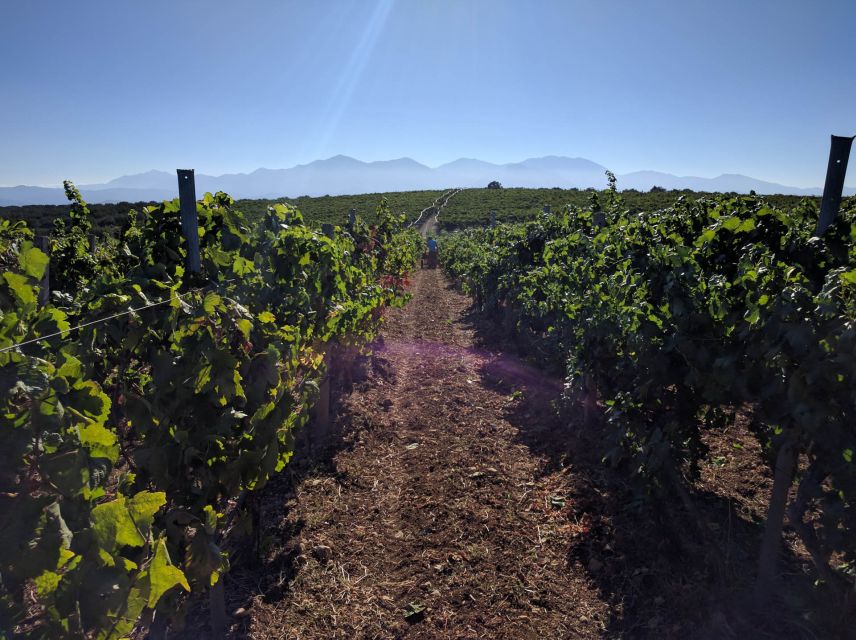
This tour lives or dies on people, and the human factor shows up in the names mentioned by previous guests. Drivers and guides like Angela, Yannis (and sometimes Yanni), and Helen are described as friendly, attentive, and good at explaining what you’re seeing. On the production side, hosts such as Alex at the olive farm and Eleni at the winery show up as welcoming and generous with information.
One review also mentioned Maria, an owner and oenologist, which is a great reminder that sometimes you’re not just tasting in front of a salesman. You might meet someone who helps make the product and can explain why it tastes the way it does.
This is the kind of day where that matters. If the guide is warm and clear, you’ll remember more than just flavors. You’ll remember what you learned and what to look for later, back home.
Price and Value: Why $126 Makes Sense Here
At $126 per person for about 6.5 hours, this isn’t a cheap “just add wine” outing. But it does include a lot that normally costs extra when you piece it together yourself: pickup and return, premium transport, guided tours at an olive mill and olive grove farm, olive oil tasting, guided winery tour with wine tasting of indigenous varieties, guided raki distillery tour, raki tasting, and a light lunch.
So the value isn’t only in the tastings. It’s in bundling:
- multiple food-and-drink production stops
- guided explanations at each location
- transport between them
- lunch so you don’t lose the day to searching for food after drinking
If you’re someone who wants real agriculture and local craft—not just scenery—this price can feel fair fast.
Where it might not be worth it: if you already know you’ll only taste a little and you mainly want beach time, you might prefer a lighter plan.
Who This Tour Suits Best (and Who Might Prefer Something Else)
I think this tour fits best if you:
- want a structured day focused on local products (olive oil, wine, raki)
- enjoy guided tastings where you learn what to notice
- prefer comfortable pickup/dropoff without renting a car
- like small-producer visits in a real working setting
It may not be ideal if you:
- strongly dislike alcohol tastings (the plan includes wine and two raki styles)
- want lots of free time at a single location
- prefer purely cultural sights with minimal food-and-drink structure
Before You Book: Quick Checks That Save Headaches
If you’re considering it, I’d check these things:
- Confirm pickup area details for your exact lodging, since pickup is part of the included service.
- Think about your tolerance for tastings. With wine and raki on the schedule, pace matters.
- Plan for walking time at the olive grove and mill environment. Shoes help.
Also, English is the live guide language, so if you’re booking for a group with mixed language needs, this tour is a straightforward match.
Should You Book This Crete Olive, Wine, and Raki Day?
Yes, if you want one well-built day that connects Crete’s olive culture to its wine and raki traditions, with guided tastings and lunch. The value is in the full package: transport + guided production tours + tastings + a meal, all done in a comfortable premium vehicle.
Book it if you’re the type who likes to learn a little and taste a lot, without having to coordinate separate stops. Skip it if you want a quiet day or you don’t want multiple alcohol tastings in one go.
FAQ
How long is the tour?
It runs about 6.5 hours.
What does the price include?
The tour includes pickup and return to your accommodation, premium SUV or minivan transport, experienced English-speaking guides, olive grove and olive mill tour with olive oil tasting, winery tour with guided wine tasting of indigenous varieties, raki distillery tour with raki tasting, a light lunch, and travel through local villages.
What kind of vehicle is used?
You’ll travel in a premium SUV or a minivan.
Is the guide available in English?
Yes, the live tour guide speaks English.
Will I taste olive oil, wine, and raki?
Yes. You’ll have an olive oil tasting, a guided wine tasting featuring indigenous Crete grape varieties, and a guided raki distillery visit with raki tasting (including two different rakis).
Is lunch included?
Yes, there is a light lunch included.
How does pickup work?
Pickup and return are included, and you’re collected from your accommodation (the tour lists a specific pickup location code).
What’s the cancellation policy?
You can cancel up to 24 hours in advance for a full refund.
Is reserve now and pay later available?
Yes, reserve now & pay later is listed as an option.
More Tour Reviews in Heraklion





Crete by the Glass


Cook the Cretan Classics


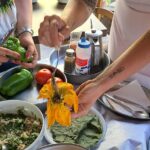

Fresh Off the Boat: Newest Crete Reviews



Cretan Cooking Classes, compared.
 ★ 4.9Chania: Authentic Cooking Class in the White MountainsFrom $129529 reviews
 ★ 5.0The Real Cretan Cooking ExperienceFrom $133528 reviews
 ★ 5.0Chania Cooking Class-The Authentic Enjoy traditional Cretan mealFrom $133339 reviews
 ★ 5.0Full-Day Jeep Safari Tour with Cooking LessonFrom $111284 reviews
 ★ 5.0Cretan Cooking Class and Olive Oil TastingFrom $114178 reviews
 ★ 5.0Olive Oil, Soap, Wine, Raki – Flavorful Culinary JourneyFrom $111119 reviews
 ★ 5.0Rethymno: Chrysoula’s Cretan Home Cooking LessonsFrom $11698 reviews
 ★ 5.0Moires: Cooking Class and Olive Oil Tasting at a Family FarmFrom $10093 reviews
Browse the lists this tour appears in