
Review · CRETAN FOOD TASTINGS
Chania Cooking Class in Crete with rustic, delicious and homely Cretan food!
A good meal starts before the first bite. This Chania class focuses on hands-on Cretan cooking, plus the story behind it, in a local apartment just minutes from the town centre. You’ll cook recipes described as passed down through generations, then sit together to eat what you make—because in Greece, that part matters as much as the cooking.
I love the small group size (max 6). You get real attention from Stella, not just a wave-and-go demo. One thing to think about: a couple of people expect something more old-school and “rustic” looking, but the setting is described as a clean, warm apartment—often modern in feel—so manage your expectations on the vibe.
In This Review
- Key things you’ll notice in this Chania class
- Chania’s best intro to real Cretan home cooking
- Where it happens: a local apartment near the centre
- The 3-hour rhythm: from recipes to dinner at the table
- 1) Welcome + the Mediterranean diet mindset
- 2) Hands-on cooking with a real Cretan flow
- 3) Sit down, share food, and linger a little
- What you’ll actually learn (and why it matters at home)
- Value for $190: what you’re really buying
- The setting: cosy, but not everyone calls it rustic
- Who should book this class (and who might skip it)
- Tips to get the most out of your 5 pm start
- Should you book the Chania Cooking Class with Stella?
- FAQ
- What time does the class start in Chania?
- How long is the cooking class?
- Where do I meet, and where does it end?
- How big is the group?
- What’s included in the price?
- Is alcohol included?
- Is it hands-on or a cooking demonstration?
- Is it in a restaurant or someone’s home?
- Can I get a refund if I cancel?
Key things you’ll notice in this Chania class
- Max 6 people, hands-on style: you should be doing the cooking, not only watching.
- Stella runs the show: she’s described as welcoming and patient, with strong Cretan context.
- Mediterranean diet, not diet culture: it’s about food and how you eat it—shared, social, enjoyable.
- Recipes that aren’t restaurant standard: the focus is on home-style, rustic dishes.
- Seasonal menu changes are normal: what you cook can shift depending on ingredients and timing.
- Dinner is included, and you eat what you make: coffee/tea and snacks also come along.
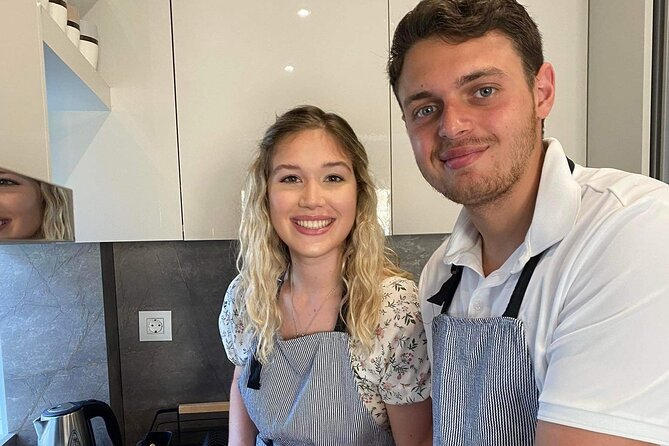
Aprons on for a proper Cretan kitchen
- Chania: Authentic Cooking Class
★ 5.0 · 74 reviews - Chania Cooking Class in Crete with rustic, delicious and homely Cretan food!
★ 4.5 · 14 reviews - Authentic and Traditional Cooking Class in Chania Crete
★ 5.0 · 5 reviews
Chania’s best intro to real Cretan home cooking
Chania is where you go for old streets, sea views, and seriously good food. This class slots into that vibe in a smarter way than another sit-down meal: you learn the home approach—what to do, why it works, and how to build a plate that feels like Crete.
The class is intentionally intimate. With a maximum of 6 people, it’s set up so you can ask questions and actually get your hands moving. That matters because Cretan cooking is as much about feel and timing (and less about fancy technique) as it is about ingredients.
Also, the host energy is a big deal here. Stella is consistently described as welcoming, helpful with different skill levels (including making it easy for a parent and child to cook together), and focused on patient guidance. If you want an experience that feels like you’ve been invited into someone’s kitchen rather than processed through a schedule, this format fits.
Where it happens: a local apartment near the centre
The class takes place in an apartment in Chania—about 5–10 minutes from the town centre, and close enough that it’s a practical add-on to your afternoon plans. The meeting point is Deligiannaki 28 (start time is 5:00 pm), and the activity ends back there.
What’s useful for you to know is the “home” framing is about hospitality and food tradition, not necessarily a straw-bale, village-courtyard look. Some people love the cosy, welcoming feel of the space. Others expected something more rustic in décor. If that’s your main goal—picturesque, old-world kitchen aesthetics—this might not hit the exact look you imagined, even though the cooking and eating experience is the focus.
The apartment is described as immaculately clean. That can be a win if you care about comfort and a tidy kitchen workflow. If you’re sensitive to sterile environments, mentally switch from rustic ambience to rustic cooking style.
The 3-hour rhythm: from recipes to dinner at the table
This is roughly a 3-hour experience, starting at 5:00 pm. Think of it as three phases: welcome and diet context, hands-on cooking, then the communal meal.
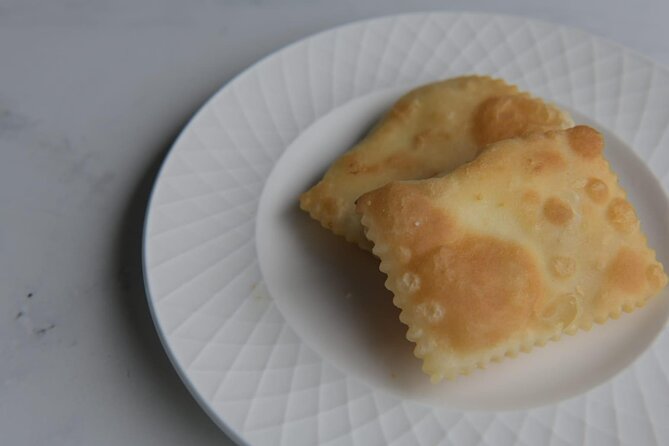
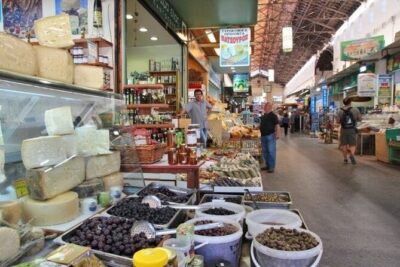
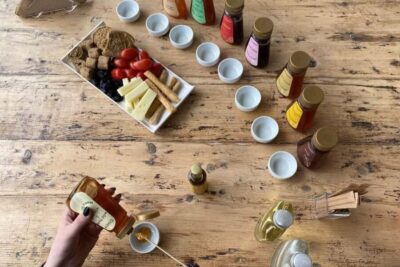
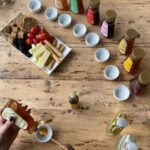
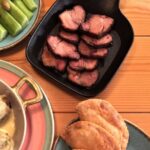
Still hungry? More Cretan plates to graze
1) Welcome + the Mediterranean diet mindset
You’ll get an explanation tied to the Mediterranean diet. The emphasis here isn’t only on healthy ingredients—it’s also on how eating brings people together, creates room for conversation, and makes food enjoyable because it connects to taste and memory.
That framing is surprisingly practical. It helps you understand why the menu style tends to lean toward vegetables, grains, olive oil, and balanced plates, rather than “just eat less” advice. And since you cook the meal yourself, the diet lessons don’t stay stuck in lecture form.
2) Hands-on cooking with a real Cretan flow
This class is described as all hands on deck. You’re not just watching someone else do all the chopping and stirring. Stella guides you through the process while you work, so you get the muscle memory for the dishes.
A big plus: ingredients are described as bought fresh on the day. That affects everything—flavor, texture, and even how straightforward certain steps feel. When food is fresh, the recipe stops being mysterious and starts being repeatable.
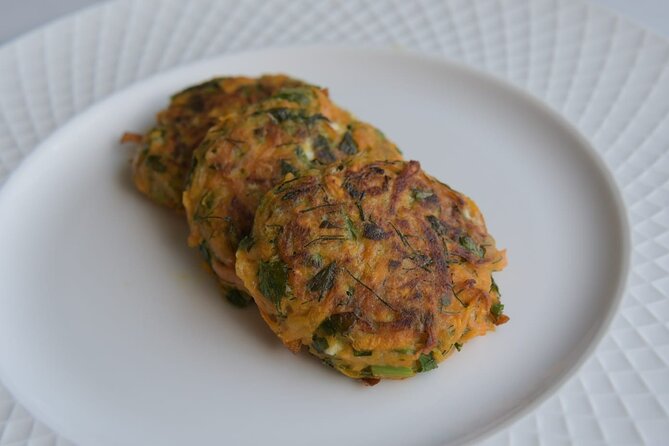
You’ll be cooking authentic, rustic, homely Cretan dishes, the kind you typically won’t see fully spelled out on restaurant menus. The experience leans into tradition: recipes are presented as coming from grandmas over the years, and the way they’re assembled is part of learning the logic of Cretan cooking.
Possible drawback: the exact menu can change with seasonality, and some people felt certain items from the program weren’t served or prepared. If you’re the type who plans your meal like it’s a checklist, give yourself permission for a seasonal swap.
3) Sit down, share food, and linger a little
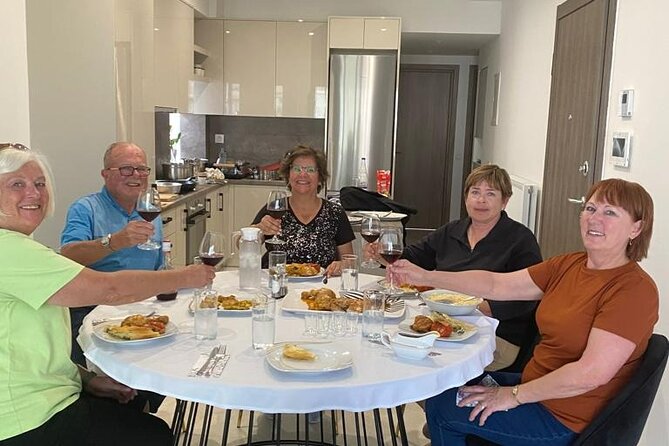
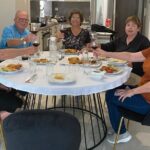
At the end, everyone eats together. This isn’t a quick “here’s your plate, move along” situation. Sharing food is treated as the point—discussion time, conversation, and enjoying what you made.
Coffee and/or tea plus snacks are included, and dinner is included too. One highlight from the experience details is that sitting with Stella during the meal can feel like a warm chat as much as a dining moment. Some people also mention a glass of Cretan wine during dinner—just note the included information says alcoholic beverages are not part of the standard offering. If wine appears for you, it’s likely situational, not guaranteed.
What you’ll actually learn (and why it matters at home)
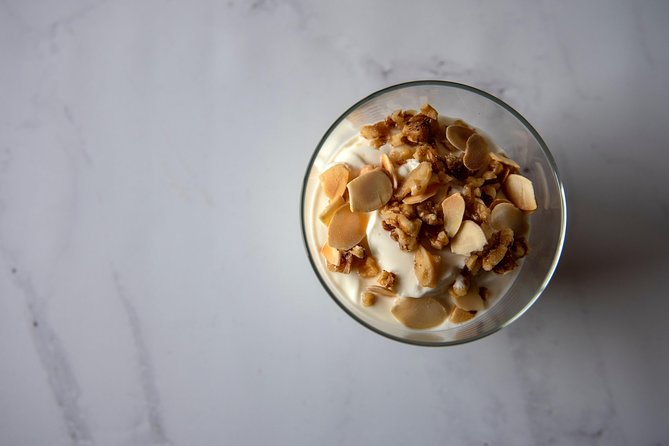
I like that this class doesn’t pretend you’re going to master Cretan cooking in a weekend. Instead, it teaches you transferable habits that work back home—even if your pantry isn’t identical.
Here’s what learning tends to come down to:
- Recipe structure you can reuse: rustic dishes usually follow recognizable patterns—build flavors, balance elements, and let quality ingredients do the work.
- The Mediterranean diet “how”: eating slowly enough to talk, building plates that feel complete, and treating food as a shared experience.
- Seasonal thinking: since the menu can shift, you learn to adapt based on what’s available, rather than chasing one impossible ingredient.
The best part is confidence. When the guidance is hands-on and you eat what you made, you leave with something more practical than photos—you leave with a plan you can repeat.
And if you’re cooking for different tastes, there’s evidence this class can work well in mixed groups: one group included both vegetarians and meat lovers, and everyone found something in the meal lineup. Still, I’d treat that as a good sign rather than a promise—if you have strict dietary needs, ask when you book.
Value for $190: what you’re really buying
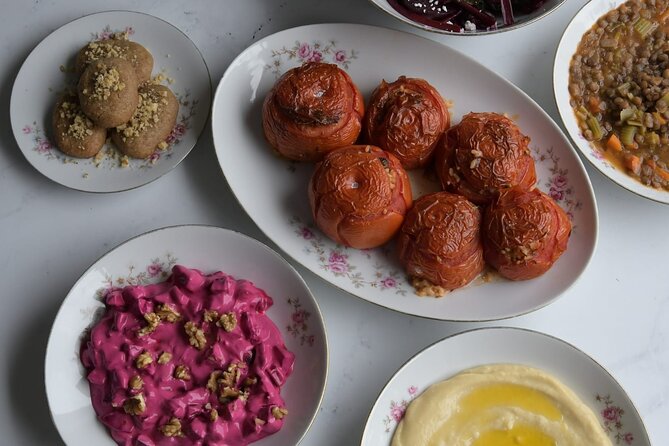
At $190 for about 3 hours, the value isn’t just “food and a recipe.” You’re paying for:
- A small, guided cooking setup (max 6), where you actually participate
- Dinner and snacks, plus coffee/tea
- Fresh ingredient sourcing (described as purchased fresh day-of)
- Cultural context tied to Mediterranean eating and Cretan home traditions
- A setting close to town, so you’re not burning your evening in transit
Is it cheaper than cooking your own meal at home? Obviously yes. But it’s also more expensive than a basic cooking demo. The sweet spot here is that you get the hands-on experience + sit-down meal in a focused time window.
If your main goal is eating a great dinner only, you could find cheaper options around Chania. But if your goal is a memorable, practical skill-based experience with real local flavor, this price starts to make sense.
The setting: cosy, but not everyone calls it rustic
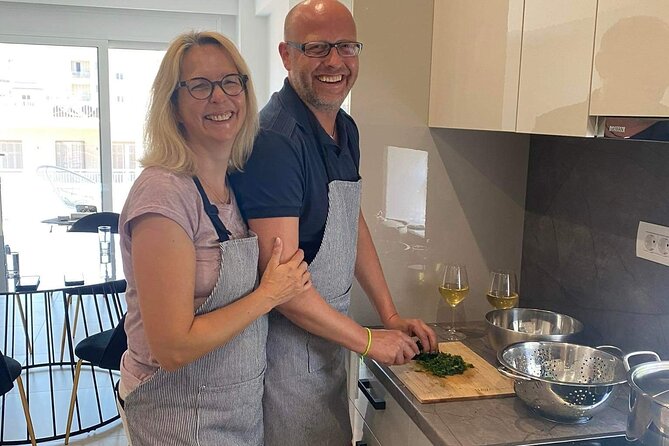
Let’s address the elephant in the room: the “rustic” promise versus a modern apartment layout.
Some people loved how warm and inviting the space felt, describing it as lovely and welcoming. Others felt disappointed because it looked more sterile or modern than expected. A couple of comments also focused on the experience feeling less like a typical Greek family home.
Here’s how I’d frame it so you can decide fast: this isn’t a theatre set. It’s a clean, functional home kitchen where the priority is the cooking and the meal. If rustic décor is what you’re chasing for your vacation photos, you may not get the exact look. If you’re chasing authentic food made hands-on, the setting is mostly a stage, not the star.
Who should book this class (and who might skip it)
This is a great pick if:
- You want a small-group class with lots of interaction.
- You like learning cooking in a way that’s realistic for your own kitchen later.
- You’re interested in the Mediterranean diet as culture—how people eat together, not just what’s on a plate.
- You want to taste home-style Cretan food that’s harder to find on restaurant menus.
You might want to think twice if:
- You’re expecting a strongly rustic, old-school family-home décor vibe.
- You’re picky about a fixed menu and hate any seasonality changes.
- You’re hoping for a demonstration-only format. This is described as hands-on, so you’ll be cooking.
Tips to get the most out of your 5 pm start
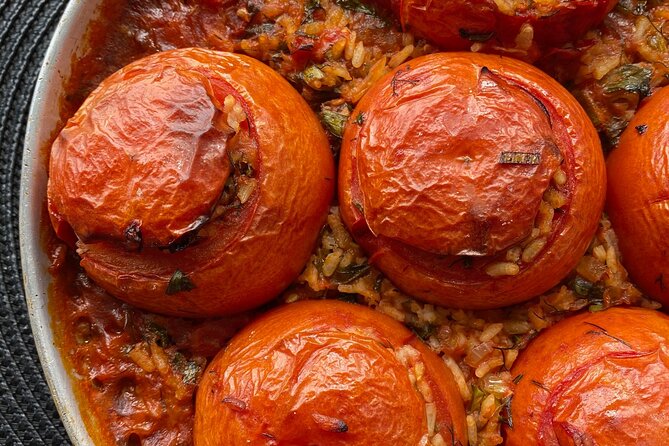
Because it starts at 5:00 pm, plan your day so you’re not arriving stuffed from a huge late lunch. You’ll be cooking and then eating what you make, with snacks plus coffee/tea included.
Also, come with curiosity. If you ask a few questions—why this ingredient goes in, how to tell when something is ready—you’ll feel the diet and culture lessons connect to actual technique.
And because you’re within walking/short transport distance of the town centre, you can pair it with an earlier Chania wander and save your restaurant reservations for later, or for something totally different.
Should you book the Chania Cooking Class with Stella?
If you want an evening that blends Cretan home cooking, hands-on instruction, and a shared meal in a small group, I think this is a strong book. The price includes dinner, snacks, and coffee/tea, and the class format is built for participation, not observation.
I’d only hesitate if you’re very attached to a specific look of “rustic” family-home décor or if you need an exact menu with zero seasonal adjustments. For most people, though, the combination of Stella’s guidance, the hands-on cooking, and eating together is exactly the kind of experience that makes a trip feel personal.
FAQ
What time does the class start in Chania?
The class starts at 5:00 pm.
How long is the cooking class?
It runs for about 3 hours.
Where do I meet, and where does it end?
You meet at Deligiannaki 28, Chania 731 34, Greece, and the experience ends back at the meeting point.
How big is the group?
The class has a maximum of 6 travelers.
What’s included in the price?
It includes dinner, snacks, and coffee and/or tea. The food you prepare is included and you eat what’s cooked.
Is alcohol included?
Alcoholic beverages are not included.
Is it hands-on or a cooking demonstration?
It’s described as a hands-on class, where you cook along with the host.
Is it in a restaurant or someone’s home?
It’s held in a local apartment.
Can I get a refund if I cancel?
No. The experience is non-refundable and can’t be changed for any reason.
More Tour Reviews in Chania





Eat Your Way Round Crete



Cook the Cretan Classics

Fresh Off the Boat: Newest Crete Reviews



Cretan Food Tastings, compared.
 ★ 4.9Sunset or Morning Quad with Local Products TastingFrom $941,135 reviews
 ★ 4.9Quad Safari, Olive Mill with Tasting & Ghost VillageFrom $931,004 reviews
 ★ 4.6From Chania: Olive Oil, Wine, Cheese & Honey Tasting TourFrom $49490 reviews
 ★ 4.9Chania: Old Town Highlights Guided Tour with Street FoodFrom $106407 reviews
 ★ 4.8From Chania: Wine and Olive Oil Tasting Tour with SnacksFrom $141354 reviews
 ★ 5.0Walking “Food tasting tour” in the town of ChaniaFrom $105297 reviews
 ★ 5.0Full-Day Cretan Wines, Olive Oil, Raki and Food TourFrom $141264 reviews
 ★ 5.0Olive Oil Tasting TourFrom $19195 reviews
Browse the lists this tour appears in