
Review · CRETAN FOOD TASTINGS
Chania Area: Food Tasting Tour with Winery Visit
Ancient olive tree and real tastings. This Chania area food tour pairs the Vouves Ancient Olive Tree with stops for bread, honey, cheese, and wine, so you get culture you can taste.
I especially like the wood-oven bakery segment, where you get a close look at how Cretan rusks and savouries are made. Then the honey and cheese stops turn the tastings into real food stories you can repeat later.
The only catch: the winery visit is a working production experience, so if you want a fancy, slow wine-room vibe, adjust your expectations. Also, pick-up points can be changed, so check your email the day before.
In This Review
- Key highlights worth your morning
- Vouves Ancient Olive Tree: where the day starts before you taste
- Wood-oven bakery in Perivolakia: the smell test you’ll remember
- Honey and cheese stops: how Cretan food becomes a craft
- Pnevmatikakis Winery in Kissamos: the wine tasting with real-world context
- The tasting plate: what you’ll eat, and how to make it easier
- Price and value: why $44 can feel fair (or not)
- Timing and comfort: the 7-hour loop works, but plan for heat
- Buying souvenirs without getting stuck: what to look for
- Who this tour fits best (and who should pass)
- Should you book this Chania food tasting tour with winery visit?
- FAQ
- How long is the tour?
- Does the tour include hotel pick-up and drop-off?
- What time does pick-up start?
- Is the tour guide English-speaking?
- What tastings are included?
- Do we visit the olive tree and a bakery?
- Is there a winery visit?
- Is the tour suitable for kids?
- What should I bring?
- Can I cancel for a refund, and can I pay later?
Key highlights worth your morning
- Vouves Ancient Olive Tree at Ano Vouves, estimated 3,000–5,000 years old
- Wood-oven bakery stop focused on rusks, bread, and traditional savouries
- Honey and cheese process explanations with tastings included
- Pnevmatikakis Winery in Kissamos, a family-run winery with a guided wine tasting
- Hotel pick-up and drop-off plus air-conditioned coach transport
One more pour of Cretan wine and raki
- Crete Wine and Olive Oil Tour
★ 5.0 · 272 reviews - Wine & Olive Oil Tour with Lunch at Milia Mountain Retreat
★ 5.0 · 194 reviews - Wine & Olive Oil Tour with Lunch – Semi Private Safari Tour
★ 5.0 · 156 reviews - PRIVATE Walking Tour with Lunch and Wine Tasting by a Sommelier
★ 5.0 · 113 reviews
Vouves Ancient Olive Tree: where the day starts before you taste
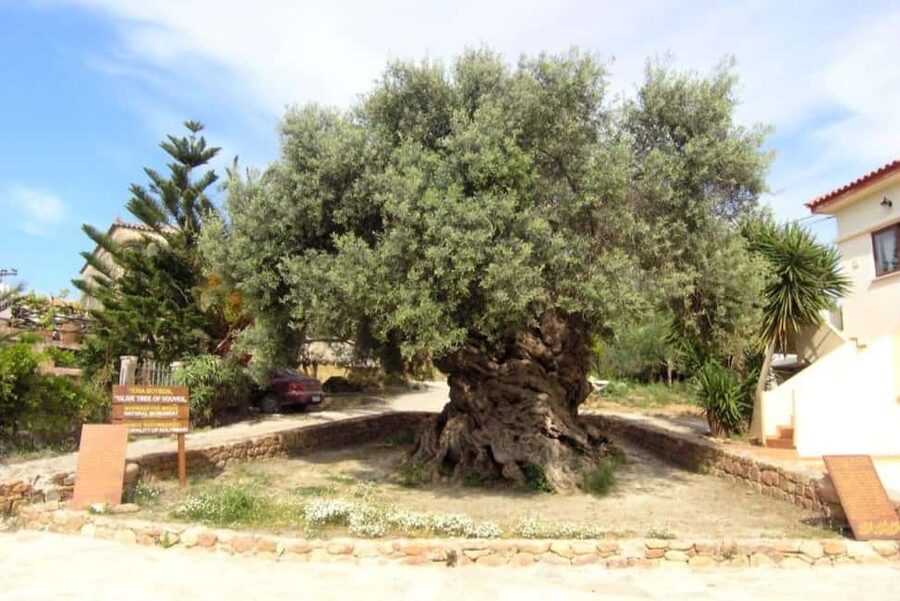
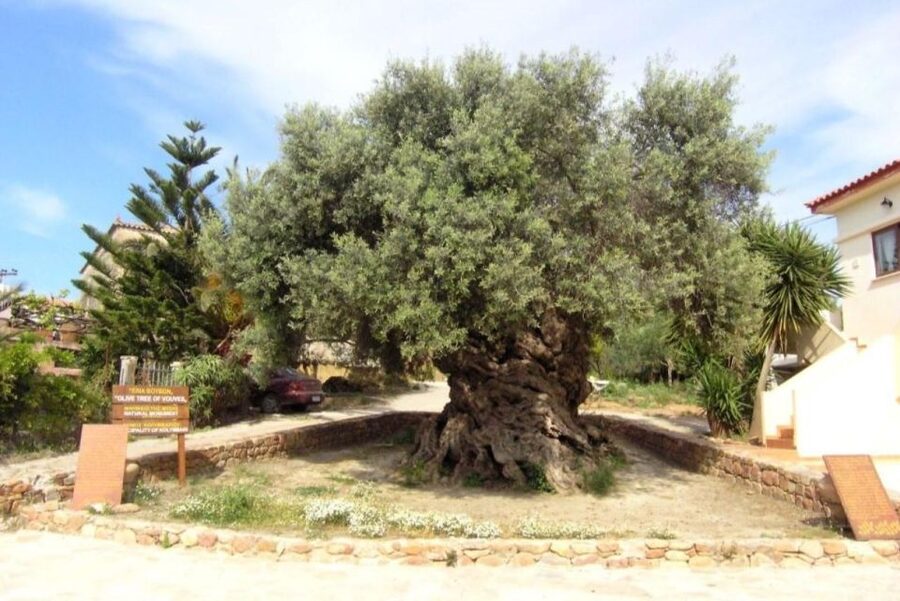
Most food tours start with a plate. This one starts with a living landmark. You arrive in the Ano Vouves area and meet the Vouves Ancient Olive Tree, a natural monument often described as the oldest recorded olive tree in the world.
The numbers are what make it click: the tree’s age is estimated between 3,000 and 5,000 years, and it’s still alive and fruiting. The bole is thick enough that the circumference is given as about 12.5 meters, with a diameter around 4.6 meters. You’ll also hear how it began as a wild olive and became domesticated through the Tsounati variety.
This stop is valuable because it frames everything else. Olive oil, honey, bread, and cheese all make more sense when you’ve just seen the source of the olive culture—and the patience behind it. It’s also a strong photo stop, so bring your camera and don’t rush it.
Wood-oven bakery in Perivolakia: the smell test you’ll remember
After the olive tree, you head toward Perivolakia Village for the bakery stop. This is the part I like most for hands-on learning: you get a closer look at traditional Cretan savouries and breads, including rusks and bread, and you’ll see how they’re made in a wood oven setting.
The practical value here is simple. If you’ve ever wondered why rusks last so long, or why Cretan breads can feel different from the stuff you buy at home, watching the process helps you connect the dots. The wood-oven style also means the whole segment leans on aroma, texture, and timing, not just sweetness.
Plan to stand there for a bit. The group pace can feel quick later in the day, but this stop gives you enough time to look, ask, and actually understand what you’re tasting. If you’re the type who buys snacks while traveling, this is where you’ll start picking favorites.
Honey and cheese stops: how Cretan food becomes a craft
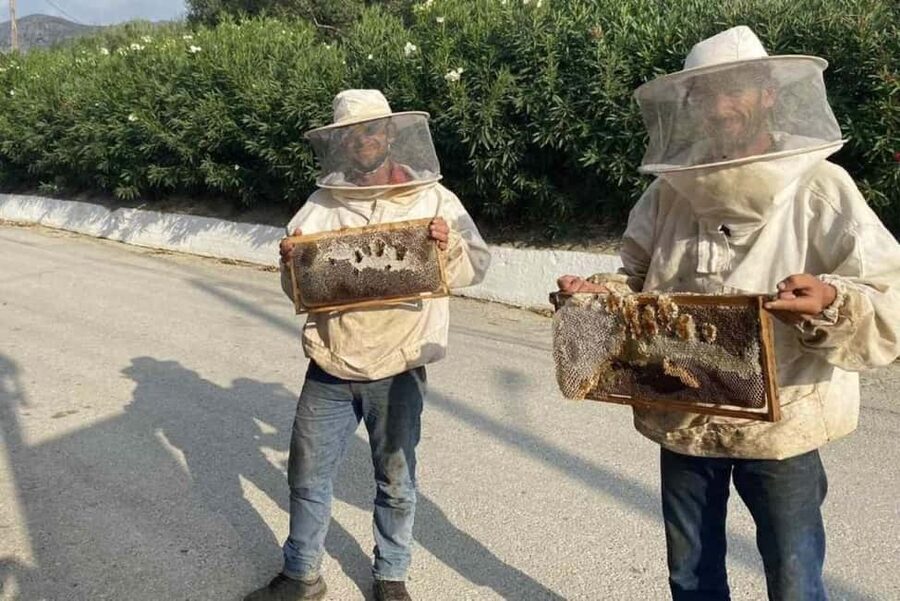
Next comes the ingredient storytelling. You’ll examine an olive grove and learn about the process behind Cretan honey. This isn’t just about tasting something sweet; it’s about understanding where it comes from and how the local producers treat it as part of the food system.
Then you move on to a traditional, multi-awarded cheese factory. There’s a key detail here: if it’s the cheese-making period, you’ll get to enter and learn the process before a superior tasting experience. If it isn’t, you’ll still be able to enter, and your guide will explain the process so you don’t miss the main idea.
Why this segment matters: honey and cheese are two of the easiest food souvenirs to buy wrong if you don’t know what you’re tasting. With an explanation first, you’ll be better at choosing what you actually want to bring home—especially when it comes to intensity, salt level, and how products pair with olive oil and tomatoes.
Also, the tour is timed so these stops don’t feel like back-to-back rushes. You still get a chance to breathe, stand in the shade when you can, and focus on the tasting.
Still hungry? More Cretan plates to graze
Pnevmatikakis Winery in Kissamos: the wine tasting with real-world context
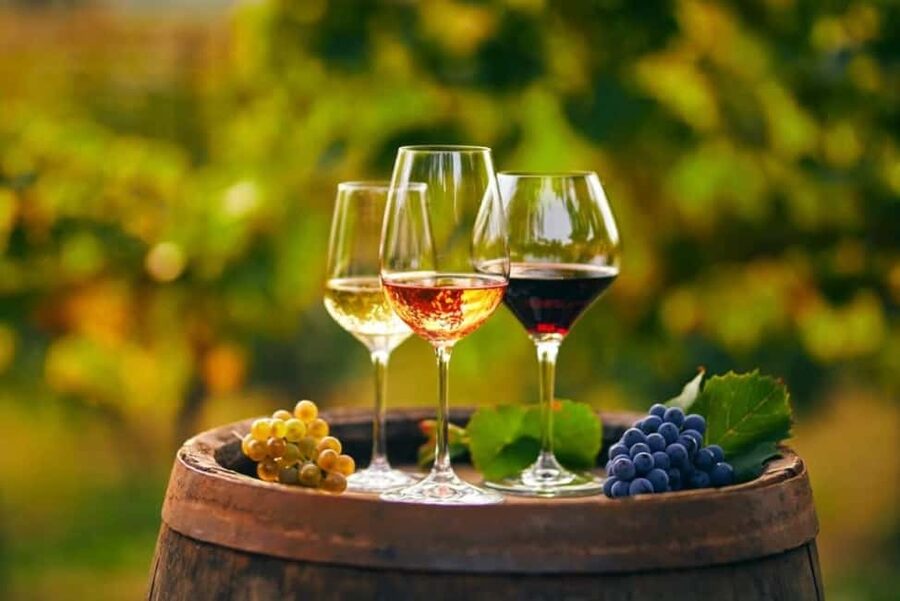
Around early afternoon you arrive at Pnevmatikakis Winery, a family-run operation in Kissamos. You’ll learn about wine making in Crete and taste multiple locally made varieties from their collection, including wines described as awarded.
This is where the tour’s “balanced reality” shows up. The winery visit is meant to be educational and practical. It’s not pitched as a purely luxury, slow-lounge experience, so if you want candlelight and quiet, you might find the vibe more like a working place than a showpiece.
Still, there’s upside. You’re tasting wines alongside local delicacies that match what you’ve already been learning about (olive oil, cheese, honey, and Cretan ingredients). And the winery is open for families, which means kids are served with a special platter and drinks crafted by the winery family.
If you’re sensitive to how “production” a facility feels, keep your expectations grounded. You’ll be touring a functioning winery environment, and the tasting experience is part of that real-world setting.
The tasting plate: what you’ll eat, and how to make it easier
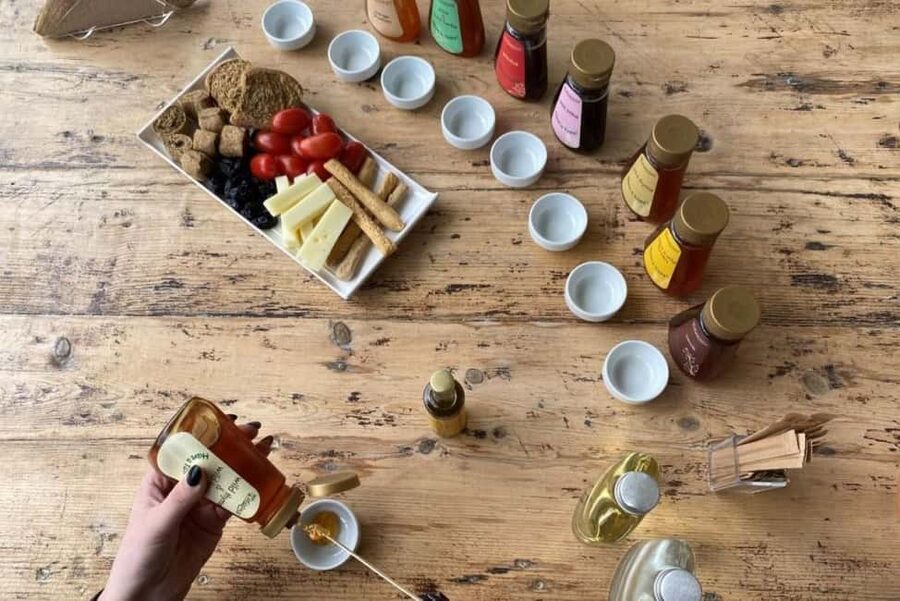
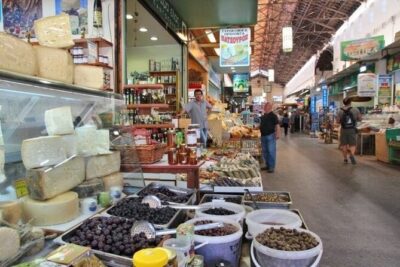
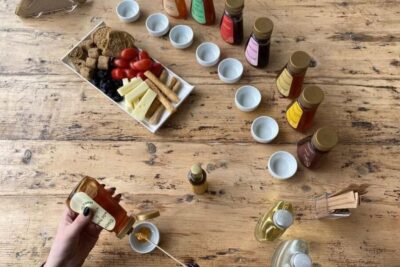
A lot of tours say tastings. This one frames the tastings as a full Cretan experience. You’ll get chances to sample a traditional platter that includes olive oil, tomatoes, olives, cheese, honey, and more. The idea is that you don’t just taste items—you taste how they work together.
Here’s how I’d approach it if you want to enjoy the whole thing instead of just grabbing bites. Start with the milder flavours first, then move toward stronger cheese and deeper oil notes. Sip water between rounds so wine doesn’t flatten your ability to notice subtle differences.
Don’t skip the guide explanations either. When you understand the honey process or the cheese-making workflow, the flavours stop feeling random. They start feeling intentional—like part of a regional system.
And because the day includes multiple food stops, you’re not stuck eating just one thing at one place. It’s more like a guided sampling route than a single heavy meal.
Price and value: why $44 can feel fair (or not)
At about $44 per person for a 7-hour day, the value depends on what you care about. If you’re happy with a guided, multi-stop food route and you want pick-up transport, it’s strong value because you’re getting several components in one bundle: hotel pick-up/drop-off, an English live guide, an air-conditioned luxury bus, tastings, and full liability insurance.
Where people sometimes hesitate is the wine stop. If you’re a serious wine enthusiast who expects top-tier, highly polished tasting presentation, you might judge the winery portion more harshly than the rest of the day. But if you’re there for Cretan flavours and learning how ingredients are made, the rest of the experience does a lot of heavy lifting.
Also remember this tour is structured for efficiency. You’re seeing the olive tree, bakery, honey and cheese process, and winery in one day without driving. For many visitors, that alone makes the price make sense.
Timing and comfort: the 7-hour loop works, but plan for heat
This tour runs about 7 hours, with an early start. Pick-up typically falls between 08:00 and 09:20, then you head to the ancient olive tree area. You’ll move through Perivolakia Village and later reach the winery, before returning to your hotel in the 16:20–17:20 window.
The transport is described as air-conditioned and luxury, which helps on hot Cretan days. Still, you should plan as if it could get warm at times. Bring what the tour suggests—sunglasses, a sun hat, sunscreen, and ideally something light you can layer. Camera time comes at the olive tree, so you’ll want to be comfortable outside.
One more practical tip: pick-up location details are sent by voucher about a day before. In at least one case, a group saw pick-up change to a remote spot and had to re-contact customer service several times. To avoid stress, double-check your pick-up point email carefully.
Buying souvenirs without getting stuck: what to look for
One of the best parts of food tours is taking home what you just tasted. After the tastings, you’ll have multiple chances to buy items like honey, olive oil, pastries, and wine from the producers you visit. It’s the kind of day where your bag can fill up quickly—so keep room in your luggage.
When you buy, try to match what you loved with what you’ll actually use. If you go hard on olive oil and you cook at home, that’s a smart purchase. If honey is your thing, look for flavour intensity and choose what fits your breakfast habits. For cheese, think about how you’ll store and serve it after travel.
Also keep an eye out for extra local products at stops. In one case, a participant mentioned buying a locally made body spray with a great scent. That sort of add-on can happen when small producer shops are part of the route.
Who this tour fits best (and who should pass)
I think this works best for you if you want a food-first day in the Chania area. You’ll enjoy it if you like learning how products are made—olive oil culture, wood-oven baking, and the honey-and-cheese workflow—rather than just ticking off sights.
It’s also a good option if you don’t want to rent a car. The pick-up and drop-off takes the stress out of a day built around several rural stops.
If you’re a hard-core wine lover who wants a high-end, quiet tasting experience, you might find the winery portion less “special” than expected. And if you hate anything industrial or production-focused, go in with your expectations calibrated.
That said, the day’s core strength is the pairing of ingredients and process. The olive tree sets the context, and the rest of the stops give you the taste.
Should you book this Chania food tasting tour with winery visit?
Yes, I’d book it if you want a single-day route that combines an ancient olive icon, hands-on Cretan food making, and a family winery tasting—without driving. The $44 price feels reasonable because you’re not just buying samples; you’re getting guided explanations plus transport and a structured meal-like tasting flow.
I’d think twice if wine presentation is your top priority or if you’re very sensitive to “working production” environments. For most people looking for a satisfying, learning-focused day around Chania, this is a strong choice.
FAQ
How long is the tour?
It runs for about 7 hours.
Does the tour include hotel pick-up and drop-off?
Yes. You’ll be picked up from your hotel or the closest point to your hotel, and you’ll be dropped back at your accommodation.
What time does pick-up start?
Pick-up is scheduled in the 08:00 to 09:20 window. Your exact pick-up time and point are confirmed in your voucher sent about a day before.
Is the tour guide English-speaking?
Yes. The tour includes a live guide in English.
What tastings are included?
The tour includes a superior tasting package and you’ll taste a traditional platter with olive oil, tomatoes, olives, cheese, honey, and more. You also taste at the winery and during the honey/cheese-related stops.
Do we visit the olive tree and a bakery?
Yes. You visit the Vouves Ancient Olive Tree area and also stop at a traditional bakery with a wood oven.
Is there a winery visit?
Yes. You visit Pnevmatikakis Winery in Kissamos, learn about wine making, and do a wine tasting.
Is the tour suitable for kids?
The winery is described as open for families, and kids are served with a special platter and drinks.
What should I bring?
Bring sunglasses, a sun hat, a camera, and sunscreen.
Can I cancel for a refund, and can I pay later?
Free cancellation is available up to 24 hours in advance for a full refund. You can also reserve now and pay later.
More Tour Reviews in Chania

Eat Your Way Round Crete


Crete by the Glass
Fresh Off the Boat: Newest Crete Reviews


Cretan Food Tastings, compared.
 ★ 4.9Sunset or Morning Quad with Local Products TastingFrom $941,135 reviews
 ★ 4.9Quad Safari, Olive Mill with Tasting & Ghost VillageFrom $931,004 reviews
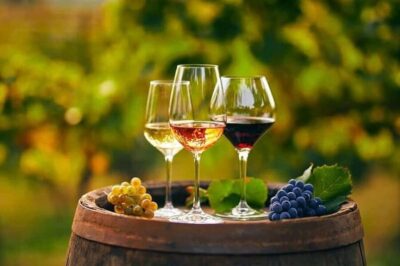 ★ 4.6From Chania: Olive Oil, Wine, Cheese & Honey Tasting TourFrom $49490 reviews
 ★ 4.9Chania: Old Town Highlights Guided Tour with Street FoodFrom $106407 reviews
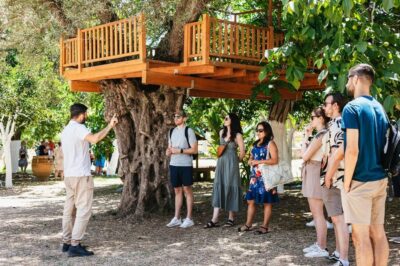 ★ 4.8From Chania: Wine and Olive Oil Tasting Tour with SnacksFrom $141354 reviews
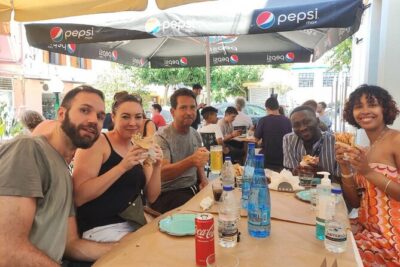 ★ 5.0Walking “Food tasting tour” in the town of ChaniaFrom $105297 reviews
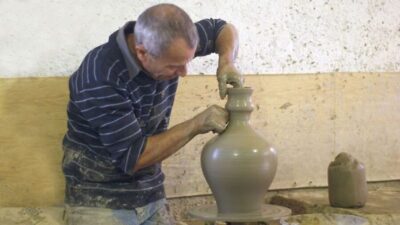 ★ 5.0Full-Day Cretan Wines, Olive Oil, Raki and Food TourFrom $141264 reviews
 ★ 5.0Olive Oil Tasting TourFrom $19195 reviews
Browse the lists this tour appears in