
Review · CHANIA OLD TOWN
Walking “Food tasting tour” in the town of Chania
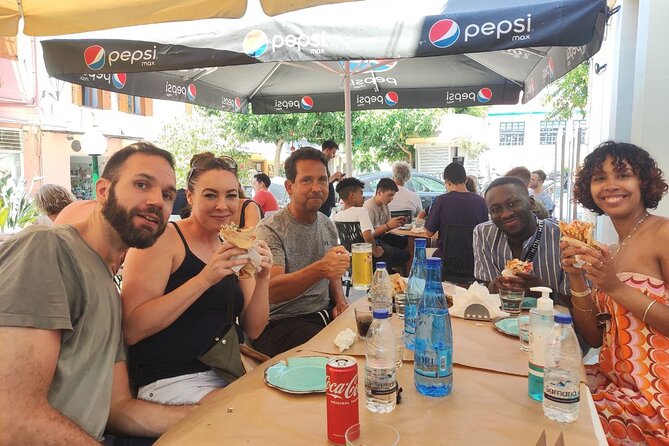
Chania food tastes better when you walk it. This 2-hour 20-minute Chania walking food tasting tour feeds you Cretan classics like bougatsa, cheese, olives, sweets, plus coffee and tsikoudia/raki, while you move through Old Town and the Venetian harbor area. It is small-group and built around sampling, not racing.
I love two things most: first, the sheer variety of regional bites (from cheese and olives to pastries and little sweets) so you taste the island’s range without planning a meal. Second, the tour includes practical, off-the-beaten-path stops like a local herbs and products store and a Cretan knife-maker visit that turns the walk into something more than food calories.
One consideration: this is not a seafood tour, and there is no fish/seafood on the menu. Also, since the walk depends on conditions, you’ll want decent weather on the day.
In This Review
- Key things to know before you go
- Chania food tasting in 2 hours 20 minutes: what the experience feels like
- Route reality: meeting point, walking pace, and where you end up
- Stop One: Bougatsa Iordanis and why that first bite matters
- From cheese and olives to loukoumades and kalitsounia: the main food loop
- Coffee, tea, and tsikoudia/raki: the drink stops that keep it fun
- The herbs store and the Cretan knives stop: where the tour gets memorable
- Pita gyros and timing: morning vs afternoon/evening differences
- Price and value: does $105.26 make sense?
- Who this Chania food walk suits best (and who should pass)
- My bottom line: should you book this tour in Chania?
- FAQ
- How long is the Chania food tasting walking tour?
- How much does the tour cost per person?
- Is the tour in English?
- What food and drinks are included?
- Is fish or seafood served on this tour?
- Where do I meet the tour?
- Where does the tour end?
- Is there an optional extra stop at the end?
- Is the group size small?
- What is the cancellation policy and what if weather is bad?
Key things to know before you go
- Expect a real tasting, not just snacks: you get plenty of small (and sometimes bigger) bites all along the route.
- Bougatsa starts the show at Bougatsa Iordanis so you begin with something unmistakably Cretan.
- Coffee, tea, and tsikoudia/raki are part of the plan (so come ready for flavors, not just sweets).
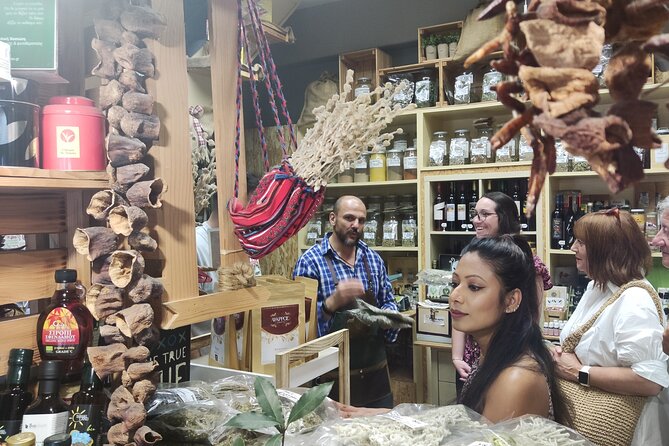
- You’ll add stops most people skip: a herbs shop and a traditional Cretan knife manufacturer.
- Small group size (max 10) keeps the pace relaxed and questions easy to ask.
- There is an optional extra tasting at the end for olive oil, honey, and more, with no additional charge.
Keep wandering the Chania old town and harbour
- Walking “Food tasting tour” in the town of Chania
★ 5.0 · 297 reviews - Chania Town: Glass-Bottom Boat Cruise to Thodorou & Lazareta
★ 4.8 · 285 reviews - The 7 Villages of Apokoronas Tour – Explore East Chania Mainland
★ 5.0 · 178 reviews - Chania Old Port:Luxury Sunset Catamaran Cruise with Prosecco
★ 4.9 · 177 reviews
Chania food tasting in 2 hours 20 minutes: what the experience feels like
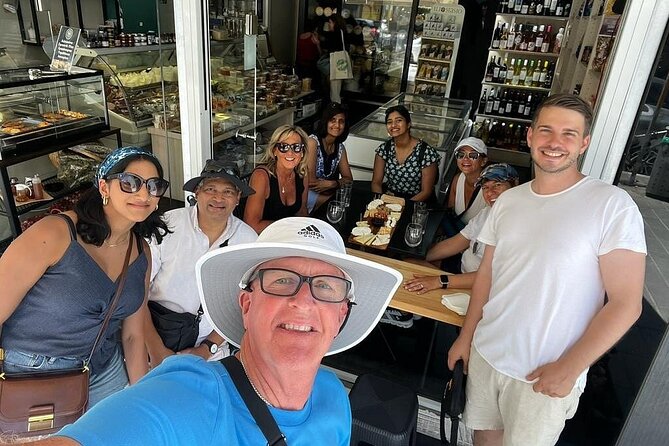
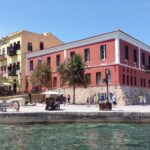
This tour is made for one job: getting you full on Cretan food while also helping you see Chania as you go. You’ll start in a central spot (right by a Domino’s Pizza on Kriari street) and finish near a local grocery store on Zampeliou street. The walk stays in town, so you’re not bouncing across the island—just moving through Chania’s different vibes, from narrow Old Town streets to the waterfront area near the Venetian harbor.
The timing matters. At around 2 hours 20 minutes, it’s long enough to do multiple proper tasting stops, but short enough that you still have energy for dinner after. If you like to balance food with sightseeing, this format is a nice sweet spot.
And it’s small. With a maximum of 10 people, you’re not herded. That tends to make the whole thing more conversational—especially if your guide is bringing context for each bite rather than rushing you to the next location.
Route reality: meeting point, walking pace, and where you end up
Your meeting point is Domino’s Pizza, Kriari 40, Chania. The tour runs like a guided stroll: you move from place to place, stop, taste, then walk again. Expect an easy-to-moderate pace—enough steps to work up an appetite, but not so much that it turns into a hike.
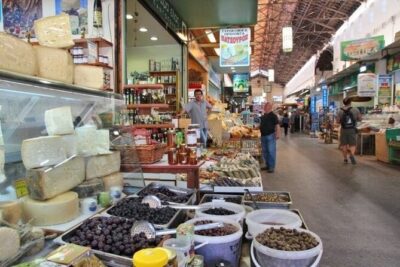
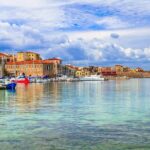
You’ll also get the benefit of a guided route through both modern and old town. Along the way, you may pass the market area (noted as under reconstruction) and you’ll walk some of those charming tight streets people love in Chania. The route includes views and stops around the Venetian Port area too, so you connect food with the city’s geography instead of just eating and forgetting.
You’ll end at το παντοπωλείο, Zampeliou 43, Chania. There’s also an optional extra stop there for tasting olive oil, honey, and more, with no extra charge—so it’s easy to keep the momentum going if you’re still hungry for one more sip or spoonful.
Stop One: Bougatsa Iordanis and why that first bite matters
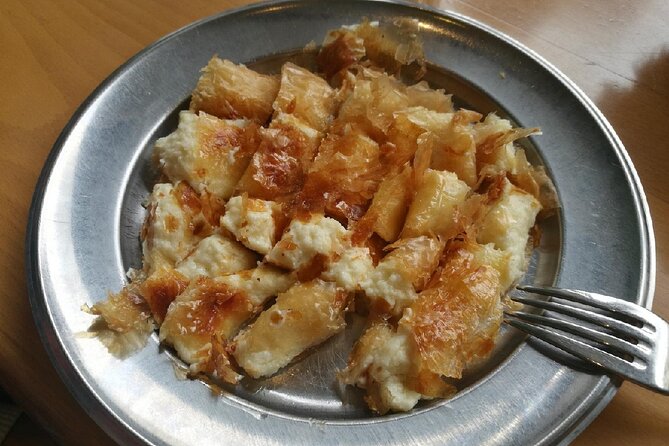
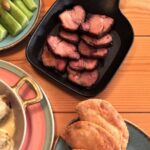
The first official stop is Bougatsa Iordanis (about 20 minutes). Bougatsa is one of those foods that sounds simple—pastry, custard, or cheese in layers—but it’s also one of the best ways to understand local tastes quickly. Starting with bougatsa means you build momentum right away: warm, buttery pastry flavors set the tone for everything else you’ll try.
This stop is described as especially traditional, and the point isn’t just to eat—it’s to get oriented. After this first tasting, you can start noticing the regional patterns: how Cretan sweets balance with savory bites, how dairy shows up in multiple forms, and how the pastry world in Crete is tied to everyday local life, not just special occasions.
Practical tip: if you are sensitive to gluten-heavy foods, bougatsa is a big part of the early experience. Plan accordingly.
Still hungry? More Cretan plates to graze
From cheese and olives to loukoumades and kalitsounia: the main food loop
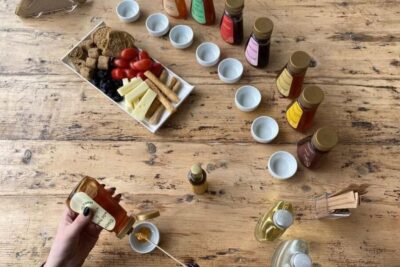
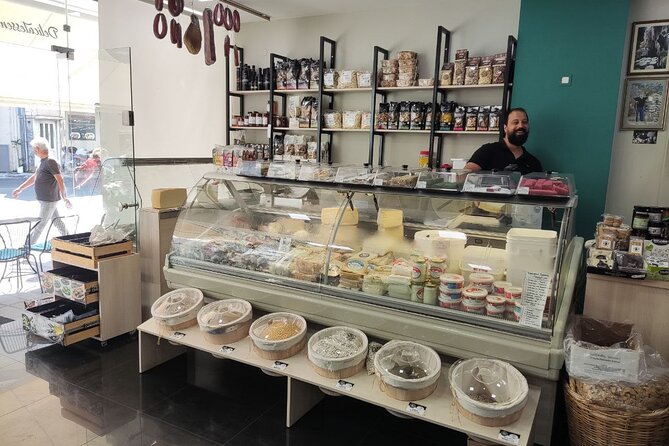
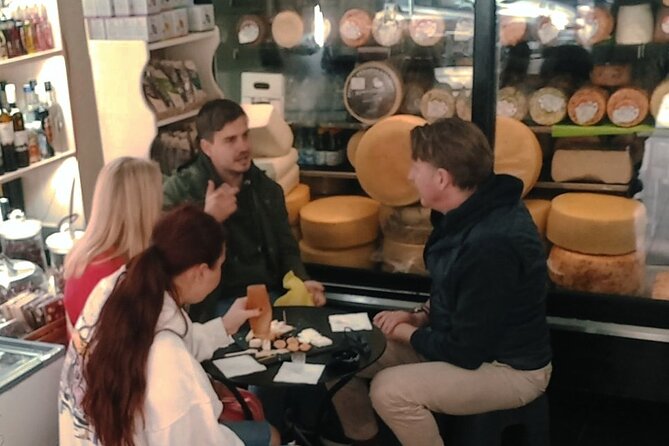
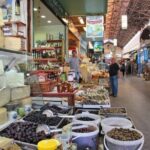
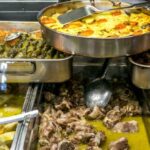
After bougatsa, the tour turns into a sampler of classic Cretan town foods. You’ll taste an abundance of local products from Cretan producers—built around staples like cheese and olives, plus pastries and sweets.
Here’s what to expect in the middle of the walk:
- Cheese tastings, where you get to compare styles rather than just eating one cheese and calling it a day.
- Olives, likely in a few forms, so you taste both the ingredient and the local flavor style.
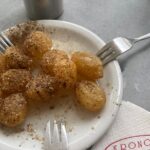
- Sweets that include items such as loukoumades and kalitsounia (and other small pastry snacks).
- Coffee and/or tea, including Greek coffee as part of the offering.
The “why this works” part: instead of trying to pick one perfect restaurant, you get mini-portions across categories. That makes it easier to learn what you actually like. Maybe you love the pastry more than the cheese. Maybe the sweets are too much at first but the savory snacks hit the right spot later. Either way, you finish with a better sense of what to order the next day.
Also, this isn’t a fish-focused tasting route. There is a stated reason the tour does not offer fish/seafood, so if you’re hoping to build your meals around the sea, you’ll want a different plan for lunch or dinner.
Coffee, tea, and tsikoudia/raki: the drink stops that keep it fun
Greek coffee shows up as part of the included tastings. And alcohol is included too: tsikoudia/raki is offered during the experience.
This does two useful things for you:
- It anchors the tour in Cretan identity. Raki/tsikoudia is not a garnish; it’s a cultural default.
- It keeps the social vibe easy. If you’re traveling with family or friends, it’s a natural topic to talk about while you’re walking.
If you don’t drink alcohol, you should still be prepared for the option being part of the tour. Your best move is to tell your guide what you prefer at the start, and they’ll guide you on what you want to take (the tour is run by people who have handled different needs and last-minute changes based on past experiences).
The herbs store and the Cretan knives stop: where the tour gets memorable
What makes this tasting walk stand out is the side-quests inside the food mission. You don’t just bounce between the most obvious pastry counters.
Two specialty stops are highlighted:
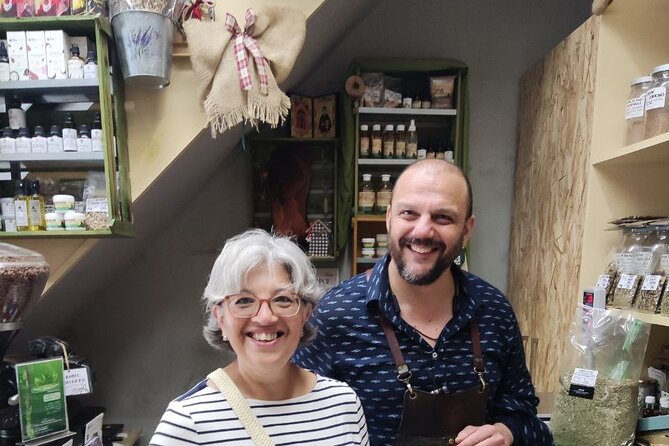
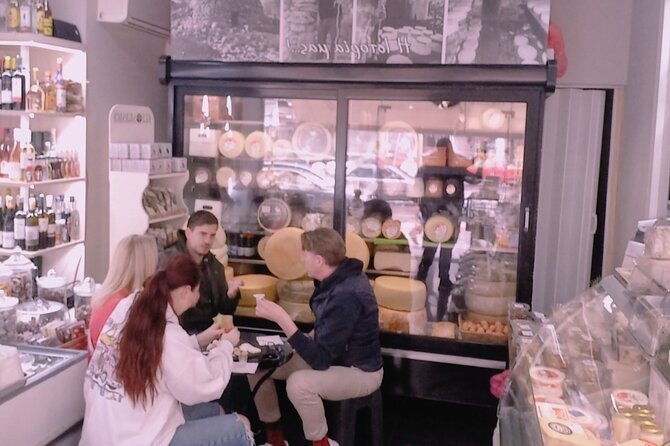
- A local herbs and products store, described by locals as a secret place.
- A traditional Cretan knife manufacturer, where you can watch or see the work behind Cretan knives.
This is where the experience becomes more than eating. The herbs stop adds a different kind of flavor education: you learn how plants connect to everyday Cretan cooking, remedies, and local tastes. Even if you don’t buy anything, it changes how you think about seasoning and scent in Greek cuisine.
The knife visit adds an interesting craft element. It gives you a quick look at artisan work that has nothing to do with tourism theater and everything to do with practical local tradition. One of the best feelings after this kind of tour is looking at ordinary objects differently—after all, you just walked past your own shopping list of edible ingredients and now you’re seeing the tools side of Cretan culture too.
If you like tangible souvenirs that have a story (not just a logo), this part is a big win.
Pita gyros and timing: morning vs afternoon/evening differences
Your included meal depends on which departure you take. The tour notes that pita gyros are included for the afternoon & evening tour ONLY. If you’re on a daytime departure without the gyro meal, you’ll still get plenty of snacks throughout the route, plus coffee/tea and raki.
So how should you plan your day?
- If you’re on an afternoon/evening departure, you can treat lunch lightly or skip it.
- If you’re on another departure time, you can still come hungry, because the snack portions are meant to add up.
A good strategy: don’t plan a full meal right before. People consistently get to the end satisfied, and the tour is designed around eating as you walk.
Price and value: does $105.26 make sense?
At $105.26 per person (roughly 2 hours 20 minutes), the key question isn’t whether it’s cheap. It’s whether you’re getting more than the cost of a pastry and coffee.
In this case, you are paying for:
- Multiple tasting stops (including bougatsa first).
- Cheese, olives, and sweets across the route.
- Coffee/tea plus tsikoudia/raki offerings.
- Extra cultural stops: the herbs store and a Cretan knife-maker visit.
- A small group size (max 10), which usually means less waiting and a more relaxed pace.
If you normally spend money on one sit-down meal and one dessert, this tour can actually feel like value because you get several categories at once. You also avoid the “what should I eat?” stress. Instead of guessing, you get a guided plan and you walk away with food choices that fit your taste.
Booking demand looks strong too—this kind of tour is commonly booked about 51 days in advance, so if your dates are set, don’t treat it as a last-minute gamble.
Who this Chania food walk suits best (and who should pass)
This is a great fit if you:
- Want a food-first way to explore Chania’s Old Town without getting lost.
- Like trying multiple local items in one morning/afternoon instead of committing to one restaurant.
- Enjoy hands-on, local-feeling stops like the herbs store and knife-maker visit.
- Prefer a relaxed group with room for questions and conversation.
You might want a different plan if you:
- Want seafood. This tour does not offer fish/seafood.
- Can’t handle dairy-heavy food choices (cheese and pastries are major parts).
- Prefer a strictly guided “licensed tour” style with formal storytelling. This is set up more as a food experience with local context.
My bottom line: should you book this tour in Chania?
Yes—if you want to leave Chania feeling fed and informed about what Crete tastes like. The strongest reasons are simple: you start with a top-notch bougatsa stop, you get a real sequence of tastings (cheese, olives, sweets, coffee/tea, and tsikoudia/raki), and you add two practical cultural stops (herbs and Cretan knives) that make the walking route feel worth it.
Book it if you can bring one mindset: come hungry, pace yourself, and use the tastings to learn what you want to eat again later in town.
FAQ
How long is the Chania food tasting walking tour?
It lasts about 2 hours 20 minutes.
How much does the tour cost per person?
The price is $105.26 per person.
Is the tour in English?
Yes, the tour is offered in English.
What food and drinks are included?
You’ll get plenty of small snacks, including cheese, olives, bougatsa, loukoumades, kalitsounia, and other small bites. Coffee and/or tea is included (Greek coffee is offered), and tsikoudia/raki is offered as an alcoholic beverage.
Is fish or seafood served on this tour?
No. The tour does not offer fish or seafood.
Where do I meet the tour?
The start is at Domino’s Pizza, Kriari 40, Chania 731 35, Greece.
Where does the tour end?
The tour ends at το παντοπωλείο, Zampeliou 43, Chania 731 31, Greece.
Is there an optional extra stop at the end?
Yes. There’s an optional extra stop where you can try olive oil, honey, and more, and there is no additional charge.
Is the group size small?
Yes. The tour has a maximum of 10 travelers.
What is the cancellation policy and what if weather is bad?
You can cancel for a full refund up to 24 hours in advance. The experience requires good weather, and if it’s canceled due to poor weather you’ll be offered a different date or a full refund.
More Tour Reviews in Chania

Eat Your Way Round Crete

More of Chania Old Town

Fresh Off the Boat: Newest Crete Reviews


Chania Old Town, compared.
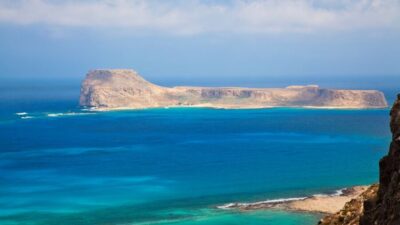 ★ 4.4From Heraklion: Cruise to Balos Lagoon and Chania Old TownFrom $88526 reviews
 ★ 4.9Chania: Old Town Highlights Guided Tour with Street FoodFrom $106407 reviews
 ★ 4.7Chania: 7 Villages of Apokoronas Tour with LunchFrom $135289 reviews
 ★ 4.5From Heraklion: Chania Town, Kournas Lake, and Rethymno TourFrom $56288 reviews
 ★ 4.8Chania Town: Glass-Bottom Boat Cruise to Thodorou & LazaretaFrom $53285 reviews
 ★ 5.0The 7 Villages of Apokoronas Tour – Explore East Chania MainlandFrom $139178 reviews
 ★ 4.9Chania Old Port:Luxury Sunset Catamaran Cruise with ProseccoFrom $100177 reviews
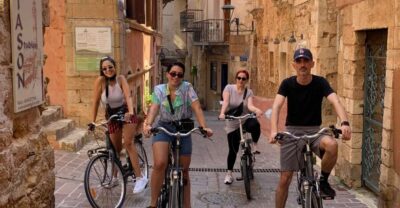 ★ 4.9Chania: City Highlights Small Group Bike TourFrom $51176 reviews
Browse the lists this tour appears in