
Chania tastes better when you slow down. This private Cretan day mixes wild scenery and story-rich culture with a very food-centered approach, where lunch is part of the lesson. You get a seasonal slow-cooked 3-course lunch, paired with local wines and raki, plus classic bites like feta, olives, rusks, olive oil, yogurt, honey, and sweets.
I also like that the day is built around a local, English-speaking guide who sets the pace for your group and shares practical tips for where to eat and drink in Chania. One consideration: you’ll often be walking through villages and viewpoints, and if the route includes churches, expect modest dress (no shorts or skimpy tops), plus alcohol is limited to ages 18+.
You’re not stuck on a cattle-car schedule. In the best parts of the route, you’ll feel like Crete is being shown to you the way locals might—through meals, small places, and calm, unhurried stops that make the island click.
In This Review
- Key highlights worth marking on your map
- Private Cretan wild sights that center on food
- 9:30 am pickup, private pacing, and a tour that fits your day
- Villages, gorge scenery, and the calm pace that makes it feel local
- National Crete Resistance Museum: more context than a quick photo stop
- Wine, raki, olive oil, and the taste lessons you’ll actually remember
- Lunch like a Cretan home kitchen: three courses, slow-cooked comfort
- Churches, shoes, and the small rules that affect your day
- Who this tour fits best (and who might want a different style)
- Should you book this Private Cretan Wild Sights & Culinary Delights Tour?
- FAQ
- Is this tour private?
- What time does the tour start in Chania?
- Do you offer pickup from hotels or the cruise port?
- What’s included with the food and drinks?
- Who can drink alcohol on this tour?
- Is it suitable for vegetarians or people with allergies?
Key highlights worth marking on your map
- Hotel or port pickup and drop-off for a truly private day
- Seasonal 3-course slow-cooked lunch (meat and vegetables)
- Wine and raki tastings, plus a spread of Cretan staples (feta, olives, rusks, olive oil, yogurt, honey)
- National Crete Resistance Museum entrance included
- English guides with memorable storytelling, with named guides like Giannis, Eva, and Mekos
- Some routes add real working food culture, like an olive mill stop and traditional cooking
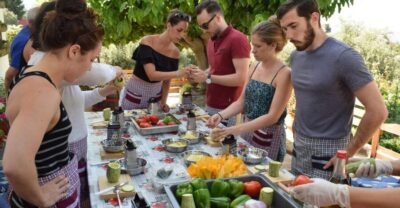
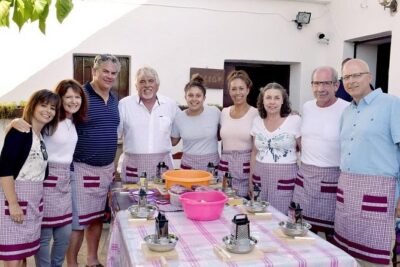
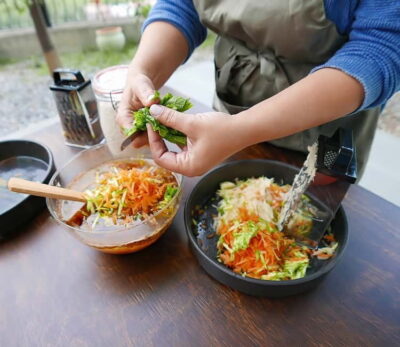
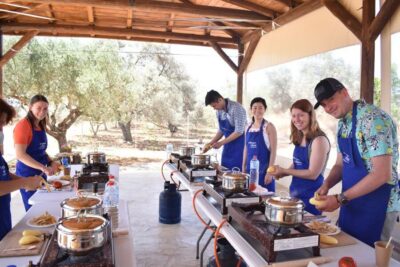
Aprons on for a proper Cretan kitchen
- Chania: Authentic Cooking Class
★ 5.0 · 74 reviews - Chania Cooking Class in Crete with rustic, delicious and homely Cretan food!
★ 4.5 · 14 reviews - Authentic and Traditional Cooking Class in Chania Crete
★ 5.0 · 5 reviews
Private Cretan wild sights that center on food
This tour is for you if you want Crete to make sense through what you eat and see, not just what you photograph. The core idea is slow food, which here means seasonal ingredients, careful cooking, and the kind of meals that don’t feel like a break from the experience. Instead, lunch is the experience.
You’ll spend time moving through Chania and the countryside, then settle into a 3-course lunch described as seasonal and slow-cooked, paired with three local wines and raki. Alongside the main meal, you’ll also taste a spread of island favorites: feta cheese, olives, rusks, olive oil, yogurt, honey, and local sweets. It’s a full-flavor strategy. By the end, you’re not just fed—you’re clued in on why these foods matter in Cretan life.
What makes this especially good value is how much is bundled into one guided day: lunch, multiple tastings, museum admission, and your guide’s city and culture context. At $339.50 per person for around 6 hours, it’s not a bargain tour, but it’s a lot closer to paying for a private guide plus multiple included experiences than it is to paying for a basic sightseeing loop.
9:30 am pickup, private pacing, and a tour that fits your day
The tour starts at 9:30 am, and pickup is offered from your hotel lobby, Airbnb, or the cruise port. Your guide will be holding a sign with your name—one of those small details that saves time and stress when you’re trying to match faces to names at a busy port.
Because it’s private, you’re not dealing with the usual group bottlenecks. The day is designed to flow with your pace, which matters on routes that include villages, scenic viewpoints, and possibly a bit of walking. If you want more time with food, you can lean that way. If you want stories and background, your guide can steer the conversation there.
You’ll also get personalized tips for the area’s best bars and eateries. That’s more useful than it sounds. One of the biggest frustrations in Chania is guessing where to go after your tour ends. Having your guide’s on-the-ground recommendations helps you spend your evenings better, not just louder.
And yes, you get a mobile ticket, so you’re not stuck hunting through paper confirmations.
Villages, gorge scenery, and the calm pace that makes it feel local
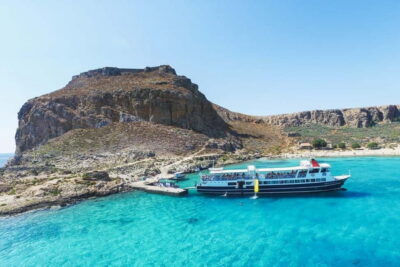
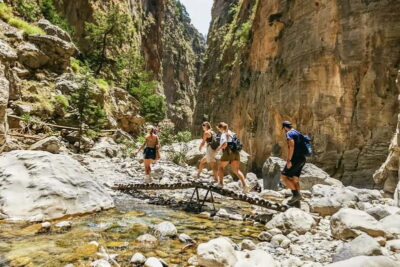
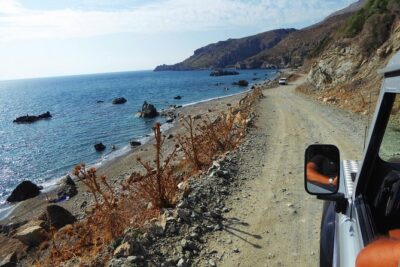
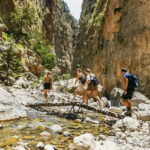
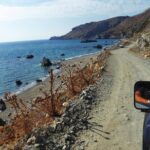
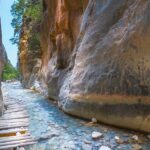
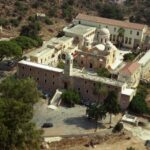
The day’s first big “mode shift” is from city to countryside—traditional villages, epic scenery, and Cretan culture delivered through stories. In the routes people describe, that can include places near Therisso Gorge for scenery, and a scenic seaside stop connected to the Gouverneto Monastery area (including a walk to the Bear Cave area).
Here’s why that matters for you: gorge and coastline scenery around Chania gives you scale. You see how the island’s geography shapes daily life, from farming and food production to where communities built their histories. Even if you’re not a hardcore hiker, these are the kinds of stops that make the landscape make sense—because your guide ties it back to food and culture.
There’s also a strong “slow living” angle. One reason this tour works for families is that the pace is meant to feel thoughtful rather than rushed. You’re not being shoved from one viewpoint to another just to hit a checklist. Instead, the scenery supports the cultural part of the day.
Potential drawback: because the tour leans into walking around villages and viewpoints, you’ll want to show up with comfortable shoes and a little patience for stop-and-go time. This isn’t a long museum-only day.
National Crete Resistance Museum: more context than a quick photo stop
An included stop is the National Crete Resistance Museum. That’s a smart choice for anyone who wants more than background facts. When you connect food, local identity, and family traditions to the island’s past, the museum helps you understand why certain stories are still told with pride and emotion.
Even if museums aren’t your main interest, this one is worth having inside your schedule because it adds weight to everything else you’ll see. The food-and-wine side can sometimes feel like a standalone experience. The museum helps the day feel stitched together: Crete’s hardship, resilience, and cultural memory shape the way people host, celebrate, and cook.
The good part: you’re not paying extra for admission. The tour includes the museum entrance fee, so you can stay focused on the experience instead of doing math mid-day.
Wine, raki, olive oil, and the taste lessons you’ll actually remember
This is one of the tour’s biggest strengths: tasting isn’t treated like a gimmick. You get three local wine samples and raki, plus a serious spread of staple foods and production-linked flavors.
The olive side is especially strong. In descriptions of the day, you may visit the kind of stops that show how olive oil and olives go from grove to bottle. One example mentioned is the Papagianakis olive mill visit with olive oil tastings. Another highlights stop is the Ancient Olive Tree at Vouves, described as a 2,000-year-old tree still producing olives. That kind of detail makes the tasting feel anchored in time, not just taste.
What you’ll like as a practical matter: guides can often tailor the tasting to your preferences. One person’s description notes that a sommelier adjusted the tasting based on their tastes and even personal context (their home region in the Pacific Northwest). You don’t need to be a wine geek. The goal is to help you notice what you’re drinking and eating instead of just consuming it.
Important note on alcohol: alcoholic beverages are allowed only for participants age 18 or older due to national restrictions. If you’re traveling with younger family members, you should expect non-alcoholic beverages for them.
Lunch like a Cretan home kitchen: three courses, slow-cooked comfort
The lunch is described as a seasonal 3-course, slow-cooked Cretan meal with meat and vegetables. That wording matters. Slow-cooked here signals comfort food made with time and care, not a quick assembly. It also fits the tour’s overall theme: “slow food” isn’t just about a flavor profile; it’s about pace, tradition, and the way Crete feeds people.
Besides the main courses, you’ll also taste a lineup of Cretan standards:
- feta cheese
- olives
- rusks
- olive oil
- yogurt
- local honey
- local sweets
Think of it like a guided route through the island’s pantry. If you’ve ever loved Greek food but can’t name why it tastes so different, this kind of tasting helps you put words to flavors: saltiness, tang, fruitiness, and that olive oil finish that makes everything feel grounded.
In some described versions of the day, the food experience goes even further into hands-on culture, including a cooking component where you learn to make Gemista and share a meal with a local family. That’s the kind of moment that turns “lunch” into a memory you’ll carry home.
One consideration: the tour says it can handle food needs unless you have multiple, combined food allergies or you’re vegan. Vegetarians are welcome, so you’ve got options if you’re not eating meat.
Churches, shoes, and the small rules that affect your day
Even though Europe generally runs on relaxed dress expectations, this tour notes church dress requirements: avoid no shorts or skimpy tops. If your route includes church stops, plan ahead so you’re not stuck improvising a cover-up mid-day.
Also plan for walking. The experience is built around exploring villages and scenic areas, which usually means time on your feet. The good news is that the tour states most travelers can participate, and it’s private, so the guide can respond to your comfort level.
If you care about convenience, the tour is set up with pickup at your lodging or port and drop-off back to where you started. That matters in Chania because you don’t want to lose half your day navigating streets, finding parking, or figuring out timing.
Finally, don’t skip the practical question of allergies. Unless you fall into the specific higher-constraint category (multiple combined allergies or vegan), the tour notes they’ll figure it out. Still, it’s smart to mention needs early so the food portion stays smooth.
Who this tour fits best (and who might want a different style)
This one fits you if you’re a food-and-culture traveler. You’ll get the most out of it if you like tasting multiple items in a guided way, learning how ingredients connect to local life, and hearing stories tied to real places.
It also suits families. One description calls out it as a special Greek experience for a family, including stops like the ancient olive tree, an olive mill visit, and a cooking finale. The pace and the private setup help kids and adults stay together without the usual tour-group chaos.
You might want to think twice if:
- you want an all-history-only day with lots of long museum time
- you hate any walking in villages or viewpoints
- you’re traveling with a strict dietary pattern beyond what the tour explicitly covers (especially vegan, or complex combined allergies)
On balance, this tour hits a sweet spot: scenery with context, and food with meaning.
Should you book this Private Cretan Wild Sights & Culinary Delights Tour?
Book it if you want a private, guided Crete day that’s genuinely built around food: slow-cooked lunch, multiple tastings, and a museum stop that gives the day backbone. At $339.50 per person, it’s priced like an experience that includes real meals and guide time, not like a basic sightseeing transfer.
Skip it if you’re mainly chasing beach lounging or want a tour that focuses only on ruins and big-ticket landmarks. This day’s priority is the island’s culture as experienced through meals, local production (olive oil and olives), and the stories behind them.
One more decision helper: if you’re picky about logistics, this tour is strong. People mention that coordinators helped when something went sideways with transportation. That kind of responsiveness is exactly what you want when you’re starting from a port day or a tight cruise schedule.
FAQ
Is this tour private?
Yes. It’s a private tour/activity, and only your group will participate.
What time does the tour start in Chania?
The start time is 9:30 am.
Do you offer pickup from hotels or the cruise port?
Yes. Pickup is offered, and you can meet your guide at your hotel lobby, Airbnb, or the cruise port. The guide will hold a sign with your name.
What’s included with the food and drinks?
A seasonal 3-course slow-cooked Cretan lunch, samples of three local wines and local raki, plus tastes of items like feta, olives, rusks, olive oil, yogurt, honey, and local sweets.
Who can drink alcohol on this tour?
Alcoholic beverages are allowed only for participants age 18 or older due to national alcohol restrictions. Participants under 18 are provided non-alcoholic beverages.
Is it suitable for vegetarians or people with allergies?
Vegetarians are welcome. For food allergies, the tour says they will figure it out unless you have multiple, combined food allergies or you’re vegan.
More Tour Reviews in Chania
Cook the Cretan Classics


Fresh Off the Boat: Newest Crete Reviews

Cretan Cooking Classes, compared.
 ★ 4.9Chania: Authentic Cooking Class in the White MountainsFrom $129529 reviews
 ★ 5.0The Real Cretan Cooking ExperienceFrom $133528 reviews
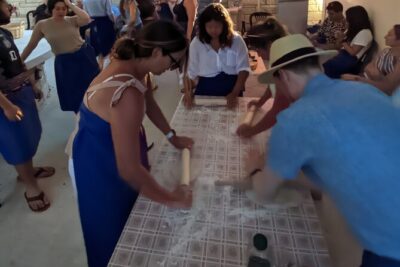 ★ 5.0Chania Cooking Class-The Authentic Enjoy traditional Cretan mealFrom $133339 reviews
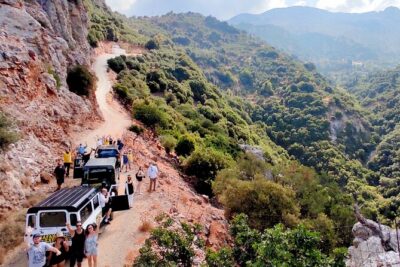 ★ 5.0Full-Day Jeep Safari Tour with Cooking LessonFrom $111284 reviews
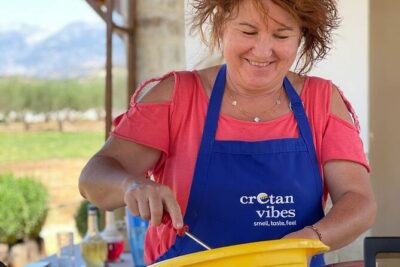 ★ 5.0Cretan Cooking Class and Olive Oil TastingFrom $114178 reviews
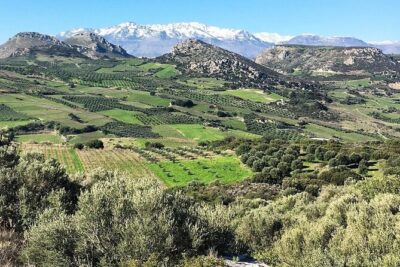 ★ 5.0Olive Oil, Soap, Wine, Raki – Flavorful Culinary JourneyFrom $111119 reviews
 ★ 5.0Rethymno: Chrysoula’s Cretan Home Cooking LessonsFrom $11698 reviews
 ★ 5.0Moires: Cooking Class and Olive Oil Tasting at a Family FarmFrom $10093 reviews
Browse the lists this tour appears in