
Review · WALKING TOURS
Heraklion Through Local Eyes – A Walking Experience
Heraklion feels different after you eat like a local. This 4-hour walking experience mixes city history with real tastes you can’t separate from daily life in Crete, from the Venetian walls to a surprising urban green pocket. You’ll walk through everyday neighborhoods, then slow down at cafés and food stops where the guide explains what you’re tasting and why it matters.
What I like most is the food with context—you don’t just sample olive oil, honey, coffee, and pastries, you learn how to recognize quality and how each item fits the Mediterranean routine. I also love the pace and variety: panoramic views, quiet streets, and little meeting spots that make Heraklion feel lived-in, not staged.
One thing to consider: this is a walking-forward day. Even with food stops, you should expect steady going for about four hours, so it’s best if your feet are happy and you’re not trying to squeeze in lots of other activities right afterward.
In This Review
- Key things to notice on this Heraklion food walk
- Starting on Evropis 7: where your walk actually begins
- Venetian walls first: views, stories, and the fastest way to get oriented
- Cutting into a hidden urban forest: a real breather
- Coffee and pastries: the Crete start that teaches you how to slow down
- The olive oil and honey tastings: how to recognize quality fast
- Market time and small shops: shopping that feels like part of the walk
- Wine tasting and lunch: when the day shifts from snacks to a meal
- The souvlaki finish: the ritual that turns a good tour into a great one
- Price and value: what $115 buys you in real terms
- Who should book this, and who might skip it
- Should you book Pass4Crete’s Heraklion Through Local Eyes?
- FAQ
- How long is the Heraklion Through Local Eyes walking tour?
- Where do I meet the guide?
- What languages are available?
- Is transportation included?
- What’s included in the price?
- Is the tour wheelchair accessible?
Key things to notice on this Heraklion food walk
- Venetian wall viewpoints that connect Heraklion’s past to what you see today
- A hidden urban forest stop for a calm pause from the street noise
- Greek coffee plus local sweets as an early, very Crete start
- Olive oil and honey tastings with practical tips for what makes quality stand out
- Market and small-shop time that’s meant for locals, not just tourists
- A classic souvlaki finale in a place locals have valued for generations
More of Crete covered on foot
- Full Day Samaria Gorge 10-Mile Walking Tour
★ 4.5 · 52 reviews - Archaeological Museum of Heraklion: Guided Walking Tour
★ 4.9 · 26 reviews - Heraklion – Walking city tour with food tasting
★ 4.5 · 25 reviews - SAMARIA Gorge Walk: full day from area Heraklion CRETE
★ 4.0 · 11 reviews
Starting on Evropis 7: where your walk actually begins
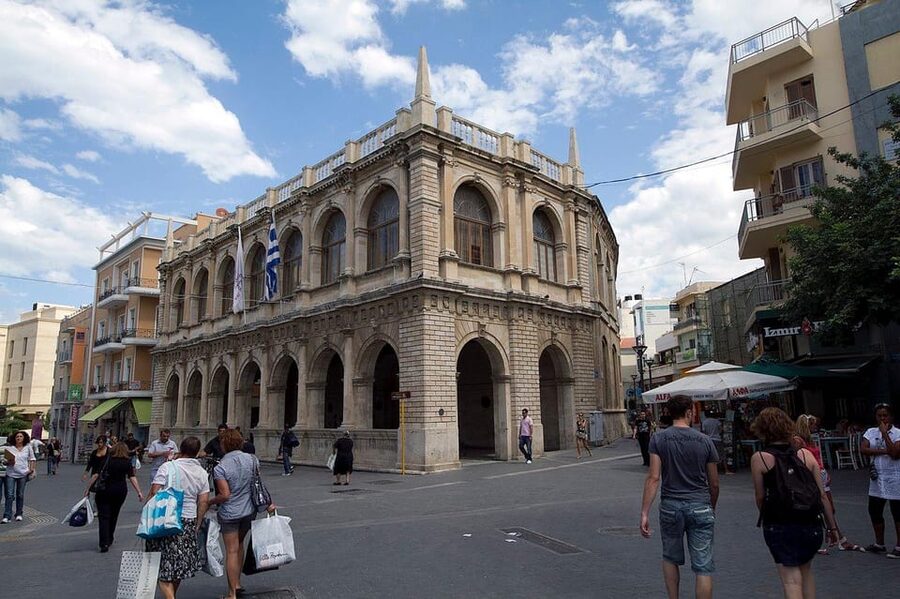
Your tour starts in central Heraklion at Paas4Crete’s office, close to central parking and the IBIS Hotel area, with the start location listed at Evropis 7. If you like easy meet-ups, this is a good one because it’s in the heart of town rather than out by a bus stop in the middle of nowhere.
If you’re arriving by cruise ship, you’ll take the shuttle bus to passenger terminal number 5. From there, you walk along the coastline to meet in front of The Koules Fortress—simple, but you’ll want to give yourself a little buffer so you don’t feel rushed.
The tour runs 4 hours, and it’s set up as a private group with a live guide in English or Dutch. That private setup matters: it’s easier to ask questions about what you’re tasting, and the route can feel more like a local’s day than a strict script.
Venetian walls first: views, stories, and the fastest way to get oriented
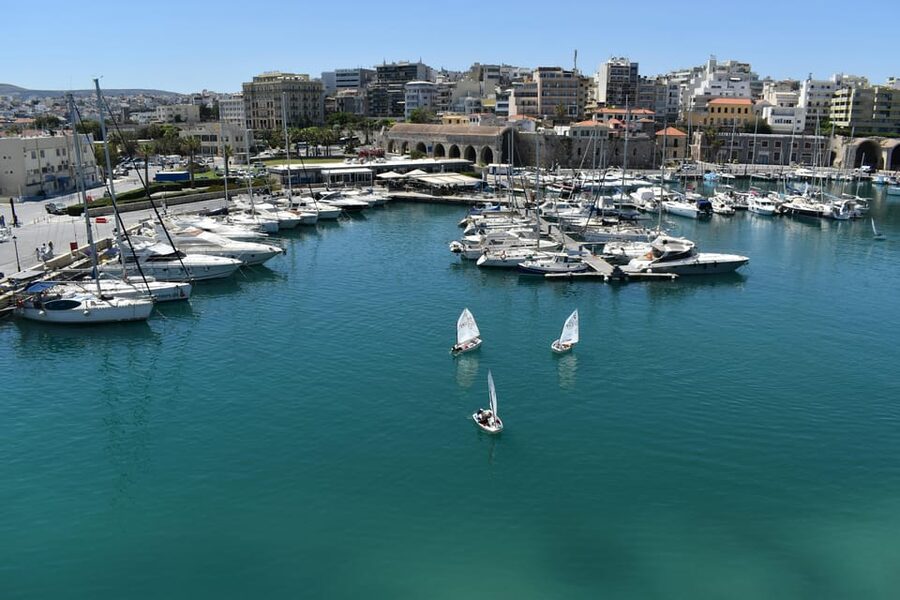
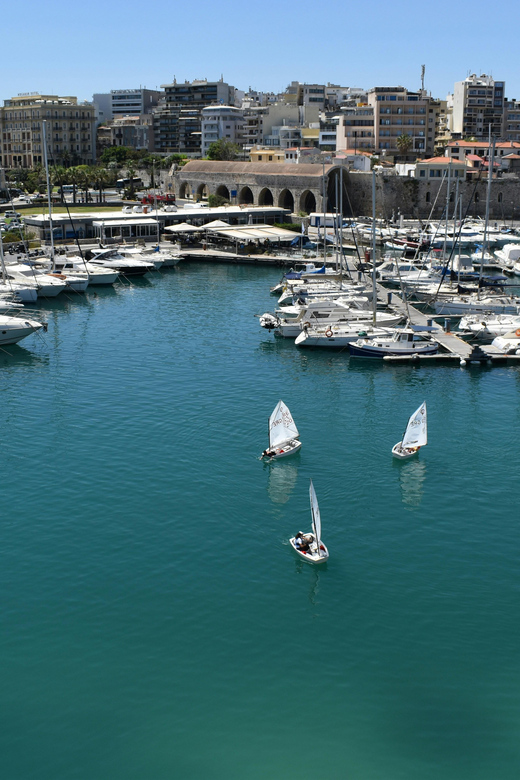
Early on, you’ll start with a walk along the Venetian walls. It’s not just photo time. The point is orientation: once you’ve seen the city from that angle and heard the stories connecting different eras, the streets you walk later make more sense.
From the walls, you get a sense of scale—where the city breathes, where it tightens, and how people historically defended and lived around these edges. This is especially helpful if it’s your first day in Heraklion. You’ll still see plenty on the ground later, but the viewpoints give you a mental map that sticks.
One more practical benefit: starting with something scenic gets the group warmed up. You settle in, your guide sets the tone, and you’re less likely to feel like the tour is only about eating your way from one shop to the next.
Cutting into a hidden urban forest: a real breather
Then comes a surprisingly peaceful moment: you’ll slip into a hidden urban forest, a green pocket inside the city that even many locals don’t know about. This stop works because it changes the texture of the day. After the open views and streets, the greenery lowers the noise and slows your pace naturally.
I love these kinds of pauses. They make the rest of the walking feel more comfortable, and they reset your attention. You’re not constantly looking for the next tasting; you’re actually experiencing the city’s rhythm.
If you’re the type who gets tired quickly of “corner shop, corner shop,” this stop is a nice reset button. And if you’re with someone who loves nature but still wants food, this also keeps everyone happy.


Coffee and pastries: the Crete start that teaches you how to slow down
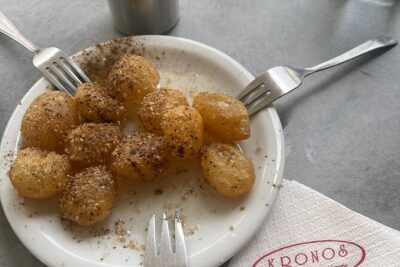
Food tours can be hit-or-miss. Some feel like a checklist. This one starts you off with a very Crete move: Greek coffee and local pastries—the kind of snack rhythm people do without thinking.
You’ll stop at a local café for around 40 minutes for coffee and food tasting. That timing matters. It gives you enough space to actually taste, not just swallow something and move on. Greek coffee isn’t only about flavor; it’s part of how conversations happen—slow sips, a bit of sweetness, and a pause in the day.
Then there’s a second café-style stop at 1866 Street Coffee Bar, where you’ll add more local flavors along the way. Some tours cram coffee into a quick stop. Here, coffee feels like a mini ritual that sets up everything else you’ll try later—especially the honey and olive oil, which make more sense once you’ve experienced the local sweetness and roasting styles.
If you don’t drink coffee, you might still enjoy the pastries and the explanation, but you’ll want to mention that early so your guide can steer you toward the right tasting moments.
The olive oil and honey tastings: how to recognize quality fast
This is the section that most people remember long after they leave Crete. You’ll taste olive oil, and you’ll also sample honey and herbs tied to local flavor traditions.
What makes this more valuable than a basic tasting is the guidance. You’ll learn how to recognize high-quality Cretan olive oil, which usually comes down to smell, balance, and how the flavor sits in your mouth. Your guide isn’t just handing you small cups. They’re teaching you what to look for when you’re back in a shop later.
The honey-and-herb tasting has a similar advantage. Honey can be “just sweet” if you’re not paying attention. But when you’re guided through the herbal notes and typical pairings, you start noticing how Cretan flavors work together instead of separately.
And yes, you’ll probably want to buy something after this. It’s not pressure. It’s just that once you’ve learned the cues, good products stop feeling like a mystery.
Market time and small shops: shopping that feels like part of the walk
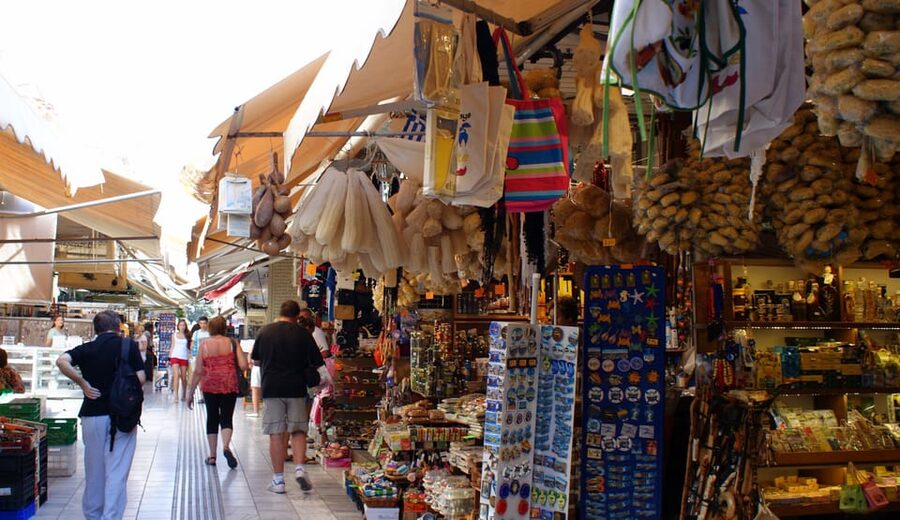
A lot of food tours send you to the same tourist-friendly stalls. This one gives you a more local feel with a food market visit and time around everyday meeting places and shops.
The route includes a stop connected to 1866 Street Coffee Bar that also features shopping and a food market visit. That combination is smart: you taste, you learn the difference, and then you can walk it off while figuring out what you actually want to take home.
This is also where your guide’s personality starts showing. In tours led by guides like Marina (and also experiences that have been guided by Emma), the best moments often come from conversation—asking what people buy for everyday meals, and which shops locals return to again and again.
If you enjoy small finds—packaged herbs, honey jars, olive oil bottles that aren’t trying too hard—this part is practical. If you prefer big-brand souvenir shopping, you might want a separate plan, because the focus here is food-first.
Wine tasting and lunch: when the day shifts from snacks to a meal
As the tour moves toward the back half, you’ll add a wine tasting. You don’t have to treat this like a formal wine class. The goal is simply to taste something local in context, after you’ve already sampled the flavors that shape Crete’s diet.
Then comes lunch, described as a light lunch with wine. The “light” part matters on a walking tour. You’re not stuck in a long sit-down meal that kills the rest of your afternoon. You’ll get a proper break, taste local dishes, and keep the energy for the last segment.
One of the best things about the meal timing is that you go from guided tastings to a more relaxed eating moment. That’s where you can just enjoy the food without constantly thinking about what you’re learning next.
The souvlaki finish: the ritual that turns a good tour into a great one
Most walking tours end with a final stop and a quick goodbye. This one aims higher. You’ll end with the best souvlaki in town, from a place described as loved by locals for generations.
This kind of ending works because it’s food you can picture eating again at home. Souvlaki is simple, but it’s also where a place shows real skill—meat quality, seasoning, how everything tastes together, and whether the shop understands fast comfort food.
In a day that’s already included coffee, pastries, honey, herbs, olive oil, and wine, the souvlaki acts like a final punctuation mark. It ties the flavors into something hearty and satisfying, so you finish the walk feeling like you actually ate a Crete-sized day, not just collected samples.
And if you’re trying to build an eating plan for the rest of your time in Heraklion, this final stop becomes a reference point. You’ll better recognize what’s worth ordering later.
Price and value: what $115 buys you in real terms
The price is $115 per person for 4 hours, and that sounds like a lot until you look at what’s included. You’re not only paying for a guide and walking route. You’re also getting local delicacies, local pastries and coffee, honey and olive oil tastings, and a light lunch with wine.
So the value is in volume and guidance. You’re tasting multiple staples of Cretan food, and someone is explaining the logic behind the flavors. If you tried to build this day yourself, you’d spend time figuring out where to go and which products are actually good—and you still wouldn’t get the “how to taste” coaching for the olive oil.
This tour also tends to feel flexible. Private-group experiences led by guides like Marina have included extra help beyond the strict food route, like practical pointers to help with other trips. Even if your guide keeps it strictly on schedule, the tailored feel comes from the private setup and the conversation-based style.
Who should book this, and who might skip it
I’d book this if you want Heraklion to feel personal—food plus real street scenes, not just major monuments. It’s also a strong choice if you like learning while you eat, especially when it comes to olive oil quality and how Cretan flavors pair.
You might consider skipping or choosing a different tour if you’re not comfortable with a steady walking day, or if you prefer long meals and minimal stops. Also, if you’re only interested in one thing—say, only wine or only history—you may feel the mix is broader than you want.
Should you book Pass4Crete’s Heraklion Through Local Eyes?
Book it if you want a first-day foundation and a fun, guided way to learn what Cretans actually snack and shop for. This is the kind of tour where the viewpoints (Venetian walls), the calm reset (urban forest), and the food rituals (coffee, olive oil, and a proper souvlaki finish) all work together.
Skip it if you hate walking, you don’t drink coffee or wine and don’t want substitutions, or you’re looking for a more monument-heavy day. For most people who want an honest taste of Heraklion, this feels like one of the better deals in town because it turns meals into education without turning it into a lecture.
FAQ
How long is the Heraklion Through Local Eyes walking tour?
The tour lasts 4 hours.
Where do I meet the guide?
Meet at Paas4Crete’s Central Office on the main street near central Heraklion Parking and the IBIS Hotel. The starting location is listed at Evropis 7. If you arrive by cruise ship, you’ll take the shuttle bus to passenger terminal number 5, then walk along the coastline to meet in front of The Koules Fortress.
What languages are available?
The live tour guide speaks English and Dutch.
Is transportation included?
No, transportation is not included.
What’s included in the price?
Included are local delicacies, local pastries and coffee, honey and olive oil tasting, and a light lunch with wine.
Is the tour wheelchair accessible?
Yes, the tour is wheelchair accessible.
More of Crete on Foot
More Tour Reviews in Heraklion




Fresh Off the Boat: Newest Crete Reviews

Walking Tours, compared.
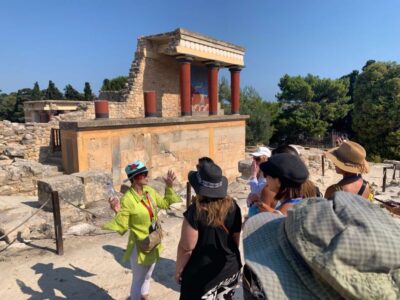 ★ 4.8Knossos: Knossos Palace Skip-the-Line Guided Walking TourFrom $1041,380 reviews
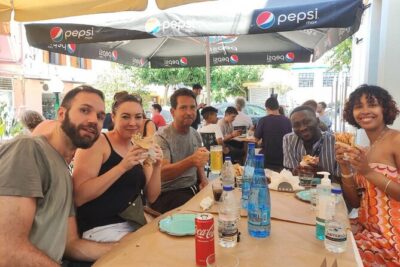 ★ 5.0Walking “Food tasting tour” in the town of ChaniaFrom $105297 reviews
 ★ 5.0Heraklion: Food Tastings Walking TourFrom $114136 reviews
 ★ 5.0PRIVATE Walking Tour with Lunch and Wine Tasting by a SommelierFrom $193113 reviews
 ★ 5.0Rethymno Walking & Gastronomy TourFrom $107103 reviews
 ★ 4.9Rethymno: Old Town Walking Tour with MealFrom $20573 reviews
 ★ 4.5Chania Walking Food Tours Crete with a local!From $10761 reviews
 ★ 5.0Knossos Palace Guided Walking TourFrom $7260 reviews
Browse the lists this tour appears in