
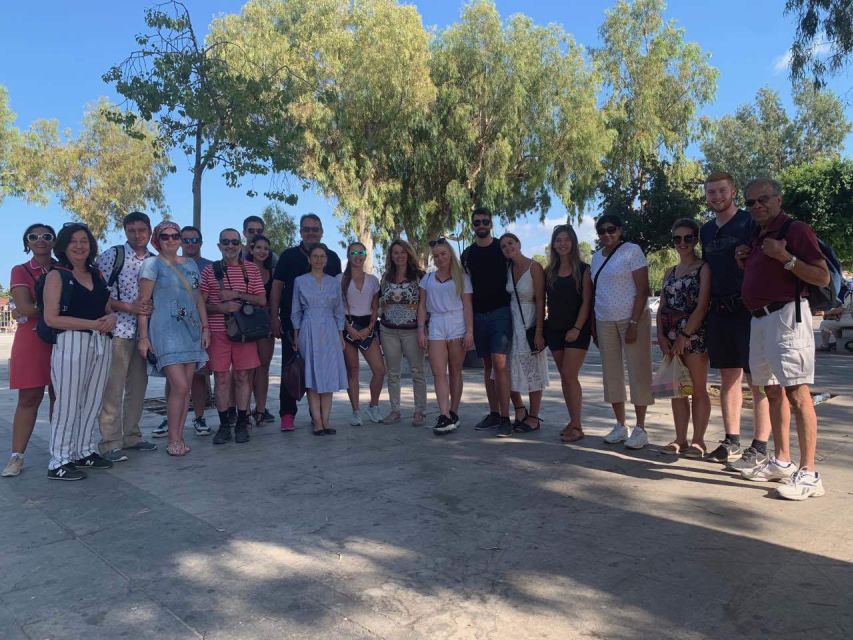
Review · CRETAN FOOD TASTINGS
Heraklion: History & Culture Walking Tour with Food Tasting
Heraklion walks can be surprisingly mouthwatering. This 2-hour tour pairs history around Venetian buildings with real Cretan food stops, so you leave with stories and flavors that actually stick.
I especially like how it mixes monument viewing with multiple tastings—olive oil, coffee or tea, wine, and raki—without turning it into a full-day food crawl. You also get guided context for what you’re seeing, from churches and fountains to the city’s legendary myths and famous natives.
One possible drawback: it’s a walking tour, and it’s not recommended for people with limited mobility or for pregnant women, so it’s best if you can handle steady time on your feet.
In This Review
- Key highlights you’ll feel fast
- Why this Heraklion tour is more than a food stop
- Meeting point: Eleftherias Square by Capsis Astoria
- Coffee, olive oil, and snacks: the tastings that explain the culture
- Wine and raki: tasting in old streets (with context)
- Touring major monuments, churches, and fountains on foot
- The guide makes the day: Katerina and Eri as examples
- Mediterranean diet lessons you can use after you go
- Pace, comfort, and who should book
- Value: what you get for a 2-hour walk
- Should you book this Heraklion History & Culture food walk?
- FAQ
- How long is the Heraklion History & Culture Walking Tour with Food Tasting?
- What time does the tour start?
- Where do I meet the tour guide?
- Is the tour in English?
- What food and drinks are included?
- What should I bring?
- Is it suitable for people with limited mobility or pregnancy?
Key highlights you’ll feel fast
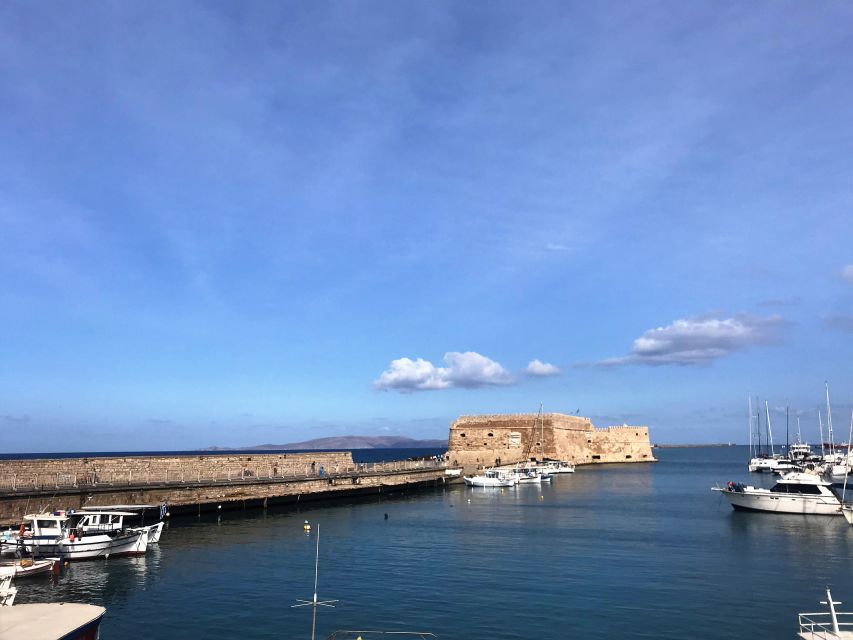
- Olive oil + local snacks that teach you what Cretans actually eat, not just what tourists guess at
- Coffee or tea break that gives you a breather before you tackle the steeper parts of the old streets
- Wine and raki tastings served alongside real local products and talk about Mediterranean habits
- Major monuments, churches, and fountains visited with a guide who ties the sights to the stories
- Off-the-beaten-path lanes beyond the most obvious photo corners of central Heraklion
- A 2-hour format that’s long enough to feel like a journey, short enough to fit your day
Still hungry? More Cretan plates to graze
- Crete: Sunset or Morning Quad with Local Products Tasting
★ 4.9 · 1,135 reviews - Heraklion: E-Bike Food Tour – Discover the Flavors of Crete
★ 5.0 · 106 reviews - The valley of Zeus (Olive oil, wine tasting)-Knossos palace tour
★ 4.5 · 27 reviews - Heraklion – Walking city tour with food tasting
★ 4.5 · 25 reviews
Why this Heraklion tour is more than a food stop
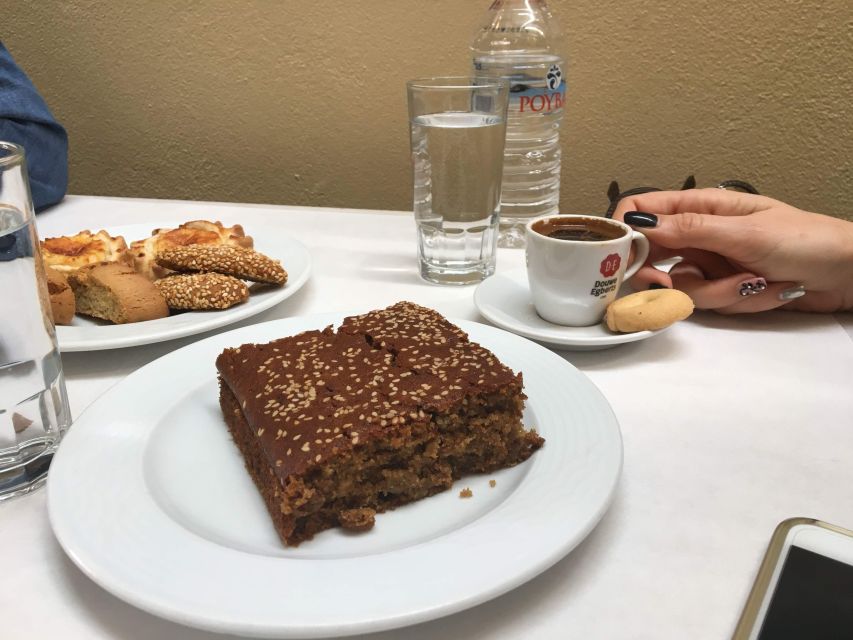
I like tours that earn their food. This one does, because the tastings sit inside the city’s story—Venetian monumental buildings up front, then the older, more personal side of Heraklion in side streets.
You’ll walk through the historical city center while you hear how Crete shaped itself over time. The tour references big cultural markers: the 7th labor of Hercules being linked to this area, plus the birthplace stories of El Greco and Nikos Kazantzakis. That kind of context matters because it turns a church façade or fountain into something you understand, not just something you photograph.
And yes, it’s also a solid win for your stomach. You get olive oil and finger-food style snacks, with coffee or tea at some point during the walk. Then you add wine and raki tastings later, which gives the experience a clear “crescendo” feel—history first, then the Cretan table. For many people, that mix is the sweet spot: you learn, then you eat.
The pacing is also built for day-trippers. At 2 hours, you’re not committing your whole morning, but you still get enough stops to feel like you actually got to know central Heraklion.
Meeting point: Eleftherias Square by Capsis Astoria
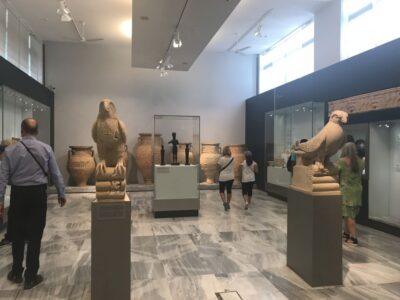
The tour starts at 11:30am near Eleftherias Square, in front of the Capsis Astoria Hotel close to the Archaeological Museum. That’s a helpful anchor because you can usually find your way there even if you’re mixing museums, coffee, and shopping that day.
If you like being prepared, note the provided coordinates (35.3383674621582, 25.136356353759766). It’s not something you need if you’re using a map app, but it’s useful if you’re navigating on foot in the heat.
One practical note I’d follow: wear comfortable shoes. This is central Heraklion, which means stone streets, tight corners, and plenty of walking between sights and food stops. Add sunscreen and consider a sun hat if you’re doing this in peak daylight.
Also, don’t expect a quiet, sit-down experience. Even when you’re eating, you’re still moving through the city, so plan to go with the flow and keep your energy up.
Coffee, olive oil, and snacks: the tastings that explain the culture
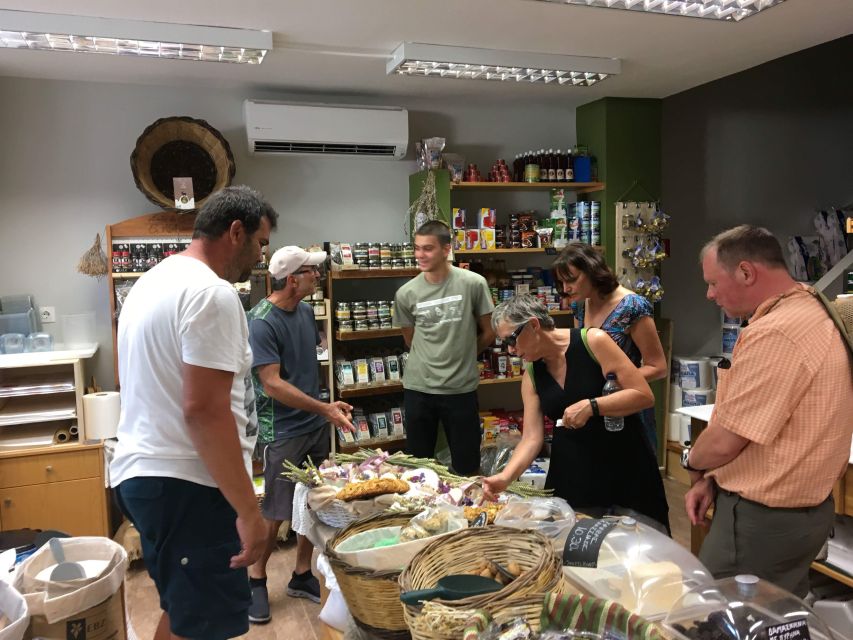
I love how this tour treats food as a language. Olive oil is the obvious one—Cretan agriculture isn’t a side note here; it’s one of the main characters. When you taste it on the walk, you’re not just sampling a product. You’re learning why olive oil fits into daily life and the wider Mediterranean pattern the guide explains.
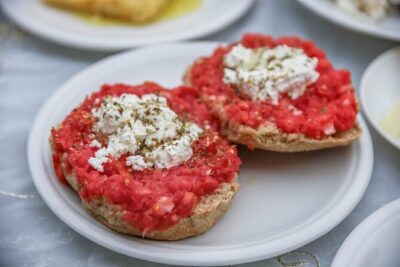
You’ll also get local finger-food snacks. That detail matters because it keeps the “tasting” part from feeling like a single, heavy meal. You can keep walking, keep listening, and still feel fed. It’s a practical approach for a 2-hour timeline.
Then there’s the coffee or tea stop. This is the kind of break that makes the whole tour easier to enjoy. It gives you a chance to cool down, reset your attention, and ask questions before the next set of sights. It’s also a nice cultural contrast: you see the monumental city structures, then you step into smaller rhythms—cups, bites, and conversation.
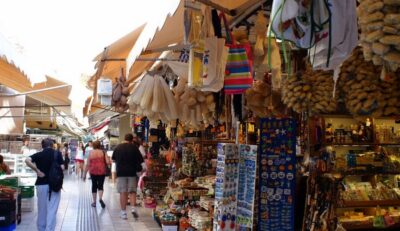
In at least a couple guide-led experiences, you also hear about the local products shops and spice-type shopping. One review specifically called out a spices shop and local products shop owners being friendly. That kind of interaction changes your takeaway: you don’t just consume; you learn what people buy for everyday cooking and gifting.
More of Crete covered on foot
Wine and raki: tasting in old streets (with context)
Wine and raki are part of the plan. So build your expectations accordingly. You’re not just getting a sip here and there; you’re getting tastings that come with explanations, and the guide connects them to how food and drink fit into the Mediterranean diet and local habits.
What I like about including alcohol tastings inside a walking tour is that it feels integrated. You taste while the guide is describing the city’s past—Venetian era references, churches, fountains, and monuments—so the drink doesn’t float in isolation. It becomes part of the atmosphere.
One word of advice: if you’re sensitive to alcohol or you prefer not to drink, you’ll want to mention it to the guide at the start. The tour description clearly lists wine and raki tastings, so plan for that as the default experience.
If you’re the type who enjoys learning through taste, this is where you’ll likely remember the tour most. Olive oil is a flavor you can place back home. But wine and raki can also become a memory cue for the city itself—what Heraklion felt like that day, and what the streets sounded like while you were taking those sips.
Touring major monuments, churches, and fountains on foot
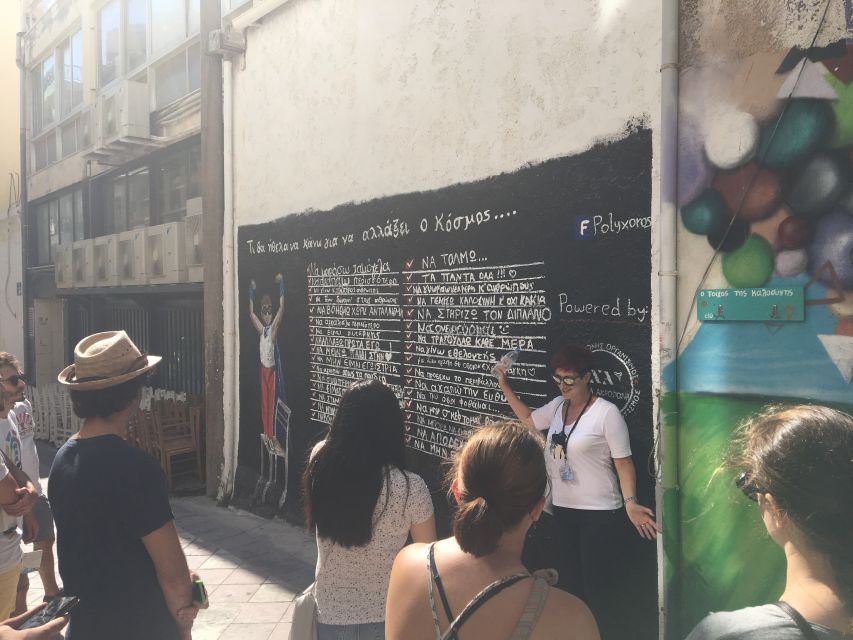
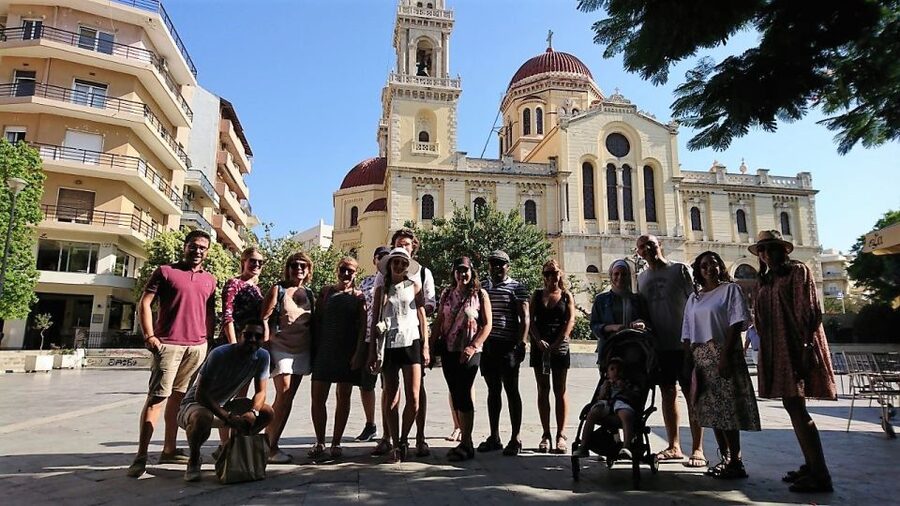
The tour is built around seeing Heraklion’s major monuments with your guide, and it explicitly includes legendary churches and fountains. Even if you don’t know Heraklion’s timeline, that’s a smart structure: monuments give you the “big picture,” while churches and fountains add the everyday and spiritual layers.
Here’s what you should watch for as you go:
- Architectural contrasts: Venetian monumental buildings in the mix with older city textures. Even when you don’t study architecture, you’ll feel the shift in style and scale.
- Symbols and stories: the guide ties places to turbulent moments in Heraklion’s past. That kind of framing helps you read a façade like a page of a book.
- Planned stops, not wandering: the tour makes sure you hit the meaningful spots, rather than letting you only chase what looks interesting on your phone.
I also like the fact that the walk includes off-the-beaten-path areas. In central cities, that can be the difference between seeing only postcard views and actually understanding the city’s everyday street life. It’s easier to spot that rhythm when you’re guided, because you get to small lanes for a reason, not just by accident.
The tour also keeps a myth-and-people thread. The mention of Hercules, El Greco, and Nikos Kazantzakis gives your brain something to hold onto while you walk. It’s a clever way to keep the history from feeling like a lecture.
The guide makes the day: Katerina and Eri as examples
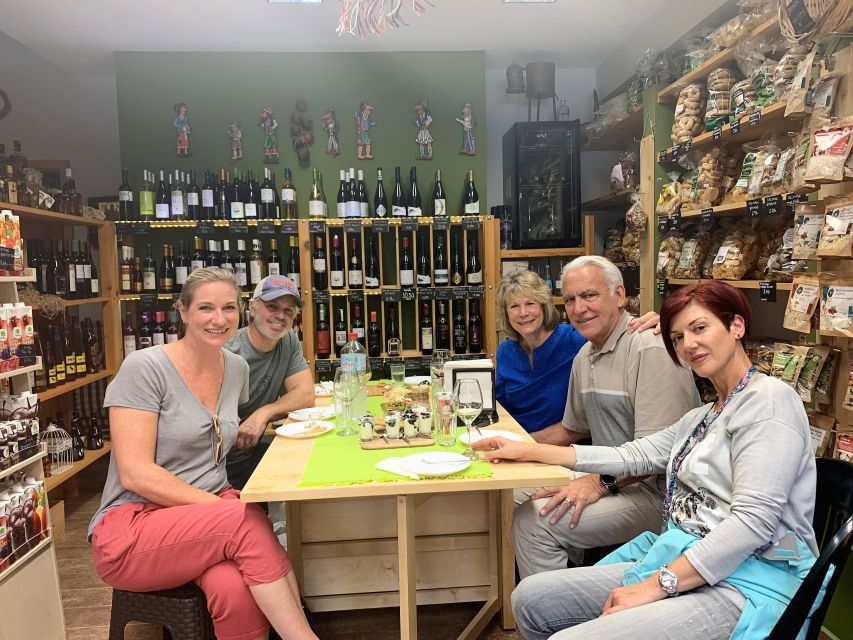
The reviews you shared point strongly to a consistent theme: guide energy and pacing. Katerina is highlighted as brilliant and very knowledgeable by one guest, and Eri is described as having great energy and passion for the city. One review even credits Eri’s smile and enthusiasm as contagious.
What I take from that as a practical traveler: the best part of these tours isn’t the food alone; it’s how the guide turns stops into stories you can repeat later. And pacing matters. Multiple reviews praise well-paced walking and an experience that feels tailored rather than one-size-fits-all.
There’s also a useful real-life detail: when one group had a start time misunderstanding (their voucher said 11:30, but a tour had seemingly left at 11), a guide was sent after they called. That suggests the operator can correct course if something goes wrong on arrival.
Finally, there’s evidence the tour can be friendly for small groups—one review mentioned a small group with a 2-year-old and that the guide was accommodating and considerate. That doesn’t mean it’s designed as a kid tour, but it does hint that the vibe is not rigid or hostile to real life.
Mediterranean diet lessons you can use after you go
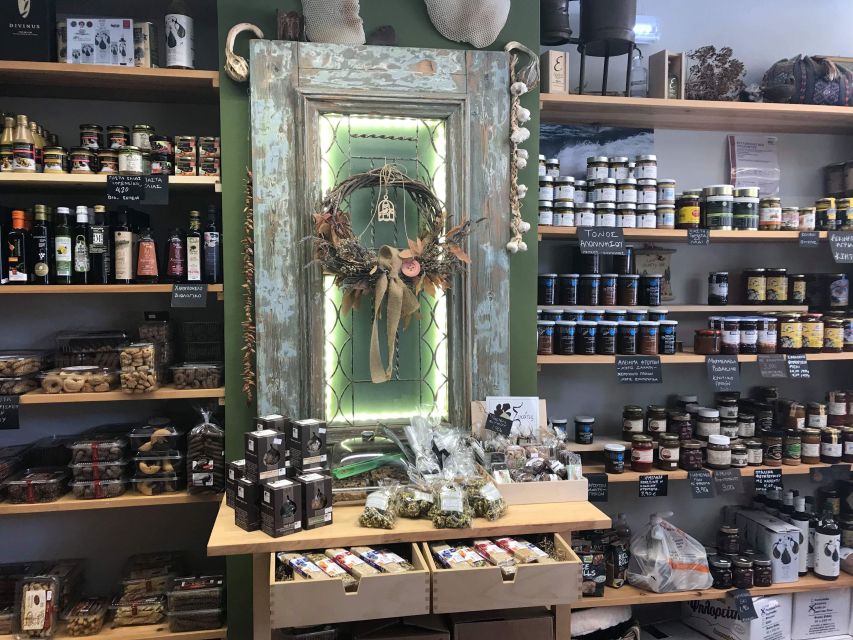
A tour like this works best when it changes how you shop and cook later. The description explicitly says you’ll learn about the Mediterranean diet, not just hear generic “eat healthy” talk.
You’ll likely connect the dots through what you taste:
- olive oil as a base flavor and staple
- snacks that feel local rather than processed
- herbs, botanicals, and spices tied to everyday cooking (one review mentioned herbs and botanicals, plus a shop experience)
- the way food and drink show up socially, not just nutritionally
Even if you don’t cook, this matters. Knowing what shapes a Mediterranean diet helps you order confidently in restaurants, pick better souvenirs (small edible products are great), and understand why Cretan meals feel satisfying without being fussy.
And the best part: these lessons happen while you’re walking past the real city. It’s not health advice in a vacuum.
Pace, comfort, and who should book
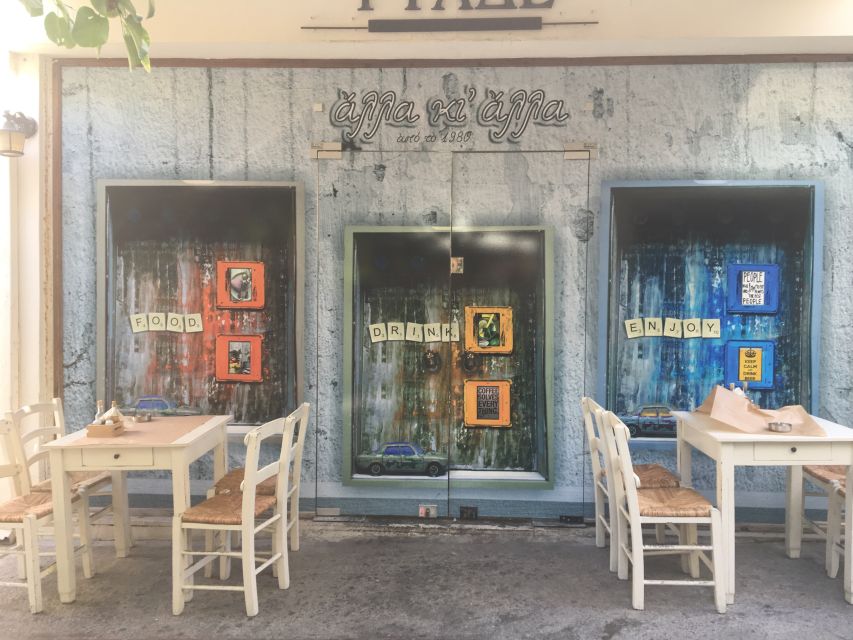
This is a walking tour. It runs about 2 hours total, so it’s ideal if you want a focused morning or afternoon add-on without losing your entire day.
Bring:
- comfortable shoes
- sun hat
- sunscreen
It’s also clearly not recommended for people with limited mobility. And it’s not suitable for pregnant women or people with mobility impairments. If you fit those categories, I’d skip this one and look for a shorter or more accessible option in Heraklion.
Who will enjoy it most:
- food-first travelers who still want real context
- people who like guided walks through historic centers
- visitors who want to taste Cretan staples in a single, efficient morning window
Who might not love it:
- anyone who hates alcohol tastings (the plan includes wine and raki)
- anyone who can’t do steady walking between monuments and tasting points
Value: what you get for a 2-hour walk
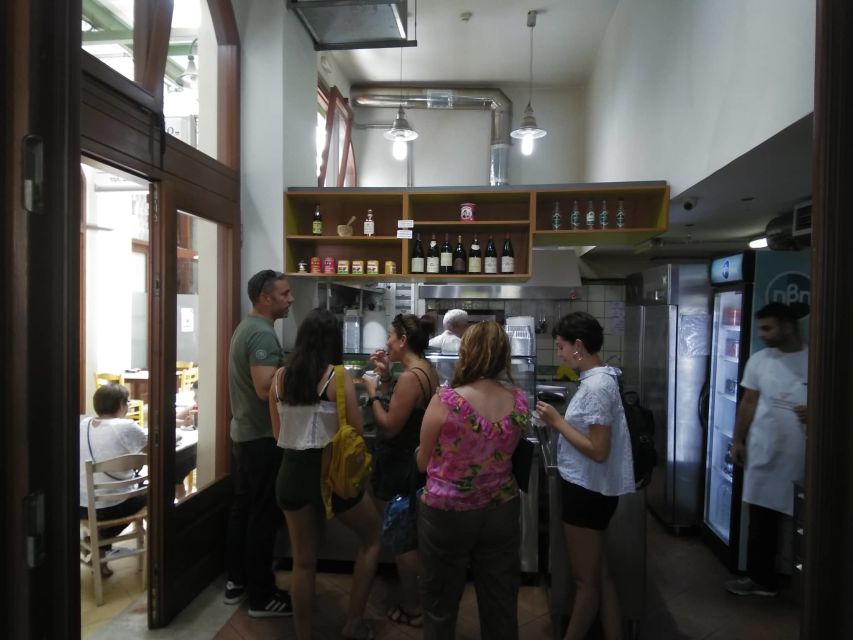
Since there’s no price listed in what you provided, I’ll judge value by what’s included. For a 2-hour experience in a historic city center, you’re getting a guided stroll through major monuments plus multiple food and drink stops.
That means your “cost” isn’t only paid time—it’s also savings on planning. You’re not hunting for olive oil tastings, tracking down shops that sell local products, or trying to interpret what you’re seeing. The guide handles the thread.
You’re also not stuck with just one bite. The tour includes olive oil, local snacks, coffee or tea, wine, and raki. That’s a lot of variety for a short window, and variety tends to make the experience feel complete.
One more value point: the reviews point to strong guide quality and good pacing. In practical terms, that reduces the risk of ending up with an awkward, rushed walk or a guide who can’t connect the food with the city.
Should you book this Heraklion History & Culture food walk?
I’d book it if you want a compact way to understand central Heraklion, with tastings that feel tied to place. The tour’s combo—major monuments, churches and fountains, plus olive oil, local snacks, coffee or tea, and both wine and raki—fits travelers who like to learn by doing.
I’d skip it if walking is hard for you, if you’re pregnant, or if alcohol tastings would spoil the day. And if you’re sensitive about pacing, ask the guide early about your needs—because the format is designed to keep you moving.
If your schedule is tight and you want the kind of “two hours that makes the city click,” this is the type of tour that can do that.
FAQ
How long is the Heraklion History & Culture Walking Tour with Food Tasting?
It lasts 2 hours.
What time does the tour start?
The tour starts at 11:30am.
Where do I meet the tour guide?
Meet at Eleftherias Square, in front of Capsis Astoria Hotel near the Archaeological Museum.
Is the tour in English?
Yes, the live guide speaks English.
What food and drinks are included?
You’ll get olive oil tasting, local snacks, coffee or tea, wine tasting, and raki.
What should I bring?
Wear comfortable shoes, and bring a sun hat and sunscreen.
Is it suitable for people with limited mobility or pregnancy?
It is not recommended for people with limited mobility. It is not suitable for pregnant women or people with mobility impairments.
More of Crete on Foot
More Tour Reviews in Heraklion





Eat Your Way Round Crete



Fresh Off the Boat: Newest Crete Reviews




Cretan Food Tastings, compared.
 ★ 4.9Sunset or Morning Quad with Local Products TastingFrom $941,135 reviews
 ★ 4.9Quad Safari, Olive Mill with Tasting & Ghost VillageFrom $931,004 reviews
 ★ 4.6From Chania: Olive Oil, Wine, Cheese & Honey Tasting TourFrom $49490 reviews
 ★ 4.9Chania: Old Town Highlights Guided Tour with Street FoodFrom $106407 reviews
 ★ 4.8From Chania: Wine and Olive Oil Tasting Tour with SnacksFrom $141354 reviews
 ★ 5.0Walking “Food tasting tour” in the town of ChaniaFrom $105297 reviews
 ★ 5.0Full-Day Cretan Wines, Olive Oil, Raki and Food TourFrom $141264 reviews
 ★ 5.0Olive Oil Tasting TourFrom $19195 reviews
Browse the lists this tour appears in