
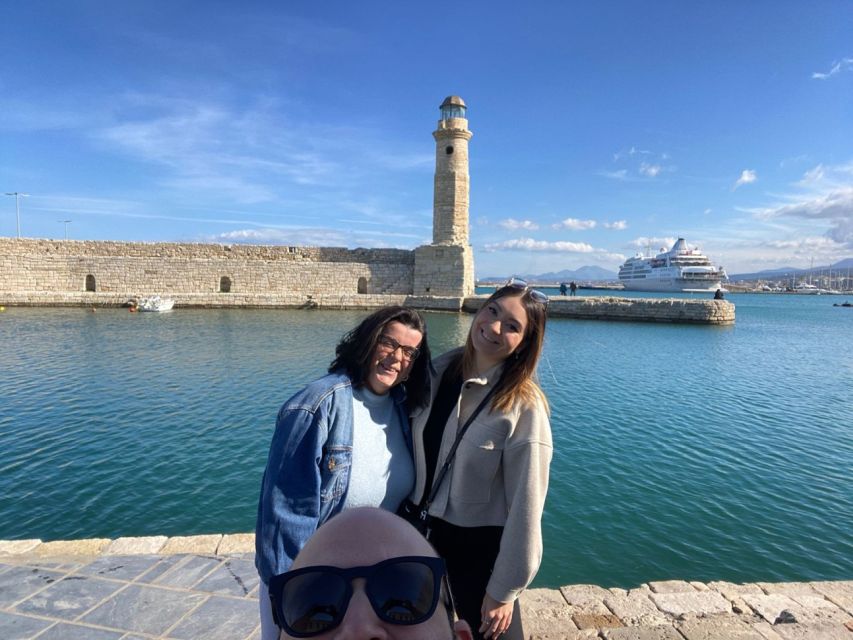
Review · CHANIA OLD TOWN
Rethymno: Old Town Walking Tour with Meal
Old Town food tours are usually good for photos. This one is better for your palate, with Cretan tastings and a real phyllo hands-on lesson led by guides like Vincent, Maria, Michael, and Michalis. I love how the guide connects each bite to local customs, from honey and olive oil grading to the way old empires shaped what you see in the streets. One possible drawback: this is a slow, food-first walk, so if you want lots of rapid-fire sightseeing, you may feel the pace is too relaxed.
I also like the payoff: by the end, you know how to order smarter in Rethymno, not just what to eat today. You start in the center, move through narrow lanes and stone Venetian-style houses, then finish with a full meal in a calm garden setting under lemon trees. Bring an appetite, and keep your expectations simple: you’re here to eat, learn, and get your bearings in a walk you can actually enjoy.
Key points to know before you go
- Sfakianopita breakfast with Greek coffee or fresh juice, plus handmade jam
- Honey, olive oil, and raki tasting taught as a quality skill, not a gimmick
- 17th-century phyllo tradition with Yorgos Hatziparaschos making dough by hand for over 63 years
- A slow Old Town route that mixes Venetian and Ottoman-era influences with food stops
- Garden lunch under lemon trees, served in a modern style using fresh local ingredients
- Vegetarian and non-vegetarian options for the full meal, so you can plan without stress
In This Review
- Rethymno Old Town, Food, and Why This Walk Feels Different
- Kafeneio Breakfast: Sfakianopita, Jam, and Your First Cretan Coffee
- Street Food and Bakery Snacks in the Tight Old Streets
- Honey, Olive Oil, and Raki Tasting That Teaches You to Order
- The Phyllo Moment: Yorgos Hatziparaschos and Dough by Hand
- Lunch in an Ottoman-Style Garden Under Lemon Trees
- How the Old Town’s Architecture Links to What You Eat
- Value: What You Get for About $205 and Why It Works
- Who This Tour Suits Best (And Who Might Prefer Another Plan)
- Should You Book This? A Simple Decision Test
- FAQ
- How long is the Rethymno Old Town walking tour with meal?
- Where does the tour start?
- What’s included in the price?
- What food stops will I experience?
- Is there a vegetarian option?
- Are hotel pickup and drop-off included?
- How many languages does the guide speak?
- What’s the group format?
- Can I cancel for a refund?
- Is reserve now, pay later available?
Rethymno Old Town, Food, and Why This Walk Feels Different
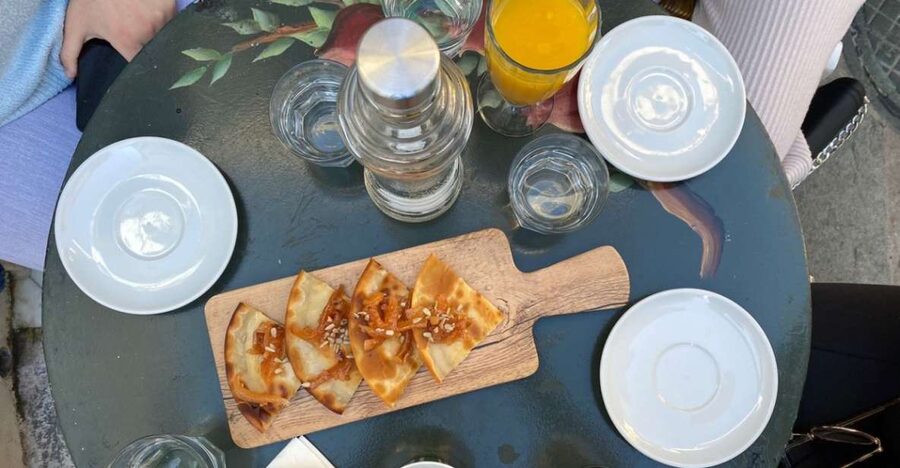
Rethymno’s Old Town can be a little tricky to navigate. The lanes twist. The buildings layer styles. And if you wander without a plan, you end up choosing restaurants based on what looks busy, not what tastes great.
This tour solves that problem with a food-centered route that doubles as a practical orientation. In about four hours, you get enough structure to understand where you are, what to look for, and what to order later. The biggest strength is that it is not just sampling. It’s a teaching walk, where the guide helps you connect flavor to local habits and to the island’s past.
You also get a private-group setup. Some groups are small enough to feel personal, and the stops are timed so you’re not rushed through food like it’s a drive-through. That matters on Crete, where even a short walk can feel long if it turns into a sprint.
Keep wandering the Chania old town and harbour
- Chania: Old Town Highlights Guided Tour with Street Food
★ 4.9 · 407 reviews - Chania: 7 Villages of Apokoronas Tour with Lunch
★ 4.7 · 289 reviews - Chania: City Highlights Small Group Bike Tour
★ 4.9 · 176 reviews - Rethymno: Old Town Walking Tour with Meal
★ 4.9 · 73 reviews
Kafeneio Breakfast: Sfakianopita, Jam, and Your First Cretan Coffee
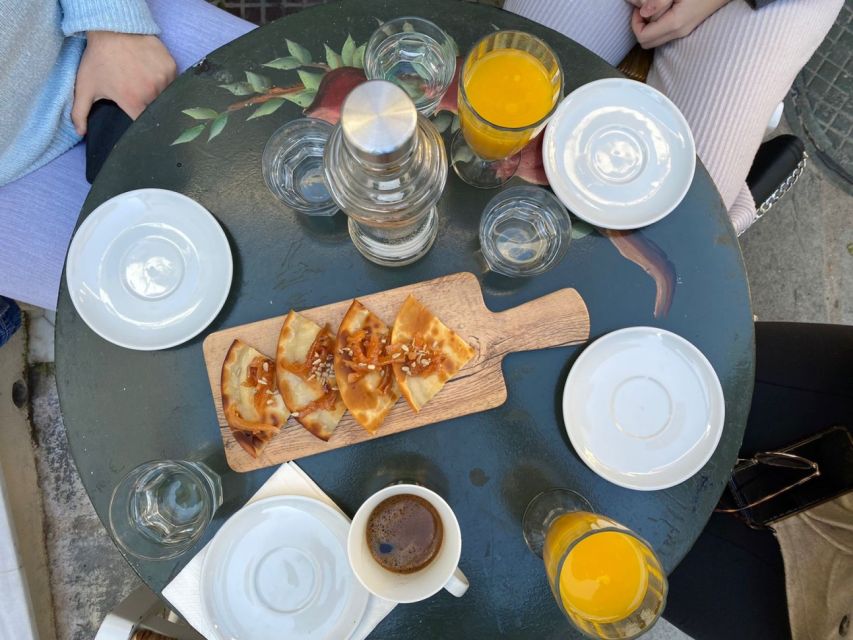
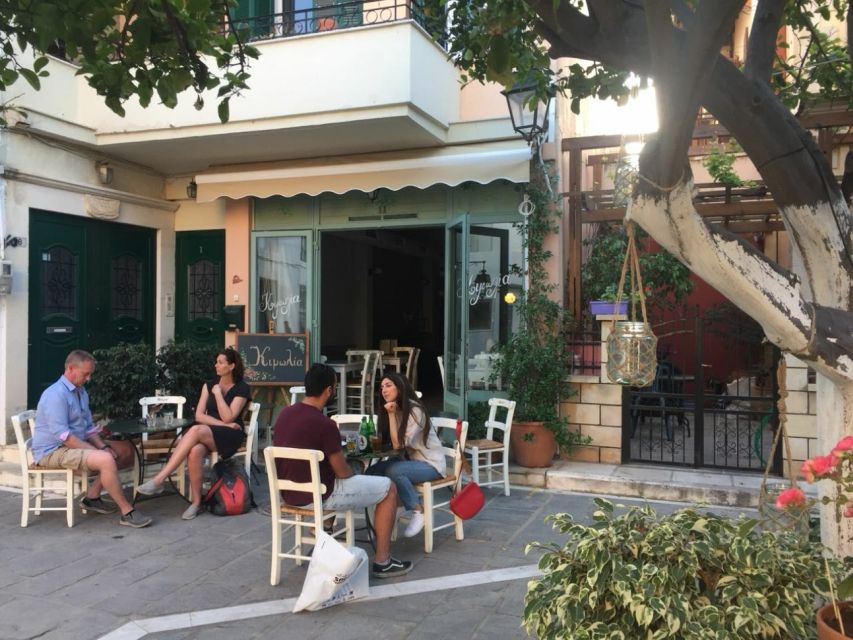
The tour starts at Gerakari 4, in the heart of the action. You ease in at a Greek-style kafeneio café, which is exactly the kind of place locals actually use—not just a scenic set.
Your first taste is a true Cretan breakfast: you choose Greek coffee or fresh juice, then you get handmade sfakianopita, a cheese pie from Sfakia. The pie comes coated with a layer of handmade jam, which is one of those combinations that makes you rethink what breakfast can be in the Mediterranean. It’s sweet, salty, and properly comforting.
During this first stop, you get discussion time. The guide ties traditions and customs to Cretan gastronomy, so food stops start to make sense as culture, not just calories. I like this approach because it changes how you pay attention. Instead of eating on autopilot, you start noticing ingredients, texture, and why certain flavors show up again and again.
One practical note: if you’re used to a huge breakfast, you’ll likely want to go a touch lighter the morning of the tour. The food ramps up fast after this first stop.
Street Food and Bakery Snacks in the Tight Old Streets
After breakfast, the tour keeps moving through the Old Town in a way that feels like strolling with a local friend who also has an opinion about where to eat. You stop at a local bar for street food, then swing by a local bakery for snacks.
These shorter stops do two things well:
- They keep the walk lively without turning it into a marathon.
- They train your eye for quality. You learn how what you see on the street can lead to better choices once you’re on your own later.
Because the Old Town lanes are narrow, the guide’s pacing also helps. You get a rhythm: walk a bit, taste a bit, learn a bit. On a hot day, that pacing matters even more than the menu.
Honey, Olive Oil, and Raki Tasting That Teaches You to Order
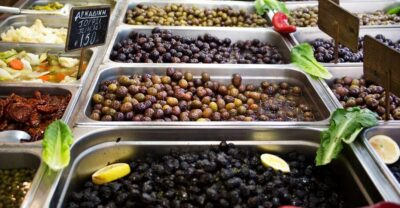
Here’s where the tour becomes especially useful for future meals. You get a tasting experience focused on honey, olive oil, and raki, with help on distinguishing higher and lower quality.
This isn’t treated like a vague flavor tour. It’s presented as a skill. The guide shows you how to think about quality so you can make better choices when you’re shopping or ordering. And the tasting is also part of the cultural story: honey and olive oil are not side characters on Crete—they’re staples, and they show up in the way people eat, gift, and celebrate.
You also get discussion around how raki fits into everyday Cretan life. I like that the tour makes space for questions, because if you’ve never tasted raki seriously, it helps to understand what to expect and how people actually talk about it.
If you’re the type who always buys olive oil at home, this stop will either confirm your habits or tweak them. Either way, you leave with a clearer standard.
More of Crete covered on foot

The Phyllo Moment: Yorgos Hatziparaschos and Dough by Hand
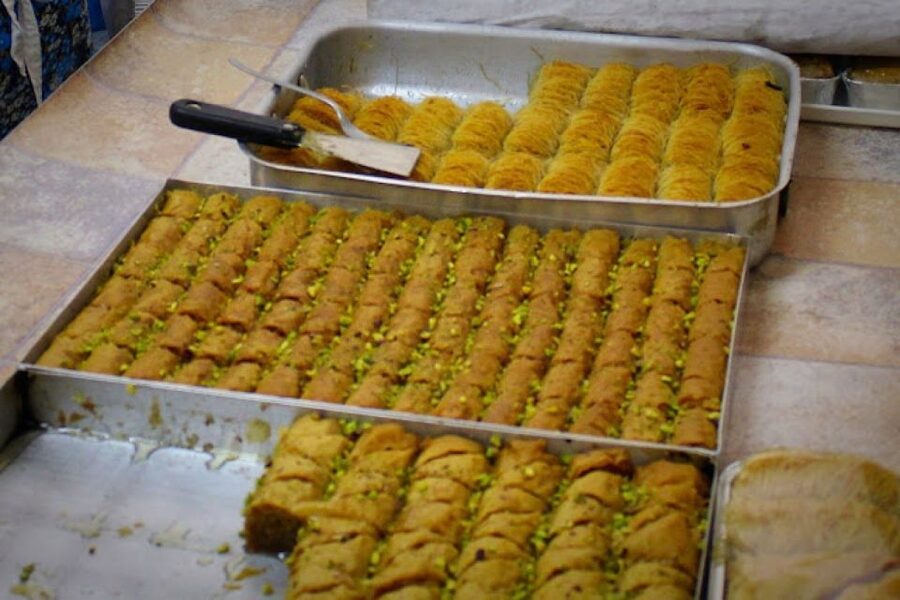
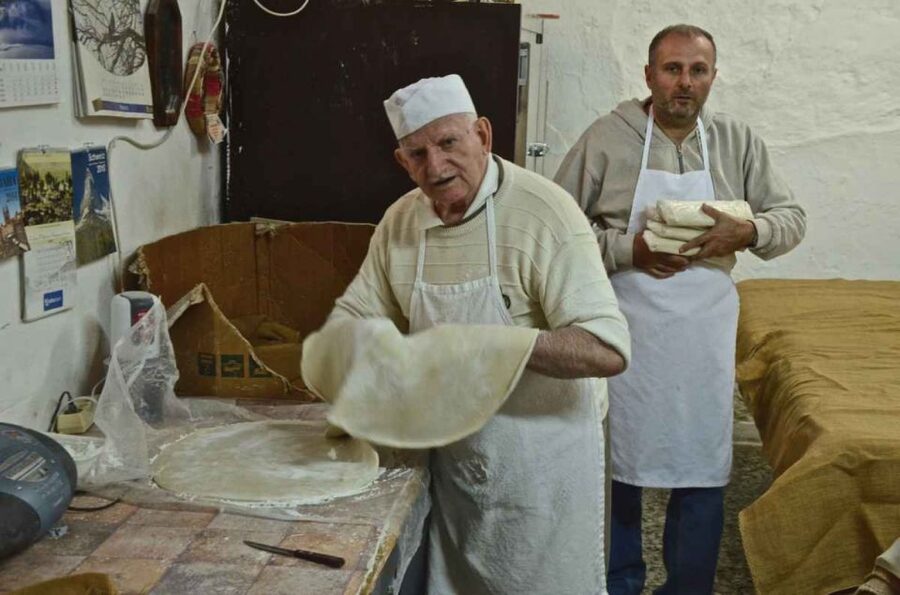
Next comes a highlight that people rave about for good reason: watching phyllo being made properly. You head to a Venetian mansion house connected to Yorgos Hatziparaschos, who has been working phyllo dough by hand for more than 63 years.
The point isn’t just to look at someone skilled. It’s to understand what makes the food possible. You learn how the simple ingredients—flour, water, and salt—are worked into paper-thin dough for Greek desserts like baklava.
You’ll probably notice two things during the demonstration:
- The process is slow and exact, which is the opposite of how industrial dough feels.
- The dough seems to change under the hands of the maker, because the technique is the real ingredient.
This is one of the stops that makes the tour feel like more than a food sampling circuit. It gives you a reason to appreciate what you’re eating later. And based on how often guides like this get praised, it’s the kind of moment where people genuinely look around and go quiet for a second.
Lunch in an Ottoman-Style Garden Under Lemon Trees
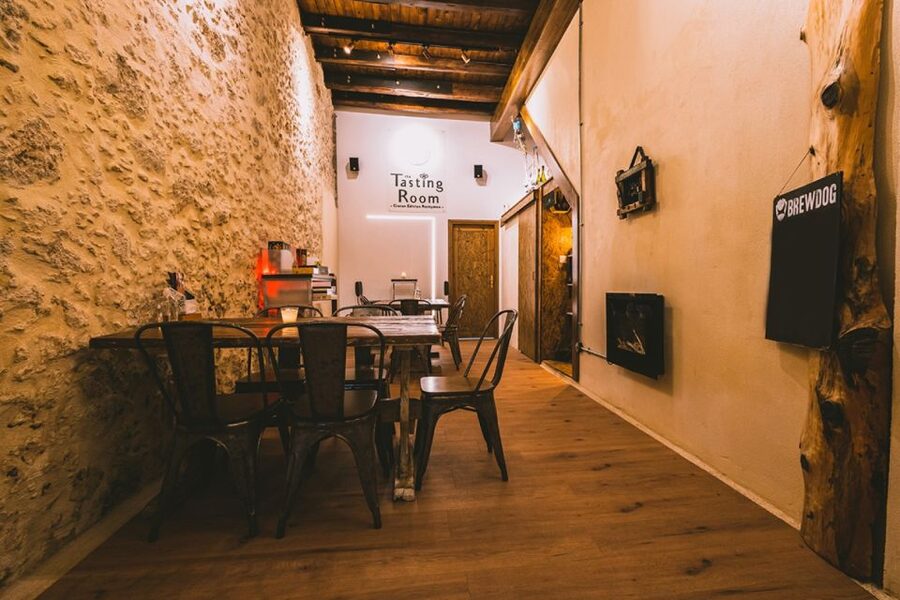
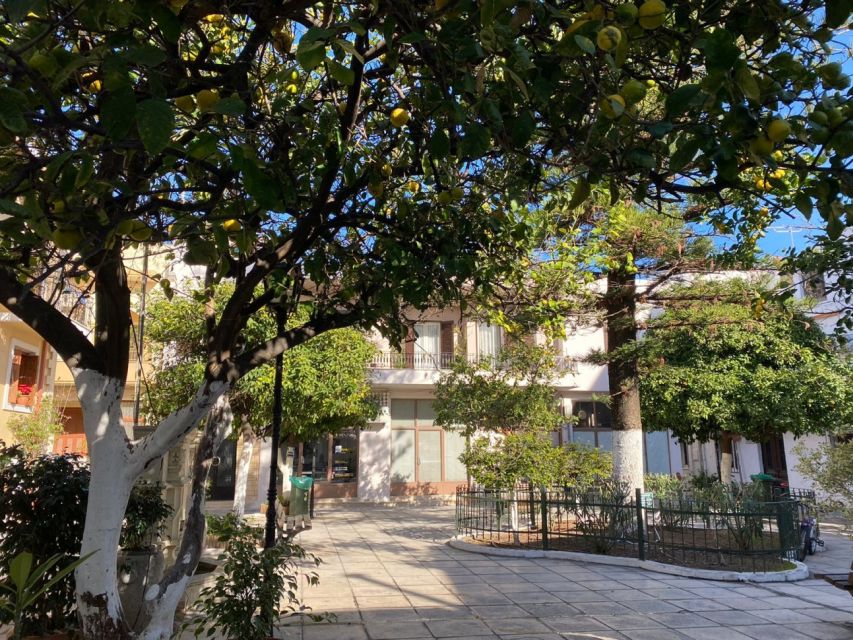
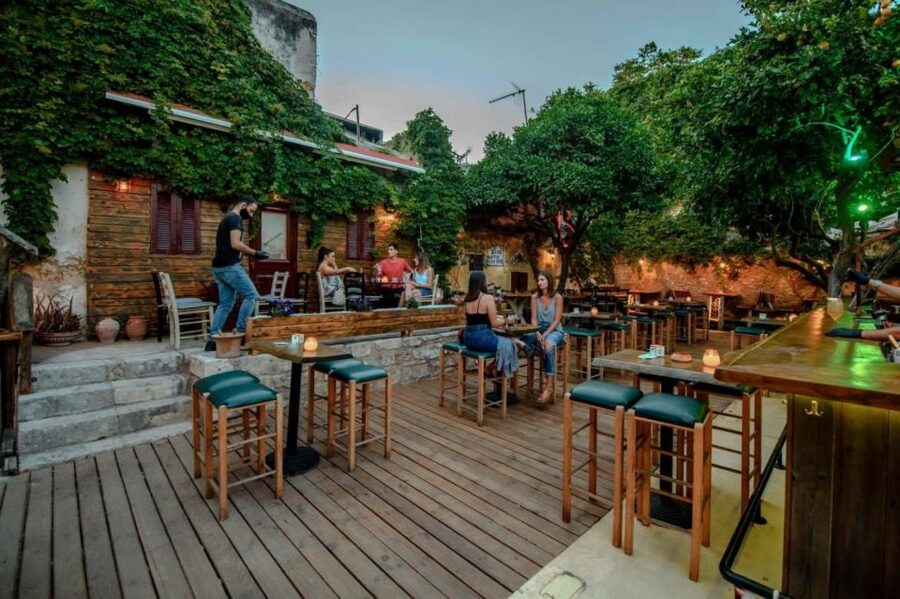
The final meal takes place in a restaurant set in an Ottoman-style inner garden. Then comes the signature setting: you eat under lemon trees.
This isn’t just scenic atmosphere. The garden setting slows you down. That changes your meal, because you’re not sprinting between bites, and you’re not eating at one of those places where the staff seems to be timing you.
The lunch itself is Cretan food using fresh local ingredients, served in a more modern, stylish way. You’ll have a full meal included—so you’re not paying extra just to reach the point where the tour feels complete.
A useful detail: there are vegetarian and non-vegetarian options for the full meal. That matters on food tours, and it’s especially comforting when you’re trying to keep the experience enjoyable for everyone.
If you’re wondering how filling it is, this is the day’s payoff. You’ll likely finish happy and ready to relax instead of hunting for more food afterward.
How the Old Town’s Architecture Links to What You Eat
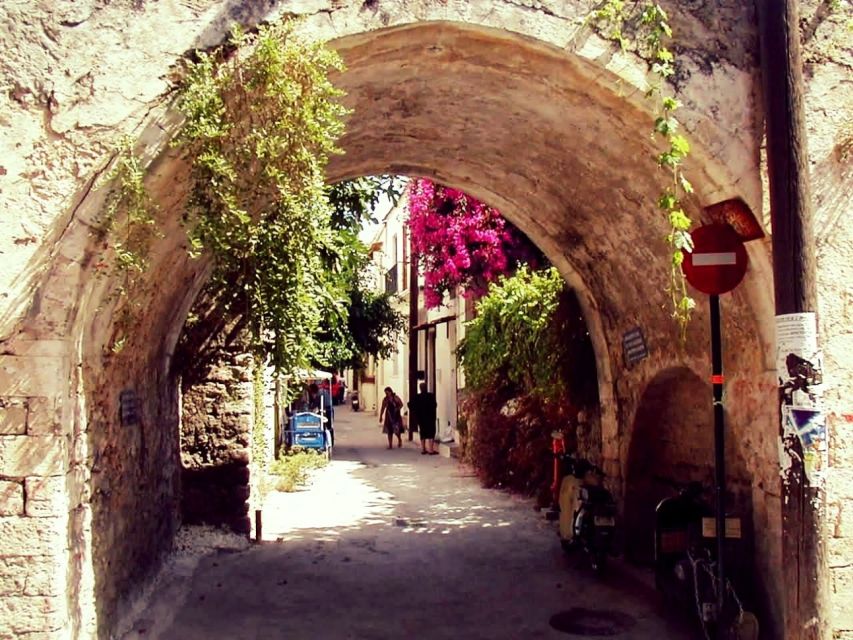
Food tours can accidentally become history tours in disguise. This one does the opposite: it uses history to explain why the town looks the way it does—and why people eat the way they do.
As you move through Rethymno’s Old Town, you notice stone-built Venetian houses and the traces of older influences in the spaces where people gather and cook. Those layers show up in the tour stops: Venetian-style architecture around the phyllo workshop, and Ottoman-style design in the inner garden restaurant.
This is why the guide’s discussion time matters. When the guide connects food choices to the island’s occupations and cultural shifts, you start to see the town as a living timeline rather than a backdrop for photos.
It also helps you later when you’re browsing menus. If you understand that certain ingredients and techniques traveled and stuck, you stop thinking of Greek cuisine as fixed and start seeing it as adapted.
Value: What You Get for About $205 and Why It Works
At $205 per person for about four hours, this is not a cheap snack walk. But it’s also not a barebones experience where you pay mostly for the right to stand near something famous.
You’re paying for three things that usually cost extra separately:
- A guide who handles the context and keeps the stops flowing (English, French, or Spanish)
- Multiple food components, including breakfast plus street snacks plus a full lunch
- The high-skill food moment: the phyllo dough demonstration tied to a maker with decades of experience
The value gets clearer when you compare what you would do on your own. You’d need breakfast plus a café snack plus an olive oil and honey tasting plus a workshop-like stop plus a full meal. Doing that independently can turn into a messy itinerary where you hope each choice is good. Here, you get a route built around quality, and the guide helps you steer the experience.
Also, the private-group feel (and the calm pace) reduces wasted time. If you’ve done fast tours where you’re shoved from place to place, you’ll appreciate how this keeps things humane.
Who This Tour Suits Best (And Who Might Prefer Another Plan)
This tour fits you if:
- You love eating as part of travel, not as a side activity
- You want real skill-building from tastings, especially honey, olive oil, and raki
- You’d rather slow down in Old Town lanes than rush through them for a checklist
- You like guided context that connects food to the way a place evolved
You might choose something else if:
- You prefer lots of pure sightseeing with minimal time at tables
- You want very brief stops with no discussions
- You’re not that interested in phyllo or Cretan-style ingredient tastings
One more match detail: it works well as an early vacation activity. If you do it near the start of your stay, you’ll come away with a better sense of where to return and what to seek out.
Should You Book This? A Simple Decision Test
Book it if you want a 4-hour plan that makes Rethymno feel understandable fast, while also feeding you well. The standout combination is the pairing of tasting education with a phyllo craftsmanship stop and then a proper sit-down lunch under lemon trees.
Skip it only if your main travel goal is hard sightseeing mileage. This is a food-and-culture walk with time built into it. If that sounds like your kind of day, it’s an easy yes.
FAQ
How long is the Rethymno Old Town walking tour with meal?
The tour lasts 4 hours.
Where does the tour start?
The starting location is Gerakari 4.
What’s included in the price?
You get a walking tour, a guide (English or French-speaking, with languages including Spanish), coffee or juice, traditional snacks, and a full lunch or dinner.
What food stops will I experience?
You’ll have a Cretan breakfast at a local café, then additional street food and local snacks, and finish with a full lunch in an inner garden setting.
Is there a vegetarian option?
Yes. There are vegetarian and non-vegetarian options for the full meal.
Are hotel pickup and drop-off included?
No. Hotel pickup and drop-off are not included.
How many languages does the guide speak?
The guide can operate in English, French, and Spanish.
What’s the group format?
It’s listed as a private group.
Can I cancel for a refund?
Yes, you can cancel up to 24 hours in advance for a full refund.
Is reserve now, pay later available?
Yes, you can reserve now & pay later.
More of Crete on Foot

More Tour Reviews in Crete





More of Chania Old Town





Fresh Off the Boat: Newest Crete Reviews




Chania Old Town, compared.
 ★ 4.4From Heraklion: Cruise to Balos Lagoon and Chania Old TownFrom $88526 reviews
 ★ 4.9Chania: Old Town Highlights Guided Tour with Street FoodFrom $106407 reviews
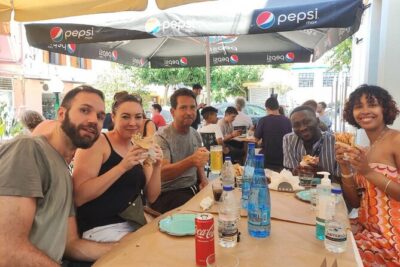 ★ 5.0Walking “Food tasting tour” in the town of ChaniaFrom $105297 reviews
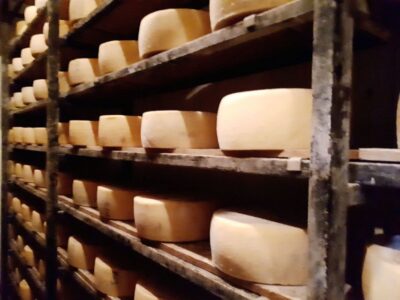 ★ 4.7Chania: 7 Villages of Apokoronas Tour with LunchFrom $135289 reviews
 ★ 4.5From Heraklion: Chania Town, Kournas Lake, and Rethymno TourFrom $56288 reviews
 ★ 4.8Chania Town: Glass-Bottom Boat Cruise to Thodorou & LazaretaFrom $53285 reviews
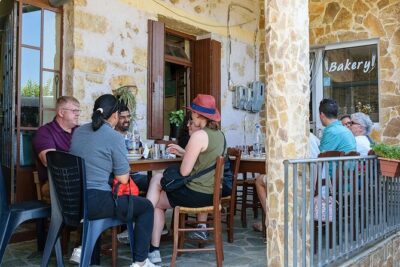 ★ 5.0The 7 Villages of Apokoronas Tour – Explore East Chania MainlandFrom $139178 reviews
 ★ 4.9Chania Old Port:Luxury Sunset Catamaran Cruise with ProseccoFrom $100177 reviews
Browse the lists this tour appears in