
Review · HISTORICAL TOURS
Cretan Stories – A Journey Through History and Tradition
This trip turns a simple bus ride into a Crete lesson. I loved the Monastery of Arkadi stop, because it connects you to the island’s revolution story in a way you can actually walk through. I also really liked the Margarites pottery segment, where craft isn’t just a demo—it’s part of everyday village life. The main drawback to think about: the paid museum time at Ancient Eleftherna may feel like the weak link, especially since it’s one of the higher-cost stops.
You’ll get a structured day—history first, then making things, then a cave, then a studio workshop—so you’re not stuck doing one type of sight all day. With pickup from places like Panormo, Skaleta, Rethymno town, and Georgioupoli, it’s an easy way to cover a lot without worrying about driving or parking. English is offered, but one review also flagged that the group language may end up being French and English rather than everything you expect.
Plan for a longish day (about 8 to 9 hours) and budget entrance fees on top. The tour itself is a solid value at about $36 per person, but Arkadi, Eleftherna museum, and Melidoni Cave aren’t included in the base price (listed together as €13 per person).
In This Review
- Key points that make this tour worth your time
- Why this Rethymno history-and-crafts day trip works
- Morning pickup and how the tour gets you ready
- Arkadi Monastery: the revolution stop you can walk through
- Ancient Eleftherna: what you get in 40 minutes
- Margarites pottery village: craft you can actually see in real life
- Melidoni Cave: underground history with a conservation question
- Tsikalario cretan ceramics and Mrs Helen’s workshop
- Price and what you’ll likely spend on top
- Language, pacing, and group size reality check
- Who should book this tour (and who might not)
- Should you book Cretan Stories: A Journey Through History and Tradition?
- FAQ
- What does this tour include?
- How long is the tour?
- Are entrance fees included in the price?
- Is pickup offered?
- What language is the tour offered in?
- How big is the group?
Key points that make this tour worth your time

- Arkadi Monastery visit with time to explore after the guide sets the story in the bus
- Ancient Eleftherna museum stop covering a huge stretch of time, from early settlements to later eras
- Margarites pottery village walk + lunch time, with free time built in
- Melidoni Cave as a revolution-era setting underground (plus a heads-up on conservation concerns)
- Tsikalario ceramics workshop with Mrs Helen, where you watch clay become a usable object
- Pickup and drop-off across the Rethymno area, so you can join even if you’re not staying in the city
Further back into the island past
- From Heraklion: Historical Center City Tour & Knossos Palace
★ 4.4 · 340 reviews - Knossos Palace & Historical Heraklion City Tour, with Old Market
★ 4.5 · 51 reviews - Cretan Stories – A Journey Through History and Tradition
★ 4.5 · 17 reviews - Small Group Eastern Crete Heritage Tour for Cruiseships
★ 5.0 · 11 reviews
Why this Rethymno history-and-crafts day trip works
Cretan Stories is a full-day mix that actually feels balanced: politics and faith at the start, ancient life next, then village crafts, then a cave, then a studio where you can see skills in motion. It’s the kind of itinerary that helps you see how Crete’s past links to its present—monasteries and revolutions on one hand, and pottery on the other.
You’re also not just “touring objects.” The way the stops are paced makes it easier to remember what you saw, because each place adds a new angle. You start with Arkadi’s revolution story, then move into Eleftherna’s long timeline, then shift to hands-on culture in Margarites and at Tsikalario ceramics. That flow helps you connect the dots without needing to do extra research later.
There’s a little bit of everything in a single day, so you should go into it with a clear goal: broad understanding and hands-on craft exposure, not hours of free wandering.
Morning pickup and how the tour gets you ready
The tour runs as a group outing with a max of 50 people, which keeps it from feeling like a never-ending cattle-car situation. You’ll travel in an air-conditioned vehicle, which matters in Crete when the day warms up. Pickup is offered from a long list of areas, including Bali, Panormo, Skaleta, Adele, Platanias, Rethymno town, Atsipopoulo, Kavros, and Georgioupoli.
One smart part of the format is that the historical context gets seeded before you reach the big sites. For example, the guide explains the monastery’s story on the bus, then you have time to walk the monastery grounds and see rooms connected to key events. That “set the stage, then explore” pattern makes the visit feel more meaningful and less like checking boxes.
Tip for you: bring water and plan to wear shoes you trust. Several stops involve walking on stone surfaces and through museum or site areas where you’ll want stable footing.
Arkadi Monastery: the revolution stop you can walk through
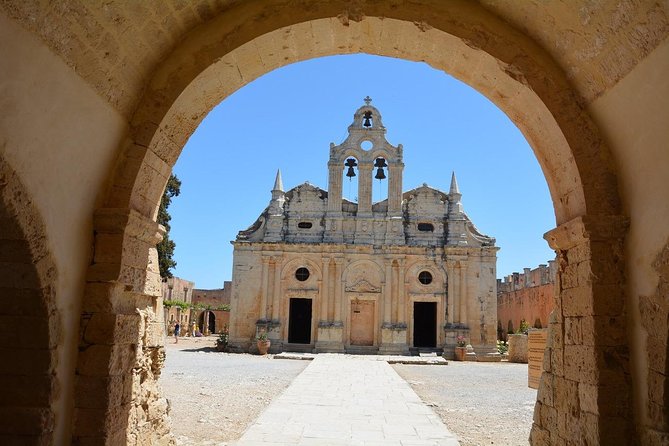
If you want one place that makes this itinerary feel essential, it’s the Monastery of Arkadi. This monastery is tied to the most important chapter of the Cretan revolution, and you’ll get a guided explanation before you go in. Then it’s your turn to explore—there’s free time to walk the small stone paths, visit rooms, and spend time in the large room linked to the famous explosion.
This is also where the tour’s “value” shows. The paid admission isn’t the point; the point is that Arkadi is set up so you can experience the history physically, not just read about it. Even if history isn’t your usual hobby, the setting makes it easier to grasp why the monastery became symbolic.
Drawback to consider: the site is historically intense, and you’ll spend about an hour there. If you’d rather do lighter, less emotional sightseeing, you might find this portion heavy.


Ancient Eleftherna: what you get in 40 minutes
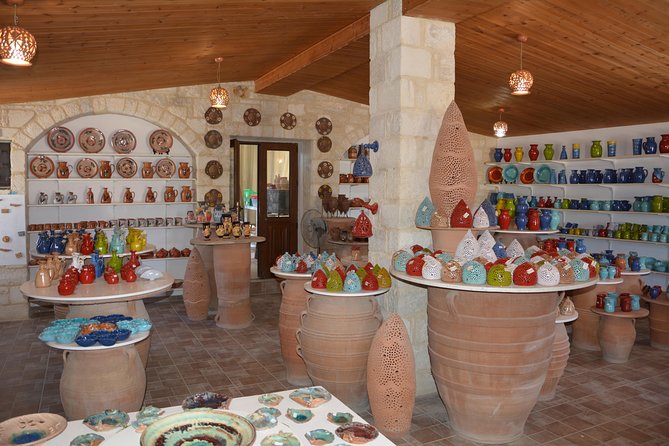
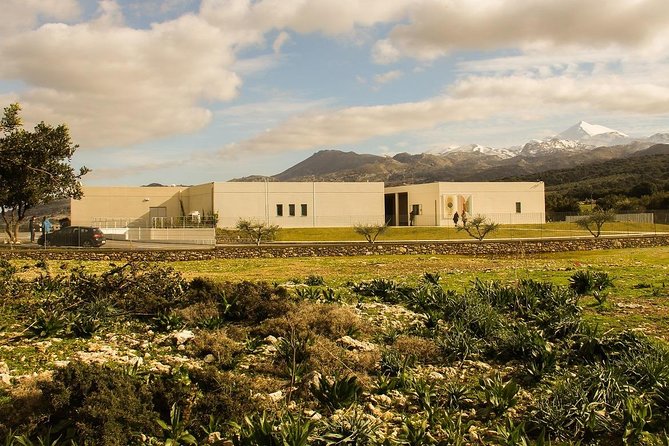
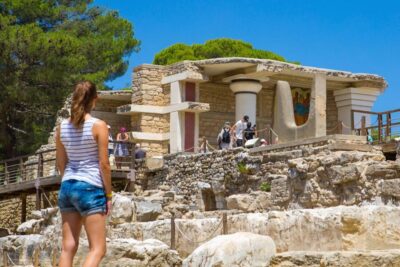
Next comes Ancient Eleftherna, described as covering local and religious life from 3000 BC until 1300 AD. That’s a huge range, and you’ll only have about 40 minutes at the museum entrance.
This is one of those stops where expectations matter. In theory, it’s fascinating because you’re looking at a site with a long timeline. In practice, you might feel rushed, and one guest felt the museum didn’t justify the time and cost since it’s one of the more expensive entries on the day.
Still, it can work well if you treat it like orientation. Use the time to focus on a few standout areas—religious life, artifacts, or the parts of the story that connect to what you saw at Arkadi. If the museum goes fast for you, don’t sweat it. The tour’s strength is the way it links themes across stops.
Margarites pottery village: craft you can actually see in real life
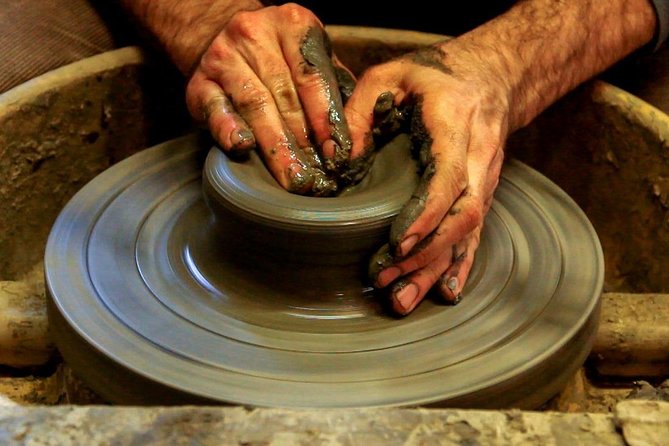
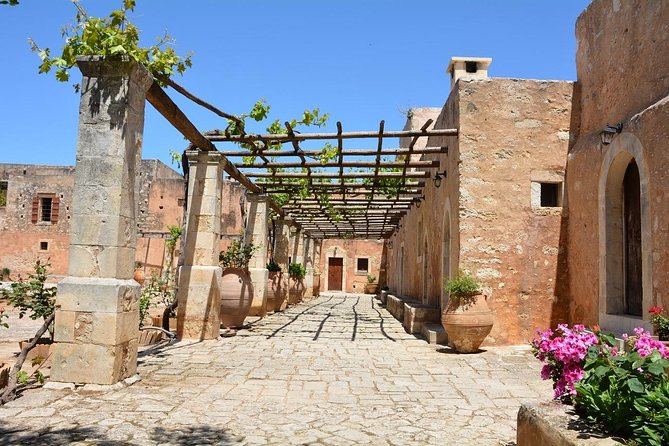
Then you shift from ancient stones to living craft. Margarites is known for pottery, and the visit includes a village walk plus about two hours of free time. That free time is key: it’s not just “stand here and follow me,” it gives you room to roam at your own pace.
This stop often becomes a highlight because pottery here feels like a local culture, not a staged attraction. You can glance at tools, materials, and storefront displays, then decide how much time you want to spend looking closely. It’s also the built-in lunch window, and you can eat at small tavernas if you want.
Practical tip: if you’re hungry, don’t wait until the last 20 minutes. You’ll have a better lunch choice if you pick a place early and then keep exploring after.
One small caution from real experience: if you’re sensitive to shopping stops, this part can lead you toward craft purchases. It’s part of the day’s design, but you’re always in control of what you buy.
Melidoni Cave: underground history with a conservation question
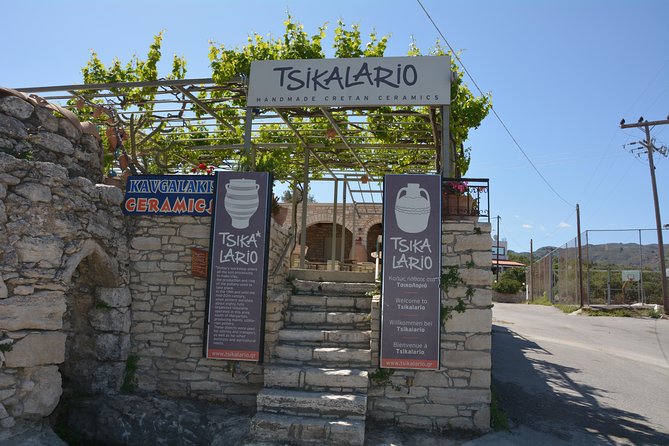
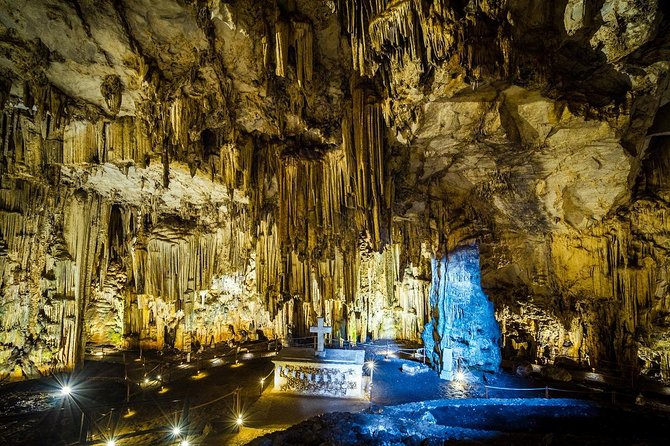
The itinerary’s next big atmosphere shift is Melidoni Cave, tied to Cretan revolution history during the Turks occupation. The time here is shorter—about 40 minutes—so it’s more about the impact of the space than long guided wandering.
The cave also comes with an important real-world concern. One review mentioned that stalactites may have been cut down to improve access and make the cave easier to reach, possibly to increase revenue. The point isn’t to spoil the visit for you—it’s to help you decide how you feel about tourism changes inside natural spaces.
If you love caves and want the story behind them, you’ll likely still find the visit worthwhile. Just go in with eyes open, and consider spending your energy on what you can appreciate responsibly: the scale of the cave and the historical connection.
Tip: caves tend to be cooler than outside, but you’ll still want a layer. Also, follow staff directions and watch your footing.
Tsikalario cretan ceramics and Mrs Helen’s workshop
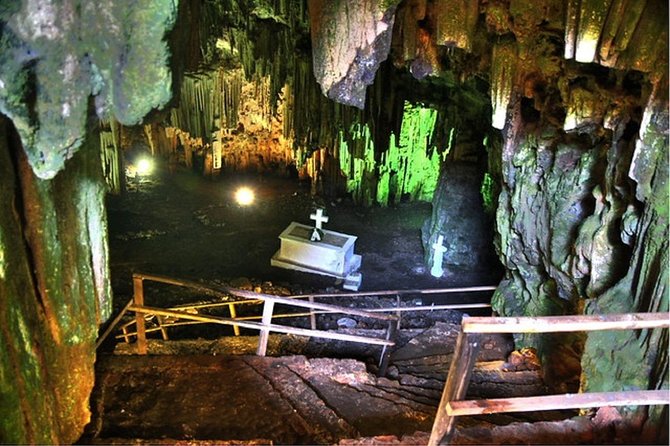
The day ends the “hands-on” way at Tsikalario cretan ceramics, near Margarites. You’ll spend about 40 minutes here, and admission is listed as free.
This is the most skill-focused stop, because you’re not only looking at finished products. Mrs Helen, the owner and artist, shows how clay becomes an object you can use—live, in front of you. That kind of moment is what turns a craft visit from passive to memorable. Even if you don’t buy anything, you leave with a better sense of what’s involved in making pottery (and why it’s so hard to fake).
If you’re the type who likes to understand process, this is the place to slow down. Watch how the work is handled and how different steps shape the final form.
Price and what you’ll likely spend on top
At about $36.05 per person, this is a pretty straightforward “pay once, ride and see a lot” deal for the region. The tour includes the air-conditioned transport and pickup/drop-off across a wide area, which is where a lot of day trips start to feel expensive if you’re self-driving.
The main extra cost is entrance fees. The tour lists €13.00 per person for:
- Arkadi
- Eleftherna museum entrance
- Melidoni Cave
So your total out-of-pocket will depend on whether you also add anything optional like lunch, drinks, or souvenirs. But even with the €13, it still reads as good value for the number of distinct stops—history, village culture, a cave, and a studio workshop.
One more note: the itinerary summary hints at “and more,” and one review mentioned an olive oil part. The exact details of that section aren’t fully spelled out here, but it’s fair to expect at least one optional production-style stop or tasting time in the day’s plan.
Language, pacing, and group size reality check
The tour is offered in English, and your experience should work fine if English is your base language. Still, one person said they booked in German but only French and English were spoken. So if you’re planning on German as your main language, treat this as a risk. For everyone else: if you can follow English instructions, you’ll be in good shape.
Pacing is generally steady, but remember the trade-off: you’re covering multiple towns and sites in a single day. That means each stop has a time window, like the 1 hour at Arkadi and the 40 minutes at Eleftherna and Melidoni.
If you prefer deep, slow travel (one museum, one long meal, no rushing), you may find the structure a little tight. If you want a “see the highlights and understand the themes” day, this format is exactly its own strength.
Who should book this tour (and who might not)
You should book if you:
- want a single day that teaches you the big stories of Crete’s past
- enjoy history sites but also like craft and making
- like the idea of a village stop with time for lunch and browsing
- appreciate guided context before you step into a site (Arkadi especially)
You might think twice if you:
- hate museum time that feels rushed, especially since Eleftherna museum can feel like the least satisfying part of the day for some
- are strongly uncomfortable with changes inside natural spaces (the cave concern is real, and you should decide how you feel)
- want a completely language-guaranteed experience in a specific non-English language
Should you book Cretan Stories: A Journey Through History and Tradition?
I think this is a strong choice if you want a high-impact day that connects Crete’s revolution-era identity with village craft. The Arkadi monastery visit and the pottery-focused Margarites stop are the core reasons to pick this tour, and Mrs Helen’s ceramics workshop is a standout way to see skill instead of just sightseeing.
Book it if you can handle a full day, pay a small add-on for entrances, and accept that you won’t have unlimited time inside each site. Pass or choose something else if your ideal day is slow, quiet, and museum-light.
If your goal is to leave Crete with a clearer understanding of how history and daily craft culture sit side by side, this one delivers.
FAQ
What does this tour include?
It’s a full-day history and crafts tour with stops at the Monastery of Arkadi, Ancient Eleftherna, Margarites village, Melidoni Cave, and the Tsikalario cretan ceramics workshop. It also includes air-conditioned vehicle transport plus pick-up and drop-off from multiple areas.
How long is the tour?
The duration is about 8 to 9 hours.
Are entrance fees included in the price?
No. Entrance fees for Arkadi, Eleftherna Museum, and Melidoni Cave are not included and are listed as €13.00 per person.
Is pickup offered?
Yes. The tour offers pick-up and drop-off from Bali, Panormo, Skaleta, Adele, Platanias, Missiria, Rethymno town, Atsipopoulo, Kavros, and Georgioupoli.
What language is the tour offered in?
English is listed as available. One review also indicated the tour may include French and English, so language coverage can vary.
How big is the group?
The tour has a maximum of 50 travelers.
Crete, the Long Way Round

More Tour Reviews in Heraklion




Fresh Off the Boat: Newest Crete Reviews



Historical Tours, compared.
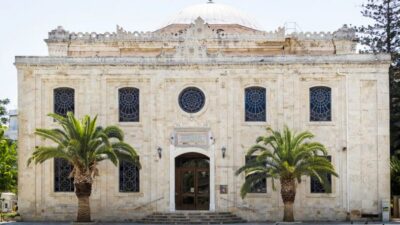 ★ 4.4From Heraklion: Historical Center City Tour & Knossos PalaceFrom $47340 reviews
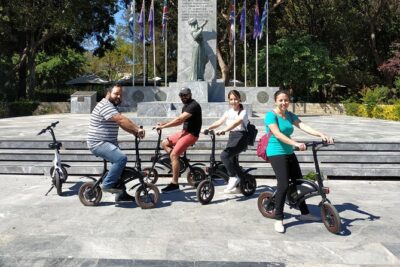 ★ 5.0Ecobike tour in historic HeraklionFrom $90134 reviews
 ★ 4.9Heraklion: Zeus Cave & Knossos History, Villages & Olive OilFrom $12989 reviews
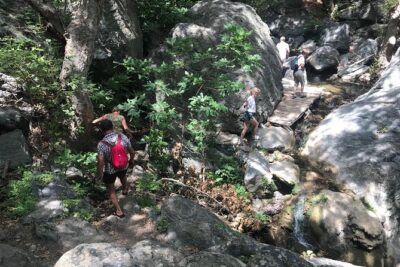 ★ 5.0Richtis Waterfall, History, Azoria, OliveTasting, NorthCoastFrom $11983 reviews
 ★ 4.9From Chania: Crete World War II History TourFrom $11165 reviews
 ★ 5.0Heraklion Highlights: Knossos, Museum & Historic City DriveFrom $33764 reviews
 ★ 4.5Knossos Palace & Historical Heraklion City Tour, with Old MarketFrom $4851 reviews
 ★ 4.0Chania: Hiking through History and Hidden Gems at Katholiko BayFrom $18019 reviews
Browse the lists this tour appears in