
Review · HISTORICAL TOURS
From Chania: Crete World War II History Tour
A war map becomes real at Crete’s front lines. This 6-hour WWII history tour from Chania takes you to key fighting ground across western Crete, from the Maleme airfield area to German and Allied cemeteries, with stops that connect the 1940 Greek-Italian conflict to Hitler’s Operation Mercury.
What I really like: the storytelling is tightly connected to the landscape, so places like Tavronitis Bridge and the battle areas make more sense than a textbook ever will. I also love the visit style—small-group pacing, local museums/shelters, and even a chance to see a private collection of artifacts with context from the guide (on many departures).
One thing to plan for: the day is information-dense, and some people note there’s only one planned comfort break, which can feel tight in hot weather. If you’re someone who needs frequent stops or extra time at one cemetery, plan for a bit of flexibility.
In This Review
- Key highlights at a glance
- WWII Crete History Tour from Chania: What makes this day work
- Maleme Airfield: Where the invasion story gets its bearings
- Tavronitis Bridge: When a single structure changes the story
- Battle of Galatas: Learning the ground, not just the summary
- Small museums and secret shelters: The occupation side of the war
- The role of partisans and the Allied wider picture
- Cemeteries for German and Allied forces: Visiting with care
- A stop for WWII artifacts: Private collections and close-up context
- Heat, timing, and comfort breaks: How to plan your 6 hours
- Price and value: Is $111 a good deal for WWII Crete?
- Who should book this tour, and who should consider alternatives
- Final call: Should you book the Chania WWII history tour?
- FAQ
- How long is the Crete World War II History Tour from Chania?
- What is the meeting area for this tour?
- Is transportation included?
- Does the tour include an English-speaking guide?
- What major WWII sites does the tour cover?
- Are entrance fees included?
- What food and drinks are provided?
- What should I bring?
- Are pets allowed?
- What is the cancellation policy?
Key highlights at a glance
- Maleme from above: get oriented with views over the airfield area before you walk the story on the ground
- Tavronitis Bridge: a key location that helps you understand troop movement and why specific routes mattered
- Galatas battle ground: learn the battle’s flow with map-and-photo support from the guide
- Secret shelters and small museums: the kind of details that explain how people survived the occupation
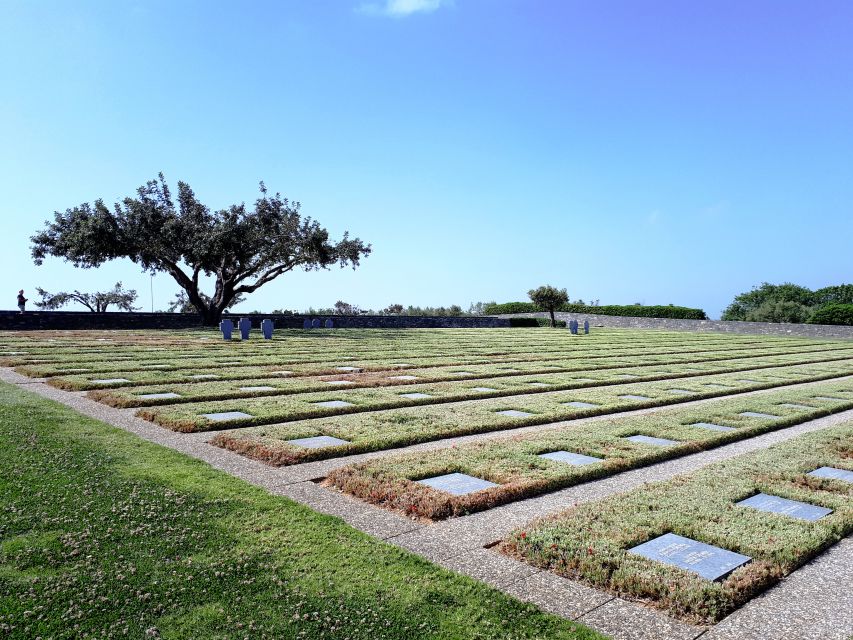
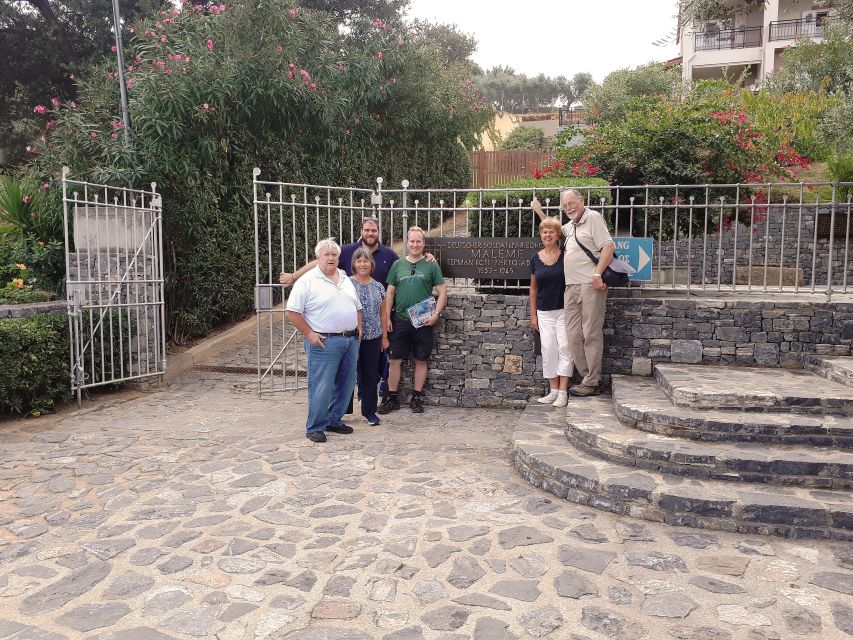
- Cemeteries for both sides: you visit graves of German forces and Allied/Commonwealth soldiers with quiet, respectful framing
Further back into the island past
- Chania: Hiking through History and Hidden Gems at Katholiko Bay
★ 4.0 · 19 reviews - Chania Battle of Crete Private Tour: WW2 Military History
★ 5.0 · 16 reviews
WWII Crete History Tour from Chania: What makes this day work
Crete doesn’t do WWII like a battlefield museum behind glass. It does WWII like a lived-in place. Roads still cut across where armies needed to move. Hills still shape what you can see—and what you can’t. That’s why a guided “Battle of Crete” style tour hits different: you aren’t just hearing dates. You’re learning how geography shaped decisions.
This tour is built for that. You start with pickup in the Chania region and head out by air-conditioned minivan. The route focuses on the western Crete front, then ends with war cemeteries for German and Allied forces. You also get the broader context: the Greek-Italian War in 1940 and the buildup to Operation Mercury, not just the airborne invasion itself.
The guides are a big part of the value here. Multiple departures have featured guides such as Yanis and Babis, praised for using maps, photos, and careful explanations to keep the timeline logical.
Maleme Airfield: Where the invasion story gets its bearings
If you want a “get your bearings fast” moment, Maleme is it. The tour includes seeing the Maleme airfield area from above, which helps you understand why this zone mattered so much to the German paratroopers. Then you connect that view to the surrounding local landscape.
Why this stop is worth your attention: it turns the opening phase of the Battle of Crete from a headline into something you can picture. From up high, you can grasp the bigger picture—how landing zones and routes link together. That makes later stops, like Tavronitis Bridge and battle sites further inland, feel connected rather than random.
One practical tip: comfortable shoes matter here. Even when walks are not long, you’ll want solid footing on uneven ground around historic locations.
Tavronitis Bridge: When a single structure changes the story
Tavronitis Bridge is the kind of stop many people underestimate. A bridge sounds simple. In wartime, bridges are choke points and lifelines. This tour uses Tavronitis Bridge as a way to explain troop movement—why certain crossings became urgent and what that meant for the fighting.
What you’ll gain by visiting it with a guide is cause-and-effect. It’s not only about the bridge itself. It’s about what armies needed to do afterward: push forward, regroup, or hold ground long enough for the next phase of battle.
If you’re the type who likes photos and maps, this is a good place to pay extra attention. Several guides on this tour use visuals to help you track how forces likely moved through the area, so the bridge stop becomes a “reading exercise” you can follow.
Battle of Galatas: Learning the ground, not just the summary
The Battle of Galatas is a core theme of this experience. You’ll visit key location sites tied to the fighting and hear how the conflict unfolded as the invasion developed. This is where Crete’s role in the wider war becomes clearer too—this wasn’t an isolated island event.
One reviewer highlighted how the guide helped make the battle feel chronological and understandable, with explanations tied to specific fighting points such as Hill 107. Even if you already know the big names of WWII, this kind of on-the-ground explanation can be a reality check.
Why I think Galatas matters for you: it teaches you to look at the terrain like a participant. You start noticing why some positions are visible from farther away, why movement is slowed, and how defensive actions benefit from ground that naturally “channels” an army.
Small museums and secret shelters: The occupation side of the war
The tour doesn’t stay at battlefield-only mode. You also get stops at small museums and other places tied to survival under occupation, including secret shelters. This is where the story widens from military strategy to everyday human reality.
These stops add value because WWII on Crete wasn’t only parachutes and guns. It was also civilians hiding, listening, and enduring. Museums and shelters help you understand the occupation atmosphere without turning it into heavy-handed drama.
Another point worth noting: the guides often bring supporting materials—maps and old photos—to make the relationship between events and locations feel “trackable.” One theme you’ll see in praised guides like Yanis and Babis is that they use those materials to keep the story organized, not chaotic.
The role of partisans and the Allied wider picture
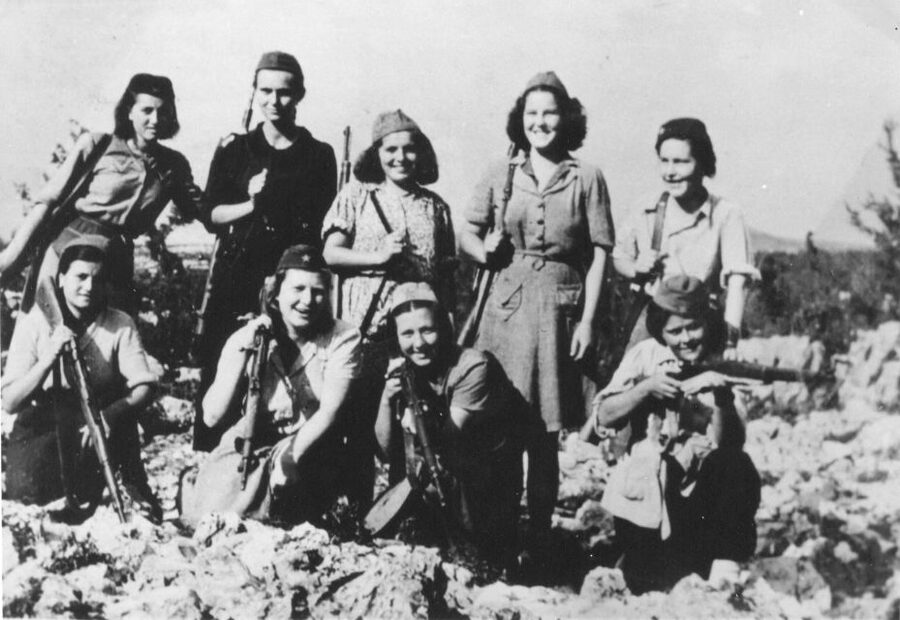
Crete’s resistance mattered beyond the island. This tour connects the resistance and local struggle to how morale shifted for Allied troops around the world. It also highlights how partisans supported the broader effort—especially in connection with forces like the British, Australian, and New Zealand armies.
You’ll hear this framed as a two-way relationship: the invasion and occupation pulled in wider Southeast Europe consequences, and the resistance helped keep Allied spirits and resolve from collapsing. It’s not just “Crete suffered.” It’s “Crete affected the wider war rhythm.”
If you’re trying to understand why a single island became so symbolic, this is the section that explains it in a way that actually sticks.
Cemeteries for German and Allied forces: Visiting with care
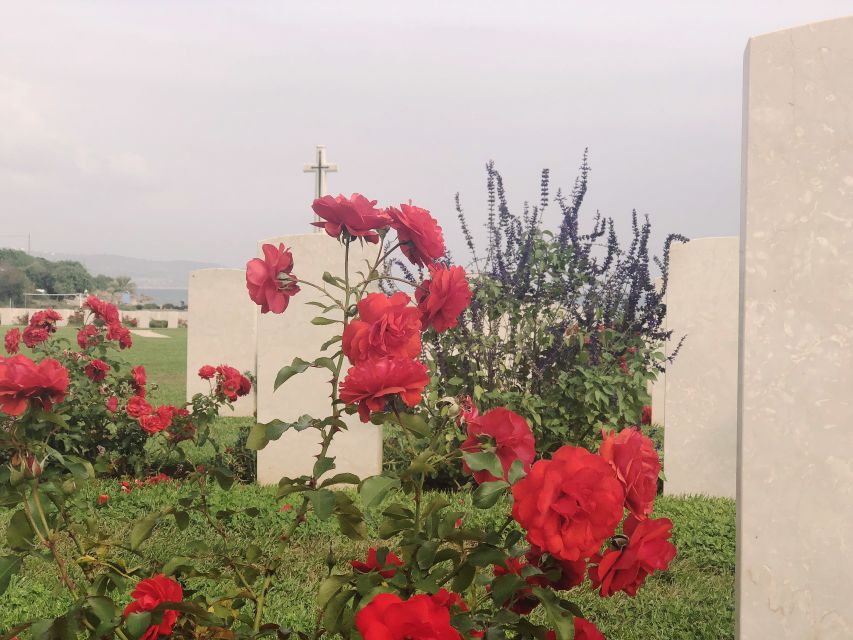
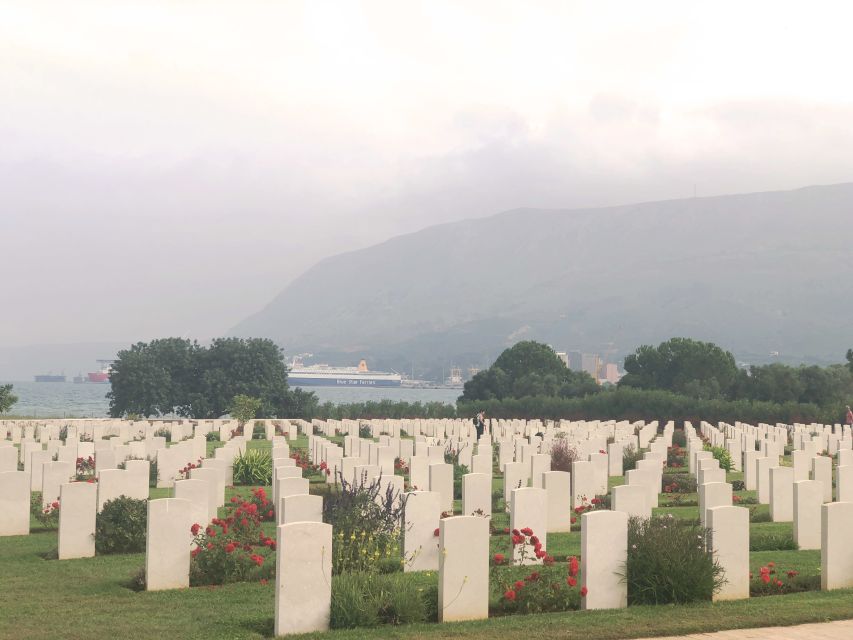
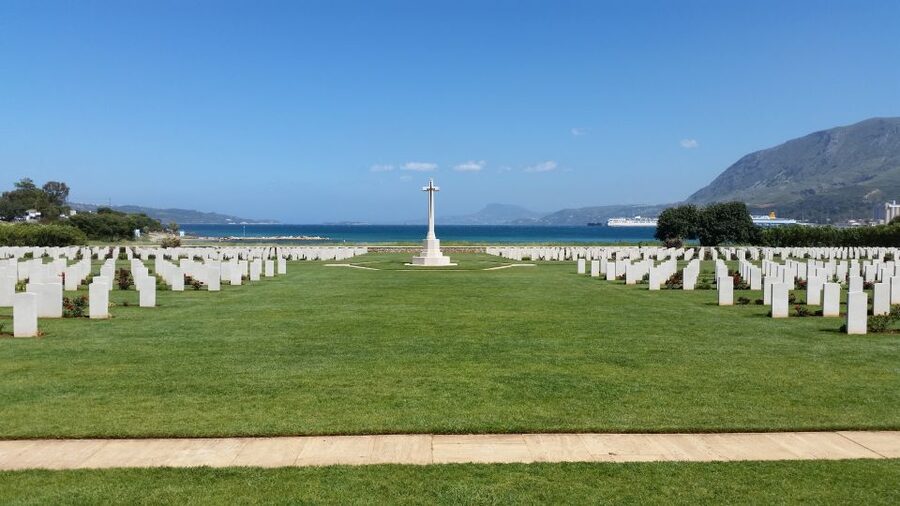
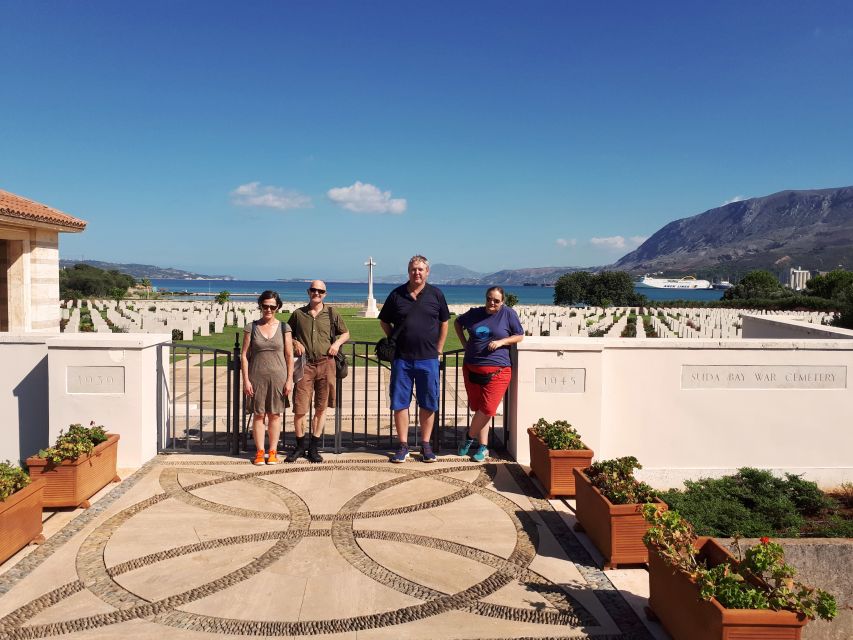
The emotional center of the tour is the cemetery time. You’ll visit war cemeteries for both German and Allied forces. Reviews mention how carefully the guides handle the contrast—like the sensitivity of words on German graves and the careful preservation of Commonwealth and British burial sites.
This is also where the tour’s tone matters. You’re not rushing through stones. The experience is meant to slow you down and make respect feel practical, not performative.
One review called out the Allied/Commonwealth cemetery at Souda Bay as especially important—and also noted not everyone feels they get enough time there. If that cemetery is your top priority, I suggest you arrive mentally ready to advocate gently. Ask your guide about timing when you’re on the route, especially if you know you want extra quiet minutes.
A stop for WWII artifacts: Private collections and close-up context
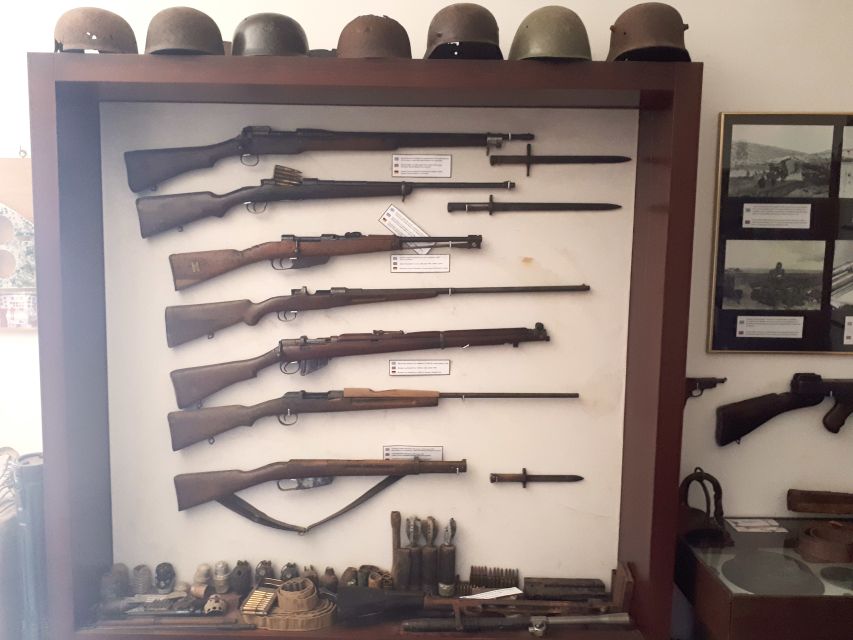
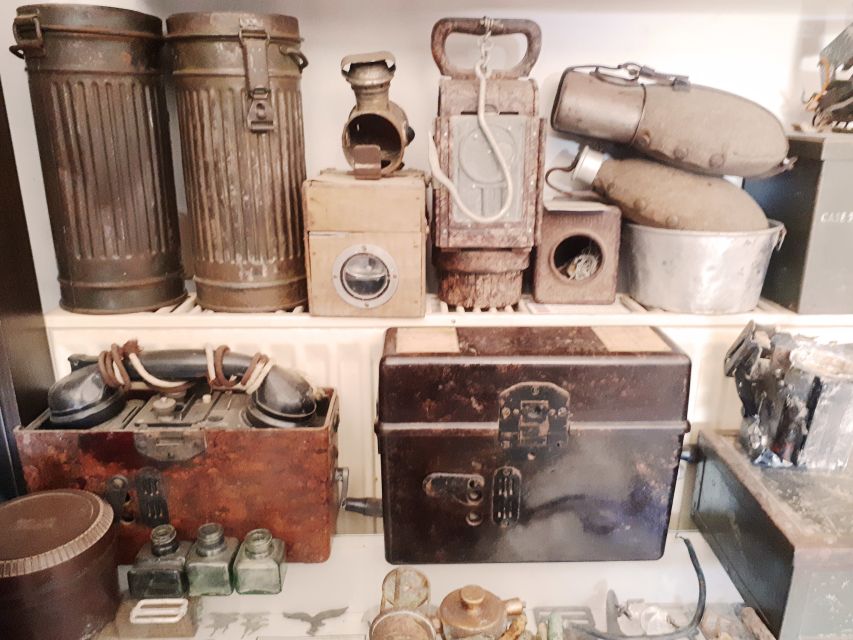
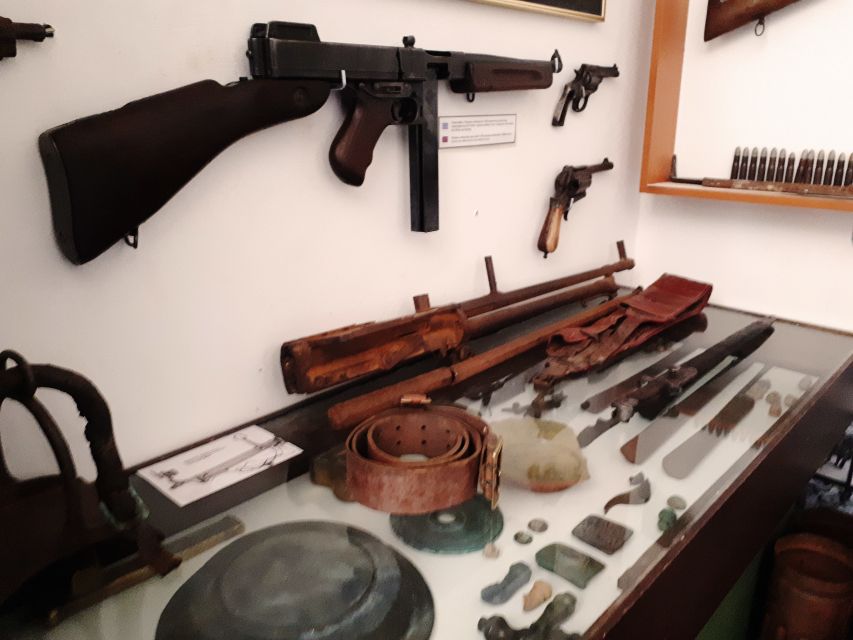
One of the most praised additions on this tour is the visit to a private collector’s home with WWII artifacts from the region. Guests describe it as impressive and very personal, with explanations tied to where items were found and what they represented.
Why this is a smart value add: it bridges the gap between memorials and everyday objects. You see artifacts close-up, not only photos in a museum display, and the guide connects the objects to the wider story you heard earlier in the day.
If you do go through this stop, keep your expectations realistic. It’s not a formal museum with a massive catalog, but that’s also the point. The experience tends to feel more “human-scale,” with one person’s collected items and a strong story behind each.
Heat, timing, and comfort breaks: How to plan your 6 hours
This tour runs about 6 hours. In practice, some people describe it as closer to a longer day, and that matters because you’re in a minivan but also spending time outside at several stops.
The good news: transportation is by air-conditioned minivan, and guides often work hard to keep the group comfortable in hot weather. Bring or plan for water habits too—there’s a bottle of water included, plus a snack.
The tradeoff: multiple reviews note limited scheduled breaks. One recurring suggestion was adding an extra restroom stop or making the comfort breaks more standard. If you have a sensitive bladder, get motion sickness, or simply prefer more frequent pauses, I’d treat this as a “prepare rather than hope” day. Wear comfortable shoes, use the restroom early at pickup, and don’t be shy about asking the guide if there’s an appropriate stop when you’re running up against time.
Price and value: Is $111 a good deal for WWII Crete?
At $111 per person for a roughly half-day tour, the value mainly comes from what’s bundled, not just the driving. You get:
- pickup and drop-off in the Chania region
- air-conditioned transportation
- an English-speaking driver/guide plus local guidance
- entrance fees and local taxes
- small group format
- a snack and a water bottle
What that means for you: you’re paying for interpretation and access, not only transit. A DIY trip to these sites is possible, but it’s hard to do well. WWII locations can feel scattered without a guide explaining how they connect: Operation Mercury → paratrooper landings → specific battle areas → occupation survival → resistance → cemeteries.
So the money question becomes: do you want the story made clear? If yes, this price feels fair. If you only want scenery and quick stops, you might do better with a more flexible rental car plan. But if you care about meaning—this is the kind of day that pays off.
Who should book this tour, and who should consider alternatives
This tour fits best if you:
- want WWII history tied to real sites across western Crete
- like clear timelines and guided explanations
- care about respectful visits to war graves
- enjoy small-group pacing (some groups have been very small, like just a couple of couples)
You might consider something else if:
- you need lots of restroom/comfort stops without asking
- you’re only interested in one or two locations and want maximum time at them
- you prefer long museum time over multiple outdoor stops
Also, note that this tour only departs from the Chania region. If you’re staying elsewhere on Crete, plan your logistics accordingly.
Final call: Should you book the Chania WWII history tour?
I’d book it if WWII history on Crete is on your “must-do” list and you want it explained in a way that makes the terrain matter. The strongest reasons are consistent: Maleme orientation, Tavronitis Bridge and Galatas as connected battle-ground stops, and the cemetery visits done with care. Add in the small museums/secret shelters and the frequently praised artifact stop, and you get a rounded day rather than a quick highlight drive.
Before you go, do two things. First, wear proper shoes and bring your patience for heat and dense scheduling. Second, if Souda Bay or any specific cemetery is your top priority, tell your guide early so you can plan how you’ll spend your minutes there.
If that sounds like your style, this tour is a solid bet for a meaningful, memorable WWII day in Crete.
FAQ
How long is the Crete World War II History Tour from Chania?
The tour duration is 6 hours.
What is the meeting area for this tour?
This tour only departs from the Chania region, with pickup and drop-off from specific locations in that area.
Is transportation included?
Yes. You travel by air-conditioned minivan.
Does the tour include an English-speaking guide?
Yes. The tour includes an English-speaking driver/guide, and it also includes a local guide.
What major WWII sites does the tour cover?
You’ll see the Maleme airfield area from above and visit Tavronitis Bridge, learn about the battle of Galatas, discover war remnants at multiple monuments and battle sites (including small museums and secret shelters), and visit the war cemeteries of both German and Allied forces.
Are entrance fees included?
Yes. Entrance fees are included.
What food and drinks are provided?
A snack and a bottle of water are included per person.
What should I bring?
Wear comfortable shoes.
Are pets allowed?
No, pets are not allowed.
What is the cancellation policy?
You can cancel up to 24 hours in advance for a full refund.
Crete, the Long Way Round
More Tour Reviews in Chania
Fresh Off the Boat: Newest Crete Reviews


Historical Tours, compared.
 ★ 4.4From Heraklion: Historical Center City Tour & Knossos PalaceFrom $47340 reviews
 ★ 5.0Ecobike tour in historic HeraklionFrom $90134 reviews
 ★ 4.9Heraklion: Zeus Cave & Knossos History, Villages & Olive OilFrom $12989 reviews
 ★ 5.0Richtis Waterfall, History, Azoria, OliveTasting, NorthCoastFrom $11983 reviews
 ★ 5.0Heraklion Highlights: Knossos, Museum & Historic City DriveFrom $33764 reviews
 ★ 4.5Knossos Palace & Historical Heraklion City Tour, with Old MarketFrom $4851 reviews
 ★ 4.0Chania: Hiking through History and Hidden Gems at Katholiko BayFrom $18019 reviews
 ★ 4.5Cretan Stories – A Journey Through History and TraditionFrom $3617 reviews
Browse the lists this tour appears in