
Review · HISTORICAL TOURS
Chania Battle of Crete Private Tour: WW2 Military History
WW2 comes alive around Chania’s coast. This private tour uses a Ministry of Tourism–certified historian and rare archival material to connect the Battle of Crete to the exact ground you’re standing on.
I love how the storytelling is built for real places, not just names and dates.
I also love the human side of the day. You’ll visit a German war cemetery and the Commonwealth cemetery at Souda Bay, then move on to abandoned German shelters and bunkers that most people never get to see. Apostolis, the licensed guide behind the wheel and the narratives, keeps the pace steady and the focus on what happened there.
One possible drawback: it’s a long, full 7-hour outing that runs rain or shine, and food isn’t included, so you’ll want to plan for drinks and a proper meal stop.
In This Review
- Key highlights you’ll care about
- The Battle of Crete, explained by the terrain
- Pickup and Chania orientation stops that set the scene
- Maleme Airport: where the Axis plan took shape
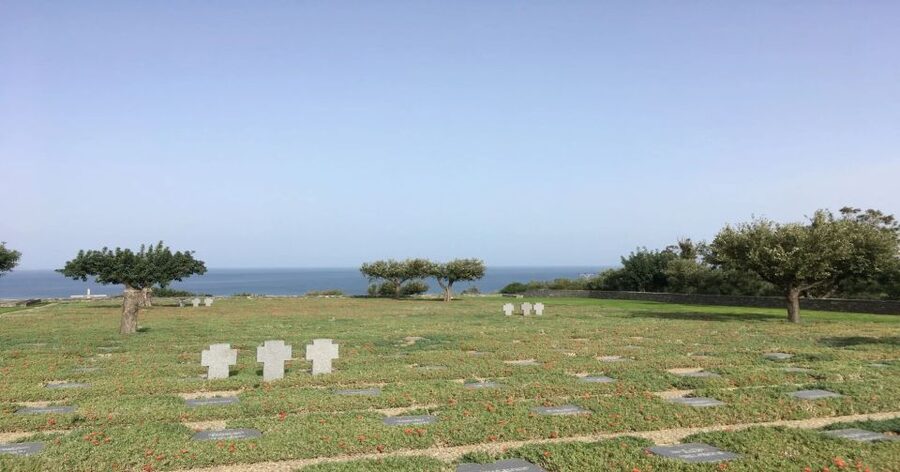
- Hill 107 and the German War Cemetery: a somber checkpoint
- Battlefield stops beyond the headline sites
- Private museum and WW2 shelter: rare finds you can actually picture
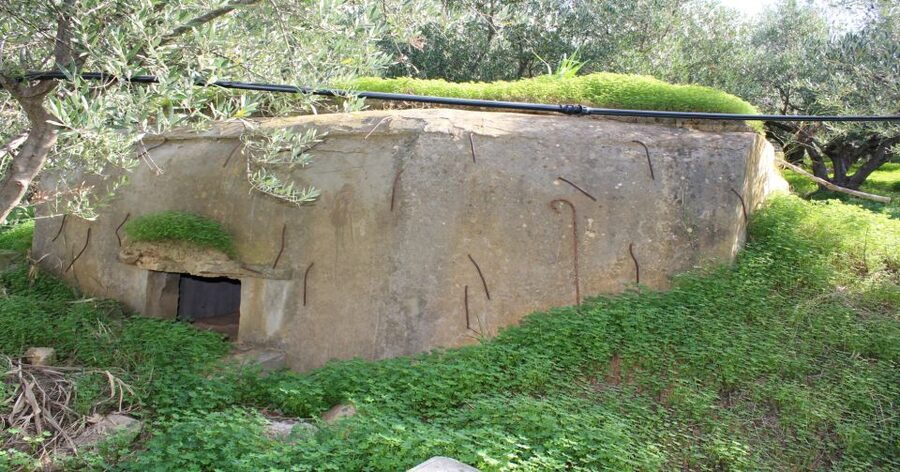
- Abandoned German bunkers and undisclosed lockouts: the “most people miss it” factor
- Commonwealth cemetery at Souda Bay: views plus remembrance
- The riverside coffee/lunch break that keeps the day human
- How the 7-hour private pace actually feels
- Price and value: what $182 buys you on Crete
- Who should book this Battle of Crete private tour?
- Should you book the Chania Battle of Crete private tour?
- FAQ
- FAQ
- How long is the Chania Battle of Crete private tour?
- What does the tour cost?
- Is this a private tour?
- Where does pickup happen and is transportation included?
- What sites are included during the day?
- Are war cemeteries part of the tour?
- Is lunch or any food included?
- What languages are offered by the guide?
- Does the tour run in bad weather?
- What should I bring?
Key highlights you’ll care about
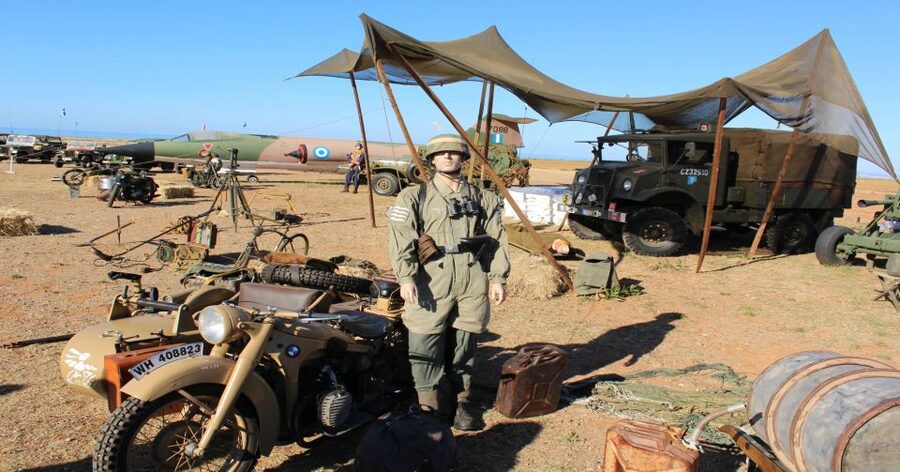
- A Ministry-certified historian guiding the day with rare documents and archival photos
- Maleme airfield to Souda Bay: you cover the campaign’s big moves and the aftermath
- Two war cemeteries for Commonwealth and German casualties
- Abandoned German lockouts/bunkers in undisclosed spots
- A private WW2 museum/shelter with memorabilia and war finds
- Private group, relaxed pace, in a comfortable air-conditioned vehicle
Further back into the island past
- Chania: Hiking through History and Hidden Gems at Katholiko Bay
★ 4.0 · 19 reviews - Chania Battle of Crete Private Tour: WW2 Military History
★ 5.0 · 16 reviews
The Battle of Crete, explained by the terrain
If you like WWII history, this tour has a different feel than a typical highlights bus ride. The Battle of Crete wasn’t fought on a map alone. It was fought in fields, hills, bridges, and the concrete spaces where people tried to survive.
What makes the experience valuable is the way your guide connects the story to the land. You start with the Axis importance of Maleme, then you work your way through key locations tied to the fighting, the occupation, and the grim losses. The tone stays respectful—especially when you’re standing at cemeteries—while still making the military story clear.
And yes, there’s a little contrast built in: the day is heavy, but it’s not gloomy for the sake of being gloomy. You’ll get moments to pause, take photos, and ask questions as the route moves between battle sites, museums, and remembrance points.
Pickup and Chania orientation stops that set the scene
The day begins in Chania with hotel pickup and a first set of stops in the Chania area. Expect photo stops and short guided segments, plus some sightseeing time before you fully head into the WWII route.
Why this matters: it helps you get oriented fast. Chania can feel like a pretty, walkable place—sea views, narrow streets, old buildings. That’s exactly why a good prelude helps. It lets you mentally switch from “vacation Chania” to “strategic crossroads Chania” before you start visiting places tied to 1941.
This portion is also a nice buffer for jet lag or travel pacing. The tour is private, so the guide can keep you on a comfortable rhythm instead of rushing everyone into the same timeline.
Maleme Airport: where the Axis plan took shape
Your tour kicks off at the Airport of Maleme—an essential starting point for understanding the campaign. This is the kind of site where the history isn’t abstract. Even without heavy interpretation, you can see why controlling air capability mattered so much.
Your guide frames Maleme as a vital Axis location during World War Two and uses it as the jumping-off point for the line of events leading to the battle. If you’ve only heard the headline version of Crete’s story, this stop is where the bigger strategy starts to feel real.
A detail that helps: the tour approach is designed to build cause and effect. You’re not just collecting destinations. You’re learning how one decision pushed the fighting forward and changed what came next.
Hill 107 and the German War Cemetery: a somber checkpoint
Next comes Hill 107. This is one of those places where history turns physical. The tour describes an onsite experience tied to the battle’s action and the archaeological remains you’re there to interpret.
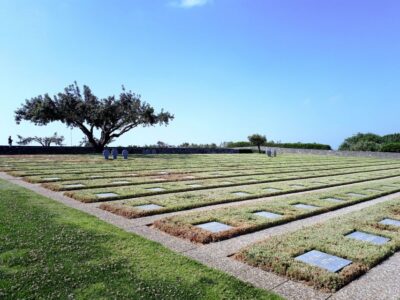
You’ll also visit the German War Cemetery. This part is intentionally reflective, not a quick photo-and-go. The sheer scale of loss is the point, and the guide’s job is to help you understand the human cost without turning it into spectacle.
If you’re sensitive to war remembrance, it’s good to know this stop takes that seriously. I’d treat it like a “quiet hour” built into your day, even though the tour is still a guided, educational experience.
Battlefield stops beyond the headline sites
One of the strengths here is that the tour doesn’t stop at the most famous-looking locations. You may also see places linked to the fighting such as the Tavronitis Bridge area and the broader set of ground connected with actions on the island.
You can also encounter stops described around Galatas and the prison-related sites often discussed in the context of the occupation that followed. Depending on timing and route flow, you’ll connect those dots with explanations of how the campaign unfolded across days, not just hours.
Why this works for you: it gives the battle logic. You start to see how movement, control points, and the geography of the island shaped everything from engagements to the aftermath.
Private museum and WW2 shelter: rare finds you can actually picture
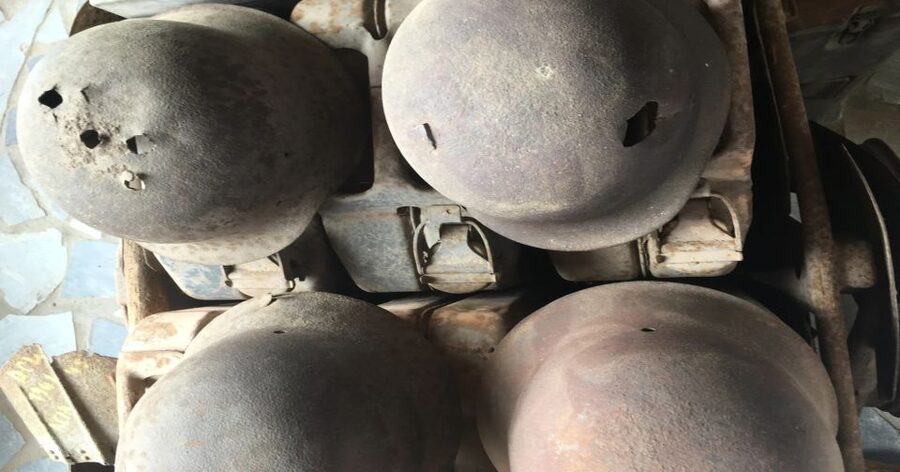
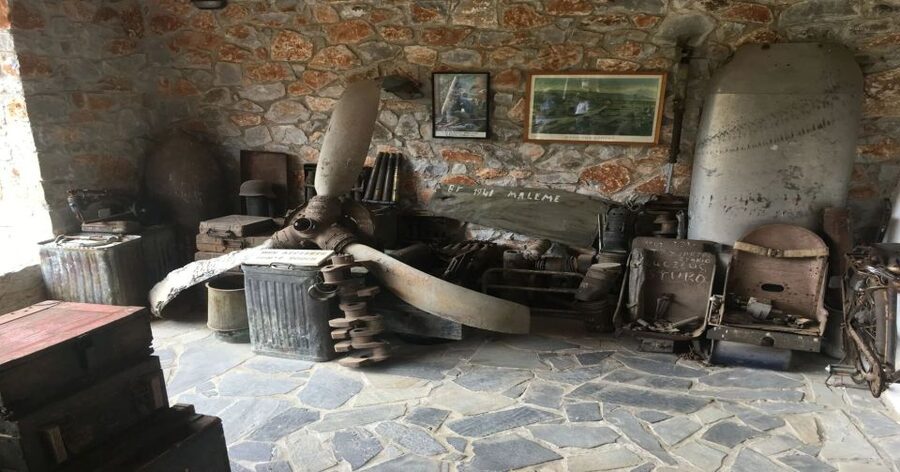
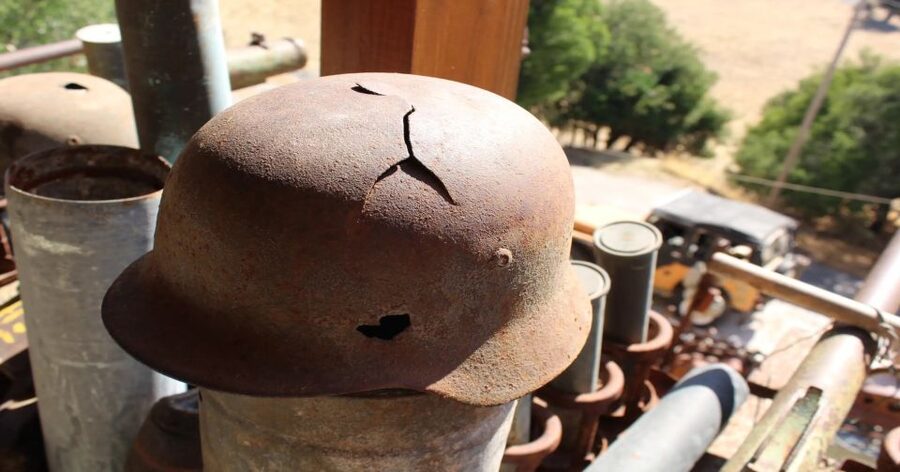
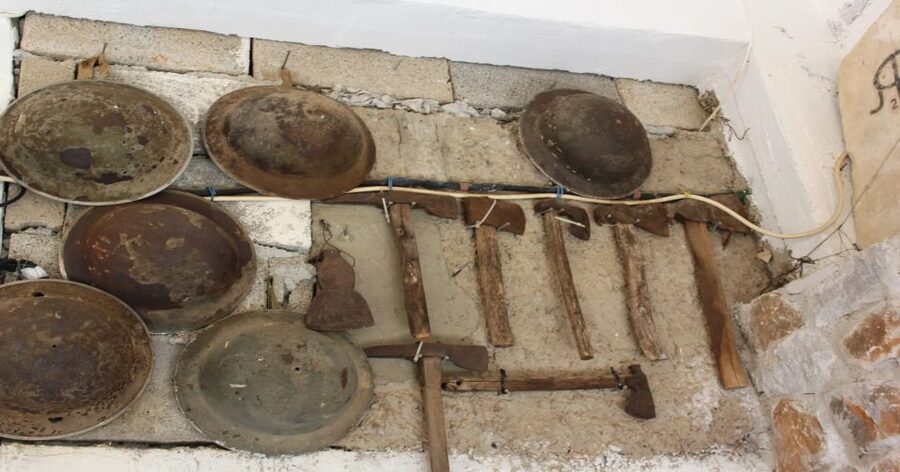
Between battlefield areas and cemeteries, you’ll visit a private museum or WW2 war shelter with memorabilia and rare war finds. This is where the story becomes easier to visualize.
The tour description emphasizes that your historian guide uses rare archive photos tied to the battle—photos and references uncovered through research. That matters because it turns your guide into a translator: he links what you see in the concrete spaces back to what was happening inside military planning and daily operations.
Even if you’re not a WW2 collector type, this stop tends to work. You come in knowing the battle was important; you leave understanding more of how it was carried out and what people actually used—equipment, routines, and ammunition—on both sides.
Abandoned German bunkers and undisclosed lockouts: the “most people miss it” factor
The tour’s standout theme is access to abandoned German bunkers and shelters. You’re told you’ll visit German lockouts in undisclosed locations, including one described as daring and less known to many.
This is where the day shifts from “storytelling” into “place-based history.” A bunker is more than a structure. It’s a snapshot of fear, engineering, and strategy. Standing near these abandoned sites helps you understand why certain positions mattered and how forces tried to hold ground or protect people during intense fighting.
A practical note: even if the sites aren’t described in detail here, you should expect uneven, outdoor conditions. Wear comfortable shoes. Take your time. Don’t rush the guide through the explanations—these places reward slower looking.
Commonwealth cemetery at Souda Bay: views plus remembrance
At Souda Bay, you’ll visit the British Commonwealth Allied Cemetery. The tour includes both the respectful act of remembering and the context behind the cemetery’s history in Souda Bay.
The bay views are a real part of the stop. The tour also calls out the phrase Lest We Forget as a common remembrance expression you’ll encounter in this setting. For me, that combo—scenery and solemnity—can be powerful when handled correctly, and this tour builds it into a guided experience rather than leaving you to interpret it alone.
This is also a key value point: many WWII tours focus heavily on one side’s perspective. Here, Commonwealth involvement is explicitly honored, with your guide connecting that role to what happened on Crete and how the broader war pressure shaped decisions.
The riverside coffee/lunch break that keeps the day human
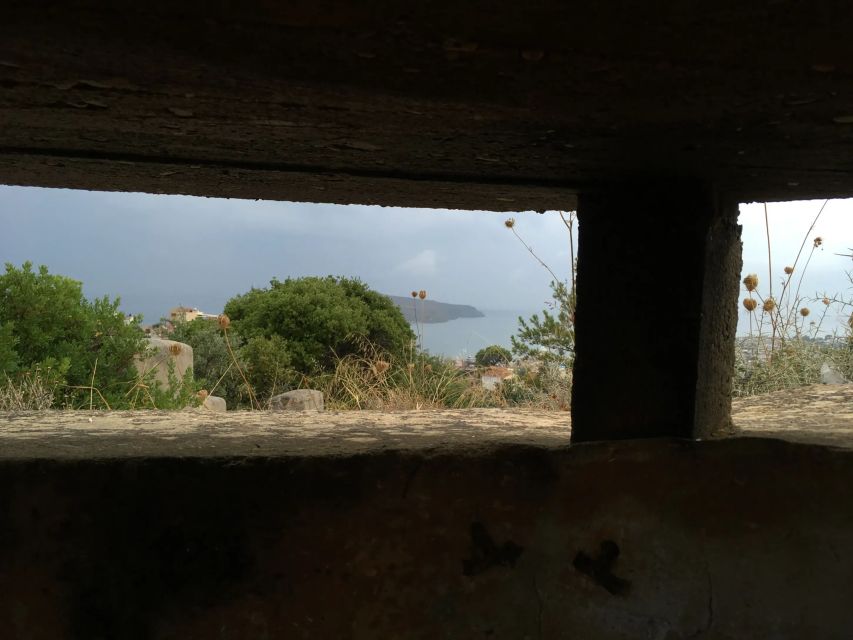
Midway through the day, you get a small coffee and lunch break at a beautiful riverside with overgrown vegetation. It’s a welcome pause in the middle of heavy topics.
Why I like this design: it keeps you from feeling like the tour is only a sequence of hard stops. You can reset your attention, hydrate, and get ready for the next segment—especially if you’re prone to fatigue from lots of standing and reading the ground with a guide talking.
Food and drinks aren’t included, so plan for the cost of that meal yourself. If you know you prefer certain snacks, it’s worth bringing something small along to tide you over between the guided segments.
How the 7-hour private pace actually feels
Because this is a private group, the pacing is more forgiving than crowded group tours. The tour information emphasizes that you’ll have time for guided stops and sightseeing moments throughout the day, plus breaks.
Your guide also has a habit described as adaptable: there’s evidence the day can be adjusted if a site is limited in hours, so you don’t lose a key stop to timing. That kind of flexibility is a real value in a day tour, because WWII sites and private collections can be schedule-sensitive.
You should still expect walking and standing outdoors. Bring comfortable clothes and shoes. And treat rain or shine as part of the plan. Crete weather can change fast, but this tour doesn’t.
Price and value: what $182 buys you on Crete
At $182 per person for a 7-hour private tour, the best way to judge value is by what’s included. This isn’t just a driver plus a route. Your package includes:
- A professional historian specializing in Contemporary History (certified by Greece’s Ministry of Tourism)
- A licensed historian tour guide/driver focused on the Battle of Crete
- Hotel pickup and drop-off from central Chania areas
- Visits to abandoned WW2 bunkers and battlefields
- Visits to a private WW2 museum/collection with memorabilia
- Two war cemeteries: German and Commonwealth
- Time at key Axis-related sites starting from Maleme and ending back around Chania
What’s not included is food and drinks, so your real day budget is a bit higher once you add a lunch purchase. But if you like your history detailed and tied to terrain, the historian component is the main cost driver—and it’s also the part you’ll feel most.
For value, I think this fits best if you care about WWII enough to want more than the quick version. If you’re mainly looking for scenery, you might find the somber sites heavy. If you want to understand how the Battle of Crete played out—then the price starts making sense fast.
Who should book this Battle of Crete private tour?
This is a strong match if you:
- Like military history and want ground-level explanations, not just museum captions
- Want a respectful day at war cemeteries paired with concrete battlefield sites
- Prefer a private format where you can ask questions and set the tempo
- Plan to spend your Crete time in Chania and want a focused WWII day
It might not be ideal if you:
- Want lots of free beach time or minimal walking
- Get overwhelmed by war remembrance and want lighter topics
Should you book the Chania Battle of Crete private tour?
If your goal is to understand the Battle of Crete with real specificity—Maleme, Hill 107, cemeteries, private shelters, and abandoned bunkers—this is one of the more purposeful ways to use a day in Chania. You’re paying for expert guidance, multiple war remembrance visits, and access to places most visitors never see.
Book it if you’re ready for a thoughtful, structured day in WWII history. Skip it if your ideal day is mostly scenery and minimal standing.
FAQ
FAQ
How long is the Chania Battle of Crete private tour?
It lasts 7 hours.
What does the tour cost?
The price is listed as $182 per person.
Is this a private tour?
Yes. It’s a private group.
Where does pickup happen and is transportation included?
Pickup and drop-off are included from all Chania central areas. You’ll wait in the hotel lobby about 15 minutes before the scheduled pickup time.
What sites are included during the day?
The tour includes stops starting at the Airport of Maleme, hill 107, and German war cemeteries, plus abandoned WW2 bunkers/lockouts, a private WW2 museum/collection, and the Commonwealth cemetery at Souda Bay.
Are war cemeteries part of the tour?
Yes. You’ll pay respect at two cemeteries: a German war cemetery and a British Commonwealth allied cemetery.
Is lunch or any food included?
No. Food and drinks are not included.
What languages are offered by the guide?
The live guide is available in English and Greek.
Does the tour run in bad weather?
Yes. It will take place rain or shine.
What should I bring?
Wear comfortable shoes and comfortable clothes.
Crete, the Long Way Round
More Tour Reviews in Chania
Fresh Off the Boat: Newest Crete Reviews


Historical Tours, compared.
 ★ 4.4From Heraklion: Historical Center City Tour & Knossos PalaceFrom $47340 reviews
 ★ 5.0Ecobike tour in historic HeraklionFrom $90134 reviews
 ★ 4.9Heraklion: Zeus Cave & Knossos History, Villages & Olive OilFrom $12989 reviews
 ★ 5.0Richtis Waterfall, History, Azoria, OliveTasting, NorthCoastFrom $11983 reviews
 ★ 4.9From Chania: Crete World War II History TourFrom $11165 reviews
 ★ 5.0Heraklion Highlights: Knossos, Museum & Historic City DriveFrom $33764 reviews
 ★ 4.5Knossos Palace & Historical Heraklion City Tour, with Old MarketFrom $4851 reviews
 ★ 4.0Chania: Hiking through History and Hidden Gems at Katholiko BayFrom $18019 reviews
Browse the lists this tour appears in