
Review · HERAKLION CITY & MUSEUMS
Tastings of Heraklion city – sightseeing walking tour
Food in Heraklion isn’t just fuel. It’s how locals keep tradition alive, day after day. On this tasting walking tour, you combine Cretan diet flavors with an easy stroll through the historic heart of the city, all in about two hours.
What I like most is how practical it feels: you’re not just looking at landmarks, you’re sampling the foods connected to them. You’ll also get a real focus on family-run tastings, from bakery sweets to olive oil and cheese.
One possible drawback: this is a heavy food-and-drink experience, so if you don’t plan around it (or you skip the appetite part), you may feel overfull fast. Also, it’s not suitable for wheelchair users or people with mobility impairments.
In This Review
- Key reasons this Heraklion tasting tour works
- Starting out: Capsis Astoria and the food-focused pace
- Stop 1: Coffee, kalitsounia, raisin pies, and cookies at a Cretan bakery
- Stop 2: Herbs, spices, and mountain tea (where the flavors start to explain themselves)
- Stop 2 continues: Olive oil and olives—Cretan quality, not just the label
- Cheese tasting that actually teaches you what to notice
- A little lunch energy: bougatsa and souvlaki
- Raki, wine, and refreshments—what to expect with the drinks
- Walking the sights: Venetian Walls, Lions Square, and the cathedral area
- End point at WeGuide: wrapping up with a fuller sense of Crete
- Price and value: is $119 per person worth it?
- Who this tour suits best (and who should pass)
- Final call: should you book this Heraklion tasting walking tour?
- FAQ
- How long is the Heraklion tasting walking tour?
- Where do we meet for the tour?
- What is included in the tasting?
- Is the tour private and in English?
- What should I wear or bring?
- Is luggage allowed?
- Is it suitable for wheelchair users or people with mobility impairments?
Key reasons this Heraklion tasting tour works
- 3 tasting stops inside the city core: hand-picked shops you can’t easily find on your own
- 12 local food & drink tastings: enough variety that you can compare flavors, not just try a bite
- Cretan classics show up more than once: coffee sweets, pies, bread-with-toppings, cheese, olive oil
- City sights are paired with food: Venetian Walls and the cathedral area land naturally during the walk
- You’re guided in English: a live guide keeps everything moving and makes the food make sense
- Private group pace: the vibe stays relaxed, not rushed
More of Heraklion, its museums and old streets
- Chania/Rethymno: Knossos Palace & Heraklion City Tour
★ 4.3 · 152 reviews - Knossos & Archaeological Museum Shared Guided Tour from Chania
★ 5.0 · 41 reviews - Knossos Palace & Heraklion City Tour
★ 4.0 · 37 reviews - Knossos Palace & Archaeological Museum Private Tour
★ 4.8 · 23 reviews
Starting out: Capsis Astoria and the food-focused pace
You kick things off at Capsis Astoria Heraklion, right on Eleftherias Square near the Archaeological Museum area. It’s a handy starting point because you’re already in the middle of where you’d want to be anyway if you’re sightseeing Heraklion.
From the beginning, this tour is built around flow. You’re walking, tasting, and learning in short bursts. That matters because it keeps the experience from turning into one long food parade where you stop noticing what you’re eating. Here, each stop has a clear theme, and you leave with a better sense of how Cretans actually eat: simple ingredients, strong flavors, and plenty of daily staples.
Tip I’d follow: wear comfortable shoes and plan for steady walking on city streets. There’s no luggage or large bags allowed, so travel light.
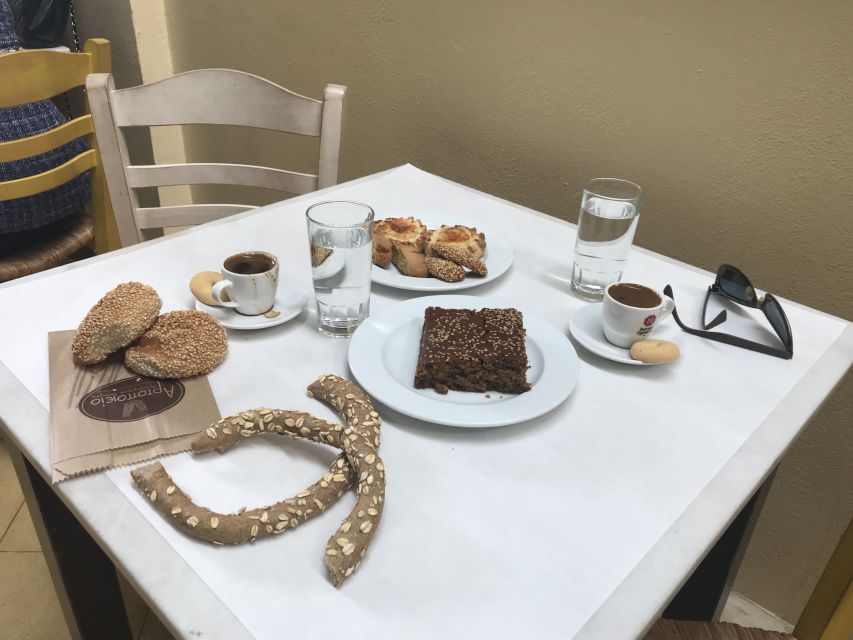
Stop 1: Coffee, kalitsounia, raisin pies, and cookies at a Cretan bakery
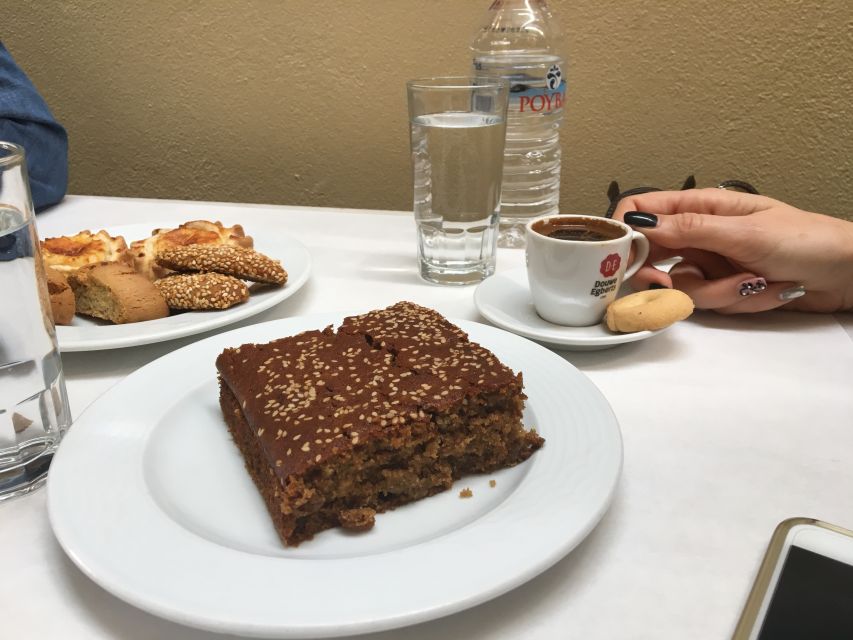
Your first major tasting stop is a family bakery, described as the daily meeting point for locals. That’s a big deal. In places like this, the bakery isn’t only about pastries. It’s where people catch up, where kids learn routines, and where the day’s flavors start.
This is where you’ll likely get several sweet hits in a row, including Greek coffee and pastries like kalitsounia (sweet pies with soft cheese filling), plus raisin pies and cinnamon cookies. If you love the idea of tasting your way through what a neighborhood considers normal, this stop delivers.
Why it’s valuable: sweets here aren’t treated as a fancy treat. They’re part of the everyday rhythm—something you can understand as culture, not just dessert.
Practical note: this is one reason I’d recommend you arrive hungry. One tip that comes up again and again is to not eat breakfast beforehand. If you do, you may end up politely tasting while thinking more about filling up than learning flavor.
Stop 2: Herbs, spices, and mountain tea (where the flavors start to explain themselves)
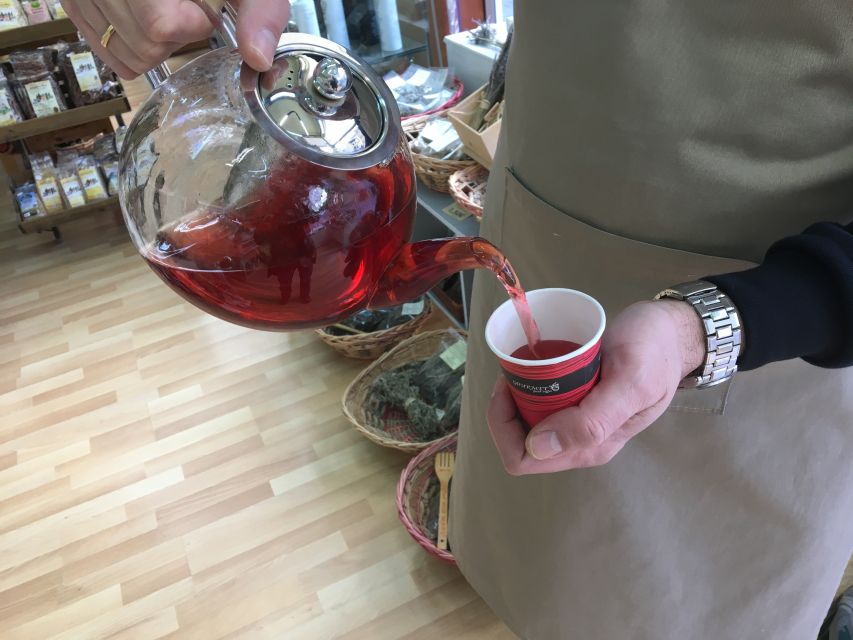
After the bakery, you move to a traditional Cretan shop where you can discover herbs and spices. This kind of stop does two helpful things:
1) It gives you a map of what you’re tasting later.
2) It turns the diet from a slogan into something you can point to.
Here, you also have the chance to savor Cretan mountain tea, served as a traditional herbal drink. Even if you’re not a tea person, this is worth paying attention to. Mountain teas in Crete tend to reflect what’s locally available and what people trust for everyday use, and that’s the broader story the tour is trying to show: longevity isn’t magic. It’s habits.
If you’re the type who likes to replicate flavors at home, this is the step that helps you do it. Spices and herbs are the easiest category to take home because you can use them again and again.
One thing to consider: since this section is tasting-focused, expect your guide to keep moving at a comfortable pace rather than letting you linger for long photo breaks inside shops.
More of Crete covered on foot
Stop 2 continues: Olive oil and olives—Cretan quality, not just the label
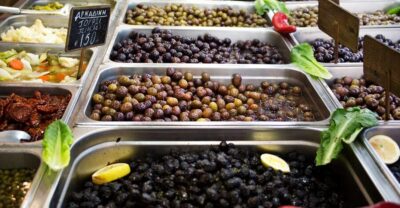
Next comes a focused tasting on organic extra virgin olive oil and types of table olives. The tour frames olive oil as world-famous and highlights that the varieties used come from table olives. That detail matters because it signals a shift away from generic olive oil talk. It’s not only about a bottle. It’s about what the olives are and how they’re handled.
You’ll also be tasting olives as part of the comparison. That’s one of the smartest parts of the approach. Olives are diverse in taste and texture, and you can learn faster when you have more than one option in front of you.
How this fits the bigger diet story: Crete’s Mediterranean diet reputation isn’t based on one ingredient. It’s based on repeated use of staples—olive oil, bread, cheese, legumes and greens—so your taste journey helps you see the pattern.
Cheese tasting that actually teaches you what to notice
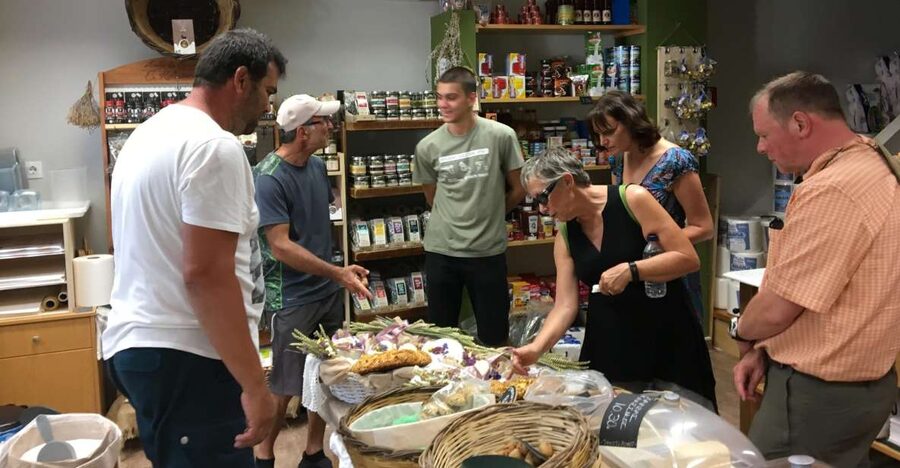
This tour doesn’t treat cheese as a single sample and done. You’ll try goat–sheep cheese, along with options like Gruyere and parmesan, plus soft cheese and natural yogurt with honey.
What I like here is the variety. You get different milk sources and different styles, which helps you understand how creamy, salty, aged, and tangy flavors can all appear in normal Cretan eating. The addition of natural yogurt with honey is also a smart touch because it shifts the taste profile without making it another random sweet stop.
Also included: dakos (a traditional Cretan style bread base often topped with staples). If you’re hoping to taste something closer to a typical lunch plate rather than only desserts, this kind of item brings balance.
If you’re lactose-sensitive, be cautious and let your guide know. The tour is built around tastings, so it may be hard to avoid dairy entirely while still getting the full experience.
A little lunch energy: bougatsa and souvlaki
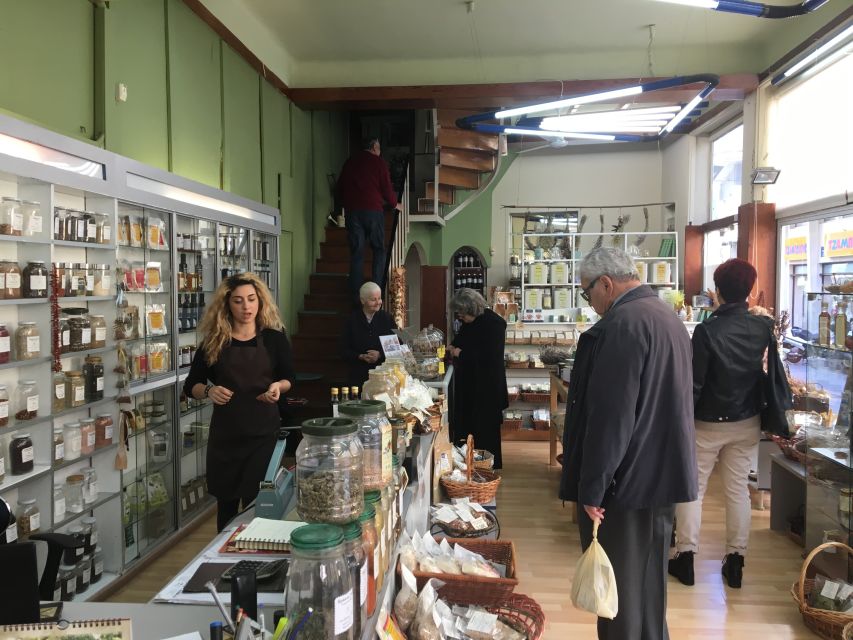
You’ll also encounter bougatsa and souvlaki in the tastings list. Bougatsa is a classic Greek pastry, often made with a semolina-based filling, and it usually lands as either sweet or savory depending on the filling and shop. On this tour, it’s part of the planned tasting mix, so you’re likely getting it as a featured local stop rather than a random add-on.
Then comes souvlaki, giving you something closer to a savory meal texture. That’s another value point: it keeps you from feeling like the whole tour is just pastry and cheese. You end with a broader understanding of how Cretans go from sweet to savory without treating it like a special event.
Raki, wine, and refreshments—what to expect with the drinks
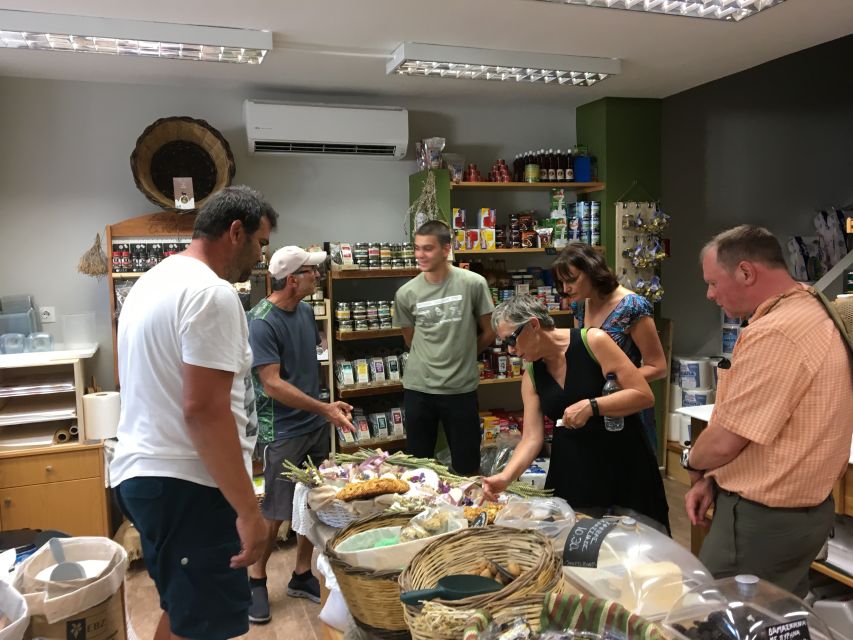
The tastings list includes raki and wine, plus non-alcoholic traditional herbal drink, fresh fruits, and coffee. This is a common Cretan pairing idea: spirits and wine show up alongside food, not as a separate bar stop.
You’ll also get local refreshments throughout. The practical takeaway: treat this as an activity where taste portion sizes add up. If you plan to drink, keep your pace and energy in mind.
If you don’t want alcohol, you still should be able to enjoy many tastings because the tour includes non-alcoholic herbal drink and lots of food. Still, you won’t be able to magically remove all alcohol-linked pairings from the experience since it’s part of the tasting plan.
Walking the sights: Venetian Walls, Lions Square, and the cathedral area
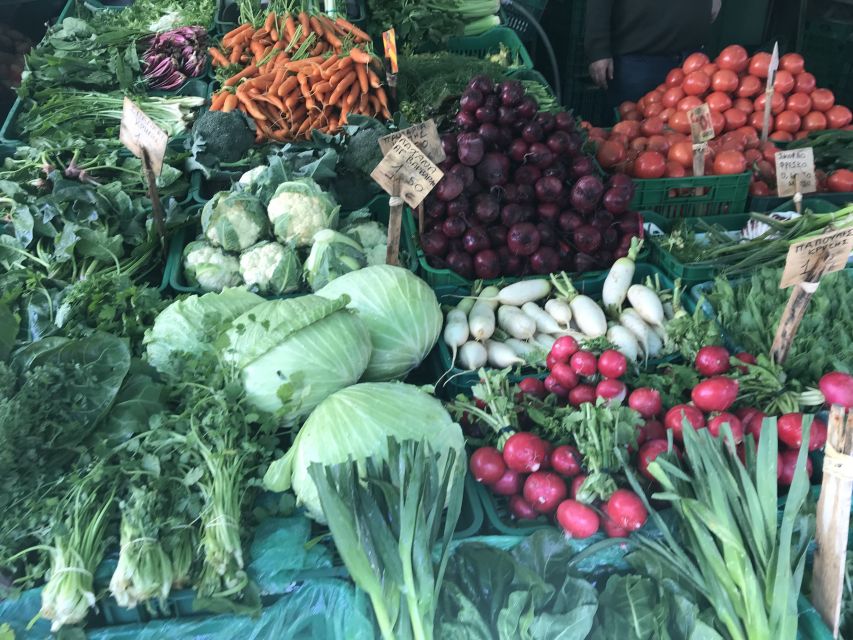
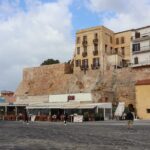
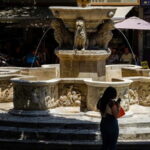
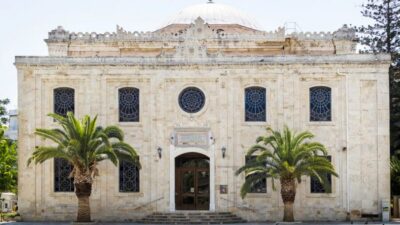
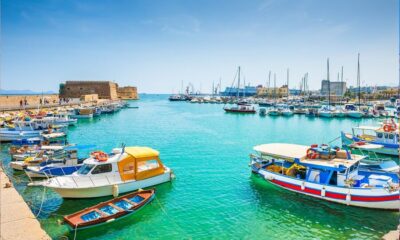
Food is the main event, but you’re also sightseeing as you go. Included points of interest include Venetian Walls, Lions Square, and the Saint Titos Cathedral and Agios Minas Cathedral areas.
This is the right kind of sightseeing for a food tour. Instead of forcing you to stop at huge, time-consuming monuments, you get visual anchors while you keep tasting. Venetian walls and the squares give you a sense of the city’s layers, and the cathedral area helps you connect what you’re seeing to how Heraklion grew and changed over time.
What to watch for: as you approach Lions Square and the cathedral zone, slow down just enough to notice the scale. Even with short breaks, the guide’s commentary should help you connect the food traditions to the city setting—how a historic port and crossroads shaped what ended up on local tables.
End point at WeGuide: wrapping up with a fuller sense of Crete
The tour finishes back near the meeting area, ending at WeGuide. That means you don’t spend your last minutes trying to figure out how to get back or where the route leaves you.
By the time you wrap, you should feel like you understand the basics of the Cretan diet beyond the usual Mediterranean marketing language. You’ll have tasted core pieces—olive oil, cheese, herbs and tea, local pastries, and savory items—and seen how a historic city sets the stage for everyday eating.
Price and value: is $119 per person worth it?
At $119 per person for about two hours, you’re paying for a guided tasting format: a live English guide, private group setup, and a structured sequence of 12 local tastings plus points of interest.
Here’s why that price can make sense:
- You’re not buying 12 items à la carte on your own.
- You get guided context, which helps you taste with intention instead of sampling blindly.
- You’re visiting a mix of bakery, herb/spice, olive oil, and cheese stops—places that can be harder to plan in the right order without local help.
- Alcohol and coffee are included in the tasting list, which typically adds cost when purchased separately.
Where value can slip: if you only want one or two tastes and you’re not excited by sweets or dairy-forward bites, you may feel you paid for variety you won’t use. This tour is designed for people who genuinely enjoy sampling and walking.
Who this tour suits best (and who should pass)
This tour fits you if you:
- Like food tours that also teach you what ingredients mean in daily life
- Want a short, focused outing that covers both tastings and major city sights
- Enjoy sweets and savory bites in the same afternoon
- Prefer a private group pace with an English-speaking guide
It’s less ideal if you:
- Have mobility limits that make walking hard (it’s not suitable for wheelchair users)
- Don’t handle dairy well, since cheese and yogurt are part of the tastings
- Plan to eat a heavy breakfast before starting
A small but useful note: bring sunglasses and a sun hat if the weather’s bright. You’ll be outside for the walk, even though the shops keep it varied.
Final call: should you book this Heraklion tasting walking tour?
Book it if you want an easy, high-satisfaction way to understand Crete through food. The strongest part is the combination of bakery treats, herbs/spices with mountain tea, olive oil and olives, and a real cheese lineup—then you tack on meaningful city sights like Venetian Walls and Lions Square without turning the day into a marathon.
Skip it if you want a purely sightseeing tour with minimal eating, or if you prefer very light tastings. This one is built for appetite, and the best experience comes when you show up ready to taste.
If you can, choose a start time that matches your energy level. Two hours goes fast once you’re sampling.
FAQ
How long is the Heraklion tasting walking tour?
It runs for about 2 hours.
Where do we meet for the tour?
You start at Capsis Astoria Hotel front door at Eleftherias Square in Heraklion, near the Archaeological Museum.
What is included in the tasting?
You’ll get 12 local food and drink tastings, including items such as bougatsa, coffee, kalitsounia, fresh fruits, dakos, souvlaki, raki, wine, plus several types of cheese, olives, and a traditional herbal drink (non-alcoholic).
Is the tour private and in English?
Yes. It’s a private group with a live guide in English.
What should I wear or bring?
Wear comfortable shoes and consider bringing sunglasses and a sun hat.
Is luggage allowed?
No. Luggage or large bags are not allowed.
Is it suitable for wheelchair users or people with mobility impairments?
No. It is not suitable for wheelchair users or people with mobility impairments.
More of Crete on Foot


More Tour Reviews in Crete



Heraklion, Room by Room


Fresh Off the Boat: Newest Crete Reviews



Heraklion City & Museums, compared.
 ★ 4.4Heraklion Area: CRETAquarium Admission TicketFrom $92,055 reviews
 ★ 4.3Heraklion Archaeological Museum Ticket & Audio GuideFrom $33396 reviews
 ★ 4.0CRETAquarium Entrance Ticket in CreteFrom $9359 reviews
 ★ 4.4From Heraklion: Historical Center City Tour & Knossos PalaceFrom $47340 reviews
 ★ 4.5Minoans World 3D Museum & 9D CinemaFrom $24315 reviews
 ★ 4.4From Rethymnon: Day Trip to Knossos Palace & Heraklion CityFrom $25216 reviews
 ★ 4.5Day Trip To Heraklion City Center & Market & CretAquariumFrom $23205 reviews
 ★ 4.2Knossos Palace, Heraklion City, Market Guided TourFrom $41164 reviews
Browse the lists this tour appears in