
Review · CRETAN FOOD TASTINGS
Heraklion Food Stories Walking Tour with 8 local-favorite stops
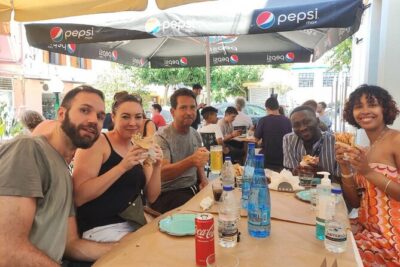
Cretan food tastes like it has a calendar. This Heraklion Food Stories walking tour packs eight local-favorite stops into about four hours, so you eat your way through the city instead of just passing it by. I especially love the guided food education—like learning how to choose cheese—and the genuinely social pacing with a small group (or solo), with guide Eva bringing the kind of local warmth that makes shopkeepers treat you like a regular. One thing to consider: it is weather-dependent and you’ll be on your feet, so bring comfortable shoes and expect a bit of walking.
The best part is the mix of classic bites and practical know-how. You’ll start with traditional Greek coffee brewed in sand and learn cup reading, then move through bougatsa, market samples, and a sit-down with local organic meat (with fried snails if you want to be brave). At $116.54 per person, the value mainly comes from the number of tastings and the expert guidance—less from big sightseeing stops.
In This Review
- Key Highlights Worth Marking on Your Map
- Walking Heraklion Like a Local Starts at Liberty Square
- Sand-Brewed Greek Coffee and Cup Reading
- Bougatsa at a Family Bakery That’s Been Perfecting the Layers Since 1922
- Heraklion Central Market: Olives, Rusks, Cheese, and Olive Oil Know-How
- Old Venetian Harbor Stop: Organic Meat (and Fried Snails if You Want)
- Family-Run Wine Shop: How Cretan Wine Fits the Whole Meal
- Price, Value, and What You’re Actually Paying For
- Who This Tour Is Best For (and Who Should Consider Another Option)
- Small Details That Make Your Day Go Smoother
- Should You Book the Heraklion Food Stories Walking Tour?
- FAQ
- How long is the Heraklion Food Stories walking tour?
- What’s included in the food and drink on this tour?
- Where does the tour start and end?
- Is pickup available?
- Is the tour in English?
- How big is the group?
- Are vegetarians welcome?
- What about food allergies or dietary restrictions?
Key Highlights Worth Marking on Your Map
- Eight stops of Cretan favorites: coffee, bougatsa, market bites, cheese guidance, olive oil, sweets, and drinks.
- Coffee brewed in sand + cup reading: a fun cultural ritual, not a performance.
- Cheese-tasting tips: you learn how to spot good Cretan cheeses instead of just tasting blindly.
- Heraklion Central Market time: olives, rusks, and cheese samples plus guidance on what you’re looking at.
- Sit-down meal in the middle of it: organic meat (and the option of fried snails) so you don’t just snack.
- Wine and spirit at a family-run shop: a proper ending that matches what you learned earlier.
Still hungry? More Cretan plates to graze
- Crete: Quad Safari, Olive Mill with Tasting & Ghost Village
★ 4.9 · 1,004 reviews - From Chania: Olive Oil, Wine, Cheese & Honey Tasting Tour
★ 4.6 · 490 reviews - Chania: Old Town Highlights Guided Tour with Street Food
★ 4.9 · 407 reviews - From Chania: Wine and Olive Oil Tasting Tour with Snacks
★ 4.8 · 354 reviews
Walking Heraklion Like a Local Starts at Liberty Square
Most people arrive in Heraklion, take a photo, and move on. This tour begins at Plateia Eleftherias by the Unknown Soldier Statue, which puts you right into the heart of the city before you go hunting for flavors. It’s a smart setup: you get your bearings fast, then spend the rest of the time focused on food and neighborhoods rather than transport.
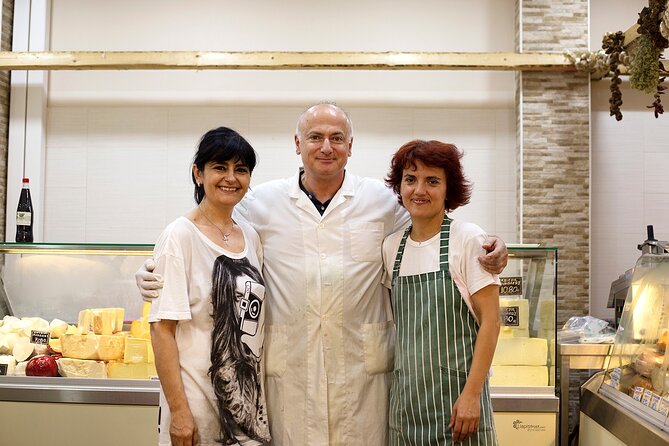
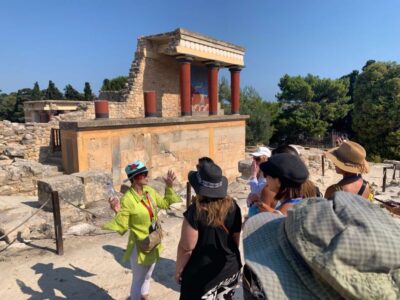
You’ll meet your English-speaking guide (the name Eva shows up in many accounts of this tour) and you’ll get your first taste with traditional Greek coffee. The format is relaxed, and it helps that the group size tops out at 12 travelers. With a small group, you can ask questions while you eat—like what makes one cheese better than another—and you’re not stuck in a long line of people being rushed from place to place.
Practical note: this is “walking tour” energy. You’ll want shoes that can handle uneven old-city streets. Also, churches sometimes require modest dress (no shorts or skimpy tops), so plan to cover up if you’re near religious spaces.
Sand-Brewed Greek Coffee and Cup Reading
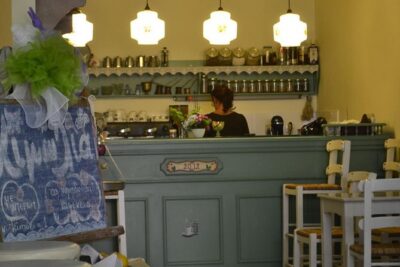
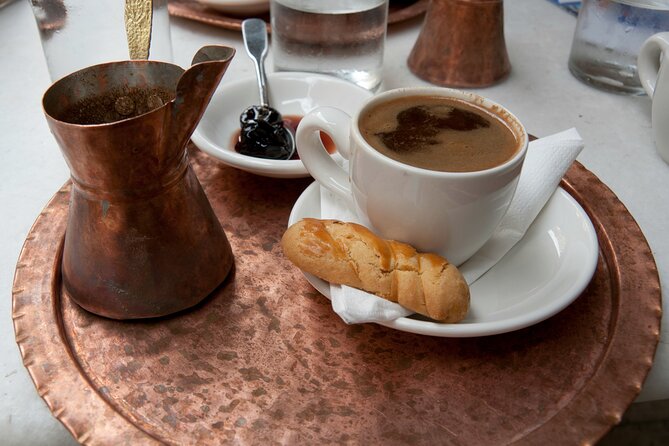
The coffee stop is not an afterthought. You learn how ellinikós kafés is brewed the traditional way in sand. That matters because it explains why the coffee experience in Greece feels different from café-to-café drip coffee back home.
Then comes the fun part: cup reading, a centuries-old tradition where the guide shows you how to interpret the grounds in your cup. It’s entertaining, sure, but it also gives you a window into how Greeks treat coffee like a social ritual. And because this is an early stop, you’re awake, warmed up, and ready to taste your next bites without killing your appetite.
One neat detail: the coffee setting can feel historically layered. In at least one experience, the café was described as possibly tied to an older Turkish fountain structure—so you’re not just drinking coffee, you’re noticing place.
Bougatsa at a Family Bakery That’s Been Perfecting the Layers Since 1922
Next up is bougatsa—one of those foods you should try at least once in Crete because it’s iconic for a reason. This stop is a family-owned business that has mastered the technique since 1922. That long apprenticeship shows in how bougatsa is made and served.
What you’re tasting is semolina custard (often with cheese or minced meat filling) wrapped between layers of phyllo. The guide’s job here isn’t just to hand you a pastry. It’s to help you understand the components—why the crust matters, how the filling behaves, and what to look for in a good version.
If you’ve only had sweet custard pastries elsewhere, this is the one that resets your expectations. It’s not just dessert; it’s a regional specialty built on texture and balance.
More of Crete covered on foot
Heraklion Central Market: Olives, Rusks, Cheese, and Olive Oil Know-How
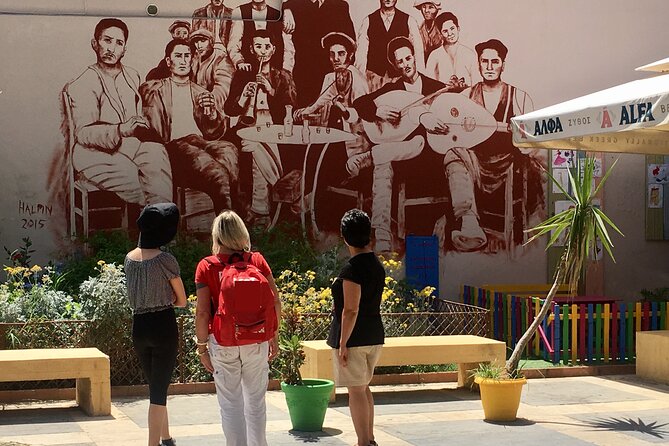
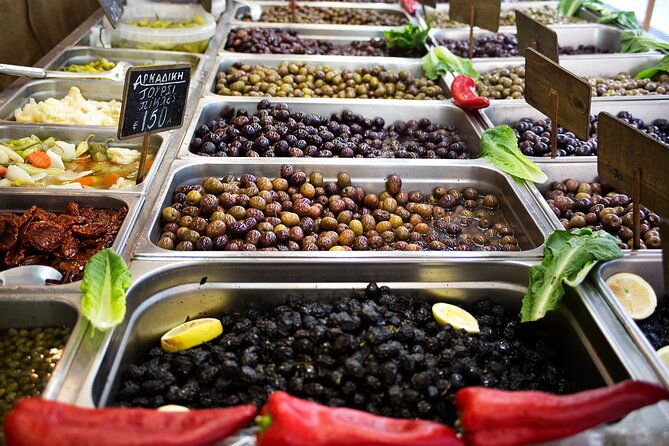
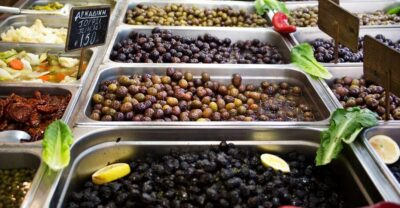
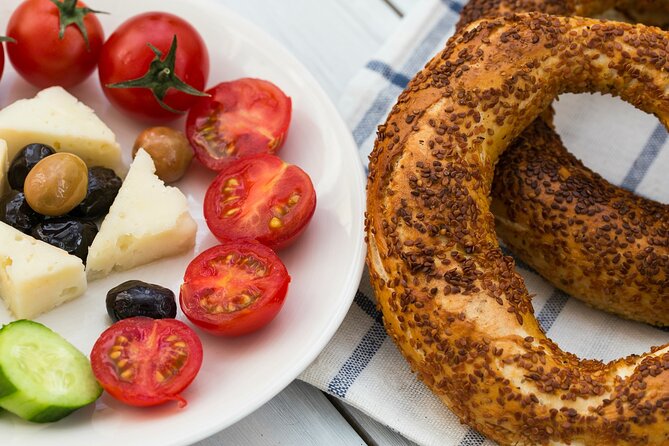
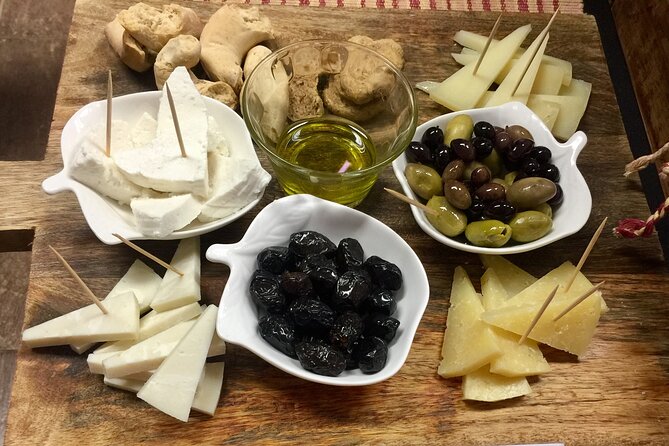
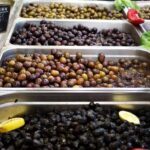
After some city walking through the historical center, you reach Heraklion Central Market. This is where the tour starts feeling like a food education class you can taste. You’ll meet local vendors and sample the basics of Cretan cuisine: olives, rusks, and cheese.
The standout value here is the guidance on cheese tasting. You don’t just get random samples. You get hints on how to spot good local cheeses—what to notice in taste and character—so your next cheese shop stop won’t be pure guessing.
You’ll also taste Cretan olive oil, with an explanation for why organic Cretan olive oil is considered among the best in the world. That’s more than a sales pitch. The point is to give you a sense of what quality tastes like so you can make a smarter purchase later.
If you like bringing home food souvenirs, this is the section where it clicks. You’ll know what you’re buying instead of grabbing the most dramatic label.
Old Venetian Harbor Stop: Organic Meat (and Fried Snails if You Want)
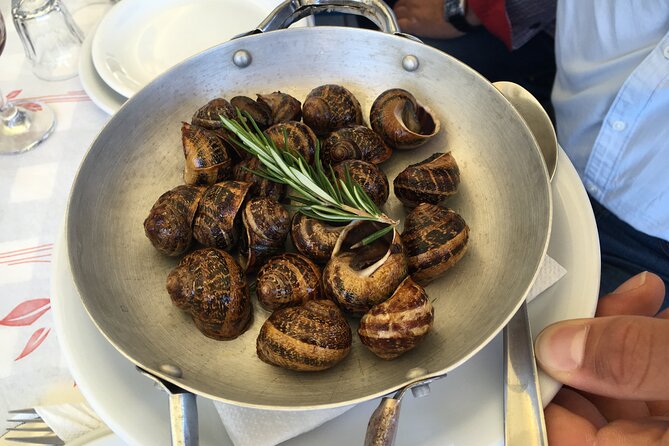
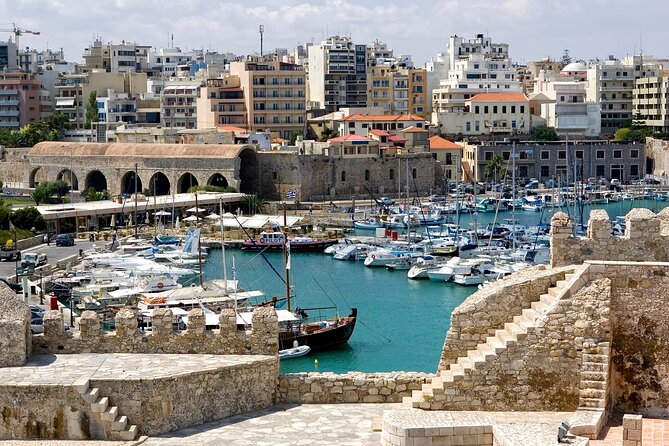
The walk shifts toward the Old Venetian Harbor of Heraklion, where the city feels more open and the tour tempo turns into a sit-down break. You’ll sample a local organic meat dish, and there’s an optional side quest: fried snails.
The reason this stop works is simple: it balances the sweet-and-dairy side of the tour with something savory and hearty. Cretan diets are often described as Mediterranean-style, and this is a taste of that everyday pattern—meat that’s positioned as part of local cooking, not a rare treat.
If you’re adventurous, fried snails can be the kind of story you’ll tell later. If you’re not, you still get a full meal experience that keeps the tour from turning into constant nibbling.
Family-Run Wine Shop: How Cretan Wine Fits the Whole Meal
The tour ends with local wine tastings at a family-run shop. You’ll also get a sense of Crete’s long winemaking history, with roots going back to the Bronze Age. You’re not studying a textbook here—you’re tasting while the guide connects it to what you’ve already eaten.
This is the moment to lean into questions. Ask what pairs with cheese. Ask what to buy if you want something that actually matches the flavors you encountered earlier. Because you learned cheese and olive oil basics before, the wine taste makes more sense. It stops being just alcohol sampling and becomes a final chapter of the food logic.
In some accounts, the spirit element can include raki as part of the tasting experience. The tour description itself also references spirit, so you can expect some stronger local drink alongside the wines.
Price, Value, and What You’re Actually Paying For
At $116.54 per person for about four hours, this isn’t a bargain snack crawl. But it’s also not priced like an all-day private fine-dining event. The value comes from packing in multiple real food stops, including:
- A guided coffee experience with sand brewing and cup reading
- A bougatsa stop tied to a decades-old family technique
- A market segment that teaches you how to assess cheeses and olive oil
- A sit-down portion with organic meat
- A wine (and spirit) ending at a family shop
If you’re the type of traveler who likes to eat well but also learns something useful—how to choose cheese, what good olive oil tastes like—this cost starts to feel reasonable. You’re paying for access to local shops and the guide’s ability to turn tastings into usable knowledge.
One more thing: the tour caps at 12. That matters. In a larger group, you might just chew and move on. Here, you get more time for questions and small moments at each stop.
Who This Tour Is Best For (and Who Should Consider Another Option)
This tour is a great fit if you want:
- A food-first way to explore Heraklion neighborhoods
- Practical tasting tips you can use later at markets and specialty shops
- A guided experience that feels social without being crowded
- Vegetarians included (the tour notes vegetarians are welcome)
It may not be ideal if:
- You dislike walking on uneven streets or you need long seated stretches
- You have very complex dietary restrictions. The tour says they’ll figure it out unless you have multiple, combined food allergies or you’re vegan. If that’s you, confirm details ahead of time so expectations are clear.
For families or groups, it can work well because it’s structured, with stops that are different enough to keep attention. One set of notes even highlights the experience for young adults, which suggests the pacing isn’t too slow or too formal.
Small Details That Make Your Day Go Smoother
Before you go, think about the basics:
- Wear comfortable shoes. You’re walking and sampling across multiple stops.
- Dress modestly if you might pass near churches. Shorts or skimpy tops can be a problem.
- Don’t overdo breakfast. One of the best pieces of advice is to arrive hungry so you actually taste everything instead of just powering through.
- If the weather is poor, the tour can be canceled and you’ll be offered another date or a full refund. Plan your Heraklion schedule with flexibility.
- Mobile ticketing is used, and service animals are allowed.
And tipping: it’s not compulsory, but it is described as appropriate. If the guide does a great job (and many accounts focus on exactly that), budget something for it.
Should You Book the Heraklion Food Stories Walking Tour?
Yes—if your idea of a great day in Crete is eating real local food with a guide who helps you understand what you’re tasting. The tour’s strongest edge is the combination of classics (bougatsa, Greek coffee, olive oil) and skills (cheese-tasting guidance) plus the finale of wine at a family-run shop. It’s the kind of experience that makes you leave knowing what to look for when you’re shopping on your own.
I’d especially recommend it if you’re only in Heraklion for a short window and you want maximum flavor coverage without guessing where to go. If you prefer pure sightseeing with minimal food structure, you might want a different type of tour—but if you’re hungry for Cretan tastes and useful tips, this one is a smart pick.
FAQ
How long is the Heraklion Food Stories walking tour?
The tour lasts about 4 hours.
What’s included in the food and drink on this tour?
You’ll taste Greek coffee, bougatsa, olives, rusks, olive oil, local cheese, traditional sweets, an organic meat dish, and Cretan wines and spirit.
Where does the tour start and end?
It starts at Plateia Eleftherias near the Unknown Soldier Statue, and it ends at the Heraklion Venetian Port at I. Merineli 2.
Is pickup available?
Pickup is offered for the private group option, with the guide meeting you at your hotel lobby or the cruise port.
Is the tour in English?
Yes, the tour is offered in English.
How big is the group?
The tour has a maximum of 12 travelers.
Are vegetarians welcome?
Yes, the tour notes that vegetarians are welcome.
What about food allergies or dietary restrictions?
The tour says they will figure it out unless you have multiple, combined food allergies or unless you are a vegan.
More of Crete on Foot
More Tour Reviews in Crete



Eat Your Way Round Crete



Fresh Off the Boat: Newest Crete Reviews


Cretan Food Tastings, compared.
 ★ 4.9Sunset or Morning Quad with Local Products TastingFrom $941,135 reviews
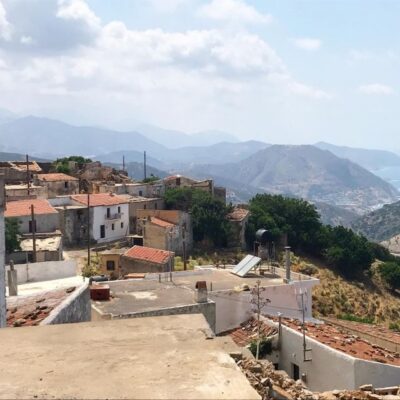 ★ 4.9Quad Safari, Olive Mill with Tasting & Ghost VillageFrom $931,004 reviews
 ★ 4.6From Chania: Olive Oil, Wine, Cheese & Honey Tasting TourFrom $49490 reviews
 ★ 4.9Chania: Old Town Highlights Guided Tour with Street FoodFrom $106407 reviews
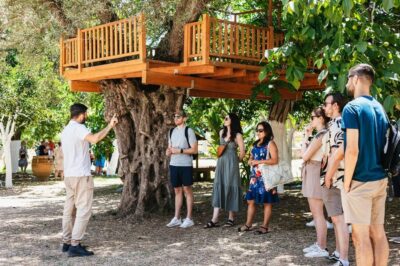 ★ 4.8From Chania: Wine and Olive Oil Tasting Tour with SnacksFrom $141354 reviews
 ★ 5.0Walking “Food tasting tour” in the town of ChaniaFrom $105297 reviews
 ★ 5.0Full-Day Cretan Wines, Olive Oil, Raki and Food TourFrom $141264 reviews
 ★ 5.0Olive Oil Tasting TourFrom $19195 reviews
Browse the lists this tour appears in