
Review · CHANIA OLD TOWN
Chania Old Town: Artisans & Sightseeing Walking Tour
Craft breakfast meets real craftwork.
I like that this tour starts with a phyllo making moment and then turns into a guided wander through Chania’s Old Town, where traditional skills and modern creativity show side by side. Two things I particularly like are how hands-on the food part feels and how the route is built for photo spots, not just sightseeing. One possible drawback: it’s still a walking experience through Old Town lanes, so plan on comfortable shoes and take care if you have any mobility limits.
I also love the human touch from guides like Sofia and Olga, who don’t just recite facts. They point out what to notice in the workshops, how Cretan crafts connect to everyday life, and they share practical food and shopping recommendations that are genuinely useful. The main consideration for you: you’re spending most of your time on foot, so if you want lots of downtime or minimal walking, this may feel a bit active.
In This Review
- Key highlights at a glance
- Starting at Bougatsa Chania: where the tour earns its appetite
- The Old Town walk: narrow lanes, real crafts, and guide-led photo spots
- Folklore museum time: short stop, focused cultural context
- Workshops, artisans, and modern ateliers: what you’re really paying for
- Tastings beyond bougatsa: olive oil, thyme honey, and the afternoon swap
- Price and value: what $117 covers (and why it can be worth it)
- Logistics that matter: meeting point, time on your feet, and what to pack
- Who should book this tour (and who might skip it)
- Should you book Chania Old Town: Artisans & Sightseeing Walking Tour?
- FAQ
- How long is the Chania Old Town artisans and sightseeing walking tour?
- What is the meeting point for the tour?
- Is bougatsa included?
- What’s included if I join an afternoon tour?
- What other tastings are included besides bougatsa or cheese?
- Are there coffee or tea tastings included?
- What languages are available for the live guide?
- Is the tour wheelchair accessible?
- What should I bring with me?
- Can I get a refund if my plans change?
Key highlights at a glance
- Phyllo to bougatsa: Watch the process and taste Chania’s famous pastry breakfast (morning tour).
- Artesan workshops + atelier stops: See craftsmanship revival and meet people keeping techniques alive.
- Folklore museum visit: A focused look at Cretan cultural traditions in a short, easy stop.
- Olive oil and thyme honey: Sample local flavors that show up across Cretan food culture.
- Guided Old Town photo route: Walk the lanes with someone who knows the best angles.
Keep wandering the Chania old town and harbour
- Walking “Food tasting tour” in the town of Chania
★ 5.0 · 297 reviews - Chania Town: Glass-Bottom Boat Cruise to Thodorou & Lazareta
★ 4.8 · 285 reviews - The 7 Villages of Apokoronas Tour – Explore East Chania Mainland
★ 5.0 · 178 reviews - Chania Old Port:Luxury Sunset Catamaran Cruise with Prosecco
★ 4.9 · 177 reviews
Starting at Bougatsa Chania: where the tour earns its appetite
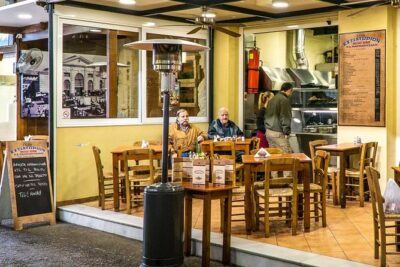
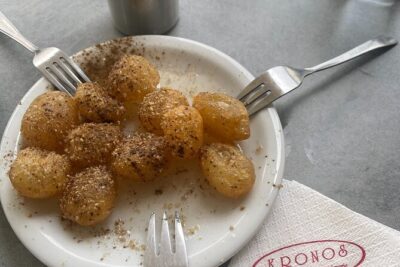
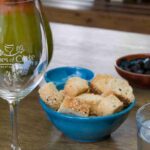
This tour starts with the kind of beginning that makes you pay attention right away. You meet at Bougatsa Chania, and the first part is built around a traditional breakfast: a short brunch session paired with the famous bougatsa of Chania. Expect coffee or tea as part of the experience, so you’re not hustling through the morning on an empty stomach.
The biggest payoff here is that it’s not only about eating. You also witness the phyllo making process, which is the thin layered pastry work that makes bougatsa what it is. Even if you’ve had phyllo before, watching it get made changes your brain from eating to understanding. You start spotting how precision and patience show up in the final bite. And since this is Chania, you’re tasting a local version tied to the city’s food identity, not a generic Greek pastry.
Practical note: this is a tasting-first experience. Come with a normal appetite and don’t plan to eat a huge breakfast beforehand, because the tour is intentionally timing that brunch portion. If you’re someone who likes food history through actual ingredients and technique, you’ll feel rewarded quickly.
If you book an afternoon slot, the food focus changes (more on that below), so double-check which tasting your time slot includes before you arrive.
The Old Town walk: narrow lanes, real crafts, and guide-led photo spots
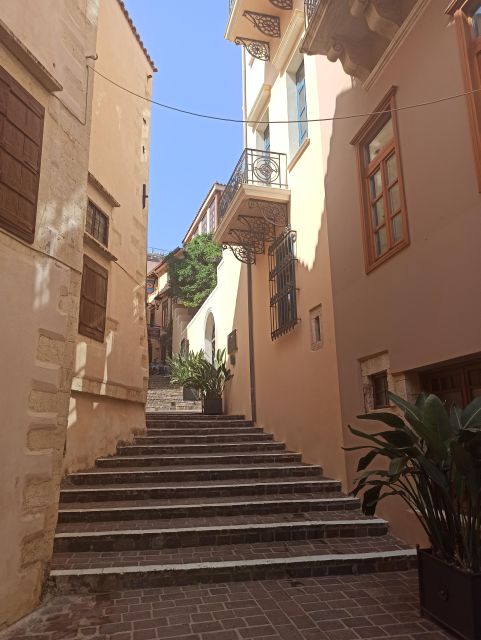
Once brunch ends, the tour becomes a slow-moving lesson in Chania itself. You’ll spend about 2.25 hours on a guided walk through the Old Town, moving through colorful alleys lined with centuries-old architecture. The guide’s job isn’t just to tell you what you’re seeing. It’s to explain how the area’s crafts, workshops, and local cultural habits connect to the streets around you.
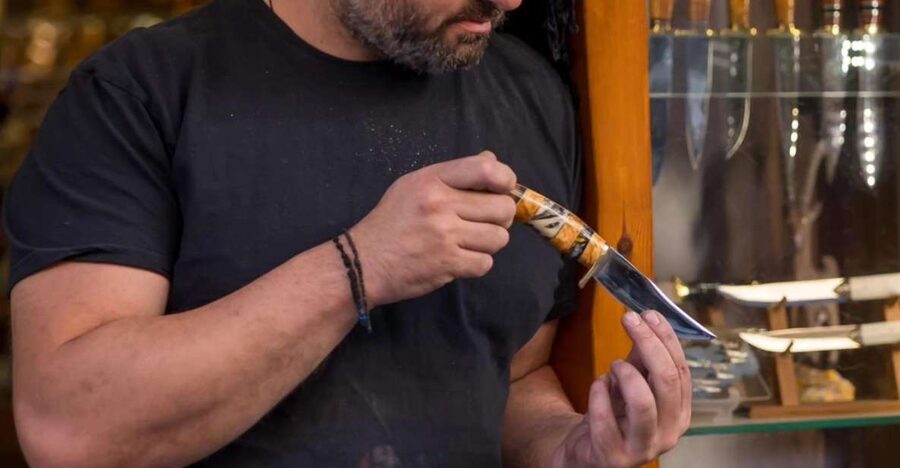
This is where the tour feels different from a standard “see the sights” walk. The route is designed for you to stop and notice details, including signs of traditional making and the way modern artistry fits into the same neighborhoods. In some stops, you may also get examples of folk-inspired craft traditions—one past group even got to see folklore knives made and walk through areas associated with leather work. That’s the kind of specificity that makes a tour memorable.
Then there are the photo stops. I like when a guide helps you think like a photographer: where light hits, how to frame doorways and arches, and which angles make the Old Town look like itself, not like a blur. The tour includes that guided element, so you’re not just asking strangers if the view is good.
What to watch for: the Old Town lanes can get tight and busy. If you’re prone to rushing, you’ll miss the craft details the guide is pointing out. Slow down, look up and to the sides, and let the guide set the pace.
Folklore museum time: short stop, focused cultural context
After the walking portion, you’ll step into the Folklore Museum of Chania for about 30 minutes. This is a smart timing choice: long enough to give meaning, short enough that it doesn’t derail the rest of the tour.
What I like about adding a museum component is that it gives you a framework for what you’ve been seeing outside. You’re already learning about crafts and local traditions while walking, and the museum helps you place those details in a wider cultural setting. Think of it as the “why” behind the objects and techniques you’ve been noticing in shops and atelier spaces.
It’s also practical. If you’re on a day when the sun is strong, a museum stop breaks up the walking rhythm. And because the tour keeps it to a half hour, you’ll come back outside with fresh energy rather than museum fatigue.
If you’re the type who usually skips museums, don’t worry—you’re not doing a full-day cultural deep dive. This visit is intentionally short, designed to connect the dots between Chania’s living crafts and its cultural memory.
More of Crete covered on foot

Workshops, artisans, and modern ateliers: what you’re really paying for
Here’s where the value shows up. The tour isn’t just “look at crafts from the sidewalk.” It’s structured to include local workshops and atelier-style stops where you can see craftsmanship linked to both the past and the present.
One theme you’ll keep hearing is revival. You’ll encounter examples of artisan work tied to older techniques—skills that local makers are keeping alive and passing along. That matters, because crafts in places like Chania don’t survive by accident. They survive through people who treat making like a craft of craftmaking: training, repetition, and a willingness to adapt.
At the same time, you’ll also see modern artist ateliers where tradition gets blended with innovation. That pairing is important for you as a visitor. It prevents the “museum-only” view of culture and shows that local creativity isn’t frozen in time. Instead, it’s active—living in workshops, shop corners, and new creative directions.
Some craft-related stops may include items you can buy, and the guide can help you tell the difference between mass-produced souvenirs and higher-quality local products. I like that this tour treats shopping as part of the experience, not a distraction. If you’ve ever regretted buying something bland because you didn’t know what to look for, this helps.
Two good reasons to choose this tour: you’ll learn what to notice while walking, and you’ll get context before you spend money in shops. That’s the kind of guided value that saves you from guesswork.
Tastings beyond bougatsa: olive oil, thyme honey, and the afternoon swap
Food is part of the point here, but it’s not only bougatsa. The tour includes tastings that highlight core Cretan flavors, including Cretan olive oil and thyme honey. I love tours that teach you taste through context. Here, you’re not just sampling; you’re learning why certain flavors show up together in the local food culture.
Then there’s the timing choice. The afternoon version does not include bougatsa sampling. Instead, you get a cheese tasting option. That matters for you if you’re coming mainly for the breakfast pastry experience. If you want the phyllo-and-bougatsa start, book the morning slot.
In either case, you’re getting more than a quick snack. The tastings are spaced so you can keep walking without feeling like you’re constantly eating. It’s a good rhythm for a 3-hour tour, especially in a compact historic center.
Included coffee or tea also helps. You’ll often need a warm drink (even in summer afternoons, depending on your tolerance for heat) to reset after food tasting and street walking. This tour builds that in.
Price and value: what $117 covers (and why it can be worth it)
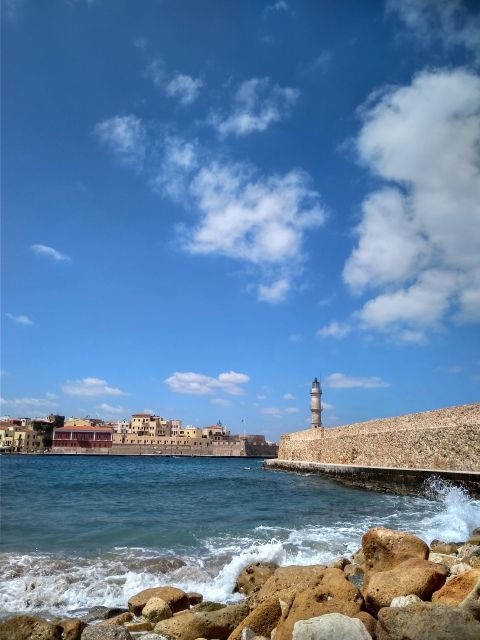
At $117 per person for a 3-hour experience, this isn’t the cheapest thing you can do in Chania. But it may be a strong value if your goal is guided craft and food, not just walking.
Here’s what you’re paying for, in plain terms:
- a local guide to connect the street sights to real artisan culture
- included tastings like bougatsa (morning) or cheese (afternoon), plus coffee/tea
- craft-focused stops that go beyond typical sightseeing
- a Folklore museum visit included in the time plan
- taxes and civil liability insurance included
If you’d otherwise try to piece this together alone, you’d face two problems: you might not know where the best artisan stops are, and you wouldn’t get the explanation that turns random storefronts into meaningful craft places. A good guide also handles timing so you don’t wander past the wrong thing when you only have a few hours.
This tour makes the most sense if you’re the kind of visitor who likes:
- meeting makers and learning how things are made
- tasting local flavors with context
- getting help with photo spots in Old Town
It’s less ideal if you want lots of freedom to roam without structure, or if you’re mostly after big monuments and don’t care about crafts or food technique.
Logistics that matter: meeting point, time on your feet, and what to pack
You’ll meet at Bougatsa Chania. The tour’s total duration is 3 hours, and you should check availability for the starting times. If you hate rushing, pick a time that fits your morning pace or your heat-management plan.
There’s no hotel pickup or drop-off included, so you’ll want to be comfortable getting yourself to the meeting point and starting on your own. That’s normal for Old Town tours, but it’s worth stating so you don’t lose time trying to coordinate transport.
Also, bring what the tour asks for: comfortable shoes, sunglasses, sun hat, and sunscreen. Old Town walking is mostly uneven and narrow, and you’ll be out long enough for sun to matter.
One more note: the tour information says it’s wheelchair accessible, but it also says it’s not suitable for people with mobility impairments. If you rely on a wheelchair or have specific mobility needs, your best move is to contact the operator and ask how the route works on the day you plan to go.
Who should book this tour (and who might skip it)
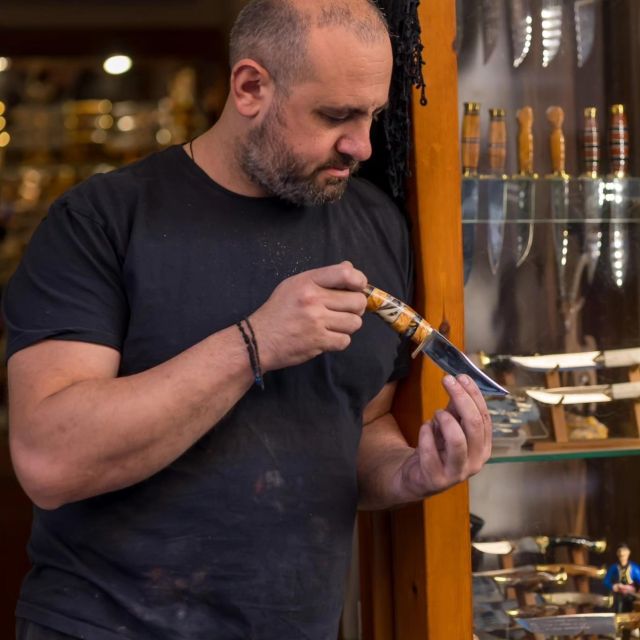
Book this artisan-and-sightseeing experience if you want a short, guided day that mixes food technique, local crafts, and Old Town photography help. This is a great first or early-day activity because it helps you understand the city’s “logic”: why certain places specialize in certain things, and what to look for as you explore later on your own.
You might want to skip it if you:
- don’t enjoy tasting tours or craft workshops
- need a lot of rest time during excursions
- prefer a purely monument-based sightseeing plan
If you like guided energy and thoughtful explanations, you’re likely to enjoy it. The guides named in past experiences, including Sofia and Olga, are consistently praised for being engaging and for going beyond basic facts with useful recommendations.
Should you book Chania Old Town: Artisans & Sightseeing Walking Tour?
I think you should book it if your ideal Chania afternoon (or morning) includes tasting, workshops, and a guide who helps you see Old Town in a more meaningful way than walking solo. The blend of phyllo-to-bougatsa (morning), craft-focused stops, museum context, and photo-ready guidance makes this feel like a “time-smart” experience for a limited stay.
Skip it if you’re mainly chasing landmark photos and you’d rather spend hours wandering without structure, or if walking through Old Town lanes is a deal-breaker for you.
If you’re deciding between morning and afternoon, make the call based on the food: go morning for phyllo and bougatsa, choose afternoon if you want the cheese tasting instead.
FAQ
How long is the Chania Old Town artisans and sightseeing walking tour?
It lasts 3 hours.
What is the meeting point for the tour?
Meet at Bougatsa Chania.
Is bougatsa included?
Yes—morning tours include Bougatsa of Chania.
What’s included if I join an afternoon tour?
The afternoon tour does not include bougatsa sampling and includes a cheese tasting option instead.
What other tastings are included besides bougatsa or cheese?
You’ll taste Cretan olive oil and thyme honey as part of the experience.
Are there coffee or tea tastings included?
Yes, coffee/tea is included.
What languages are available for the live guide?
The live tour guide is available in English, French, and Greek.
Is the tour wheelchair accessible?
The information says it is wheelchair accessible, but it also lists that it’s not suitable for people with mobility impairments.
What should I bring with me?
Bring comfortable shoes, sunglasses, a sun hat, and sunscreen.
Can I get a refund if my plans change?
Yes. There is free cancellation up to 24 hours in advance for a full refund.
More of Crete on Foot

More Tour Reviews in Chania



More of Chania Old Town

Fresh Off the Boat: Newest Crete Reviews


Chania Old Town, compared.
 ★ 4.4From Heraklion: Cruise to Balos Lagoon and Chania Old TownFrom $88526 reviews
 ★ 4.9Chania: Old Town Highlights Guided Tour with Street FoodFrom $106407 reviews
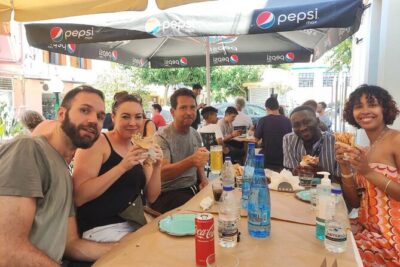 ★ 5.0Walking “Food tasting tour” in the town of ChaniaFrom $105297 reviews
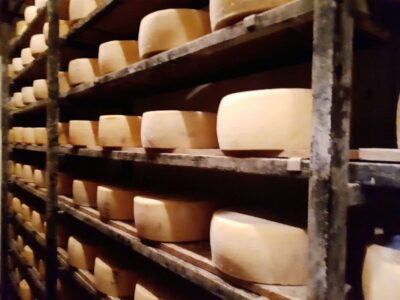 ★ 4.7Chania: 7 Villages of Apokoronas Tour with LunchFrom $135289 reviews
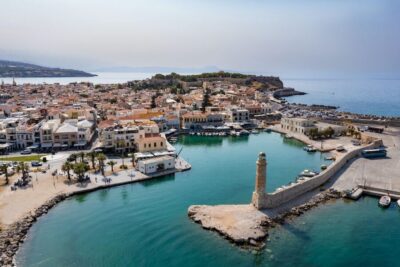 ★ 4.5From Heraklion: Chania Town, Kournas Lake, and Rethymno TourFrom $56288 reviews
 ★ 4.8Chania Town: Glass-Bottom Boat Cruise to Thodorou & LazaretaFrom $53285 reviews
 ★ 5.0The 7 Villages of Apokoronas Tour – Explore East Chania MainlandFrom $139178 reviews
 ★ 4.9Chania Old Port:Luxury Sunset Catamaran Cruise with ProseccoFrom $100177 reviews
Browse the lists this tour appears in