
Review · CHANIA OLD TOWN
CHANIA WALKING FOOD TOURS – 3 HOUR WALKING TOUR
Food tours work best when they teach you how to eat. This one turns Chania’s old markets into a guided walk through Cretan flavors and everyday life, led by The Hellenic Odyssey’s Stella.
I like two things right away: the 8 stops are tightly planned, and you get at least 15 tastings plus a traditional lunch, not just a couple of bites. You also come away with a clear sense of how Cretans eat, right down to the produce and the Mediterranean-diet story behind it.
One consideration: the tour includes several sweet stops (bougatsa, bakery samples, and loukoumades), so if you’re sensitive to sugar, pace yourself.
In This Review
- Key highlights worth marking on your mental map
- Meeting at Old Chania Market: where your appetite gets focused
- The 3-hour walking format: how you get variety without feeling rushed
- Greek coffee and bougatsa: setting the Cretan tone fast
- Bakery stops and Cretan sweets: more than sugar, it’s tradition
- Cheese tastings and Mediterranean diet lessons: why it tastes the way it does
- Produce traders and old traditional stores: seeing the food culture behind the food
- Lunch at a traditional Cretan restaurant: the meal that ties it all together
- Price and value: is $117 for 3 hours actually fair?
- Who should book this Chania food walk (and who should skip it)
- Practical tips so you enjoy every stop
- Should you book CHANIA WALKING FOOD TOURS with The Hellenic Odyssey?
- FAQ
- How long is the Chania walking food tour?
- What is included in the tour tasting experience?
- Where does the tour start?
- Is the tour guided, and what language is it in?
- What kind of foods and cultural stops can I expect?
- Is there a lunch included or is it just tastings?
- How much does the tour cost?
- What if I need to change plans?
- Can I reserve without paying right away?
- When can I go?
Key highlights worth marking on your mental map
- 8 stops, 15+ tastings packed into a relaxed 3-hour walk
- Stella’s guiding style focused on information and making sure everyone is part of the group
- Real Cretan variety: coffee, bougatsa, bakery goods, loukoumades, cheese, and seasonal produce
- Old-school market browsing at traditional stores, not just big “foodie” counters
- Lunch at a traditional Cretan restaurant that feels like part of the lesson, not an add-on
Keep wandering the Chania old town and harbour
- Walking “Food tasting tour” in the town of Chania
★ 5.0 · 297 reviews - Chania Town: Glass-Bottom Boat Cruise to Thodorou & Lazareta
★ 4.8 · 285 reviews - The 7 Villages of Apokoronas Tour – Explore East Chania Mainland
★ 5.0 · 178 reviews - Chania Old Port:Luxury Sunset Catamaran Cruise with Prosecco
★ 4.9 · 177 reviews
Meeting at Old Chania Market: where your appetite gets focused
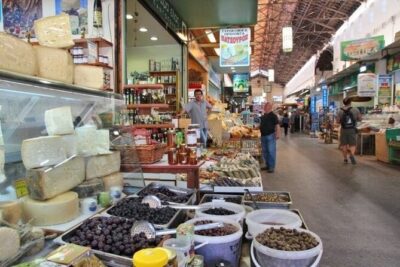
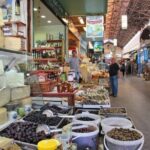
Your tour starts in Old Chania Market/Central Market Square at the Statue di Sofoklis Venizelos. It’s a smart place to begin because it’s already a working food hub, so the walk doesn’t feel like a scavenger hunt—it feels like you’re being guided through a real part of town.
Expect a live guide in English, and an interactive vibe where you’ll get commentary while you move. In a short experience like this, that matters. You don’t want long lectures. You want short, useful stories as you go, so each stop makes sense.
Also, I’d treat this as an “orientation for eating” session. If you book this early in your trip (when that’s possible), it helps you decode menus later. You’ll start recognizing what you’re looking at and why it tastes the way it does.
The 3-hour walking format: how you get variety without feeling rushed
This is a 3-hour walking tour, and the pacing is described as leisurely. That’s important in Chania, where streets and lanes can surprise you—tight corners, small squares, and lots of chances for the group to slow down naturally.
The structure is the real value. You’re not just visiting different places to collect photos. You’re moving through a sequence of food moments: coffee and pastry, bakery browsing, sweets, cheese, produce, then lunch. That rhythm keeps you from burning out on one type of food.
The stops also come with context. You’ll hear about the origins and health benefits of the Mediterranean diet, plus the Cretan way of life and eating habits. That turns “tasting” into learning. And learning sticks, even if you’re mostly there because your stomach is already making plans.
Greek coffee and bougatsa: setting the Cretan tone fast
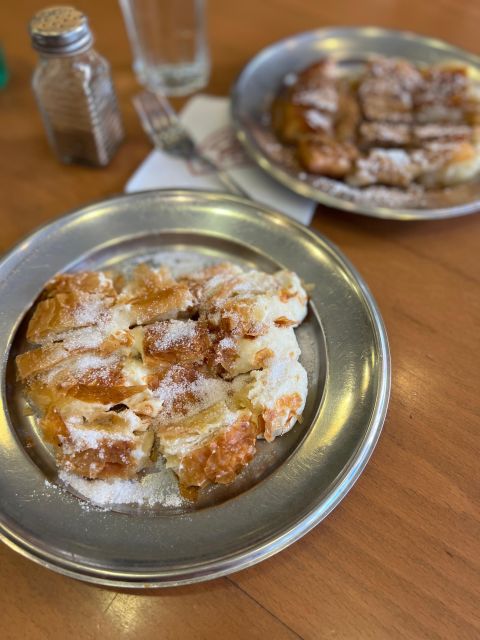
One of the first flavors you’ll run into is Greek coffee, paired with the famous Cretan bougatsa. This is a great starter combo because it’s both recognizable and still tied to local customs. Coffee kicks off the senses, and bougatsa gives you a real taste of what pastry can be when it’s part of daily life, not just dessert.
What I like here is the logic of the start. You get something warm and classic early, before the sweets and tastings start stacking up. It helps you settle in and understand the tour’s tone: casual, friendly, and rooted in local routines.
Also, bougatsa is one of those foods that makes it easy to ask questions. If you’re curious about what’s inside, how it’s served, and what makes a version Cretan, the guide’s commentary is built for that kind of curiosity.
Still hungry? More Cretan plates to graze
Bakery stops and Cretan sweets: more than sugar, it’s tradition
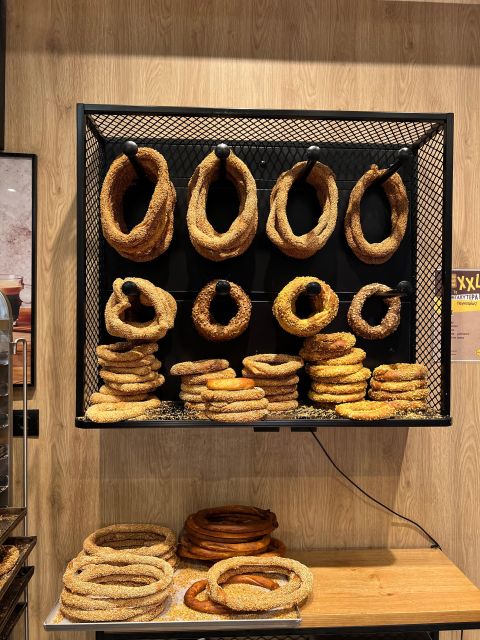
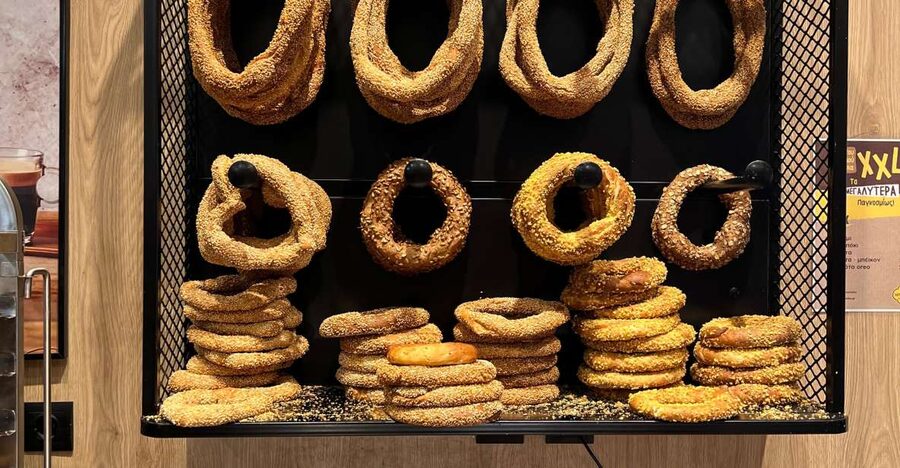
The tour includes time to browse a local bakery display of cakes and biscuits. That sounds small, but it’s a useful window into how Cretans think about treats—less like novelty and more like everyday comfort.
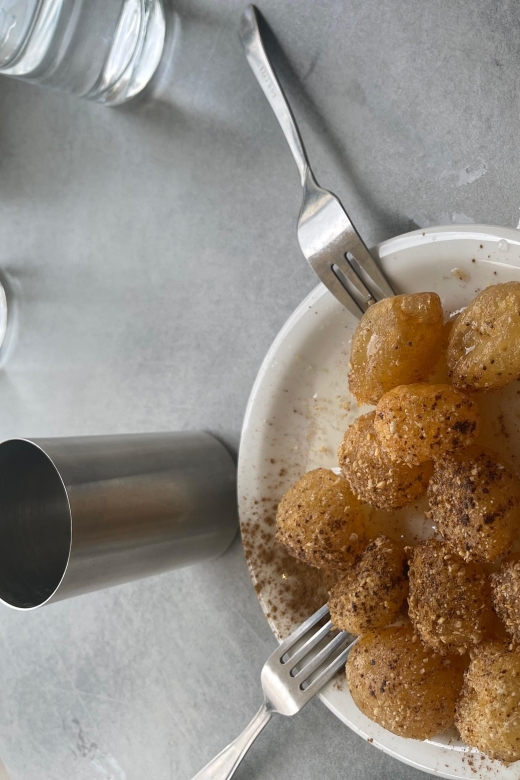
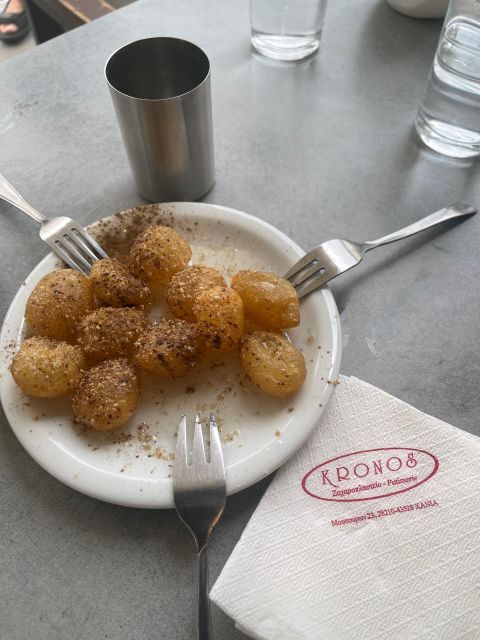
You’ll taste loukoumades, too. These are sweet, golden, and designed to be eaten fresh, which is why they fit this kind of tour so well. They’re not a “sit and wait” snack; they’re a quick food moment with a strong cultural identity.
Now, the practical catch: some folks find there are a few too many sweets. That doesn’t mean the tour is “too sweet” for everyone, but it does mean you should plan your appetite. If you already know you don’t do well with sugary desserts, take your time at each sample. Have water. And remember you’re also getting savory elements later, like cheese and produce-focused tastings.
Cheese tastings and Mediterranean diet lessons: why it tastes the way it does
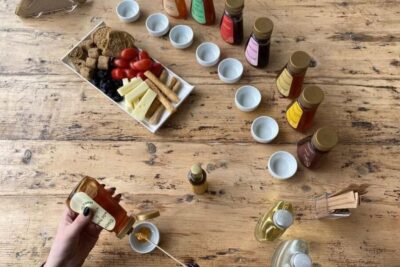
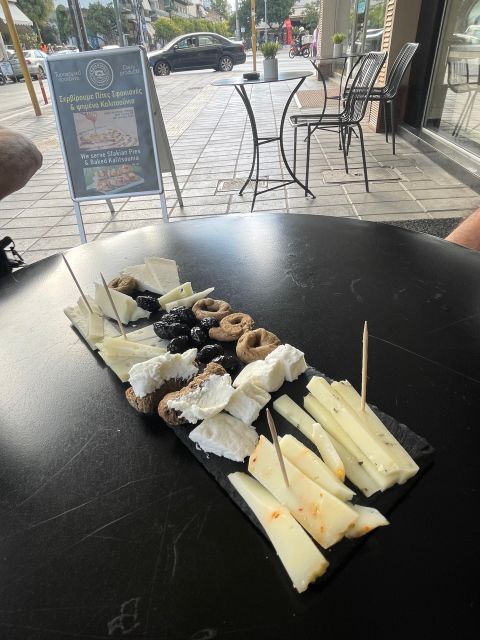
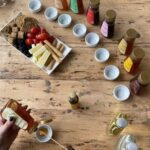
A highlight on this walk is cheese tasting. Cheese is a smart part of a Cretan food tour because it connects to land, farming, and daily eating habits. It also helps balance the pastry-and-sweets portion of the route.
This stop also connects to the broader included lesson: you’ll learn about the origins and health benefits of the Mediterranean diet. The idea isn’t presented like a nutrition lecture. It’s tied to what you’re eating and how Cretans structure meals—what shows up often, what shows up seasonally, and what’s considered normal.
For you, that’s the real payoff. After a tour like this, you don’t just have a list of foods you tried. You start understanding patterns. You begin to notice what’s likely to appear together: cheese with bread and simple sides, pastries for comfort, and produce that changes with the season.
Produce traders and old traditional stores: seeing the food culture behind the food
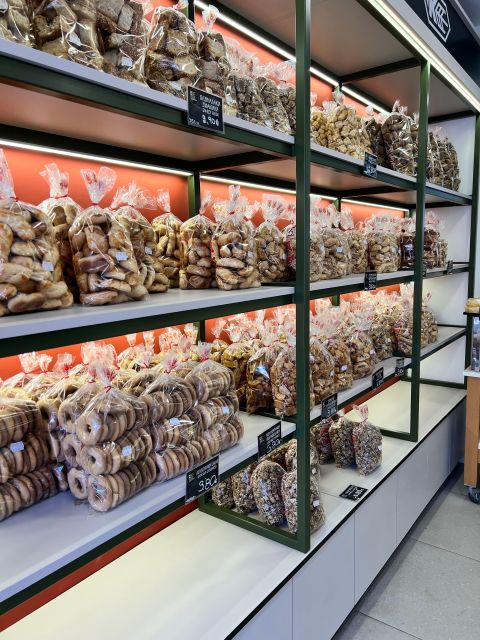
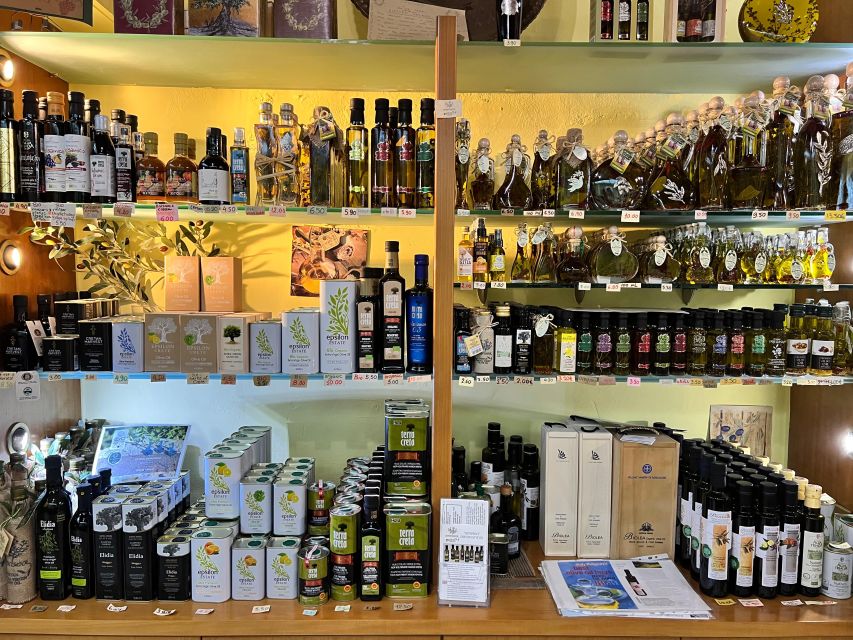
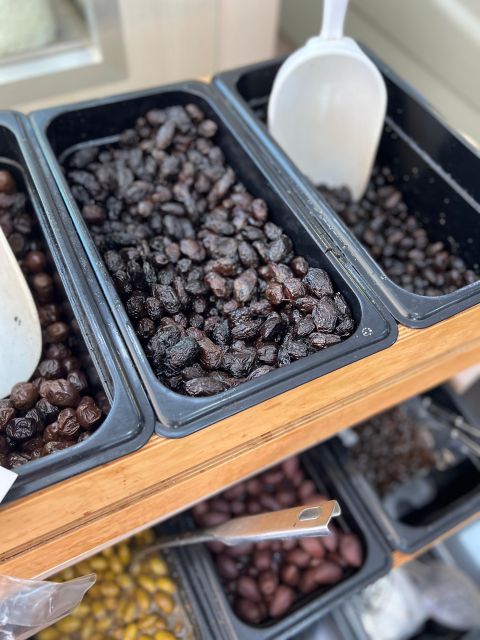
The tour includes time to view regional and seasonal produce from traders who are proud to share their knowledge. That’s a meaningful inclusion because produce is where “local” stops being a marketing word.
Seasonal fruit and vegetables shape menus in Crete in a way you can taste. If you’ve ever wondered why two places serve tomatoes that don’t taste the same, this is your answer in practical form—season and sourcing change flavor.
Along the way, you’ll also visit old traditional stores to learn about Cretan culture and heritage. That matters because it puts the tastings in context. Instead of treating food as isolated samples, you see how everyday commerce, family habits, and local pride all feed into what ends up on plates.
And one more useful detail: the walk includes backstreets and little-known pockets locals seem to know. Even if you’re not a “hidden alley” person, that kind of routing helps you avoid the most touristy loops. You get a better sense of where people actually go for daily food needs.
Lunch at a traditional Cretan restaurant: the meal that ties it all together
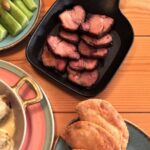
After all the walking and sampling, you’ll enjoy lunch at a traditional Cretan restaurant. This is where the tour earns its keep, because it turns snacks into a real meal.
Why that matters: tastings can be fun, but you don’t always leave knowing what a full Cretan meal feels like. Lunch does that. It gives you the chance to feel how the flavors work together, not just separately in small portions.
Based on the tour design, lunch likely feels like a continuation of the lesson, not a random break. You’re already primed by what you’ve tried—coffee, pastry, sweets, cheese—and now you can connect the dots with something more substantial.
Price and value: is $117 for 3 hours actually fair?
At $117 per person for a 3-hour walking tour, you should judge value by what’s included, not by what a basic “guide” would cost.
Here’s the value case:
- You get guided commentary throughout, so the experience has meaning, not just movement.
- You have 8 stops and at least 15 tastings, which is a lot of food time for a short outing.
- You also get lunch at a traditional Cretan restaurant.
- You learn about the Mediterranean diet origins and health benefits, plus Cretan eating habits and culture.
If you tried to recreate this on your own—coffee, pastries, bakery browsing, cheese tasting, produce shopping, plus a full lunch—you’d likely spend more once you factor in time, walking between places, and the lack of interpretation.
Also, the guide matters. Reviews highlight that Stella is excellent, friendly, and makes sure everyone is included. That kind of guiding turns “eating stops” into a coherent story. It’s one reason people rate this so highly.
If you’re a solo eater who loves structure and learning fast, this price can feel like good math.
Who should book this Chania food walk (and who should skip it)
This tour is a good fit if you want:
- A fast way to understand Cretan food culture in a few hours
- A guided introduction so you know what to order later
- A mix of sweet and savory tastes, with cheese and produce in the mix
- A friendly group atmosphere where it’s easy to ask questions
It’s not ideal if:
- You strongly dislike sweets. The route includes bougatsa, bakery samples, and loukoumades, so you may want to go light at each sweet stop.
- You prefer to design your own itinerary with zero structure. This is a planned sequence with commentary built in.
Practical tips so you enjoy every stop
Because this is a walking tour, wear comfortable shoes. Chania’s streets are worth exploring, but they’re not built for everyone to sprint between tastings.
Bring water if you run warm easily, and use it strategically at the sweet-heavy points. If you’re hungry (you probably are), remember there’s still lunch later, so take smaller bites during earlier tastings.
Finally, go into it curious, not picky. The best part of this kind of tour is learning what locals consider normal and worth sharing. If you treat it like a menu lesson, you’ll get more than calories out of the day.
Should you book CHANIA WALKING FOOD TOURS with The Hellenic Odyssey?
I think you should book this tour if you want a guided, taste-filled start to your Chania trip—especially if you like learning while you eat. With 8 stops, 15+ tastings, cheese, coffee, bougatsa, loukoumades, produce viewing, and lunch, it’s unusually packed for a 3-hour walk.
I’d hesitate only if you don’t do well with sweets, because the route leans dessert-friendly. If that’s you, you can still book, just plan to pace yourself.
FAQ
How long is the Chania walking food tour?
The tour lasts 3 hours.
What is included in the tour tasting experience?
It includes 8 stops with at least 15 tastings, plus Greek coffee, bougatsa, loukoumades, a cheese tasting, and lunch at a traditional Cretan restaurant. The tour also includes browsing a local bakery and viewing regional and seasonal produce.
Where does the tour start?
The meeting point is the Statue di Sofoklis Venizelos in Old Chania Market/Central Market Square, Chania.
Is the tour guided, and what language is it in?
Yes, it’s a live guided tour, and it is offered in English.
What kind of foods and cultural stops can I expect?
You can expect a mix of Cretan specialties and cultural stops, including traditional stores, a bakery display of cakes and biscuits, cheese tasting, and produce viewing.
Is there a lunch included or is it just tastings?
Lunch at a traditional Cretan restaurant is included.
How much does the tour cost?
The price is $117 per person.
What if I need to change plans?
There is free cancellation up to 24 hours in advance for a full refund.
Can I reserve without paying right away?
Yes, the option to reserve now & pay later is listed.
When can I go?
The duration is fixed at 3 hours, and you can check availability to see starting times.
More Tour Reviews in Chania


Eat Your Way Round Crete


More of Chania Old Town

Fresh Off the Boat: Newest Crete Reviews


Chania Old Town, compared.
 ★ 4.4From Heraklion: Cruise to Balos Lagoon and Chania Old TownFrom $88526 reviews
 ★ 4.9Chania: Old Town Highlights Guided Tour with Street FoodFrom $106407 reviews
 ★ 5.0Walking “Food tasting tour” in the town of ChaniaFrom $105297 reviews
 ★ 4.7Chania: 7 Villages of Apokoronas Tour with LunchFrom $135289 reviews
 ★ 4.5From Heraklion: Chania Town, Kournas Lake, and Rethymno TourFrom $56288 reviews
 ★ 4.8Chania Town: Glass-Bottom Boat Cruise to Thodorou & LazaretaFrom $53285 reviews
 ★ 5.0The 7 Villages of Apokoronas Tour – Explore East Chania MainlandFrom $139178 reviews
 ★ 4.9Chania Old Port:Luxury Sunset Catamaran Cruise with ProseccoFrom $100177 reviews
Browse the lists this tour appears in