
Review · CHANIA OLD TOWN
Chania Walking Food And Wine Night Tour
Chania hits different after dark. I like the way this walking food and wine tour strings tastings together with local stories, and I love the focus on Cretan products you can spot again later. The only catch: it’s a steady three-hour walk, and it isn’t a good fit if you have heart issues or need step-free routes.
You start at the Old Chania Market by the Statue di Sofoklis Venizelos and then follow a smooth route through the old town and the Venetian waterfront. If you’re lucky, you’ll get Stella—she’s repeatedly praised for being patient, kind, and great at explaining what you’re eating and seeing. By the end, you’re not just full of snacks; you get a proper old-town meal with raki.
In This Review
- Key things that make this night food tour worth it
- Old Chania at night: where you meet and how the route feels
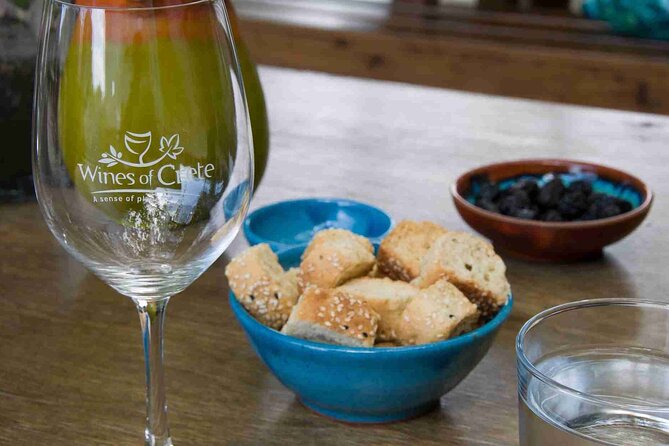
- Cheese, kalitsounia/sfakianopita, and wine: the core taste of Crete
- The 1950 zaharoplastia stop and loukoumades that end the walk happy
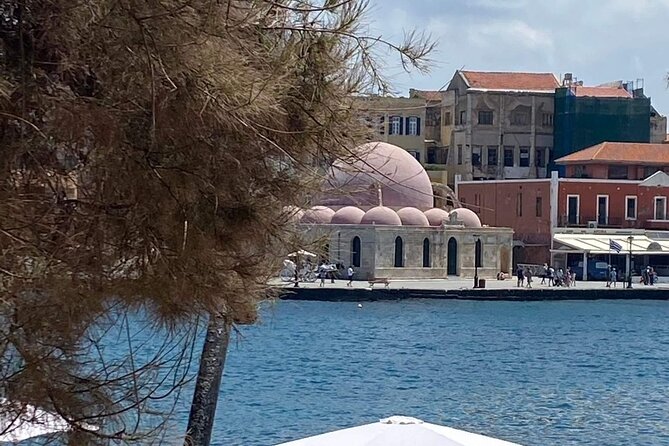
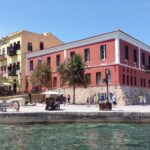
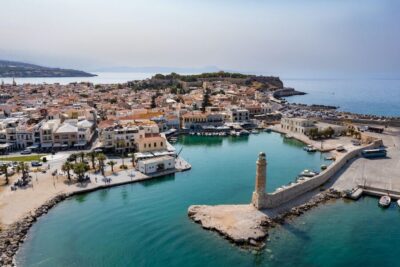
- Venetian port night walk: lighthouse and Yali Mosque after dark
- Olive oil, thyme honey, and tsikoudia: the stops most tours skip
- The old town finale: raki, dessert, and a proper sit-down feast
- Price and timing: does $141 feel like value?
- Who should book this private night tour, and who should skip it
- Should you book the Chania Walking Food And Wine Night Tour?
- FAQ
- How long is the Chania walking food and wine night tour?
- What’s included in the food and drink tastings?
- Where does the tour start?
- What language is the tour guide speaking?
- Is this tour private?
- Is the tour suitable for wheelchair users or people with heart problems?
Key things that make this night food tour worth it
- Cretan cheese tasting with a real wine pairing so you taste, then understand what you’re tasting
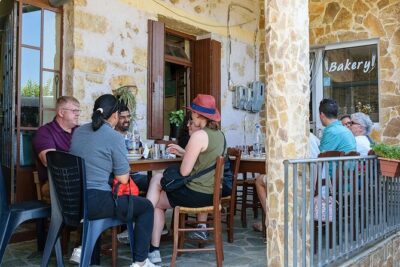
- Kalitsounia/sfakianopita plus wine in a cozy restaurant stop that feels local, not staged
- A zaharoplastia built in 1950, where loukoumades are the star
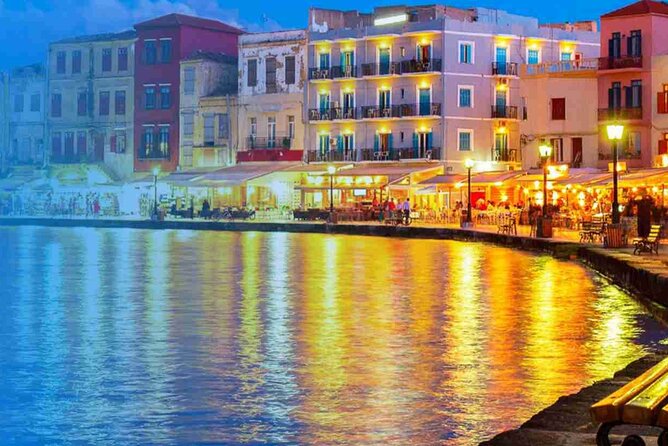
- Iconic Venetian harbor views at night, including the lighthouse and Yali Mosque
- More than wine: olive oil, thyme honey, and tsikoudia show up during the walk
- A sit-down finish in the old town with wine, beer, dessert, and raki
Keep wandering the Chania old town and harbour
- Walking “Food tasting tour” in the town of Chania
★ 5.0 · 297 reviews - Chania Town: Glass-Bottom Boat Cruise to Thodorou & Lazareta
★ 4.8 · 285 reviews - The 7 Villages of Apokoronas Tour – Explore East Chania Mainland
★ 5.0 · 178 reviews - Chania Old Port:Luxury Sunset Catamaran Cruise with Prosecco
★ 4.9 · 177 reviews
Old Chania at night: where you meet and how the route feels
The meeting point is easy to find once you’re oriented: the Statue di Sofoklis Venizelos in Old Chania Market/Central Market Square. This matters because the tour moves at night through narrow lanes, so you’ll want to start calmly rather than sprinting to catch up.
The walking pace is described as leisurely, and the plan is built for a 3-hour evening flow: a couple of tastings, a sweet stop, a harbor walk, then a final meal. I like this structure because it avoids the two extremes—either rushing from place to place, or sitting only in restaurants with no sense of the city. Here, you get food breaks and “look-and-learn” moments between them.
One practical point: if you’re driving, especially in busier months like August, plan extra time. Parking in central Chania can get packed, and being late is stressful. If you show up early, the whole evening feels easier.
Cheese, kalitsounia/sfakianopita, and wine: the core taste of Crete
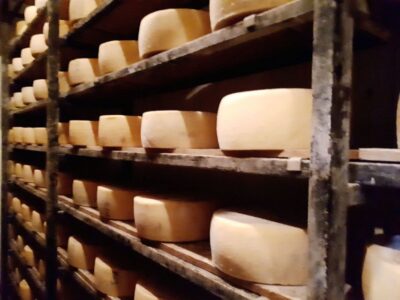
This tour’s heart is the food tastings, and the first big “why” is the Cretan cheese tasting. Instead of just naming cheeses, the experience is set up so you sample local varieties and then connect them to the way Crete cooks and drinks. It’s the kind of start that helps you taste with more confidence later—even if you’re not a cheese expert.
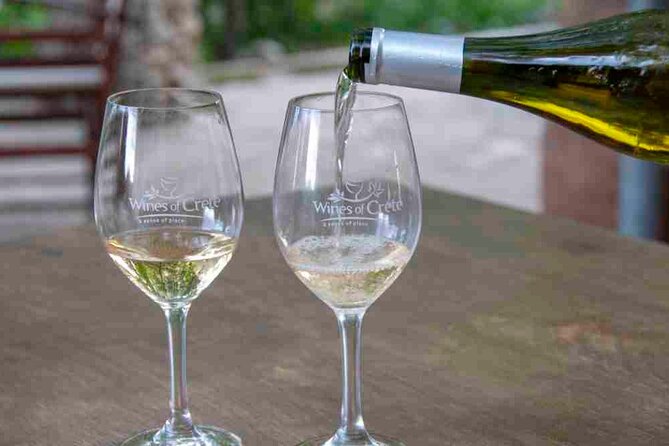
From there, you head into kalitsounia/sfakianopita territory, served with a glass of wine in a cozy restaurant setting. This is smart for two reasons. First, those pastries (or savory pies, depending on what you’re used to) are familiar enough to enjoy quickly. Second, the wine pairing turns the stop into a lesson: you’re not just eating, you’re learning how Cretans think about balancing flavors.
One detail that helps this meal-moment feel more authentic: you’re visiting well-known traditional spots where food is the center of the conversation. The vibe is that a local host is guiding you, not handing you a script. If you care about eating like a local (and not like a checkmark tourist), this is where the tour delivers.
The 1950 zaharoplastia stop and loukoumades that end the walk happy
At some point, most wine-and-food walks in Europe tempt you with “just one bite.” This one goes for a full sweet payoff with loukoumades from a zaharoplastia established in 1950. Zaharoplastia are traditional candy shops, and in Crete that history still shows up in the way sweets are made and sold. When you see that kind of longevity, it’s easier to trust what you’re eating.
Loukoumades are one of those treats that can taste simple until you actually have the real thing. Here, they come as a distinct stop, so you get a break from salt-and-sip and shift to something warm, sticky, and satisfying. It’s also a nice pacing tool: after savory pastries and cheese, the sweet stop keeps the evening from feeling heavy.
If you’re the type who likes to understand food culture, this is a good moment to ask your guide what makes the shop’s approach different and how loukoumades fit into daily or festival life in Crete. Your guide can connect the dots while you taste.
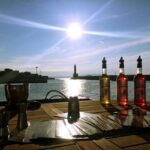
One more pour of Cretan wine and raki
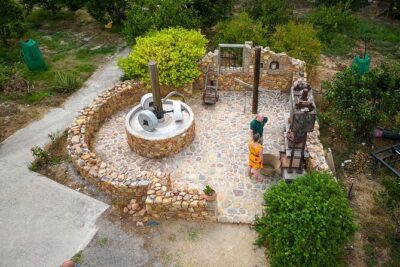
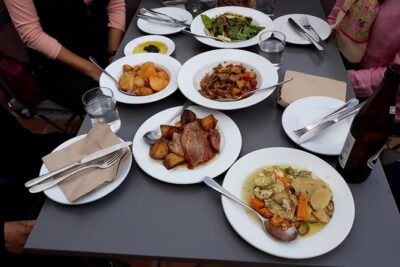
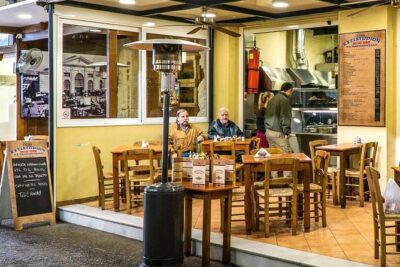
Venetian port night walk: lighthouse and Yali Mosque after dark
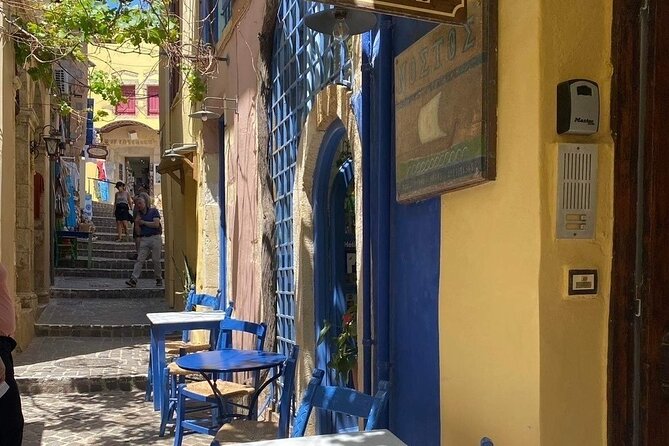
Between tastings and sweets, you get a real walking section through Chania’s old-town layout—especially the route that takes you through the fountain square entrance and then along the Venetian port.
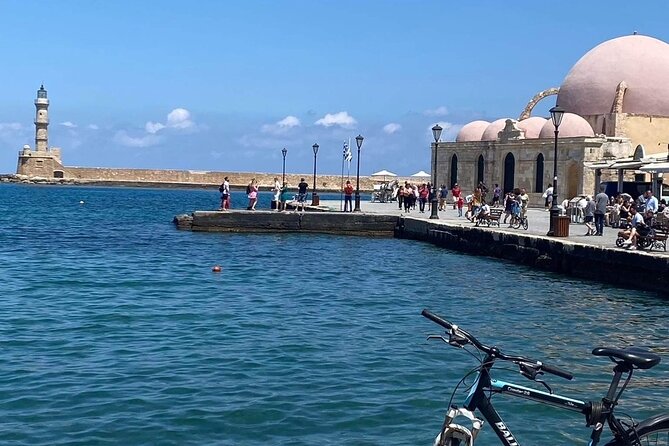
This part matters because it stops the tour from being only about eating. You’ll walk past the lighthouse and the Yali Mosque, and you’ll do it after the day crowds thin out. Night gives you a slower pace for looking, and the port area is the right kind of scenic: iconic but not locked behind a museum ticket.
The key benefit here is context. When you’re eating Cretan food, it helps to also understand the city’s maritime connections and the mix of influences that shaped the harbor. Even if you only catch a few stories, the walk makes those stories feel grounded in place.
The only downside is physical: the evening includes walking through areas where surfaces may be uneven and streets narrow. Wear comfortable shoes and expect some steps. If you’re traveling with mobility limitations, this is one part of the tour you’ll want to think through carefully.
Olive oil, thyme honey, and tsikoudia: the stops most tours skip
A lot of “food tours” focus on just carbs plus wine. This one adds the supporting cast that makes Cretan flavors feel different: extra virgin olive oils, infused honeys (like thyme honey), and distilled spirits such as tsikoudia.
This is valuable because it broadens what you consider a taste souvenir. You won’t just remember pastries—you’ll remember flavors you can actually buy and bring home. Thyme honey is a great example: it’s the kind of ingredient that makes a simple bite feel like a full experience. Olive oil tasting also changes how you think about meals. Once you’ve tasted it in a structured way, it’s easier to judge what’s good when you’re shopping later.
Tsikoudia (a Cretan spirit) is another differentiator. It’s not just about alcohol; it’s a window into local drink culture—how people sip and share after meals. If you enjoy spirits, this stop helps you avoid the feeling of being handed a token pour.
The old town finale: raki, dessert, and a proper sit-down feast
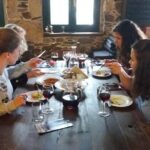
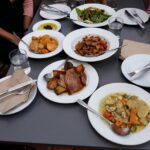
The tour doesn’t end with a final tasting on the street. It finishes at a traditional Cretan restaurant in the old town, where you get a feast featuring wine, beer, dessert, and raki. This matters for two reasons.
First, it turns the tour into a real dinner plan. You won’t need to scramble for food afterward, and you’ll leave with the comfort of having eaten a full meal. Second, the setting in the old town helps everything feel coherent: you started with market energy, moved through tastings and a waterfront walk, then settled into a place designed for lingering.
Dessert is included, and raki is part of the finish. If you’re the kind of eater who hates “sweet but not enough,” you’ll likely appreciate that the ending is full rather than symbolic.
One practical tip: since tastings add up quickly, don’t plan a big late-night snack afterward. Save room for the finish, and you’ll enjoy it more.
Price and timing: does $141 feel like value?
At $141 per person for a 3-hour evening, this tour is priced for a guided, multi-stop food-and-drink experience—not a casual stroll.
What you’re paying for is more than walking and commentary. You’re also getting:
- Cheese tasting
- Kalitsounia/sfakianopita with wine
- Loukoumades at a traditional shop dating to 1950
- Sampling of olive oils, thyme honey, and tsikoudia
- A final restaurant feast with wine, beer, dessert, and raki
When the package includes multiple tastings plus a sit-down meal, the math usually works better than buying everything à la carte. Even if you only like certain items, you still get enough variety to discover what you want to repeat when you’re on your own.
The “value” also shows up in time. Instead of spending your evening researching where to eat and then paying for each stop, you get a guided sequence that keeps you moving at a human pace while still eating enough to feel satisfied.
Who should book this private night tour, and who should skip it
This is a strong match if you want:
- A night-time way to experience Old Chania
- Food culture that goes beyond one signature dish
- A guide to help you connect flavors—cheese, pastry, sweets, olive oil, honey, and spirits
- A plan that doubles as dinner
It’s also a good fit for couples and small groups because it’s listed as a private group. That tends to make the experience more conversational and easier to shape to your pace.
It may not be the right call if you:
- Need wheelchair access or step-free routing (it’s listed as not suitable for wheelchair users)
- Have heart problems or other health limits where prolonged walking or pacing is an issue
Should you book the Chania Walking Food And Wine Night Tour?
If you want a 3-hour evening that leaves you full, not just “tasted a little,” I’d book it. The combination of multiple tastings, a 1950 zaharoplastia sweet stop, and the Venetian harbor walk gives you both food satisfaction and genuine city atmosphere.
I’d especially consider it if you’re short on time in Chania or if you’d rather let someone else handle the restaurant choices and route planning. And if you like your guide doing more than pointing, you’ll likely enjoy this format—especially if you meet Stella, who’s been praised for being patient and for explaining the scene clearly.
FAQ
How long is the Chania walking food and wine night tour?
It lasts 3 hours.
What’s included in the food and drink tastings?
You get Cretan traditional cheese tasting, kalitsounia/sfakianopita with wine, loukoumades at a zaharoplastia established in 1950, plus samples that include extra virgin olive oil, infused honeys (like thyme honey), and tsikoudia. The tour also ends with a feast including wine, beer, dessert, and raki.
Where does the tour start?
The meeting point is the Statue di Sofoklis Venizelos in Old Chania Market/Central Market Square, Chania.
What language is the tour guide speaking?
The tour guide speaks English.
Is this tour private?
Yes, it’s listed as a private group.
Is the tour suitable for wheelchair users or people with heart problems?
No. It’s listed as not suitable for wheelchair users and for people with heart problems.
Eat Your Way Round Crete


Crete by the Glass
More of Chania Old Town

Fresh Off the Boat: Newest Crete Reviews


Chania Old Town, compared.
 ★ 4.4From Heraklion: Cruise to Balos Lagoon and Chania Old TownFrom $88526 reviews
 ★ 4.9Chania: Old Town Highlights Guided Tour with Street FoodFrom $106407 reviews
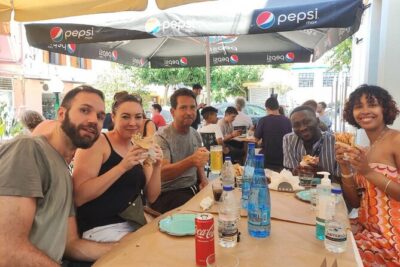 ★ 5.0Walking “Food tasting tour” in the town of ChaniaFrom $105297 reviews
 ★ 4.7Chania: 7 Villages of Apokoronas Tour with LunchFrom $135289 reviews
 ★ 4.5From Heraklion: Chania Town, Kournas Lake, and Rethymno TourFrom $56288 reviews
 ★ 4.8Chania Town: Glass-Bottom Boat Cruise to Thodorou & LazaretaFrom $53285 reviews
 ★ 5.0The 7 Villages of Apokoronas Tour – Explore East Chania MainlandFrom $139178 reviews
 ★ 4.9Chania Old Port:Luxury Sunset Catamaran Cruise with ProseccoFrom $100177 reviews
Browse the lists this tour appears in