
Review · HERAKLION CITY & MUSEUMS
12 Tastings of Heraklion city – walking culture tour
Heraklion tastes like a story you can walk. This 2-hour city-center tasting tour blends 12 Cretan food stops with sights like Venetian walls and central squares, all guided by a local expert.
I especially like the mix of sweet and savory so you never feel stuck with one flavor lane, and the raki-and-wine options are paced into the route instead of dumped all at once.
The only real catch is that it’s a tasting format with no lunch, and alcohol is part of the experience, so plan to eat beforehand if you’re not drinking.
In This Review
- Key highlights you’ll feel fast
- Entering Heraklion by food, not a checklist
- Your starting point: Capsis Astoria and a 11:30 start
- The small-group size that actually changes the experience
- The walk through the historic center: where the stories live
- Stop-style tasting: sweet starts, then savory clarity
- Bougatsa and coffee to kick things off
- Kalitsounia and fruit for balance
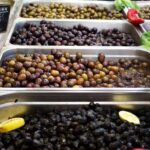
- Cheese, olives, and olive oil: the real Cretan backbone
- Cretan cheeses and olive types
- Light olive oil tasting
- Dakos and paximadi: the snack-meets-meal moment
- Dakos: rusk, toppings, and flavor layering
- Paximadi (traditional rusk bread)
- The herbal drink and the meat stop: a smart rhythm
- Raki, Tsikoudia, and the flavor world of Cretan spirits
- Where the standout guide experience shows up
- Price and value: what $167.85 buys you
- Who should book this Heraklion food-walk?
- Final verdict: book or skip?
- FAQ
- FAQ
- How long is the Heraklion city walking culture tour?
- How many people are in the group?
- Where does the tour start and end?
- What time does the tour start?
- What food and drinks are included?
- Is lunch included?
- Do you taste raki and wine?
- Is the tour suitable for most travelers?
- Can I cancel for a full refund?
Key highlights you’ll feel fast
- Up to 12 people means you actually get time to ask questions, not just follow a crowd.
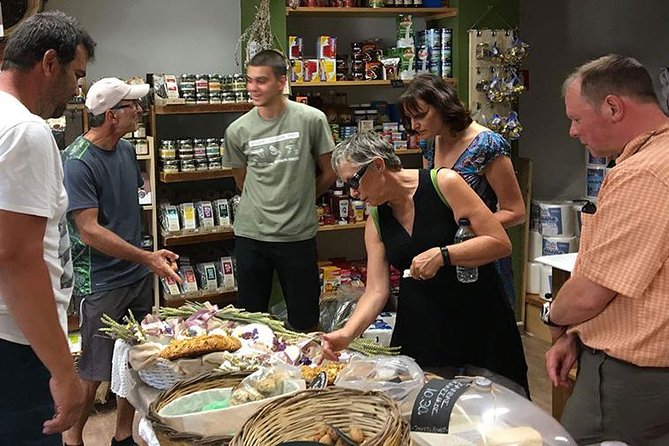
- 12 tastings cover classic Cretan staples like olive oil, cheeses, olives, dakos, and pastries.
- Coffee + street-level walking keeps it fun and low-stress, tied to Heraklion’s old-town streets.
- Raki tasting moments (plus options like rakomelo and soumada) give you a clear picture of local drinking culture.
- Old-city landmarks on the route include Lions Square and the cathedral area, so your food has a backdrop.
More of Heraklion, its museums and old streets
- Chania/Rethymno: Knossos Palace & Heraklion City Tour
★ 4.3 · 152 reviews - Knossos & Archaeological Museum Shared Guided Tour from Chania
★ 5.0 · 41 reviews - Knossos Palace & Heraklion City Tour
★ 4.0 · 37 reviews - Knossos Palace & Archaeological Museum Private Tour
★ 4.8 · 23 reviews
Entering Heraklion by food, not a checklist
If you want Heraklion to make sense quickly, this is a strong move. You’re not just eating randomly—you’re walking through the historic city center while a guide explains what you’re tasting and why it matters in Crete.
The tour’s structure is simple: short walks, frequent stops, and a steady flow of bites. In about two hours you get a “starter pack” of Cretan flavors, from pastries to cheese to grilled meat, plus the local drinks that go with them.
Your starting point: Capsis Astoria and a 11:30 start
You meet at Capsis Astoria Heraklion, on Plateia Eleftherias (11:30 am). The end is back at the same meeting spot, which is convenient if you’ve got another plan after lunch-or-late-morning wandering.
Because you’re starting in the center, you don’t burn time on complicated transfers. It also helps you “lock in” your bearings fast: you’re immediately working your way through the core areas of Heraklion instead of saving them for later.
One practical plus: the tour is described as near public transportation, so even if your timing is slightly off, getting there is usually manageable.
The small-group size that actually changes the experience
This tour caps at 12 travelers. That size matters. With a group this limited, your guide can slow down when someone needs a question answered or when a stop requires a bit more explanation than a quick “try this” handoff.
It also makes the tasting flow easier to manage. You’re moving at a human pace through streets that are better explored on foot, especially around the older, landmark-heavy parts of town.
More of Crete covered on foot
The walk through the historic center: where the stories live
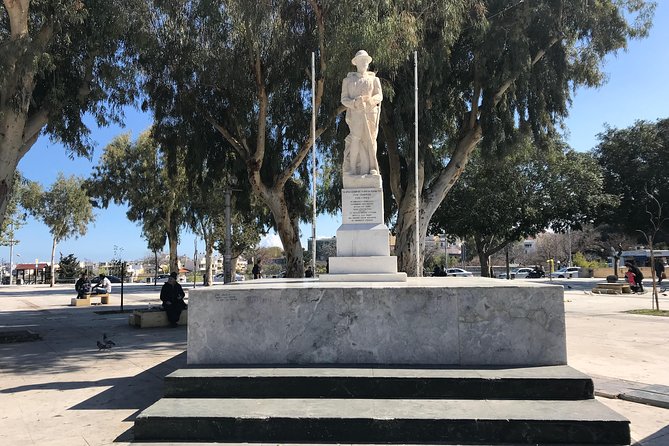
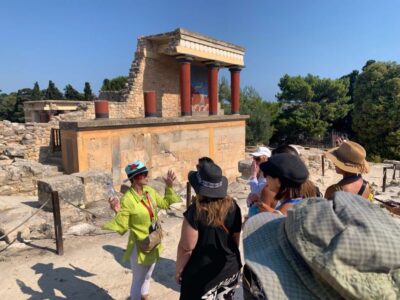
Right away, you’re placed in the context of Heraklion’s cultural identity. You’ll head into the historic city center and learn about connections tied to famous Cretans, including the birthplace of El Greco and Nikos Kazantzakis.
You also get references to local myth and legend—like the idea that the 7th labor of Hercules was performed here. Even if you don’t care about mythology, these story threads give the city a spine. You start to recognize why certain streets and buildings feel important rather than just pretty.
As you go, your route also ties into landmark areas such as:
- Venetian Walls
- Lions Square
- Saint Titos Cathedral
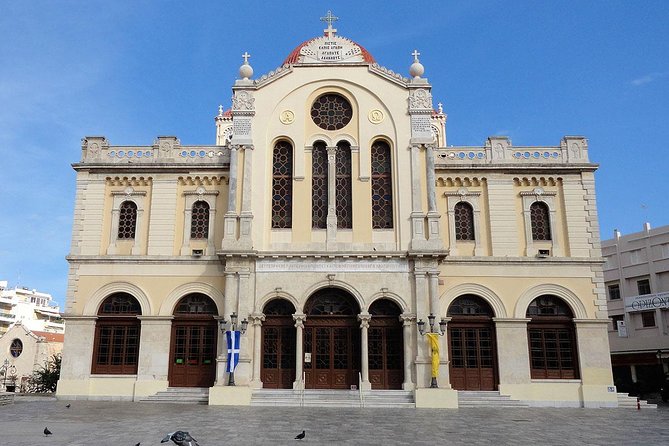
- Agios Minas Cathedral
You’re not doing a museum marathon. It’s more like a guided “what am I looking at and why does it matter” walk, with food built around the route.
Stop-style tasting: sweet starts, then savory clarity
The tour uses a classic strategy: begin with something comforting, then build toward bolder flavors. That’s why the opening tends to feel friendly and easy, even if you’re new to Cretan cuisine.
Bougatsa and coffee to kick things off
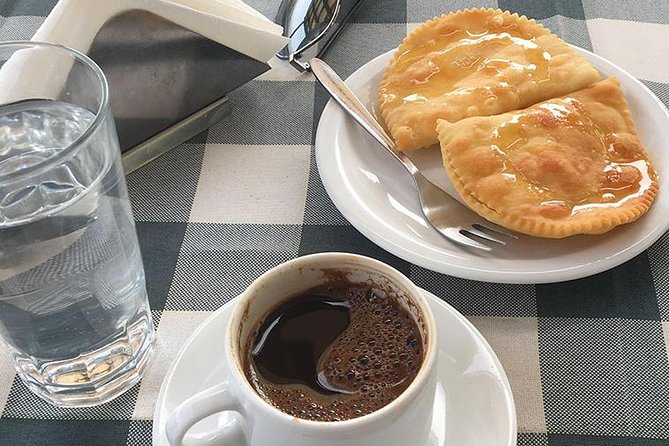
You’ll get bougatsa, a Cretan go-to pastry that’s often filled and baked until it has that creamy, custardy feel. It’s a smart opener because it’s recognizable, satisfying, and not heavy enough to stop you from enjoying the next bites.
Then comes coffee—described as Greek coffee and also referenced as Turkish-style coffee. Either way, it’s the kind of stop that slows you down in a good way. You get a palate pause between sweet and savory tastings, plus a small taste of how locals handle breaks during the day.
Kalitsounia and fruit for balance
As you move along, you’ll run into kalitsounia, another beloved Cretan pastry. Expect it to feel lighter than a deep, heavy dessert, and it often makes a good bridge toward cheese and herb flavors.
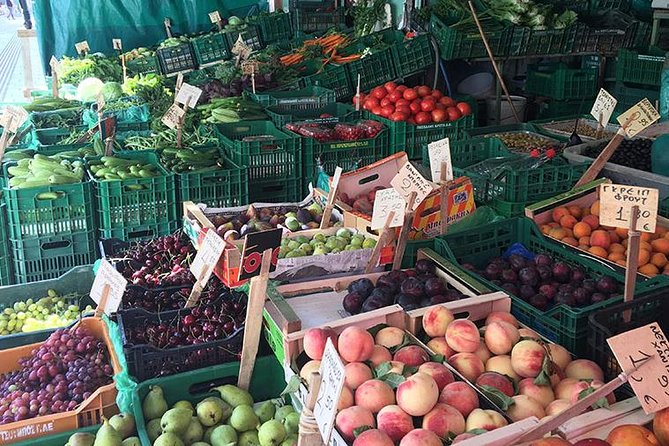
You’ll also see fresh fruits in the lineup. This matters more than it sounds. Fruit isn’t just “extra”—it keeps the sequence from turning monotonous when the tour includes multiple cheeses and olive-based bites later.
Cheese, olives, and olive oil: the real Cretan backbone
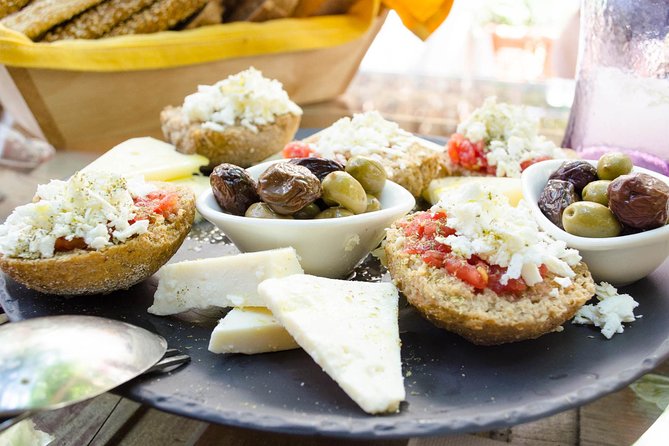
When people think of Crete, cheese and olives are usually near the top for a reason. On this tour, those aren’t one-off tastes. You’re guided through multiple varieties so you understand the range.
Cretan cheeses and olive types
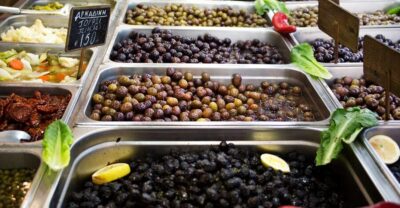
You’ll sample types of cheese, and you’ll also try types of olives. The key value here is contrast: different cheeses have different textures and salt levels, and olives can vary from mild to more assertive.
A guide explanation helps you go from “I like this” to “I know what I’m liking.” That’s how a tasting tour becomes useful after you finish it—because later, you can order the right thing in a shop or tavern.
Light olive oil tasting
You’ll also get light olive oil tasting. Olive oil can be hard to judge if you’ve only had it in cooking. A dedicated tasting helps you pay attention to aroma and bite—like whether it feels peppery, grassy, or round.
If you’re buying gifts, this is where you’ll get your bearings. You’ll know what to look for beyond just a brand name.
Dakos and paximadi: the snack-meets-meal moment
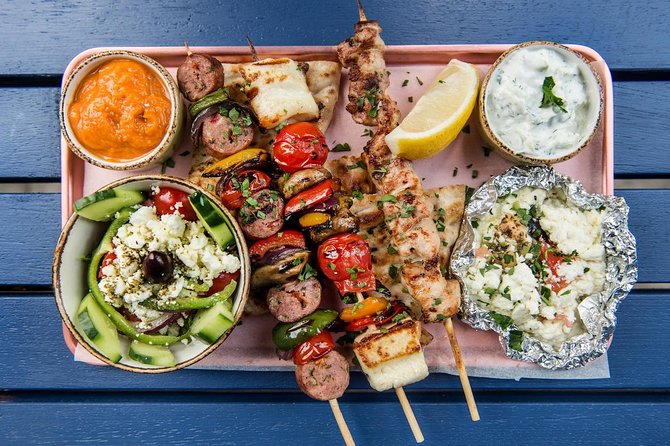
Two staples show up here that help you understand how Cretans build simple food without fuss.
Dakos: rusk, toppings, and flavor layering
You’ll taste dakos, which is based around rusk and topped with flavors that are typically strong and satisfying. It’s a great middle-course bite because it’s savory and textured, and it keeps you from feeling like the tour is only about sweets.
Paximadi (traditional rusk bread)
You’ll also get paximadi, another traditional rusk-style bread. These breads are built for eating with spreads and toppings, so they fit perfectly with a walking tour where you need food that holds up and travels well.
The herbal drink and the meat stop: a smart rhythm
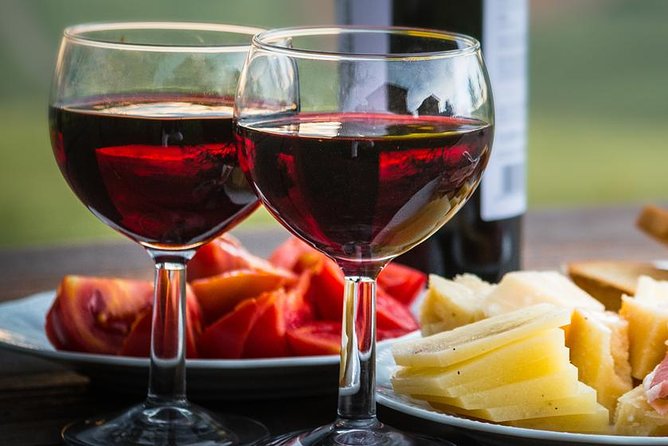
Not every taste on the tour is built for the alcohol-forward crowd. You’ll get a traditional herbal drink (non alcoholic), which is a nice reset point. It gives your palate something aromatic without raising the “buzz level.”
Then the tour shifts into heartier territory with souvlaki. This is the kind of stop that feels like a reward for your walking—grilled, savory, and very aligned with what you’d find at a local taverna.
If you’re the type who likes to eat in layers—light, then rich—this pacing will work for you.
Raki, Tsikoudia, and the flavor world of Cretan spirits
One of the most memorable parts of this tour is the local drink culture. You’ll taste raki (or tsikoudia), and the included tastings also mention options like rakomelo and soumada.
Here’s why that matters: on Crete, these spirits aren’t just something you drink to get drunk. They show up with snacks, conversation, and a slower pace. This tour gives you an entry point, not a lecture.
You’ll also see raki meze included, which is the idea of pairing the drink with small bites. If you want to understand the local pattern—drink, snack, chat—this is one of the best ways to get it.
And yes, wine is part of the tasting set. So even if raki isn’t your first choice, you’ll still have a local wine moment to connect with the food.
Where the standout guide experience shows up
A high rating makes sense here because the tour centers on the guide and the quality of explanation. One past guest called out Eri by name, praising the guide as excellent and noting the good pacing for savoring the treats through Heraklion.
What that signals for you: you’re not stuck receiving generic food descriptions. The tour is built around helping you connect taste to place, so you leave with a better sense of what to order later.
Price and value: what $167.85 buys you
At $167.85 per person, this isn’t a bargain-basement snack crawl. It’s more like a guided tasting evening compressed into a two-hour window.
So is it worth it? Here’s the value math that matters:
- You’re getting 12 tastings (multiple sweets, savory bites, cheese/olive/olive-oil style tastings, plus drinks).
- The local expert English-speaking guide is included.
- Alcoholic tastes are included (raki/tsikoudia and wine), which often adds cost on food tours.
- You’re paying for organization: the stops are set up so you don’t have to guess which bakery or shop is best.
Where the price might feel steep is if you’re a light eater or you strongly prefer meals over repeated samples. In that case, you might end up wanting more actual food volume—which is where not having lunch can matter.
But if you want a concentrated taste of Cretan staples plus context in a walkable route, the pricing usually lands in the “fair” zone for what’s included.
Who should book this Heraklion food-walk?
This tour fits best if you:
- Are in Heraklion for a short time and want a fast food-and-culture orientation.
- Like guided tasting formats where the guide helps you learn while you eat.
- Want a mix of sweet pastries, cheese/olive flavors, and grilled bites, not just one category.
- Prefer small groups and a route that includes recognizable sights like Venetian walls and Lions Square.
It might be less ideal if you:
- Want a full meal (again: lunch isn’t included).
- Don’t want alcohol involved. The tour does include raki/tsikoudia and wine, even if you can generally manage how much you take.
Final verdict: book or skip?
Book this if you want a two-hour introduction to Cretan food that also helps you “read” the streets of Heraklion—Venetian Walls, Lions Square, and the cathedral area become part of your tasting story, not just background scenery. The small-group size and the structured sequence of sweet, savory, cheese/olive flavors, and local drinks make it feel efficient and fun.
Skip it if you’re coming hungry for a full sit-down lunch or you’re trying to avoid alcohol completely. In that case, you’d probably get more value with a meal-focused plan.
FAQ
FAQ
How long is the Heraklion city walking culture tour?
The tour is about 2 hours.
How many people are in the group?
The group is limited to a maximum of 12 travelers.
Where does the tour start and end?
It starts at Capsis Astoria Heraklion, Plateia Eleftherias, Iraklio 712 02, Greece, and ends back at the same meeting point.
What time does the tour start?
The start time is 11:30 am.
What food and drinks are included?
The included tastings cover items such as bougatsa, kalitsounia, cheeses, olives, fresh fruits, dakos, paximadi, local refreshments, Greek coffee, and Cretan herbs and teas, along with raki/tsikoudia, rakomelo, soumada, raki meze, and wine.
Is lunch included?
No, lunch is not included.
Do you taste raki and wine?
Yes. Raki or tsikoudia is included, and wine is also included among the tastings.
Is the tour suitable for most travelers?
It’s described as suitable for most travelers.
Can I cancel for a full refund?
Yes. You can cancel up to 24 hours in advance for a full refund. If you cancel less than 24 hours before the start time, you won’t get a refund.
More of Crete on Foot


More Tour Reviews in Crete



Heraklion, Room by Room


Fresh Off the Boat: Newest Crete Reviews


Heraklion City & Museums, compared.
 ★ 4.4Heraklion Area: CRETAquarium Admission TicketFrom $92,055 reviews
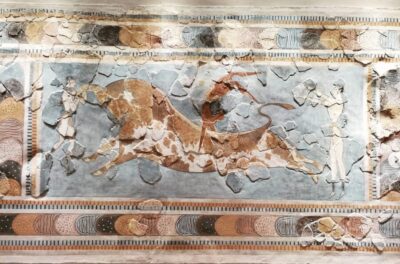 ★ 4.3Heraklion Archaeological Museum Ticket & Audio GuideFrom $33396 reviews
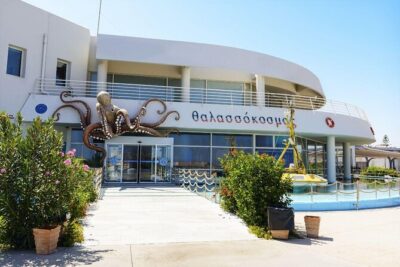 ★ 4.0CRETAquarium Entrance Ticket in CreteFrom $9359 reviews
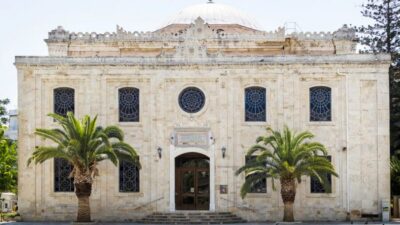 ★ 4.4From Heraklion: Historical Center City Tour & Knossos PalaceFrom $47340 reviews
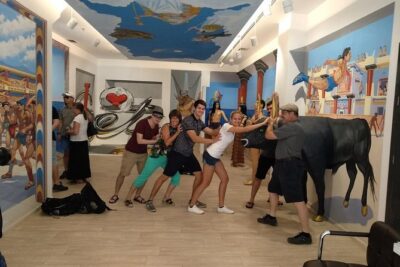 ★ 4.5Minoans World 3D Museum & 9D CinemaFrom $24315 reviews
 ★ 4.4From Rethymnon: Day Trip to Knossos Palace & Heraklion CityFrom $25216 reviews
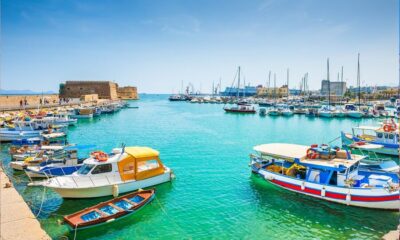 ★ 4.5Day Trip To Heraklion City Center & Market & CretAquariumFrom $23205 reviews
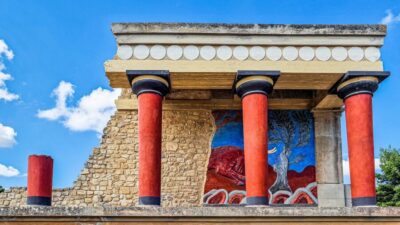 ★ 4.2Knossos Palace, Heraklion City, Market Guided TourFrom $41164 reviews
Browse the lists this tour appears in