
Review · CRETAN FOOD TASTINGS
Pottery – Honey & Olive Oil experience
Food lovers get their hands dirty. This private day blends olive oil mills, honey tasting, and a hands-on ceramics session in Margarites, then caps it with Arkadi Monastery. I especially like how the day mixes real production (mills and lab) with making something with your own hands. One heads-up: the included English service is a driver, not a full-time tour guide, so the depth of explanations can vary.
The flow is simple: pickup in the Heraklion or Rethymno area, then several focused stops with about an hour at each. I like that admission tickets are included for the main experiences, plus you get bottled water and an air-conditioned vehicle for the riding part. If you’re craving a lot of storytelling during the drive, plan to ask questions—or consider adding a guide separately.
This works best as a “do something” day, not a long sightseeing slog. If you want a relaxing pace with practical, edible, and craft-based stops, you’ll probably enjoy it. If your priority is hours of monument time and museum-style lectures, you may feel the day is more production-and-craft than deep history.
In This Review
- Key points worth knowing before you go
- A Private Food-and-Craft Day With Real Stops
- Melidoni’s Olive Oil Factory: Three Mills, One Hour
- Apithano Honey Museum: Lab Visits and a Proper Taste
- Margarites Pottery Workshop: Make Your Own Ceramic
- Arkadi Monastery: Venetian Church and the 1866 Story
- How the Timing Works (and Where Lunch Fits)
- Price and Value: Private for Up to 7 People
- What to Bring for a Clay-and-Flavors Day
- Who This Tour Suits Best
- Should You Book This Pottery, Honey, and Olive Oil Day?
- FAQ
- How long is the Pottery, Honey & Olive Oil experience?
- Where does hotel pickup work?
- Is this a private tour or shared with other groups?
- What’s included in the price?
- What is not included?
- Do I get to make pottery?
- Is there honey tasting?
- What do you do at the olive oil stop?
- What are the operating hours for the tour?
- What happens if the weather is bad?
Key points worth knowing before you go
- Private transport for up to 7 means you’re not stuck waiting on a big group rhythm.
- Olive oil mills in Melidoni include access to multiple processing areas for free.
- Apithano honey museum includes lab time and tasting, with clear focus on how honey is made.
- Margarites pottery workshop is hands-on and free for your basic session.
- Arkadi Monastery adds a strong cultural stop without turning the day into a marathon.
- Expect limited narration from the driver; on-site staff do most of the explaining at specific stops.
One more pour of Cretan wine and raki
- Crete Wine and Olive Oil Tour
★ 5.0 · 272 reviews - Wine & Olive Oil Tour with Lunch at Milia Mountain Retreat
★ 5.0 · 194 reviews - Wine & Olive Oil Tour with Lunch – Semi Private Safari Tour
★ 5.0 · 156 reviews - PRIVATE Walking Tour with Lunch and Wine Tasting by a Sommelier
★ 5.0 · 113 reviews
A Private Food-and-Craft Day With Real Stops
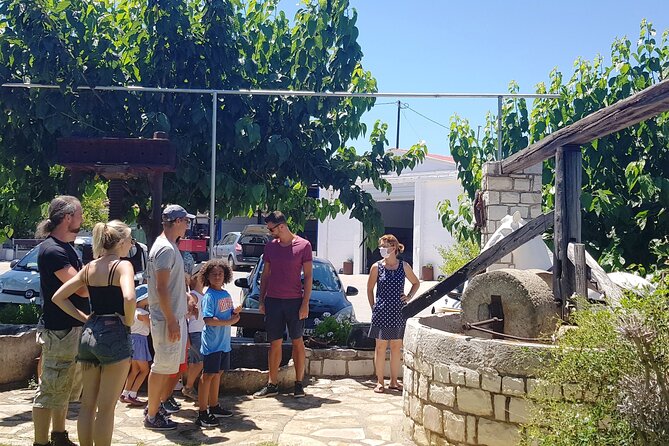
This is a day that treats Crete like more than postcards. You’re not just looking at products on shelves—you’re seeing how olive oil gets made, how honey is produced and sampled, and how clay becomes something tangible in Margarites. It’s a smart mix if you like food culture and small crafts, and it keeps the day from feeling repetitive.
You’ll be traveling in a vehicle with air-conditioning and bottled water included, which matters in Crete when the sun is doing its usual best impersonation of a hair dryer. It’s also private, so your group stays together and you don’t have to coordinate with strangers at each stop.
The big trade-off is communication style. The tour includes an English-speaking driver, but it does not include a separate tour guide. That can be totally fine if you enjoy self-guided wandering inside the production spaces and you’re happy to ask questions when something catches your attention.
Melidoni’s Olive Oil Factory: Three Mills, One Hour
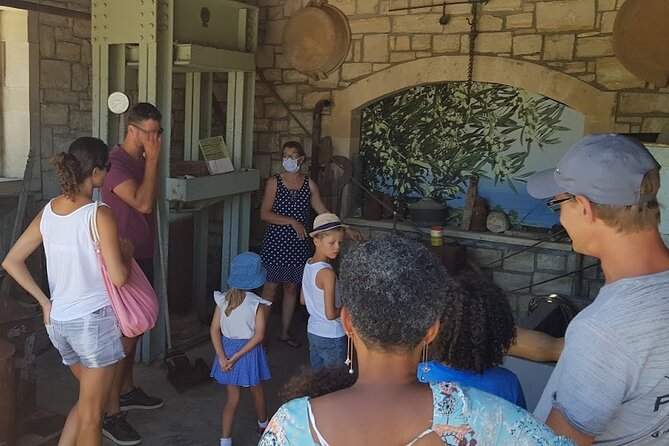
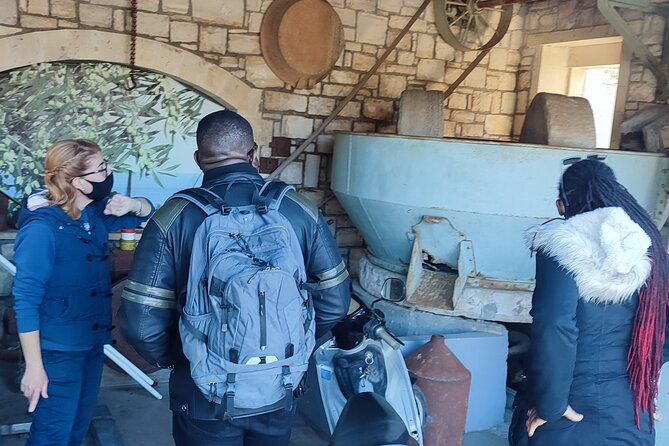
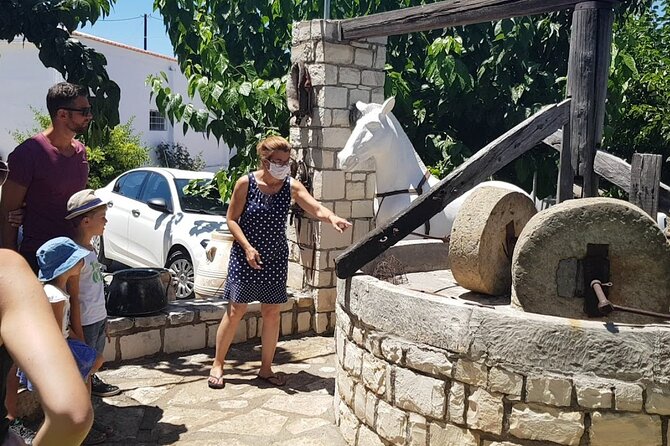
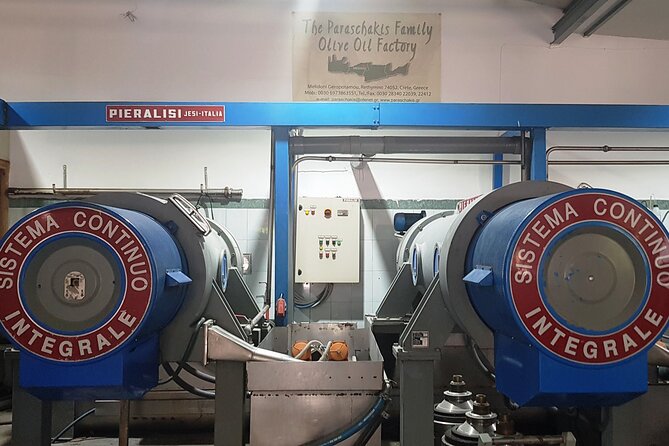
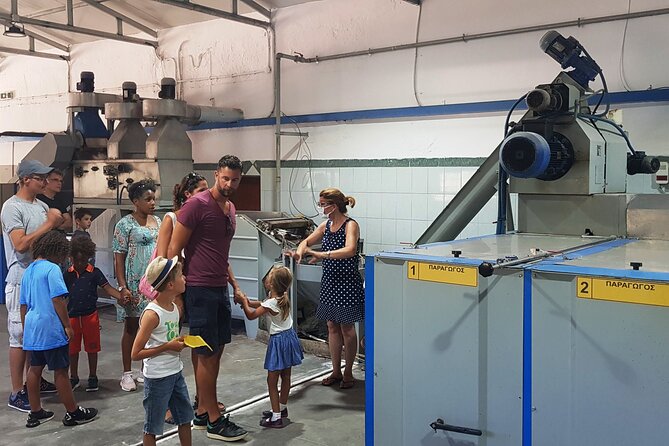
The olive oil stop happens at Paraschakis Olive Oil in Melidoni. This place is built around modern production, and you’re set up with time to see how the operation works. The schedule is tight—about an hour—but the visit is designed to be practical, focusing on the facilities and the processing steps.
What I like here is the structure. Instead of a single quick room, you get the chance to tour three different mills in the factory, which gives you a broader sense of how the whole system fits together. It’s included in your ticket, so you’re not juggling add-ons while you’re hungry or pressed for time.
Possible consideration: olive oil tours can be very different depending on who’s leading the walk. One common request is for more enthusiasm and more explanation, so if you’re the type who loves technical details (pressing, filtration, grading, and so on), be ready to ask follow-up questions on-site.
Apithano Honey Museum: Lab Visits and a Proper Taste
Next up is the Apithano Honey Museum for tasting and tours. This is the stop built around the life behind the jar: bees, production, and a bit of the science-y side of honey. You visit the lab and explore the world of apiθανο and the bees, with the tasting experience tied in.
I like that the honey portion is not just a walk through decorative displays. The format is built for understanding production—where honey comes from, why it tastes the way it does, and how the local environment can shape flavor. If you enjoy food that feels tied to place, honey is a great match for Crete’s local biodiversity and endemic plants.
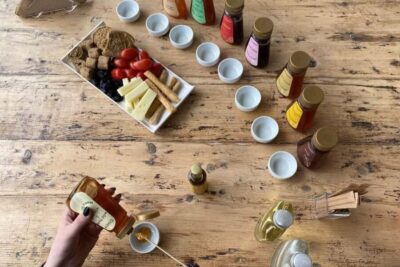
The tasting is a key reason this stop works. You get something more memorable than a photo at a gift shop counter. You’ll also be able to compare notes and figure out what you like, which turns the rest of the day into something you can build on.
Still hungry? More Cretan plates to graze
Margarites Pottery Workshop: Make Your Own Ceramic
This is the main “hands-on” highlight. In Tsikalario cretan ceramics, the workshop runs in the pottery village of Margarites. You learn to make your own ceramic for free during the session, which makes this feel more like an activity than a show.
I especially like the location and the setting. Margarites is described as a major pottery center on Crete, and the area has clay deposits that explain why locals have practiced this craft for a long time. The village sits in a scenic setting with two parallel gorges and lots of aromatic plants and herbs—so even when you’re waiting for your turn at the table, the surroundings help.
What to watch for: pottery sessions can be forgiving, but you’ll still want to dress for mess. Wear clothes you don’t mind getting clay on, and keep your phone and any valuables secure. Also think ahead about what you want to buy afterward, because firing and finishing can change what products are available on-site versus what you can take home right then.
One more practical note: time at this stop is about an hour. That’s enough to make something, but not enough to become a professional potter. Treat it like a fun, creative sample session—then shop if you want the real showpieces.
Arkadi Monastery: Venetian Church and the 1866 Story
Arkadi Monastery is the cultural pivot of the day. You’ll spend about an hour there, and it’s centered on the monastery’s Venetian church and the tragic events associated with 1866, which became a national symbol tied to Crete’s struggle for independence.
I like this stop because it grounds the food and craft in a broader sense of place. After olive oil and honey and clay, Arkadi gives you a sense of what people fought for and what the island remembers. It also breaks up the more production-based theme of the day without turning into an all-day museum marathon.
Because the day is already packed, the monastery visit is best approached with flexible expectations. You’re not getting the kind of deep, guided explanation you’d see on a full history tour, but you will leave with a clear emotional and historical anchor.
If you’re sensitive to heat, plan to use shaded areas when possible and take breaks when the sun gets strong. Monastery grounds can be open, and one hour passes fast when you’re soaking up the details.
How the Timing Works (and Where Lunch Fits)

The total experience runs about 5 to 7 hours, with each main stop around an hour. Pickup is offered and the pick-up time is flexible, which is useful because you’re trying to line up a day trip with hotel location and local timing.
Here’s the practical way to think about it: you’ll have a sequence of focused stops plus driving time. With lunch not included, you’ll need to decide whether to eat on the go, add a meal stop, or simply have a later lunch after the tour. The day is designed so you can keep moving without dragging the itinerary out.
I’d plan for a snack strategy even if you don’t buy anything. You’ll likely taste honey at one stop and see olive oil tasting or sampling at another, which can make you feel full but still not properly fueled. Bring a small bite with you, especially if you start early.
Also remember that this is offered in English, but the structure doesn’t promise a dedicated tour guide. So when something interests you—church details, honey production, or pottery steps—speak up. Asking questions can turn an hour into the most useful hour of the entire day.
Price and Value: Private for Up to 7 People
The price is listed as $722.47 per group (up to 7), and that’s where value thinking helps. In a group of 2, this feels pricey. In a group of 6 or 7, it becomes much more reasonable because you’re effectively splitting private transport and included admissions across multiple people.
What you’re paying for isn’t just the ride. The package includes private transportation, bottled water, an air-conditioned vehicle, and admission tickets at the key stops (olive oil factory, honey museum, pottery workshop, and Arkadi Monastery). That’s a lot of “you don’t have to plan this part” convenience baked in.
What is not included is also important. Lunch and coffee/tea aren’t included, and there’s no separate tour guide included. So if you’re expecting a fully narrated experience at every step, you may need to adjust your expectations or hire a guide separately for the day.
Bottom line: this is best value when you travel with a group and you’re the kind of traveler who enjoys hands-on crafts and tastings. If you’re more “just show me the highlights fast,” you might prefer a shorter or more history-focused tour.
What to Bring for a Clay-and-Flavors Day
This day can get sensory and a little messy. Bring clothes that can handle pottery dust and clay residue, plus closed-toe shoes for walking around workshop and monastery areas.
A small crossbody bag works well because you’ll likely collect items at shops after seeing what’s made. Bottled water is provided, but you can still pack a light personal water bottle if you run hot in the sun.
Also, since weather matters, dress with the possibility of changes. The experience requires good weather, and you may be offered a different date or a full refund if it’s canceled due to poor weather. That means you’ll want at least one flexible day on your Crete schedule when possible.
And if you’re planning to buy ceramic pieces, protect them. Even if the workshop is quick and controlled, ceramics are fragile, and you’ll want careful packing for the ride back.
Who This Tour Suits Best
This works especially well for:
- People who love food experiences that include tastings and production visits
- Anyone who wants a hands-on craft moment, not just watching
- Groups who can share costs in a private vehicle (up to 7)
- Travelers who want a balanced mix of production + culture without a full-day history lecture
It may not suit you as much if:
- You want a highly detailed, constant narration throughout the drive
- You prefer long time at one monument over short stops
- You’re not interested in tastings or crafts and only want sightseeing
Should You Book This Pottery, Honey, and Olive Oil Day?
I think this is an easy “yes” if you want a day that feels interactive and local. Olive oil plus honey plus a pottery session is a rare combo that keeps your hands busy, your taste buds involved, and your eyes moving. And when you add Arkadi Monastery, the day doesn’t just become a shopping and sampling circuit—it lands with meaning.
Book it if you’re traveling in a group and you like the idea of included tickets and private transport. Skip it if you need a guide who talks nonstop for every minute of the schedule, because the format relies on on-site instruction and a driver rather than a dedicated tour guide throughout.
If your schedule allows, go in with a simple mindset: taste first, ask questions second, and plan to shop smart after you make the pottery. That’s when the day clicks from a list of stops into a memory you can actually use—because you’ll leave knowing how the island turns its natural ingredients into something you can hold.
FAQ
How long is the Pottery, Honey & Olive Oil experience?
The duration is listed as approximately 5 to 7 hours.
Where does hotel pickup work?
Pickup and drop-offs are offered from your hotel, villa, cruise, or other point only from Heraklion city and Rethymno city. Pick-up time is flexible.
Is this a private tour or shared with other groups?
It’s a private tour/activity. Only your group participates.
What’s included in the price?
Included items are private transportation, bottled water, an English speaking driver, an air-conditioned vehicle, and admission tickets for the stops.
What is not included?
Lunch and coffee and/or tea are not included, and a tour guide is not included.
Do I get to make pottery?
Yes. The pottery workshop at Tsikalario cretan ceramics in Margarites includes a session where you learn to make your own ceramic free of charge.
Is there honey tasting?
Yes. The honey stop is described as a honey museum with tasting and tours, and admission is included.
What do you do at the olive oil stop?
You tour Paraschakis Olive Oil – Crete in Melidoni and get access to free tours in three different mills in the factory, with an admission ticket included.
What are the operating hours for the tour?
The tour runs during the time window listed as Monday to Sunday from 9:00 AM to 3:30 PM.
What happens if the weather is bad?
This experience requires good weather. If it’s canceled due to poor weather, you’ll be offered a different date or a full refund.
More Tour Reviews in Chania


Eat Your Way Round Crete





Crete by the Glass


Fresh Off the Boat: Newest Crete Reviews



Cretan Food Tastings, compared.
 ★ 4.9Sunset or Morning Quad with Local Products TastingFrom $941,135 reviews
 ★ 4.9Quad Safari, Olive Mill with Tasting & Ghost VillageFrom $931,004 reviews
 ★ 4.6From Chania: Olive Oil, Wine, Cheese & Honey Tasting TourFrom $49490 reviews
 ★ 4.9Chania: Old Town Highlights Guided Tour with Street FoodFrom $106407 reviews
 ★ 4.8From Chania: Wine and Olive Oil Tasting Tour with SnacksFrom $141354 reviews
 ★ 5.0Walking “Food tasting tour” in the town of ChaniaFrom $105297 reviews
 ★ 5.0Full-Day Cretan Wines, Olive Oil, Raki and Food TourFrom $141264 reviews
 ★ 5.0Olive Oil Tasting TourFrom $19195 reviews
Browse the lists this tour appears in