
Review · CRETE SIGHTSEEING & BUS TOURS
Heraklion: Mobile Self-Guided Audio Sightseeing Tour
Heraklion has a way of grabbing you by the sleeve, then refusing to let go. This mobile self-guided audio tour starts at Koules and strings together the city’s key sights with stories you can control. I like that it’s offline-ready, so you can wander without worrying about roaming, and I also like how clearly it’s built around big, recognizable anchors like the Koules Fortress and the Morosini Fountain.
The main catch is also the biggest one: it’s self-guided, so you’ll be leaning on your phone (and sometimes your regular maps) rather than having someone physically guide your route. If you’re the type who hates staring at a screen while walking, this may feel more work than it’s worth.
One more practical note up front: museum and church entry fees are not included, so you’ll want to decide ahead of time what you’ll treat as look-only versus what you’ll pay to enter.
In This Review
- Key Things I’d Pay Attention To
- Koules Fortress: Your Heraklion Starting Line
- Offline Audio on Your Phone: What You Need to Make It Smooth
- Landmark Stop: Koules and the Old Harbor Perspective
- Arsenals: When the City’s Built for Control
- Kazantzakis Tomb: A Shift From Fortifications to People
- Morosini Fountain (the Lions): A Photo Stop With a Story
- The Loggia: Renaissance Lines in Plain Sight
- The Ottoman Siege Thread: History That Explains the City’s Hard Edges
- Price and Value: Does $11 Buy You Enough?
- Common Friction Points: When Phone Tours Feel Like Work
- Who This Tour Fits Best (and Who Should Skip It)
- Should You Book This Heraklion Mobile Audio Tour?
- FAQ
- Where does the self-guided tour start?
- What’s included in the price?
- Are museum or church entrance fees included?
- How long is the tour available after activation?
- Which languages and devices work with the audio tour?
- What do I need to bring with me?
Key Things I’d Pay Attention To

- Start at Koules: the tour is designed to kick off at the old harbor entrance area, which makes getting oriented easier
- Offline narration + maps: built to reduce roaming stress if your phone signal is spotty
- Five major stops named for you: Koules, arsenals, Kazantzakis tomb, Morosini Fountain (Lions), and the Loggia
- Multi-language audio: English, German, French, Spanish, and Italian are supported
- No live guide: you control timing, but there’s no human to fix confusion on the ground
- Good phone requirements: you’ll need Android/iOS compatibility plus enough storage (about 100–150 MB)
The island the easy way, more sightseeing runs
- Heraklion: Ecobike Sightseeing Tour with Greek Meze
★ 4.9 · 78 reviews - From Heraklion : Full-Day Bus Trip to Chania city , Kournas lake & Rethymno city
★ 4.0 · 61 reviews - Heraklion: Mobile Self-Guided Audio Sightseeing Tour
★ 3.4 · 9 reviews - Heraklion: Sightseeing Tour with Greek Meze
★ 5.0 · 3 reviews
Koules Fortress: Your Heraklion Starting Line

You begin at the entrance of Koules Fortress, in the old harbor area of Heraklion. That matters more than it sounds. Starting at a single, iconic landmark helps you avoid that common city-tour headache: wandering first, then trying to find where the tour route begins.
Getting there is also straightforward. The easiest approach is on foot. If you’re already walking around the old harbor zone, you’ll basically be in the right neighborhood before you even start the app.
And because this is a self-guided experience, that first location is your anchor. The audio is meant to lead you forward through the city’s highlights, so you’re not stuck guessing what to see next.
Offline Audio on Your Phone: What You Need to Make It Smooth
This tour lives inside a smartphone app and is intended for Android and iOS phones only. It’s available in multiple languages, and the audio, text narration, and maps are designed to work offline after download—great for travelers who don’t want to gamble with roaming charges.
Before you go, plan to:
- Download the app and the tour audio content ahead of time
- Charge your phone fully
- Bring headphones (they’re not included)
- Make sure you have about 100–150 MB of storage space
If your phone storage is already tight, don’t wait until you’re outside Koules. Heraklion walking time is better spent sightseeing than managing download errors.
Also keep device compatibility in mind. Windows phones aren’t supported, and certain older iPhone/iPad generations aren’t compatible. If you’re traveling with an older Apple device, double-check before you book so you don’t lose the money or the time.
Landmark Stop: Koules and the Old Harbor Perspective

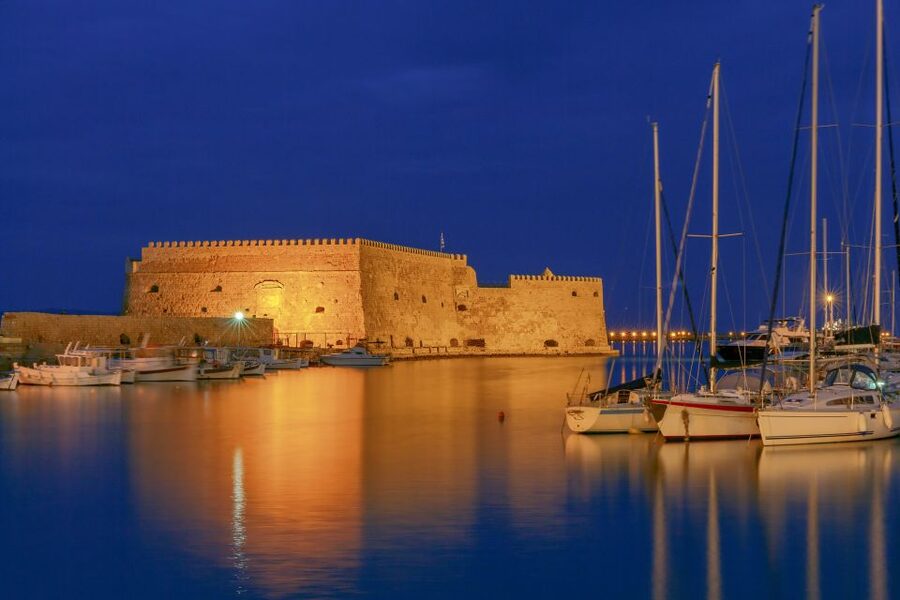
Koules is more than a starting point—it sets the tone of the whole visit. Expect the audio to frame this area as the city’s edge, where the harbor and fortification energy combine. It’s a logical opener because you’re standing somewhere you can picture as strategic and watchful, even without knowing every detail.
This stop is valuable for two reasons:
- You get a sense of place quickly, which helps the rest of the tour make sense as you move onward.
- You’re hearing the city’s story while you can still see the physical setting that the stories connect to.
If you only have a short time in Heraklion, starting at Koules is a smart way to get “the map in your head” early.
Worth lining up before you lock in this one:
Arsenals: When the City’s Built for Control
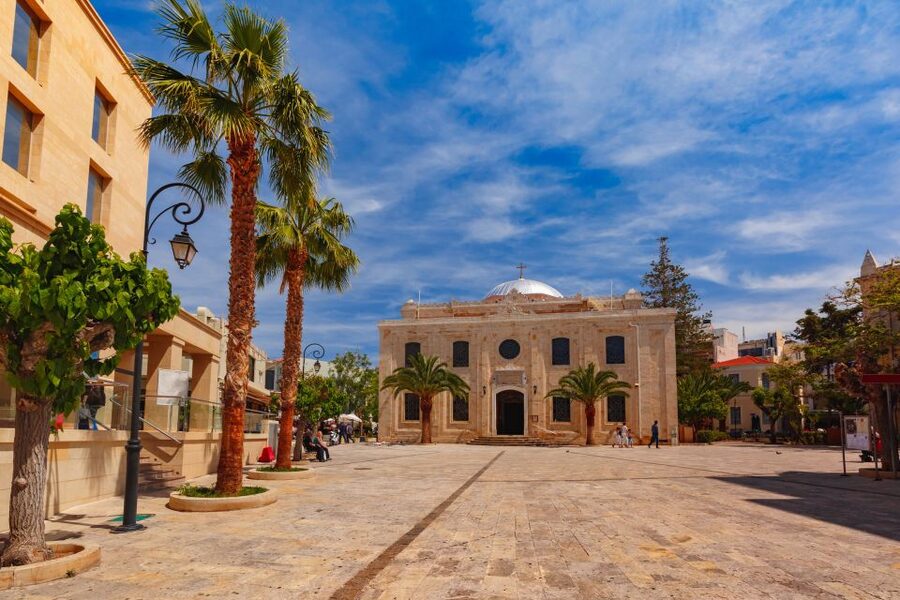
After Koules, the tour focuses on the arsenals, which is a helpful reminder that Heraklion wasn’t just a place to live—it was also a place designed to project power.
Even if you’re not a military-history person, this part works because you’re listening to “why” while you look at “what.” The audio approach turns ordinary streets into context-rich corridors. You’ll be less likely to treat the waterfront buildings as random scenery and more likely to understand them as pieces in a bigger story of trade, defense, and control.
Practical tip: give yourself time here. Audio tours fail when you rush through listening. If you hear something interesting about how the city functioned, pause and look around for a minute. It’s not about speed—it’s about matching the narration to what’s in front of you.
Kazantzakis Tomb: A Shift From Fortifications to People
Next up is the Kazantzakis tomb. This stop adds a different emotional angle to the walking route. Where the arsenals lean toward strategy and power, this part shifts toward identity—how a city remembers someone significant.
I like that contrast. It helps you avoid the “everything is walls and power” effect that can happen when walking through older port cities. By the time you reach this section, you should feel like you’re seeing Heraklion as a living culture, not just an outdoor museum.
One caution: if you plan to go inside any specific memorial or related area, remember that the tour doesn’t include entrance tickets. You’ll want to check whether the stop you’re aiming for requires a paid ticket on-site.
Morosini Fountain (the Lions): A Photo Stop With a Story
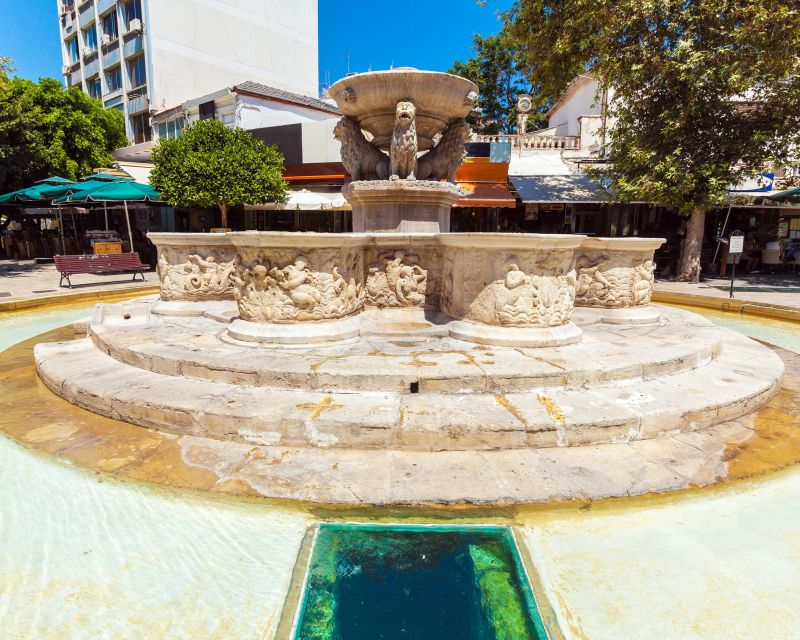
The Morosini Fountain, known as the Lions, is one of those landmarks that makes people pause without even being told to. It’s also a great audio-tour moment because fountains are easier to connect to daily life: water, public space, and city pride all show up in one place.
What I appreciate about including this stop is that it breaks up the heavier historical themes. You can listen while you look, then step back and take in the scene. It’s the kind of landmark where even if your phone battery is acting up, you can still enjoy the moment visually—then continue the audio once you’re back on track.
If you’re using headphones, keep the volume comfortable but not too loud. This is a walking city stop, and you want enough awareness to avoid stopping in the wrong spot for foot traffic.
The Loggia: Renaissance Lines in Plain Sight
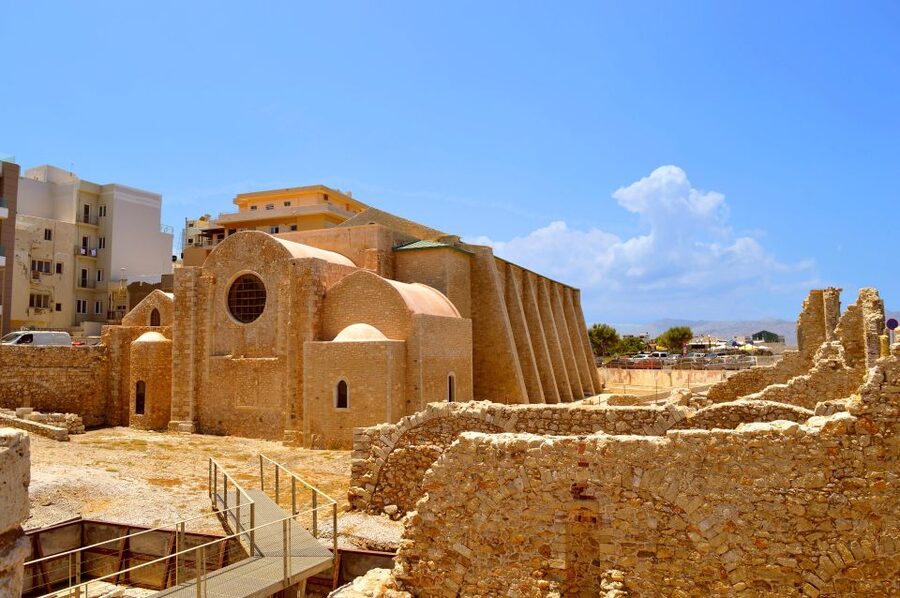
The tour also highlights the Loggia, described as a renaissance building. This is where the audio becomes extra useful. Architecture can be hard to read quickly when you’re just looking at stone. Hearing what you’re looking at—what era it connects to and why it matters—helps your brain do the “pattern recognition” faster.
This stop is particularly good for travelers who like structure and details. The narration should give you a framework, so you’re not just thinking: Nice building. What am I supposed to notice?
Do keep in mind that this is still a city walk. If the Loggia or nearby points require stairs or have uneven ground, it may affect wheelchair navigation. The tour is described as wheelchair accessible overall, but some specific points might not be fully accessible.
The Ottoman Siege Thread: History That Explains the City’s Hard Edges
A major storyline in the audio covers how the Ottomans conquered the city after 25 years of siege. That’s a long time. It also explains why port cities like Heraklion can feel layered—because control shifted slowly, violently, and over generations.
What makes this part effective (when the audio flow is working for you) is the cause-and-effect feeling. The narration isn’t just names and dates; it’s an attempt to connect those years of siege to what you see around you: forts, waterfront roles, and the built environment shaped by conflict.
This section is best when you’re willing to walk a little slower. If you rush, you miss the logic that the audio is trying to give you.
Price and Value: Does $11 Buy You Enough?
At $11 per person, this is priced for the “smart supplement” crowd—not the “hands-on tour” crowd. You’re not paying for a live guide. You’re paying for a self-paced route with offline narration, text, maps, and multiple language options.
Here’s how I’d judge the value:
- If you like walking, listening, and choosing your pace, $11 is a bargain, because you get a guided-style route without guide costs.
- If you need a live explanation or you dislike phone navigation while moving, the value drops fast. In that case, you may end up spending more time figuring things out than enjoying the landmarks.
Also remember the validity window: access lasts 365 days from first activation. That’s unusual in a good way. Even if your first visit timing isn’t perfect, you can return later within that year and reuse your tour.
The download size and offline focus also point to value thinking: you’re meant to be able to use it without constant mobile data.
Common Friction Points: When Phone Tours Feel Like Work
Not every mobile audio tour is equally smooth. This one is still a phone-based experience, and you should expect a certain level of screen time.
A few friction points to consider:
- Some people find the routing experience less interactive than expected and end up using their device maps more than they want.
- The audio pace may feel fast if you prefer slower, more detailed narration.
- If the audio doesn’t grab you early on, it can be hard to “power through” without a live guide to reframe what you’re seeing.
There’s a simple way to reduce annoyance before it starts: plan your route like a local. Don’t treat it as a sprint. Listen in chunks, pause at landmarks, then move on. If your phone battery is low, step away from the screen and look first; save listening for when you’re safely stopped.
And one more limitation to respect: entrance tickets to museums, archaeological sites, or churches are not included. So you may need to decide on the spot whether you’ll pay to enter those spaces or simply enjoy what’s visible from outside.
Who This Tour Fits Best (and Who Should Skip It)
This tour is a great fit if you:
- Like self-paced walking and don’t mind using your phone
- Want a structured way to see major Heraklion landmarks without booking a guide
- Appreciate offline narration and maps
- Prefer multiple language options (English, German, French, Spanish, Italian)
I’d think twice if you:
- Want a live human to answer questions
- Don’t like relying on phone maps while moving
- Expect paid museum access included in the ticket (it isn’t)
Also note it’s wheelchair accessible as a city tour, but some points of interest might not be. If wheelchair access is important to you, wear your flexibility hat: check conditions on-site for each specific stop.
Should You Book This Heraklion Mobile Audio Tour?
Book it if you want a low-cost, offline-ready way to connect Heraklion’s major landmarks—Koules, the arsenals, Kazantzakis tomb, Morosini Fountain (the Lions), and the Loggia—with the bigger storyline, including the Ottoman siege timeline. At $11, the math works best when you enjoy walking and listening at your own speed.
Skip it if you need a live guide, dislike phone navigation, or expect museum and church entry included. In those cases, you’ll probably feel the lack of human guidance more than the value of the price.
If you’re the “show me the highlights, then let me roam” type, this is a practical choice—especially because you can use it over a full year after activation.
FAQ
Where does the self-guided tour start?
It’s designed to start at the entrance of Koules Fortress, located at Heraklion’s old harbor. The easiest way to get there is on foot.
What’s included in the price?
You get the self-guided audio tour on your smartphone (Android & iOS), an activation link to access it, and offline content including text, audio narration, and maps.
Are museum or church entrance fees included?
No. Tickets for museums, archaeological sites, or churches are not included.
How long is the tour available after activation?
The tour is valid for 365 days starting from your first activation.
Which languages and devices work with the audio tour?
The audio guide is available in English, German, French, Spanish, and Italian. It works on Android (version 5.0 and later) and iOS smartphones, and it’s not compatible with Windows phones or certain older Apple devices.
What do I need to bring with me?
Bring comfortable shoes and clothes, plus a charged smartphone, headphones, and ideally a hat and sunscreen. The smartphone and headphones are not included.
If you tell me what day/time you plan to visit Heraklion and whether you prefer headphones or speaker audio, I can suggest an ideal walking tempo for making the narration actually land.
More Self-Guided Tours in Heraklion



More Tour Reviews in Heraklion





The Island the Easy Way



Fresh Off the Boat: Newest Crete Reviews





Crete Sightseeing & Bus Tours, compared.
 ★ 3.9Heraklion: Hop-On Hop-Off Sightseeing Bus TourFrom $23912 reviews
 ★ 4.4Chania: Elafonisi Bus Trip with Free Time and Stop in ElosFrom $31512 reviews
Heraklion Hop-On Hop-Off Bus Tour325 reviews
 ★ 3.0Heraklion Hop-On Hop-Off Bus TourFrom $22295 reviews
 ★ 3.7Heraklion: Hop-on Hop-off Open Top Bus Sightseeing TourFrom $22242 reviews
 ★ 4.0Hop-On Hop-Off Sightseeing Bus Tour in HeraklionFrom $24151 reviews
 ★ 3.8Chersonissos: Mini-Train City Highlights TourFrom $19148 reviews
 ★ 4.5Georgioupolis Area: Full-Day Bus Trip to Elafonisi IslandFrom $40148 reviews
Browse the lists this tour appears in