
Review · WORKSHOPS
Heraklion Crete: Cretan and Greek Dance Lesson at Arolithos
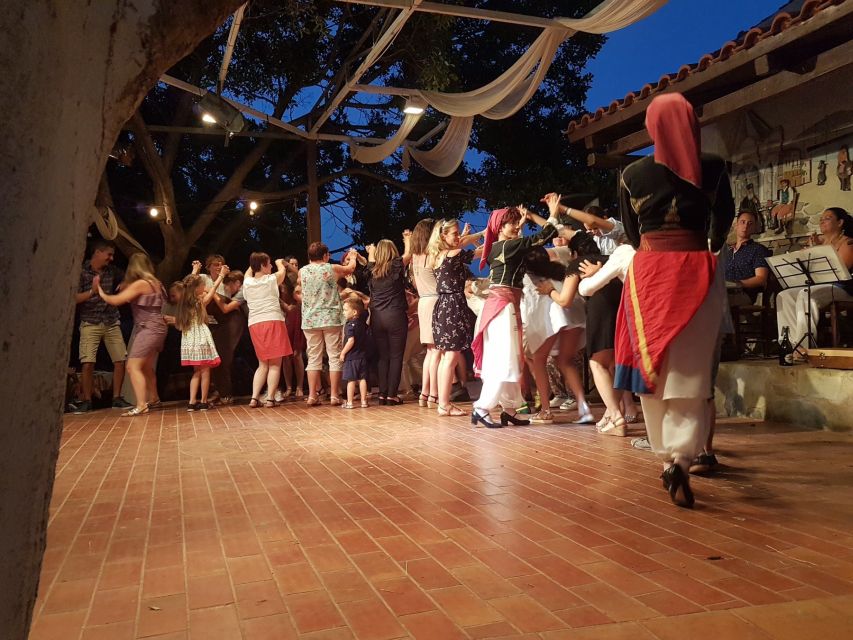
Greek dancing, taught step by step. At Arolithos Traditional Cretan Village, you learn the famous Cretan and Greek dances (think Sousta and Zorba the Greek) and you also get a short village and museum visit in the same 2-hour session. I especially like that it’s led by Maria, a professional Cretan dance teacher with help from other strong local dancers, so the class feels hands-on and adaptable. I also like the bonus cultural layer: a look at local homes and the Rural History and Folk Craft Museum. One thing to consider up front: there’s no hotel pick-up, so you’ll need your own way to get there.
From the moment you arrive, Arolithos feels like a quiet pocket of Cretan culture—less “tourist spectacle,” more “learn something real.” You’ll start with a welcome drink on the terrace with a panoramic view, then move into the museum and village walk before the dance time. It’s a great format if you want more than just a photo stop.
In This Review
- Key points before you go
- Entering Arolithos Traditional Cretan Village: where the day starts
- Getting there: the 11th km road and the no-pickup reality
- Welcome terrace view: a calm start before you learn steps
- Museum time at the Rural History and Folk Craft Museum
- The dance lesson with Maria: professional guidance that adapts
- What the 2-hour format feels like (and why it works)
- Sousta, Zorba, and the moves you’ll likely master faster than you expect
- Village walk and short tour: old houses, questions, and atmosphere
- End of class: raki, orange juice, CD, and a dancing certificate
- The free time option: lunch and pool on your own time
- Price and value: is $106 per person worth it?
- Who this suits best (and who should reconsider)
- Should you book? My practical call
- FAQ
- How long is the dance lesson at Arolithos?
- Where do I meet for the tour and class?
- What languages are offered during the experience?
- Is hotel pick-up included?
- What is included in the price?
- Do I get anything to take home?
- What should I bring?
Key points before you go
- You dance with Maria (and sometimes Evi helps): professional instruction, not a generic demo.
- You combine dancing + the Rural History and Folk Craft Museum: the culture is part of the experience, not an add-on.
- You learn multiple dances: from easier steps to more challenging ones, so different levels can find their place.
- You get a take-home music CD: Greek and Cretan tracks to replay your new moves.
- It’s a private group option: so the teaching can flex to your pace.
Worth lining up before you lock in this one:
- Chania: Authentic Cooking Class in the White Mountains
★ 4.9 · 529 reviews - Heraklion: Beginner Scuba Diving Lesson with PADI Instructor
★ 4.9 · 355 reviews - Chania Cooking Class-The Authentic Enjoy traditional Cretan meal
★ 5.0 · 339 reviews - Cretan Cooking Class and Olive Oil Tasting
★ 5.0 · 178 reviews
Entering Arolithos Traditional Cretan Village: where the day starts
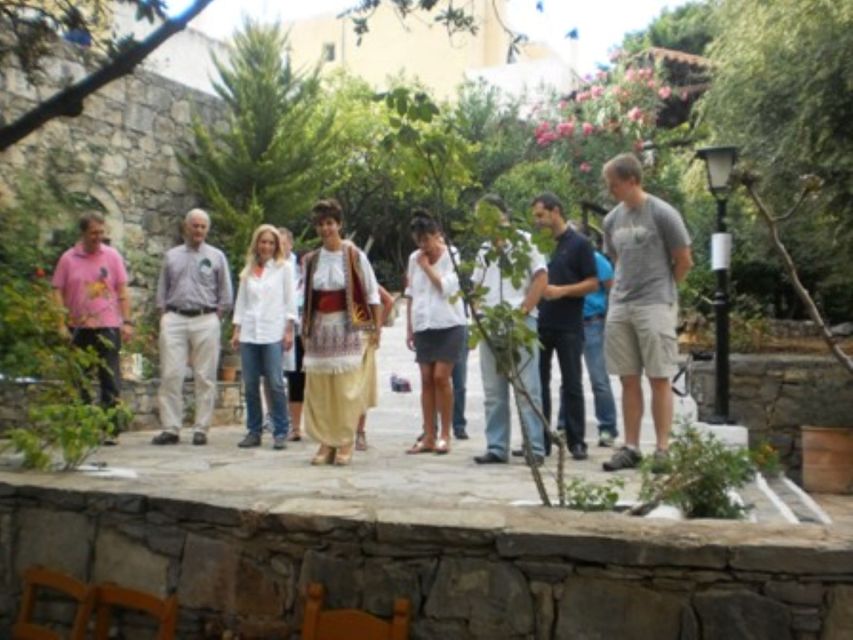
Arolithos Traditional Cretan Village is built for the kind of visit where you can slow down. Instead of rushing through a “must-see” list, you get a small setting that helps you focus on one thing: learning Cretan and Greek dance rhythms and steps while seeing the village that inspired them.
The location is also part of the story. Your meeting point is Arolithos Traditional Cretan Village on the 11th km old road from Heraklion to Rethymno. That matters because it explains why you should plan for a bit of driving effort—more rural than city-center sightseeing.
Getting there: the 11th km road and the no-pickup reality
This experience doesn’t include hotel pick-up and drop-off, so you need to get yourself to the village. If you’re coming by taxi or car, give yourself extra time and don’t treat GPS like it’s always perfect in hillside areas.
In practice, this is easiest if you’re:
- already renting a car in Heraklion or the Rethymno side, or
- okay taking a taxi for a straightforward ride and then enjoying the quiet once you arrive.
Also, wear comfortable shoes. You’ll be walking around the village and moving your feet a lot during the lesson, so don’t show up in fancy footwear.
Welcome terrace view: a calm start before you learn steps
Before anyone asks you to move, you’ll get a proper welcome. Expect a welcome drink on the terrace with a panoramic view. This is a small detail, but it’s a useful one: it helps you settle in and get your bearings before the music starts and your feet follow.
You’ll also see the rhythm of the place right away—traditional clothing, village calm, and a teacher mindset that’s about helping you participate, not about judging.


Museum time at the Rural History and Folk Craft Museum
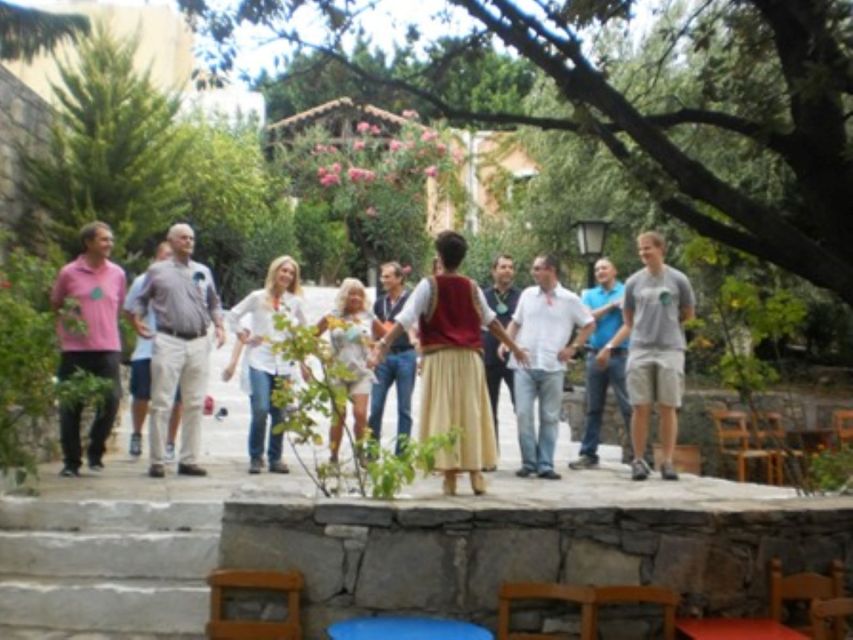
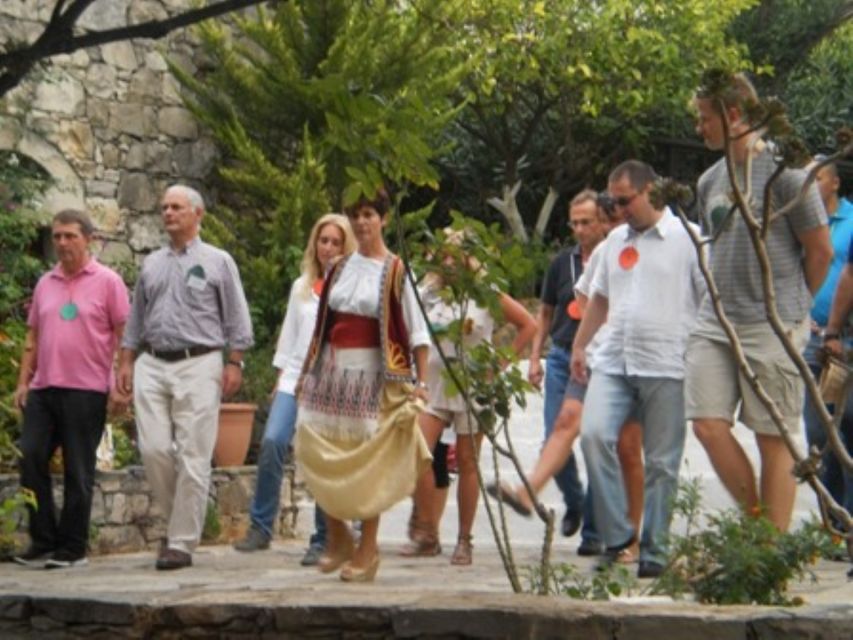
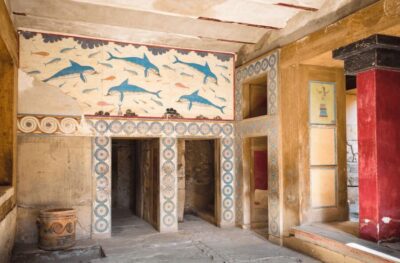
After the warm start, you’ll get your culture dose through a tour connected to the Rural History and Folk Craft Museum. This is where the day becomes more than dancing. You’ll get a look at old houses and the village story around them.
One detail that really sticks with me about this kind of stop: houses aren’t just pretty. They show how people lived—where daily activities happened, how rooms were used, and what “practical tradition” looks like. That context makes the dances feel less random and more connected to community life.
If you like “see it, then understand it,” this museum/village portion is a strong match for you. It’s also a nice pacing break right before the lesson, especially if you’re not used to long periods of standing.
The dance lesson with Maria: professional guidance that adapts
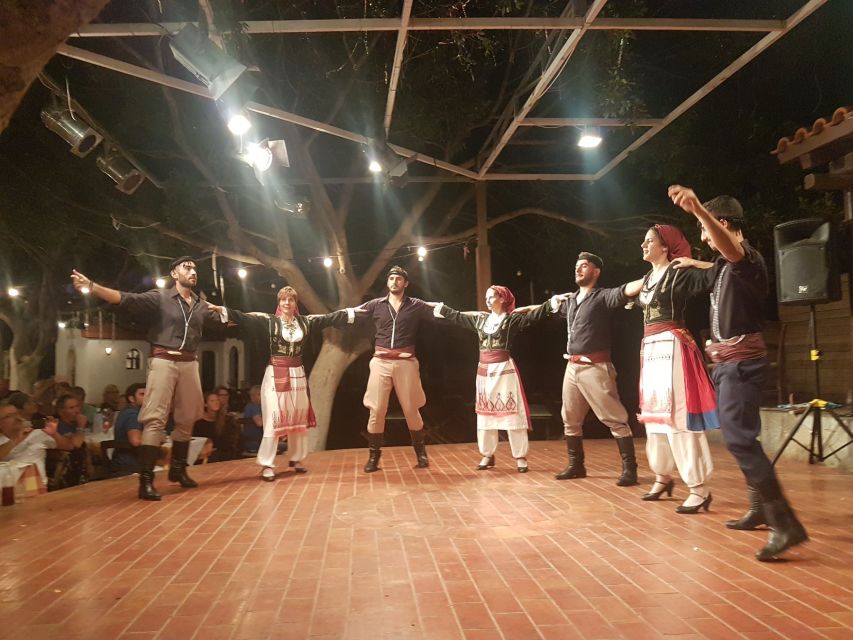
The main event is the dance lesson, and it’s led by Maria, described as a professional dancer and the leader of Arolithos Village’s dancing group. She’s also the teacher for kids and adults through a local cultural association—so she’s done this with real students, not just for performances.
In the class, Maria will show you the first steps of popular dances of Crete and Greece, including Sousta and Zorba the Greek, plus other common dances. Evi may also help at times, and that matters because it usually means more attention per person—useful when you’re learning footwork, timing, and how to hold your posture.
The teaching style comes across as patient and friendly. The goal isn’t to turn you into a competition dancer in two hours. The goal is to help you feel the beat, understand the patterns, and walk away knowing how to do at least several dances with confidence.
What the 2-hour format feels like (and why it works)
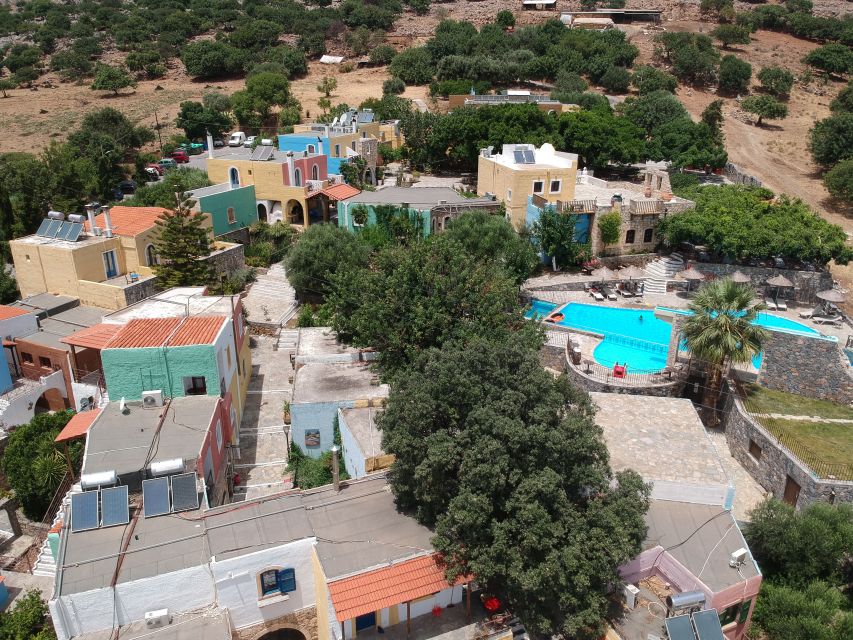
This experience runs about 2 hours, which sounds short until you see the structure: welcome, museum/village intro, then the dance instruction. That pacing is actually smart.
You won’t be stuck for hours in a single mode. Instead:
- you start in a relaxed, social setting (terrace drink),
- move into an informative walk (museum and old houses),
- then switch to physical learning (the dances),
- and finish with something you can replay later (music CD).
That’s especially good if you’re on a tight vacation schedule and want a meaningful activity without turning your day into a marathon.
Sousta, Zorba, and the moves you’ll likely master faster than you expect
If you’re wondering what you’ll actually do during the lesson, plan on learning multiple dances. The instruction covers a range from easier moves to more demanding combinations.
That variety matters. You’re not just repeating one pattern for the whole session. Instead, you’ll practice different dances, so you leave with:
- a sense of how Cretan dance rhythms differ by dance,
- a toolkit of steps you can recall later,
- and music you can match to movement.
Sousta and Zorba the Greek are named highlights for a reason. They’re recognizable, rhythmic, and great for first-time dancers because the timing is clear and the patterns can be broken down.
Village walk and short tour: old houses, questions, and atmosphere
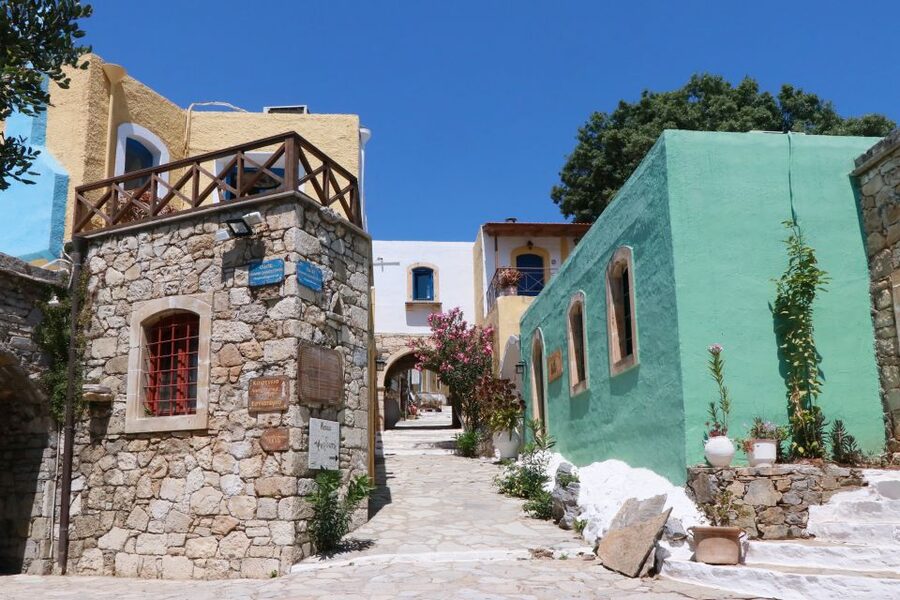
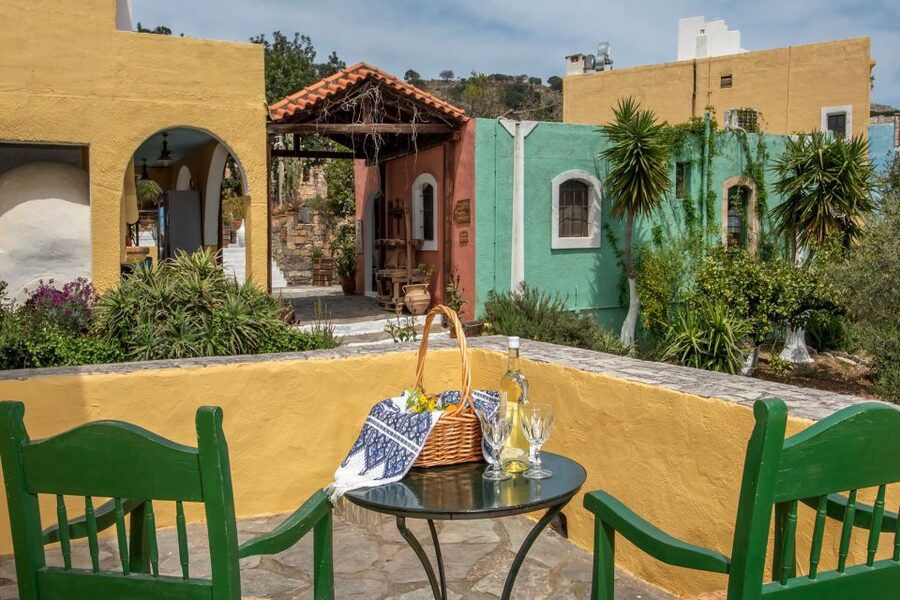
You’ll also tour Arolithos Village itself and see the museum area, old houses, and other parts of the village. Even if you’ve visited other historic villages in Crete, the value here is the combination: you get explanations along the way, then you move into dancing.
The village tour is also a good place to ask questions—how people lived, what features mattered, and why certain traditions survived. It’s the kind of stop that helps the dance lesson click into place mentally.
And yes, the place is described as small and quiet. That’s a plus if you want calm and a learning pace. If you thrive on city bustle, you might feel it’s a little too peaceful—but that quiet is also what makes the village work.
End of class: raki, orange juice, CD, and a dancing certificate
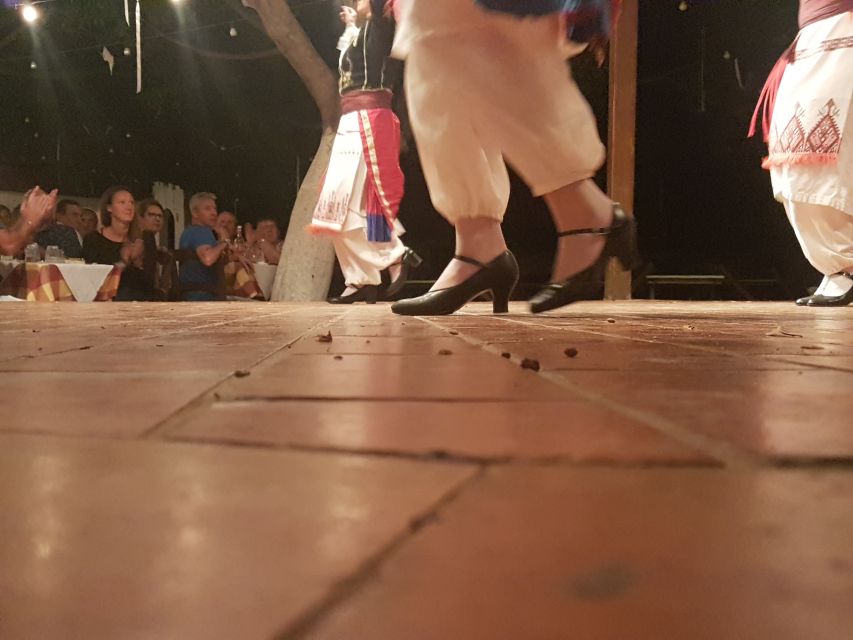
At the end, you’ll get more than just a memory. The experience includes a copy of a CD with Cretan and Greek music, plus a dancing certificate.
Music + certificate is a strong combo. The CD is what lets you replay the rhythm later, so your “I learned this today” doesn’t vanish the next morning. And a certificate gives the day a clear finish line, which feels good when you’re actively learning.
You may also be greeted in the restaurant area with traditional drinks. From the details provided, expect a welcome drink at the start, and then at the end you might receive something like raki and orange juice in a traditional setting.
The free time option: lunch and pool on your own time
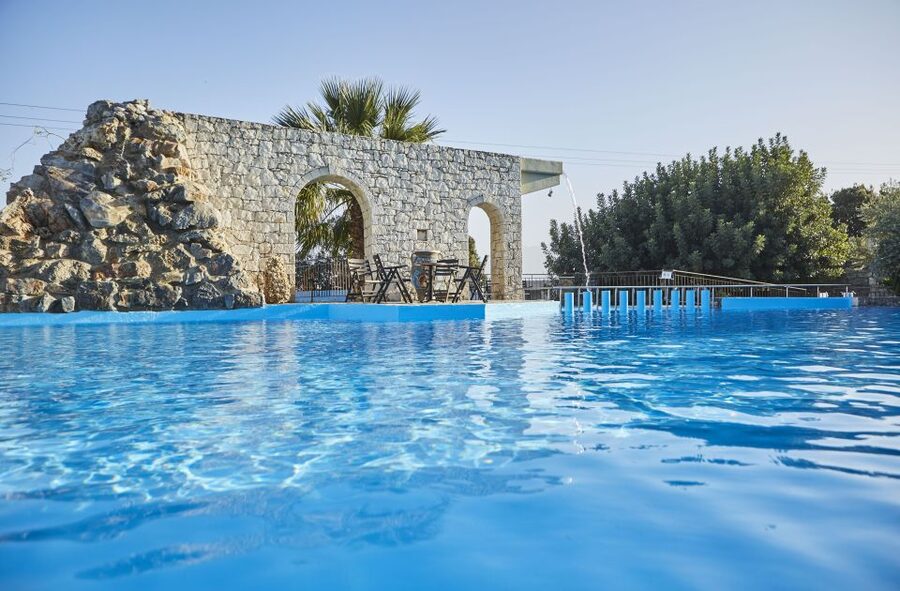
After the formal parts, you can enjoy time at the village. If you want to stretch the day, you can have lunch in the tavern and relax. The village setup also includes a swimming pool, so you can cool down after the dancing.
This is one of those “small but helpful” benefits. Two hours of movement can leave you ready to do nothing for a while, and the option to stay put makes it easier.
Price and value: is $106 per person worth it?
At about $106 per person for a 2-hour session, you’re paying for three things at once:
1) instruction from a professional dancer (Maria, with possible additional help like Evi),
2) a guided cultural visit tied to the Rural History and Folk Craft Museum, and
3) the take-home value of a music CD plus a certificate.
So the value isn’t just the physical lesson. If you’re the type who likes cultural context, the museum and village tour justify a lot of the cost.
That said, one piece of honest perspective: it may feel expensive if you’re only looking for a short photo-friendly “try Greek dancing once” moment. But if you want genuine instruction, multiple dances, and a connected cultural stop in the same visit, the price starts to look more fair.
Who this suits best (and who should reconsider)
This experience is a good match if you:
- enjoy hands-on activities,
- want a structured, learn-by-doing introduction to Greek culture,
- travel with family and like inclusive cultural experiences (some groups included kids as young as 5, based on reported outcomes),
- or simply want a memorable “this is what I learned” souvenir, not just a postcard.
It’s not for everyone. The information provided notes it’s not recommended for participants with back problems, not suitable for pregnant women, and not wheelchair accessible. Since the lesson includes movement and walking around, take those notes seriously.
Also, bring a valid passport or ID card and plan for a smart casual dress code with comfortable shoes.
Should you book? My practical call
If your goal is to learn real steps—Sousta, Zorba the Greek, and more—with a professional teacher in a traditional village setting, I’d book it. The strongest reason is the mix: dance instruction + museum/village context, all wrapped into a tidy 2-hour block.
Skip it if you hate driving to rural meeting points without pick-up, or if you need something fully low-mobility. And if you’re mostly chasing entertainment, check your expectations—this is about learning and participating, not watching a show.
If you can get there comfortably and you like culture you can touch with your own two feet, this one makes sense.
FAQ
How long is the dance lesson at Arolithos?
The experience lasts 2 hours.
Where do I meet for the tour and class?
You meet at Arolithos Traditional Cretan Village, 11th km old road way Heraklion to Rethymnon.
What languages are offered during the experience?
The live guide is available in English and Greek.
Is hotel pick-up included?
No. Hotel pick-up and drop-off are not included.
What is included in the price?
The experience includes entrance fees, a professional guide, a copy of a CD with Cretan and Greek music, and another mention of entrance fees as part of what’s covered.
Do I get anything to take home?
Yes. You receive a complimentary CD with Greek and Cretan music, plus a dancing certificate at the end.
What should I bring?
Bring a passport or ID card and wear comfortable shoes. The dress code is smart casual.
Try Your Hand at Something



More Tour Reviews in Crete





Fresh Off the Boat: Newest Crete Reviews


Workshops, compared.
 ★ 4.9Chania: Authentic Cooking Class in the White MountainsFrom $129529 reviews
 ★ 4.9Heraklion: Beginner Scuba Diving Lesson with PADI InstructorFrom $88355 reviews
 ★ 5.0Chania Cooking Class-The Authentic Enjoy traditional Cretan mealFrom $133339 reviews
 ★ 5.0Full-Day Jeep Safari Tour with Cooking LessonFrom $111284 reviews
 ★ 5.0Cretan Cooking Class and Olive Oil TastingFrom $114178 reviews
 ★ 5.0Rethymno: Chrysoula’s Cretan Home Cooking LessonsFrom $11698 reviews
 ★ 5.0Moires: Cooking Class and Olive Oil Tasting at a Family FarmFrom $10093 reviews
 ★ 4.8Sightseeing Day Trip with Cooking Lesson and LunchFrom $10877 reviews
Browse the lists this tour appears in