
Review · CRETAN FOOD TASTINGS
From Chania: The Ultimate Food Tour Of Chania Villages
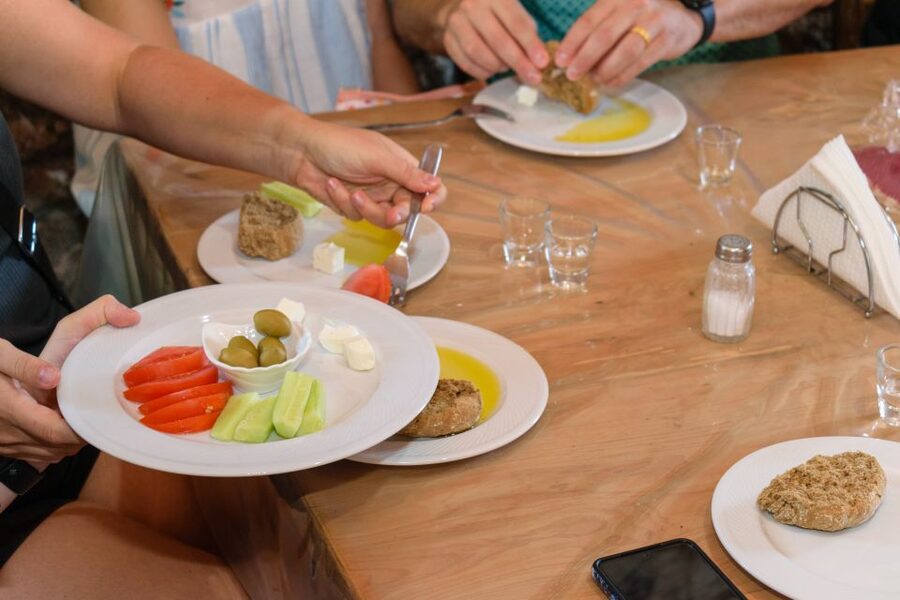
Chania tastes different when you leave the main road. This East Chania food tour strings together real producers, from an olive oil mill to raki, cheese, and village lunch. You get a practical sense of the Cretan way of life, not just a sequence of tastings.
I especially like how the morning is built around production, not only flavor. You’ll see the olive oil process and hear how extra virgin quality is judged, then you’ll carry that mindset to raki and cheese.
One possible drawback: the tasting mix can feel a bit uneven at some stops, and at a few family businesses the explanations may be harder to follow if accents run thick.
In This Review
- Key highlights worth your attention
- A Chania food tour that follows production, not just plates
- Price and logistics: what $135 really buys in six hours
- Stop 1: The olive mill and the extra virgin olive oil lesson
- Raki time: tsikoudia production in a traditional and a professional setup
- The drive through Apokoronas villages and toward the White Mountains foothills
- Embrosneros bakery stop: bread, cookies, and one sweet sample reality
- Cheese factory in Embrosneros: Graviera, Anthotiros, and Mizithra
- Lunch in Fres: village square comfort food at the kafeneio
- Guides and language: when English shines, and when it gets harder
- How to get the most out of the day
- Who this tour is for (and who should skip it)
- Should you book this Chania village food tour?
- FAQ
- How long is the Chania villages food tour?
- What is the price per person?
- What does the tour include?
- Are additional food and drinks included?
- Is the tour offered in English?
- Can I cancel for a refund?
Key highlights worth your attention
- Olive oil lesson from harvesting to palate so you taste with context
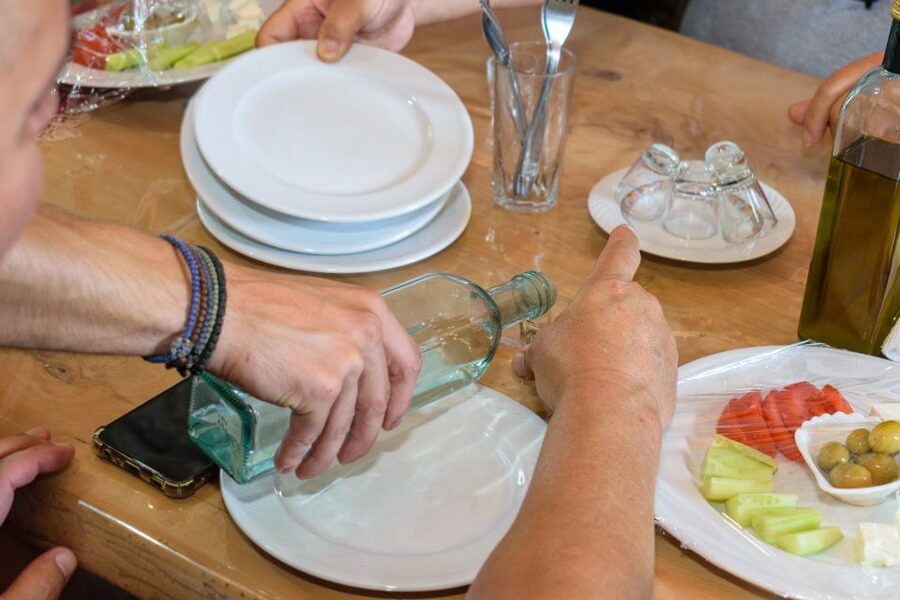
- Tsikoudia (raki) from traditional to modern distilling with a tasting at the end
- Cheese trio in front of you: Graviera, Anthotiros, and Mizithra
- Honey and rusk pairings that show how locals build flavor
- Village lunch at a kafeneio-style spot where people actually eat day to day
- Hotel pickup and drop-off plus air-conditioned transport keeps the day easy
Still hungry? More Cretan plates to graze
- Walking “Food tasting tour” in the town of Chania
★ 5.0 · 297 reviews - The Delicious Chania Street Food Tour
★ 5.0 · 138 reviews - PRIVATE Walking Tour with Lunch and Wine Tasting by a Sommelier
★ 5.0 · 113 reviews - Chania Area: Food Tasting Tour with Winery Visit
★ 4.4 · 99 reviews
A Chania food tour that follows production, not just plates
This is the kind of food tour that feels like it has a mission: show you how Cretans make the basics and why they taste the way they do. Instead of only handing you small bites, it guides you through the process, then brings you back to the table.
The best part is the pacing. You’re on the road for a few hours, but you stop often enough that it stays about learning and tasting, not sitting in a van the whole day. And because the stops are in smaller villages in the Apokoronas province area, the vibe feels grounded and local.
Price and logistics: what $135 really buys in six hours
At $135 per person for a 6-hour experience, you’re paying for more than food. You’re paying for guided transport, pickup and drop-off, and the structure that gets you into working food spaces like an olive mill, a distillery, and a cheese factory.
Here’s what’s included:
- hotel pickup and drop-off in the Chania region
- air-conditioned minibus/minivan transport
- an English-speaking local driver/escort
- all tastings (olive oil, raki, cheese pairings, and more)
- traditional Cretan lunch
- bottled water per person
And what’s not included: additional food and drinks beyond what’s part of the stops.
For value, this works best if you like food as a story. If you mainly want one big meal and lots of free time, you may find the production stops more “hands-on learning” than “wander and snack.” But if you enjoy understanding what’s behind a flavor, the included tastings make the price easier to justify.
Stop 1: The olive mill and the extra virgin olive oil lesson
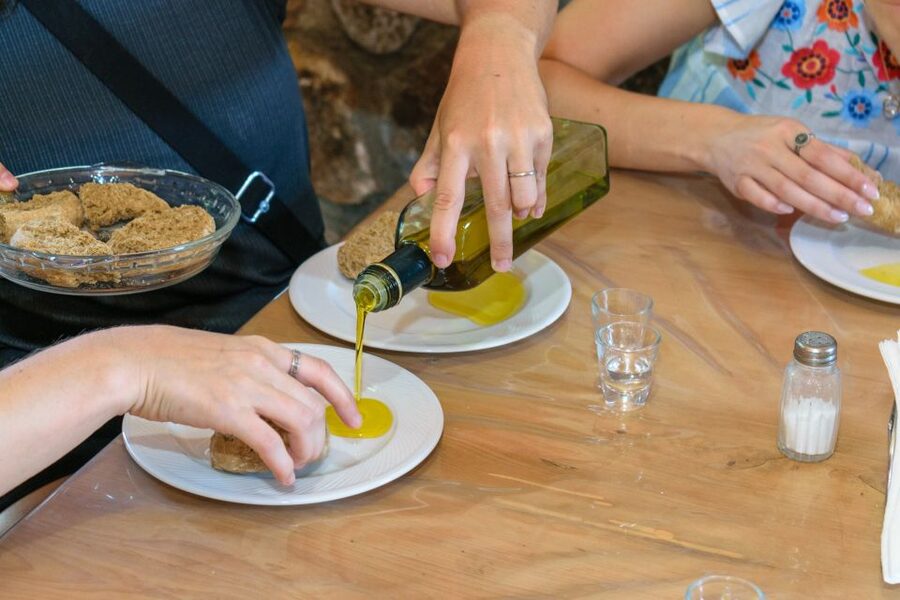
The day starts at a local olive mill, and that choice matters. Olive oil in Crete isn’t a garnish. It’s a daily ingredient, and the tour treats it that way by connecting harvesting to final taste.
You’ll get to see the details of olive oil production and hear the craftsmanship behind higher-quality extra virgin oil. The tour’s approach is built around the idea that you can taste better when you understand what happens before the oil reaches your plate.
A good practical mindset for this stop: take your time with the tasting. Olive oil flavors can be subtle and shift depending on how fresh and how it’s processed. If you rush, you miss the point of the lesson.
Raki time: tsikoudia production in a traditional and a professional setup
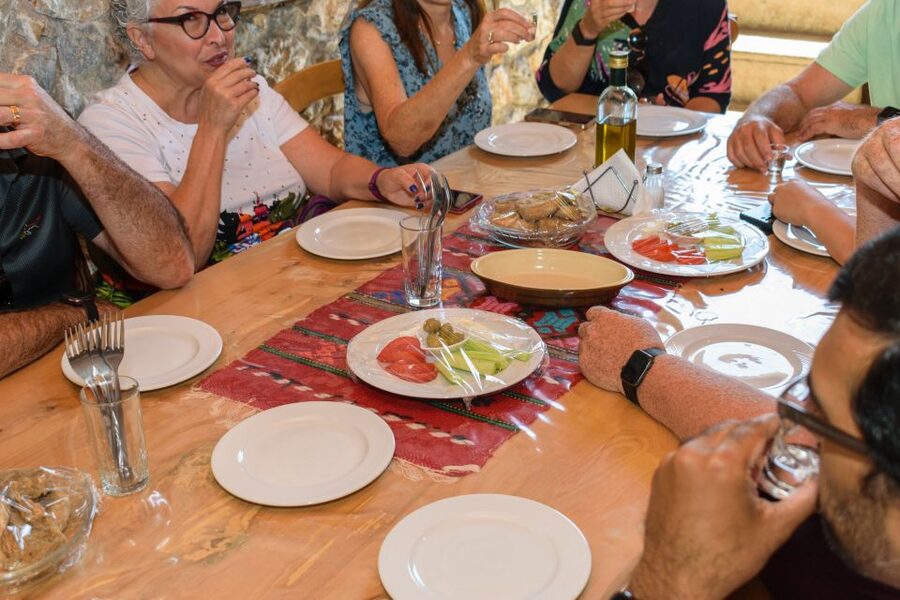
Next comes tsikoudia, also called raki. This stop gives you a clear sense of why Cretans consider this spirit part of their social life, not just a drink.
You visit a local distillery in a traditional village. Then the tour includes both:
- a look at the time-honored method, and
- an understanding of the more contemporary professional process.
You finish with a tasting session. If olive oil taught you to notice nuance, raki teaches you to notice spirit character: how distilling choices show up in what you taste.
Tip for your day: pacing matters. The tour includes multiple tastings plus lunch, so give yourself small pauses between tastings to reset your palate and keep the day comfortable.
The drive through Apokoronas villages and toward the White Mountains foothills
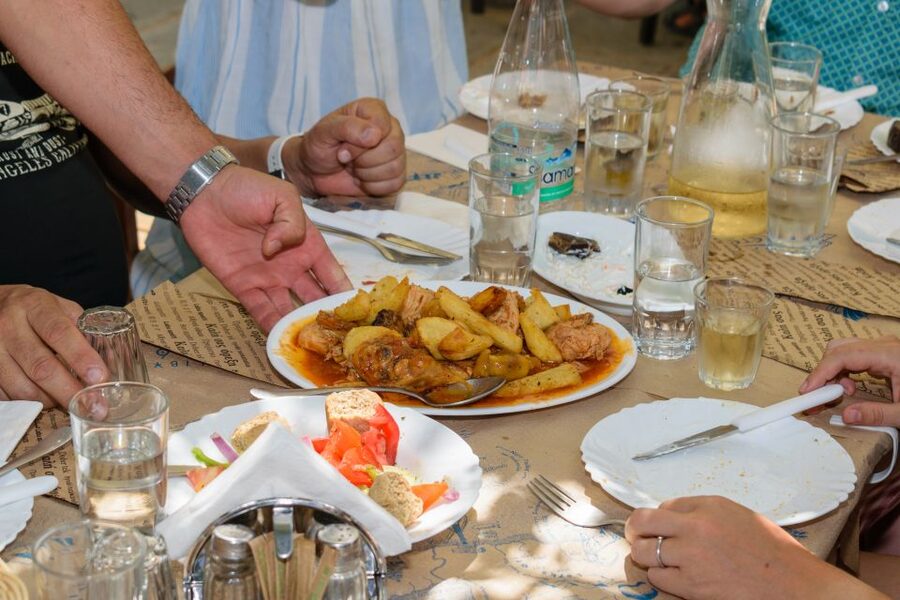
A big chunk of the experience is the route. The tour travels through mainland villages of the Chania area and reaches the foothills of the White Mountains.
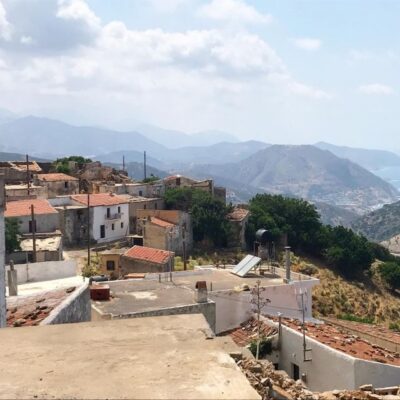
What you gain from the drive is more than scenery. It’s how you understand that these food makers work within real village routines and local geography. The stops don’t feel random; they feel like a path through agricultural and culinary production zones.
Also, Crete weather can change fast. One review noted the tour stayed enjoyable even with rain, which is a reassuring sign that the day isn’t dependent on perfect skies.
Embrosneros bakery stop: bread, cookies, and one sweet sample reality
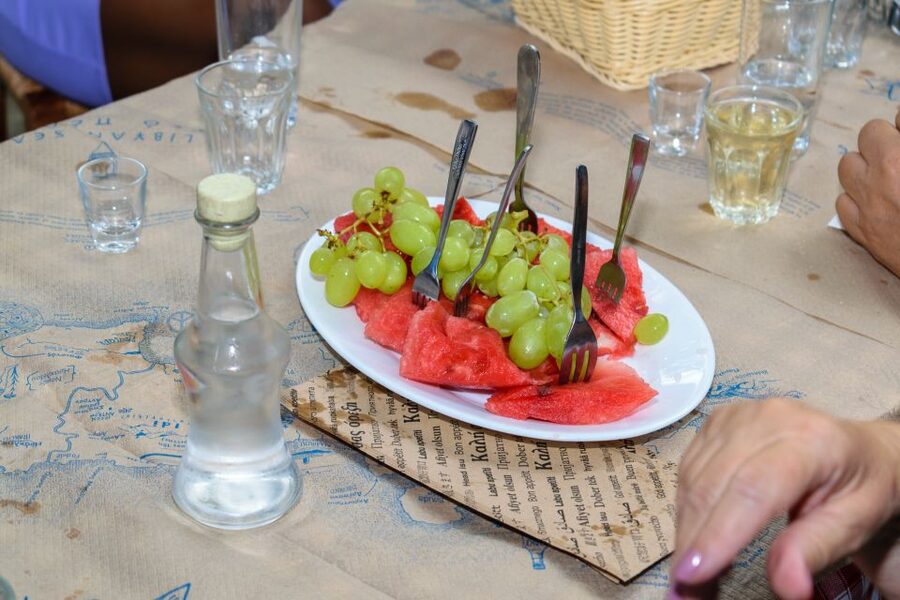
In the village of Embrosneros, you’ll stop at a bakery. This is where the tour shifts from liquids and dairy into wheat and everyday baking.
You’ll taste local bread, cookies, and biscuits. This part is also a cultural cue: Cretan baking is less about showy sweets and more about bread as a foundation for meals and snacks.
One heads-up: the bakery tasting experience may feel light depending on what’s available that day. In at least one booking account, there was only a single chocolate cookie offered for sampling. So if you’re expecting a wide range of bakery bites, keep expectations flexible and focus on the bread and biscuits included.
Cheese factory in Embrosneros: Graviera, Anthotiros, and Mizithra
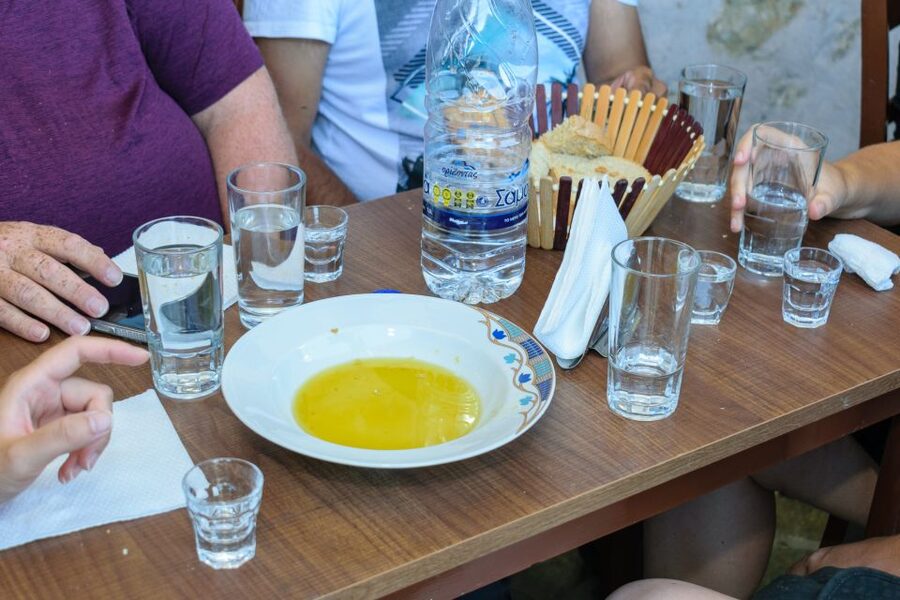
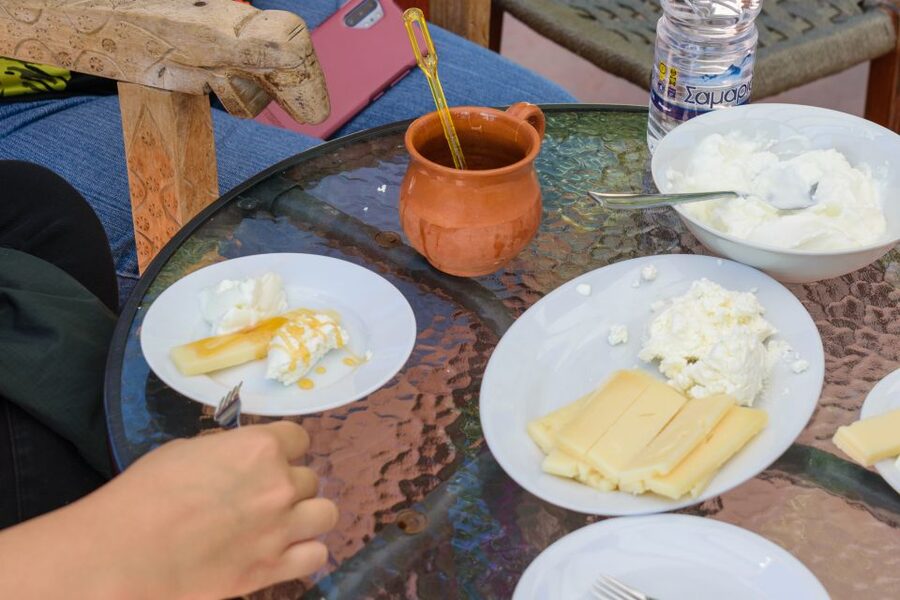
The cheese stop is where the day gets very specific. You’ll visit a traditional cheese factory and learn the production secrets of three cheeses:
- Graviera
- Anthotiros
- Mizithra
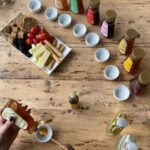
You’re taught in front of the action, then you taste the cheeses together with local honey and rusk (dry bread). That pairing is important. It shows how locals combine dairy sweetness, bread texture, and honey warmth rather than serving cheese as just a standalone bite.
If you like cheese, this is likely the moment you’ll remember most clearly. The tasting is structured, and the flavors tend to make sense once you understand what each cheese is trying to be.
Lunch in Fres: village square comfort food at the kafeneio
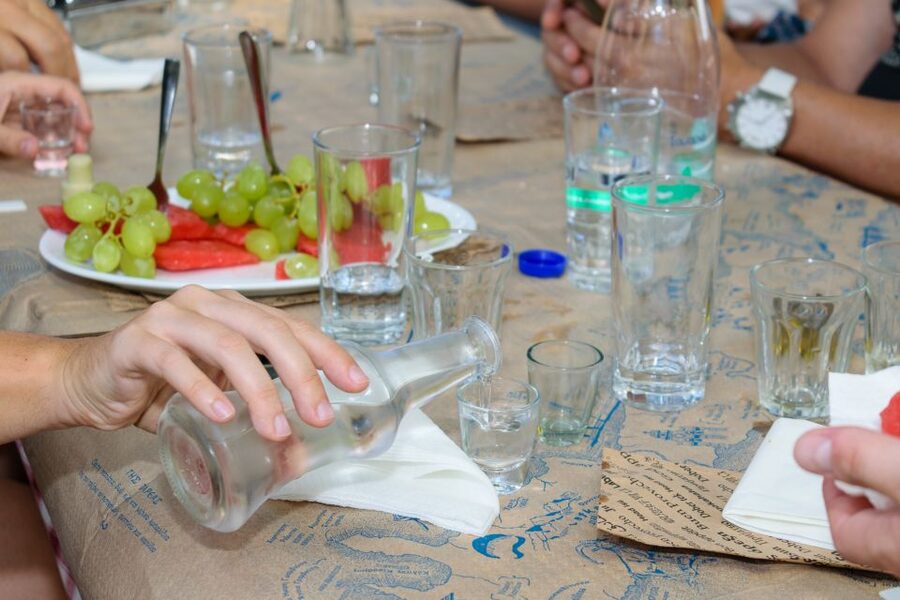
The final stop is a local coffee shop, a kafeneio, in the village of Fres. This is where locals also sit down for meals, and it changes the tone of the day from tasting stations into actual eating.
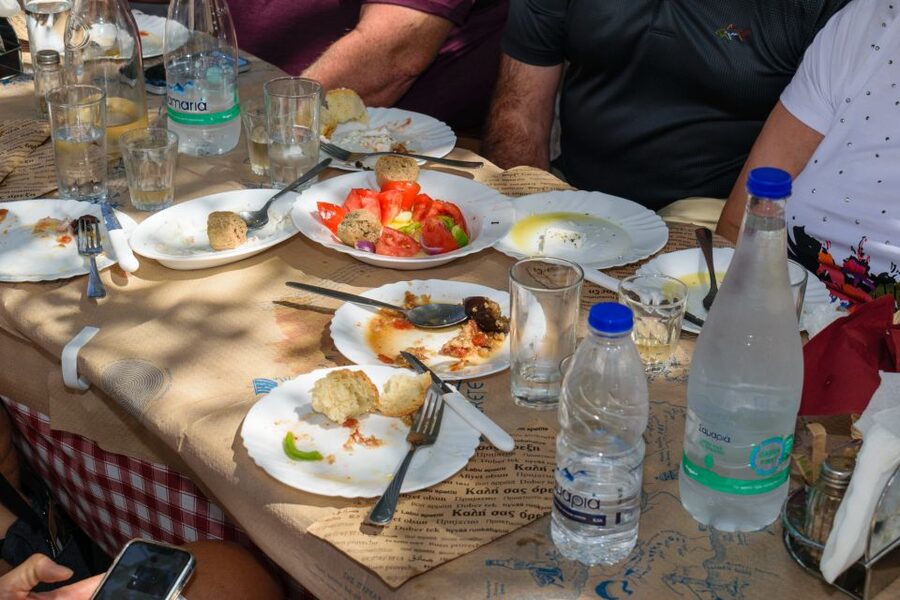
Lunch is described as customary and Cretan-style, served in a charming village square setting. It’s the point where you can slow down, talk, and refuel without feeling rushed.
One practical benefit of ending with lunch: you get a full meal after the earlier tastings. You’re less likely to feel like you’ve been snacking all day with no real payoff.
Guides and language: when English shines, and when it gets harder
The tour runs with an English-speaking local driver/escort. In past experiences, guides like Maria, Andres, and Yannis came up as people who keep the day interesting and easy to follow.
Still, there can be a small language gap at certain family businesses if the proprietors speak with heavy accents. The main story from your guide should carry you through, but if you want zero-friction explanations at every stop, you might find a couple moments require extra attention.
My advice: don’t worry if you miss a word here and there. Taste, watch, and ask your guide follow-ups. Most of what you need is visual, and the tour’s structure helps you connect the dots.
How to get the most out of the day
This is one of those tours where the “right approach” makes a big difference.
- Come hungry, but pace yourself. You’ll have multiple tastings plus lunch, so start with appetite and then slow down between stops.
- Take notes or photos of the key ingredients. Olive oil, raki, honey, and cheese are the headline items, but you can learn a lot from small production details.
- Ask your escort to repeat the tasting logic. The tour aims to teach how to taste, so get the explanation in your own words.
- Dress for village stops. You’ll be walking at production locations and through villages, and you may not be in a single climate-controlled room for the entire day.
Also, if you’re doing this during a busy vacation week, consider what you already know. One booking mentioned overlap when a similar village route had been done previously. If you already saw many of the same kinds of stops around Chania, the value here is still the production focus, but the variety might feel a bit smaller.
Who this tour is for (and who should skip it)
This tour is a great fit if you:
- want a food day built around olive oil, raki, and cheese production
- like meeting small family businesses and hearing how they work
- prefer tasting experiences that come with context
- enjoy village life more than big-city food stops
You might skip it if you:
- want lots of free time in one place for wandering
- mainly want restaurant-style eating without production lessons
- are sensitive to the idea that some tastings might be small or the explanations might vary by stop
Should you book this Chania village food tour?
If you’re deciding between another generic “tastes of Crete” walk and a structured day with real producers, this one leans clearly toward the second option. For the money, you’re getting guided transport, multiple tastings, and a traditional lunch, with production stops that help you understand what you’re eating and drinking.
Book it if you want your palate to leave Crete with names, processes, and pairings you can actually use back home. If you prefer a looser tour with bigger portions everywhere, you may want to look at something else first. But for most food-minded visitors, this is the kind of day that makes Crete feel specific, not generic.
FAQ
How long is the Chania villages food tour?
It lasts 6 hours.
What is the price per person?
The price is $135 per person.
What does the tour include?
It includes hotel pickup and drop-off, transport by air-conditioned minibus/minivan, an English-speaking local driver/escort, all tours and tastings, bottled water per person, and a traditional Cretan lunch. It also covers all taxes, fees, and handling charges.
Are additional food and drinks included?
No. Additional food and drinks are not included.
Is the tour offered in English?
Yes, the tour has an English live guide.
Can I cancel for a refund?
Yes. You can cancel up to 24 hours in advance for a full refund.
More Tour Reviews in Chania
Eat Your Way Round Crete

Fresh Off the Boat: Newest Crete Reviews


Cretan Food Tastings, compared.
 ★ 4.9Sunset or Morning Quad with Local Products TastingFrom $941,135 reviews
 ★ 4.9Quad Safari, Olive Mill with Tasting & Ghost VillageFrom $931,004 reviews
 ★ 4.6From Chania: Olive Oil, Wine, Cheese & Honey Tasting TourFrom $49490 reviews
 ★ 4.9Chania: Old Town Highlights Guided Tour with Street FoodFrom $106407 reviews
 ★ 4.8From Chania: Wine and Olive Oil Tasting Tour with SnacksFrom $141354 reviews
 ★ 5.0Walking “Food tasting tour” in the town of ChaniaFrom $105297 reviews
 ★ 5.0Full-Day Cretan Wines, Olive Oil, Raki and Food TourFrom $141264 reviews
 ★ 5.0Olive Oil Tasting TourFrom $19195 reviews
Browse the lists this tour appears in