
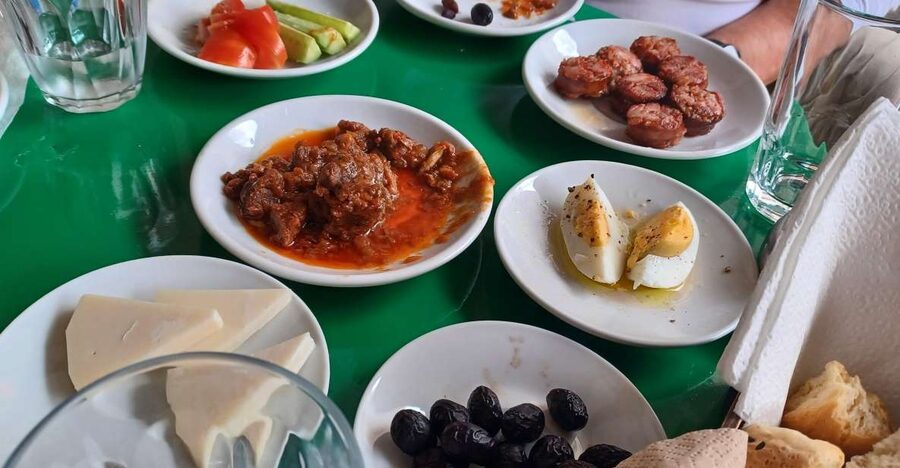
Review · CRETAN FOOD TASTINGS
Food Tour in Heraklion – Discover Cretan Flavors
Food in Heraklion has a story. This 4-hour Heraklion food tour strings together Cretan tastings and landmark stops, so you taste your way around the city’s everyday life. I really like how the small-group feel keeps the experience personal, and I also like the variety: bougatsa and Greek coffee, local honey and sweets, raki, and a final stop that leans into Cretan comfort food.
One thing to plan for: Heraklion’s streets and squares can get noisy, and one reviewer noted it was hard to hear the guide without amplification. If you’re sensitive to sound, bring your best listening mode and stay close to the host when possible.
In This Review
- Key highlights you’ll care about
- The basic idea: a Heraklion food tour that mixes bites with real streets
- Where you meet and how the walking works
- The first taste: bougatsa, strong coffee, and the sweet start you’ll want
- Market and landmark pairing: why the route feels more meaningful than a straight lunch
- Morosini Lions Fountain and the photo-stop rhythm
- The local café break: where you slow down and taste in context
- The stivania workshop: craft you can actually picture
- Rocca a Mare Fortress break: a view moment with purpose
- Central Market time: see what Crete eats and what it buys
- The final restaurant stop and the Pastry History Museum finish
- Sound and group experience: what to expect from the host
- Is it worth $106? A practical value check
- Who this Heraklion food tour suits best
- Should you book this Heraklion food tour?
- FAQ
- What is the duration of the Food Tour in Heraklion?
- Where does the tour start?
- What’s included in the tour price?
- What language is the host?
- Do I need to bring anything?
- Can I get a refund if my plans change?
Key highlights you’ll care about
- Authentic tastings that go beyond just one meal, including sweets, honey, coffee, and raki
- Old Heraklion landmarks along the route, from Venetian-era sights to major churches
- Small-group pacing that feels active but not rushed through every stop
- Central Market time for that real sense of what people buy and snack on locally
- Stivania workshop visit to see the craft behind Cretan shepherd boots
- Pastry-focused finale at the Pastry History Museum area, perfect if you have a sweet tooth
Still hungry? More Cretan plates to graze
- Crete: Sunset or Morning Quad with Local Products Tasting
★ 4.9 · 1,135 reviews - Heraklion: E-Bike Food Tour – Discover the Flavors of Crete
★ 5.0 · 106 reviews - The valley of Zeus (Olive oil, wine tasting)-Knossos palace tour
★ 4.5 · 27 reviews - Heraklion – Walking city tour with food tasting
★ 4.5 · 25 reviews
The basic idea: a Heraklion food tour that mixes bites with real streets
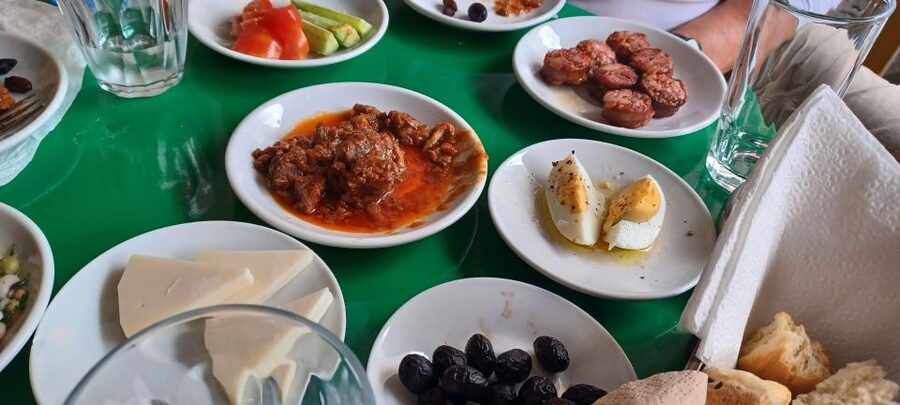
A good food tour shouldn’t just be a list of dishes. This one works because it ties Cretan flavors to the city you’re standing in. You start near the Heraklion Archaeological Museum area and then walk through key squares, churches, harbor views, and markets, with food stops placed where your feet naturally want a break.
I love that it’s not only about eating. You also get local stories that make sense of what you see, whether it’s Venetian influence along the water or the role of church buildings in neighborhood life.
At $106 per person for about four hours, it’s priced like a serious guided experience rather than a quick snack crawl. The value comes from the mix of multiple tastings plus workshop and market time, not from one big restaurant meal.
Where you meet and how the walking works
You’ll meet in the square at the statue in the area of the Heraklion Archaeological Museum. From there, the route is built for walking, with photo stops and short guided segments threaded between tastings.
This matters because Heraklion is best experienced on foot: you can feel the shift from busy market energy to church-and-square calm, and you can actually connect what you’re eating to where you’re walking.
Wear comfortable shoes. You’ll be standing and walking through streets and crowded areas around markets and sights. If you’re planning other activities the same day, I’d still give yourself a little buffer afterward—four hours is active, even with breaks.
The first taste: bougatsa, strong coffee, and the sweet start you’ll want
The food portion kicks off early with Cretan bougatsa paired with Greek coffee. This is a smart opener because it sets the flavor direction fast. Bougatsa is the kind of pastry that anchors Cretan comfort food, and coffee gives it that strong, local rhythm.
Then you move into the sweet-and-drink layer of the tour: premium local honey and traditional Cretan sweets. This is where you learn to recognize that “dessert” on Crete often means ingredients with personality—honey that tastes like its source, pastries that aren’t just sugar, and flavors that feel connected to seasons and local production.
If you usually skip breakfast when you travel, this tour is a great reason not to. You’ll be happier when you arrive with an appetite.


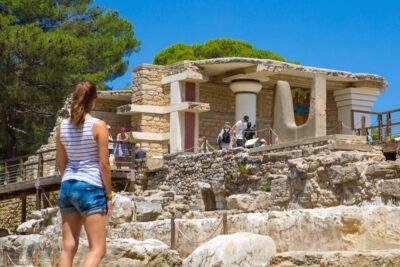
Market and landmark pairing: why the route feels more meaningful than a straight lunch
A food tour is at its best when you can connect the meal to the neighborhood. This tour does that by mixing sights with stops where local food culture is on full display.
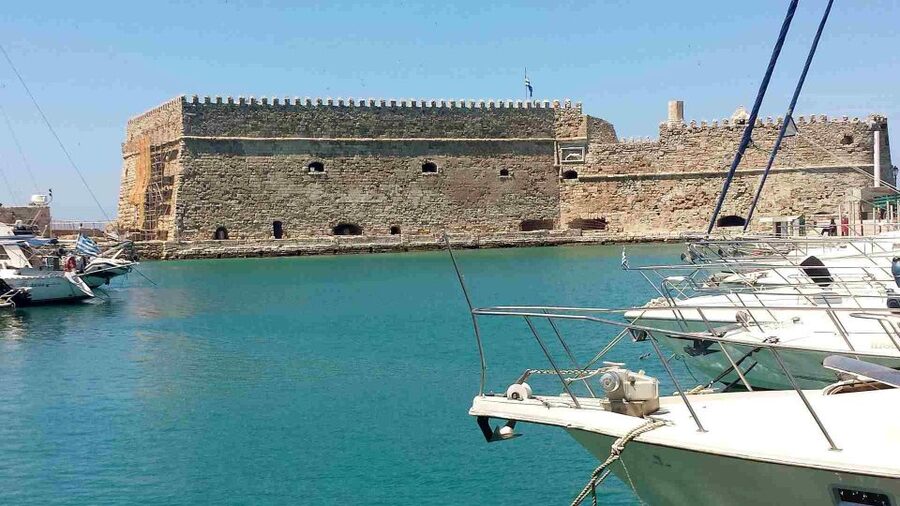
One of the early landscape moves is toward the waterfront area, including the Koules Fortress (Castello del Molo) at the Old Venetian Harbor. Even if you’re not a fortress person, it gives you context for why Heraklion’s food culture has layers. Ports bring trade, ingredients, and habits—and you see that kind of mix throughout the city.
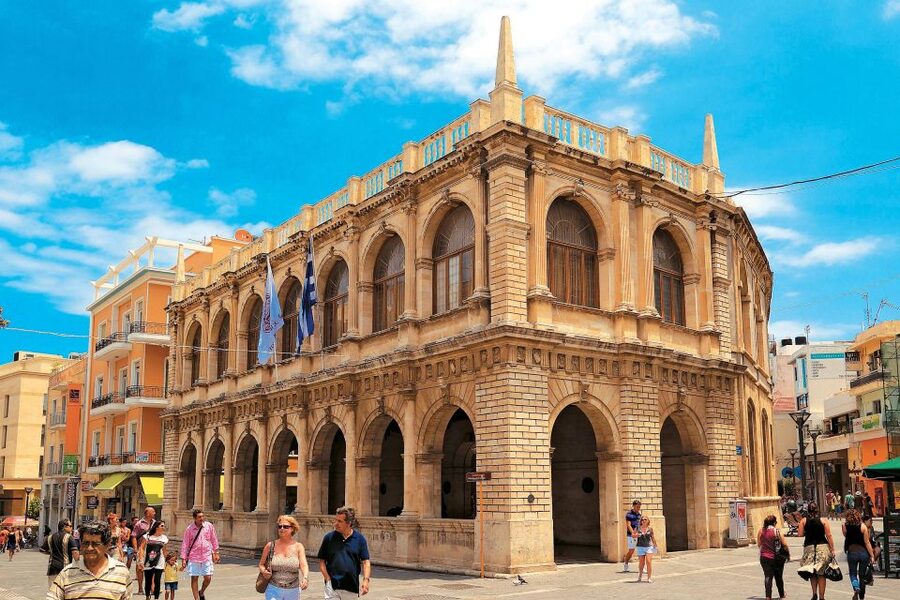
Next, you’ll walk through the Venetian Loggia area, then continue toward major churches and historic buildings like the Cathedral of Agios Minas and Agios Titos Church. You’re not stopping for architecture trivia alone. The point is that these places help frame how communities organize their daily life, including where people gather for food, conversation, and festivals.
Morosini Lions Fountain and the photo-stop rhythm
Some tours feel like a slideshow with food at the end. This one uses a steady rhythm: a guided segment, a short walk, then a photo stop. You’ll hit spots like the Morosini Lions Fountain, plus photo opportunities along the way (including areas like Dedalou and other central streets).
Why I like this approach: it keeps energy up without turning the day into a nonstop lecture. You also get small moments of breathing room—handy because the tastings stack up across multiple stops.
The local café break: where you slow down and taste in context
Around the middle early part of the tour, you’ll reach a local café for a break. This stop includes another chance to taste food and dessert, along with coffee time.
This café break is useful because it gives you a reset before the tour moves back into more walking, especially toward the harbor-side and market areas. It also helps you absorb what you’ve already tasted, so later bites don’t blur together.
If you’re the type who likes to ask questions, this is also a good moment to do it. Café stops are where guides often talk about how locals think about ingredients and what to look for in the market.
The stivania workshop: craft you can actually picture
One of the most memorable parts is the visit to a family-run workshop where you learn about stivania, the traditional leather boots worn by Cretan shepherds.
This is a great addition to a food tour because it shows you how daily life and materials shaped traditions. When you learn how something is made by hand and why people needed it, you start to taste food culture differently too—less like it appeared out of nowhere, more like it grew out of work, climate, and local resources.
Even if you’re not buying anything, the explanation makes the workshop feel like part of the same cultural story as the pastries and sweets.
Rocca a Mare Fortress break: a view moment with purpose
Later, you’ll get a break that includes a visit and sightseeing connected to Rocca a Mare Fortress. This is one of those “stand in the right place” moments—because you’re getting views while the tour is still grounded in place.
A fortress stop also helps you pace the day. You’ve already tasted multiple items and walked through the center; this is where you shift from street-level to a wider perspective.
Central Market time: see what Crete eats and what it buys
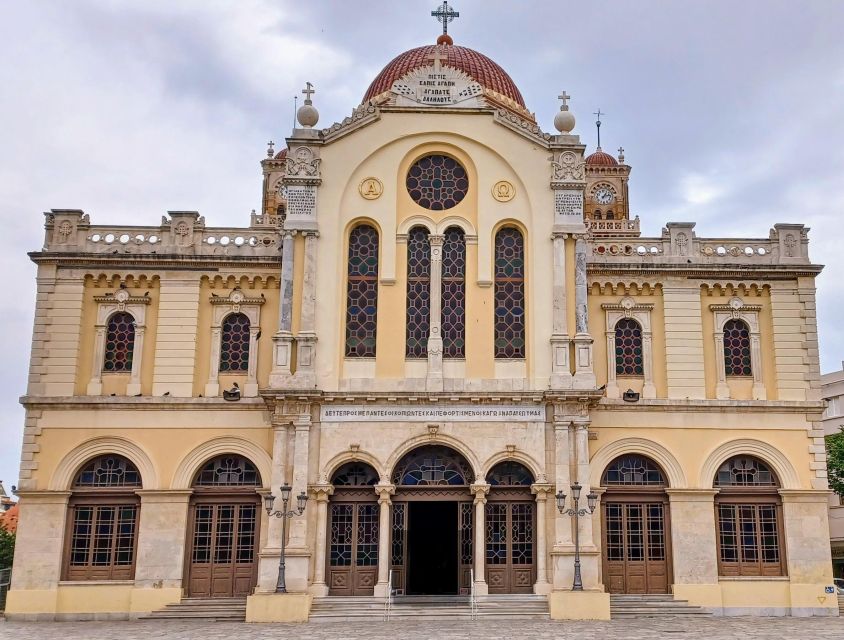
No Heraklion food tour feels complete without time at the Central Market. This is where the aromas and colors make sense, because you’re seeing the environment that feeds the city.
Here, you’ll get guided time in the market area, plus photo moments. The value of this stop is the context. You don’t just taste food; you learn what’s being sold and why certain foods make sense for local routines.
If you like taking mental notes for later—ingredients you want to seek out on your own—this is the best part of the tour for that.
The final restaurant stop and the Pastry History Museum finish
The tour closes with a sit-down feel at a local restaurant for another food tasting break. This is where Cretan hospitality shows up in a practical way: you rest your legs and enjoy classic flavors while the day lands.
Then the tour finishes at the Pastry History Museum, with a photo stop and guided visit. Finishing here makes sense if you’ve been leaning into desserts and pastries from the first bite. It turns your earlier tastings into something you can place in a bigger story about how pastry traditions were taught, repeated, and preserved.
One warning for sweet-tooth planners: if you know you’re sensitive to sugar, pace yourself across the tour. The final museum stop is a natural place to expect more pastry connection.
Sound and group experience: what to expect from the host
The tour is led in English by an English-speaking local host. One reviewer specifically thanked the guide, Rallou, for showing them Heraklion.
There’s also a real-world consideration: one person noted the guide’s voice could be hard to hear because of background noise. If you struggle with hearing on busy streets, stay near the front of the group when you can. It’s the simplest way to avoid missing details during louder segments like market areas and busy squares.
Is it worth $106? A practical value check
At $106 per person for about 4 hours, this tour is best thought of as a guided cultural experience plus a guided tasting plan.
You’re paying for:
- Multiple food and drink tastings across the walk
- Coffee and dessert along the way
- Market and workshop visits, not just restaurant stops
- A route that covers major sights like Koules Fortress, Venetian Loggia, Agios Titos Church, and Agios Minas Cathedral
If you’re the kind of traveler who hates wasting time trying to figure out where to eat, that’s where the value really hits. You get someone to route you through the right places while you’re already learning the city.
If you’re only interested in one meal and don’t care about markets, churches, and workshop craft, a standard meal recommendation might cost less. But for people who want both flavor and context, this tour is a strong match.
Who this Heraklion food tour suits best
You’ll love this tour if:
- you want a walking food experience that includes sights, not just dining
- you like sampling lots of small items, including sweets and coffee
- you enjoy cultural stops, especially when craft and everyday life connect to food traditions
- you want a guide to help you understand what you’re seeing in central Heraklion
You might not love it as much if:
- you prefer quiet, slow museum-only days
- you dislike walking or crowds around markets and major churches
- you need very quiet audio conditions for narration
Should you book this Heraklion food tour?
Book it if you want the easiest path to tasting your way through Cretan flavors while also getting a structured walk through Heraklion’s key sights. The big win is the combination: tastings + market + workshop + landmark context in one four-hour block.
Skip it if you’re strictly in “one perfect lunch” mode and don’t want multiple stops, or if you know noise and walking will ruin the experience for you.
If you do book, come prepared to walk comfortably and eat gradually—your schedule will thank you later when the pastry finish at the Pastry History Museum fits into your day like a planned ending.
FAQ
What is the duration of the Food Tour in Heraklion?
The tour lasts 4 hours.
Where does the tour start?
It starts at the statue in the square near the Heraklion Archaeological Museum.
What’s included in the tour price?
It includes multiple food and drink tastings, an English-speaking local host walking tour, and visits to local markets and traditional workshops.
What language is the host?
The host speaks English.
Do I need to bring anything?
Bring comfortable shoes for walking.
Can I get a refund if my plans change?
Free cancellation is available up to 24 hours in advance for a full refund, and you can reserve now and pay later.
More Tour Reviews in Heraklion




Eat Your Way Round Crete


Fresh Off the Boat: Newest Crete Reviews

Cretan Food Tastings, compared.
 ★ 4.9Sunset or Morning Quad with Local Products TastingFrom $941,135 reviews
 ★ 4.9Quad Safari, Olive Mill with Tasting & Ghost VillageFrom $931,004 reviews
 ★ 4.6From Chania: Olive Oil, Wine, Cheese & Honey Tasting TourFrom $49490 reviews
 ★ 4.9Chania: Old Town Highlights Guided Tour with Street FoodFrom $106407 reviews
 ★ 4.8From Chania: Wine and Olive Oil Tasting Tour with SnacksFrom $141354 reviews
 ★ 5.0Walking “Food tasting tour” in the town of ChaniaFrom $105297 reviews
 ★ 5.0Full-Day Cretan Wines, Olive Oil, Raki and Food TourFrom $141264 reviews
 ★ 5.0Olive Oil Tasting TourFrom $19195 reviews
Browse the lists this tour appears in