
Review · CRETAN FOOD TASTINGS
Food Odyssey, A Historical Culinary Tour of Chania
Food has a way of teaching you a city fast. This small-group Chania historical culinary tour pairs serious food stories with hands-on tastings across old and new town. I especially love the way the guide ties each bite to the people who shaped Cretan eating habits, from Byzantine baking methods to Ottoman pastry culture. I also like the practical “show me, then taste” flow—so you’re not stuck reading history while hungry. The main drawback is simple: you’ll eat a lot in 4 hours, so if you prefer light snacking or have lots of restrictions, plan carefully.
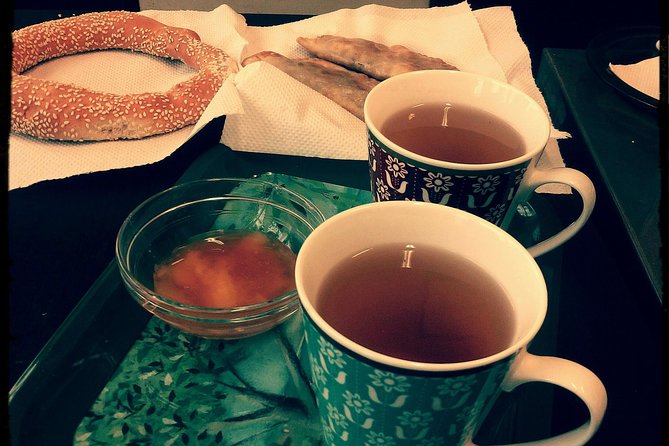
One early highlight is meeting at Kidonias 29 and starting right away with a coffee-shop stop near Chania Town Hall. You’ll try olives, handcrafted cheese tied to ancient Greek references, homemade bread made using a Byzantine-style approach, and an herbal tea like locals drink. The tour keeps a steady walking pace through different neighborhoods, so it feels like a morning that actually uses your legs.
A big reason this tour works is the guide. In particular, Mariana stands out for generosity with time and knowledge—she has the background and the hands-on cooking talent to make food history feel real. With a maximum of 8 travelers and English offered, you get space to ask questions without the tour turning into a herd.
In This Review
- Key things that make this Chania food tour worth your time
- Food Odyssey in Chania: why this tour feels different
- Price and value: what $125.77 buys you here
- Getting ready: practical details that actually affect your day
- The morning route: seven stops that build a story, not just a snack list
- Stop 1: Chania Town Hall area—olives, Byzantine bread, and herbal tea
- Stop 2: The bougatsa factory—Ottoman-era pastry skills with a sweet and milky hit
- Stop 3: Municipal Market of Chania—cheese, cured meats, fish, olive oil, honey, and Greek coffee
- Stop 4: A phyllo factory stop—how pastry starts before it reaches your plate
- Stop 5: Old Venetian Harbor—trade, food politics, and a knife maker
- Stop 6: Splantzia Square—an almond beverage with Byzantine origins
- Stop 7: Final taverna—ancient cooking lesson and traditional delicacies
- The guide factor: what Mariana’s style adds to the day
- Timing and comfort tips: how to make it enjoyable, not tiring
- Who should book this Chania food odyssey
- Should you book Food Odyssey, A Historical Culinary Tour of Chania?
- FAQ
- How long is the Food Odyssey tour in Chania?
- What time does the tour start, and where do I meet?
- Where does the tour end?
- How much does it cost?
- Is the tour in English?
- How big are the groups?
- What’s included in the price?
- Can the tour accommodate vegetarian diets?
- Are there any restrictions for children or service animals?
- What if I have food allergies or dietary restrictions?
- FAQ
- What happens if tastings need to change?
- Is free cancellation available?
- What about weather?
Key things that make this Chania food tour worth your time
- Small group size (max 8): enough attention from the food historian to ask why each ingredient matters.
- Multi-sensory stops: herbal tea, nut-and-flower style beverages, plus tastings at factories and markets.
- Pastry culture in focus: kalitsounia and bougatsa show how Cretan flavors evolved across eras.
- Market browsing with real samples: cheese, cured meat, fish, olive oil, honey, and more, paired with Greek coffee culture.
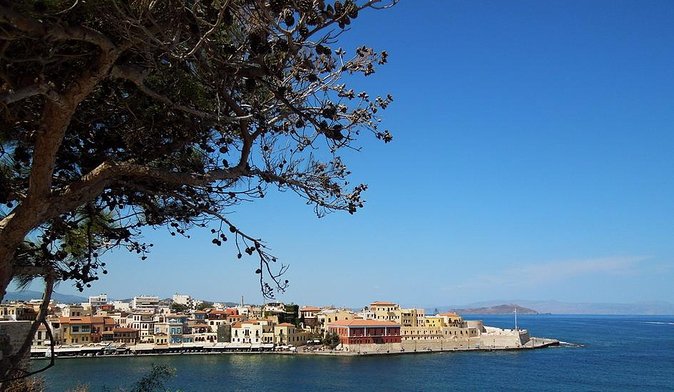
- Old-town storytelling on the ground: Venetian trade and Ottoman influences are explained while you walk.
Aprons on for a proper Cretan kitchen
- Chania: Authentic Cooking Class in the White Mountains
★ 4.9 · 529 reviews - The Real Cretan Cooking Experience
★ 5.0 · 528 reviews - Chania Cooking Class-The Authentic Enjoy traditional Cretan meal
★ 5.0 · 339 reviews - Cretan Cooking Class and Olive Oil Tasting
★ 5.0 · 178 reviews
Food Odyssey in Chania: why this tour feels different
If you’ve ever done a food tour and thought it was mostly a snack parade, this one is built with more purpose. The goal here isn’t just eating. It’s connecting flavors to how Chania’s food system formed—who traded, who conquered, and what ingredients locals kept using.
You’ll spend about 4 hours tasting your way through Chania, starting at 10:00 am. The route moves through several key areas: Chania Town, the municipal market, Ottoman and Venetian parts of the city, and finishes at Splanzia Square. Since there’s a meal included as well as breakfast and lunch, you won’t need to piece together your own plan for the day. Just bring appetite and sensible shoes.
And yes, you should arrive hungry. The tour stacks multiple tastings plus lunch, so if you show up full, the experience is harder to enjoy.
Price and value: what $125.77 buys you here
At $125.77 per person, this tour isn’t the cheapest way to “try some local food.” But it’s also not overpriced for what you receive, because the tastings are tied to specific places you couldn’t easily replicate on your own.
Here’s the value logic that matters:
- You’re paying for food-history interpretation by a field expert, not just eating.
- Several stops include admission (or listed entry), which is usually where self-guided plans get expensive or complicated.
- You get a wide variety of local delicacies, not one or two signature bites.
- The experience includes breakfast, lunch, and a meal, plus multi-sensory tastings throughout.
If you’re already the type who likes to understand what you’re tasting—why herbs are used, where pastry techniques came from, or how coffee culture spread—this price starts to make sense quickly. If you only want a casual bite or two, a lighter food crawl might fit better.
Getting ready: practical details that actually affect your day
A few simple logistics will make your morning smoother.
You’ll meet at Kidonias 29, Chania and start at 10:00 am. The tour ends at the Platanos of Splantzias, at Splanzia Square. There’s no hotel pickup, so you’ll want to be able to reach the meeting area on your own.
Dress code is casual and the big advice is obvious: wear comfortable shoes. The route involves walking through different city zones, plus factory and market areas where you’ll be on your feet.
Food tastings can change, depending on what’s available. If you have allergies or dietary needs, you’ll be asked to share them when booking, and the guide will do their best to accommodate. A vegetarian option is available if you request it in advance.
Also plan for alcohol-free tastings: alcoholic drinks aren’t included, though they may be available for purchase.
Still hungry? More Cretan plates to graze
The morning route: seven stops that build a story, not just a snack list
The best way to experience this kind of tour is to think in chapters. Each stop adds a piece to the food puzzle. The walking helps too, because the city’s architecture and trade history make the explanations land better.
Stop 1: Chania Town Hall area—olives, Byzantine bread, and herbal tea
You start in Chania Town near the Town Hall, meeting your guide at Kidonias 29. From there, you’ll walk toward a local coffee shop while learning how the area’s food culture formed.
This first tasting set the tone: you’ll try olives, handcrafted cheese made using methods connected to ancient Greek information, homemade bread prepared according to a Byzantine-style baking method, and herbal tea in a way Cretans enjoy. You’ll also learn what herbs and wild greens are commonly used—this matters because later bites won’t feel random. You’ll recognize the flavors and understand why they show up again.
Then comes kalitsounia, those famous Cretan small pies. Expect them filled with cheese, wild greens, or a mix of both. This is a strong start because it teaches you the “Cretan basics” early—so the tour doesn’t feel like you’re chasing unfamiliar flavors.
Possible watch-out: kalitsounia and cheese often mean dairy and pastry. If dairy is a problem, make sure you mention it early.
Stop 2: The bougatsa factory—Ottoman-era pastry skills with a sweet and milky hit
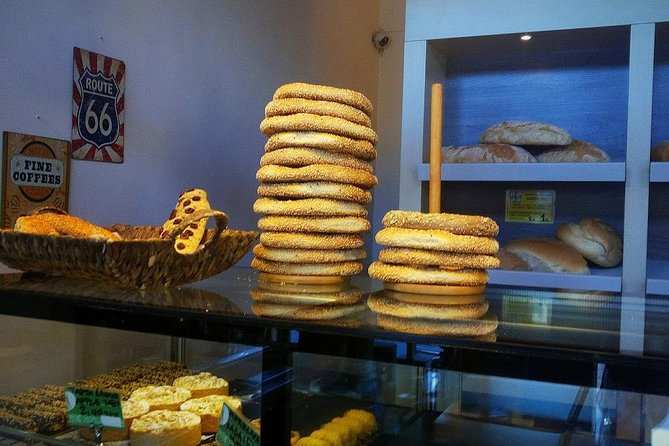
Next you’ll visit a bougatsa factory and then taste bougatsa made in the city. Bougatsa is a cheesy or milky pastry pie, and the point of this stop goes beyond flavor. You’ll also hear how food consumption and pastry technique connected to life during the Ottoman occupation of Crete.
Why this stop is valuable: bougatsa is one of those foods that people love, but it’s easy to eat it without knowing what’s behind it. Seeing a factory environment—then tasting right after—helps you connect technique to texture.
Time-wise, it’s about 30 minutes. Short, focused, and usually high impact.
Stop 3: Municipal Market of Chania—cheese, cured meats, fish, olive oil, honey, and Greek coffee
The Municipal Market of Chania is where the tour starts to feel like Chania in real life. You’ll get a guided look at a world of food: cheese, cured meat, fish, vegetables, bread, rusks, pies, olive oil, and honey. Then you’ll sample some of the best products.
This is also a good stop for sensory education. You’re not just tasting one item—you’re seeing how different staples work together. If you like buying souvenirs that are edible, you’ll likely leave with ideas for what to look for later.
After the tastings, you’ll visit a coffee shop in the market. Here the focus turns to Greek coffee culture, including the so-called Greek coffee and its savory accompaniments that were popular in the 19th and early 20th century.
If coffee is your thing, you’ll appreciate this context. It’s not just caffeine—it’s a social habit tied to the way people used to gather and eat.
Stop 4: A phyllo factory stop—how pastry starts before it reaches your plate
In many places, pastry is treated like magic. This stop pulls the curtain back a bit. You’ll visit a phyllo factory for a quick look at the process.
This is only about 10 minutes, so don’t expect a long workshop. But that short time can make a difference. When you later eat pastry elsewhere in Crete, you’ll likely notice the thin layers and understand that the skill is part technique, part tradition.
If you’re a visual learner, this brief stop is a nice reset before the tour moves into the history walking zones.
Stop 5: Old Venetian Harbor—trade, food politics, and a knife maker
Now the tour shifts from “what it tastes like” to “why the city’s ingredients and methods look this way.” You’ll walk through the Venetian part of Chania and learn about Venetian trade and food politics, and how that shaped Cretan gastronomy and food security.
Then you’ll add hands-on craft. There’s a visit to a Cretan knife maker. This is one of those stops that you don’t always expect on a food tour, but it fits. Food isn’t just ingredients; it’s also tools, preparation style, and local craftsmanship.
You’ll also have a short multi-sensory experience here. That helps keep the pace interesting before moving into the Ottoman-era zone next.
Stop 6: Splantzia Square—an almond beverage with Byzantine origins
At Splantzia Square, you walk through the Ottoman part of the city and then taste an almond beverage of Byzantine origin under the shade of a plane tree.
This is a lovely pause in the tour’s flow. It adds a different flavor lane than cheese and pastry—more nutty, more drinkable, and tied to beverage traditions made with flowers and nuts.
It’s about 30 minutes, including the tasting. If you’re trying to pace yourself, this stop is a good moment to slow down before the final taverna.
Stop 7: Final taverna—ancient cooking lesson and traditional delicacies
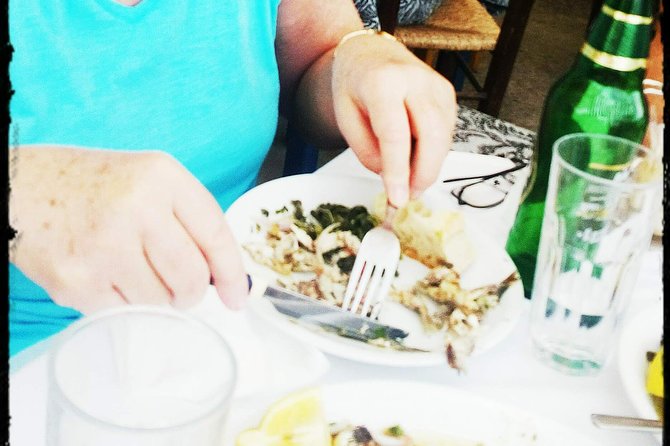
Your last stop is a local taverna for a short lesson on ancient cooking and a chance to enjoy traditional and historic Cretan cuisine.
This final segment works because it connects the threads you’ve picked up along the way. You’ve tasted herbs, bread methods, pastries, market staples, and regional beverage traditions. Then you end with food that feels like it belongs to an older system—how people cooked, why they used what they used, and how those choices became everyday culture.
Time-wise it’s about 40 minutes, with tastings and lunch built in as part of the included experience.
The guide factor: what Mariana’s style adds to the day
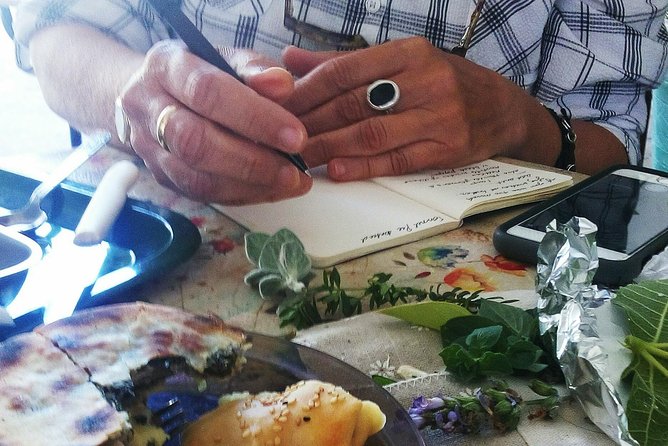
The tours succeed or fail on the guide, and this one has serious expertise behind it. Mariana is an example of the right kind of host for this format: generous with her time, strong on history, and comfortable sharing cooking context in a way you can actually taste.
You’ll likely feel that in small moments—when she explains herbs and wild greens early, then you later taste pies and recognize the flavor logic. Or when the pastry stops are placed in the right order so Ottoman and Byzantine references don’t blur together.
This is also why the small group size matters. With a maximum of 8, the conversation doesn’t feel like a lecture. You can ask practical questions and get answers that relate to what’s on your plate.
Timing and comfort tips: how to make it enjoyable, not tiring
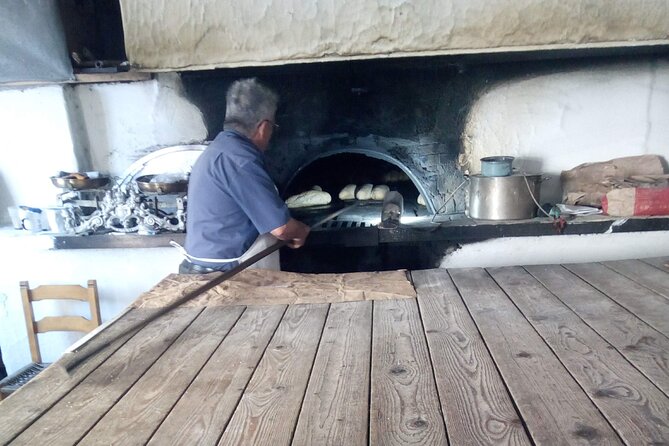
This tour is built for tasting and walking, so don’t over-schedule yourself before or right after. Give yourself time to recover.
A few tips that help:
- Come with an empty stomach. There’s breakfast, lunch, and multiple tastings, so the biggest mistake is eating breakfast first.
- Wear shoes that handle uneven old-town walking and market floors.
- If you have allergies or a strict diet, say it when booking. The tour does its best to accommodate, but you’ll get better results if you flag issues early.
- If you’re sensitive to strong coffee, plan for that market stop and see if the accompaniments are okay for you.
And keep water in mind even though it’s not listed as included. A walking food tour can make you thirstier than you expect.
Who should book this Chania food odyssey
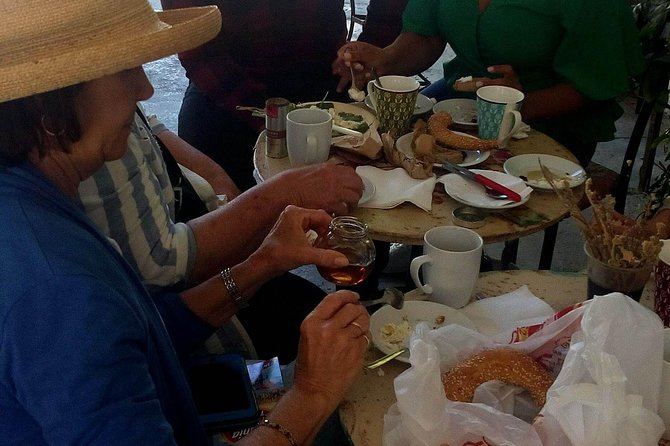
This tour is best for you if:
- You like your food with context, not just calories.
- You want a guided route through Chania’s markets and old neighborhoods without doing separate planning for each stop.
- You’re the kind of traveler who enjoys learning how techniques—like phyllo and pastry methods—tie to larger historical forces.
It might be less ideal if:
- You prefer minimal walking and fewer tastings.
- You don’t want to try a variety of foods (because the tour is intentionally varied).
- Your restrictions are complex enough that you can’t rely on last-minute accommodation.
For most people, it’s a strong “half-day that replaces your meal plans” kind of outing.
Should you book Food Odyssey, A Historical Culinary Tour of Chania?
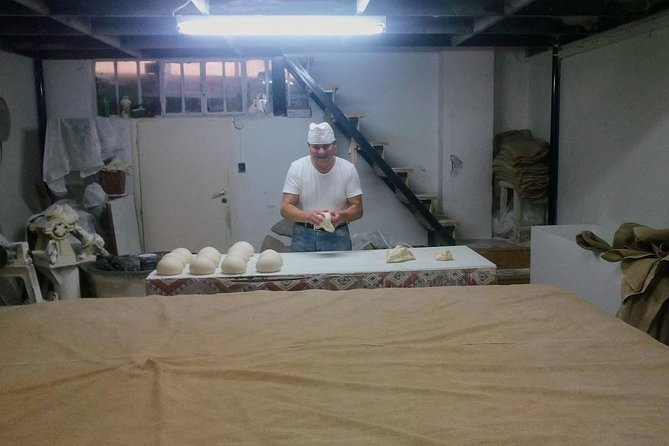
I’d book it if you want a Chania food experience that’s organized, story-driven, and worth the time you spend. The combination of local tastings, factory and market stops, and a guide like Mariana makes it feel less like you’re collecting snacks and more like you’re learning how Cretan eating culture formed.
If you’re coming for one day in Chania and want a practical way to understand the city through food, this is a smart fit. Just remember the core rule: arrive hungry, wear comfortable shoes, and ask questions when the history connects to what you’re tasting.
FAQ
How long is the Food Odyssey tour in Chania?
The tour lasts about 4 hours.
What time does the tour start, and where do I meet?
It starts at 10:00 am. The meeting point is Kidonias 29, Chania 731 35, Greece.
Where does the tour end?
The tour ends at Splanzia Square, at The PLATANOS OF SPLANTZIAS, Pl. 1821, Chania 731 32, Greece.
How much does it cost?
The price is $125.77 per person.
Is the tour in English?
Yes, the tour is offered in English.
How big are the groups?
The tour has a maximum of 8 people per booking, and group discounts are listed as a feature.
What’s included in the price?
Included are a field expert, a wide variety of local delicacies, historic foods, a multi-sensory food experience, and breakfast and lunch. Alcoholic drinks are not included.
Can the tour accommodate vegetarian diets?
Yes. A vegetarian option is available, and you should request it when booking.
Are there any restrictions for children or service animals?
Children must be accompanied by an adult. Service animals are allowed.
What if I have food allergies or dietary restrictions?
You should advise of food restrictions (such as allergies) during booking. The guide will do their best to accommodate your needs.
FAQ
What happens if tastings need to change?
Food tastings are subject to change without notice, depending on availability.
Is free cancellation available?
Yes. You can cancel for a full refund up to 24 hours before the start time. After that, the amount paid is not refunded.
What about weather?
If canceled due to bad weather, you’ll be offered an alternative date or a full refund.
More Tour Reviews in Crete


Eat Your Way Round Crete



Cook the Cretan Classics


Fresh Off the Boat: Newest Crete Reviews


Cretan Food Tastings, compared.
 ★ 4.9Sunset or Morning Quad with Local Products TastingFrom $941,135 reviews
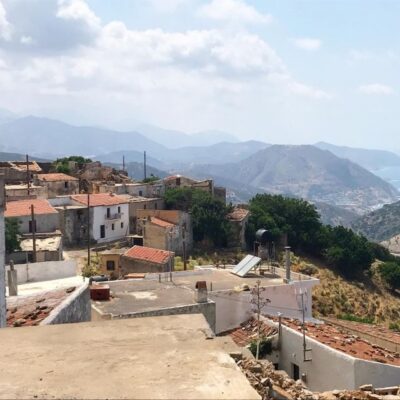 ★ 4.9Quad Safari, Olive Mill with Tasting & Ghost VillageFrom $931,004 reviews
 ★ 4.6From Chania: Olive Oil, Wine, Cheese & Honey Tasting TourFrom $49490 reviews
 ★ 4.9Chania: Old Town Highlights Guided Tour with Street FoodFrom $106407 reviews
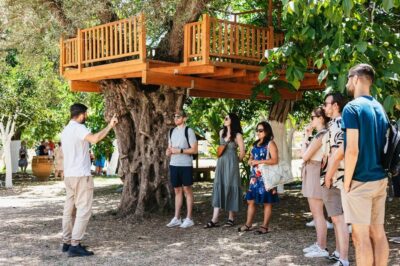 ★ 4.8From Chania: Wine and Olive Oil Tasting Tour with SnacksFrom $141354 reviews
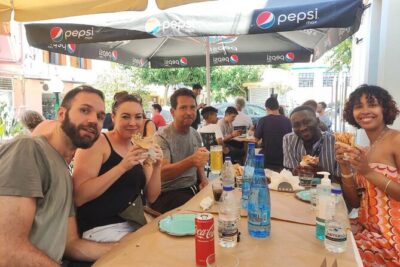 ★ 5.0Walking “Food tasting tour” in the town of ChaniaFrom $105297 reviews
 ★ 5.0Full-Day Cretan Wines, Olive Oil, Raki and Food TourFrom $141264 reviews
 ★ 5.0Olive Oil Tasting TourFrom $19195 reviews
Browse the lists this tour appears in