
Review · CRETAN FOOD TASTINGS
Crete: Heraklion Food and City tour
Heraklion tastes better when someone shows you where to go. This 3.5-hour Heraklion food and city tour pairs classic sights with real Cretan bites, from the open-air market to an old-town taverna.
I especially liked the chance to learn while tasting—watching how Cretans talk about food, oil, and cheese as part of daily life. I also loved the meze-style lunch setup, because you try a lineup instead of just one dish.
One possible drawback: there is quite a bit of walking for a half-day tour, and the pace is active. If you have mobility limits, plan accordingly and ask about the route in advance.
In This Review
- Key highlights you’ll care about
- Meeting Mrs Ralou in the shadow of Heraklion’s main museum
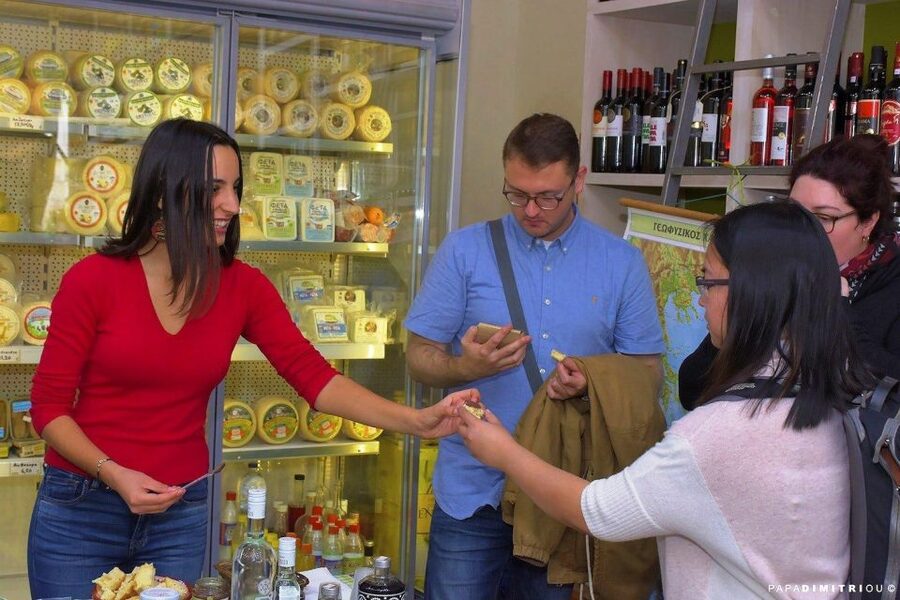
- The open-air market kickoff: olive oil and cheese first
- Venetian Loggia and the churches: why old walls matter for food
- Koules fortress (the 4€ detail) for serious port-city views
- The Pastry Museum: 232 exhibits and the story behind sweets
- Bougatsa with Greek coffee: a classic Cretan comfort start
- Mezedopoleio lunch: eggplant salad, roast meats, and sausage
- Raki and local wine/spirit tastings: the finish that helps you remember
- Skip-the-line and pacing: how this stays smooth in old-town Heraklion
- Price and value: is $141 worth it for 8 tastings plus city sights?
- Who should book this Heraklion food tour
- Quick practical tips before you go
- Should you book the Crete: Heraklion Food and City tour?
- FAQ
- Where does the tour start?
- How long is the Heraklion food and city tour?
- What languages are the guide and audio guide in?
- What food and drinks are included?
- Is the Koules fortress entrance fee included?
- Is this tour wheelchair accessible?
- Are alcohol and drugs allowed during the experience?
- Is there an age limitation?
Key highlights you’ll care about
- 8 local-favourite stops built around food, not just photos
- Cretan olive oil tastings early, so you learn what to look for later
- Venetian Loggia and Koules fortress for the city context behind the food
- Pastry Museum with 232 exhibits, including 32 claimed as unique in the world
- Bougatsa + Greek coffee to start the sweet portion with a proper classic
- Raki and mezedopoleio lunch where you sample multiple dishes in one sitting
Still hungry? More Cretan plates to graze
- Crete: Sunset or Morning Quad with Local Products Tasting
★ 4.9 · 1,135 reviews - Heraklion: E-Bike Food Tour – Discover the Flavors of Crete
★ 5.0 · 106 reviews - The valley of Zeus (Olive oil, wine tasting)-Knossos palace tour
★ 4.5 · 27 reviews - Heraklion – Walking city tour with food tasting
★ 4.5 · 25 reviews
Meeting Mrs Ralou in the shadow of Heraklion’s main museum
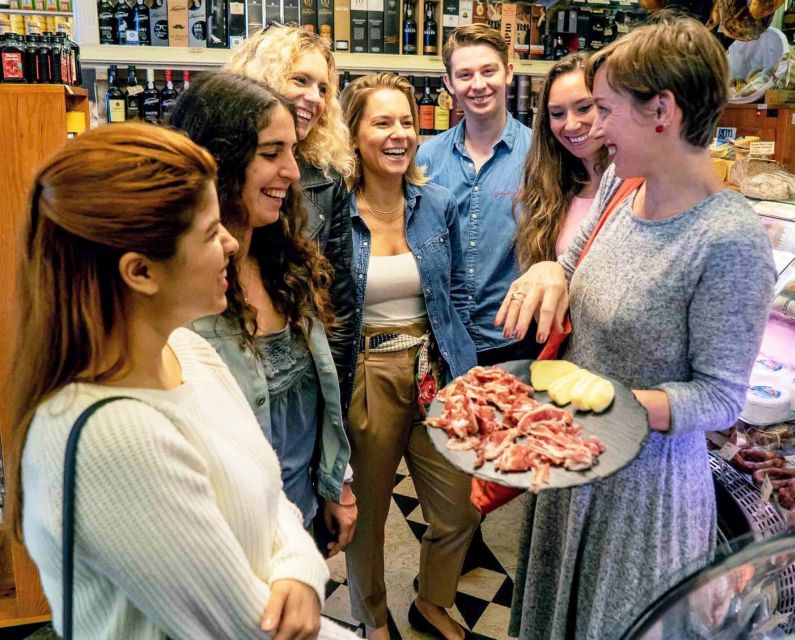
Your tour starts in front of the Heraklion Archaeological Museum. Mrs Ralou will meet you there holding a sign with your name, and that small detail matters more than it sounds—you find your guide fast, no hunting around old-town streets.
From the first minutes, the tone is easy. You’re not rushed into a checklist. You’re guided into the city by walking through the same lanes and squares locals use, then you pair that stroll with food stops so the place makes sense in your head, not just in your camera roll.
Because it’s a private group, you can actually ask questions in real time. That’s a big part of the value here: you’re not just consuming samples, you’re learning how Cretans connect flavors to customs and daily routines.
The open-air market kickoff: olive oil and cheese first
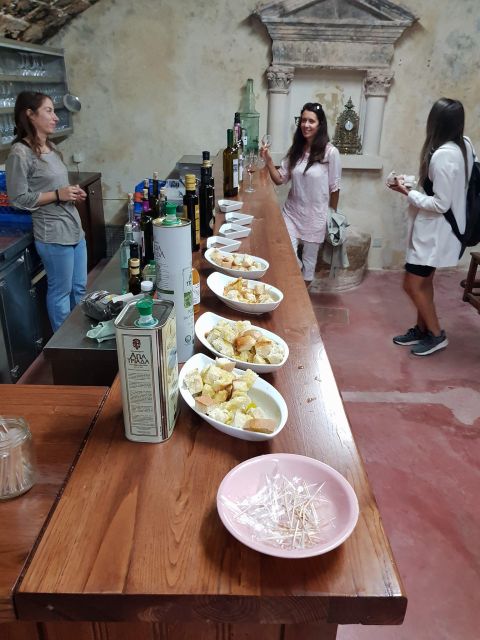
A great food tour doesn’t hide the best lesson until the end. Here, you start by heading to the open-air market and tasting fine olive oils and cheeses early on. That timing helps you taste with more awareness—after you’ve tried a few varieties, the later food stops land better.
Expect a mix of samples and quick explanations rather than long lectures. You’ll also get that practical feeling of how Cretans shop: what they pick, what they compare, and how they think about quality. It’s not only about taste. It’s about understanding the ingredients behind it.
If you’re the type who buys olive oil on vacation, you’ll appreciate this order. You’ll start to notice what you like before you’re standing in a shop trying to remember what was described.
Venetian Loggia and the churches: why old walls matter for food
After the market, you move into the older heart of Heraklion, where Venetian power and Greek life overlap. You’ll see the historic Venetian Loggia and then take in either the Cathedral of Agios Minas or the Church of Agios Titos, depending on the route.
This is one of those parts that can feel optional on paper, but it isn’t. When someone connects the city’s past to its present food culture, you get context for why certain flavors and ingredients became staples. Even if you care mostly about eating, it helps to know what sort of city you’re in.
A small practical tip: wear comfortable shoes here. This is an old-town walk, and the streets are the kind that reward slow pacing. You’ll get more out of the sights when you’re not distracted by sore feet.
More island town walks to try


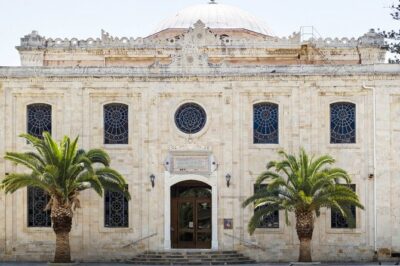
Koules fortress (the 4€ detail) for serious port-city views
Next up is the Venetian Castle of Heraklion, the Koules fortress. It’s described as a massive fortress with two storeys and it historically guarded the port entry. This stop adds a little grandeur to the tour—you’re looking at a place built to control movement and trade, which is exactly how food traditions travel too.
Important for your budget: there is an entrance fee of 4€ per person for the castle, and it is not included.
The payoff is the perspective. Even if you don’t memorize every historical detail, standing in the right spot in a fortress changes how you picture the city. You start thinking about supply lines, merchants, and the movement of goods—then you return to tasting with that mental map in place.
The Pastry Museum: 232 exhibits and the story behind sweets
If sweets are your weakness, you’ll like this stop. You’ll visit the Pastry Museum, which features 232 rare exhibits, including 32 that are said to be unique in the world. That kind of number isn’t just marketing fluff—it signals that this is a focused collection, not a random room with a few displays.
What makes it a smart inclusion is how it fits with the rest of the tour. Cretan baking and pastry culture isn’t separate from the island’s identity. It’s tied to local ingredients, family traditions, and everyday celebrations.
A practical consideration: museum time can feel like a pause in a food tour. If you prefer constant sampling, you might find this a slightly slower segment. Still, it’s the kind of stop that gives you something to talk about afterward, especially if you’re curious about how food culture preserves itself.
Bougatsa with Greek coffee: a classic Cretan comfort start

Then comes the kind of stop that makes food tours worth it: you shift from walking and sightseeing into taste-first mode.
You’ll have Bougatsa with Greek coffee. Bougatsa is a beloved pastry built on flaky layers of puff pastry with sweet or savory fillings. Even if you’ve had bougatsa elsewhere, this works as an orientation taste—because it ties pastry tradition to the island’s everyday rhythm.
The coffee matters too. Pairings help you understand why certain sweets are made the way they are. Here, the goal is less about fancy presentation and more about getting the flavor balance right: pastry texture, sweetness level, and how the coffee cuts through it.
If you’re sensitive to caffeine, take it slow. It’s not listed as strong or weak—just a Greek coffee pairing—so pacing is on you.
Mezedopoleio lunch: eggplant salad, roast meats, and sausage

Now you arrive at the main eating moment: a traditional mezedopoleio (taverna) where the table fills with Cretan mezes. This style is ideal for a food tour because meze is built for variety. You don’t need to choose one dish and hope for the best. You sample, compare, and find your favorites.
Among the dishes you’ll try:
- Eggplant salad, made from eggplant, tomatoes, garlic, herbs, and olive oil
- Roast goat or mezes Bekri, described as slow roasted goat or pork in red wine sauce
- Sausage, either served with vinegar or as meatballs
This lineup has a nice logic. You get vegetables first (so you taste the olive oil and herb profile clearly), then you move into heavier meat flavors where Cretan spices and slow cooking show up.
A bonus here is that you’ll also have opportunities among the mezedes to taste Cretan olive oil and Cretan cheese again. That repetition isn’t redundant. It’s how you learn. Your palate gets better with each tasting, and you start separating olive oil character from everything else on the table.
Raki and local wine/spirit tastings: the finish that helps you remember
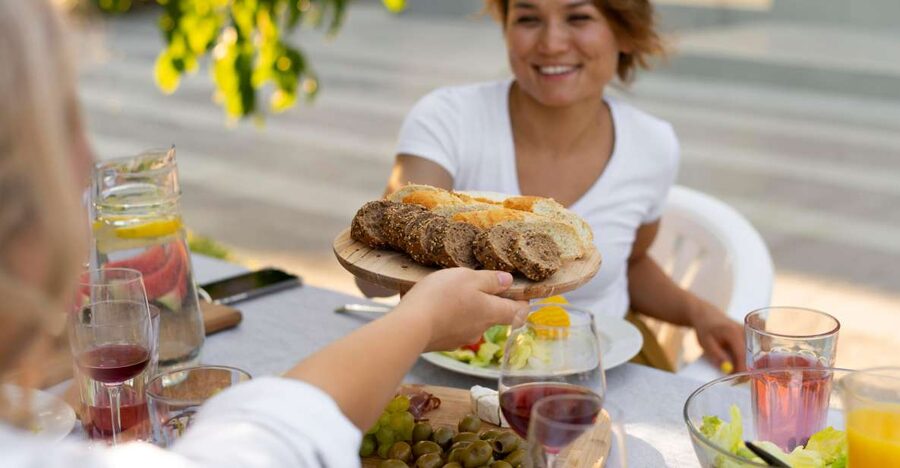
This is a Cretan food tour, so the ending naturally leans into local spirits. You’ll have raki accompaniments, and the included tastings also mention local wine/spirit sampling as part of the food journey.
Raki is the kind of drink that changes how you experience food in the moment. It’s not just a souvenir shot; it’s often part of the social pacing of a meal. After you’ve tried the meats, cheese, and olive oil across multiple bites, raki helps you tie it together as a full experience.
One practical note: the experience data says alcohol is not allowed and lists alcohol and drugs among items not allowed. That sounds like a general rule for how the experience operates. In practice, the tour does include tastings of local wine/spirit, so you’ll want to follow the guide’s direction on what’s served to the group rather than expecting to bring anything from outside.
Skip-the-line and pacing: how this stays smooth in old-town Heraklion
You’ll get an experienced live guide and also an audio guide included in English and Greek. That’s useful if you want a second layer of detail as you walk or pause. It also helps the tour feel less like a single-way lecture.
The tour also notes skip the ticket line. That matters in a city center where you don’t want your tasting schedule tied to queues. You still get time to look and take photos, but the aim is to keep the day’s momentum.
Because the group is a private group, the pacing can be adjusted. If your group wants a few extra minutes on a street corner for a photo, you’re more likely to get it than in a big group bus setup.
Price and value: is $141 worth it for 8 tastings plus city sights?
At $141 per person for 3.5 hours, this isn’t a bargain-basement street-food crawl. But it also isn’t overpriced when you look at what you’re buying.
You’re getting:
- An official local guide (live)
- Food and beverage samples across multiple stops: coffee, rusks, olives, cheese, pastries, traditional sweets, local wine/spirit tastings, and meats
- A city walk with notable sights (market, Venetian Loggia, churches, and the Koules area)
- A Pastry Museum visit
- A private group experience
Where value really shows is in the structure. You’re not spending your time trying to find the next place, then hoping the menu matches what you want. Your guide brings you to local-favourite stops and keeps the flow moving.
The one extra cost to plan for is the 4€ per person castle entrance fee. If you’re traveling with just a couple of people, that’s still small compared to what a couple of additional paid tastings and museum stops would cost on your own.
Who should book this Heraklion food tour
This tour fits best if you:
- Want a food-first walk that still includes key Heraklion landmarks
- Like learning the story behind what you eat
- Prefer sampling multiple dishes (meze style) over committing to one entrée
- Enjoy Cretan staples like olive oil, cheese, pastry, and raki
It may not be the best match if you dislike walking through old-town streets or if you need a very slow pace. The experience also isn’t suitable for people over 95 years as listed, so keep that in mind when planning.
Because it’s private, it also works well for couples and small groups who want a more personal guide experience rather than following a larger crowd.
Quick practical tips before you go
Bring a camera, and plan to carry an ID or passport as the tour notes. You’ll also want to dress for comfort—this is a walk-heavy city tour.
Also, since there are spirit tastings and food sampling, you’ll enjoy it more if you don’t arrive starving but also don’t start with a big heavy meal right before. That balance makes each stop clearer.
If you’re budgeting, remember the 4€ Koules entrance fee. For the Pastry Museum, the exact entry fee isn’t specified in the tour details you provided, so check when you book so you’re not surprised later.
Should you book the Crete: Heraklion Food and City tour?
If your ideal day in Heraklion is part sightseeing and part eating, this one makes sense. I like that the tour treats food as a way to read the city, not just a set of samples. The olive oil and cheese tastings early on, then meze at lunch, then raki at the end is a smart progression.
Book it if you want:
- Guided tastings across multiple local stops
- A guide like Mrs Ralou who brings friendliness and explanations along with the food
- The Pastry Museum stop if you’re curious about how Cretan sweets are collected and preserved
Skip it if you want a super low-walking experience or if you’d rather shop and eat entirely on your own. Otherwise, this is a solid value way to taste the island through Heraklion’s streets.
FAQ
Where does the tour start?
The meeting point is in front of the Heraklion Archaeological Museum. The guide will hold a sign with your name.
How long is the Heraklion food and city tour?
It lasts 3.5 hours.
What languages are the guide and audio guide in?
The live tour guide and audio guide are available in English and Greek.
What food and drinks are included?
Included samples include items such as coffee, rusks, olives, cheese, pastries, traditional sweets, local wine/spirit tastings, and meats.
Is the Koules fortress entrance fee included?
No. The Koules fortress entrance fee is listed as 4€ per person and is not included.
Is this tour wheelchair accessible?
Yes, the experience is listed as wheelchair accessible.
Are alcohol and drugs allowed during the experience?
No. Alcohol and drugs are listed as not allowed.
Is there an age limitation?
The tour is not suitable for people over 95 years.
More Island Town Walks

More Tour Reviews in Heraklion





Eat Your Way Round Crete



Fresh Off the Boat: Newest Crete Reviews



Cretan Food Tastings, compared.
 ★ 4.9Sunset or Morning Quad with Local Products TastingFrom $941,135 reviews
 ★ 4.9Quad Safari, Olive Mill with Tasting & Ghost VillageFrom $931,004 reviews
 ★ 4.6From Chania: Olive Oil, Wine, Cheese & Honey Tasting TourFrom $49490 reviews
 ★ 4.9Chania: Old Town Highlights Guided Tour with Street FoodFrom $106407 reviews
 ★ 4.8From Chania: Wine and Olive Oil Tasting Tour with SnacksFrom $141354 reviews
 ★ 5.0Walking “Food tasting tour” in the town of ChaniaFrom $105297 reviews
 ★ 5.0Full-Day Cretan Wines, Olive Oil, Raki and Food TourFrom $141264 reviews
 ★ 5.0Olive Oil Tasting TourFrom $19195 reviews
Browse the lists this tour appears in