
Review · WORKSHOPS
Crete: Cretan Culture Tour and Pottery Workshop
Crete can feel like a collage of stone, stories, and craft. This one-day Cretan Culture Tour and Pottery Workshop strings together major sights with hands-on time (pottery) plus a true Crete taste test (olive oil). I especially liked the stop at Monastery of Arkadi and the creative break in Margarites around the pottery tradition.
You’ll get a guided day that moves at a tourist-friendly pace, with transportation included and plenty of context as you go. The main thing to consider is that the pottery portion may be less hands-on on some departures than the wording suggests, so if making your own ceramic is your top goal, go in with open eyes.
Key highlights at a glance
- Arkadi Monastery with its museum-style collection of icons, monastic relics, and weapons
- Museum of Ancient Eleftherna covering a long timeline, from early eras through later centuries
- TSIKALARIO pottery in Margarites, where you learn the craft and try your own work
- Cretan olive oil tasting after seeing how the process has evolved
- Melidoni Cave (Gerodospilios), a religious cave experience shaped by stalactites and history
In This Review
- Why Arkadi and Margarites belong on your Crete day
- Pickup in Rethymno and how the schedule actually feels
- Monastery of Arkadi: icons, relics, and a place with weight
- Museum of Ancient Eleftherna: what 3000 B.C. to 1300 A.D. looks like
- Margarites and TSIKALARIO pottery: learn a tradition, then try your hands
- Margarites village break and an olive oil stop that actually matters
- Melidoni Cave (Gerodospilios): worship, stalactites, and a change of pace
- Price and value: what the $40 gets you (and what costs extra)
- Who this tour fits best
- Should you book this Crete culture tour and pottery day?
- FAQ
- FAQ
- What cities are the pickup options for this tour?
- How long is the tour?
- What language is the live guide?
- Are entrance tickets included in the price?
- Is transportation included?
- Does the tour include olive oil tasting?
- When will I get pickup details?
Why Arkadi and Margarites belong on your Crete day
If you only have one day, you want variety that still feels connected. This tour does that well: big religious history at Arkadi, deep time at Eleftherna, and everyday Crete skills in Margarites. Then it caps the day with a memorable cave that ties back to worship and ritual.
Two parts really land. First, Arkadi isn’t just a pretty monastery stop—it’s paired with a museum component where you can see artifacts and understand what the place stood for. Second, the day gives you a break from sightseeing mode into a craft moment at TSIKALARIO, plus an olive oil tasting that makes the food side more than an afterthought.
The best way to think about it: you’re not rushing through one highlight. You’re collecting smaller chapters of Cretan life—religion, archaeology, craft, and food—without needing to plan.
Worth lining up before you lock in this one:
- Chania: Authentic Cooking Class in the White Mountains
★ 4.9 · 529 reviews - Heraklion: Beginner Scuba Diving Lesson with PADI Instructor
★ 4.9 · 355 reviews - Chania Cooking Class-The Authentic Enjoy traditional Cretan meal
★ 5.0 · 339 reviews - Cretan Cooking Class and Olive Oil Tasting
★ 5.0 · 178 reviews
Pickup in Rethymno and how the schedule actually feels
The tour starts with pickup from your hotel or very close to it in Rethymno. You’ll receive a voucher by email with your pickup time and point one day before, and you can also view it using your booking reference at 123voucher.eu/voucher.
On a day like this, timing matters because you’re doing multiple “anchor stops.” Plan for a full day with comfortable shoes, sun protection, and water. The route includes indoor museum time as well as outdoor walking, and the cave stop is part of the reason the itinerary needs structure.
One practical note from real-world experience: if you’re sensitive to temperature on vans or buses, keep a light layer handy. A cold setting can happen, and you’ll appreciate being prepared after several hours in the heat.
Monastery of Arkadi: icons, relics, and a place with weight
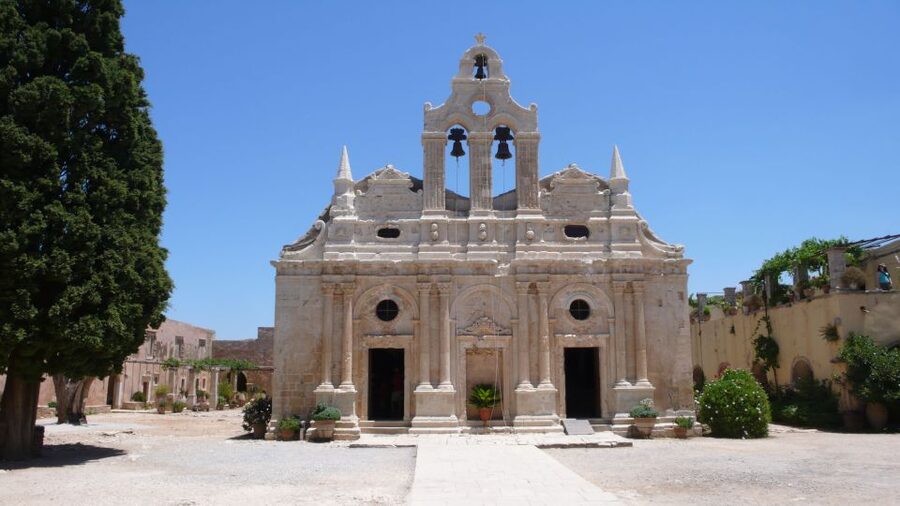
Monastery of Arkadi is the kind of site that makes Crete feel both historic and human. You start there and get time to explore, plus you’ll visit the museum area where icons, monastic relics, and weapons help you understand what this monastery meant and how its story unfolded.
You also get around an hour of free time after the museum segment. That’s useful here because Arkadi rewards slower wandering—there’s a lot to look at, and you’ll likely want a few minutes to step back, take photos, and just absorb the atmosphere.
Because entrance is not included, you should also budget for it. The monastery entrance runs 3€ per person, so if you’re comparing this tour to other one-day options, add that cost into the real total.
Museum of Ancient Eleftherna: what 3000 B.C. to 1300 A.D. looks like
Next is the Museum of Ancient Eleftherna, a museum set up to show a broad span of time—from around 3000 B.C. to 1300 A.D. It also focuses on the period connected to Homer’s era, so it’s not only archaeology facts in a vacuum. You get a way to connect myth, early history, and later settlement.
This is a good stop if you like context. A guided explanation helps make sense of what you’re seeing: finds from the site, objects, and the sense that Eleftherna wasn’t one snapshot—it was a changing place over many centuries. Even if you don’t consider yourself a museum person, the theme here is clear: Crete kept building on the same ground.
One note to keep expectations realistic: museum size and pacing can feel a bit tight depending on the day. If you want a lot of time to read every label, you might want to skim faster and save your questions for the guide.
Entrance to this museum is separate at 4€ per person, so again, add it in when you calculate value.


Margarites and TSIKALARIO pottery: learn a tradition, then try your hands
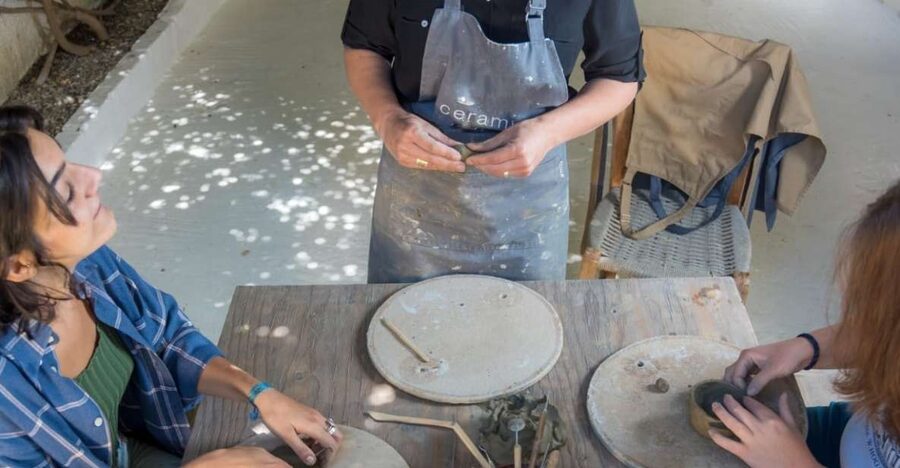
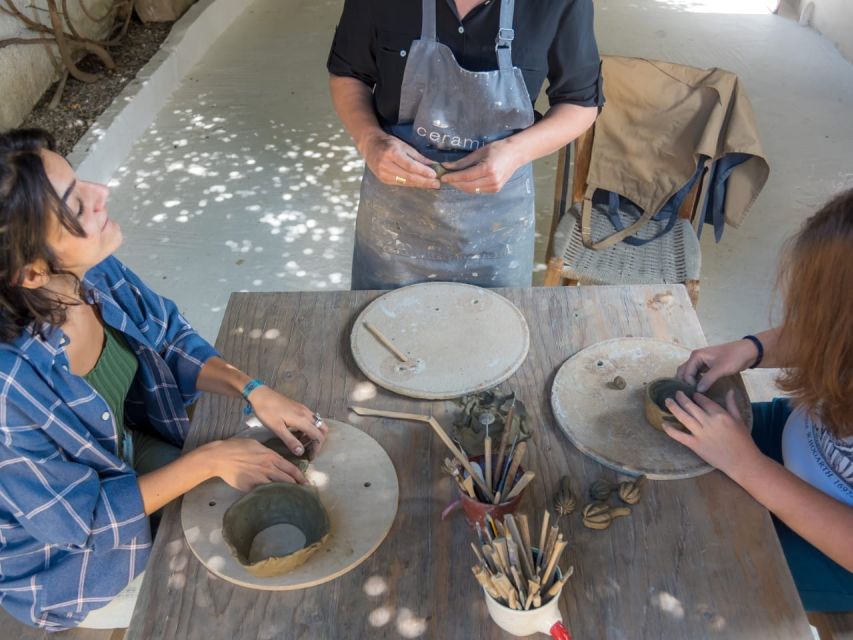
TSIKALARIO in Margarites is the craft part of the day, and this is where the tour aims to do something more memorable than just sightseeing. You’ll visit the pottery workshop, learn about the art and its roots, and you’ll have the chance to create your own ceramic item.
Now, here’s the key consideration. The tour is described as hands-on, and in most cases you should expect to participate. But I’d treat the experience as a craft lesson with a chance to make something, not a guarantee that every departure is equally workshop-heavy. In at least one real scenario, the pottery visit functioned more like a demonstration, with less time for the participants to actively form pieces.
If pottery is a must for you, go prepared to at least enjoy learning how the process works. Even when it’s more observing than hands-on, it’s still a window into why Margarites is known for this tradition and how generations passed knowledge down.
Wear clothes you don’t mind getting a little dusty, and bring patience—handicraft time can move slower than a bus schedule.
Margarites village break and an olive oil stop that actually matters
After pottery, you’ll have free time in Margarites. That break is perfect for one of two things: a relaxed lunch plan or a short wander to take in the village without feeling rushed.
Then comes the olive oil part, which I like because it’s not just tasting—it’s also process. You’ll visit an olive oil manufactory, learn how Cretans made olive oil in the past, and see how the method has evolved to modern times.
Next you get an olive oil tasting, which is the moment where your brain switches from history mode to taste mode. Olive oil is easy to treat like a generic souvenir, but tasting with context makes you pay attention to differences in aroma and flavor. It also gives you something concrete to remember, which is exactly what you want after a day packed with stops.
One practical realism check: the olive oil manufactory experience can be more about explanation and tasting than watching active production. If seeing machines running is what you’re hoping for, you might find it more static. Still, the tasting portion is the reason most people leave happy.
Melidoni Cave (Gerodospilios): worship, stalactites, and a change of pace
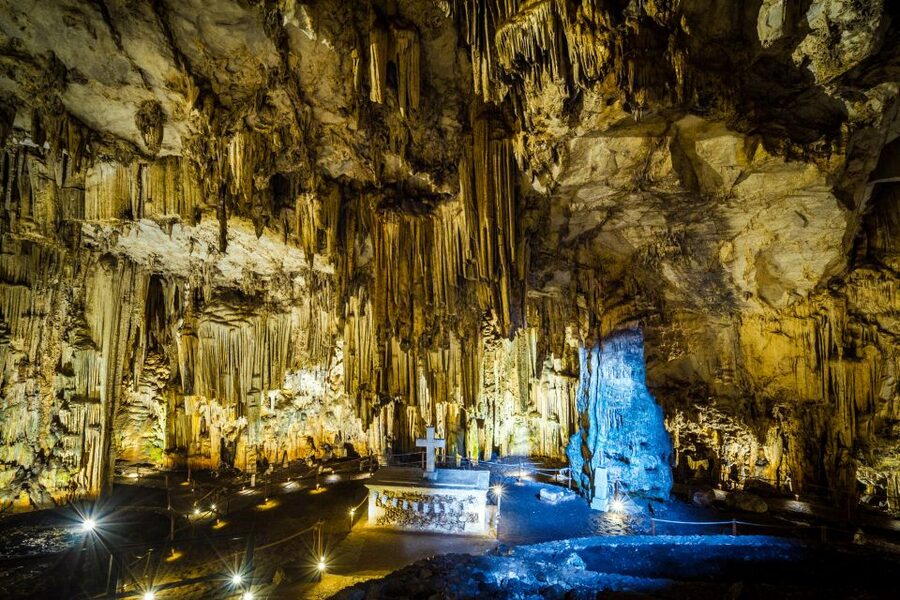
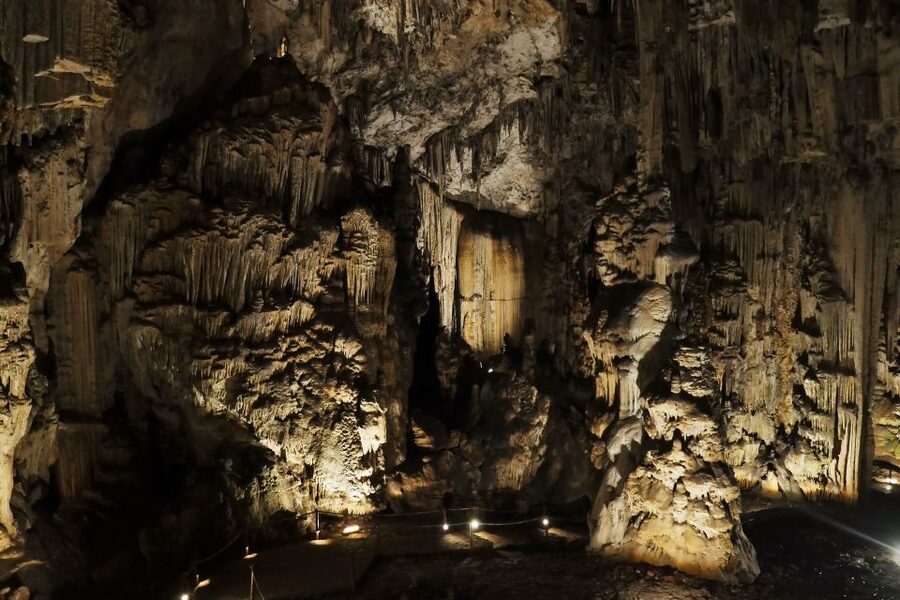
The last anchor is Melidoni Cave, also known as Gerodospilios. It’s a historic cave associated with religious ceremonies and worship, so it’s not just a geology stop. It connects back to the day’s theme: places where people gathered, believed, and performed rituals.
Inside, you’ll see the cave’s stalactites and stalagmites. There’s also a sense of altitude and scale here—described as a 220-meter altitude cave—so it feels like you’re going somewhere truly different from the monastery and museum world.
As with the other paid attractions, cave entrance is not included. Budget 3€ per person for Melidoni Cave.
This final stop is also where a one-day schedule helps. It gives you a “last wow” that’s visually different and emotionally more grounded than another museum room.
Price and value: what the $40 gets you (and what costs extra)
The headline price is $40 per person, and the good news is that the tour isn’t only words. You’re paying for guided narration, transportation, and included experiences like the olive oil tasting and the ceramic-making opportunity.
But to judge value honestly, account for the entrances that are not included:
- Arkadi Monastery: 3€
- Museum of Ancient Eleftherna: 4€
- Melidoni Cave: 3€
That adds up to 10€ per person in entrance fees. So your real total is closer to $40 plus about 10€ (currency conversion will swing a little).
If you already plan to visit these places anyway, the guided format plus transport is what makes the day easy. If you’re the type who hates group schedules, you might prefer mixing two independent stops with one guided activity. But if you want a structured Crete sampler, this price is in the reasonable zone.
Who this tour fits best
This is a great fit if you want a single-day plan that covers both “big Crete” and “everyday Crete.” You’ll enjoy it if you like religion-history sites, archaeology context, and a food tasting with actual explanations.
It’s also a good choice for people who want a guide who can translate on the fly. One experience I liked from the group format is that the guide has been able to provide visits in different languages, including French, which can make the day feel smoother if you’re not comfortable with English all the time.
Families can sometimes find it helpful too. A child seat was offered in at least one instance, which suggests the crew tries to accommodate. If you’re traveling with little ones, plan to mention needs clearly when you book.
If you’re very sensitive to timing, note that some stops include free time and others involve set visits. You may not get perfectly paced solo exploration.
Should you book this Crete culture tour and pottery day?
I’d book it if you want a high-effort, one-day hit list that includes real culture activities, not just photos. The Arkadi museum time and the way the day ties together history, craft, and taste are the main reasons it works. The olive oil tasting alone makes it feel more local than the average tour.
I’d hesitate only if your top priority is guaranteed hands-on pottery time with zero chance of a demonstration format, or if you need extended museum reading time. There are also small operational quirks that can affect comfort, like possible toilet access or temperature settings in vehicles, so keep expectations flexible.
If you’re deciding right now, here’s the simple checklist: comfortable shoes, a bit of patience for museums, and the ability to enjoy learning even if some parts lean more instructional than fully participatory. If that sounds like you, you’ll likely come away with a strong sense of what Crete feels like.
FAQ
FAQ
What cities are the pickup options for this tour?
Pickup is from your hotel or close to your hotel in Rethymno.
How long is the tour?
The experience runs for 1 day. Starting times vary, so check availability for the schedule.
What language is the live guide?
The tour is guided in English.
Are entrance tickets included in the price?
No. Entrance is not included for Arkadi Monastery (3€), Museum of Ancient Eleftherna (4€), and Melidoni Cave (3€).
Is transportation included?
Yes. Transportation is included as part of the guided tour.
Does the tour include olive oil tasting?
Yes. Olive oil tasting is included.
When will I get pickup details?
You receive your voucher by email one day before the tour with pickup time and pickup point. You can also view it at 123voucher.eu/voucher using your booking reference.
Try Your Hand at Something



More Tour Reviews in Crete


Fresh Off the Boat: Newest Crete Reviews


Workshops, compared.
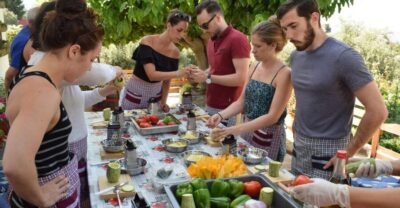 ★ 4.9Chania: Authentic Cooking Class in the White MountainsFrom $129529 reviews
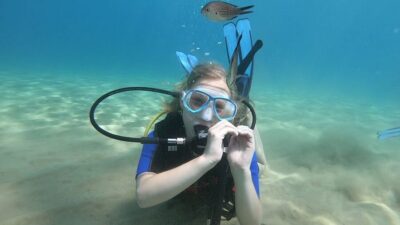 ★ 4.9Heraklion: Beginner Scuba Diving Lesson with PADI InstructorFrom $88355 reviews
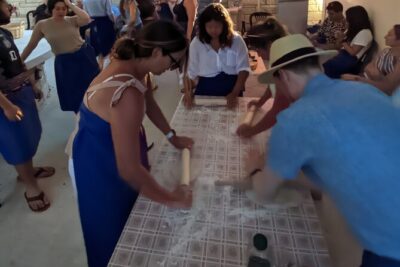 ★ 5.0Chania Cooking Class-The Authentic Enjoy traditional Cretan mealFrom $133339 reviews
 ★ 5.0Full-Day Jeep Safari Tour with Cooking LessonFrom $111284 reviews
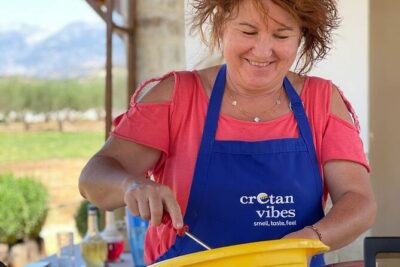 ★ 5.0Cretan Cooking Class and Olive Oil TastingFrom $114178 reviews
 ★ 5.0Rethymno: Chrysoula’s Cretan Home Cooking LessonsFrom $11698 reviews
 ★ 5.0Moires: Cooking Class and Olive Oil Tasting at a Family FarmFrom $10093 reviews
 ★ 4.8Sightseeing Day Trip with Cooking Lesson and LunchFrom $10877 reviews
Browse the lists this tour appears in