
Review · CRETAN COOKING CLASSES
Cretan Traditional Cooking Lessons
A few hours at a Cretan farmhouse is seriously life-changing. This small-group class near Chania mixes hands-on cooking with real family hospitality, taught by Eleni and her mother, Mrs Chrisoula, at the Metochi farmhouse. You’ll cook classic dishes, learn how olive oil fits into the Cretan diet, and finish with the meal you made. One thing to consider: it runs about 5 hours in the late afternoon, so plan your day around a full, sit-down dinner.
What I like most is the way you cook as a group, not just watch. In the kitchen, you get practical guidance on the dishes—then you eat them right away. I also love that ingredients come from their farm and you can see their approach to sustainability, plus an olive oil tasting and explanations of the processes. If you’re hoping for a super-fast snack-and-go experience, this isn’t that.
In This Review
- Key Things to Know Before You Go
- Metochi Farmhouse Near Chania: What the Setting Feels Like
- Pickup, Timing, and Small-Group Size (The Practical Stuff)
- Meet Eleni and Mrs Chrisoula: Hospitality That Drives the Lesson
- The Farm Tour and Olive Oil Tasting: Learn Before You Cook
- Cooking Together: How the Kitchen Lesson Works
- The Dishes You’ll Cook (and What Makes Them a Real Meal)
- Starters: Rolls, Rusk, and Fresh Cretan Comfort
- Mains: Oven-Baked, Stuffed Vegetables, and Stifado
- Dessert: Kalitsounia with Honey
- Dinner at the Table: Why You’ll Remember This Part
- Price and Value: $132.17 for Five Hours of Real Food Skills
- Who This Cooking Lesson Fits Best
- What to Expect at the End of the Evening
- Should You Book This Cooking Class?
- FAQ
- FAQ
- Is hotel pickup included?
- Where does the cooking lesson start?
- How long is the experience?
- What time does it start?
- How many people are in the group?
- What language is it offered in?
- What dishes are included?
- Will I eat what I cook?
- When do I get confirmation after booking?
- What’s the cancellation policy?
Key Things to Know Before You Go
- Small-group limit (max 14) keeps the pace friendly and the teaching personal.
- Hotel pickup in an air-conditioned vehicle makes the farm feel easy to reach.
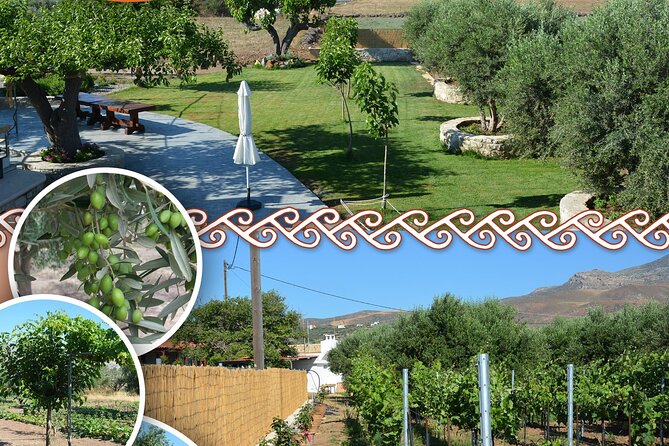
- Farm-focused experience includes a farm tour plus olive oil tasting and explanations.
- Hands-on cooking means you’ll actually make multiple dishes, not just one.
- Dinner is the payoff: you sit down and eat what you prepared.
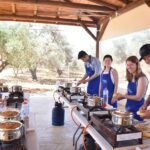
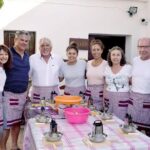
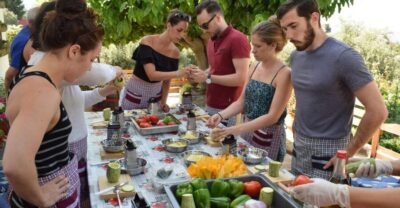
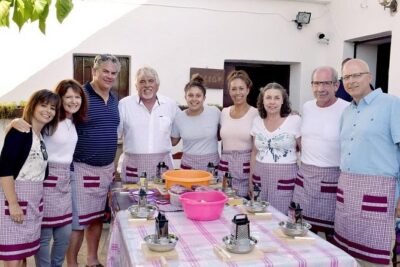
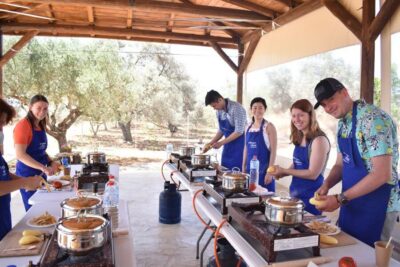
Aprons on for a proper Cretan kitchen
- Chania: Authentic Cooking Class in the White Mountains
★ 4.9 · 529 reviews - The Real Cretan Cooking Experience
★ 5.0 · 528 reviews - Chania Cooking Class-The Authentic Enjoy traditional Cretan meal
★ 5.0 · 339 reviews - Cretan Cooking Class and Olive Oil Tasting
★ 5.0 · 178 reviews
Metochi Farmhouse Near Chania: What the Setting Feels Like
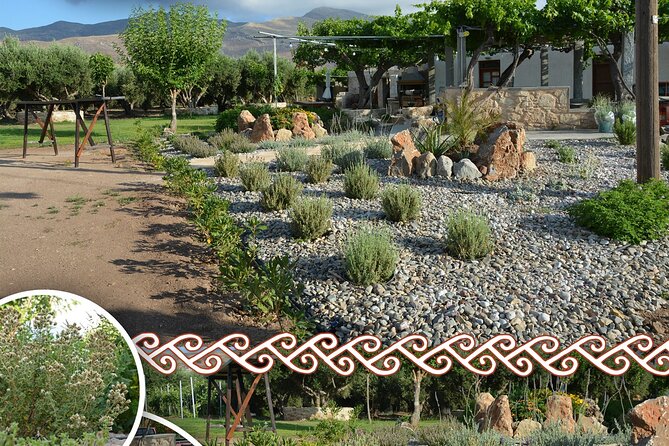
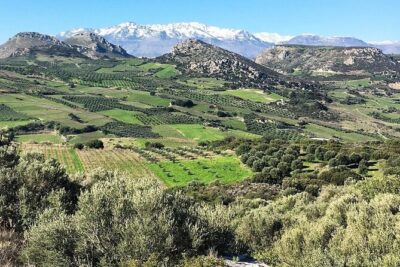
The experience starts in a rural, homey way, at the Metochi farmhouse in Trachilos near Chania. Think farmyard calm, not a showroom kitchen. You’ll be guided to the farmhouse and brought into the rhythm of a family meal—one where people talk, cook, taste, and then eat together.
There’s something useful about this kind of setting. It’s not just about learning recipes. It’s about seeing how the food system works when the olive oil and ingredients are part of the family’s daily reality. That’s why the farm tour and tasting aren’t add-ons here. They’re how the cooking lesson makes sense.
Pickup, Timing, and Small-Group Size (The Practical Stuff)
Timing matters with cooking classes, and this one is late afternoon: it starts at 4:30 pm and runs about 5 hours, ending back at the meeting point. That end time shape is great if you want dinner plans already handled—because dinner is part of the experience, not something you still have to figure out afterward.
Pickup is offered, with an air-conditioned vehicle. You’ll get a smoother start if you send your hotel name or house address so they can plan the best pickup. The group size is capped at 14 travelers, which is big enough to meet people but small enough to stay hands-on. If you’ve ever been stuck in a class where you’re waiting for your turn, this smaller limit is a strong sign you’ll be actively cooking.
One note on logistics: you’ll want to keep your day flexible before the start time. A 4:30 pm class pairs well with a slower morning or early afternoon exploring around Chania.
Meet Eleni and Mrs Chrisoula: Hospitality That Drives the Lesson
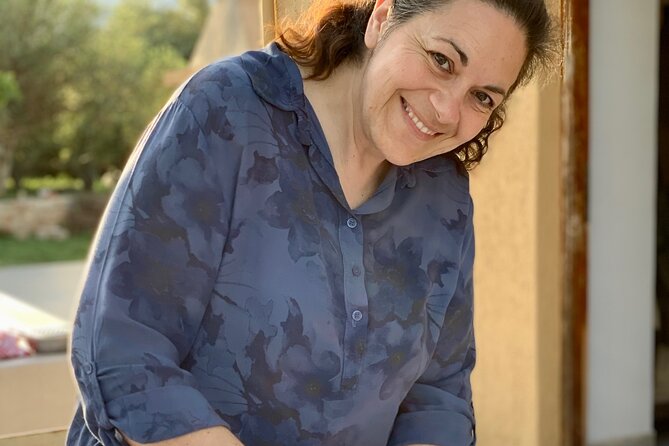
The heart of the class is the family hosting it. Eleni and Mrs Chrisoula (people call her Mom) guide you through the evening with warm, practical attention. The moment you arrive, you’re not treated like a customer waiting in line. You’re treated like someone coming into a working home meal.
In the reviews, you’ll see the same themes repeated: everything is prepared, and the hosts explain what you’re doing as you go. That matters because you don’t just leave with a list of dishes. You leave with a clearer sense of how the Cretan side of cooking works—how olive oil gets involved, how the diet style shows up in what they make, and what ingredients should taste like before they become the final plate.
Worth lining up before you lock in this one:
The Farm Tour and Olive Oil Tasting: Learn Before You Cook
You won’t jump straight into chopping. You get time to understand what you’re eating. Part of the evening includes a tour of the farm and explanations of their olive oil process. You’ll also have an olive oil tasting, which is the quickest way to get your senses on the right track.
The farm is described as having very fresh, farm-sourced ingredients. You’ll also hear about sustainable practices, which adds real meaning to the food. When you cook with ingredients you understand—where they come from, how they’re handled—you cook with more confidence.
This also works as a confidence-builder for the kitchen portion. Even if you’re not a great cook at home, you can still taste your way into the right approach: what feels balanced, what tastes strong, and what should smell like olive oil in its natural form.
Cooking Together: How the Kitchen Lesson Works
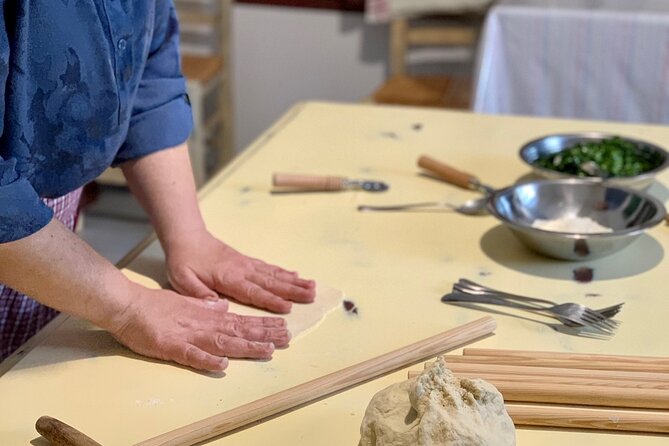
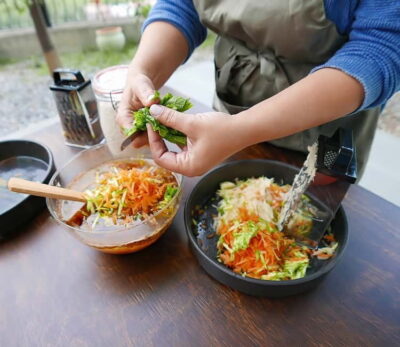
After the tour and tasting, you shift into the hands-on part. The vibe is cooperative: you cook together, guided step-by-step. Instead of being stuck with one job all night, you’ll have a chance to participate across the dishes.
This is where the “small group” limit pays off. In a group of up to 14, you’re more likely to get the teaching moments you need—questions answered, techniques clarified, and small corrections before you make a mess you can’t fix.
What’s especially valuable is that the lesson doesn’t just list recipes. It teaches context: olive oil and the Cretan diet are part of the explanation, not just a background detail. That means you can translate what you learn later, not just memorize dishes.
The Dishes You’ll Cook (and What Makes Them a Real Meal)
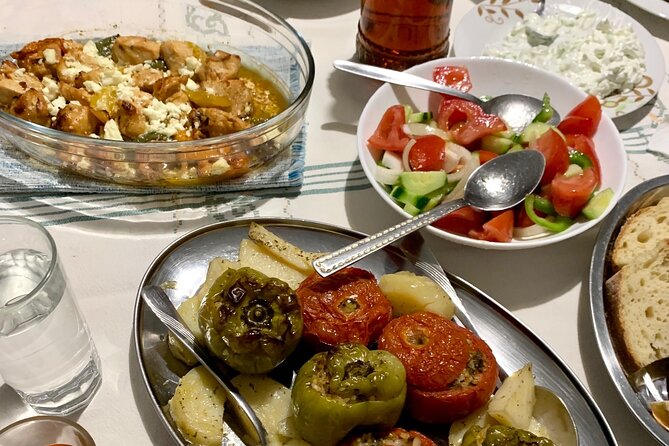
This is a multi-course Cretan dinner lesson. You’ll cook several dishes across starters, mains, and dessert—so you get a broad taste of how a Cretan table is built.
Starters: Rolls, Rusk, and Fresh Cretan Comfort
You’ll make Ntolmadakia, rolls with vine leaves and rice. It’s a dish that forces you to learn patience and consistency, because rolling matters. Even if you’ve never worked with vine leaves before, you’ll get guidance on how they come together.
You’ll also make Tzatziki, which is straightforward but satisfying—creamy, cooling, and helpful when the rest of the meal includes oven-baked and slow-cooked flavors. Another starter option is Dakos: rusk with local cheese and tomato. This one gives you that Cretan “bread meets toppings” idea, and it shows how simple ingredients can become a full-flavored first course.
Then there’s dessert-style pastry in the starter range too: Kalitsounia appears in a couple forms. One version is cheese pastries served with honey. Another variation is Kalitsounia with greens. That variety keeps the lesson from feeling repetitive and gives you two different flavor directions to remember.
Mains: Oven-Baked, Stuffed Vegetables, and Stifado
For mains, you’ll learn Boureki. It’s described as zucchini with potatoes and cheese in the oven. This kind of dish is practical and comforting. It’s also a great “home transfer” recipe because it’s built around layering simple ingredients and baking them into one cohesive casserole.
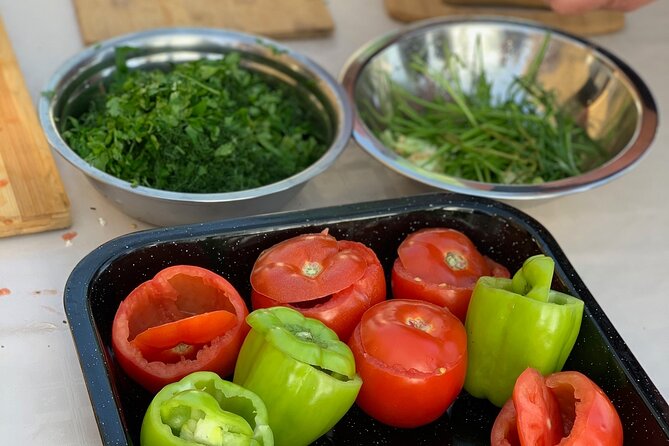
You’ll also make Gemista—stuffed tomatoes and peppers. Stuffed vegetables are a classic test of technique: getting the filling right and building them so they cook without falling apart. You’ll walk away knowing what the shapes and textures should look like during cooking.
Finally, there’s Stifado: pork meat with onions and tomato sauce. This dish is the deeper, more savory anchor of the menu. It teaches you how tomato and onions can create a rich sauce feel, even when the ingredient list stays practical.
Dessert: Kalitsounia with Honey
For dessert, Kalitsounia is the star—small cheese pastries served with honey. The point here isn’t fancy presentation. It’s that sweet, simple finish that matches the rest of the evening: farm-style ingredients, familiar flavors, and a dessert that feels like it belongs at the table rather than after it.
Dinner at the Table: Why You’ll Remember This Part
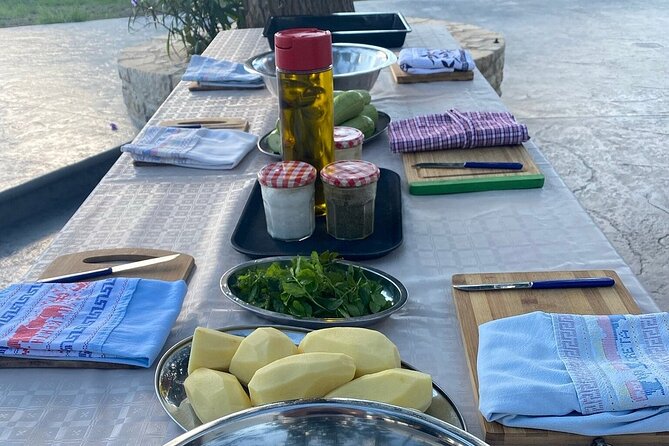
After cooking, you sit down and eat the dishes you prepared earlier. This is the “real learning” moment. It’s one thing to make food; it’s another to taste the outcome together while the host explains what worked and why.
The dinner format also changes the pace. You’re not racing out to your next activity. You’re settling in for an evening meal, chatting with other group members, and enjoying food while it’s still at its best.
If you’re food-motivated, you’ll like the way the full menu builds. Starters set the stage with vine-leaf rolls, rusk with cheese and tomato, and cooling tzatziki. Then the oven and stuffed mains carry the heavy lifting. Dessert closes the loop.
And yes, it’s absolutely the part of the evening that turns a cooking class into a story you’ll tell later. One reason: you leave with both skills and memories tied to specific flavors.
Price and Value: $132.17 for Five Hours of Real Food Skills
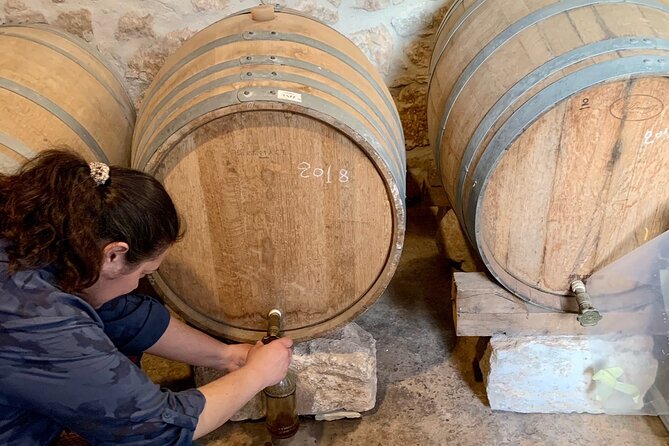
At $132.17 per person for roughly 5 hours, it’s not a budget-only activity. But it also isn’t a touristy craft class. You’re paying for several things at once:
- A small-group experience (max 14) rather than a crowd
- Hotel pickup in an air-conditioned vehicle
- Farm tour + olive oil tasting
- A full multi-dish cooking lesson (starters, mains, dessert)
- A proper sit-down dinner using what you made
In plain terms, the price feels fair because you’re not just buying recipes on paper. You’re getting guided cooking time, ingredient context, and a meal you would otherwise have to plan and pay for separately. If you like hands-on travel—especially food-centered travel—this is one of the better ways to spend a few hours near Chania.
Who This Cooking Lesson Fits Best
This class is ideal if you want Cretan food through the lens of daily farm life. You’ll probably love it if you:
- enjoy cooking and want a structured, guided night in the kitchen
- prefer smaller groups over large bus tours
- want more meaning than a restaurant meal can offer
- like learning about olive oil and the Cretan diet style, not just eating
- are traveling with family or a group and want a shared activity
It may be less ideal if you only want a quick taste. This is a full evening lesson with multiple dishes, so come with an appetite and time to enjoy it.
What to Expect at the End of the Evening
The activity ends back at the meeting point, so your transport plan is straightforward. The cooking and dinner do the heavy lifting, which means you don’t need to guess where the meal will happen.
If you’re the kind of traveler who likes closure—knowing you’ll finish where you started—this helps. You can head out after dinner without hunting for logistics.
Should You Book This Cooking Class?
I’d book it if you want an authentic food experience near Chania that actually teaches you something. The best part is the combination: farm context + cooking instruction + dinner you make together. When a class includes olive oil tasting and farm explanations along with hands-on dishes like boureki, gemista, and stifado, you’re not just attending. You’re learning in a way you can repeat at home.
If you’re sensitive to long sit-down meals, or if you prefer very flexible, pick-and-choose activities, you might find the 4:30 pm start and full 5-hour flow a bit rigid. But for most people who love food travel, this one hits a great sweet spot.
FAQ
FAQ
Is hotel pickup included?
Pickup is offered, and the tour includes hotel pickup in an air-conditioned vehicle. You’ll be asked to send your hotel name or the address of your house so they can arrange the best pickup.
Where does the cooking lesson start?
It starts at the Metochi farmhouse in Trachilos, Chania 734 00, Greece.
How long is the experience?
It runs about 5 hours (approx.).
What time does it start?
The start time is 4:30 pm.
How many people are in the group?
This activity has a maximum of 14 travelers.
What language is it offered in?
The class is offered in English.
What dishes are included?
The sample menu includes boureki, zucchini with potatoes and cheese (in the oven), gemista (stuffed tomatoes and peppers), stifado (pork with onions and tomato sauce), ndolmadakia (vine-leaf rolls with rice), tzatziki, kalitsounia (cheese pastries with honey), kalitsounia with greens, and dakos (rusk with local cheese and tomato).
Will I eat what I cook?
Yes. At the end, you’ll have dinner with the dishes prepared earlier.
When do I get confirmation after booking?
Confirmation is received within 48 hours of booking, subject to availability.
What’s the cancellation policy?
Free cancellation is available up to 24 hours in advance for a full refund. If you cancel less than 24 hours before the start time, the amount paid is not refunded.
Try Your Hand at Something



More Tour Reviews in Crete



Cook the Cretan Classics
Fresh Off the Boat: Newest Crete Reviews


Cretan Cooking Classes, compared.
 ★ 4.9Chania: Authentic Cooking Class in the White MountainsFrom $129529 reviews
 ★ 5.0The Real Cretan Cooking ExperienceFrom $133528 reviews
 ★ 5.0Chania Cooking Class-The Authentic Enjoy traditional Cretan mealFrom $133339 reviews
 ★ 5.0Full-Day Jeep Safari Tour with Cooking LessonFrom $111284 reviews
 ★ 5.0Cretan Cooking Class and Olive Oil TastingFrom $114178 reviews
 ★ 5.0Olive Oil, Soap, Wine, Raki – Flavorful Culinary JourneyFrom $111119 reviews
 ★ 5.0Rethymno: Chrysoula’s Cretan Home Cooking LessonsFrom $11698 reviews
 ★ 5.0Moires: Cooking Class and Olive Oil Tasting at a Family FarmFrom $10093 reviews
Browse the lists this tour appears in