
Review · CRETAN COOKING CLASSES
Cretan Delights – Wine, Olive Oil & Cooking Workshop from Chania
One day in Crete can feel like three different trips. This tour layers Apokoronas culture and handicrafts with winery tastings, olive oil production, and a hands-on cooking class—all wrapped up with regional food and a traditional lunch. I like that the day is paced with several stops (so it never drags) and that the format is small-group (up to 15), which makes it easier to ask questions and actually talk with the people running each stop.
The main thing to consider is that the day revolves around tastings—so wine tasting isn’t allowed under 18, and the tour runs best with good weather (the schedule can shift if conditions are poor). If you’re traveling with teens or younger kids, it’s still worth it, but you’ll want to know that the tasting side is replaced with water or fresh orange juice for them.
In This Review
- Key highlights at a glance
- A Six-Hour Apokoronas Day That Feels Like Real Crete
- Getting Picked Up From Chania Without the Headache
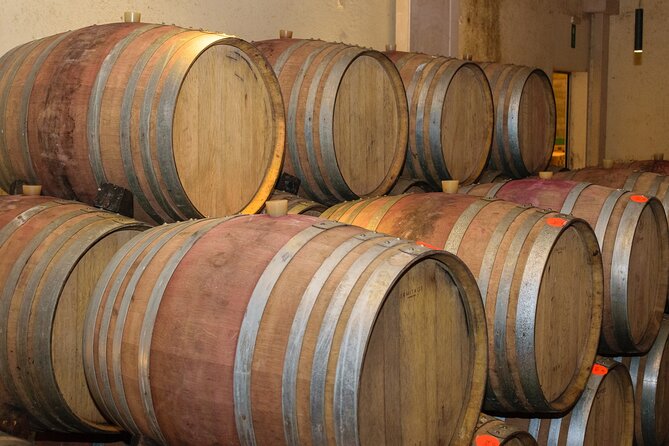
- Winery Dourakis: Vidiano, Vilana, Malvasia, and Kotsifali
- Tsivaras Olive Mill: The Smell of Oil Production
- Apokoronas Museum and Craft Culture That Adds Meaning
- Melidoni Cooking Workshop: Hands-On, Not Just Watching
- The Taste of Crete: Rusks, Raki, Cheeses, and Wine
- Price and Value: What $474.33 Covers
- Who This Tour Suits Best (and Who Might Prefer Something Else)
- Packing and Prep Tips So the Day Goes Smooth
- Should You Book Cretan Delights From Chania?
- FAQ
- How long is the tour from Chania?
- What time does the tour start?
- Do you get hotel pickup?
- Is wine tasting included, and is it allowed for kids?
- What do you taste during the day?
- What’s included in the price?
- What isn’t included?
- How far in advance should I reserve?
- What happens if the tour is canceled due to weather or too few participants?
- What are my cancellation options?
Key highlights at a glance
- Apokoronas Museum and handicrafts for context, not just food stops
- Winery Dourakis tastings focused on Cretan grape varieties like Vidiano and Malvasia
- Tsivaras olive mill experience where you see the oil-making process up close
- Melidoni cooking class (hands-on) plus a family home set-up with themed rooms
- Emprosneros monuments including Alidakis Tower for a dose of old Crete
- Traditional lunch and tastings (rusks, raki, cheeses, wine) included in the day plan
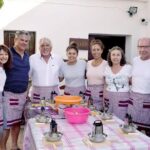
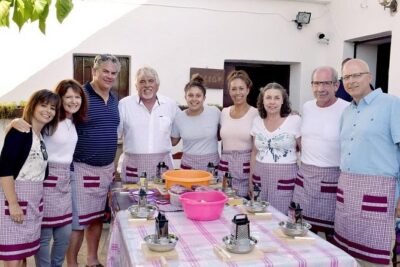
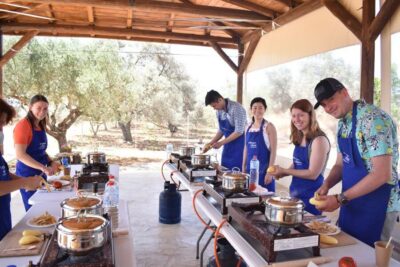
Aprons on for a proper Cretan kitchen
- Chania: Authentic Cooking Class in the White Mountains
★ 4.9 · 529 reviews - The Real Cretan Cooking Experience
★ 5.0 · 528 reviews - Chania Cooking Class-The Authentic Enjoy traditional Cretan meal
★ 5.0 · 339 reviews - Cretan Cooking Class and Olive Oil Tasting
★ 5.0 · 178 reviews
A Six-Hour Apokoronas Day That Feels Like Real Crete
This isn’t a sit-and-watch tour. It’s built around how people in Crete actually live: making food, tasting it, and talking through the meaning of it all. Starting from Chania at 9:00 am, you’re out long enough to see the countryside and village rhythm, but not so long that you feel stranded by the clock. The experience runs about 6 hours, using an air-conditioned minivan or minibus, with bottled water provided.
What makes this one work is the balance. You don’t just hit a winery and call it a day. You also visit a working olive oil setting, then shift to cooking—so the day tells one connected story: land, ingredients, and craft.
There’s also a human factor. The guides are a big part of the feel, and names like Dimitri and Andreas come up with praise for detailed explanations and a good sense of humor. That combo matters: when the info is clear and the mood is relaxed, tastings and cooking stop feeling like a checklist.
Getting Picked Up From Chania Without the Headache
If you want a day trip that doesn’t turn into logistics class, pickup helps. This tour offers hotel pickup, and it’s designed to be straightforward from the start. Even if you don’t use pickup, the meeting area is described as near public transportation, and the company notes that you should check pickup areas before you book.
For me, the practical win is simple: you spend your energy on the food and sights, not on figuring out buses or parking in a new area. And since the day includes multiple stops, that shared ride time is part of the flow rather than a burden.
Winery Dourakis: Vidiano, Vilana, Malvasia, and Kotsifali
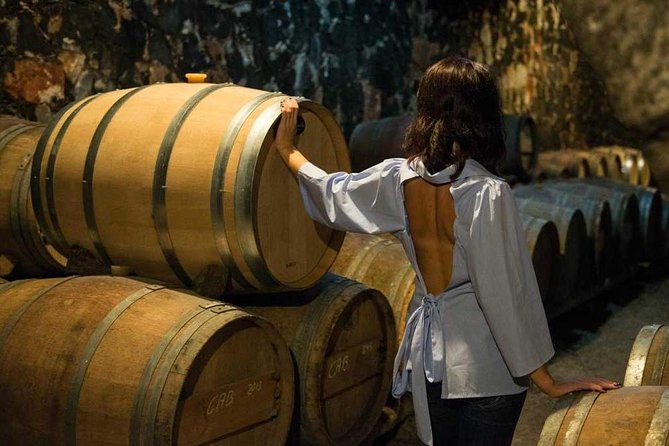
Your first tasting stop is at Winery Dourakis. This is where the tour turns your attention to wine as a regional craft, not just a drink at the end of a meal. You’ll sample grape varieties including Vidiano, Vilana, Malvasia, and Kotsifali.
Why that matters: when tastings are tied to specific grapes, you start noticing patterns—aromas, texture, and how different varieties handle the flavors you’ve already had (like cheese or rusks later on). It also gives you something real to compare if you buy a bottle at home or revisit the next time you’re in a tasting room.
Time-wise, you get about one hour here. That’s long enough to taste thoughtfully, ask questions, and not feel rushed, but short enough that you don’t drag the day into a long wine-only stretch.
Tip: If you’re sensitive to alcohol, pace yourself during the first tasting. You’ve got more food ahead, including lunch and other regional samples.
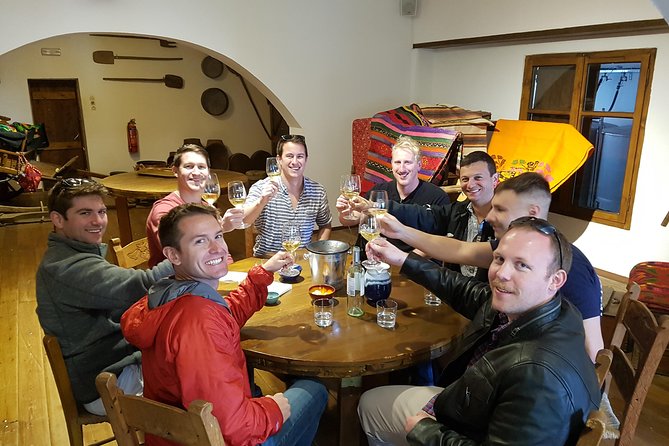
One more pour of Cretan wine and raki

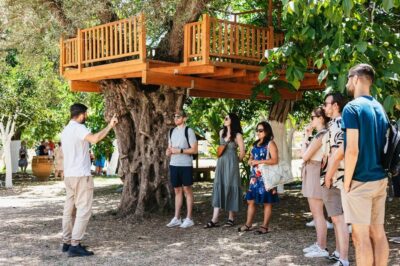
Tsivaras Olive Mill: The Smell of Oil Production
Next comes Tsivaras, where you start at a local olive mill. This stop isn’t framed as a quick photo stop. You’re in the world of pressing and producing—an environment where the air carries that unmistakable olive oil production smell.
You’ll get to watch the age-old process of making oil and then take part in a tasting that points out differences among Cretan olives. Even if you’re not an olive oil nerd, it helps to see the steps in real working space. You’ll understand why the taste isn’t random—it’s shaped by how the fruit is handled and processed.
Like the winery stop, this is about one hour, so you can take it all in without feeling like you’re trapped in a production building. It also helps that oil tasting often sharpens your palate for the rest of the day—especially before cheese and raki show up.
Apokoronas Museum and Craft Culture That Adds Meaning
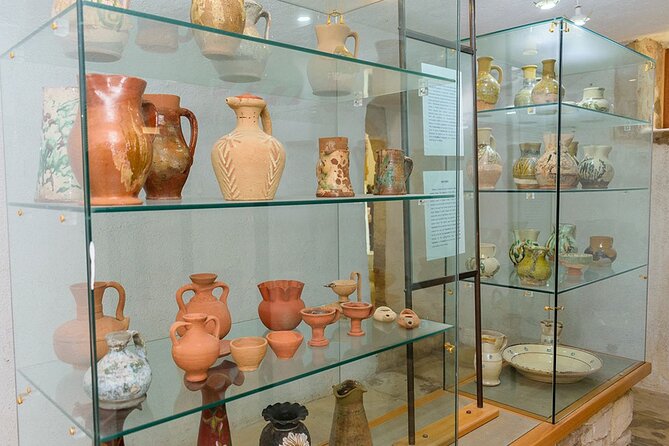
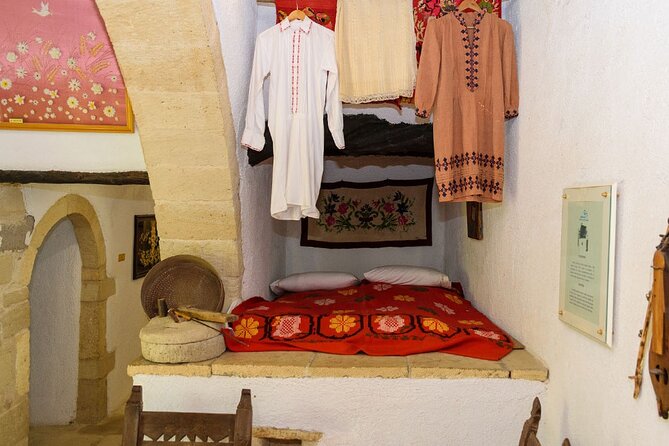
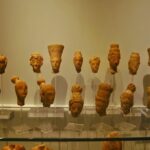
Between food and tastings, the tour builds in cultural context with the Apokoronas Museum and a look at handicrafts tied to Cretan life. This is one of those stops that can be skipped on other tours, but here it gives you language for what you’re eating.
You’re learning how locals connect daily work—craft, tradition, food—with identity. It’s not just about seeing objects; it’s about understanding the why behind them. And that makes the cooking class later feel more grounded.
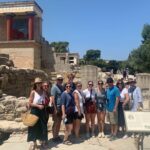
There’s also time to admire historic sites, including Emprosneros and Alidakis Tower. Even if you only have a short window, getting a view of historic monuments breaks up the day and reminds you that this region’s culture didn’t start with modern tourism.
Melidoni Cooking Workshop: Hands-On, Not Just Watching
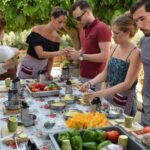
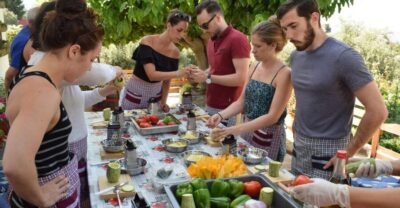
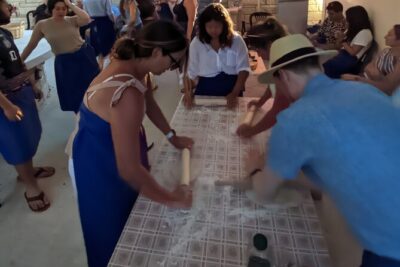
This is the part many people remember. At Melidoni, you get a 100% hands-on cooking class where you’re guided through preparing authentic Greek and Cretan recipes. The hands-on piece is the difference between a tasting that ends when the glass empties and a cooking experience that stays with you in your hands and your notes.
The class runs about four hours, so expect the day to shift from walking and tasting into active learning. You’ll also see a family house with themed rooms, which adds cultural texture. It’s essentially a time-slowing stop: you move from food technique to heritage setting, with the kind of details that help you picture what a “normal” day might have looked like in the past.
Practical expectations:
- Wear comfortable clothes and shoes. You’ll likely be standing, moving, and working.
- If you’re sensitive to heat, hydrate early—bottled water is included, and you can also plan to take breaks during the session.
- Bring a curious mindset. Even if you think you know Greek food, you’ll learn local angles and how recipes are explained in context.
The Taste of Crete: Rusks, Raki, Cheeses, and Wine
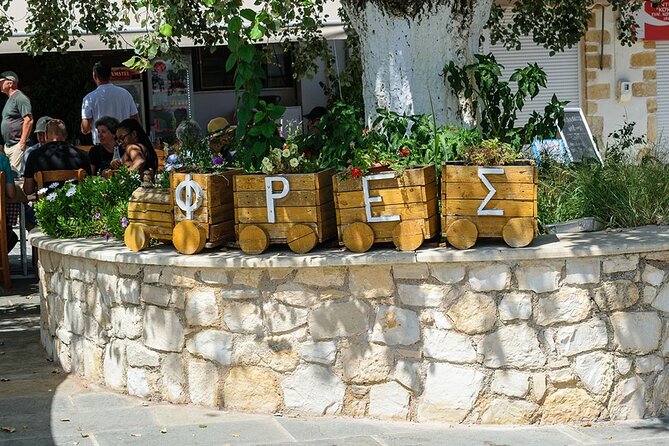
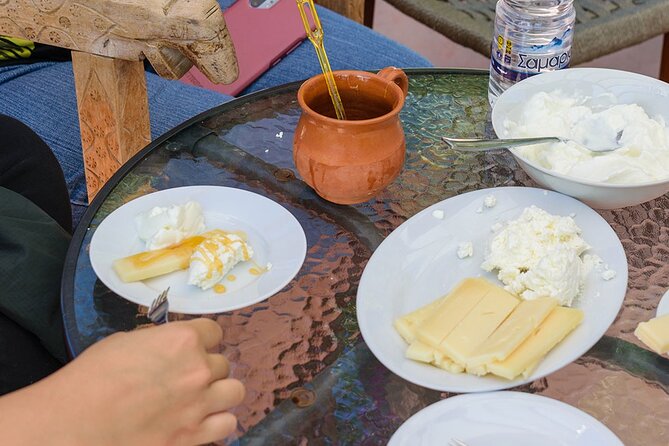
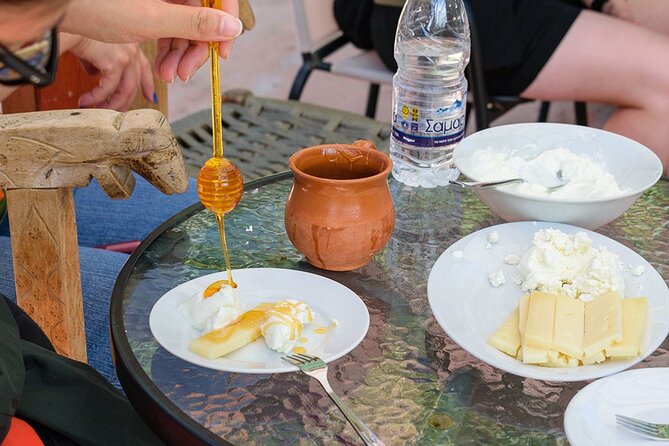
Food sampling isn’t an afterthought here. The day includes tasting local specialties like rusks, raki, and cheeses, alongside the wine you sample at the winery. Then you sit down for a traditional Cretan lunch, which is a big part of the overall value.
What I like about this setup is how the tastings build toward lunch instead of replacing it. Rusks and cheese help you understand flavors and texture before heavier dishes hit. Raki brings a stronger punch that contrasts nicely with milder foods, and wine ties the earlier tasting stop back into the meal.
Lunch is served by people who make the experience feel genuinely welcoming. That social piece matters, especially on a busy day—when the meal feels friendly, you linger, and you remember the flavors longer.
Price and Value: What $474.33 Covers
At $474.33 per person, this isn’t the cheapest option on the Chania day-trip menu. But when you look at what you’re actually getting, it starts to feel reasonable.
You’re paying for:
- Hotel pickup (or an easy meeting plan)
- Transport in an air-conditioned minivan/minibus
- A wine specialist and English-speaking local driver/guide
- Multiple food stops, including wine and food tastings
- A traditional lunch
- Bottled water per person
And importantly, the format is limited to 15 people, which helps keep the day personal. If you try to stitch this together on your own, you’d have to plan transport between multiple producers and then figure out tastings and lunch separately.
The one clear cost note: additional food and drinks aren’t included. That’s normal for tours, but you should budget a bit if you plan to order extra drinks at lunch or pick up bottles.
Who This Tour Suits Best (and Who Might Prefer Something Else)
This is a great match if you want a day that mixes culture with practical food learning. It’s especially well-suited for:
- Food lovers who like learning how ingredients are made
- People who want a structured day with multiple stops, not just one attraction
- Travelers who value small-group interaction and a guide who can explain clearly
It’s less ideal if you prefer a quieter day with long free time, because the schedule includes several concentrated stops and a lengthy cooking session.
Also, if you’re traveling with children: children must be accompanied by an adult, and wine tasting isn’t allowed for anyone under 18. The good news is that children are offered water or fresh orange juice instead of wine, so you’re not stuck out in the cold while everyone else tastes.
Packing and Prep Tips So the Day Goes Smooth
You’ll enjoy the day more with a little prep:
- Comfortable shoes for village walking and working-room movement
- Sun protection (Crete can be bright even when the day feels mild)
- A light layer for the cooking session if the room runs cool
- If you’re doing the wine tastings, plan to go easy after—don’t treat this as a drink-until-you’re-done kind of tour
And one more tip: the company notes it can make minor changes due to weather. So keep an eye on how the forecast looks on your travel day, especially if you’re hoping to catch outdoor views at Emprosneros.
Should You Book Cretan Delights From Chania?
Book it if you want a real Cretan food day: olive oil production, specific grape wine tastings, a serious hands-on cooking session, and a lunch that feels like part of the culture rather than a tourist reward.
Skip it (or compare alternatives) if:
- You’re only interested in wine and don’t care much about oil, cheese, and cooking
- You need long stretches of free time
- You’re traveling with minors who may feel left out by the wine-focused parts (even though they get water/juice, the overall day is still built around adult tastings)
For many people, the deciding factor is the combination: the winery and olive mill explain the ingredients, and the cooking class teaches you how those ingredients become food you can recreate later.
FAQ
How long is the tour from Chania?
The tour lasts about 6 hours.
What time does the tour start?
It starts at 9:00 am.
Do you get hotel pickup?
Pickup is offered.
Is wine tasting included, and is it allowed for kids?
Wine tasting is part of the experience, but it is not allowed for children under 18. Water or fresh orange juice is offered instead.
What do you taste during the day?
You’ll have wine tastings and sample Cretan specialties such as rusks, raki, and cheeses. At the winery, you taste varieties including Vidiano, Vilana, Malvasia, and Kotsifali.
What’s included in the price?
Included are an English-speaking local driver/guide and wine specialist, wine and food tasting, traditional Cretan lunch, air-conditioned transport, and bottled water per person.
What isn’t included?
Additional food and drinks are not included.
How far in advance should I reserve?
You must make a reservation at least 24 hours before the tour.
What happens if the tour is canceled due to weather or too few participants?
If it’s canceled due to few participants or bad weather, you’ll receive a refund of 100% of payments.
What are my cancellation options?
The cancellation policy allows free cancellation up to 24 hours before the experience’s start time for a full refund. The provider also states cancellations must be done 48 hours before the tour for a refund, so it’s smart to check your booking confirmation details.
More Tour Reviews in Crete


Crete by the Glass


Cook the Cretan Classics


Fresh Off the Boat: Newest Crete Reviews

Cretan Cooking Classes, compared.
 ★ 4.9Chania: Authentic Cooking Class in the White MountainsFrom $129529 reviews
 ★ 5.0The Real Cretan Cooking ExperienceFrom $133528 reviews
 ★ 5.0Chania Cooking Class-The Authentic Enjoy traditional Cretan mealFrom $133339 reviews
 ★ 5.0Full-Day Jeep Safari Tour with Cooking LessonFrom $111284 reviews
 ★ 5.0Cretan Cooking Class and Olive Oil TastingFrom $114178 reviews
 ★ 5.0Olive Oil, Soap, Wine, Raki – Flavorful Culinary JourneyFrom $111119 reviews
 ★ 5.0Rethymno: Chrysoula’s Cretan Home Cooking LessonsFrom $11698 reviews
 ★ 5.0Moires: Cooking Class and Olive Oil Tasting at a Family FarmFrom $10093 reviews
Browse the lists this tour appears in