
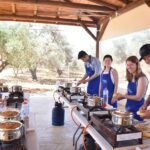
Cretan food tastes better when you cook it. This Cretan Cooking Class at a Farmhouse turns you from diner into cook, with a family-style lesson built on fresh local ingredients and clear, practical guidance. I love the small group size (up to 12), because you get real help while you’re chopping, mixing, and learning the why behind the flavors.
I also like that the teaching doesn’t stop at recipes. You get explanations about herbs, olive oil, and how they’re used (and what they bring nutritionally), and then you sit down together to enjoy what you made with Greek music, bread, and local wine.
One possible drawback: the experience depends on good weather, so you’ll want a flexible day and backup plan mindset.
In This Review
- Key things you’ll remember
- A farmhouse kitchen lesson, not a food show
- Where you start (Vamos) and how the flow works
- Meet the cook and get the flavor rules
- What you’ll cook (and why that menu makes sense)
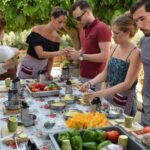
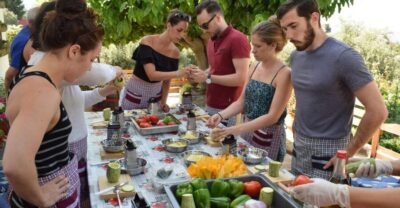
- The cooking portion: hands-on, guided, and ingredient-focused
- Then you eat: the long-table Crete meal
- How good is the value at about $140.77?
- Who this class is best for
- Practical tips so you get more out of it
- Weather and small-group reality checks
- Should you book this Cretan farmhouse cooking class?
- FAQ
- How long is the Cretan cooking class?
- Where does the experience start?
- Does it end at the same place?
- What does the class cost?
- Is the cooking class offered in English?
- How big is the group?
- What kind of dishes are included?
- What happens after you finish cooking?
- What if the weather is bad?
- What is the cancellation policy?
Key things you’ll remember
- A hands-on lesson with a professional cook who grew up in a Cretan village and shares family knowledge
- Pure Cretan products like olive oil, vegetables, cheese, meat, and wine used in the cooking
- Herbs and olive oil explained with practical usage and nutritional context
- A long monastery-style table meal with Greek music, bread, and local wine
- Small group limit of 12 so the instructor can actually help you during cooking
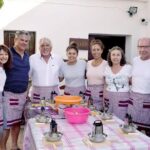
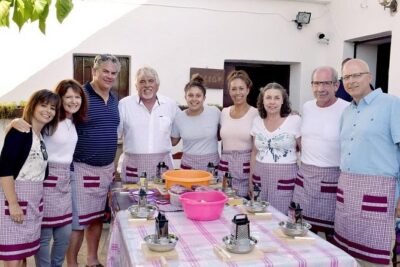
Aprons on for a proper Cretan kitchen
- Chania: Authentic Cooking Class in the White Mountains
★ 4.9 · 529 reviews - The Real Cretan Cooking Experience
★ 5.0 · 528 reviews - Chania Cooking Class-The Authentic Enjoy traditional Cretan meal
★ 5.0 · 339 reviews - Cretan Cooking Class and Olive Oil Tasting
★ 5.0 · 178 reviews
A farmhouse kitchen lesson, not a food show
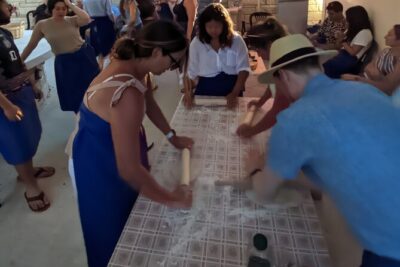
Cooking classes can go two ways: either you watch someone else do the work, or you roll up your sleeves and get messy. This one is firmly in the hands-on camp. You join a traditional lesson where you cook, taste, and enjoy local recipes, with the kind of step-by-step support that matters when you’re standing in a real working kitchen.
The setting is part of the point. It’s a farmhouse experience in Crete, and you’re not bouncing between many stops. Instead of rushing from one “highlight” to the next, you settle into the rhythm of meal prep—learning, tasting, adjusting, and then enjoying everything together.
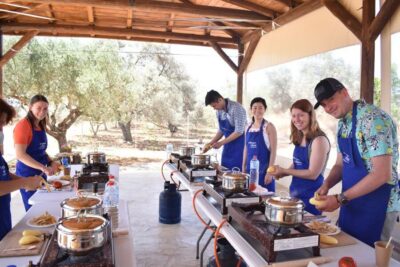
The group stays small, with a max of 12 travelers, which changes the vibe. In a smaller class, you’re less likely to feel lost or rushed, and you’re more likely to get personal guidance when your dough is doing something unusual or your herbs smell stronger than you expected (in a good way).
Where you start (Vamos) and how the flow works
The class meets at the Vamos Village Tourist Office, on Unnamed Road, Vamos 730 08, Greece. You return there at the end, so you’re not dealing with a weird end point or a last-minute scramble for transport.
Timing is simple in concept: plan for about 4 hours. That’s enough time to learn and cook multiple parts of a meal without feeling like the schedule is steamrolling you. You’ll also get a mobile ticket, which is handy on travel days when you don’t want to hunt for printouts.
One small logistics detail to keep in mind: confirmation is sent within 48 hours of booking, subject to availability. If you’re traveling with tight plans, it’s worth booking soon so you know you’re in.
Meet the cook and get the flavor rules
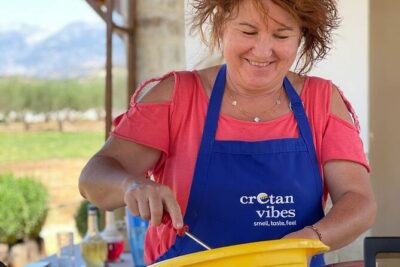
A key part of this experience is the instructor. The professional cook is described as born and raised in a Cretan village, carrying family knowledge and sharing it with love and integrity. That matters because Cretan cooking isn’t just a list of dishes—it’s a way of treating ingredients.
From the description and the focus of the lesson, you’re not only learning how to cook. You’re learning how to think about Cretan staples, like:
- How olive oil functions in everyday cooking (not just as a garnish)
- Which herbs show up often in local dishes and how they’re used
- How ingredients connect to nutrition and everyday use, not just taste
This is where the class feels more grounded than a typical “here’s the recipe” demo. Even if you’ve cooked before, you’ll likely pick up new shortcuts and flavor patterns that make the food feel more authentic.
Worth lining up before you lock in this one:
What you’ll cook (and why that menu makes sense)
The sample menu gives you a strong sense of the kinds of flavors the class centers on. Expect a full meal style approach, with a mix of savory pies, salads, breads, and sweet finishes.
Examples of dishes include:
- Sarikopitakia (Cheese pie)
- Dakos
- Cretan Salad
- Loukoumades (honey-syrup dough balls)
Here’s what’s smart about this lineup for a cooking class:
- Variety without chaos. You’re not stuck making one complicated dish for four hours. You’re building a full meal.
- Cretan staples you can reuse later. Cheese, olive oil, vegetables, and bread-based components show up in many Cretan meals.
- You’ll taste the logic. If you learn how herbs and olive oil work in the dishes, you’ll understand how the flavors fit together rather than memorizing steps.
One more practical note: the class is described as using genuine pure Cretan products—olive oil, fresh vegetables, cheese, meat, and wine. Ingredients are explicitly called fresh and local. That’s the difference between a cooking class that teaches technique and one that teaches you how Crete actually tastes.
The cooking portion: hands-on, guided, and ingredient-focused
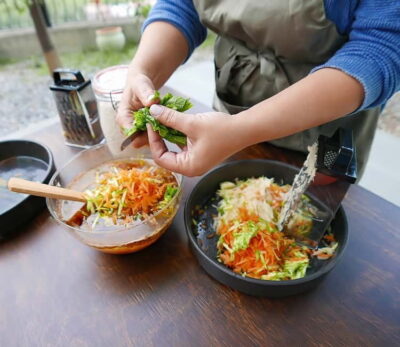
The experience is structured around you cooking with guidance and assistance. That means you should plan to be active—cutting, mixing, assembling, and cooking alongside the group.
What makes this portion feel valuable is the ingredient education that runs in parallel. You’ll get explanations about herbs, olive oil, and other ingredients, including their nutritional value and how to use them.
Even if you don’t turn into a home chef overnight, that kind of context helps you cook on your own later. It’s easier to repeat a dish when you understand why the olive oil matters, why certain herbs show up, or how the balance shifts when ingredients change.
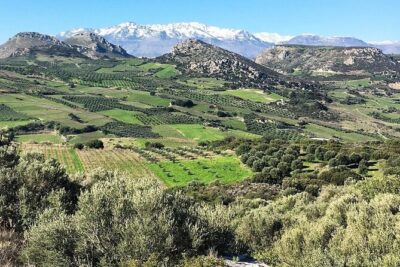
From the review highlights, people specifically enjoyed learning about plants and fruit trees, plus cooking traditional dishes. While you can’t assume you’ll do a farm tour step-by-step (the details aren’t spelled out), you can expect that the class connects food to the local landscape—plants, produce, and practical everyday knowledge.
Then you eat: the long-table Crete meal
The meal part is a big deal here, and it’s not treated like an afterthought. After cooking, you all eat together on a long monastery-style table.
This is exactly the right setup for a cooking class. When everyone shares one table, the experience turns social. It’s also easier for the cook to keep things moving—serving bread and wine while people are still chatting about what they just made.
You’ll enjoy:
- Local wine
- Bread
- Greek music and nice stories
That long-table format does two things. First, it makes the food feel like a real family meal rather than a performance. Second, it helps you relax into the finished product—because you’re not tasting alone, you’re tasting with the people who were just in the kitchen with you.
Kali Oreksi. Enjoy your meal.
How good is the value at about $140.77?
At $140.77 per person for about 4 hours, this isn’t the cheapest cooking class option. But the price makes more sense when you look at what’s included in the experience.
You’re paying for:
- Hands-on instruction from a professional cook (not a casual food chat)
- Fresh local ingredients like olive oil, vegetables, cheese, and more
- A full meal you actually sit down to eat together, with wine and bread
- A small group limit of 12, which usually means more personal support
If you’ve ever done a “tour + quick tasting” where the tasting feels like a snack, this is different. This is closer to a full meal experience built around cooking and shared dining.
So for value, I’d think of this as: you’re not just buying dinner—you’re buying the skill, the ingredient insight, and the chance to eat what you made at the farmhouse table.
Who this class is best for
This works especially well if you:
- Want hands-on cooking rather than watching
- Are specifically interested in Cretan cuisine or Greek food you can recreate
- Like learning about olive oil, herbs, and ingredient usage
- Prefer a small group setting where you’ll actually get help
It also fits well for couples and solo travelers. With a max of 12 and a shared meal, the social part is natural. You’re not stuck in a big anonymous crowd.
If you’re very picky about dietary needs, the details you have here don’t spell out substitutions. The description mentions meat, cheese, wine, and other ingredients, so you’ll want to consider whether that matches your needs before booking.
Practical tips so you get more out of it
You can make a cooking class better with a few simple travel habits:
- Dress for food. Kitchens and pies aren’t dainty. Wear clothes you don’t mind getting a little stained.
- Bring a good attitude about learning. Even if a dish takes longer than you expect, the class format is designed for learning.
- Ask questions about olive oil and herbs. Those are the parts you’ll use again after you leave Crete.
- Plan for a full meal. You’re eating what you cook, plus bread and wine, so don’t schedule something heavy right before.
Also remember: the experience requires good weather. If you see clouds and rain stacking up, build in flexibility for rescheduling.
Weather and small-group reality checks
This isn’t a “rain or shine, no matter what” promise. The experience states it requires good weather. If it’s canceled due to poor weather, you’ll be offered a different date or a full refund. That’s as fair as it gets—just make sure you’ve built some slack into your day.
The class size max is 12 travelers, which generally means more help and less waiting around. It also means the experience can sell out faster, so booking early helps if you’re traveling in peak season.
Should you book this Cretan farmhouse cooking class?
If you want a memorable Crete experience that isn’t only about sightseeing, this is a strong pick. You’ll come away with more than a meal—you’ll leave understanding how Cretan staples work together, especially olive oil, herbs, and local ingredients. The long-table meal with Greek music and wine also makes it feel like a true cultural moment, not a checklist activity.
I’d book it if:
- You love cooking or you’ve always wanted to try
- You prefer a small group and a guided, ingredient-focused format
- You want to eat a full Cretan meal you helped create
I’d think twice if:
- You need strict dietary accommodations not mentioned in the details
- You can’t handle weather-related schedule changes
- You’re only looking for a quick tasting rather than real cooking time
For most food-loving travelers, this hits the sweet spot: hands-on learning, local flavor, and a shared farmhouse meal in about four hours.
FAQ
How long is the Cretan cooking class?
It lasts about 4 hours.
Where does the experience start?
It starts at the Vamos Village Tourist Office, Unnamed Road, Vamos 730 08, Greece.
Does it end at the same place?
Yes, the activity ends back at the meeting point.
What does the class cost?
The price is $140.77 per person.
Is the cooking class offered in English?
Yes, it’s offered in English.
How big is the group?
There’s a maximum of 12 travelers.
What kind of dishes are included?
The sample menu includes items such as Sarikopitakia (cheese pie), Dakos, Cretan Salad, and Loukoumades.
What happens after you finish cooking?
You all eat together on a long monastery-style table, with local wine and bread, plus Greek music and stories.
What if the weather is bad?
The experience requires good weather. If it’s canceled due to poor weather, you’ll be offered a different date or a full refund.
What is the cancellation policy?
Cancellation is free, and you can cancel up to 24 hours in advance for a full refund. The timing is based on the experience’s local time.
—
If you tell me your travel month and dietary needs (if any), I can help you decide whether this is the best match for your Crete day plan.
Try Your Hand at Something



More Tour Reviews in Crete



Cook the Cretan Classics
Fresh Off the Boat: Newest Crete Reviews



Cretan Cooking Classes, compared.
 ★ 4.9Chania: Authentic Cooking Class in the White MountainsFrom $129529 reviews
 ★ 5.0The Real Cretan Cooking ExperienceFrom $133528 reviews
 ★ 5.0Chania Cooking Class-The Authentic Enjoy traditional Cretan mealFrom $133339 reviews
 ★ 5.0Full-Day Jeep Safari Tour with Cooking LessonFrom $111284 reviews
 ★ 5.0Cretan Cooking Class and Olive Oil TastingFrom $114178 reviews
 ★ 5.0Olive Oil, Soap, Wine, Raki – Flavorful Culinary JourneyFrom $111119 reviews
 ★ 5.0Rethymno: Chrysoula’s Cretan Home Cooking LessonsFrom $11698 reviews
 ★ 5.0Moires: Cooking Class and Olive Oil Tasting at a Family FarmFrom $10093 reviews
Browse the lists this tour appears in