
Review · CRETAN COOKING CLASSES
Cooking experience in the most beautiful garden near Rethymno
If you think cooking classes are all kitchen tiles, this will surprise you. In the village of Pigi near Rethymno, you spend the evening cooking with local ingredients in a garden setting that feels like visiting friends (minus the dishes). It’s a wood-oven meal where you learn, eat, and drink without the usual stress of finding a meeting point or guessing what’s next.
What I like most is the hands-on rhythm: you’re guided step by step, with aprons and utensils ready, and you actually cook major dishes like gemista and tzatziki. The second big win is the setting plus the finish: after cooking, you eat outdoors with raki and local wine, so the meal feels like an event, not just lunch.
One consideration: this is an outdoor-style experience and it needs good weather. If it’s chilly or rainy, you’ll likely want layers and you should expect the schedule to be weather-dependent.
In This Review
- Pigi garden cooking near Rethymno: why the setting matters
- The wood oven and the apron moment: what you’ll do step by step
- What you’ll cook: dakos, bread from the wood oven, gemista, and more
- Starters: cheese-and-tomato classics and Cretan bread
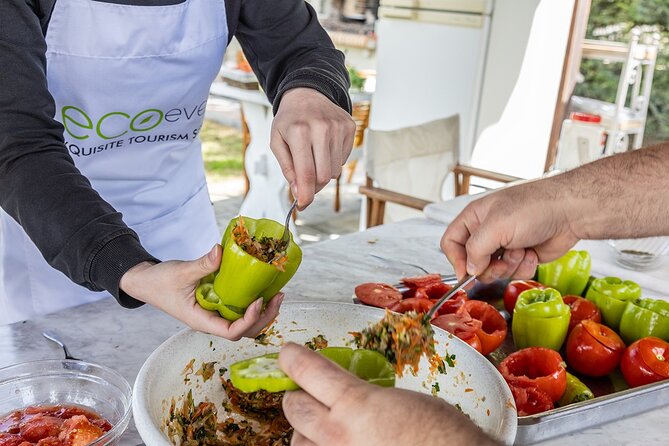
- Main: gemista stuffed vegetables
- Main: chicken with red sauce and potatoes
- Special cheese pastries: mizithropitakia with honey
- Sauce you’ll remember: tzatziki
- Lunch outdoors with raki and local wine: the best part of the pacing
- Upside of small groups: more help, less waiting, more leftovers
- Wine, raki, and comfort: what to pack for a 5 pm start
- Vegetarian options and allergy handling: how flexible is it?
- Price and value: is $114.02 a good deal?
- Who should book this Cretan cooking evening
- Should you book? My practical call
- FAQ
- What time does the cooking class start in Pigi?
- Where is the meeting point?
- Is pickup included, and do I need a transfer from Rethymno?
- What language is the class taught in?
- What dishes are included?
- Are vegetarian options available?
- What happens if the weather is bad or I need to cancel?
Pigi garden cooking near Rethymno: why the setting matters

This class takes place in a village close to the city of Rethymno, at Euphoria Homes in Pigi. From the moment you arrive, the tone is relaxed. You’re not walking into a classroom. You’re entering a home-base garden where food feels tied to the place.
Before you start cooking, you can get your bearings in a couple of ways. You’ll have time to visit the vegetable and herbs garden, and there’s also a swimming pool option if you bring your swimsuit. That combination is more than a nice perk. It’s how you shift from travel mode into slow evening mode—especially if you’ve been sightseeing all day and just want something calmer.
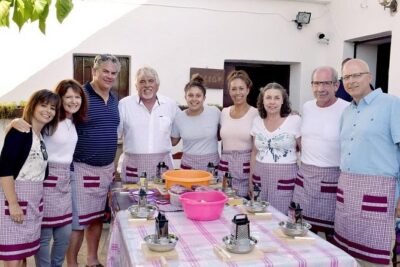
The class size is intentionally small, with a maximum of 8 travelers. That matters because you’ll get more direct help while you’re working at the oven and shaping dishes. It also makes the whole experience feel more personal, even when the group is mixed (families, couples, solo travelers).
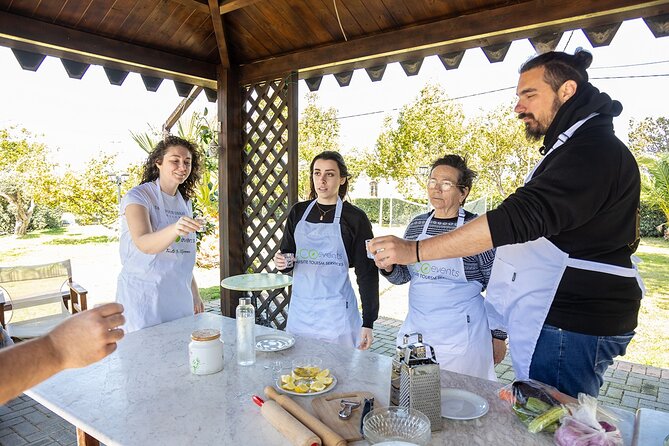
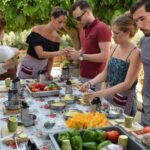
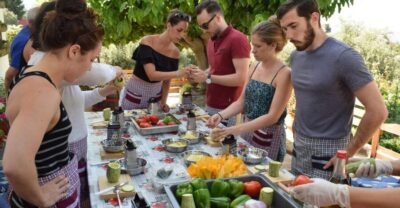
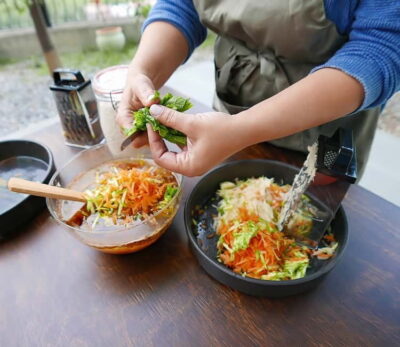
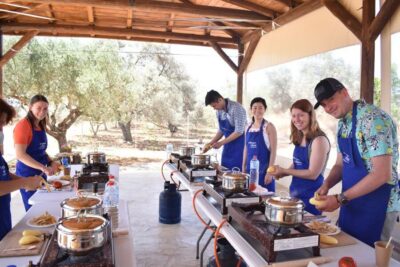
Aprons on for a proper Cretan kitchen
- Chania: Authentic Cooking Class in the White Mountains
★ 4.9 · 529 reviews - The Real Cretan Cooking Experience
★ 5.0 · 528 reviews - Chania Cooking Class-The Authentic Enjoy traditional Cretan meal
★ 5.0 · 339 reviews - Cretan Cooking Class and Olive Oil Tasting
★ 5.0 · 178 reviews
The wood oven and the apron moment: what you’ll do step by step
This starts at 5:00 pm and runs about 4 hours. When you arrive, the garden is already set up for the evening. The wood oven is hot and ready—so you’re not waiting around while it warms or someone hunts down equipment.
Then the host puts you to work in a clear sequence:
- You’ll meet the group and get oriented in the garden.
- You’ll get your apron and cooking utensils.
- You’ll follow along recipe by recipe, with guidance on what to do, how to prep, and what “right” looks like for Cretan-style cooking.
If you’ve never cooked in a way that’s tied to local staples, this is a great entry point. You’ll see how dishes build on each other: starters that lean on cheese and tomatoes, breads that belong in a wood oven, and mains that balance vegetables with herbs and the kind of simple flavor that doesn’t need heavy sauces.
Names you may hear during the class include Maria and Rebecca as hosts, and Michael as a guide/translator and sous-chef in some situations. The point isn’t who’s speaking—it’s that the instruction comes in a way that keeps you moving and confident.
What you’ll cook: dakos, bread from the wood oven, gemista, and more
The menu centers on classic Cretan flavors, and you cook a mix of starters and mains rather than just one dish. Here’s what’s typically on the table.
Starters: cheese-and-tomato classics and Cretan bread
You may start with dakos (sometimes listed alongside koukouvagia), featuring tomatoes plus xinomyzithra cheese. Another version can use feta or anthotyros cheese, flavored with oregano. This is the kind of Greek starter that’s simple on paper but really satisfying once you assemble it with the right cheese.
You’ll also make bread. And yes, the wooden oven is part of the show. There’s something deeply satisfying about bread that’s pulled in the right timing, because it changes the whole texture of the meal.


Main: gemista stuffed vegetables
You’ll learn gemista, the traditional stuffed vegetable dish. Expect fresh flavors and a vegetable-forward approach that feels lighter than many meat-centric meals. It’s the kind of dish that works well even if your cooking skills are still forming, because the process is guided and the ingredients do a lot of the heavy lifting.
Main: chicken with red sauce and potatoes
There’s also a meat option: chicken with red sauce and potatoes. In a cooking class, this is a smart addition. It gives you an example of how Greek cooking handles sauce—built for comfort, not complexity.
Special cheese pastries: mizithropitakia with honey
For dessert-ish vibes (though it’s listed as a starter), you’ll learn mizithropitakia, made with sweet mizithra cheese and served with honey. It’s a nice contrast to the savory items and gives you something sweet and distinctly local.
Sauce you’ll remember: tzatziki
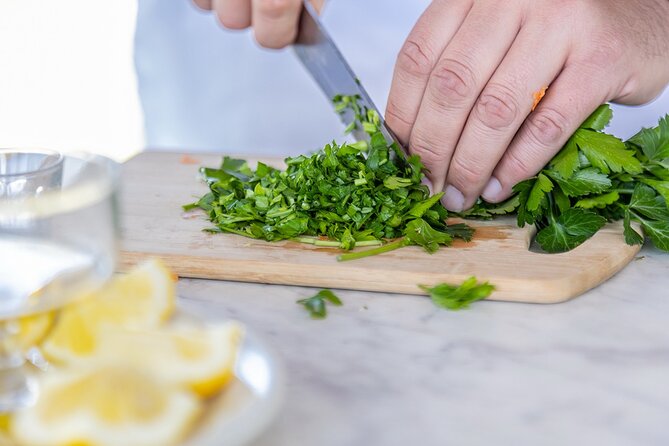
You’ll make tzatziki, the classic Greek sauce built on garlic, yogurt, and cucumber. It’s known all over the world, but here it’s part of a full meal rhythm. You taste how it works with the rest of the spread and get a grounded idea of what “good” looks like in a home-style Greek setting.
You’ll also encounter additional dishes like Greek salad and other local staples during the guided process, so the meal feels complete rather than piecemeal.
Lunch outdoors with raki and local wine: the best part of the pacing
After you finish cooking, lunch follows in the garden outdoors. This is where the class clicks into place: you don’t just watch your food get served. You taste what you made as a group meal.
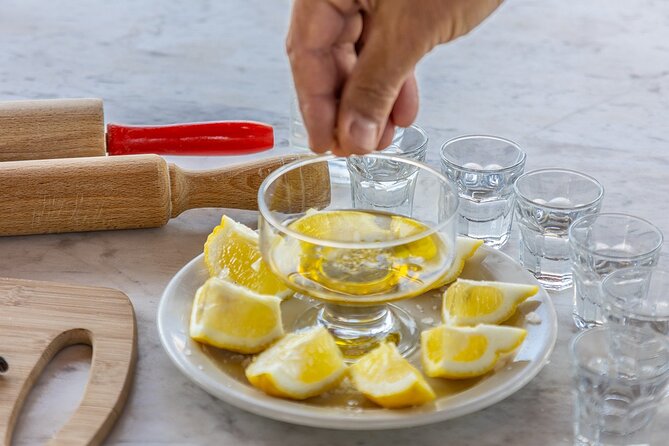
You’ll eat with raki and local wine. The drinks are described as free-flowing, which changes the feel of the afternoon. It’s social, it’s celebratory, and it makes sense with the garden setting. But you should also plan to take your time. A class that runs about four hours can turn into a long, friendly meal fast when wine and raki are part of the table.
If you’re driving later, keep that in mind. It’s not a tasting where you sip once. It’s a real meal with plenty of drinks built in.
Upside of small groups: more help, less waiting, more leftovers
One of the most praised parts is how the small group size plays out in real life. With a maximum of 8 people, you’re less likely to get stuck waiting while someone else takes turns at the oven.
That has two practical effects:
- You get more hands-on guidance while cooking.
- You’re more likely to leave with enough food to take home.
Expect plenty. The meal is described as generous in quantity, and you should plan on having leftovers. In practice, that can be part of the value if you’re staying in a hotel and want a simple way to extend the experience into the next day (like turning leftovers into a quick lunch back in your room).
Wine, raki, and comfort: what to pack for a 5 pm start
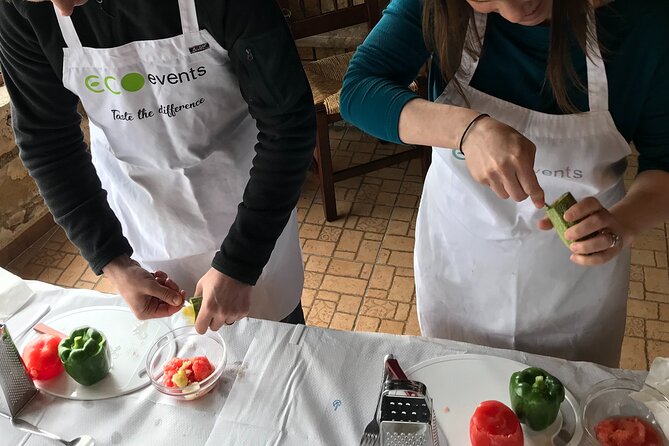
Because the class is held outside in the garden, your comfort matters. It starts at 5:00 pm, which can feel cool in Crete even if daytime was warm.
What I’d bring:
- A light layer or warmer clothing just in case the evening air drops.
- If you plan to use the pool: a swimsuit (this is an option before cooking).
- A short list of any dietary needs when booking, since vegetarian options are included.
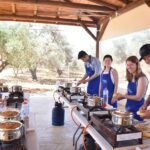
There’s also a smart detail in how the class operates in less-than-perfect conditions. Even on a rainy or chilly day, the cooking still happens outdoors under a covered pavilion. That means you’re not completely stuck inside, but you do want to dress like you’re going to spend time outside.
Vegetarian options and allergy handling: how flexible is it?
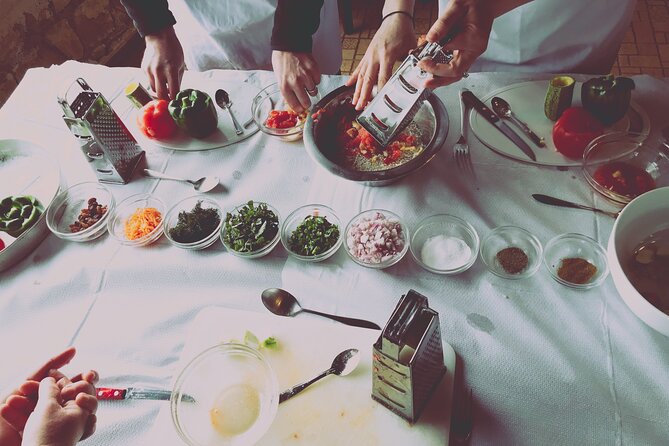
Vegetarian options are explicitly included, and the menu itself naturally supports vegetarian plates through dishes like gemista, tzatziki, and vegetable-focused starters.
If you have allergies, the most useful approach is to note them during booking so the hosts can plan accordingly. In past experiences described for this class, they’ve been attentive about allergies, and they adapt in ways that keep the meal inclusive.
That said, only you can decide how strict you need to be. If your allergy is severe, treat the class like any cooking situation: confirm details ahead of time when you book.
Price and value: is $114.02 a good deal?
At $114.02 per person for about 4 hours, the value comes from what you’re actually getting, not just the “cooking class” label.
You’re paying for:
- Instruction in multiple dishes (not one recipe demo)
- Use of aprons and cooking utensils
- All ingredients for the meal
- A full lunch outdoors
- Lots of raki and local wine
- A small-group setting (up to 8 travelers)
- English or French speaking guide support
Compared with doing all this separately (a meal, drinks, and a hands-on class), the bundled nature is the money-saver. It’s especially strong if you want both the food skills and the social dinner vibe, without spending extra time building your own itinerary.
One extra thing: it’s often booked well in advance (about 76 days on average). If your dates are firm, I’d book earlier rather than hoping something opens up.
Who should book this Cretan cooking evening

This is a great fit if:
- You love Greek food and wine and want more than a restaurant meal.
- You want to cook with ingredients and techniques that aren’t typical in your home kitchen.
- You like the idea of a small group class where you can actually participate.
- You’re traveling with a family and want an activity that’s active and then relaxing.
It’s also a good choice for couples who want a memorable evening that isn’t another bar hop, because the whole setup is built around shared cooking and shared eating.
You might skip it if you only want a quick stop (this is about four hours), or if you strongly dislike outdoor evenings and don’t want to pack for weather.
Should you book? My practical call
I’d book this if you want an evening that feels like Crete, not just about Crete. The combination of a garden setting in Pigi, real wood-oven cooking, and a full outdoor lunch with raki and local wine is a strong package for the price.
If you’re picky about weather, plan to dress for the outdoors and be open to the covered pavilion approach. If you’re comfortable with that, this class can be one of the best value experiences on your Rethymno trip—because you leave with full bellies, real cooking know-how, and typically enough leftovers to make the day keep going.
FAQ
What time does the cooking class start in Pigi?
It starts at 5:00 pm and runs for about 4 hours.
Where is the meeting point?
The meeting point is Euphoria Homes, Epar.Od. Platanon-Moni Arkadiou, Pigi 741 50, Greece. The activity ends back at the meeting point.
Is pickup included, and do I need a transfer from Rethymno?
The experience includes hassle-free pickup so you don’t have to worry about finding the meeting point. An extra charge applies if you need a transfer from Rethymno to the meeting point.
What language is the class taught in?
The class is offered with an English-speaking or French-speaking guide.
What dishes are included?
The menu includes items such as dakos (or koukouvagia), bread made in the wooden oven, gemista, mizithropitakia with honey, chicken with red sauce and potatoes, and tzatziki. Greek salad and other local dishes are part of the full meal.
Are vegetarian options available?
Yes. Vegetarian options are included.
What happens if the weather is bad or I need to cancel?
The class requires good weather. If it’s canceled due to poor weather, you’ll be offered a different date or a full refund. You can also cancel for a full refund up to 24 hours before the experience starts.
More Tour Reviews in Crete





Cook the Cretan Classics




Fresh Off the Boat: Newest Crete Reviews




Cretan Cooking Classes, compared.
 ★ 4.9Chania: Authentic Cooking Class in the White MountainsFrom $129529 reviews
 ★ 5.0The Real Cretan Cooking ExperienceFrom $133528 reviews
 ★ 5.0Chania Cooking Class-The Authentic Enjoy traditional Cretan mealFrom $133339 reviews
 ★ 5.0Full-Day Jeep Safari Tour with Cooking LessonFrom $111284 reviews
 ★ 5.0Cretan Cooking Class and Olive Oil TastingFrom $114178 reviews
 ★ 5.0Olive Oil, Soap, Wine, Raki – Flavorful Culinary JourneyFrom $111119 reviews
 ★ 5.0Rethymno: Chrysoula’s Cretan Home Cooking LessonsFrom $11698 reviews
 ★ 5.0Moires: Cooking Class and Olive Oil Tasting at a Family FarmFrom $10093 reviews
Browse the lists this tour appears in