
Review · CRETAN COOKING CLASSES
Cooking class at the Shepherd’s Shelter in Rethymno
Sheep-milk cheese in Crete’s mountains is a standout way to spend a half-day in Rethymno. At the Shepherd’s Shelter near Milopotamos, you’ll cook on a working farm in the Psiloreiths mount area, learn how Cretans shape a meal from local ingredients, and finish with tastings that connect food to the region.
I especially like two parts: the farm side of the experience, from the walk around the property to seeing the animals, and the hands-on food work, including learning to make cheese from sheep’s milk and preparing a full Cretan meal from scratch. The class also comes with guidance on the nutritional value of Cretan products, not just what to cook.
One consideration: it’s a small group (up to 12), in a rural mountain setting, so it’s not the type of activity where you can casually drop in last-minute or expect everything to be urban-easy.
In This Review
- Key highlights
- Why the Psiloreiths mountain setting makes the food click
- From the farm to the cutting board: what you’ll actually do
- The guided farm walk: animals, herbs, and practical context
- Cheese and cooking instruction: what to expect from a hands-on format
- Lunch with wine and raki tastings: pacing matters
- Price and value: is $131.06 per person worth it?
- Timing, location, and how to prepare for a 5-hour day
- Who this Cretan cooking class fits best
- Should you book the Shepherd’s Shelter cooking class?
- FAQ
- How long is the cooking class at the Shepherd’s Shelter?
- What language is the class offered in?
- Where is the meeting point?
- How large is the group?
- What start time should I plan for?
- Is cheese making included?
- What is the cancellation policy?
Key highlights
- Sheep-milk cheese lesson: learn how cheese fits into shepherd life and Crete’s food culture
- Farm walk that sets up the menu: see the animals and learn how ingredients come to your plate
- Cretan meal from scratch: cook using fresh, organic vegetables sourced from local farms
- Nutrition talk, not just recipes: understand what makes Cretan products valued and practical
- Wine and raki tastings: included tastings help you read the flavors of the island
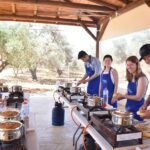
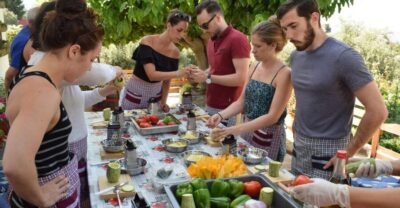
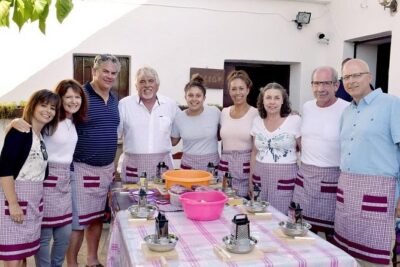
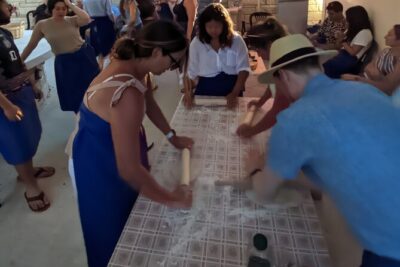
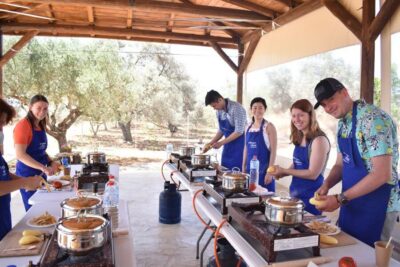
Aprons on for a proper Cretan kitchen
- Chania: Authentic Cooking Class in the White Mountains
★ 4.9 · 529 reviews - The Real Cretan Cooking Experience
★ 5.0 · 528 reviews - Chania Cooking Class-The Authentic Enjoy traditional Cretan meal
★ 5.0 · 339 reviews - Cretan Cooking Class and Olive Oil Tasting
★ 5.0 · 178 reviews
Why the Psiloreiths mountain setting makes the food click
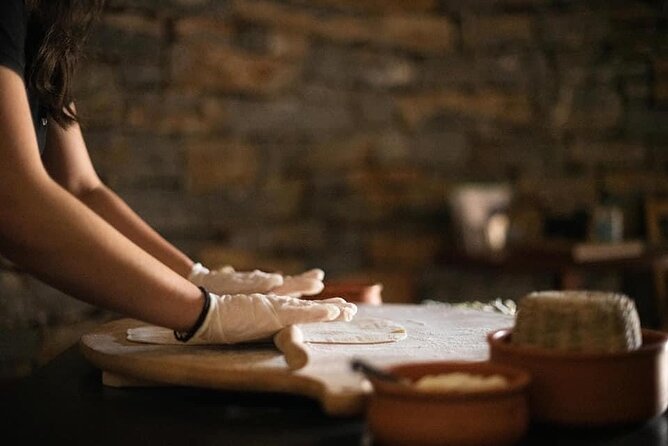
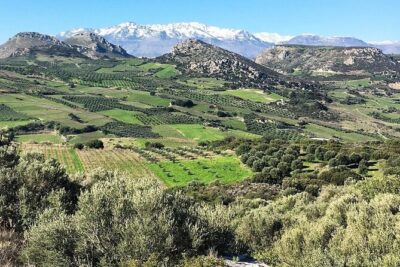
This class doesn’t feel like a kitchen demo. It starts on a farm, in a part of Crete where shepherds and seasonal ingredients still drive the rhythm of life. That matters, because you’re not only following a recipe—you’re building context. You see the setting where the food comes from, and then you cook with ingredients that match that reality.
The Shepherd’s Shelter is also a small-team operation. The experience is run by the Shepherd’s Shelter provider, and the host response you’ll see tied to the class comes from Yiorgos Kokkinos, which is a good sign of a personal, family-style approach. In a group limited to 12 people, you’re more likely to get back-and-forth help than in larger, factory-feeling workshops.
Also, don’t ignore the location: the class is on the Psiloreiths mount area around Milopotamos. Mountain air can be cooler than you expect, even in the daytime. If you’re the type who runs warm, you’ll still want layers you can adjust while walking and cooking.
From the farm to the cutting board: what you’ll actually do
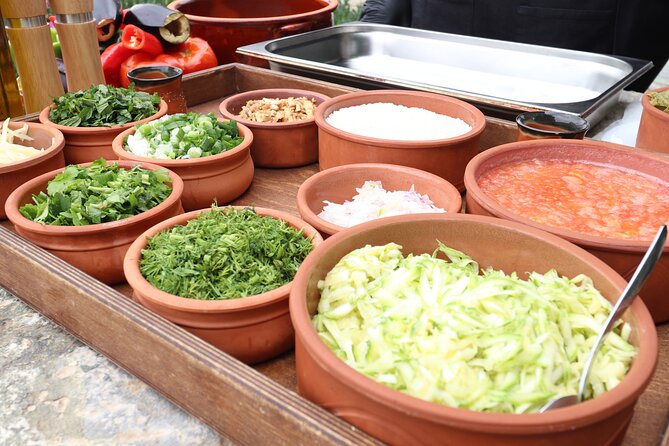
The class is built around a clear rhythm: learn where the ingredients come from, then turn that learning into hands-on cooking. You’ll get fresh, organic vegetables for the menu, sourced from local farms, and you’ll be guided through the farm area as part of the experience.
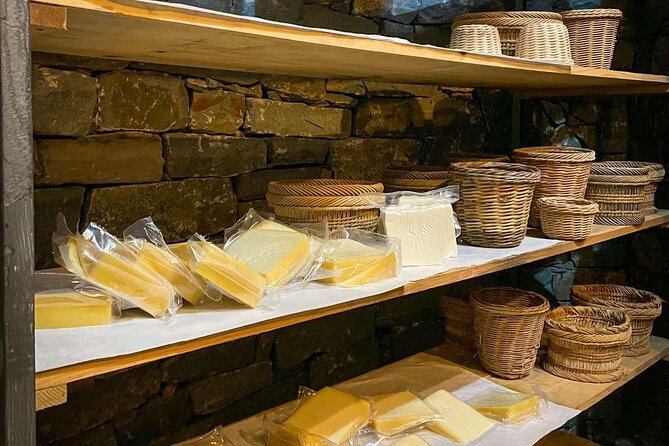
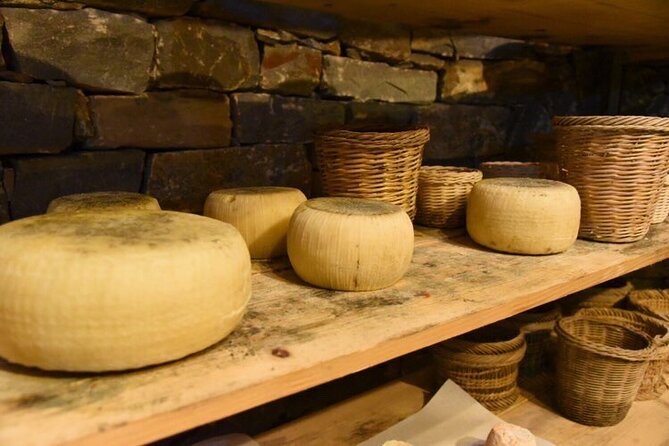
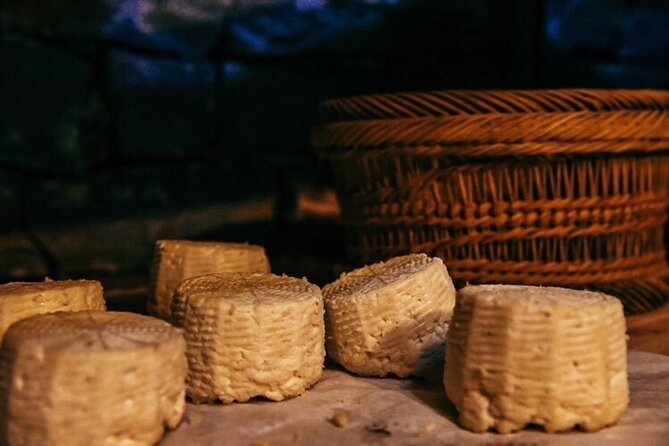
A big draw is the sheep-milk component. You’ll learn how to make cheese from sheep’s milk, and that isn’t just a cooking step—it’s a window into how shepherd life and food production connect. Even if you’ve made cheese at home before, the value here is how the class ties technique to place and to the animals that make the ingredients possible.
Then you move into the meal itself: you’ll prepare a Cretan meal from scratch. The important part for value is that the instruction isn’t separate from the food. It’s organized so you’re cooking while your understanding of the ingredients is still fresh from the farm side of the day.
The guided farm walk: animals, herbs, and practical context
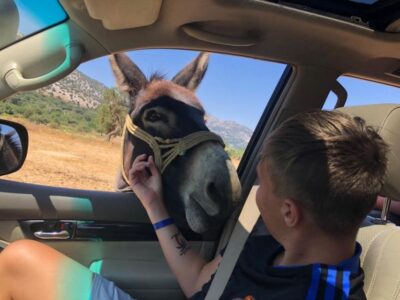
A standard cooking class can be great, but it often stops at the workstation. Here, the guided tour is part of the point. You’ll tour the farm, and you’ll be introduced to the animals—something that adds meaning to why the class is set up this way.
This is also where the experience becomes more than just meal prep. You’re getting a guided framework for how Cretans think about food: what’s local, how nutrition plays into everyday choices, and how products from the region earned their reputation through practicality.
One thing I like for planning purposes: the class includes discussions about the nutritional value of Cretan products. That doesn’t mean it turns into a lecture. It’s the kind of explanation that helps you cook and taste with more intention, so you leave understanding the why behind the what.
Worth lining up before you lock in this one:
Cheese and cooking instruction: what to expect from a hands-on format
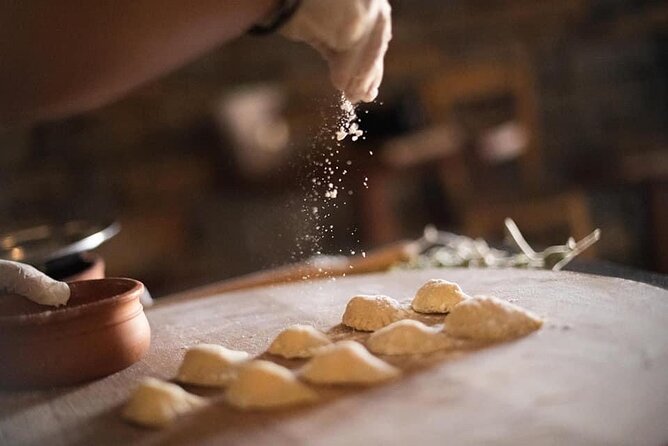
You should expect real participation. The class is designed for doing, not watching from the back. The cheese-making part means you’ll be learning a technique that’s closely tied to shepherding and milk production, while the meal-making part is about assembling a Cretan table using ingredients provided on-site.
Because it’s limited to up to 12 travelers, the pace tends to be manageable. That matters if you get distracted easily or you want to ask questions without waiting for the group to catch up.
If you’re a confident cook, you’ll still benefit from the farm-to-table angle and the way the class organizes steps. If you’re a beginner, you’ll likely appreciate the built-in structure: you start with farm knowledge, move to ingredient-focused cooking, and then eat with tastings that connect the work to the flavors of Crete.
Lunch with wine and raki tastings: pacing matters
The class includes tastings of local wine and raki. That’s part of the cultural package, not an add-on afterthought, and it helps you read the meal the way locals might: by pairing food with regional drinks.
Still, be smart about pacing. If you’re planning anything later in the day, eat slowly and sip rather than trying to “power through” the tastings. The food portions are described as generous in the feedback, and that’s often when people start to feel full without realizing they’ve eaten a lot quickly.
If you’d rather keep the tasting minimal for personal reasons, decide ahead of time how you want to handle alcohol. The class does include it, so it’s worth considering your comfort level before you book.
Price and value: is $131.06 per person worth it?
At $131.06 per person, this isn’t the cheapest cooking class option in Crete. But the value looks stronger when you account for what’s included:
- You’re not just cooking in a kitchen. You’re getting a farm tour plus animal introductions.
- You’re learning sheep-milk cheese and then making a Cretan meal from scratch.
- You get fresh, organic vegetables sourced from local farms.
- The class includes tastings of local wine and raki.
- It’s a small group experience (max 12), which usually means more attention and less waiting.
The price can also vary with the number of people, and there are group discounts. That’s useful if you’re traveling with friends or planning a small group of your own.
One practical reality: this is booked fairly ahead of time. The average booking window is 42 days in advance, which suggests demand for this specific farm-to-table style. If you’re visiting during peak season or you have tight dates, don’t leave it to the last minute.
Timing, location, and how to prepare for a 5-hour day
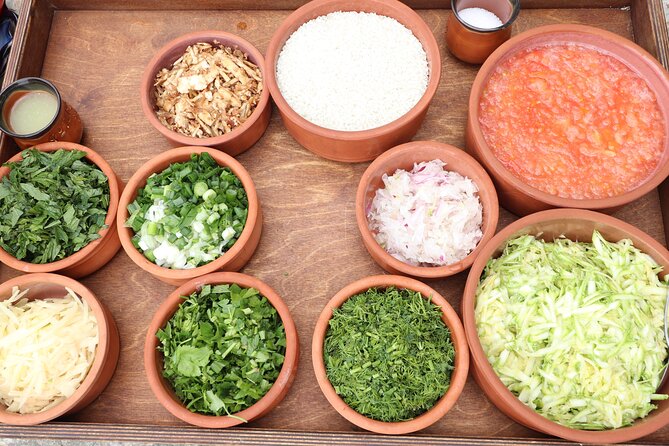
The class runs about 5 hours and starts at 11:00 am, with the experience ending back at the meeting point. It begins at The Shepherds Shelter, on Unnamed Road, Milopotamos 740 51, Greece.
Because it’s a mountain-farm setup, I’d prepare like it’s a working day outdoors: comfortable shoes for walking, a light jacket for changing conditions, and sun protection for any time spent outside. Even if the cooking part is warm and active, you’ll likely spend some time moving around the farm before you settle in.
Also keep an eye on the group format. With up to 12 participants, the day moves as a group. If you’re the type who needs lots of extra breaks, you may want to build in a little extra patience for the natural flow of a hands-on class.
Who this Cretan cooking class fits best
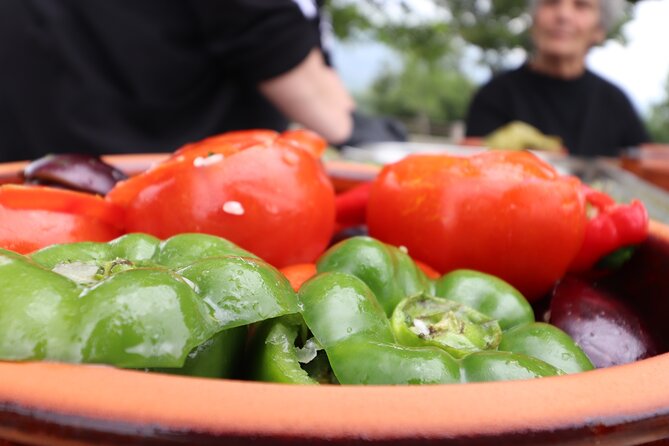
This is a great match if you want Crete through food that has a real source. I think it’s ideal for:
- Food lovers who enjoy learning the process, not just tasting
- People who like farm experiences and want to see how shepherd life connects to what’s on the table
- Travelers who appreciate a smaller group with more interaction
- Anyone in English who wants clear instruction in a rustic setting
It’s also useful if you’re the kind of traveler who likes a “complete” experience: farm walk, cooking work, cheese-making learning, and tastings all in one block of time.
If you mainly want a quick, low-effort meal lesson, you might find the farm and animal time adds extra structure you didn’t ask for. But if you enjoy that kind of context, it’s one of the reasons this class tends to score highly.
Should you book the Shepherd’s Shelter cooking class?
I’d book it if you want hands-on Cretan cooking that includes farm context, sheep-milk cheese learning, and cultural tastings. The biggest value signals are the small group size, the farm tour component, and the fact that the menu isn’t a generic menu—it’s tied to ingredients and shepherd life.
Skip it (or at least think twice) if you’re looking for a purely urban cooking class with minimal walking, or if the idea of wine and raki tastings doesn’t fit your preferences.
If you’re considering it, plan ahead. With an average booking lead time of 42 days, you’ll have a smoother time when dates are available.
FAQ
How long is the cooking class at the Shepherd’s Shelter?
It runs for about 5 hours.
What language is the class offered in?
The class is offered in English.
Where is the meeting point?
Meet at The Shepherds Shelter, Unnamed Road, Milopotamos 740 51, Greece.
How large is the group?
The class has a maximum of 12 travelers.
What start time should I plan for?
The start time is 11:00 am.
Is cheese making included?
Yes. You learn how to make cheese from sheep’s milk, and you also prepare a Cretan meal from scratch.
What is the cancellation policy?
You can cancel for a full refund up to 24 hours before the experience’s start time. If you cancel less than 24 hours before, the amount you paid is not refunded.
Try Your Hand at Something



More Tour Reviews in Crete




Cook the Cretan Classics
Fresh Off the Boat: Newest Crete Reviews



Cretan Cooking Classes, compared.
 ★ 4.9Chania: Authentic Cooking Class in the White MountainsFrom $129529 reviews
 ★ 5.0The Real Cretan Cooking ExperienceFrom $133528 reviews
 ★ 5.0Chania Cooking Class-The Authentic Enjoy traditional Cretan mealFrom $133339 reviews
 ★ 5.0Full-Day Jeep Safari Tour with Cooking LessonFrom $111284 reviews
 ★ 5.0Cretan Cooking Class and Olive Oil TastingFrom $114178 reviews
 ★ 5.0Olive Oil, Soap, Wine, Raki – Flavorful Culinary JourneyFrom $111119 reviews
 ★ 5.0Rethymno: Chrysoula’s Cretan Home Cooking LessonsFrom $11698 reviews
 ★ 5.0Moires: Cooking Class and Olive Oil Tasting at a Family FarmFrom $10093 reviews
Browse the lists this tour appears in