
Review · CRETAN COOKING CLASSES
Chrysoula’s Traditional Cretan Home Cooking
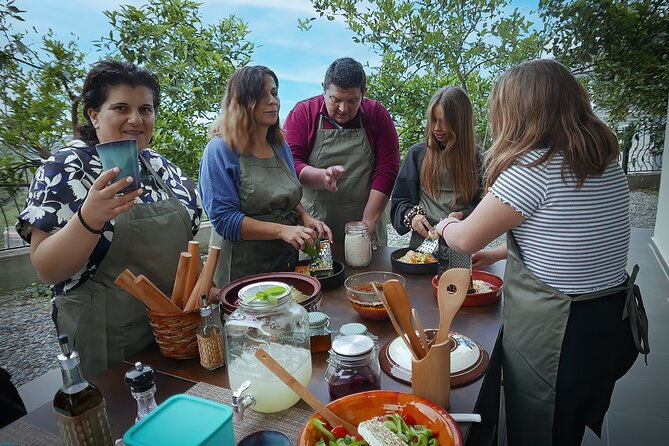
Cretan home cooking feels like family. At Chrysoula’s home near Arkadi, you get hands-on Cretan cooking and a family-style welcome from Chrysoula and her helper Dee, with nonstop laughter from the first minute.
I also love that the class is built around local ingredients you can actually taste, including olive oil, herbs, vegetables, bread, cheese, and more sourced from the property and her family farm. The only real thing to consider is that the experience needs good weather, and it can also depend on having the minimum number of people booked.
In This Review
- Key things I’d pencil into your morning
- Chrysoula’s Home Setting: Arkadi Area, Garden Vibes, and a True Meeting Point
- The 3.5-Hour Flow: How a Cretan Morning Moves from Prep to Feast
- Dakos Starter: A Crunchy, Tangy Start That Teaches You the Core of Cretan Flavor
- Moussaka and Stuffed Vegetables: The Main Dishes Where You’ll Learn Real Technique
- Dessert: Homemade Ice Cream as the Sweet Finish
- The Social Part: Humor, Raki, and Learning with Dee and Chrysoula
- What You’ll Really Take Home: Recipes You Can Follow
- Price and Value: Why $113.84 Can Make Sense for a 3.5-Hour Class
- Who This Cooking Class Fits Best (and Who Might Want to Rethink It)
- Should You Book Chrysoula’s Traditional Cretan Home Cooking?
- FAQ
- Where does the experience start and end?
- What time does the class start?
- How long is the cooking lesson?
- How much does it cost per person?
- What’s the group size limit?
- Is the cooking class offered in English?
- Is dietary accommodation available?
- Does weather affect whether it runs?
- Can I cancel for free, and up to when?
Key things I’d pencil into your morning
- Small group (max 12) so you’re not watching from the sidelines
- Chrysoula + Dee mean teaching, humor, and lots of personal attention
- Multi-course menu typically includes Dakos, moussaka, stuffed vegetables, and homemade ice cream
- Hands-on prep with clear direction, not just a lecture
- A garden setting with olive groves nearby that makes the whole meal feel extra
- Recipes sent after so you can recreate it without playing memory games
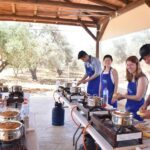
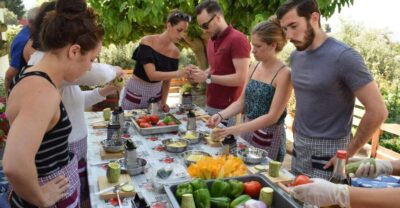
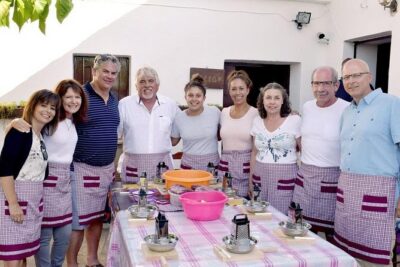
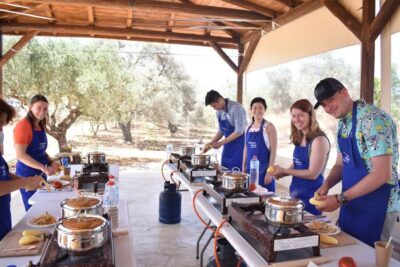
Aprons on for a proper Cretan kitchen
- Chania: Authentic Cooking Class in the White Mountains
★ 4.9 · 529 reviews - The Real Cretan Cooking Experience
★ 5.0 · 528 reviews - Chania Cooking Class-The Authentic Enjoy traditional Cretan meal
★ 5.0 · 339 reviews - Cretan Cooking Class and Olive Oil Tasting
★ 5.0 · 178 reviews
Chrysoula’s Home Setting: Arkadi Area, Garden Vibes, and a True Meeting Point
This experience starts at a specific meeting point in the Arkadi area and finishes back there. That might sound small, but it matters on Crete. You don’t need to figure out where to go for the after-meal walk or worry about last-mile logistics.
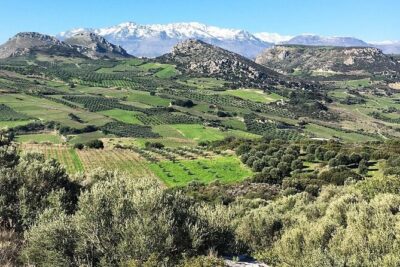
The setting is part of the charm. Several people describe Chrysoula’s lush garden/backyard as the real scene-setter: you step into a homey courtyard mood before you even touch ingredients. The olive groves nearby also show up in the atmosphere, which makes the meal feel grounded in where the food comes from.
Practical notes you’ll care about: it’s offered in English, it uses a mobile ticket, it’s near public transportation, and service animals are allowed. And because the group is capped at 12, you’re more likely to talk, ask questions, and get your hands corrected when you need it.
The 3.5-Hour Flow: How a Cretan Morning Moves from Prep to Feast
The whole class runs about 3 hours 30 minutes and starts at 10:00 am. Plan your day around that block, because it’s not a quick “taste and go.” You’re there to cook, eat, and slow down.
Here’s the rhythm you should expect based on how the courses are described: you begin with a starter, move into the main dishes, then finish with dessert. People also talk about enjoying raki along the way, which can turn the table from classroom mode into family-party mode.
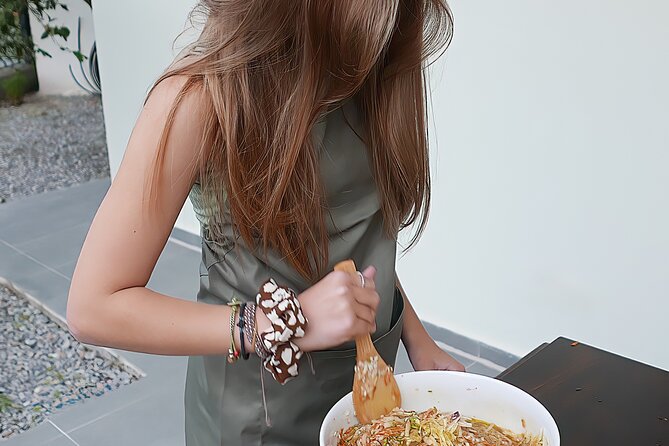
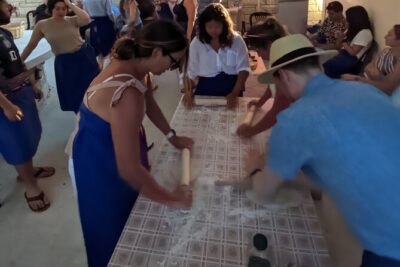
The best part is that this doesn’t feel like you’re being herded. The teaching style is hands-on: you prep food yourself, while Chrysoula (and Dee) guide you so you get the right textures and build. That’s especially helpful for dishes that look intimidating on paper, like moussaka—because you learn how it comes together step by step.
Dakos Starter: A Crunchy, Tangy Start That Teaches You the Core of Cretan Flavor
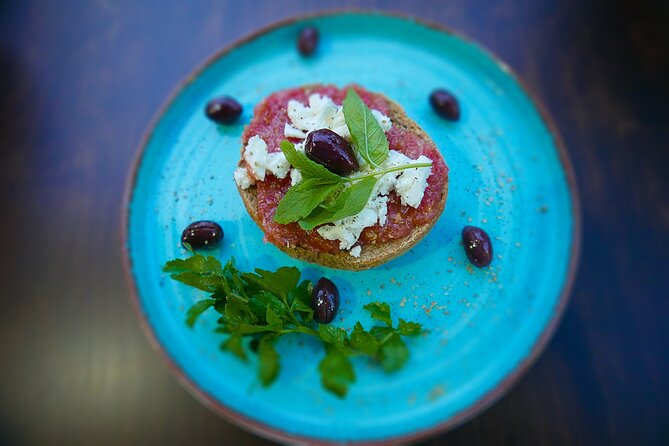
Dakos is listed as the starter, and it’s a smart choice for a cooking class because it teaches a few key Cretan ideas fast: balancing tangy and salty flavors, and getting the texture right.
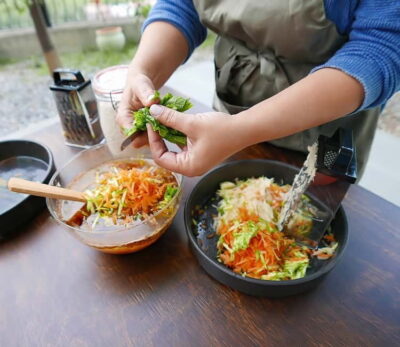
In practical terms, you’ll be working with components that build flavor in layers—so you start understanding how Cretan dishes are often about assembly, not complicated technique. Dakos also makes the session feel lively early on: once you’re tasting and adjusting, you’re not waiting until the end to enjoy.
If you like food that’s punchy but not fussy, this is a great first step. And if you’ve never cooked Greek staples before, a starter like this is approachable: you can make it, taste it, and then carry what you learned into the heavier mains.


Moussaka and Stuffed Vegetables: The Main Dishes Where You’ll Learn Real Technique
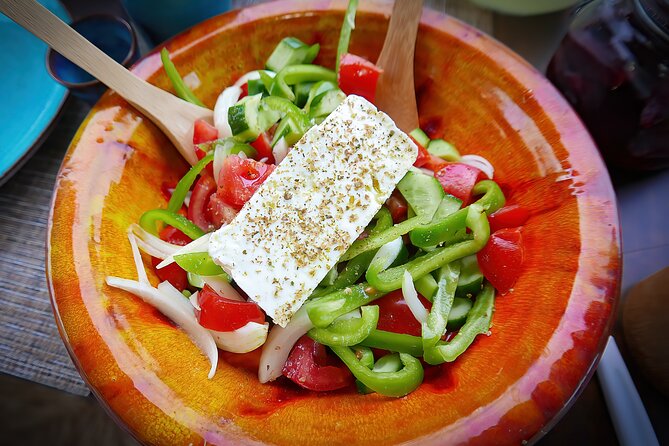
The menu highlights moussaka and stuffed vegetables as the main courses. This is where the class earns its keep. Moussaka can look like a single dish, but it’s really a system: you’re combining cooked elements, then assembling so it holds together when served.
Stuffed vegetables are the other major skill-builder. People describe the class as very hands-on, so you’re likely to help with prep and assembly rather than just watching. That matters because stuffed dishes are easy to get wrong if you don’t understand the balance of filling, seasoning, and how tightly you pack.
One helpful detail: dietary needs can be handled. A vegetarian in at least one group received a separate dish option, so you shouldn’t assume you’ll be stuck with a plain side if you don’t eat meat. Still, the most dependable move is to note your needs at booking so the team has time to plan.
Dessert: Homemade Ice Cream as the Sweet Finish
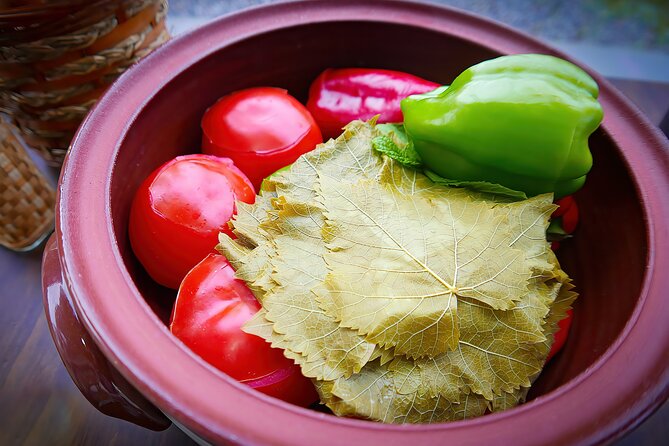
Dessert is listed as home made ice cream, and that’s a fitting ending for a morning class. Ice cream is forgiving in a good way: it’s a clear win for most people, and it gives you something sweet that feels celebratory after you’ve done the savory work.
Dessert also ties back to the cooking style. Instead of sending you off to figure it out on your own, the class is set up so you can follow along and produce something you’ll actually want to eat right there. And once you’ve worked through mains, dessert feels like payoff, not just an add-on.
If you’re the type who likes to learn how to make the parts of a meal you usually buy, this is a strong reason to book. It helps you leave with a full set of ideas, not just one dish.
The Social Part: Humor, Raki, and Learning with Dee and Chrysoula
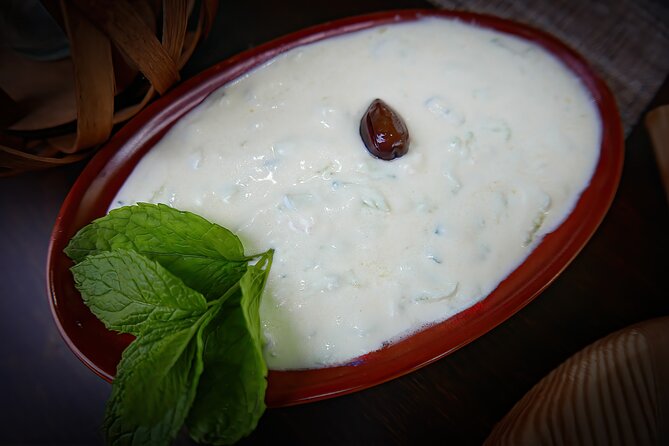
Cooking classes can go two ways: stiff and awkward, or warm and lively. This one has a clear reputation for the second option.
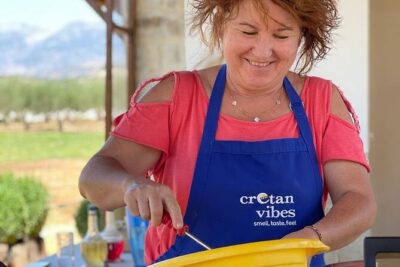
People talk about jokes and teasing that start quickly, and Chrysoula’s humor helps everyone relax into the work. Dee is repeatedly mentioned as part of the team, so you’re not stuck with one voice doing everything. That team approach tends to mean smoother timing too—you’re more likely to get unstuck when you’re busy with your hands and can’t pause for a long explanation.
Raki shows up in multiple descriptions, which tells me the experience isn’t about keeping things dry and formal. It’s more like a shared table. Just remember: raki may be part of the mood, but it’s still a cooking class, so stay aware of what you can handle before you’re back on the road.
What You’ll Really Take Home: Recipes You Can Follow
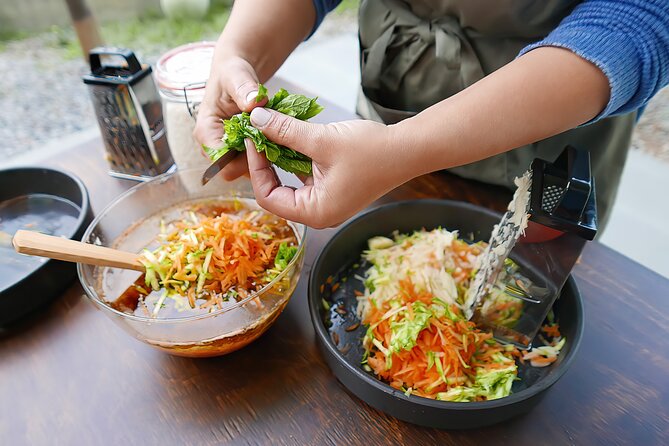
The class includes a “take it with you” benefit: recipes sent after the class. That’s more valuable than it sounds, because Crete can be heavy on details—seasoning, thickness, and how much olive oil you use changes everything.
Multiple people mention the humor around olive oil measurements, which is basically a reminder that cooking at home isn’t about being perfect. You learn the feel, then you use the recipe to recreate that feel later without guessing.
This is also where the local-ingredient focus becomes practical. If ingredients come from the property and nearby farm sources, you taste the difference right away. Then, when you cook again, you know what to look for: good olive oil, fresh herbs, solid bread, good cheese, and vegetables that taste like something.
Price and Value: Why $113.84 Can Make Sense for a 3.5-Hour Class
At $113.84 per person for about 3 hours 30 minutes, you’re paying for more than a “meal.” You’re paying for:
- a teaching session in someone’s home
- hands-on coaching (not just watching)
- multiple courses that you eat
- recipes delivered after the class
- a small group cap that keeps the experience from feeling crowded
In other words, you’re buying time with the people who actually cook this food at home, not just a tasting menu. And because it’s a maximum group size of 12, the per-person value improves when you’re comparing it to bigger cooking setups where you don’t get much attention.
The price also feels more reasonable if you were planning to spend money on a nice dinner anyway. Here, you’re getting both the food and the skills to repeat it later.
Who This Cooking Class Fits Best (and Who Might Want to Rethink It)
This works well if you:
- like hands-on activities where you make real food
- want a social meal without needing to know Greek cooking already
- care about traditional Cretan flavors and ingredient quality
- appreciate a small-group setting
It’s also a good match for people traveling solo, since the class size is small and the tone is welcoming. And if you have dietary issues, there’s evidence the team can accommodate at least some needs, including vegetarian options.
The main reason to rethink it is purely logistical: the experience requires good weather, and it may shift if conditions are poor. If you’re visiting during a time when weather changes fast, keep your other plans flexible.
Should You Book Chrysoula’s Traditional Cretan Home Cooking?
I’d book it if you want a Cretan meal that doesn’t feel staged. The mix of hands-on cooking, a team approach with Chrysoula and Dee, and a home-garden setting makes it more than a checklist activity.
If you’re chasing food variety, you’ll like that the class includes a full sequence: Dakos, moussaka, stuffed vegetables, and homemade ice cream. If you care about practical take-home value, the recipes sent after are a strong reason to go.
Just make sure you can handle the weather dependency and that you’re not trying to cram this into a tight schedule. If your calendar has room for a slower, social morning, this is the kind of experience that turns into a story you’ll tell later.
FAQ
Where does the experience start and end?
It starts at the meeting point in the Arkadi area (shown as a plus code on your confirmation) and ends back at the same meeting point.
What time does the class start?
It starts at 10:00 am.
How long is the cooking lesson?
The duration is about 3 hours 30 minutes.
How much does it cost per person?
The price is $113.84 per person.
What’s the group size limit?
The experience has a maximum of 12 travelers.
Is the cooking class offered in English?
Yes, it’s offered in English.
Is dietary accommodation available?
You should be able to participate with dietary needs noted, including vegetarian options (a separate dish can be prepared).
Does weather affect whether it runs?
Yes. It requires good weather, and if it’s canceled due to poor weather, you’ll be offered a different date or a full refund.
Can I cancel for free, and up to when?
Yes, cancellation is free. You can cancel up to 24 hours in advance for a full refund.
More Tour Reviews in Crete





Cook the Cretan Classics



Fresh Off the Boat: Newest Crete Reviews




Cretan Cooking Classes, compared.
 ★ 4.9Chania: Authentic Cooking Class in the White MountainsFrom $129529 reviews
 ★ 5.0The Real Cretan Cooking ExperienceFrom $133528 reviews
 ★ 5.0Chania Cooking Class-The Authentic Enjoy traditional Cretan mealFrom $133339 reviews
 ★ 5.0Full-Day Jeep Safari Tour with Cooking LessonFrom $111284 reviews
 ★ 5.0Cretan Cooking Class and Olive Oil TastingFrom $114178 reviews
 ★ 5.0Olive Oil, Soap, Wine, Raki – Flavorful Culinary JourneyFrom $111119 reviews
 ★ 5.0Rethymno: Chrysoula’s Cretan Home Cooking LessonsFrom $11698 reviews
 ★ 5.0Moires: Cooking Class and Olive Oil Tasting at a Family FarmFrom $10093 reviews
Browse the lists this tour appears in