

Review · CRETAN FOOD TASTINGS
Chania Sourdough Bread Class – Olive Oil Tasting
Chania sourdough gets a wood-fire twist. This 4.5-hour class pairs hands-on baking in a wood-fire oven with an extra-virgin olive oil tasting you’ll actually understand after visiting olive trees and learning how harvesting and herb mixing works. The main thing to plan for: it’s outside the center (Nerokourou), and transportation isn’t included in the base price.
I like the way the day moves like a proper Cretan meal, not a rush-through workshop. Hosts Nikos and Alex keep things warm and practical, with storytelling that makes bread feel human, not mysterious, and they roll you into the food side of Crete too. If you’re thinking of booking, keep in mind that you’re baking and eating for hours, so come hungry and ready to get your hands slightly doughy.
In This Review
- Key things that make this class worth your time
- From Greek coffee to dough in Nerokourou
- Mixing and building your sourdough loaf (with your own fillings)
- The olive grove visit: where the oil lesson actually clicks
- Farm harvest to Cretan salad and sides while bread bakes
- Wood-fire oven moment: taking your loaf out and pairing it right
- Price and logistics: what $106 gets you, and what to watch
- Who this Chania bread-and-oil class suits best
- Should you book this Chania sourdough and olive oil class?
- FAQ
- How long is the Chania sourdough bread class with olive oil tasting?
- What does the price include?
- Is transportation included?
- Where is the class located?
- Are pickup transfers available?
- What languages are offered?
- Is the class wheelchair accessible?
- FAQ
- What is the cancellation policy?
- Is there a reserve now, pay later option?
Key things that make this class worth your time

You bake your own loaf (with fill-ins you choose) and take it home.
Wood-fire oven learning means you see how sourdough turns from dough to bread in real time.
Olive grove + oil harvesting context makes the tasting more than a sip-and-smile moment.
A full Cretan meal happens alongside baking: salad, fava, sides, and seasonal bites.
Local wine is part of the package, not an afterthought.
Semi-private transfers can mean shared vans, so build in a little flexibility.
One more pour of Cretan wine and raki
- Crete Wine and Olive Oil Tour
★ 5.0 · 272 reviews - Wine & Olive Oil Tour with Lunch at Milia Mountain Retreat
★ 5.0 · 194 reviews - Wine & Olive Oil Tour with Lunch – Semi Private Safari Tour
★ 5.0 · 156 reviews - PRIVATE Walking Tour with Lunch and Wine Tasting by a Sommelier
★ 5.0 · 113 reviews
From Greek coffee to dough in Nerokourou

This class runs about 4.5 hours and starts with a welcome drink and something sweet or snacky while you meet the hosts and get oriented. Depending on the moment, you’ll be offered a homemade refreshment or a Greek coffee style start, then you settle in as they explain how sourdough works before you touch the ingredients.
The venue is in Nerokourou, about 10–15 minutes from central Chania. That location matters in a good way: you’re not doing this in a busy tourist kitchen. You’re doing it near the olive-and-farm side of the island, so the bread doesn’t feel disconnected from where Crete’s flavors come from.
One smart detail is the pacing. After the intro, you mix your dough and get your bread-base underway. Then, while the dough rests and you’re waiting for the next stage, you leave the kitchen to visit the olive grove and learn about oil and herbs. That break is practical. Proofing isn’t something you can speed up with willpower, so you spend that time learning and moving, not standing around bored.
Hosts Nikos and Alex also bring a low-pressure vibe. The tone from the group sizes in different seasons can be different, but the goal stays the same: you leave with bread skills you can repeat, plus a meal you remember.
Mixing and building your sourdough loaf (with your own fillings)
Once you’re ready, you mix the ingredients to form the dough. This is where you learn the core sourdough approach, not just the steps to copy a loaf. You’ll get guidance as you work, and the main point is understanding what you’re aiming for in the dough stage.
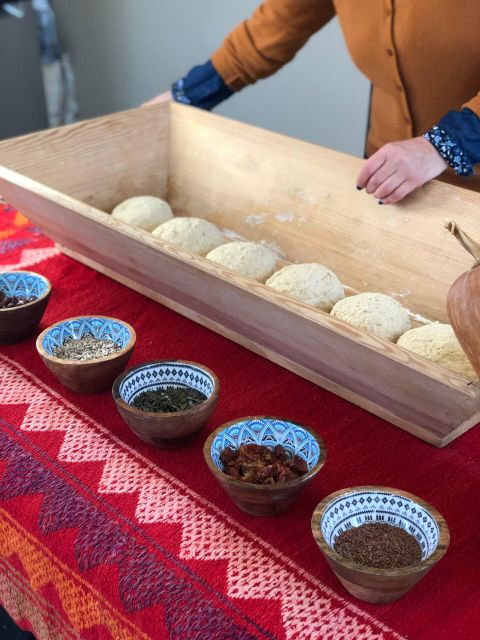
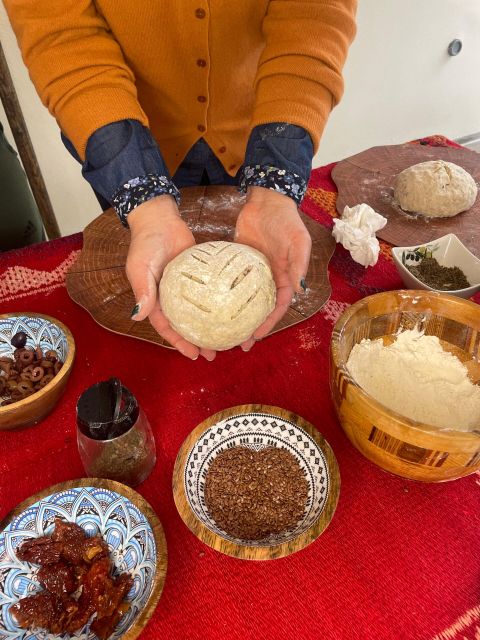
Then comes the fun part: shaping your loaf. Each person prepares their own unique bread, and you can add extras inside the dough, such as olives, sun-dried tomato, and seeds. That choice is more than flavor. It changes the feel of the bake too, because heavier add-ins and uneven distribution can affect how the dough rises and bakes through.
You also need to let the dough rest for a while. That waiting time isn’t wasted; it’s a big part of sourdough. In real life, sourdough success is usually more about timing and patience than hard technique. Here, you’re taught the process while you’re actually experiencing it, which is exactly how it sticks.
A practical tip for you: if you love experimenting, choose add-ins you enjoy at room temperature too. You’ll taste the final loaf later, alongside herb oil and a full lunch spread. A loaf that tastes great as a topping partner (olive oil, herbs, salad, fava) beats a loaf that only tastes good right out of the oven.
The olive grove visit: where the oil lesson actually clicks

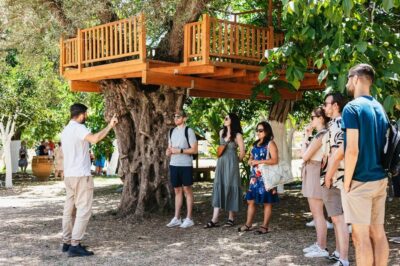
One of the most valuable pieces of this experience is that the olive oil part isn’t a standalone tasting. You visit an olive grove while your dough is resting, and you learn about the olive oil harvesting process and how the locals think about using extra-virgin olive oil in everyday cooking.
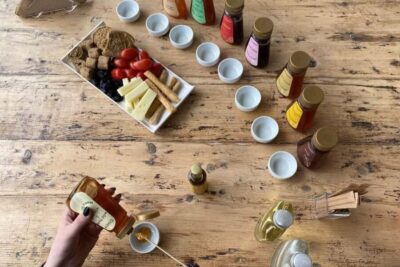
Then you go a step further: you learn the secrets of mixing olive oil with herbs. That matters because tasting alone can make olive oil feel like a vague category. But when you understand how harvesting timing and herb choices influence flavor, you start tasting with a purpose.
This segment also gives you something to look forward to besides bread. You’ll be in outdoor surroundings under olive trees, which changes the mood of the day from kitchen focus to island context. It’s also a smart pacing tool, because you’re not stuck waiting for the oven to finish.
If you’re the type who likes to know why something tastes the way it does, you’ll appreciate this part. You’re not just being poured oil. You’re building the story behind the bottle, then taking that story straight to your loaf.
And yes, even if you’re not obsessed with olive oil, the smell of herbs and the explanation around how they’re used helps you connect the tasting to the meal you’ll eat. That connection is a big part of why this class feels more satisfying than a basic cooking demo.
Still hungry? More Cretan plates to graze
Farm harvest to Cretan salad and sides while bread bakes

After the olive grove time, you visit a farm where you harvest your own veggies and then help prepare the Cretan salad. It’s not just a photo stop. The whole point is to show how the bread and the meal belong together, and that bread on Crete isn’t eaten in isolation.
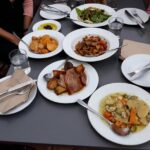
You’ll also prepare extra sides and seasonal appetizers. Based on what’s included, expect dishes like Greek fava beans and other seasonal additions. The day is designed so the bread is finishing in the background while you build a full plate in the foreground.
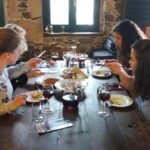
This is one of the biggest value drivers for the price. You’re not paying just to bake one thing. You’re paying to participate in a whole cooking and eating rhythm: dough, olive learning, farm produce, salad assembly, sides, and a full lunch that arrives with copious amounts of local wine.
For practical comfort, wear something you can move in. Harvesting and salad prep can be messy in a friendly way. Also, keep water in mind even though wine is part of the package. You’ll get the most out of tasting if you’re not running on fumes.
By the time your bread comes out, you’re ready for it. The kitchen fills with the smell of dough and olive oil, and you finally get to see the sourdough payoff after all the waiting you just endured.
Wood-fire oven moment: taking your loaf out and pairing it right

Finally, the best part. Your loaves go into the wood-fire oven, and then you wait for that moment when the smell changes from dough to something deeply bread-like.
When the bread is ready, you get it out of the oven and enjoy the fruits of your work. This is where your choice of fillings really matters. A loaf with olives and herb oil becomes savory in a different way than one with seeds or sun-dried tomato. The bread is the base, but the flavor direction comes from what you baked inside.
Then comes the pairing: you combine your bread with herb-flavored extra-virgin olive oil. That herb oil isn’t an afterthought; it’s one of the main links between the first half of the class (olive grove learning) and the last half (the meal).
You’ll sit down to eat with the side dishes you helped prepare, plus the wine. And you should leave room for dessert, because a sweet is always offered at the end.
A small piece of strategy for you: start with smaller bites of each element. Bread first, then oil, then salad and fava, so you can notice how the flavors change as your palate moves across the meal. This is the kind of class where you’ll taste more if you pace yourself.
Price and logistics: what $106 gets you, and what to watch

At $106 per person for about 4.5 hours, the real question isn’t just the cost. It’s what you’re actually receiving for that money.
You’re getting:
- everything you need for the experience (ingredients included)
- the bread-making learning plus baking in the oven
- lunch, plus sides and seasonal appetizers
- generous local wine
- and the olive grove and farm visits that connect the food to the island
What’s not included: transportation in the base price. The class is located about 10–15 minutes from central Chania in Nerokourou, and you’ll need to plan your way there.
Pickup can be arranged but it comes with an extra fee depending on your location. The transfer service is semi-private: you may share a 9-seat van or an EV with other guests who join the class. Practically, that means you should expect a little group timing flexibility.
One more tip: park along the fence near the meeting area if you’re driving. It’s not a central-city pickup where you can just step out anywhere.
So is it good value? For most people, yes, because it’s not only a baking class. It’s baking plus olive learning plus farm-to-table salad prep plus a full meal with wine. If you compare it to paying separately for an olive oil tasting, a meal, and a cooking activity, this becomes easier to justify.
Who this Chania bread-and-oil class suits best

I think this works especially well if you:
- want hands-on cooking, not passive watching
- love the idea of learning sourdough fundamentals you can use again
- care about food context (oil, herbs, olives, and produce)
- enjoy a structured meal experience with wine and dessert at the end
It’s also a good fit for couples, small friend groups, and solo travelers who like meeting hosts and getting direct instruction.
If you’re short on time or don’t want to be in an active setting for 4.5 hours, you might feel it’s too much. This is a full food day, not a quick snack tour.
Should you book this Chania sourdough and olive oil class?
Book it if you want a real Cretan food day: dough, wood-fire baking, olive grove context, farm produce, and a full lunch built around what you learned. The strongest part is the way the oil tasting and herb mixing connect directly to your bread, so your senses get a clear story from start to finish.
Skip it only if you already have your transportation lined up and you really don’t want to plan logistics for a spot outside central Chania. Otherwise, the combination of hands-on sourdough, olive learning, and a meal that includes wine makes it a strong value use of an afternoon in Crete.
FAQ
How long is the Chania sourdough bread class with olive oil tasting?
The experience lasts about 4.5 hours.
What does the price include?
It includes everything you need for the experience and ingredients, lunch, and generous amounts of local wine.
Is transportation included?
No. Transportation is not included in the base price.
Where is the class located?
It’s located 10–15 minutes from the center of Chania in the neighborhood of Nerokourou. Parking is available along the fence.
Are pickup transfers available?
Pickup is available with an extra fee depending on your location. The class provider notes that transportation is semi-private, using a 9-seat van and an EV.
What languages are offered?
The instructor provides the class in English and Greek.
Is the class wheelchair accessible?
Yes, it is listed as wheelchair accessible.
FAQ
What is the cancellation policy?
You can cancel up to 24 hours in advance for a full refund.
Is there a reserve now, pay later option?
Yes. You can reserve now and pay later, with the option to book your spot and pay nothing today.
More Tour Reviews in Chania


Eat Your Way Round Crete



Crete by the Glass
Fresh Off the Boat: Newest Crete Reviews


Cretan Food Tastings, compared.
 ★ 4.9Sunset or Morning Quad with Local Products TastingFrom $941,135 reviews
 ★ 4.9Quad Safari, Olive Mill with Tasting & Ghost VillageFrom $931,004 reviews
 ★ 4.6From Chania: Olive Oil, Wine, Cheese & Honey Tasting TourFrom $49490 reviews
 ★ 4.9Chania: Old Town Highlights Guided Tour with Street FoodFrom $106407 reviews
 ★ 4.8From Chania: Wine and Olive Oil Tasting Tour with SnacksFrom $141354 reviews
 ★ 5.0Walking “Food tasting tour” in the town of ChaniaFrom $105297 reviews
 ★ 5.0Full-Day Cretan Wines, Olive Oil, Raki and Food TourFrom $141264 reviews
 ★ 5.0Olive Oil Tasting TourFrom $19195 reviews
Browse the lists this tour appears in