
Review · FARMS
Chania Area: Cooking Class at a Farm in Stylos Village (organic)
A Cretan farm day with real family energy. You’ll spend hours in Stilos village learning farm life and making lunch with Cretan staples, plus a scenic Diktamos Gorge stop along the way. It’s a hands-on day built around organic production and people who actually live the food story.
I especially loved the practical, do-it-yourself parts—walking the free-range sheep, trying goat milking, and learning cheese making with Sofia and Nikos in the mix. I also liked how lunch turns into a full cultural moment, with homemade ingredients, wine, raki, stories, and traditional music. One thing to consider: this is time outdoors on a working farm, and the meal includes items like meat and cheese plus wine/raki, so it’s not the best fit if you avoid those.
In This Review
- Key Things You Should Know Before You Go
- A Crete Farm Day in Stilos Village (Stylos, Organic, Hands-On)
- Where It Starts: The Veggera Meeting Point and Getting Oriented
- Diktamos Gorge: A Scenic Interlude That Breaks Up the Day
- Free-Range Sheep to Goat Milking: Learning Farm Life Up Close
- Cheese Making and the Threshing Floor: From Tradition to Lunch
- Olives, Vineyard Lessons, and a Lemonade Break With Real Views
- Lunch You Help Make: Olive Oil, Vegetables, Local Meat, Homemade Cheese
- The People Part: Stories, Traditional Music, and a Village Feel
- Price and Value: Is $145.99 Worth It?
- What to Bring (and How to Set Yourself Up for a Smooth Day)
- Who This Is Best For (and Who Might Want Another Option)
- Should You Book This Cooking Class at the Organic Farm in Stylos Village?
- FAQ
- How long is the cooking class and farm experience?
- Where does the experience start?
- Is the experience offered in English?
- What is the group size limit?
- What farm and cooking activities are included?
- Do I get a mobile ticket?
- Is it suitable for most travelers, and are service animals allowed?
- What is the cancellation policy?
Key Things You Should Know Before You Go
- Small group (max 8) keeps the day personal and easy to ask questions.
- Goat milking and cheese making are hands-on, not just a demo.
- Organic farm ingredients show up right on your plate, including olive oil, vegetables, and cheese.
- Diktamos Gorge adds a scenic stretch beyond the cooking.
- Threshing floor + olives and vineyard lessons connect food to land and season.
- Family-style lunch with raki and music makes it feel more like an evening with friends than a class.
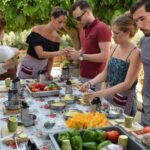
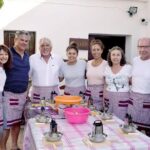
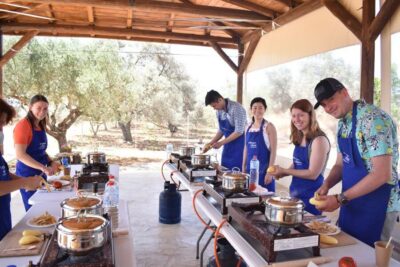
Aprons on for a proper Cretan kitchen
- Chania: Authentic Cooking Class in the White Mountains
★ 4.9 · 529 reviews - The Real Cretan Cooking Experience
★ 5.0 · 528 reviews - Chania Cooking Class-The Authentic Enjoy traditional Cretan meal
★ 5.0 · 339 reviews - Cretan Cooking Class and Olive Oil Tasting
★ 5.0 · 178 reviews
A Crete Farm Day in Stilos Village (Stylos, Organic, Hands-On)
This isn’t a quick “watch-and-hope” cooking class. The whole point is that you’re working with a real farm family and real farm routines, in and around the Stylos/Stilos area outside Chania. You start with farm life—animals, tools, and crops—then you move into the kitchen to turn it all into lunch.
The vibe is practical and warm. You’ll spend time walking the property and learning how Cretan food is tied to what’s grown nearby and what the household produces. If you like learning by doing (hands wet, clothes a little dustier than you planned), this is your kind of day.
Also, it’s designed as a full block of time—about 5 hours—so you’re not constantly moving buses. The pacing leaves room for photos, stories, and breaks, not just cooking nonstop.
Where It Starts: The Veggera Meeting Point and Getting Oriented
Your day starts at VeggeraC4PC+4G, Stilos 730 03, Greece, and you return there at the end. That matters because it keeps the experience centered on the farm and village rather than turning it into a road-trip itinerary.
You’ll want to show up with comfortable footwear. Even if you’re not doing a hardcore hike, you’ll be walking around a working farm and likely spending time outdoors. I’d treat this like a warm-weather village walk with a cooking payoff.
And because the tour is offered in English with a maximum of 8 travelers, you can usually expect to keep up without feeling rushed or lost in a crowd.
Diktamos Gorge: A Scenic Interlude That Breaks Up the Day
One stop is listed as Diktamos Gorge, which is a nice change of pace from “just farm stuff.” Think of it as your leg-stretch and view moment, the kind of break that makes the whole day feel more like Crete than like a kitchen workshop.
What you’ll enjoy most here is the contrast. You go from animals and farm routines into a natural setting—then you circle back toward food and the family kitchen. If you care about photography, this is likely when you’ll want your camera ready.
A practical note: gorge areas can mean uneven ground. You don’t need hiking boots, but you do want shoes with grip and you’ll probably appreciate some shade planning (even if you get breaks later).
Worth lining up before you lock in this one:
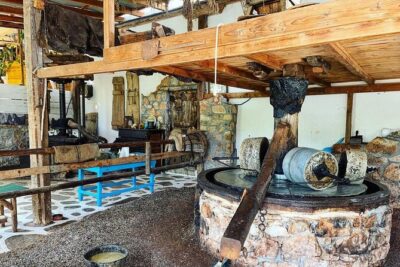
Free-Range Sheep to Goat Milking: Learning Farm Life Up Close
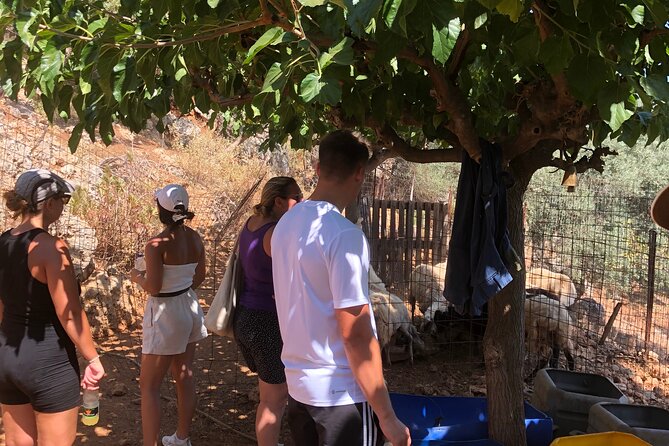
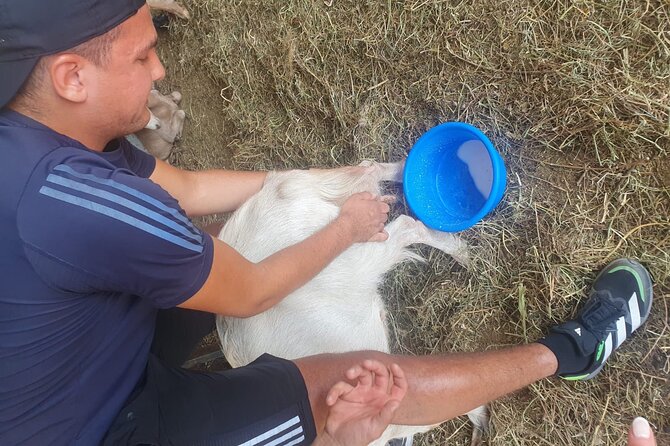
The farm activities are the heart of the day. You’ll walk through free range sheep, then move into other local farm experiences such as goat milking. This is the kind of activity where you’re not just looking—you’re participating, asking questions, and picking up how the household manages day-to-day production.
This is also where the “organic” label starts to make sense. You’re not hearing abstract talk about farming; you’re seeing the animals, the routines, and the workflow that leads into what you cook later.
If you’re traveling with kids or with someone who learns best by doing, this portion tends to land well. It’s active, it’s real, and it’s tied to the rest of the meal instead of being a random side show.
Cheese Making and the Threshing Floor: From Tradition to Lunch
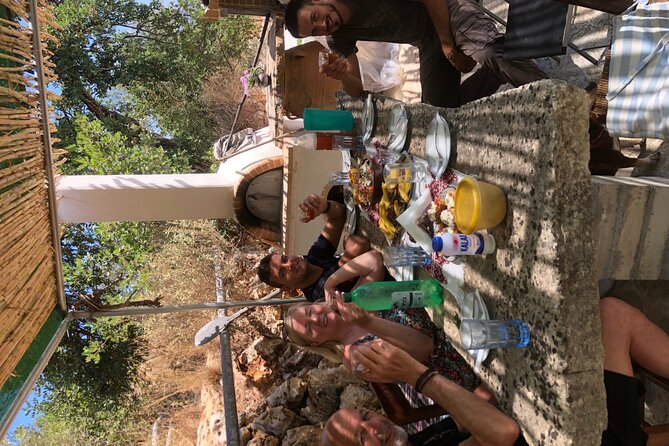
One of the best parts of this experience is that it doesn’t stop at animals. You’ll also get a chance to learn about cheese making, plus you’ll walk a threshing floor area and understand the role of olives and vineyard life in daily Cretan food.
Why that matters: olives, grapes, and cheese are not “ingredients.” They’re part of a system—seasonal work, storage, and culture. When you hear the stories and see the farm context, ingredients like extra virgin olive oil stop being a label and start being a point of pride.
You may also notice how the day connects textures and flavors. Cretan food often tastes simple on paper, but the farm knowledge behind it makes it better. Learning the background helps you eat more attentively, not just quickly.
Olives, Vineyard Lessons, and a Lemonade Break With Real Views
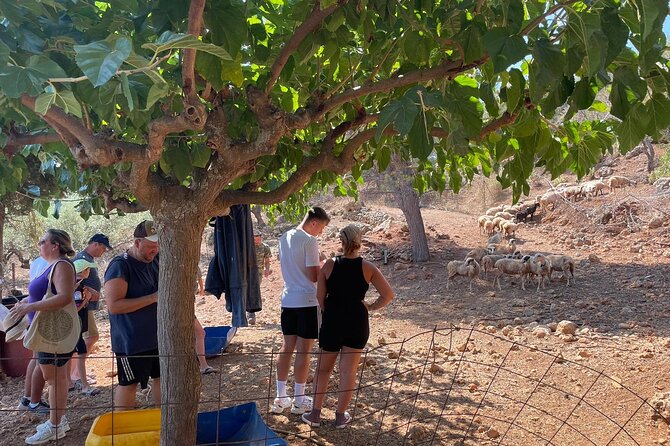
After the farm wandering and learning, you’ll take a break for homemade lemonade. It’s refreshing, and it gives you time to slow down.
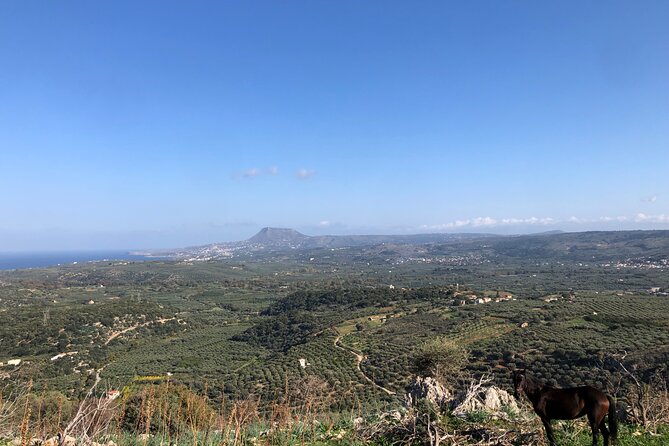
Then there’s the photo-friendly side: you’ll get time to take pictures with incredible views. This kind of pause is more than a perk. It helps you transition mentally from “farm learning” to “cooking and eating,” instead of feeling like the day is one continuous sprint.
If you’re the kind of traveler who likes to remember details, use the lemonade break to look around. Noticing where things grow and how the property sits in the landscape makes the food lessons click later.
Lunch You Help Make: Olive Oil, Vegetables, Local Meat, Homemade Cheese
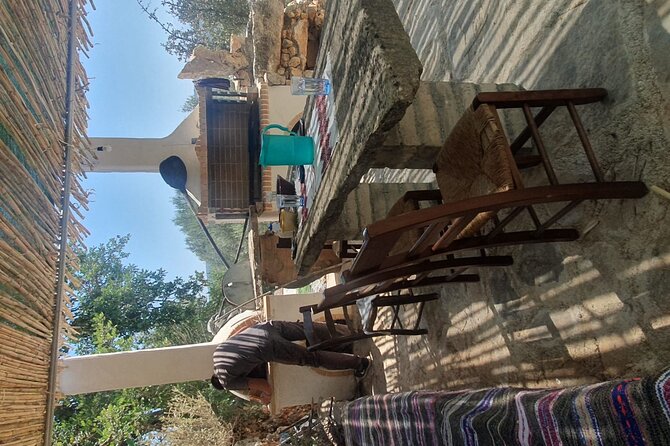
Now for the best reward—lunch. You’ll return and prepare a meal using hearty Cretan ingredients such as extra virgin olive oil, fresh vegetables, local meat, and homemade cheese. You’ll also hear more about Cretan culture through stories while you work.
What I like about this structure is that you don’t just consume. You learn the process, then you eat what you helped create. That’s how you walk away with flavors you can actually recreate at home—at least in spirit—even if your kitchen isn’t a Cretan farm.
And yes, there’s also alcohol: you’ll accompany lunch with wine and raki. If you don’t drink, it’s still a great day for the cooking and culture pieces, but you should know the meal is built with those traditions in mind.
The People Part: Stories, Traditional Music, and a Village Feel
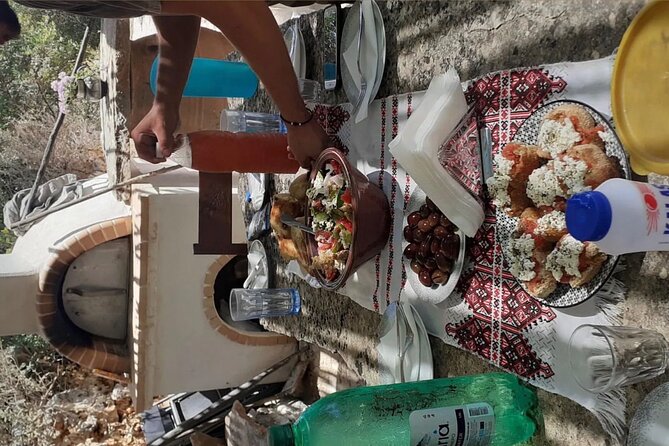
This experience is strongly people-focused. The family welcomes you, and the day includes time with grandmothers and friends, plus dancing and singing in some cases. Traditional music is part of the end-of-meal cultural program.
That’s why it doesn’t feel like a standard workshop. You’re hearing stories that explain why things are done a certain way, and those stories come from people living the lifestyle—not someone reading from a script.
It’s also one of the reasons the group stays small. With a maximum of 8 travelers, the conversation doesn’t get swallowed up by big-group noise.
Price and Value: Is $145.99 Worth It?
At $145.99 per person for about 5 hours, you’re paying for a lot more than a recipe session. The price is tied to: small group size, active farm experiences, homemade meal preparation, and cultural time with the hosts.
Here’s the value math I’d use:
- If you want a cooking class where you actually do tasks like milking and cheese making, this is more than a kitchen demo.
- If you care about real food sourcing and olive oil/cheese/meat/wine/raki being part of the day’s culture, you’re getting a full package.
- If you’re the type who would skip animal and farm steps and only wants to cook in a clean kitchen, you may feel like you paid for the wrong part.
I’d treat this as a “day with a family” priced like a premium experience, but not like a fancy luxury show. You’re paying for access and for the time the hosts put in.
One extra indicator: it’s booked about 49 days in advance on average. That doesn’t guarantee anything, but it does suggest this isn’t a schedule you can ignore.
What to Bring (and How to Set Yourself Up for a Smooth Day)
You can’t control the farm terrain, but you can control your comfort. Plan for a working countryside day.
I recommend:
- Comfortable walking shoes with grip
- A hat/sunglasses if you’re sensitive to sun
- A camera or phone space for farm and view photos
- If you’re sensitive to sun and alcohol, drink water and take the lemonade break seriously
Also, since the day includes wine and raki and an involved meal with cheese and local meat, consider how you want to pace yourself. Even if you enjoy alcohol, you’ll still want to feel good enough for the walking and activities.
Who This Is Best For (and Who Might Want Another Option)
This is ideal if you:
- Want hands-on farm food experiences instead of a passive tour
- Like cultural context with your meals—stories and traditional music matter to you
- Prefer small groups where conversation stays possible
- Feel curious about how olives, vineyards, cheese, and olive oil show up in everyday life
It might be less ideal if you:
- Don’t want to participate in farm activities (milking, walking around livestock areas)
- Avoid alcohol and want a meal that fits strict preferences
- Prefer fully urban settings with minimal outdoor time
Should You Book This Cooking Class at the Organic Farm in Stylos Village?
If your travel style is: eat well, learn real habits, and spend time with people who treat guests like family, then yes—this is an easy recommendation. The most praised parts are exactly what you’re hoping for: the hands-on farm activities and the way lunch turns into a cultural evening with stories, traditional music, wine, and raki.
The main “watch-outs” are simply practical: you’ll be outdoors on a farm for a few hours, and the meal is built around Cretan traditions that include cheese, local meat, and alcohol. If that fits your comfort zone, book it. If it doesn’t, you’ll likely feel like you’re paying for experiences you’d rather skip.
FAQ
How long is the cooking class and farm experience?
It lasts about 5 hours (approx.).
Where does the experience start?
It starts at VeggeraC4PC+4G, Stilos 730 03, Greece, and ends back at the meeting point.
Is the experience offered in English?
Yes, it is offered in English.
What is the group size limit?
The tour has a maximum of 8 travelers.
What farm and cooking activities are included?
You can expect time walking the free range sheep, chances to try goat milking and cheese making, learning about olives and the vineyard, a break with homemade lemonade and views, then preparing lunch with Cretan ingredients such as extra virgin olive oil, vegetables, local meat, and homemade cheese, with wine and raki, plus stories and traditional music.
Do I get a mobile ticket?
Yes, the experience includes a mobile ticket.
Is it suitable for most travelers, and are service animals allowed?
The experience states that most travelers can participate, and service animals are allowed.
What is the cancellation policy?
You can cancel for a full refund up to 24 hours in advance. After that window, refunds aren’t available.
More Farms in Crete
More Tour Reviews in Crete


Cook the Cretan Classics

Fresh Off the Boat: Newest Crete Reviews


Farms, compared.
 ★ 4.4Road-trip to Lasithi, Zeus Cave & Olive Mill FarmFrom $47451 reviews
 ★ 4.6Lassithi, Zeus Cave, Olive Mill Farm & Knossos Combo TourFrom $58404 reviews
 ★ 4.8Traditional Olive Grove and Dragon Fruit Farm TourFrom $9118 reviews
 ★ 5.0Moires: Cooking Class and Olive Oil Tasting at a Family FarmFrom $10093 reviews
 ★ 4.0Road-trip to Lasithi, Zeus Cave, Vidiani, Krasi & Olive Mill FarmFrom $4879 reviews
 ★ 4.1Olive Oil Festival, Farm Dinner, Live Show & PickupFrom $7655 reviews
 ★ 5.0Kleanthi Olive Farm: Guided Tour with Local Delicacies TastingFrom $2551 reviews
 ★ 4.5Knossos, Lasithi, Zeus Cave & Olive Mill Farm Combo TourFrom $6046 reviews
Browse the lists this tour appears in