
Review · FARMS
Traditional Olive Oil Making at Spiridi Olive Oil Farm – Crete
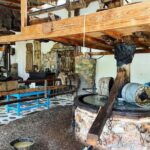
You don’t watch olive oil being made—you make it. At Spiridi Olive Oil Farm, the workshop walks you through the traditional process inside a 130-year-old olive oil factory. You weigh olives, crush them with a stone mill, transfer the paste into sacks, and press the oil with a manual wooden press.
What I like most is how physical and practical it is. You push the stone mill yourself, you handle the crushed olives, and you see the results right after with an olive oil tasting. Second, I love the small-group feel and the family-led guidance; in particular, Tassos and the team keep things moving and explain what you’re doing as you do it.
One thing to keep in mind: this is a hands-on activity, and the process is messy by nature. Also, the workshop includes water but not food, so plan accordingly if you’re hungry afterward.
In This Review
- Key highlights you’ll care about
- A 130-year-old Cretan factory where you actually get your hands dirty
- The 10:30 workshop rhythm: what happens from start to finish
- 1) Weighing olives and getting oriented
- 2) Crushing with a stone mill (your turn)
- 3) Transferring the crushed olives into large sacks
- 4) Pressing the olive paste with a manual wooden press
- 5) Tasting olive oil at the end
- 6) Taking home 100ml of extra virgin olive oil
- What makes this workshop feel authentic (and not like a staged show)
- Olive oil tasting: how to get more out of the last 15 minutes
- The farm beyond olive oil: wine, cheese, honey, cooking, and tablets
- Price and value: what you’re really paying for
- Small practical tips so your day feels smooth
- Who should book this olive oil workshop?
- Should you book Traditional Olive Oil Making at Spiridi Olive Oil Farm?
- FAQ
- How long is the Traditional Olive Oil Making workshop at Spiridi Olive Oil Farm?
- What time does the workshop start?
- Where does the experience start and end?
- What’s included in the price?
- What is not included?
- Is the workshop hands-on?
- What language is the workshop offered in?
- How large is the group?
- Is free cancellation available?
Key highlights you’ll care about
- Stone mill crushing you do yourself, not just a demonstration
- Manual wooden press used to press the olive paste into oil
- Max 10 travelers, so you actually get time at each step
- Tasting at the end so you connect the work to the flavor
- 100ml souvenir bottle of the farm’s extra virgin handmade olive oil
- Historic factory access at a working farm setting in Crete
One more pour of Cretan wine and raki
- Crete: Quad Safari, Olive Mill with Tasting & Ghost Village
★ 4.9 · 1,004 reviews - Crete: Road-trip to Lasithi, Zeus Cave & Olive Mill Farm
★ 4.4 · 451 reviews - From Chania: Wine and Olive Oil Tasting Tour with Snacks
★ 4.8 · 354 reviews - The Terra Creta Olive Oil Experience Tour
★ 4.7 · 344 reviews
A 130-year-old Cretan factory where you actually get your hands dirty
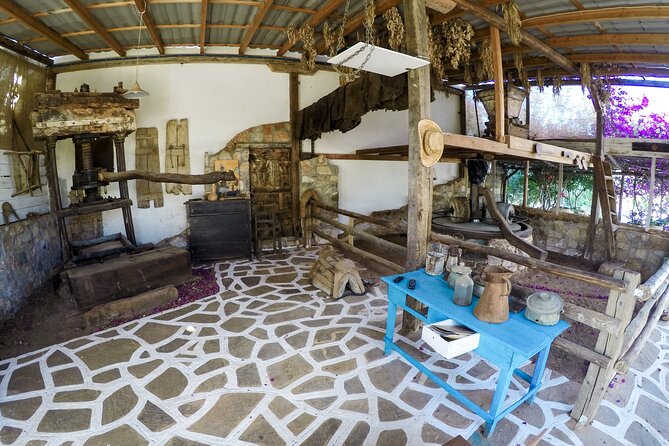
Spiridi Olive Oil Farm is the kind of place that makes you slow down. Instead of a glossy showroom, you’re inside an older olive oil factory where the tools feel made to last. The workshop is built around the real workflow, the same way local families have done it for generations.
There’s a simple reason this experience lands: you’re not just learning about olive oil. You’re making it. That means you understand the weight of the olives, the texture after crushing, and how pressing changes everything. It also helps you notice what matters for quality, like how the paste is handled and how the pressing is done.
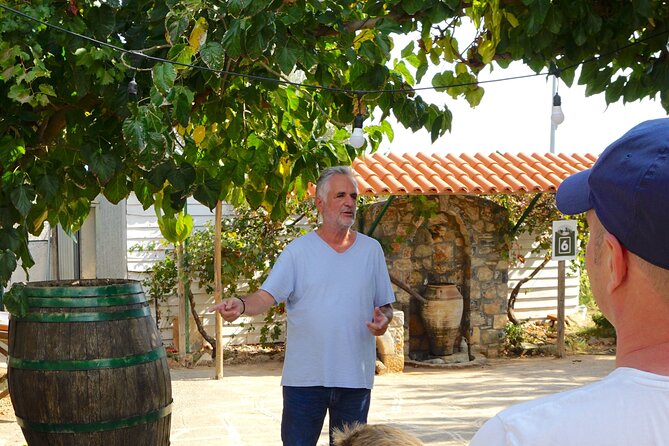
And yes, it’s family-run. One group shared that Tassos and his staff were professional and accommodating, and that matches the vibe here: expect clear guidance while you’re working.
The 10:30 workshop rhythm: what happens from start to finish
The activity starts at 10:30 am at Spiridi Olive Oil Farm, and it ends back at the same place. The total time is about 1 hour 30 minutes, which is ideal when you want something authentic without losing half a day.
Here’s the flow you can expect, in plain terms:
1) Weighing olives and getting oriented
Right away, you’ll move from watching to participating. You’ll weigh olives as part of the process, which is more than a novelty step. It sets the practical tone: olive oil making is measurable, not mystical.
This also helps if you’re the type who likes to connect stories to facts. You’ll see that the process begins with raw materials, not abstract ideas about flavor.
Worth lining up before you lock in this one:
2) Crushing with a stone mill (your turn)
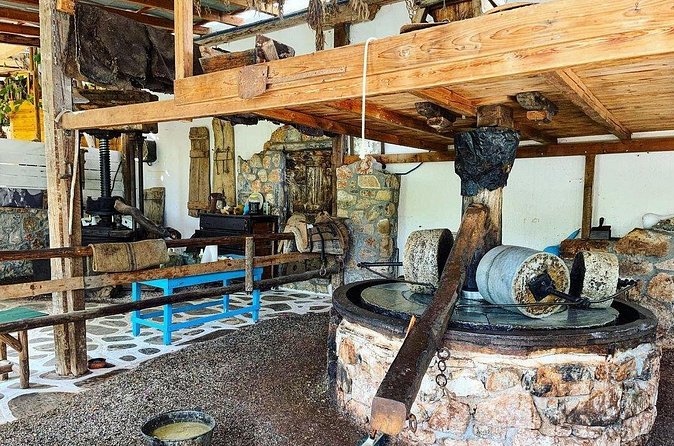
Next comes the big, fun part. You crush the olives using a stone mill by pushing it yourself. This isn’t just for show. You’ll feel the effort, and you’ll see how the olives change as they break down.
The stone mill step is often where people get the most excited, because it’s hands-on and visual. You’re essentially doing the job that prepares the olives for the press stage.
3) Transferring the crushed olives into large sacks
After crushing, you transfer the crushed olive mixture into large sacks. This step matters because it prepares the paste for pressing. It’s one of those process details you might never think about if you only taste olive oil.
And if you’re traveling with kids or teens, this is the kind of activity where they can participate with supervision. One review specifically noted that children got a turn during the pressing process, which tells you the farm takes participation seriously.
4) Pressing the olive paste with a manual wooden press
Then you press. This is where you go from paste to the oil outcome. You’ll press the crushed olive mixture using a manual wooden press, again with guidance throughout.
This part is fascinating because it gives you a real sense of how much work traditional olive oil production involved. It also makes the tasting later make more sense, because you’ve witnessed the transformation from fruit to oil.
5) Tasting olive oil at the end
At the end, you get an olive oil tasting. This is crucial. Without the tasting, the workshop could become a cool demo. With the tasting, you connect what you did to how olive oil actually tastes.
Taste a few samples, take a moment to compare impressions, and remember that hand-made, family-produced olive oil can taste different from what you’re used to in supermarkets.
6) Taking home 100ml of extra virgin olive oil
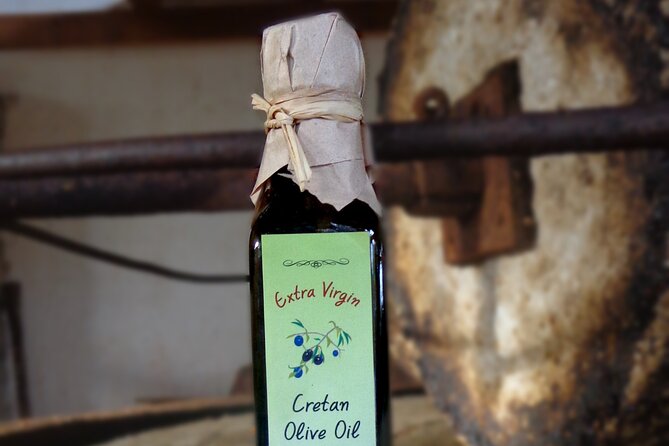
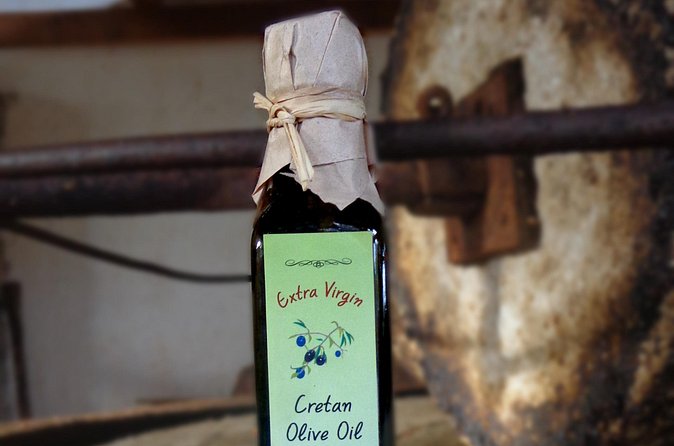
You also get a 100ml bottle of the farm’s family’s extra virgin handmade olive oil as a souvenir. This is one of the best “value” elements of the experience because you’re not leaving with a brochure. You’re leaving with something you can use in your kitchen.
It’s a small size, but it’s enough to try at home and to share with someone who asks where you got your olive oil.
What makes this workshop feel authentic (and not like a staged show)
A lot of food experiences are heavy on talking and light on doing. This one flips that. The workshop is hands-on from the moment you start, and it keeps the pace tight enough to fit comfortably in 90 minutes.
The group size also plays a role. With a maximum of 10 travelers, you’re not shuffled around like a conveyor belt. You can usually spend the time needed at each step—especially at the stone mill and press—so the experience stays personal.
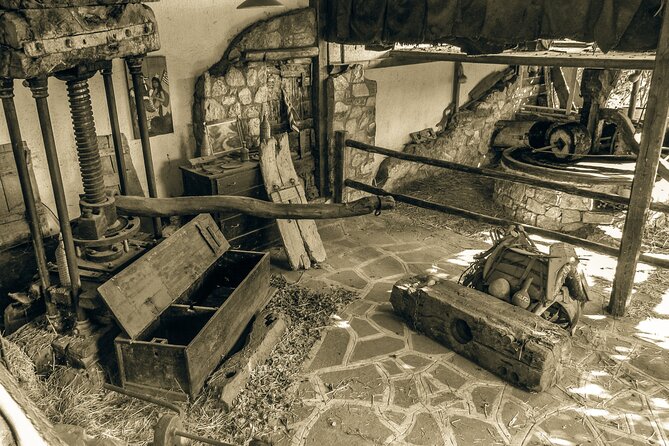
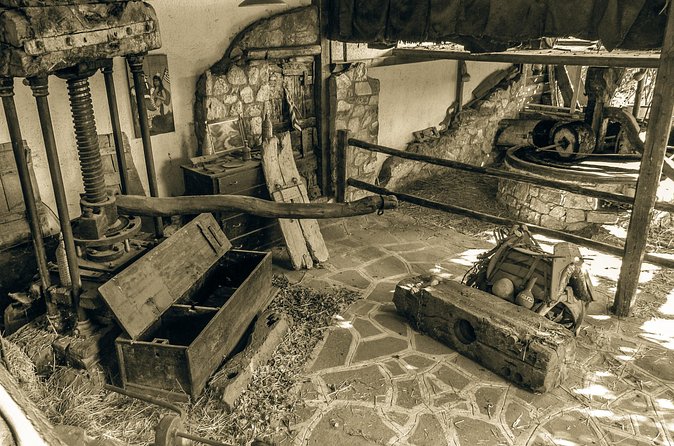
The farm’s setup also leans into tradition. It’s a 130-year-old factory, and you get access to that historic space as part of the workshop. Even if you’re not a museum person, being in the real environment helps you understand the workflow.
Olive oil tasting: how to get more out of the last 15 minutes
The tasting is included, but you’ll get more from it if you treat it like a mini-skill practice, not just a sip-and-go moment.
Here’s how I’d approach it:
- Taste slowly and pay attention to the after-feel, not just first flavor.
- If the samples differ, notice why. Crush method, handling, and pressing are part of what creates those differences.
- Think about how you’d use it: finishing salads, dipping bread, or cooking (if it fits your household habits).
Even with just basic tasting, you’ll leave with a better instinct for what you like. And since you take home a bottle, you can test your preferences later with real meals.
The farm beyond olive oil: wine, cheese, honey, cooking, and tablets
This experience focuses on olive oil making, but Spiridi Olive Oil Farm is clearly more than a one-activity stop. One review described an on-site setup that also offers wine tasting, cheese making, honey, and cooking, plus an e-tour experience using provided tablets.
So if you’re traveling with friends who want variety, this place can work as a shared destination where everyone finds something. Even if you only book the olive oil workshop, it’s helpful to know there are other options on-site if you want to extend your time.
Price and value: what you’re really paying for
The listed price is $78.60 per person for about 1 hour 30 minutes. That can feel like more than a standard attraction, until you break down what’s included.
You’re getting:
- Hands-on olive oil production using traditional tools (stone mill and manual wooden press)
- Guidance through each step
- Access to the 130-year-old factory
- Olive oil tasting
- Drinking water
- A 100ml souvenir bottle of extra virgin handmade olive oil
That last point is a big deal for value. You’re leaving with a product tied to what you made, not just a memory.
One group also shared that the workshop cost around €130 for two, and that gives you a rough sense that the experience is priced in the same ballpark as other small-group, hands-on food workshops. In short: you’re paying for skilled supervision, limited group size, and the included oil you can take home.
Small practical tips so your day feels smooth
There’s no food included besides water, so if you’re doing this as your lunch plan, you’ll probably want to eat before you go or plan a meal afterward.
Also, because you’re crushing and pressing, expect a little mess. It’s not a reason to worry, just a reason to dress smart. Wear comfortable clothing and shoes suited to farm-like surroundings, and go in with the mindset that you’re here to participate.
If you want a little extra time after the workshop, one review described a short walk downhill to town via an archaeological museum. Even if you don’t make it part of your itinerary, it’s a nice reminder that you can combine the experience with a gentle post-workshop stroll.
Who should book this olive oil workshop?
This one is a strong match if you:
- Want food culture that’s hands-on, not just a lecture
- Like small-group activities (max 10 travelers)
- Prefer authentic local production processes over staged tastings
- Enjoy workshops where the final outcome is something you can use later
It’s also great for couples, friends, and small groups who want a shared experience. One review described bringing a group of women for a full day of Cretan-style activities, and the olive oil pressing was called out as informative and lots of fun.
If you’re hoping for a quick walk-through photo op, this may feel more work than you expect. The best part is the effort. If you enjoy that, you’ll likely love it.
Should you book Traditional Olive Oil Making at Spiridi Olive Oil Farm?
I think it’s an easy yes for the right traveler. If you like practical food experiences—where you can say, I did this with my own hands—this workshop is one of the better ways to spend 90 minutes in Crete.
Book it if you want:
- Real tools and real steps, not just a tasting
- A small group with enough time to participate
- A take-home bottle tied directly to the process
Skip it only if you’re not into hands-on activities, or if you’re trying to avoid messy work entirely. Also, remember food isn’t included beyond water, so plan your timing around meals.
If you do book, you can feel confident that there’s a built-in payoff: you’ll leave with tasting knowledge and a bottle of extra virgin olive oil you made possible.
FAQ
How long is the Traditional Olive Oil Making workshop at Spiridi Olive Oil Farm?
It runs for about 1 hour 30 minutes.
What time does the workshop start?
The start time is 10:30 am.
Where does the experience start and end?
It starts at Spiridi Olive Oil Farm (Cretan Olive Oil Farm, Αγ. Νικόλαος 721 00, Greece) and ends back at the meeting point.
What’s included in the price?
You get the hands-on olive oil workshop (stone mill and manual press), guidance during the steps, a 100ml souvenir bottle of extra virgin handmade olive oil, access to the 130-year-old olive oil factory, an olive oil tasting, and drinking water.
What is not included?
Food and drinks other than drinking water are not included.
Is the workshop hands-on?
Yes. You weigh olives, crush them using a stone mill by pushing it yourself, transfer the crushed olives into sacks, and press the paste using a manual wooden press, with guidance.
What language is the workshop offered in?
It’s offered in English.
How large is the group?
The experience has a maximum of 10 travelers.
Is free cancellation available?
Yes. You can cancel up to 24 hours in advance for a full refund.
More Farms in Crete

More Tour Reviews in Crete





Crete by the Glass



Fresh Off the Boat: Newest Crete Reviews



Farms, compared.
 ★ 4.4Road-trip to Lasithi, Zeus Cave & Olive Mill FarmFrom $47451 reviews
 ★ 4.6Lassithi, Zeus Cave, Olive Mill Farm & Knossos Combo TourFrom $58404 reviews
 ★ 4.8Traditional Olive Grove and Dragon Fruit Farm TourFrom $9118 reviews
 ★ 5.0Moires: Cooking Class and Olive Oil Tasting at a Family FarmFrom $10093 reviews
 ★ 4.0Road-trip to Lasithi, Zeus Cave, Vidiani, Krasi & Olive Mill FarmFrom $4879 reviews
 ★ 4.1Olive Oil Festival, Farm Dinner, Live Show & PickupFrom $7655 reviews
 ★ 5.0Kleanthi Olive Farm: Guided Tour with Local Delicacies TastingFrom $2551 reviews
 ★ 4.5Knossos, Lasithi, Zeus Cave & Olive Mill Farm Combo TourFrom $6046 reviews
Browse the lists this tour appears in