
Review · WINE, OLIVE OIL & RAKI
Wine, Dine & Divine: A Cretan Odyssey in Chania.
Cretan flavors, served in four focused stops. This private Chania outing strings together Cretan faith, farming, and a proper tasting, with air-conditioned comfort and pickup that keeps the day easy.
I love the Anoskeli Winery Olive Mill stop most: you get a guided look at olive-oil production and then a tasting that pairs wines made from indigenous grape varieties with extra virgin olive oil. I also like the pacing because each stop has a clear chunk of time, so you’re not rushing through the Odigitria Gonia Monastery or the Vouves olive tree experience.
One catch to plan for: lunch isn’t included at Frosini’s Garden. You’ll pay for your meal separately, and you may feel hungry after wood-fired cooking for a full two hours.
In This Review
- Key things that make this tour work so well
- How this Chania tour feels: faith, farming, and food without the chaos
- First stop: Odigitria Gonia Monastery and its Byzantine storytelling
- Vouves olive tree museum: meeting a 3,000-year living monument
- Anoskeli Winery Olive Mill: where olive oil and indigenous wine meet
- Frosini’s Garden taverna: wood-fired slow cooking and a real meal rhythm
- Getting the most out of the ride: pickup, comfort, and timing
- Price and value for a private group up to 3
- Who should book this “Cretan odyssey” in Chania
- Should you book this tour?
- FAQ
- How long is the tour?
- Is pickup available in Chania?
- Is this a private tour?
- What’s included at the winery and olive mill stop?
- Is lunch included at the taverna?
- What happens if weather is poor?
Key things that make this tour work so well
- Private group up to 3 with your own vehicle and English-speaking guide
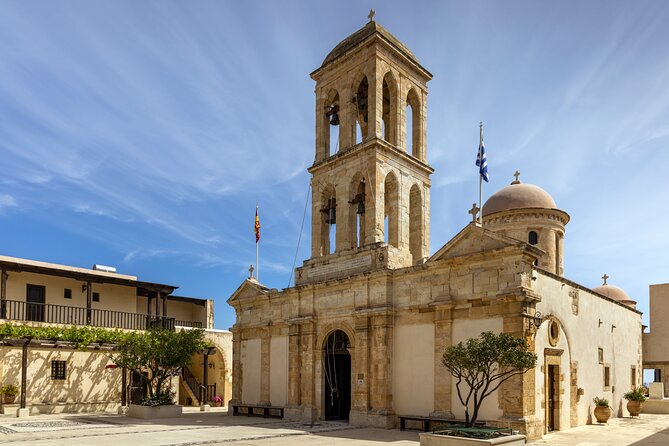
- Odigitria Gonia Monastery (45 minutes) with admission included and Byzantine frescoes to spot
- Vouves ancient olive tree experience (30 minutes) featuring a 3,000-year living landmark
- Anoskeli winery and olive mill (1.5 hours) with production tour plus wine-and-oil tasting
- Frosini’s Garden taverna time (2 hours) focused on wood-fired slow cooking, with lunch paid separately
One more pour of Cretan wine and raki
- Crete Wine and Olive Oil Tour
★ 5.0 · 272 reviews - Wine & Olive Oil Tour with Lunch at Milia Mountain Retreat
★ 5.0 · 194 reviews - Wine & Olive Oil Tour with Lunch – Semi Private Safari Tour
★ 5.0 · 156 reviews - PRIVATE Walking Tour with Lunch and Wine Tasting by a Sommelier
★ 5.0 · 113 reviews
How this Chania tour feels: faith, farming, and food without the chaos
This is the kind of day trip I like: short enough to stay relaxed, structured enough that you actually see the big Cretan icons, and flexible enough that you’re not stuck on a rigid script all day. The backbone is simple. You start with a monastery that reflects Cretan spirituality and resilience, move to a living symbol of agriculture (an olive tree over 3,000 years old), then shift to a winery and olive mill where you taste what the island grows, and finish at a traditional wood-fired taverna.
The itinerary also makes practical sense. Chania can be full of hop-on hop-off tours that spend half the day in traffic and the other half in lines. Here, you get private transportation, WiFi on board, and a plan that already includes travel time. You’re not guessing where to go next, and you’re not doing the “okay, now what” walk across town.
I’ll also point out one small but real comfort factor: the vehicle is air-conditioned. Even if you’re traveling in shoulder season, the sun in western Crete can still wear you down. This lets you show up at each stop with energy for walking and looking.
First stop: Odigitria Gonia Monastery and its Byzantine storytelling
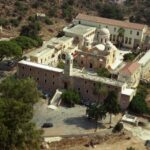
Your day begins at Odigitria Gonia Monastery, a monastery area tied to Cretan spirituality with roots in the 9th century. The time here is about 45 minutes, and that’s a good amount for a first stop. You get enough time to slow down, read the room, and take in the visual details without feeling like you’re on a schedule sprint.
What makes this stop special is the specific kind of history you can see with your eyes. The monastery features Byzantine frescoes and sacred relics. When you’re standing in front of aged religious artwork, you start noticing how much effort went into iconography, color, and sacred storytelling. Even if you’re not a museum person, it’s the kind of place where the atmosphere helps you pay attention.
Practical tips for this first leg:
- Wear something easy to adjust. Monasteries can mean indoor-and-outdoor time.
- Keep your shoulders and knees covered if you want to be respectful and comfortable inside.
- Bring a phone with enough battery. You’ll likely want photos, but also just time to look.
A small consideration: your first stop sets the mood. If you’re the type who hates quiet rooms and long looks, this may feel a bit slower than the rest. But if you enjoy places that reward attention, this is a strong start.
Vouves olive tree museum: meeting a 3,000-year living monument
From spirituality to agriculture in one smooth shift. At Vouves, you visit the Olive Tree Museum, centered on an ancient olive tree whose branches have reportedly stood for more than 3,000 years. This isn’t just “a tree you see.” It’s a whole setting built around the fact that you’re standing under something older than many countries.
You’ll have about 30 minutes here, which is ideal. You can get your bearings, walk under the tree’s wide canopy, and take in the surrounding olive groves without the visit dragging on. It’s also a stop that hits emotionally. The symbolism is part of why people remember it: the tree connects to ideas of longevity, fertility, and prosperity in Cretan tradition.
What I’d look for in the time you have:
- The scale of the branches. The size matters more than any plaque.
- The shade pattern under the canopy. It feels cooler and more sheltered than you expect.
- The grove vibe. Even if you only walk a short loop, it changes the rest of your day.
If you’re visiting during warm hours, consider the timing of your walk. The shade helps, but you’ll still want water and a hat if the sun is strong. Also, since the whole tour depends on weather, it’s smart to dress for the kind of conditions Crete is giving you that day.
Anoskeli Winery Olive Mill: where olive oil and indigenous wine meet
Next comes Anoskeli Winery Olive Mill, and this is the stop that turns the day from sightseeing into something you can taste. You’ll get around 1 hour 30 minutes total here, and that includes a guided tour plus a tasting.
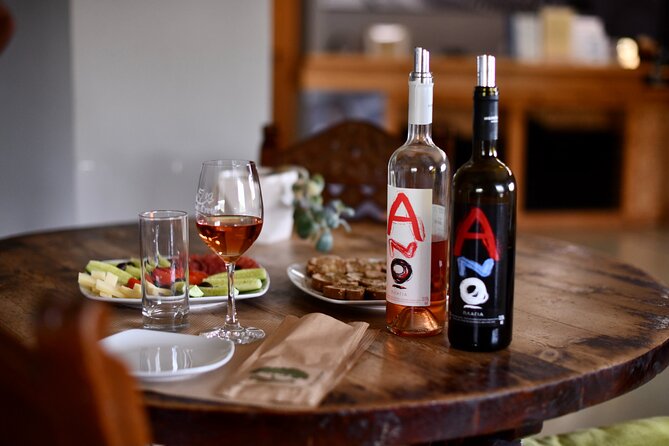
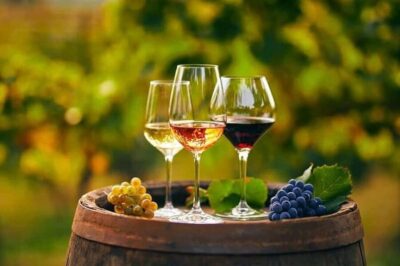
The tour side focuses on how olive oil is produced on-site, so you’re not just drinking wine in a pretty room. You’re seeing how the process connects to what lands on your table later. Then the tasting delivers on the promise: you sample a selection of premium wines made from indigenous grape varieties, paired with extra virgin olive oils produced at the olive mill.
That combination is the key value here. Cretan drinking culture isn’t only about wine. It’s also about oil, and oil is part of the island’s daily food logic. When you taste olive oil alongside wine, your brain starts connecting flavors in a way that a restaurant meal alone doesn’t always do.
What to expect during tasting:
- It’s guided, so you’re not left guessing what you’re tasting.
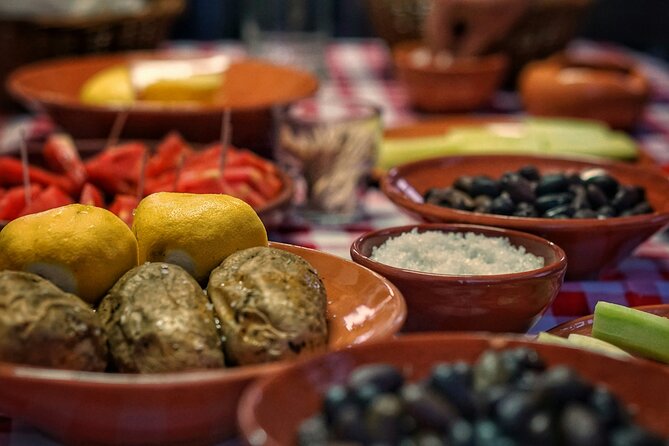
- You’ll likely see a variety of platters included with the tasting experience.
- You’re tasting more than one thing, which means you should pace yourself.
A practical note: if you want to keep your day comfortable afterward, sip slowly. You’ll still be going to a wood-fired taverna for two hours, and strong flavors plus a full meal can hit fast when you’ve already had samples.
Also, this is one of the most “worth it” segments from a value angle. Admissions are included here, and the tasting is part of the ticketed experience. If you tried to build this yourself, you’d likely spend just as much time coordinating, and you might still pay separate tour fees.
Frosini’s Garden taverna: wood-fired slow cooking and a real meal rhythm

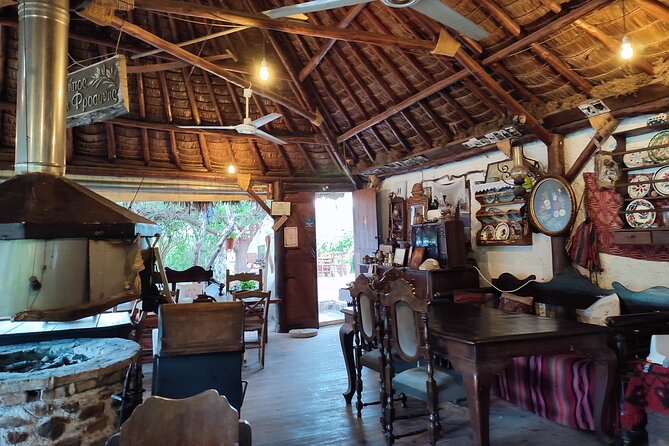
You finish at Frosini’s Garden, a traditional Cretan taverna where dishes are prepared over wood fire. You get about two hours here, which is the right rhythm for a proper meal. It’s not a quick “eat and run.” It’s a slow-food style pause built into the day.
The food you’ll encounter is described in classic Cretan terms: slow-cooked dishes, such as tender lamb roasted on a spit, hearty vegetable stew simmered in clay pots, and freshly baked bread drizzled with local olive oil. Those ingredients are simple, but the method matters. Wood-fired cooking changes the aroma and gives the food that deeper, smoky warmth.
One reason this stop lands well is that it completes the theme of the tour. Earlier you learned about centuries of olive tradition and tasted wine and olive oil. Here, the same ingredients show up in a meal format that feels lived-in, not staged.
Two practical considerations so you don’t get surprised:
- Lunch is not included. You’ll pay for what you order.
- Since the tour does include food-time at the end, you might want to avoid booking another meal plan right after. Let this be your anchor.
If you’re picky about flavors, don’t panic. You can choose what fits you best, and the table bread and olive oil are usually safe starting points. If you’re hungry, this is a great end-of-day payoff.
Getting the most out of the ride: pickup, comfort, and timing
This tour runs about 6 to 8 hours, and travel time is included in that total. That matters because in Crete, driving time can expand faster than you’d think, especially around towns and rural stops. Private transportation helps. You’re not stuck waiting for multiple people at multiple hotels.
Pickup is offered, and the driver will hold a sign with the company name at your hotel entrance. If you want the smoothest start, be ready a few minutes early and make sure your front desk knows you’re set for a pickup call.
On-board features are also practical: WiFi is included, and the vehicle is air-conditioned. You also get a mobile ticket, which is convenient if you don’t want paper. Service animals are allowed, and a complimentary baby seat is available upon request.
Language is another hidden value. The tour is offered in English. That means you can actually follow the story behind what you’re seeing, rather than collecting random facts you can’t connect.
Weather note: the experience requires good weather. If it gets canceled due to poor weather, you’ll be offered a different date or a full refund. That’s worth keeping in mind if you’re traveling in seasons where rain can be unpredictable.
Price and value for a private group up to 3
The price is $512.02 per group, up to 3 people. That sounds high until you do the simple math, because private tours often are priced per group rather than per person. If you come as just one person, you’re paying the full group rate. If you come with two others and share the cost, it becomes more manageable.
Here’s the value logic I’d use:
- You’re paying for private transportation plus included admissions and the winery tour and tasting.
- You’re not paying separate entrance fees for every stop.
- You’re not coordinating multiple tickets, timing, and directions yourself.
A rough per-person estimate:
- For 3 people: $512.02 ÷ 3 ≈ $170.67 each.
- For 2 people: $512.02 ÷ 2 ≈ $256.01 each.
- For 1 person: $512.02 for the solo seat.
So the best value is when you can fill the group size. Still, even if it’s only two of you, the included winery time plus monastery and olive-tree admissions can make it feel like a clean, packaged day.
One more value point: the tour is private, meaning it’s your group’s pace. In feedback about this experience, the guide is praised for flexibility, with a standout name being Michial and a note that he was flexible with the flow of the day. That matters because it can mean the day adapts to your energy level, not just the clock.
Who should book this “Cretan odyssey” in Chania
This tour fits best if you want a guided day that mixes culture with food, and you don’t want to manage the logistics alone. I’d especially suggest it for:
- Couples or small groups who like private touring and hate crowds.
- People who enjoy food tasting that’s tied to production, not just sipping.
- Travelers who want a balanced sequence: monastery → olive tradition → winery and olive oil → wood-fired taverna.
- Anyone who likes getting context. The story behind the olive tree, the monastery artwork, and the olive mill tasting gives the day meaning beyond photos.
It’s less ideal if you only want beach time, or if you prefer to wander completely at your own speed without set stop durations. The day is structured, and each stop has a planned window.
Also, if you’re very sensitive to strong flavors or alcohol, you should take the tasting slowly and drink water. The tour includes wine tasting and olive oils, and then you still have a full taverna meal ahead.
Should you book this tour?
I think it’s a strong choice when you want one well-organized day in western Crete with real food-and-drink payoffs. The included admissions and the winery tasting are the headline value, and the monastery plus the 3,000-year olive tree make it feel like more than just a meal stop.
I’d book it if:
- You’re coming with up to three people and can share the group rate.
- You want guided context for Cretan icons, not just a list of places.
- You’re excited for olive oil culture and wine that connects to local grape varieties.
Skip it if:
- You’d rather have lunch included with no decisions on your end.
- You dislike structured touring or you’re only interested in one theme (for example, only beaches or only museums).
If your goal is an easy, story-led Cretan day that ends with wood-fired comfort food, this one is worth your attention.
FAQ
How long is the tour?
It runs about 6 to 8 hours in total, and the travel time is included in that duration.
Is pickup available in Chania?
Yes. Pickup is offered, and the driver will meet you at your hotel entrance holding a sign with the company name.
Is this a private tour?
Yes. It’s private, and only your group participates.
What’s included at the winery and olive mill stop?
You’ll get a guided tour of the winery/olive mill and a tasting that includes wines made from indigenous grape varieties and extra virgin olive oils produced on-site, along with a variety of platters.
Is lunch included at the taverna?
No. Lunch is not included at Frosini’s Garden.
What happens if weather is poor?
The tour requires good weather. If it’s canceled due to poor weather, you’ll be offered a different date or a full refund.
More Tour Reviews in Chania
Crete by the Glass

Fresh Off the Boat: Newest Crete Reviews


Wine, Olive Oil & Raki, compared.
 ★ 4.9Quad Safari, Olive Mill with Tasting & Ghost VillageFrom $931,004 reviews
 ★ 5.0Knossos-Zeus Cave -Old Traditional Villages-Olive Oil FactoryFrom $136694 reviews
 ★ 4.6From Chania: Olive Oil, Wine, Cheese & Honey Tasting TourFrom $49490 reviews
 ★ 4.4Road-trip to Lasithi, Zeus Cave & Olive Mill FarmFrom $47451 reviews
 ★ 4.6Lassithi, Zeus Cave, Olive Mill Farm & Knossos Combo TourFrom $58404 reviews
 ★ 4.9Land Rover Safari with Sunset Viewing, Dinner, & WineFrom $99395 reviews
 ★ 5.0Zeus Cave, Lassithi Plateau, Olive Oil Factory, Kritza, PotteryFrom $119362 reviews
 ★ 4.8From Chania: Wine and Olive Oil Tasting Tour with SnacksFrom $141354 reviews
Browse the lists this tour appears in