
Review · CRETAN FOOD TASTINGS
Rethymno: Olive Oil Tasting with Cretan Food Pairing
Olive trees, good oil, and real Cretan food. In Rethymno, this small-group experience happens under long-lived olive trees, and Aspassia guides you through a focused olive oil tasting of four samples. I like the setting as much as the education, and the only real catch is that the grove can bring mosquitoes, so pack insect repellent.
The other thing I love is the food pairing approach: you don’t just sip oil, you taste it with Cretan plates and learn how the same oil can taste amazing with one bite and weirdly flat with another.
In This Review
- Key highlights I’d prioritize
- Where the olive oil story starts: the grove, the shade, and the walk
- Getting there from Rethymno without stress: Valide meeting point
- The grove portion: olive trees first, then the tasting table
- The tasting of four olive oils: how to taste like you mean it
- Cretan food pairing: four courses, and why the matches matter
- Harvest and extraction basics: what to expect and what to ask
- How to choose, preserve, and use olive oil at home
- Value check: does $107 for 3 hours make sense?
- Who should book this olive oil tasting (and who might skip it)
- Should you book this Rethymno olive oil experience?
- FAQ
- How long is the olive oil tasting experience?
- What’s the meeting point in Rethymno?
- How many olive oils will you taste?
- What food and drinks are included?
- Is hotel transfer included?
- What languages is the guide available in?
Key highlights I’d prioritize
- A tasting table in the shade of an olive grove with time to slow down and notice aromas and texture
- Four different olive oils to compare side-by-side instead of guessing from a single sample
- A walk that includes the holy Gethsemane Garden for scenery and olive-culture context
- A 4-course menu pairing where oils meet real Cretan flavors
- Practical advice for what to buy and how to use olive oil, including cooking and frying tips
- Small group size (up to 8) so you get questions answered, not just handed a script
One more pour of Cretan wine and raki
- Crete: Quad Safari, Olive Mill with Tasting & Ghost Village
★ 4.9 · 1,004 reviews - Crete: Road-trip to Lasithi, Zeus Cave & Olive Mill Farm
★ 4.4 · 451 reviews - From Chania: Wine and Olive Oil Tasting Tour with Snacks
★ 4.8 · 354 reviews - The Terra Creta Olive Oil Experience Tour
★ 4.7 · 344 reviews
Where the olive oil story starts: the grove, the shade, and the walk
This isn’t a quick tasting in a busy room. The experience is built around an actual olive grove setting, including the peaceful feel of a long-cultivated landscape. You get the sense that olive oil in Crete isn’t a product. It’s a thread running through daily life, farming, and even local storytelling.
The walk matters. You move through the grove, taking in the trees and the calm, and you hear how olive oil shaped Cretan civilization over the centuries. There’s also a stop in the holy Gethsemane Garden area, which gives the tour a nice emotional rhythm: history, then fresh air, then back to tasting.
Getting there from Rethymno without stress: Valide meeting point
You’ll meet the guide in front of the Valide Cooking Activities Building, then drive together to the olive grove. The experience ends back at the same meeting spot, so you don’t have to coordinate a return.
This is easiest if you’re already in or near Rethymno. If you’re farther out, plan for a short taxi ride both ways rather than assuming public transit will line up neatly. One thing to note: the meeting place can be a little tricky to spot, so zoom in on the Google Maps pin ahead of time. If you’re late, you might lose the group timing.
The grove portion: olive trees first, then the tasting table
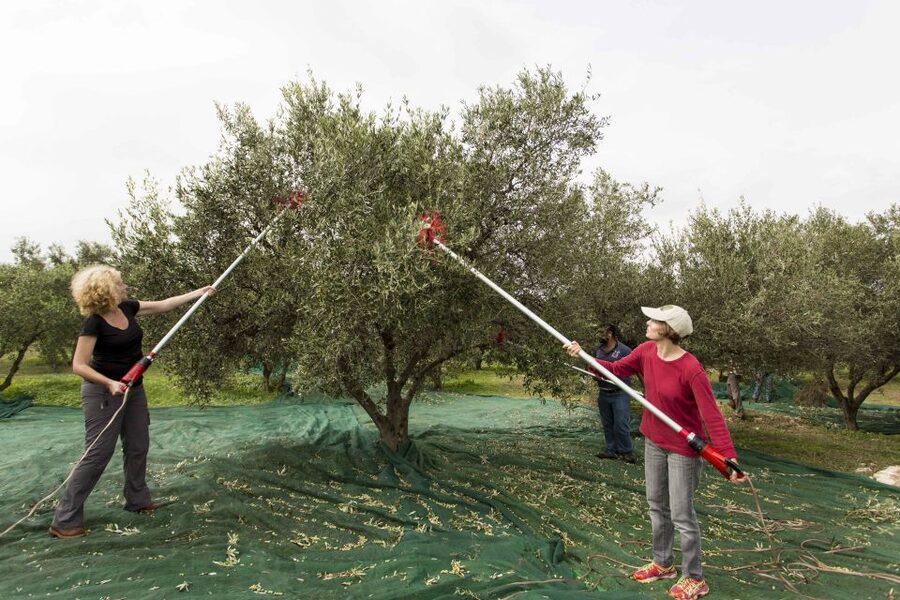
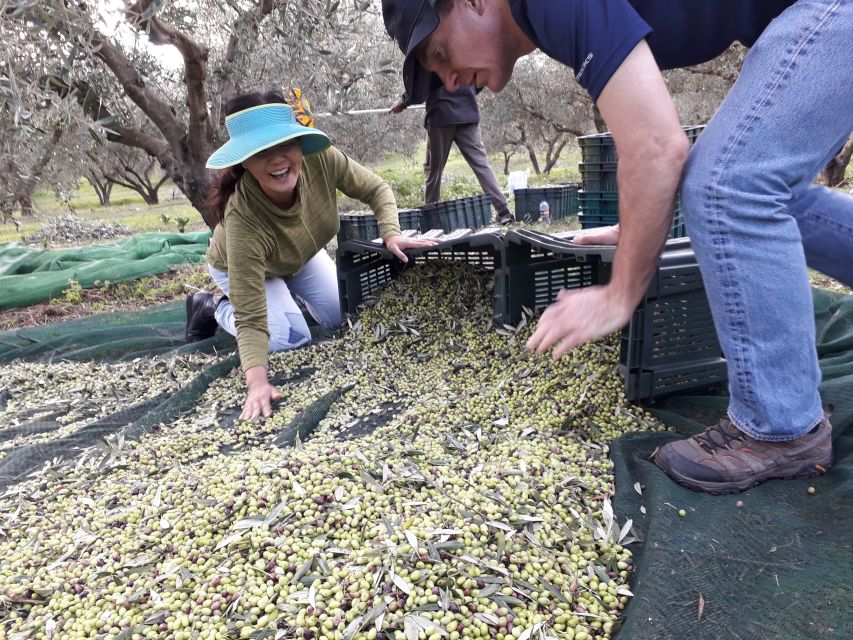
Before you sit down, you’ll get the grounding pieces. You’ll learn about olive oil culture in Crete across time, and you’ll hear about harvest and extraction in a way that connects the farm side to what ends up in your glass.
Expect a relaxed pace. This is the kind of tour where the “walk” is part of the lesson. You’re not wandering without purpose—you’re building context for what you’re about to taste.
You may also notice farm animals around the area. Some visits mention sheep and goats, and a few even report friendly kittens in the grove. Don’t count on it as a guarantee, but it adds to the lived-in feel of the place.
Still hungry? More Cretan plates to graze
The tasting of four olive oils: how to taste like you mean it
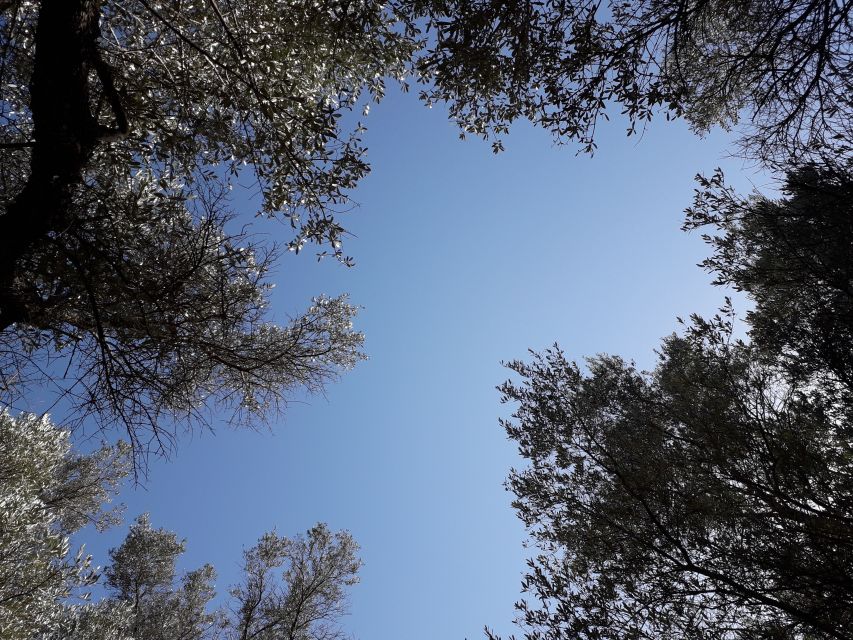
The centerpiece is the structured tasting. You’ll be seated at a table in the shade of olive trees and sampling four different olive oils. That number is smart. It gives you variety without overwhelming you.
You’ll get tips on how to taste olive oil, including what to pay attention to beyond “good” or “bad.” The guide focuses on things like aroma and flavor impressions, plus how you can tell differences between oils.
Here’s the practical payoff: once you’ve tasted a set of oils side-by-side, you start to recognize patterns. You’ll likely find yourself thinking about how an oil’s character matches certain foods—something that becomes obvious in the pairing part.
Cretan food pairing: four courses, and why the matches matter
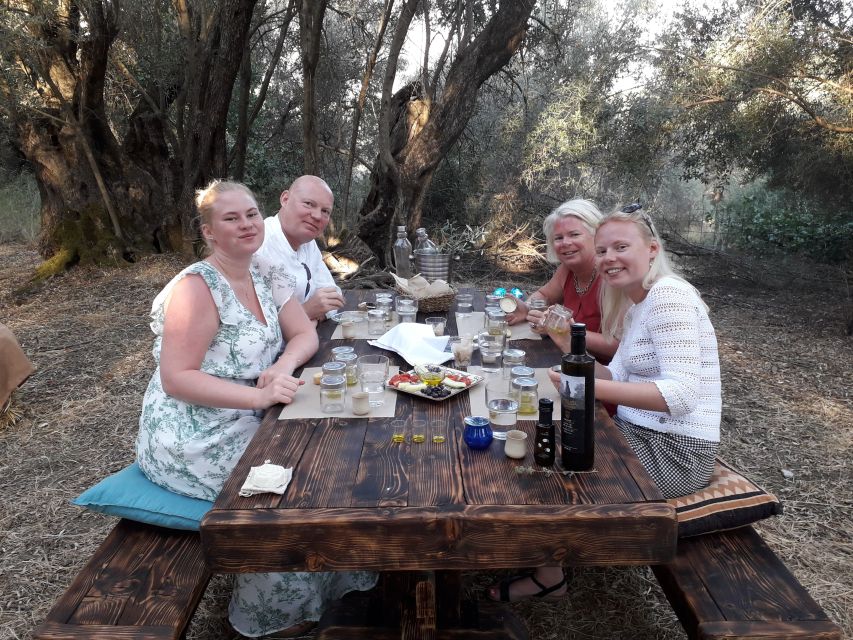
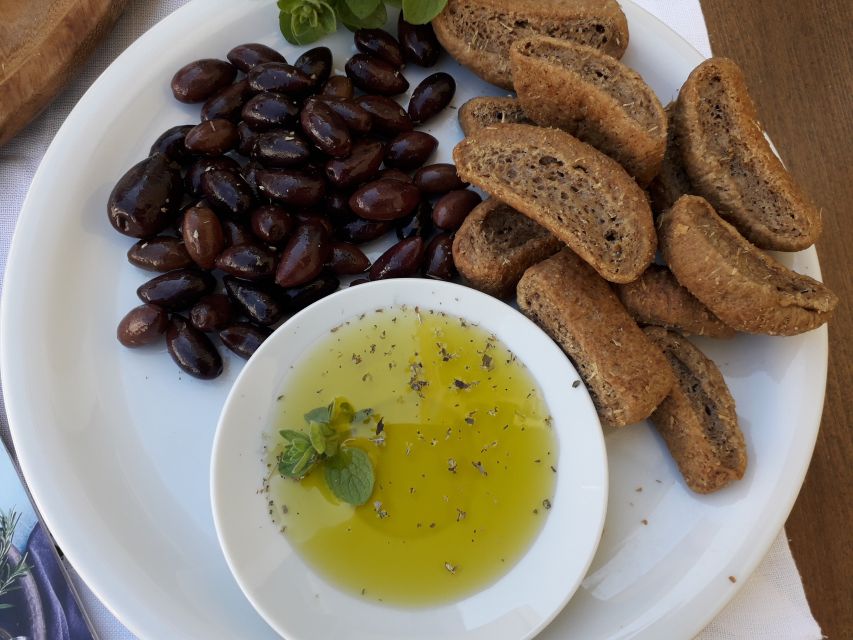
After the basic tasting, the tour shifts into the fun part: food pairing. You’ll pair tasting moments with different olive oils, and the experience includes a 4-course degustation menu built around those pairings.
This is where you learn the real-life rule: olive oil isn’t one-size-fits-all. The same oil can become smoother, brighter, or more bitter depending on what’s on the plate. That’s why the tour’s comparison style is so effective. You’re training your palate for everyday decisions, not just collecting tastes.
What’s included along the way:
- Water
- Soft drinks
- Local spirits
Vegetarian diners can still enjoy the menu—one group specifically notes that vegetarian options were provided during the pairing experience. If you have dietary needs, it’s worth mentioning ahead of time when you book.
And yes, the meals are the emotional anchor of the tour. You finish not just knowing about olive oil, but also remembering how it tasted with food.
Harvest and extraction basics: what to expect and what to ask
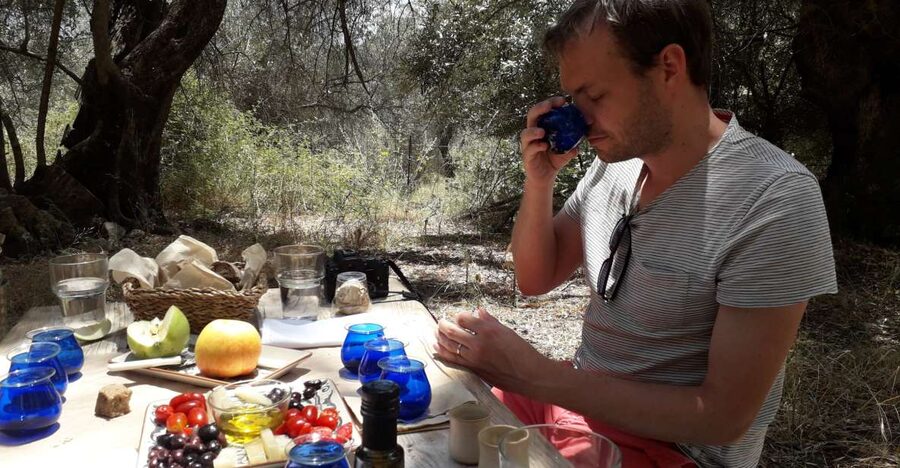
The tour includes information about harvest and olive oil extraction, plus how high-quality olive oil is produced in Crete. That’s important because a lot of people buy olive oil like it’s just a cooking ingredient. This experience helps you treat it more like a fresh food—something that benefits from understanding how it’s made.
That said, if you’re expecting a full-on extraction walkthrough (equipment, step-by-step mechanics, and a factory-style demo), you might find the emphasis is more on history plus tasting than on a deep technical production session. The upside is that you’ll still come away with enough practical knowledge to make smarter choices at the store.
If that technical angle matters a lot to you, ask the guide what signals you can look for on labels and how to interpret them in real shopping situations.
How to choose, preserve, and use olive oil at home
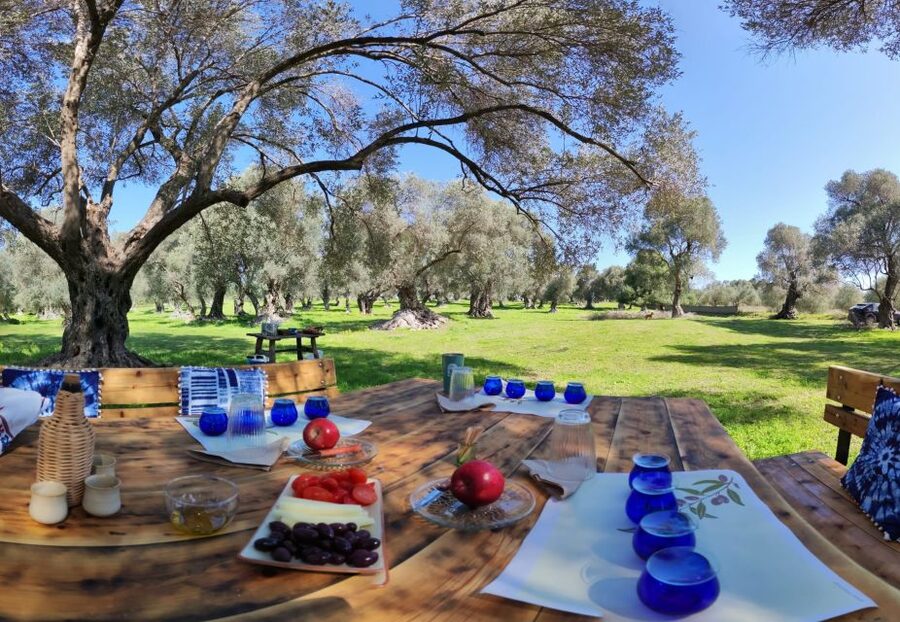
One of the most useful parts of this experience is the “take it with you” advice. You’ll get tips on:
- how to choose olive oil
- how to preserve it so it stays enjoyable
- how to cook with it (not just drizzle it)
- how to fry with it
That last piece is handy. Many people treat olive oil as only for cold use, then feel guilty when they cook with it. You’ll learn a more confident, kitchen-friendly way to think about it—when olive oil shines, and what to do depending on what you’re cooking.
Preservation tips matter more than most people realize. Olive oil can change with light, heat, and time. Even if you’re not trying to become an oil sommelier, these basics help you stop wasting money on bottles that don’t taste the way you hoped.
And because the guide ties those tips to the oils you tasted, the advice sticks.
Value check: does $107 for 3 hours make sense?
For $107 per person, you’re paying for a guided, small-group experience with real structure: a grove walk plus a tasting of four olive oils, and a 4-course food pairing menu. You also get drinks included—water, soft drinks, and local spirits.
If you compare it to paying separately for a guided meal, tasting session, and transportation to an out-of-town setting, the price starts to look reasonable. You’re also getting practical skill-building, not just a plate of food.
The small group size (limited to 8) is a big part of the value. With fewer people, you’re more likely to ask questions and get answers that fit what you’re trying to learn.
Who should book this olive oil tasting (and who might skip it)

You’ll probably love it if you want:
- a calm, authentic evening outside the city noise
- hands-on tasting (four oils, not one)
- real Cretan food pairing instead of generic bites
- practical guidance you can use back home
It’s especially strong for food lovers who like learning by tasting. It’s also a great choice for couples and small groups because the setting makes it feel personal without being too formal.
You might consider a different type of tour if you’re only interested in a technical behind-the-scenes olive mill demonstration, or if you’re the kind of person who gets stressed by outdoor insects. The grove setting is the point, but it does mean you’ll want that repellent.
Should you book this Rethymno olive oil experience?
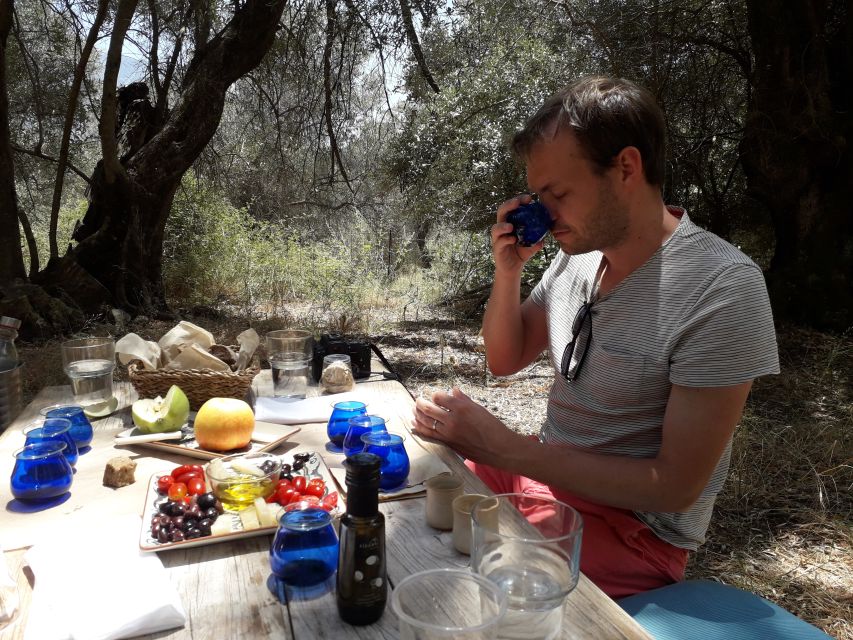
I’d book it if you want a memorable, sensory evening with serious palate training and Cretan food you’ll actually remember. The olive grove setting, the side-by-side tasting of four oils, and the 4-course pairing are the core strengths—and they work together well.
Just do two things before you go: find the Valide meeting point on your map so you’re not scrambling, and bring strong insect repellent. If you do, you’ll get what this experience is best at: tasting your way into how olive oil culture works in Crete.
FAQ
How long is the olive oil tasting experience?
It’s about 3 hours in total. Exact starting times depend on availability.
What’s the meeting point in Rethymno?
Meet your guide in front of the Valide Cooking Activities Building. The tour then drives you directly to the olive grove, and it ends back at the same meeting point.
How many olive oils will you taste?
You’ll taste four different olive oils during the tasting portion.
What food and drinks are included?
The experience includes a 4-course degustation menu pairing with different olive oils, plus water, soft drinks, and local spirits.
Is hotel transfer included?
A requested transfer is not included. You’ll meet at the Valide meeting point, and then the group drives to the olive grove together.
What languages is the guide available in?
The live guide speaks English, French, and Greek.
More Tour Reviews in Crete





Eat Your Way Round Crete





Crete by the Glass

Fresh Off the Boat: Newest Crete Reviews




Cretan Food Tastings, compared.
 ★ 4.9Sunset or Morning Quad with Local Products TastingFrom $941,135 reviews
 ★ 4.9Quad Safari, Olive Mill with Tasting & Ghost VillageFrom $931,004 reviews
 ★ 4.6From Chania: Olive Oil, Wine, Cheese & Honey Tasting TourFrom $49490 reviews
 ★ 4.9Chania: Old Town Highlights Guided Tour with Street FoodFrom $106407 reviews
 ★ 4.8From Chania: Wine and Olive Oil Tasting Tour with SnacksFrom $141354 reviews
 ★ 5.0Walking “Food tasting tour” in the town of ChaniaFrom $105297 reviews
 ★ 5.0Full-Day Cretan Wines, Olive Oil, Raki and Food TourFrom $141264 reviews
 ★ 5.0Olive Oil Tasting TourFrom $19195 reviews
Browse the lists this tour appears in