
Review · LASITHI PLATEAU & ZEUS CAVE
Plateau of Lassithi, Monastery of Kera and Ceramics
A day of windmills and Zeus starts in Heraklion. This full-day guided tour strings together the Plateau of Lassithi, the Panagia Kera (Kera Kardiotissa) Monastery, and Dictean Cave, with comfort perks like pickup and Wi‑Fi. I like the way the schedule mixes big myth with real crafts, and I also like the easy logistics of an air-conditioned van plus a live guide. The main drawback is simply time: it’s about 8 hours, so it’s not a quick hit.
You’ll also get a close-up look at Lassithi life at Termiado, the plateau’s capital, including a pottery workshop where you can watch ceramic pots being made. The group stays fairly small (up to 46 people), which helps the guide keep things moving without turning the day into a cattle-car circuit. One more thing to plan for: the monastery admission is not included (about €2), so check that before you go.
In This Review
- Key highlights to know before you ride
- Why the Plateau of Lassithi still feels myth-level
- Getting there comfortably from Heraklion: pickup, Wi‑Fi, and real timing
- Panagia Kera (Kera Kardiotissa) Monastery: what to focus on
- Dictean Cave and the Zeus connection: a cave visit that pays off
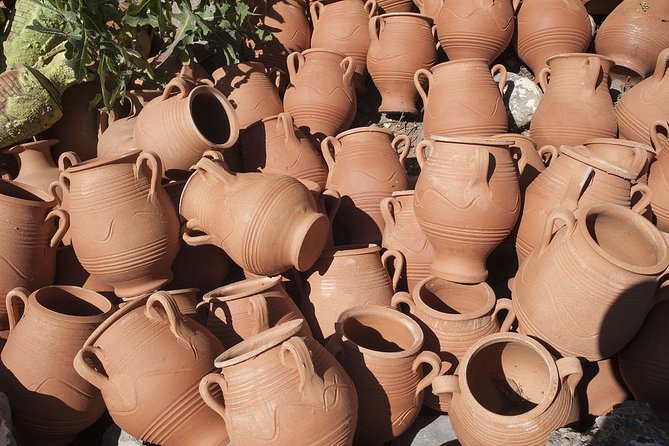
- Termiado and pottery in the Lassithi Plateau: seeing ceramics made
- Windmills on Lassithi: 10,000 in the past, a few today
- Price and value: what $36.46 gets you
- What the guide adds (and why Viola gets mentioned)
- Who should book this Lassithi, Kera, and ceramics tour
- Should you book it?
- FAQ
- How long is the Plateau of Lassithi, Panagia Kera, and Ceramics tour?
- Is pickup included?
- What’s included in the tour price?
- What’s not included?
- Which places does the tour visit?
- Does the tour include comfort features on the drive?
- What’s the cancellation policy and what if weather is bad?
Key highlights to know before you ride
- Pickup across north Crete: convenient start points instead of a long scramble to reach the meeting spot.
- Air-conditioned vehicle with Wi‑Fi: a real comfort win on a full day out of Heraklion.
- Panagia Kera monastery context: you’ll hear why Panagia Kera mattered during the Cretan Revolt and why it was damaged.
- Dictean Cave as Zeus birthplace: a guided visit to one of Crete’s best-known myth sites.
- Termiado pottery workshop: admission is included, and you’ll watch craftsmen make ceramic pots.
- Lassithi windmill legend: once famous for 10,000 windmills, now only a few remain.
Up to the Lasithi plateau and the Zeus cave
- Knossos-Zeus Cave -Old Traditional Villages-Olive Oil Factory
★ 5.0 · 694 reviews - Lassithi, Zeus Cave, Olive Mill Farm & Knossos Combo Tour
★ 4.6 · 404 reviews - Knossos & Lasithi Plateau: Zeus Cave,Villages, Olive Oil Tour
★ 5.0 · 328 reviews - Private Full-Day Knossos-Lasithi Plateau-Cave of Zeus
★ 5.0 · 176 reviews
Why the Plateau of Lassithi still feels myth-level
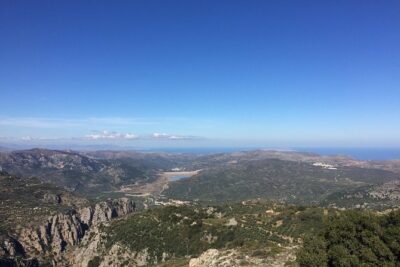
The Plateau of Lassithi is the kind of place where the scale surprises you. You’ll hear the story that the plateau was once covered with 10,000 windmills, making it the biggest windmill park in the world. Today, only a few remain, which gives you a great “then and now” contrast as you move through the area.
I love that the tour frames Lassithi as more than scenery. It connects the windmill legend to the way people shaped daily life in this high, open region. That makes the views feel earned instead of passive.
Getting there comfortably from Heraklion: pickup, Wi‑Fi, and real timing
This is a true full-day road trip out of Heraklion, roughly 8 hours total. The payoff is that you don’t have to plan your own transport; pickup is offered from many areas of north Crete, and you’ll ride in an air-conditioned vehicle with Wi‑Fi.
That Wi‑Fi matters more than you’d think when you’re spending the day off your phone and on someone else’s schedule. It’s also useful for checking your next stop, saving offline maps, or just keeping the long drive from feeling endless.
The group size stays capped at 46 travelers. That’s big enough that you’ll still meet lots of people, but small enough that you’re not always stuck waiting for the entire bus line to regroup.
Practical tip: plan this as one main outing, not a “stack it with everything” day. If you also want other big sites, the driving and timing can turn into a stress test.
Panagia Kera (Kera Kardiotissa) Monastery: what to focus on
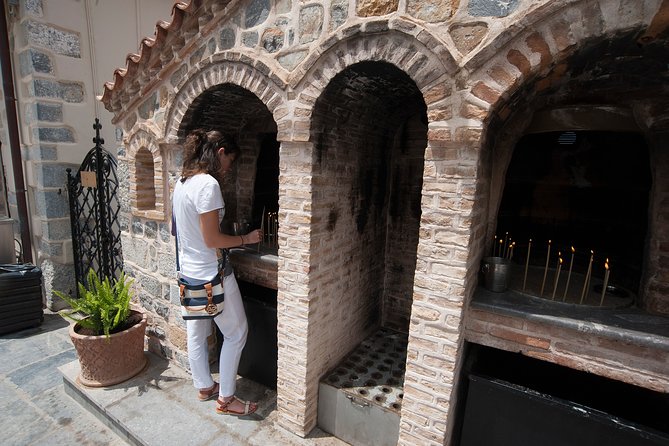
The first major stop is Kera Kardiotissa Monastery, also known as Panagia Kera. You’ll have about 45 minutes here, and the visit is guided—but the monastery ticket isn’t included (plan for the €2 admission).
What makes this stop more than a quick photo stop is the story you’ll get along the way. Panagia Kera played a major role in Crete, and it suffered significant damage during the Cretan Revolt. So while the monastery is still a place to look, it’s also a place to understand how conflict can shape architecture and local memory.
If you want to feel comfortable inside, bring a layer you’re fine wearing in a religious site setting. You don’t need to overthink it—just be ready to cover up if the atmosphere calls for it.


Dictean Cave and the Zeus connection: a cave visit that pays off
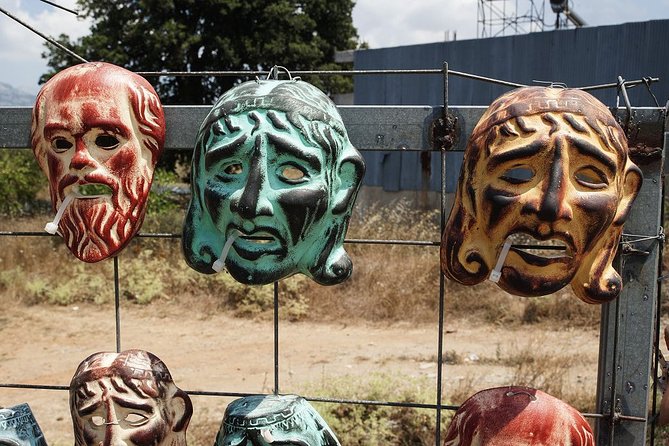
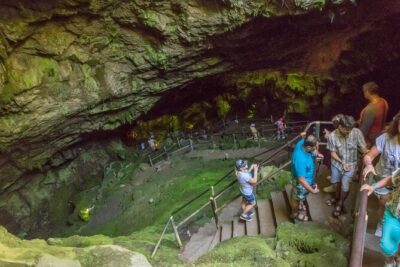
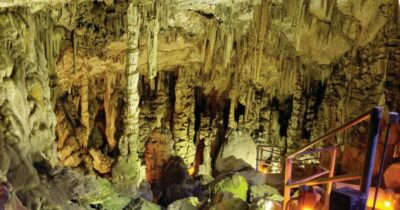
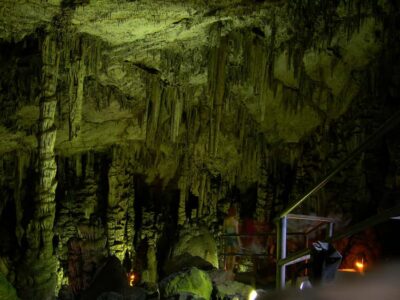
Next comes Dictean Cave, the one said to be the birthplace of Zeus. Myth is one thing, but caves make it physical: you’ll spend time moving through a cool, enclosed space and then emerge back into open air.
Because this portion involves walking and climbing inside, being reasonably fit helps. If you’re the type who prefers flatter routes, just know this part is more active than the monastery courtyard.
I also like the way the cave visit is timed within the bigger day. You’re not just dropping in for a minute; it’s treated as a major moment. When you step back outside afterward, you get that immediate payoff of sky and distance—exactly what you want after being underground.
Termiado and pottery in the Lassithi Plateau: seeing ceramics made
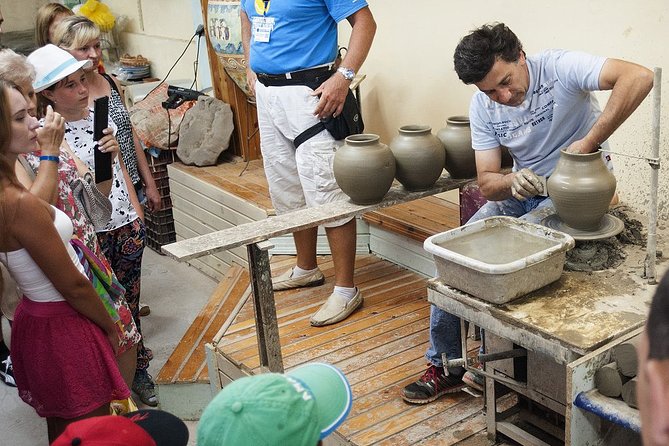
You’ll reach Termiado, the plateau’s capital, and this is where the tour shifts from legend to craft. There’s a stop at a pottery workshop, with about 30 minutes on-site.
Here’s the best part for value: the workshop’s admission ticket is included. You can watch skilled craftsmen make ceramic pots, which is the kind of hands-on watching you can’t really replicate just by passing a shop window.
I like that this stop gives your eyes a new job. After monasteries and cave lighting, the workshop is bright, practical, and real. Even if you don’t buy anything, watching the process makes the day feel less like a checklist.
If you do want something to take home, budget a little time at the end of the workshop so you’re not rushing while others pile back into the van.
Windmills on Lassithi: 10,000 in the past, a few today
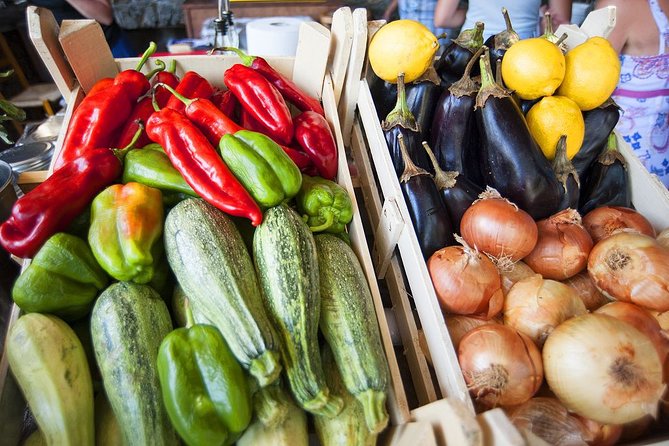
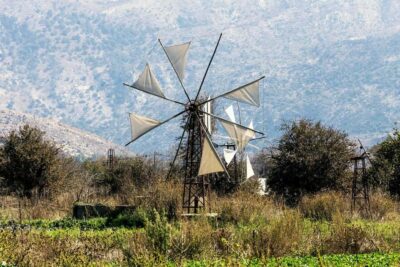
The tour also includes time on the plateau itself, tied to the windmill story. The famous claim is that the plateau was once covered with 10,000 windmills, and today only a few remain.
That detail matters because it explains the plateau’s identity. When you picture windmills, you’re picturing power and survival—how people got energy in a landscape that demanded it. Even if the physical windmills are fewer than the legend suggests, the concept still shapes how the place feels.
If you’re the kind of person who likes your travel tied to a theme, Lassithi is made for it. You’ll come away thinking about how technology, weather, and daily life were connected here.
Price and value: what $36.46 gets you
At about $36.46 per person, this tour is priced like a budget-friendly day out—especially because several comfort and guidance items are built in. You get an air-conditioned vehicle, Wi‑Fi, insurance, and a live tour guide.
The main extra costs to plan for are the things that aren’t included. The monastery admission is about €2, and lunch isn’t included. You can also add an optional lunch for €14, with a menu that includes options like pork chop or chicken and potatoes cooked in the oven, plus Greek salad with feta, tzatziki, bread, and a glass of wine or a non-alcoholic drink.
To me, the value comes from the way the day is stitched together. You’re paying for transportation + guidance across multiple distinct experiences: a monastery tied to Cretan revolt history, a Zeus-linked cave, plateau time, and a pottery workshop. That’s a lot of variation for one ticket.
And since this tour is typically booked around 19 days in advance, I’d reserve early if your dates are firm.
What the guide adds (and why Viola gets mentioned)
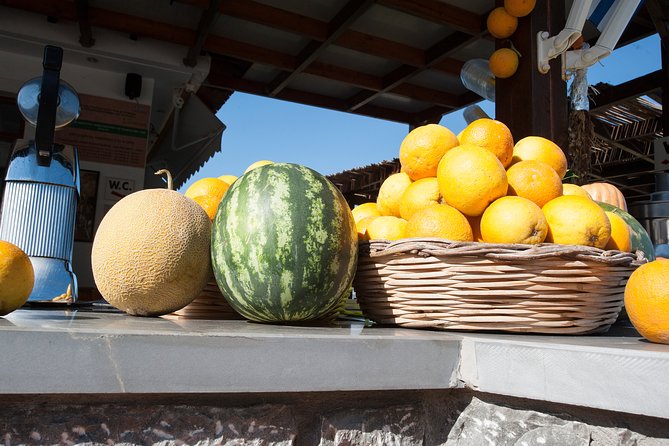
A guided day matters most when the facts have a human thread. This tour is set up with a live tour guide, so you’re not just receiving directions—you’re getting explanations that connect the sites.
In the feedback I’ve seen reflected in people’s experiences, a guide named Viola stands out for both service and storytelling. That’s the kind of guide impact you’ll feel in real time, especially when you’re moving between myth, monastery events, and everyday crafts.
You may also hear explanations in more than one language. One German-focused account also noted interesting commentary in both German and English, which is a good sign for how the guide adapts.
Who should book this Lassithi, Kera, and ceramics tour
This tour is a strong fit if you want:
- A full-day sampler that combines Plateau of Lassithi + monastery + cave + pottery
- A guided experience with live context, not just driving through places
- Comfortable transport from north Crete with pickup and an air-conditioned ride
It may be less ideal if:
- You dislike long days (it’s about 8 hours)
- You’re trying to cram multiple major attractions into the same day (especially if you’re adding another big site that increases driving)
Most people can participate, but the cave portion is best for visitors who are comfortable with some walking.
Should you book it?
I’d book this tour if you want a well-rounded Crete day that mixes big stories with tangible craft. The pottery workshop in Termiado and the monastery context help the day feel balanced, and the air-conditioned vehicle with Wi‑Fi makes the schedule easier to handle.
If you’re trying to keep your day calm and focused, this is also a smart way to do it without multiplying driving time. Add-ons like lunch are optional, and you can choose how much downtime you need.
FAQ
How long is the Plateau of Lassithi, Panagia Kera, and Ceramics tour?
It lasts about 8 hours.
Is pickup included?
Yes, pickup is offered from many areas of north Crete.
What’s included in the tour price?
You get an air-conditioned vehicle, insurance, and a live tour guide. The tour also includes a pottery workshop admission ticket.
What’s not included?
Monastery admission is not included (about €2). Lunch and extras at coffee breaks are also not included. An optional lunch is available for €14.
Which places does the tour visit?
You’ll visit Kera Kardiotissa (Panagia Kera) Monastery, explore the Lassithi Plateau area, stop at a pottery workshop in Termiado, and visit Dictean Cave.
Does the tour include comfort features on the drive?
Yes. You travel by air-conditioned vehicle and you have Wi‑Fi.
What’s the cancellation policy and what if weather is bad?
You can cancel for a full refund up to 24 hours in advance. The tour requires good weather, and if it’s canceled due to poor weather you’ll be offered a different date or a full refund. The tour also has a minimum number of travelers to operate.
More Tour Reviews in Heraklion


Up to Lasithi and the Zeus Cave


Fresh Off the Boat: Newest Crete Reviews

Lasithi Plateau & Zeus Cave, compared.
 ★ 5.0Full-Day Small-Group Tour in Crete with Zeus Cave VisitFrom $1071,099 reviews
 ★ 4.8Lasithi Plateau and Cave of Zeus Off-Road Safari TourFrom $104886 reviews
 ★ 5.0Knossos-Zeus Cave -Old Traditional Villages-Olive Oil FactoryFrom $136694 reviews
 ★ 4.4Road-trip to Lasithi, Zeus Cave & Olive Mill FarmFrom $47451 reviews
 ★ 4.6Lassithi, Zeus Cave, Olive Mill Farm & Knossos Combo TourFrom $58404 reviews
 ★ 5.0Zeus Cave, Lassithi Plateau, Olive Oil Factory, Kritza, PotteryFrom $119362 reviews
 ★ 5.0Knossos & Lasithi Plateau: Zeus Cave,Villages, Olive Oil TourFrom $127328 reviews
 ★ 4.7Zeus Cave, Lassithi Plateau, and Olive Factory TourFrom $115310 reviews
Browse the lists this tour appears in