Review · CRETE
Mount Juktas, the observatory of CRETE ZEUS face mountain
Zeus has a face, and you can see it. This Mount Juktas safari out of Heraklion strings together caves, villages, tastings, and the Mount Juktas observatory with big panoramic payoff. It’s the kind of trip that feels like a guided route of real places, not just a checklist.
I especially like the variety. Skotino Cave gives you ancient atmosphere, and the raki and wine stops add a hands-on cultural angle that keeps the day moving. You also get a proper Cretan lunch instead of a token snack break.
One drawback to plan around: stops are fairly short, and while lunch and tastings are included, coffee/tea and snacks are not. If you snack a lot, bring a little extra budget.
In This Review
- Key highlights worth marking
- The route in plain English: from Skotino Cave to Zeus-face views
- Skotino Cave: big cave energy and Artemis mythology
- Smari: coffee pause and a traditional village walk
- Kato Vrisi spring: the crystal-water photo stop
- Stironas raki and wine distillery: learn the old methods, then taste
- Lunch at Stironas: a real Cretan meal with raki and wine
- Mount Juktas: the Zeus-face mountain observatory and that wide-view feeling
- What $112.38 gets you (and why it can be good value)
- Pickup timing, small-group vibe, and the guide makes the day
- Who this Mount Juktas safari suits best
- Should you book the Mount Juktas Zeus-face safari?
- FAQ
- What time does the tour start?
- Is pickup included?
- Is the tour offered in English?
- What’s included in the price?
- What isn’t included?
- Which stops are part of the tour?
- What is the cancellation policy?
Key highlights worth marking
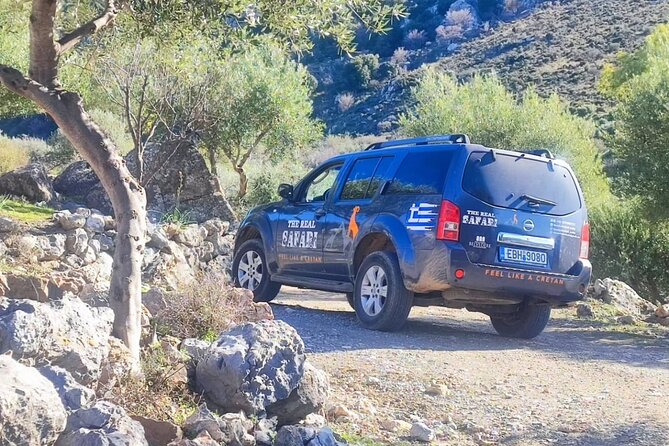
- Skotino Cave: old, major cave time with Artemis mythology layered in
- Smari village: a laid-back village walk plus coffee break
- Kato Vrisi spring: crystal-clear water at a scenic photo stop
- Stironas raki and wine: learn the old-school methods, then taste
- Mount Juktas observatory views: the Zeus-face mountain moment with wide scenery
- Small group: max 18 people, so it stays friendly instead of crowded
Still weighing it up? A handful of other Crete trips worth a look beside this one.
- Heraklion: Dia Island Sailboat Cruise with Swimming and Meal
★ 4.8 · 2,579 reviews - Heraklion Area: CRETAquarium Admission Ticket
★ 4.4 · 2,055 reviews - Crete: Palace of Knossos E-Ticket and Audio Guide
★ 3.8 · 1,540 reviews - Crete: Sunset or Morning Quad with Local Products Tasting
★ 4.9 · 1,135 reviews
The route in plain English: from Skotino Cave to Zeus-face views
This day runs on an organized loop around Crete’s interior, starting from Heraklion. You’ll spend time on a mix of natural sites (cave, spring) and cultural stops (village walk, distillery, lunch), then finish at Mount Juktas, known for the “Zeus face” look and the observatory viewpoint.
The trip is built for people who want more than the usual beach-town routine. You’ll be in an air-conditioned vehicle for transfers, and you’ll get WiFi on board, which is handy when you’re trying to map where the best angles will be later. The whole thing is about 7 hours, and pickup is offered (the exact pickup point and time are sent by email or message).
Also: this is offered in English, and the max group size of 18 helps keep the stops manageable. If you get a guide who talks in an engaging way, the drive time can actually turn into part of the fun.
Skotino Cave: big cave energy and Artemis mythology
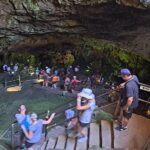
Your first real “wow” moment is Skotino Cave. This is one of the island’s biggest and oldest caves, and it’s not just geology in the dark. There’s also mythology attached to the place, including stories that connect the cave area to a temple linked with Artemis.
The time here is about 45 minutes, and you’ll have an admission ticket included. That’s a smart length for a cave stop. Long enough to feel like you actually did something, short enough that you don’t get stuck rushing or tired before the next leg.
What I’d watch for as you arrive: cave temperatures can feel cooler than the outside air, so if you’re wearing something light for the heat, bring a thin layer. And if you love photos, you’ll want to be ready quickly. Cave lighting can be tricky, so your best shots often come from steady positioning rather than chasing every angle.
Smari: coffee pause and a traditional village walk
Next up is Smari, a village stop built for breathing room. You’ll get about 1 hour to grab coffee (not included) and walk around at an easy pace through the traditional village atmosphere.
This kind of stop is more useful than it sounds. In a day like this, it breaks up the natural-site and tasting rhythm with something simpler: local streets, a slow walk, and time to reset before the next drive. If you’re the type who likes to look at details up close—doors, stonework, small courtyards—Smari is where you’ll do that without feeling like you’re “between stops.”
Practical note: since coffee isn’t included and you’ll also likely want a few small snacks, plan to stop as needed. You’ve got about an hour here, so it’s not a sprint.


Kato Vrisi spring: the crystal-water photo stop
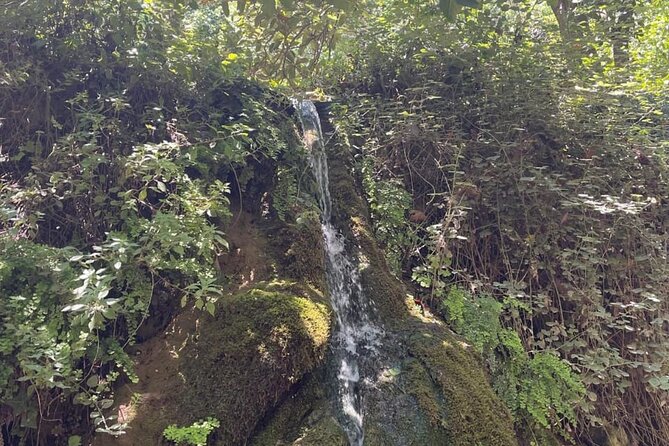
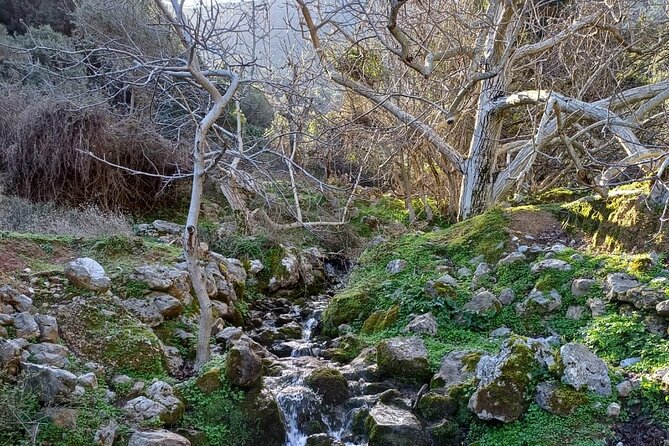
Then comes Kato Vrisi, a natural spring stop that’s mainly there for views and water. You’ll have about 45 minutes for photos and taking in the bright, clear water at the spring.
This is the part of the itinerary that tends to feel refreshing. After caves and driving, you get a lighter scene: reflective water, open space, and a break from enclosed areas. Admission is included here, and the time is short enough that the day stays efficient.
If you want the best photos: aim for the calmest viewing spots rather than the exact edge. It’s also smart to watch your footing around natural surfaces. Clear water looks effortless in photos, but that area can still be slippery depending on how it’s set up.
And yes, this is absolutely one of those stops where you can spend 10 minutes admiring and 30 minutes taking pictures, then still have time to move on calmly.
Stironas raki and wine distillery: learn the old methods, then taste
At Stironas, the experience shifts from sightseeing to culture you can taste. First, you’ll visit the raki and wine distillery component. The schedule gives you about 1 hour 30 minutes, and admission is listed as free for this part of the day.
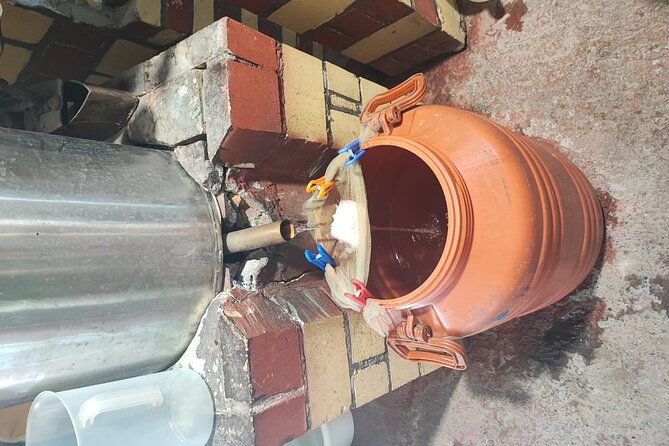
The focus here is the old Cretan approach: how raki and wine are made using their own unique methods. You’ll learn the process, then you’ll try raki and wine as part of the tasting.
This is one of the most valuable parts of the trip because it turns “Cretan food and drink” from a vague concept into something tangible. You’re not just sampling; you’re connecting what you taste with how it’s made. It also makes the rest of the day easier to enjoy. Once you’ve learned what you’re tasting, the flavors make more sense later.
Small practical tips:
- Drink water between tastings if you’re planning to keep going for the Mount Juktas portion.
- If you don’t eat much with alcohol, plan on taking it easy until lunch timing later in the day.
- Ask questions. Guides tend to have strong stories and explanations when the tasting is tied to the craft.
Lunch at Stironas: a real Cretan meal with raki and wine
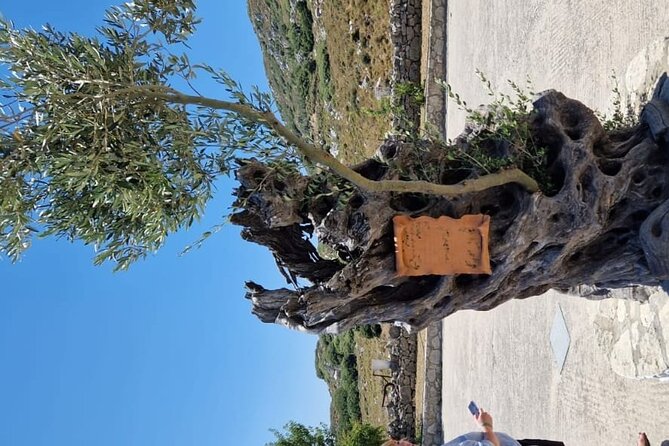
You’ll return to Stironas for lunch, another 1 hour 30 minutes block. This is traditional Cretan lunch and it includes raki and wine again with the meal.
The reason this matters for your experience: a lot of tours give you a sad sandwich and call it lunch. Here, lunch is a centerpiece. You’re getting both the food time and the “how Crete eats” moment, all while you’re already in the right setting.
One consideration: because raki and wine are part of the meal, the lunch period can quietly become the “slowest” part of the day. That’s not a problem—just plan to accept the pace. If you’re the type who hates lingering, you may still find yourself slowing down here, because it’s meant to be social and comfortable.
If you have dietary needs, the only safe move is to ask in advance when you book, since the detailed menu isn’t provided in the info you gave me. At minimum, you can expect a traditional setup.
Mount Juktas: the Zeus-face mountain observatory and that wide-view feeling
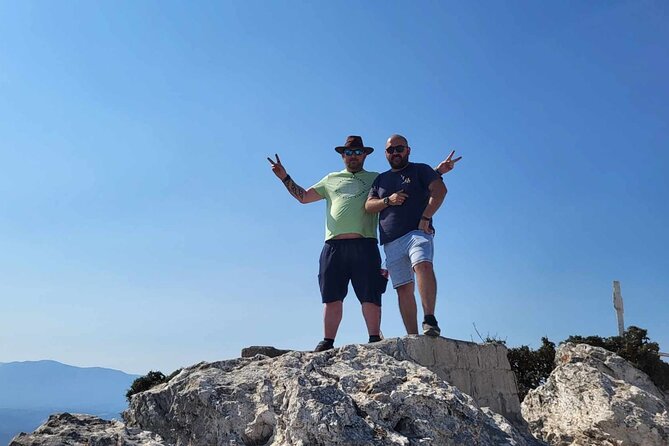
Finally, you reach Mount Juktas, described as the observatory of Crete and the Zeus-face mountain. You’ll have about 1 hour 30 minutes, and this is where the day’s scenic payoff lands.
The observatory is the key word. It’s not just a quick stop for a view. You’re given enough time to look around, find your angles, and enjoy the big-picture scenery. The “Zeus face” description also adds a fun mental hook as you look across the mountain’s shape—like the landscape is telling you a story from a certain viewpoint.
This is also a good moment for patience. Some of the best views come after you walk a little, spot where the light hits, and then settle in. If you arrive with your phone fully charged and your photo plan ready, you’ll enjoy it more.
If you’re going for photos, I’d treat this as your primary shot time of the day. The earlier stops are great, but Mount Juktas is the one designed to be your main visual memory.
What $112.38 gets you (and why it can be good value)
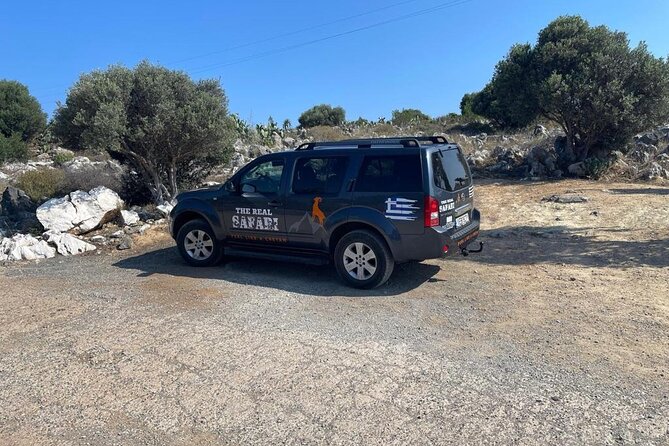
The price is $112.38 per person for a tour that’s about 7 hours. You’re also getting a lot of “included” value: lunch, an air-conditioned vehicle, fuel surcharge, and WiFi on board. On top of that, key admission tickets are included at Skotino Cave and Kato Vrisi, while other tasting and lunch components are listed as ticket-free.
One review mentioned a cost around €85 pp for similar inclusions, including entrance, lunch, and wine/raki tasting. That lines up with the way this itinerary is structured: you’re paying for multiple stops plus the cultural food and drink components, not just transportation.
So what’s the real value? It’s the combination:
- Natural sites with admissions where needed
- A cultural distillery learning + tasting block
- A proper lunch time, not a snack
- A final scenic payoff at Mount Juktas with enough time to actually enjoy it
If you’re trying to do this independently, you’d spend money on transport, tickets, and your own “how do I arrange this tasting/lunch?” problem. A guided day removes most of that friction.
Pickup timing, small-group vibe, and the guide makes the day
Pickup is offered, and the pickup details are sent by email or message. The start time listed is 8:30 pm, so the most important practical move is to confirm the pickup time in the message you receive. With evening starts, traffic and daylight-based photo timing can shift.
The group size is capped at 18 people, which is a big deal. Smaller groups mean easier conversations, less waiting at stops, and more flexibility if you want to ask the guide a question about a myth, a process, or a viewpoint.
This is also one of those tours where the guide can turn the day from good to memorable. Multiple comments highlight George, often recommended as the one to ask for, with a very engaging teaching style. Others mention guides like Oli and Sifis as part of a fun, informative experience. I’d treat that as a signal: if your booking allows preferences, put in a note to request the guide who matches your style—especially if you like history plus practical explanations.
And because you’ll be moving between stops, WiFi on board helps you keep plans organized and helps pass the time without feeling like you’re totally cut off.
Who this Mount Juktas safari suits best
This tour fits best if you want:
- A guided day focused on Crete beyond the main tourist strip
- A mix of natural sights (cave and spring) plus Cretan culture through food and drink
- Enough time at Mount Juktas to take in views, not just stop for a quick look
- Small-group energy where questions feel welcome
It may be less ideal if you:
- Hate shorter stops and prefer long, unhurried time in one place
- Expect coffee/snacks to be included (they aren’t)
- Are strongly sensitive to alcohol tastings (raki and wine are part of both tasting and lunch, so plan accordingly)
Should you book the Mount Juktas Zeus-face safari?
I’d book it if you’re aiming for a balanced Crete day: cave + village + spring + distillery + lunch + Mount Juktas views, all stitched together by a guide who can tell the story behind what you’re seeing.
You should think twice if you only want “one big landmark” and would rather avoid a packed schedule. But if you like variety and you’re happy to accept that some moments are short and others are the main events, this itinerary does a solid job of giving you both.
If you do book, I’d bring one extra practical thing: a small snack backup for the times between included meals. You’ll thank yourself later, especially since coffee/tea and snacks aren’t included.
FAQ
What time does the tour start?
The listed start time is 8:30 pm.
Is pickup included?
Yes, pickup is offered. You’ll receive pickup location and time details by email or message.
Is the tour offered in English?
Yes, the tour is offered in English.
What’s included in the price?
The price includes lunch, an air-conditioned vehicle, fuel surcharge, and WiFi on board. Admission is included for Skotino Cave and Kato Vrisi, while the tasting and lunch components are listed as ticket-free.
What isn’t included?
Coffee and/or tea and snacks are not included.
Which stops are part of the tour?
The route includes Skotino Cave, Smari, Kato Vrisi, Stironas (raki and wine distillery experience), a traditional lunch at Stironas, and Mount Juktas.
What is the cancellation policy?
You can cancel for a full refund if you cancel up to 24 hours before the experience’s start time. If you cancel less than 24 hours before, the amount paid isn’t refunded.