
Review · WINE, OLIVE OIL & RAKI
In Crete Discover the miracle of Olive Oil and Organic Fruits
Olive oil isn’t just a product here, it’s a whole way of life, and this tour shows you the steps from tree to bottle. You’ll move through modern processing and old-school milling, then add organic fruit farm time and big views across the Chania countryside. One thing to keep in mind: it’s a full 6–7 hours with a fair amount of walking and time outdoors, so plan for sun and comfy shoes.
What I love most is that you don’t get the olive oil story in theory. You get hands-on learning at a modern factory in Vamos, plus the “how it used to be done” feel at a traditional mill in Vryses. Another standout is the tasting: you’ll sample fresh organic extra virgin olive oil and see byproducts and production stages explained by people who actually work in it.
A possible drawback is the food part. Lunch and drinks aren’t included, so you’ll want to budget for a meal stop or bring simple extras if your day runs long.
In This Review
- Key highlights you’ll care about
- A day built around olive oil, not just sightseeing
- Stop 1 in Vamos: the modern olive oil factory experience
- Stop 2 in Vryses: seeing the old olive press in action
- Stop 3 in Kalyves: pick fruit at a private farm
- Stop 4 at Tsivaras: the 2,500+ year olive tree (touch it)
- Stop 5 in Apokoronas: a monastery tied to olive oil
- Stop 6 and 7: riverside break in Vryses, then Malaxa views
- What the three phases of olive oil production mean to you
- Price and value: what $179.43 buys you
- Who should book this olive oil day (and who might skip it)
- Should you book? My straight answer
- FAQ
- FAQ
- How long is the tour?
- What time does the tour start?
- Is pickup and drop-off included?
- What is included in the tasting?
- Will there be food or drinks included?
- Do I need to pay entrance tickets?
- Is this a private tour?
- Can this be done as a cruise shore excursion?
- Where is the meeting point?
- What is the cancellation policy?
Key highlights you’ll care about
- Stop at both modern and traditional olive oil production so you see how methods changed over time
- Taste organic extra virgin olive oil and learn what quality means beyond taste
- Touch a living olive tree said to be 2,500+ years old (often described up to around 3,000)
- Pick fruit on a private farm and get the routine of a working grower’s day
- Views built into the route with photo stops over valleys and the Chania mainland
- A licensed historian tour guide helps connect olive oil to Cretan life and monastery culture
One more pour of Cretan wine and raki
- Crete Wine and Olive Oil Tour
★ 5.0 · 272 reviews - Wine & Olive Oil Tour with Lunch at Milia Mountain Retreat
★ 5.0 · 194 reviews - Wine & Olive Oil Tour with Lunch – Semi Private Safari Tour
★ 5.0 · 156 reviews - PRIVATE Walking Tour with Lunch and Wine Tasting by a Sommelier
★ 5.0 · 113 reviews
A day built around olive oil, not just sightseeing
This is the kind of tour that makes you look at the olive differently when you’re done. Instead of “see olives, take photos, leave,” the day is structured around what makes olive oil meaningful: growing, pressing, refining, and using what the trees produce.
You’ll start early (8:30 am) around Chania, then head out with a licensed historian guide plus an olive oil producer or professional farmer. That combo matters. The historian side gives you the long timeline of why olive oil has been so important on Crete. The producer/farmer side keeps it practical—what happens when, what the machines do, and what quality depends on.
The pace also feels right. You get multiple stops rather than one long drive to a single “main event.” And because it’s a private group experience, your time stays focused on the people in your vehicle, not a crowded bus schedule.
Stop 1 in Vamos: the modern olive oil factory experience
The day kicks off in Vamos with a visit to a modern olive oil factory. This is where you see processing as a system: olives come in, and then the workflow turns them into extra virgin olive oil.
What I like about starting here is that it sets a baseline. Once you understand the current steps, the later traditional stop in Vryses makes much more sense. You’ll get a full factory tour, and your guide explains the qualities of olive oil as well as byproducts—so you understand it’s not only about the bottle on the shelf.
This stop also includes a tasting of fresh organic extra virgin olive oil. You don’t need to be an olive oil expert to enjoy it. What you’ll learn helps you taste more intentionally: how extra virgin should feel, what good flavor can suggest, and why the production phase affects the end result.
How to get the most out of this stop: take notes on what “quality” means to your guide. It’ll help you compare later samples and even make smarter choices when you’re shopping in Chania.
Stop 2 in Vryses: seeing the old olive press in action
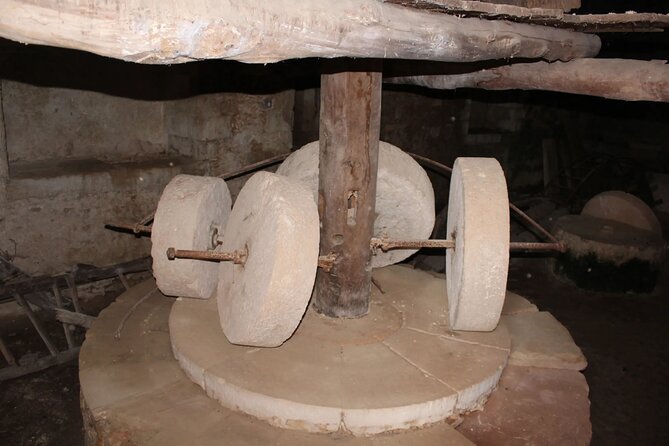
Next comes Vryses, where you visit a traditional, older olive oil mill. This part is shorter (about 30 minutes), but it’s the classic “before machines did everything” contrast.
Here, you get to see the machinery and hear the tedious process that people handled back in earlier centuries. It’s easy to underestimate work like this if you only know olive oil as a store item. But watching how extraction was done by hand-driven systems makes the modern factory feel like a different world—faster, yes, but also built on generations of skill.
Drawback to note: since this is a smaller-time stop, you’ll want to stay mentally in it. If you arrive zoning out, you might miss the details that make this part interesting.
Stop 3 in Kalyves: pick fruit at a private farm
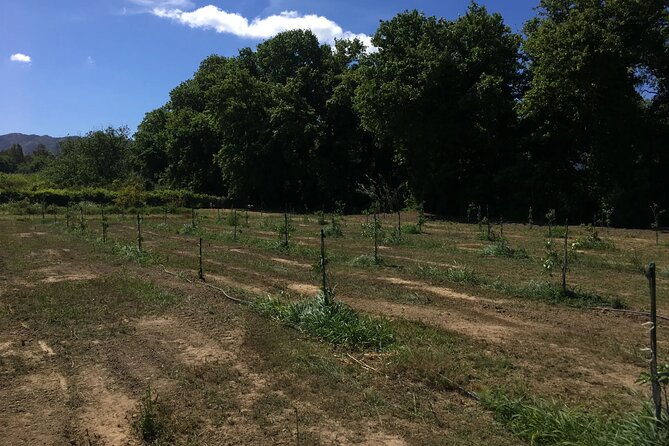
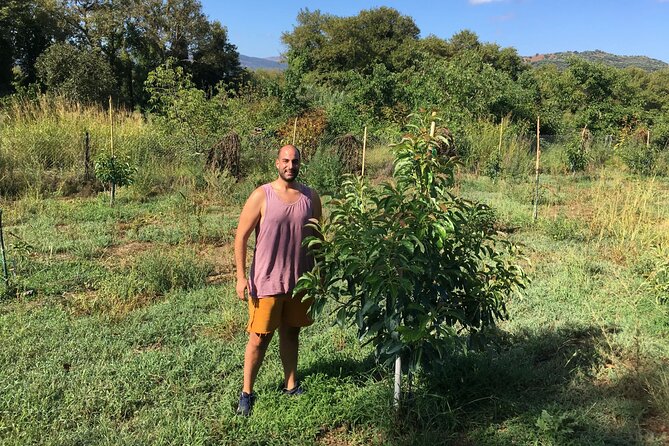
In Kalyves, the tour shifts from machines to living land. You’ll visit a private fruit and olive tree farm where you learn the varieties of olive oil grown there. Then you collect fresh fruits right off the tree.
This is one of those stops where your brain finally clicks: olive oil comes from cultivation choices, not just pressing techniques. The farmer explains their way of life and the routine of daily olive oil production. Even if you’re not a farming person, you’ll understand why timing matters and why constant attention is part of the work.
Also, this is your “breathe” moment. The goal isn’t only information; it’s connection with the landscape. You’ll likely enjoy the slow, practical feeling of being on a real working property rather than a staged attraction.
What could slow you down: you may end up lingering longer than planned if you’re curious about trees and harvesting. That’s not a problem, just be prepared for the tour to keep moving on schedule.
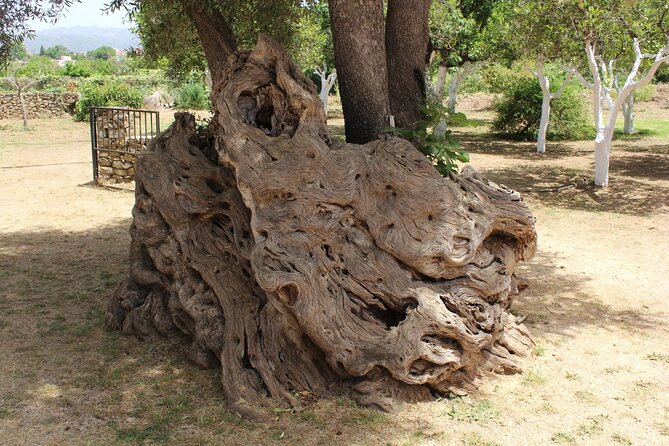
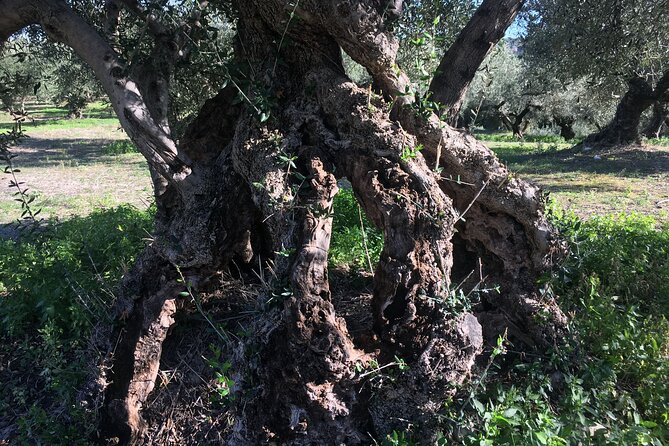
Stop 4 at Tsivaras: the 2,500+ year olive tree (touch it)
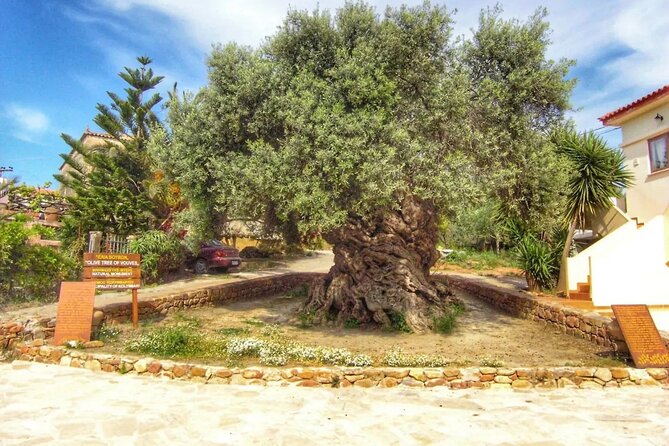
The highlight for many people is Tsivaras, where you visit an olive tree described as more than 2,500 years old. The tour’s marketing leans into the idea that it could be among the oldest in the world, and the location is described as undisclosed.
You’ll stand in awe at the tree’s size, and you’ll get to touch it. That kind of tactile moment is hard to explain until you’re there. It’s not just about age; it’s about continuity. Someone tended a living thing through wars, changes in farming methods, and shifting generations of Cretan life.
There’s also a quiet advantage here: because the location is not publicly advertised the same way, the stop can feel less like a crowded “must-see” and more like a respectful visit to something rare.
Practical note: plan for a short walk on uneven ground. This type of stop often happens where the tree is, not where you’d prefer it to be for convenience.
Stop 5 in Apokoronas: a monastery tied to olive oil
From the living tree, you move to a different kind of olive oil connection: Apokoronas and a monastery with a strong link to olive oil production.
Here, you see the monastery’s olive oil factory. More importantly, you’ll hear about how olive oil mattered to locals over time. The religious angle matters on Crete because monasteries were often centers of work, agriculture, and preservation—places where production wasn’t separate from daily life.
This stop helps connect your day’s “science” and “craft” back to culture. Olive oil is about taste, yes. But it’s also about how communities fed themselves and maintained supplies through long seasons.
You may find the pacing different than a factory: it’s more reflective, with context woven in. If you like your history straight and not dramatized, this will land well.
Stop 6 and 7: riverside break in Vryses, then Malaxa views
After the heavier production stops, the tour gives you downtime.
In Vryses again, you’ll have a break (about 50 minutes) in a village by the river. This is where you can reset, take a few relaxed photos, and avoid the “everything becomes a rushed stop” feeling that some day tours have.
Then you head to Malaxa for sightseeing, plus a photo moment (about 45 minutes). This is your valley-and-view payoff: you’ll see sweeping sections of the Chania prefecture’s regions and landscapes from viewpoints that are built into the route.
Pro tip for the photo stop: wear sunscreen and keep water handy. Views are great, but the sun in Crete can get serious even when the day feels mild.
What the three phases of olive oil production mean to you
One of the tour’s selling points is that you’ll see all three phases of olive oil production: ancient, medieval, and contemporary. Even if you don’t memorize the names, the practical meaning is simple:
- You start with contemporary processing, where steps are faster and systems are designed to control quality.
- Then you move to medieval/older extraction styles, where pressing depended on machinery and labor in a slower workflow.
- Finally, the day’s older “you are here with history” moments—like the ancient olive tree—give the long timeline a physical anchor.
This structure is what makes the tour feel educational. You don’t just hear that olive oil has a history—you experience the timeline as a sequence of places. It’s easier to understand why traditions exist and how modern methods grew from them.
Price and value: what $179.43 buys you
At $179.43 per person, you’re paying for more than a ride and a couple of photo stops. You’re paying for:
- Multiple production sites (modern factory and older mill)
- A farm visit with hands-on fruit picking
- A monastery olive oil stop with cultural context
- A guided visit to a very old olive tree
- Tasting of organic extra virgin olive oil
- Free hotel pickup and drop-off from central Chania areas
- A licensed historian guide working alongside olive oil producers/farmers
Compared with cheaper tours that focus only on one attraction, the value here is the number of distinct experiences packed into one day. You’re not repeating the same “see something, move on” format. You’re learning at each stop, then building on it.
The one value tradeoff: lunch and drinks aren’t included, so your final day cost can creep up if you eat out at each stop. Still, the structure gives you chances to time a meal during the break and riverside pause.
Who should book this olive oil day (and who might skip it)
This tour is especially good if you:
- Love olive oil and want more than a quick tasting
- Like practical, real-production experiences (factory and mill)
- Want Cretan countryside villages beyond the main tourist strip
- Enjoy guides who can connect food to history
You might consider a different option if you:
- Want a very relaxed day with minimal walking and no production focus
- Plan to spend most of your time shopping for souvenirs rather than learning
- Are sensitive to outdoor heat, since parts of the route are open-air viewpoints and rural spaces
If you’re on the fence, think about what you’ll remember in a month. For most people, it won’t be another scenic overlook. It’ll be the “touch a living tree” moment and the way the tour teaches you what’s behind the taste.
Should you book? My straight answer
If your trip in Crete is only a few days and you want one experience that makes olive oil feel real, this is a strong choice. I like that it mixes tasting, production facts, and place-based history—then adds countryside views and a riverside reset.
Book it if olive oil is a serious interest or if you want your day trip to feel worth the drive. Skip it if you prefer a slower, beach-first itinerary with minimal structure.
Either way, you’ll walk away with a different relationship to what you buy in Crete: you’ll know what to look for, and you’ll understand why it tastes the way it does.
FAQ
FAQ
How long is the tour?
The tour runs about 6 to 7 hours.
What time does the tour start?
The start time is 8:30 am.
Is pickup and drop-off included?
Yes. Free hotel pickup and drop-off are offered from central Chania areas.
What is included in the tasting?
You’ll taste fresh organic extra virgin olive oil during the tour.
Will there be food or drinks included?
Lunch and drinks at the private tour stops are not included.
Do I need to pay entrance tickets?
Admission tickets are listed as free for the stops included.
Is this a private tour?
Yes. It’s a private tour/activity with only your group participating.
Can this be done as a cruise shore excursion?
Yes. The tour is available as a shore excursion for Chania & Souda Cruise Port.
Where is the meeting point?
The tour mentions it is near public transportation, but a specific meeting point address isn’t provided here.
What is the cancellation policy?
Free cancellation is available up to 24 hours in advance for a full refund.
More Tour Reviews in Chania
Crete by the Glass


Fresh Off the Boat: Newest Crete Reviews


Wine, Olive Oil & Raki, compared.
 ★ 4.9Quad Safari, Olive Mill with Tasting & Ghost VillageFrom $931,004 reviews
 ★ 5.0Knossos-Zeus Cave -Old Traditional Villages-Olive Oil FactoryFrom $136694 reviews
 ★ 4.6From Chania: Olive Oil, Wine, Cheese & Honey Tasting TourFrom $49490 reviews
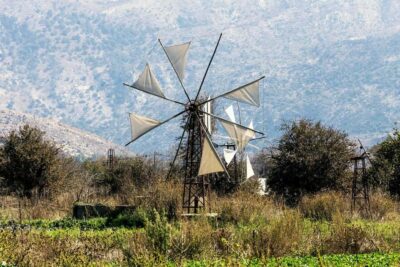 ★ 4.4Road-trip to Lasithi, Zeus Cave & Olive Mill FarmFrom $47451 reviews
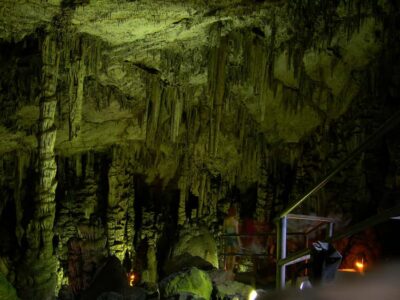 ★ 4.6Lassithi, Zeus Cave, Olive Mill Farm & Knossos Combo TourFrom $58404 reviews
 ★ 4.9Land Rover Safari with Sunset Viewing, Dinner, & WineFrom $99395 reviews
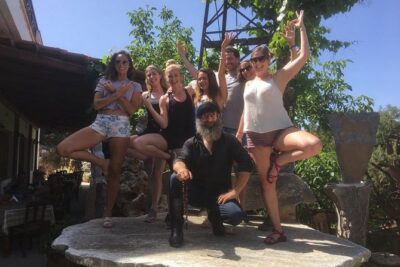 ★ 5.0Zeus Cave, Lassithi Plateau, Olive Oil Factory, Kritza, PotteryFrom $119362 reviews
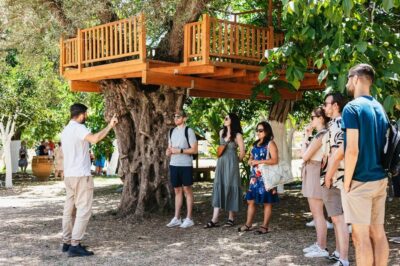 ★ 4.8From Chania: Wine and Olive Oil Tasting Tour with SnacksFrom $141354 reviews
Browse the lists this tour appears in