
Review · HERSONISSOS & MALIA COAST
Hersonissos, Stalida: Scuba Diving Experience for beginners
First time underwater sounds scary, not here. This beginner program in Hersonissos eases you in with a pool practice session before you go out near the shore. I like how the course is structured to keep things calm and step-by-step, and I also like the small-group feel. One drawback to keep in mind: you need to be physically fit and meet the medical limits, so it is not for everyone.
You start with a short theory session, then you’re fitted with your gear and you practice key skills where the water is controlled. After that, you move to open water for a first supervised shore session, with instructors right there as you get used to breathing and buoyancy. If you’re nervous, that pacing matters a lot, and people also highlight how much time the instructors give to make sure you truly understand.
The main consideration is the health and fitness screening. If you can’t handle stairs with weight, or you have certain heart, respiratory, or other medical conditions, this isn’t the right activity for you.
In This Review
- Quick Take: What You’ll Likely Love
- Where It Starts: Nana Golden Beach Meet-Up and Getting In
- The 3-Hour Flow: Safety Briefing, Training Class, Shore Session
- Safety briefing (about 1 hour)
- Training class (about 45 minutes)
- Shore session (about 45 minutes)
- Theory That Won’t Put You to Sleep: Video, Gear Fit, and Clear Signals
- Pool Skills: Mask Clearing and Breathing Control Where It Feels Safe
- First Sea Session on the Shore: What the Cretan Water Teaches You
- Instructors, Language, and the Small-Group Advantage
- Price and Value: Is $104 Worth 3 Hours on the Water?
- What to Bring (and What to Skip)
- Fitness and Medical Limits: Read This Part Carefully
- Who Should Book This Beginner Program in Hersonissos
- Should You Book This Beginner Scuba Session?
- FAQ
- Is this suitable if I have never done scuba before?
- How long is the experience?
- Where exactly do I meet the group?
- What do you do in the pool?
- What scuba equipment is provided, and what should I bring?
- Is the instruction in English?
- How many people are in the group?
- Do I receive any certificate or proof of completion?
Quick Take: What You’ll Likely Love
- Pool practice first so you can learn mask clearing and breathing without pressure
- English instruction with small groups (limited to 10) for real attention
- Patient coaching with instructors like Elise and Katarina named often for extra reassurance
- Supervised shore session in the Cretan Sea with instructors beside you
- Value for beginners: equipment, theory, pool skills, gear setup, and an SSI completion acknowledgment card
Up the coast at Hersonissos and Malia
- Malia: Booze Cruise Boat Party with Live Dj
★ 3.8 · 127 reviews - Malia: Off-Road Quad Safari Evening Tour / optional transfer
★ 4.8 · 125 reviews - Buggy safari Crete (Transfer and lunch) analipsi- hersonisos
★ 4.7 · 47 reviews - Crete: Quad Safari with Lunch and Swimming in Malia
★ 4.8 · 27 reviews
Where It Starts: Nana Golden Beach Meet-Up and Getting In
Your day starts at Nana Golden Beach, inside the resort grounds. Once you reach the property, you’ll tell security you’re heading to the scuba training center and they’ll let you through. From there, follow the signs on foot: go down the slope road toward the sea, turn left before the reception building, and keep going downhill until you see the center on your right.
If you like not-stressing-before-dawn logistics, take a quick look at the exact pin on Google Maps before you go. This helps because it’s all inside the resort layout, not a standalone building on a street corner. Also, because the first briefing begins at 9:30 AM, arriving a little early makes the whole start smoother.
The program runs every day except Sundays, so you can often fit it into your Crete schedule without a long wait.
The 3-Hour Flow: Safety Briefing, Training Class, Shore Session
This is set up as a single, continuous experience that lasts about 3 hours. The timeline typically breaks into three parts: a safety briefing, a training class phase (mostly gear and pool skills), and then a shore session in the Cretan Sea.
Safety briefing (about 1 hour)
You begin with a 20-minute video, then a relaxed oral briefing. The goal is not to overwhelm you. It’s to help you understand how scuba equipment works, what your body will feel like underwater, and how the instructor signals and controls the situation. Expect clear explanations and time to absorb them before water starts.
This is also where the “safety first” message becomes practical. When you understand what to do and what to expect, anxiety drops. That’s especially important on day one.


Training class (about 45 minutes)
Next comes your equipment room fitting. You’ll get into your scuba kit, and then you move to the pool. This is where you practice the fundamentals: how breathing feels under pressure, how to stay calm with your face in the water, and skills like clearing your mask.
Pool practice is the smart move for a beginner. You can focus on coordination without worrying about waves, depth changes, or getting separated. You’ll still be “doing scuba,” but in a controlled environment where you can progress at a comfortable pace.
Shore session (about 45 minutes)
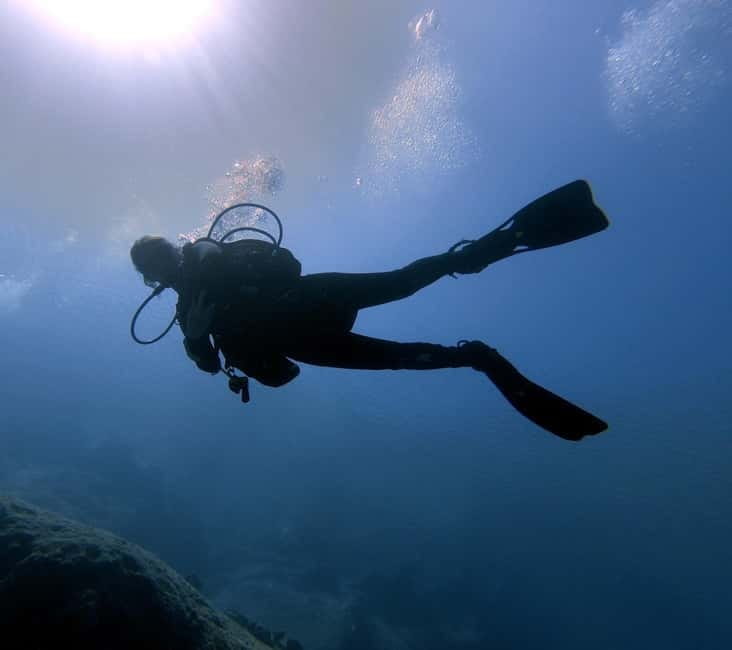
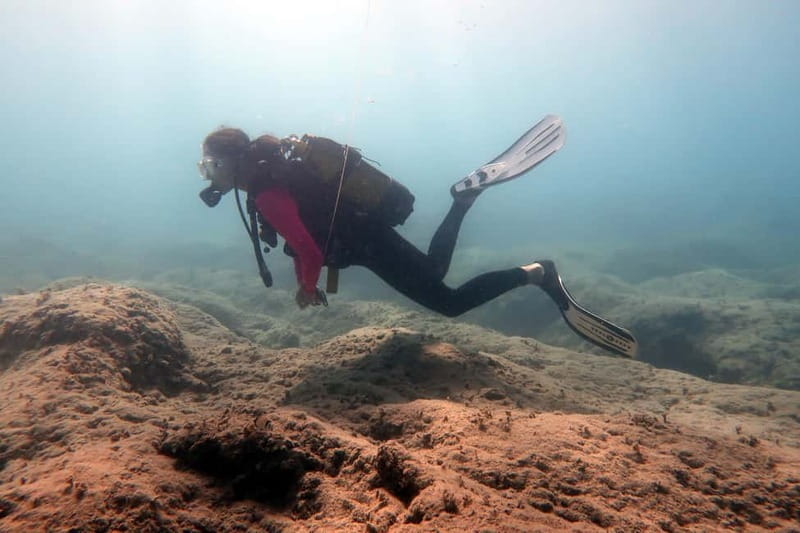
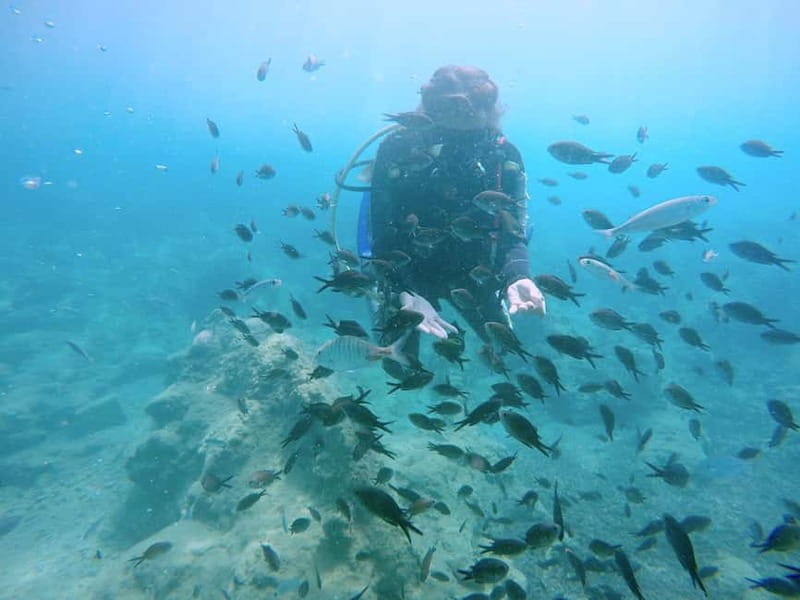
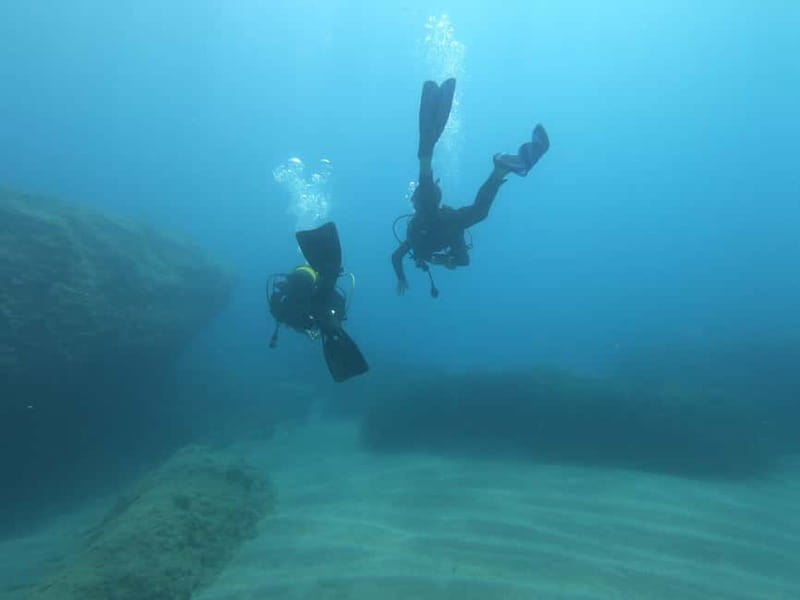
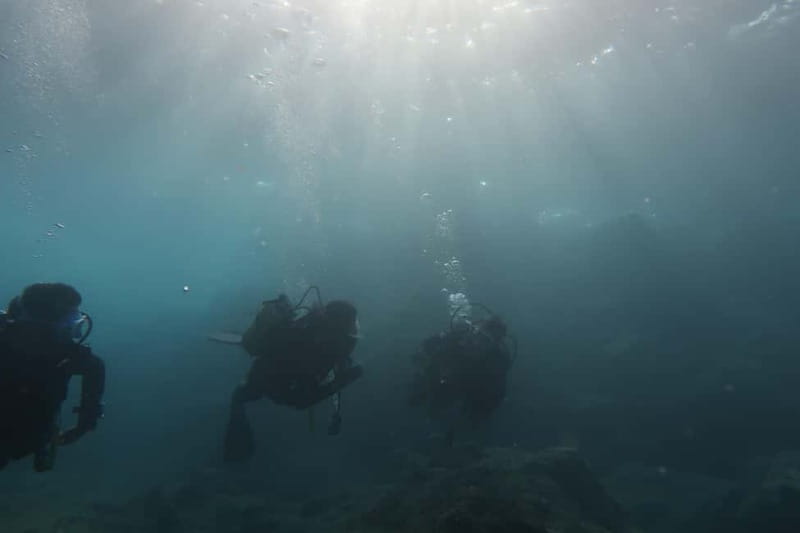
Once you’re comfortable, you move to the coast for your first supervised open-water shore session. Your instructors stay close, and you’ll explore the clear waters of the Cretan Sea right off the shoreline. You might spot local marine life, but even if visibility isn’t perfect, the feeling is the point: breathing underwater for the first time, with someone guiding you at every step.
This part is usually where first-timers realize they can trust the system. Not because it becomes effortless, but because you’ve already learned the key responses in the pool.
Theory That Won’t Put You to Sleep: Video, Gear Fit, and Clear Signals
I like that the theory component is short and focused. You’re not stuck in a lecture hall for hours. You get a 20-minute video, then an oral briefing that’s built to help you understand the mechanics and safety rules before you touch the water.
After the briefing, the gear fitting happens in the equipment area. This matters more than people think. If your kit isn’t adjusted well, your comfort suffers fast underwater. A good fit also helps you manage breathing and body position without fighting the equipment.
One of the strongest themes in the feedback is how thoroughly instructors explain instructions before moving on. That extra check-in time makes a difference. If you’ve ever followed steps and still felt unsure, you’ll recognize why this matters.
Pool Skills: Mask Clearing and Breathing Control Where It Feels Safe
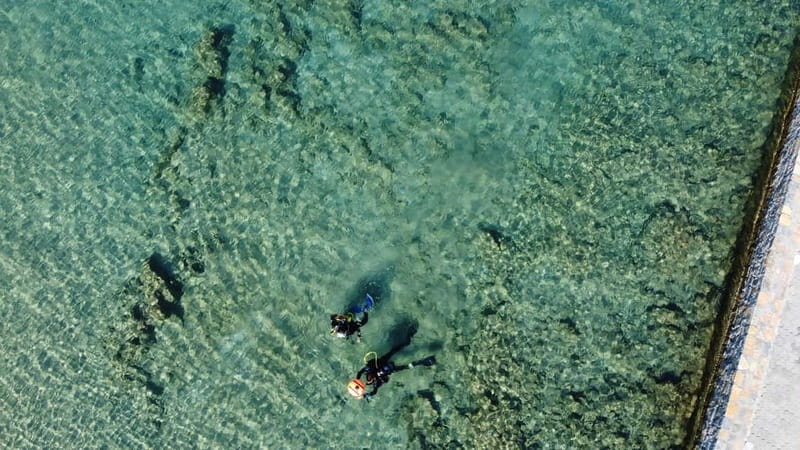
The pool portion is the heart of the “beginner-friendly” promise. You’re not thrown into the sea right away. Instead, you practice a few essential skills in calm water while an instructor can correct you immediately.
You’ll practice things like:
- clearing your mask if water enters it
- adjusting to breathing underwater
I also recommend you treat this section like training, not like a formality. If you’re tense, tell the instructor early. The instructors here are praised for being attentive and giving people the time they need to adapt. If you’re nervous, that patience can be the difference between panic and confidence.
Some people also report getting very close instruction, even down to a tight instructor-to-student ratio during the session. While your exact ratio can vary, the small group size (10 max) makes it more likely you won’t get lost in the crowd.
First Sea Session on the Shore: What the Cretan Water Teaches You
When you finally go out from the shore, you’ll likely feel three things quickly:
1) your breathing pattern slows down
2) your body feels weightless or easier to float
3) you become aware of small control habits—mask position, air management, and buoyancy
That’s why the earlier pool skills pay off. You’re not just “trying it.” You’re applying what you learned with an instructor beside you.
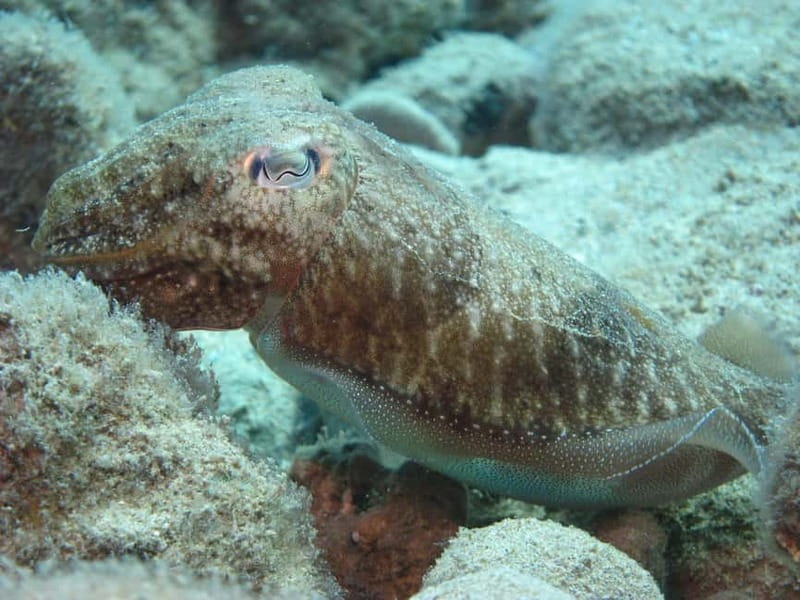
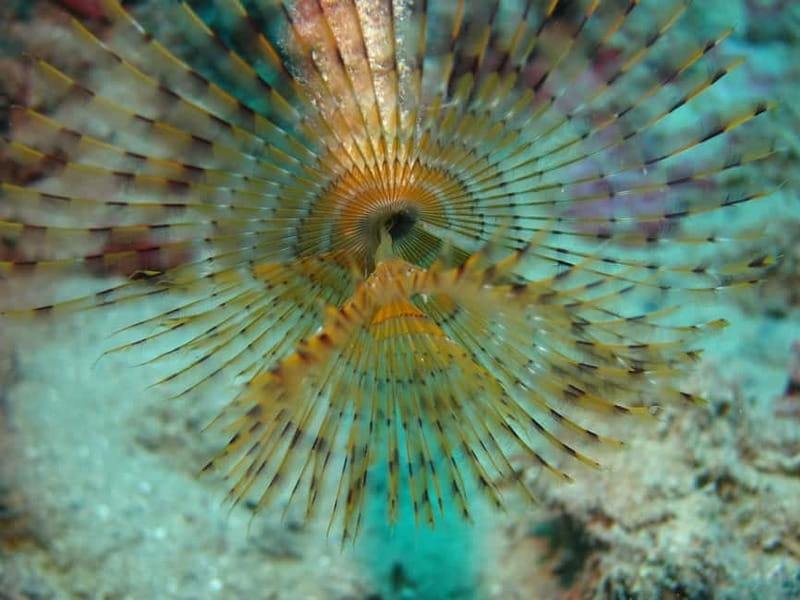
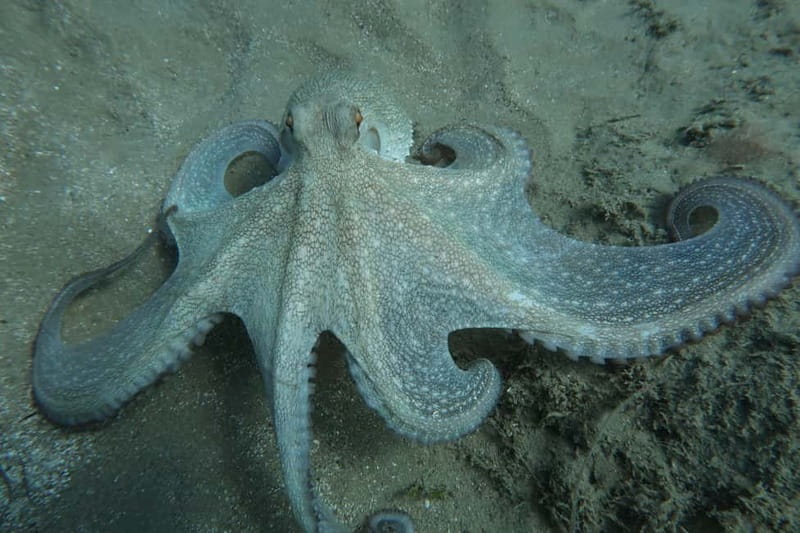
The area offers a chance to see Cretan underwater wildlife. Even if you’re mainly focused on your technique, spotting marine life adds a real reward loop. It’s one thing to learn how breathing works; it’s another to notice color and movement beneath you while you’re doing it correctly.
Your shore session lasts about 45 minutes, which is a sensible length for beginners. Long enough to feel like an experience, short enough to keep stress low.
Instructors, Language, and the Small-Group Advantage
The instruction language is English, which is a big practical win if you don’t want to translate everything in your head while learning a new skill. Also, the group is limited to 10 participants, which typically means you get more attention than in large-mass group activities.
In particular, instructors Elise and Katarina are mentioned by name for being supportive and listening to questions. When you’re new, you want instructors who don’t rush you through the steps. You also want people who can explain calmly when your brain locks up.
If you’ve got the kind of anxiety that shows up right before a challenge, this style of coaching tends to help. Many beginners don’t need less instruction. They need instruction with reassurance.
Price and Value: Is $104 Worth 3 Hours on the Water?
At $104 per person for about 3 hours, this isn’t a bargain price. It is, however, strong value for a full guided beginner package because several key costs are included.
Your price covers:
- a 20-minute theory session with video and oral briefing
- diving equipment
- pool practice for basic scuba skills
- a supervised shore session with an instructor
- an opportunity to see underwater wildlife
- a free online registration and a program completion acknowledgment card with SSI
For many beginners, the biggest “hidden cost” is time and gear logistics. Here, you don’t have to rent equipment separately, figure out instruction steps, or organize the full sequence yourself. You also get an official acknowledgment card from SSI, which is helpful if you want to keep your training path organized.
If you compare it to piecing together instruction + equipment + a guided shore session, the price starts to look more reasonable. You’re paying for supervision, training time, and the controlled progression.
What to Bring (and What to Skip)
Pack like you’re heading to a beach day plus an equipment fitting. You’ll want:
- swimwear
- a change of clothes
- a towel
- sunscreen
- water
- flip-flops
- a charged smartphone
Sunscreen is the obvious one, but I’m glad they call out flip-flops too. You’ll be walking around the resort and down paths to the center. Comfort matters when you’re waiting for briefings.
Also, bring the mindset that you might feel colder than you expect once you’re in the water, even on a sunny day. If you tend to get chilly, plan your comfort and change clothes quickly afterward.
Fitness and Medical Limits: Read This Part Carefully
This activity has clear restrictions. You will be asked to fill out and sign a medical questionnaire before the program. You need to be physically fit, and it’s noted that it’s not suitable for people unable to climb a set of stairs with 15–20 kg on their back.
There are also medical and health categories listed as not suitable, including:
- children under 10
- pregnant women
- people with heart problems
- non-swimmers
- people with respiratory issues
- people with a cold
- people over 100 kg (220 lbs)
- people with pre-existing medical conditions
- people with high blood pressure
- people with low level of fitness
- people over 55
If you have any pre-existing medical conditions, you might need a certificate from your doctor stating you can participate. It’s smart to take this seriously. Scuba is safe when you match the activity to your health, but the screening exists for a reason.
If you’re unsure, ask for guidance from the operator before you book.
Who Should Book This Beginner Program in Hersonissos
I’d point you to this if:
- you want your first underwater experience without jumping straight into the sea
- you prefer structured learning (video, briefing, pool practice, then shoreline)
- you want English instruction and a small group size
- you want a guided session that focuses on safety and comfort
I’d skip it if:
- you’re outside the listed age or health limits
- you’re a non-swimmer
- you’re currently dealing with illness like a cold
Also, if you’re traveling solo or as a couple, the small-group limit can make it feel personal. You’re unlikely to be treated like a number.
Should You Book This Beginner Scuba Session?
Yes, I’d book it if you meet the health/fitness rules and you’re ready to learn with patience. The overall format—short theory, gear fitting, pool skills, then a supervised shoreline session—is exactly what beginners need to feel safe and progress.
If you’re anxious, this is also the kind of course that tends to work well. Instructors like Elise and Katarina are praised for attentive, confidence-building help, and many people highlight that they’re not rushed through the steps.
If you’re not sure you meet the medical requirements, don’t guess. Check with your doctor or the operator first, then book with confidence.
FAQ
Is this suitable if I have never done scuba before?
Yes. The program is designed for beginners and starts with a short theory session, then pool practice, and only then moves to a supervised shore session.
How long is the experience?
The duration is about 3 hours, starting at 9:30 AM and finishing around 12:00–1:00 PM.
Where exactly do I meet the group?
You meet inside Nana Golden Beach Resort. Tell security you are going to the scuba center, then follow the downhill road toward the sea, turn left before the reception building, and keep going until you find the center on your right.
What do you do in the pool?
You practice core beginner skills in the pool, including getting used to breathing underwater and clearing your mask.
What scuba equipment is provided, and what should I bring?
Equipment is included. You should bring swimwear, a change of clothes, a towel, sunscreen, water, flip-flops, and a charged smartphone.
Is the instruction in English?
Yes, the instructor language is English.
How many people are in the group?
The group is small, limited to 10 participants.
Do I receive any certificate or proof of completion?
You get a program completion acknowledgment card with SSI, tied to free online registration.
More Tour Reviews in Malia


Along the Hersonissos Coast



Fresh Off the Boat: Newest Crete Reviews




Hersonissos & Malia Coast, compared.
 ★ 4.9Hersonissos: Jet Boat Tour with SnorkelingFrom $531,385 reviews
 ★ 5.0Agia Pelagia Quad Safari to Discover the Authentic CreteFrom $98877 reviews
 ★ 4.9Hersonissos: Private Motorboat Rental – No License RequiredFrom $188487 reviews
 ★ 4.8Hersonissos: Luxury Sunset Catamaran Cruise Sushi & Open BarFrom $94442 reviews
 ★ 4.3From Heraklion,Agia Pelagia,Malia: Samaria Gorge Guided TripFrom $53298 reviews
 ★ 4.8Quad Safari with Monastery, Malia Palace and LunchFrom $93232 reviews
 ★ 4.9Hersonissos: Troy Dinner-Show Theatre Experience TicketsFrom $41214 reviews
 ★ 4.2Hersonisos: Boat Cruise with Swim Stops and LunchFrom $50180 reviews
Browse the lists this tour appears in