
Review · JEEP & LAND ROVER SAFARIS
Crete: Jeep Safari Wine & Olive Oil testing Shepherd’s House
A Crete food day with wheels. This 8-hour Jeep Safari route strings together central-Crete villages, olive oil production, wine tasting, and a shepherd’s-house cheese experience. It’s built for people who want real rural rhythms, not just a quick photo stop.
What I like most is the way it ties the tastings to daily life. You don’t just hear about olive oil and wine—you see part of how they’re made and you eat in places that feel lived-in. I also appreciate that lunch comes as part of the program with local wine and water, then the day keeps feeding you with snacks along the way.
One thing to weigh: the day can include extra charges and some hands-on moments may be lighter than you hope. The winery entrance is an extra fee (around 10–11 euros per person), and depending on timing, the cheese and shepherd’s segment may be more explanation than hands-on, and some walks may be skipped.
In This Review
- Key Points You’ll Actually Care About
- A Crete Food Day Built for Morning-to-Dinner Tastes
- Getting Picked Up: Why the Vehicle and Timing Matter
- Aposelemis Dam: The View Stop That Sets the Tone
- Avdou: Village Time for Shopping and Bites
- Thrapsano and Kato Karouzana: Olive Oil, Wine, and Scenic Stops
- Thrapsano: Guided Tour and Wine Tasting
- Kato Karouzana: Photo Stop, Break Time, and Local Snacks
- Herbs, Goats, and Raki in a Traditional Village
- Olive Oil Farm Visit: Where the Tour Gets Specific
- Winery Time in Central Crete: Tasting Plus a Fee to Know About
- Shepherd’s House and Cheese Making: Watch for How Hands-On It Gets
- Lunch at Maria’s Place and the Sweet Tavern Finale
- Price and Value: What $104 Really Buys You
- Guides: When the Day Feels Fun, Not Just Informational
- Who Should Book This Jeep Safari (and Who Should Skip)
- Should You Book This Shepherd’s House Jeep Safari?
- FAQ
- FAQ
- How long is the Jeep Safari experience?
- Is hotel pickup and drop-off included?
- What meals and drinks are included?
- Do I have to pay extra for the winery?
- What should I bring for the day?
- Is this tour suitable for mobility issues?
- What languages are the live guides available in?
Key Points You’ll Actually Care About
- Land Rover Defender or Nissan Pathfinder transport, good for the roads and quick hop-offs
- Aposelemis Dam photo stop with views over the area’s famous sunken village
- Olive oil farm visit with a real look at Cretan olive oil production
- Village stops that mix shopping, local snacks, raki, and architecture spotting
- Winery tasting is included, but entry to the winery costs extra
- Shepherd’s-house cheese segment plus a traditional tavern meal that ends with Cretan sweets
More 4x4 days into the Cretan backcountry
- Crete: Off-Road Quad Safari with Lunch/Dinner
★ 4.9 · 664 reviews - Crete: Quad Off-Road Tour to Villages with Hotel Transfers
★ 4.8 · 557 reviews - From Hersonissos/Malia: Guided Sunset Quad Safari
★ 4.8 · 158 reviews - Malia: Off-Road Quad Safari Evening Tour / optional transfer
★ 4.8 · 125 reviews
A Crete Food Day Built for Morning-to-Dinner Tastes
This tour is basically a moving sampler platter of central Crete. You start with sightseeing, then shift into production (olive oil and wine), then finish with shepherd life and food that’s meant to be eaten, not just photographed.
The big value is the flow. Instead of piling everything into one museum stop, the route breaks your day into chunks you can handle: viewpoints, then farms, then villages, then a winery, then cheese and sweets. If you like a day with variety (and you don’t want to drive), this format works well.
You should also know the tour mixes touring with time for eating and tasting. That means you’ll want a calm pace. Shoes help too, because even short walks and uneven village paths are part of the day.
Getting Picked Up: Why the Vehicle and Timing Matter
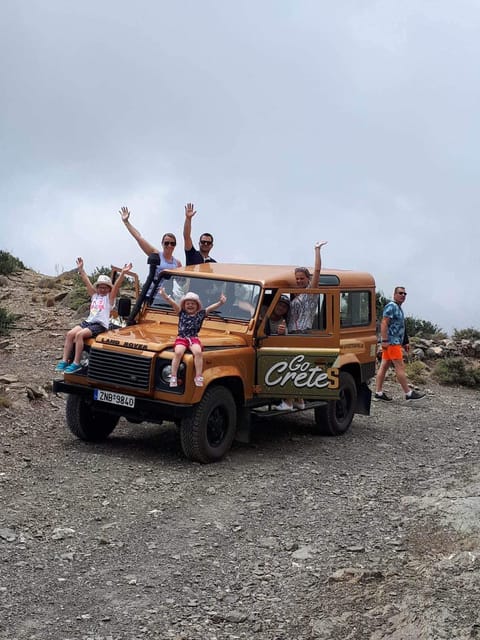
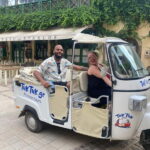
You’re picked up from many hotel zones around the island’s north coast, with return drop-off to the same areas. The tour uses Land Rover Defender or Nissan Pathfinder vehicles, which matters in Crete because the scenery you want often lives off the main roads.
Pickup is scheduled within a window (you wait in the hotel lobby, and drivers don’t wait more than 10 minutes after the scheduled pickup time). That’s a small detail, but it affects your stress level, especially if your hotel requires a bit of walking to reach the lobby.
Also, this is not an airport-style experience with slow check-in. It’s a real departure day. Come ready with your comfortable shoes, sunglasses, and sun hat, because you’ll be outside for photo stops and village walking time.
Aposelemis Dam: The View Stop That Sets the Tone
The first major stop is Aposelemis Dam, with about 20 minutes for a photo stop and scenic views. The highlight here is seeing the area connected to the famous sunken village of SFENTYLI.
This stop works for two reasons:
- It gives you an immediate sense of scale—water, valleys, and the way the landscape shaped local life.
- It gets you out of the coast rhythm fast, so the rest of the day feels like you’re really moving inland.
A practical note: some days are timed so you mostly see the “story” from the road rather than on-the-ground. If your priority is getting very close, go in expecting a viewpoint-based stop rather than an extended walk.
One more pour of Cretan wine and raki
Avdou: Village Time for Shopping and Bites
After the dam, you head to Avdou for roughly 40 minutes. This is a guided village visit with shopping time and food tasting.
This is the part of the day where you shift from “driving sights” to “people sights.” Even when you’re not looking for souvenirs, a village stop gives you a sense of everyday choices: where people eat, what they sell, and how they structure a neighborhood around local needs.
If you like small purchases, this is where you might pick up something you can’t easily pack for a big souvenir run. And if food tasting is your thing, this stop is one of the early chances to sample flavors without committing to a full meal.
Thrapsano and Kato Karouzana: Olive Oil, Wine, and Scenic Stops
From there the tour moves into the heart of the route—Thrapsano and then Kato Karouzana.
Thrapsano: Guided Tour and Wine Tasting
In Thrapsano, you get a guided visit with wine tasting and local snacks for about one hour. This is a good middle step because you’re not fully in “wine-only” mode yet. You’re still learning, eating, and moving.
A key detail: wine is part of the experience multiple times during the day. That can be great, but it also means you should pace yourself. I’d treat tastings as part of lunch, not a separate event.
Kato Karouzana: Photo Stop, Break Time, and Local Snacks
Then comes Kato Karouzana with a photo stop and a guided visit around 35 minutes, followed by break time that can include wine, lunch, and free time for about 1.5 hours, plus local snacks.
This block is where the tour becomes more relaxed. You’ll likely have the most breathing room here to stretch, eat slowly, and let the day catch up with you.
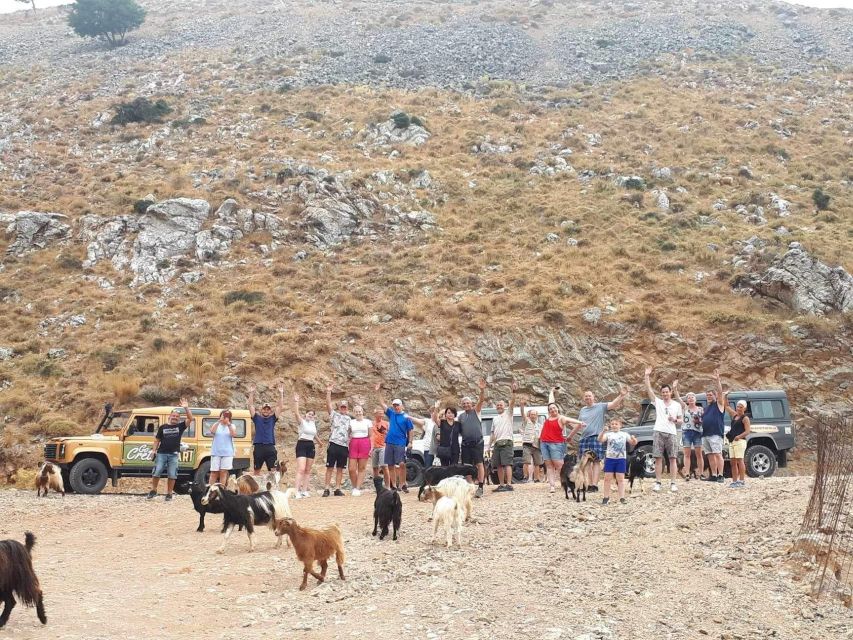
One caution from real experiences: if you’re specifically hoping for a goat-walk moment, don’t assume it’s guaranteed in the way you might picture it. The route describes walking with goats and gathering herbs, but timing and logistics can change what actually happens on the day.
Herbs, Goats, and Raki in a Traditional Village
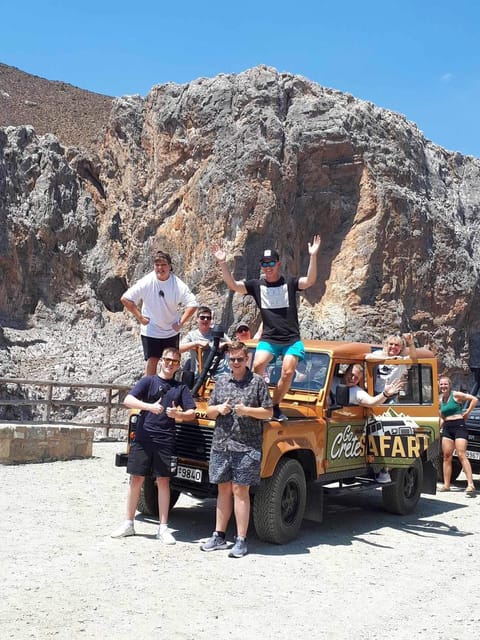
A big selling point is the rural feel: crossing paths on scenic routes, watching daily activities, and mixing in local rituals like raki.
Expect a stop where you’ll:
- enjoy raki with local delicacies
- admire traditional village architecture
- get a snapshot of how people live when the day isn’t built around tourism
This part is valuable even if you’re not a foodie. Why? Because raki and village snacks are social, and the architecture tells you how communities were built to fit the terrain and climate.
If you’re sensitive to long sitting times after tastings, plan to keep your water intake steady. The tour includes water with lunch, but you’ll still be outside in Crete’s sun.
Olive Oil Farm Visit: Where the Tour Gets Specific
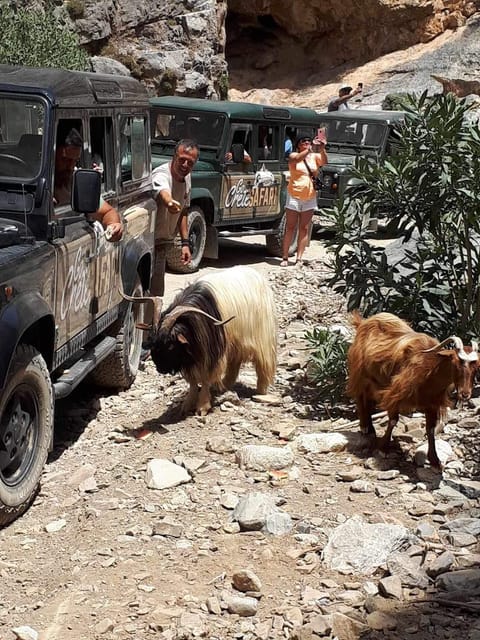
The olive oil segment is one of the most important parts of the day. You’ll visit one of the best olive oil farms in the area and learn about Cretan olive oil production.
This is where the tour earns its keep. Olive oil in Crete isn’t a themed souvenir—it’s a real production story with local techniques and seasonal rhythms. Seeing the basics of the process helps you understand what you’re tasting later (and why some oils taste greener, or more peppery).
You’ll also typically connect this to how olive cultivation supports rural households. Even if your visit isn’t a long factory-style walkthrough, you’ll come away with enough context to make your olive oil shopping smarter.
Winery Time in Central Crete: Tasting Plus a Fee to Know About
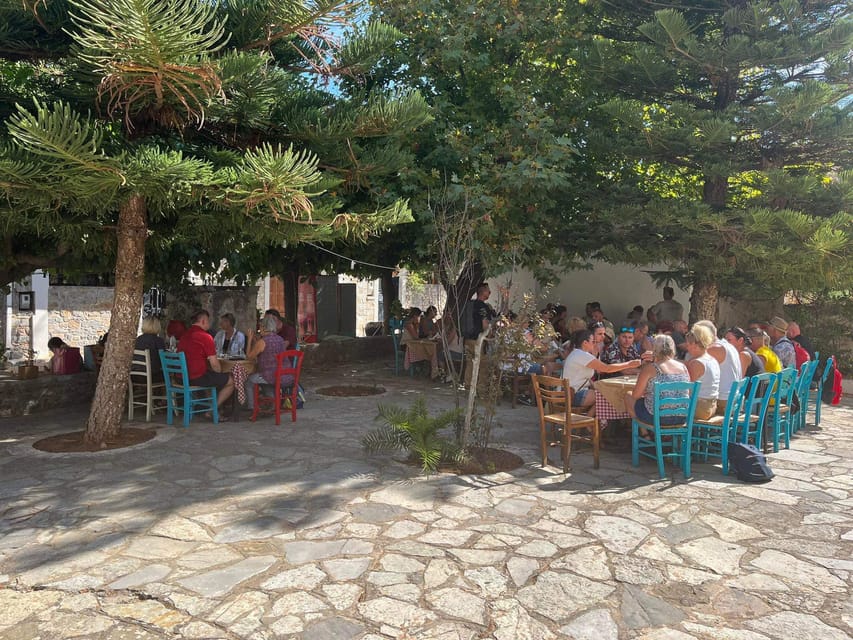
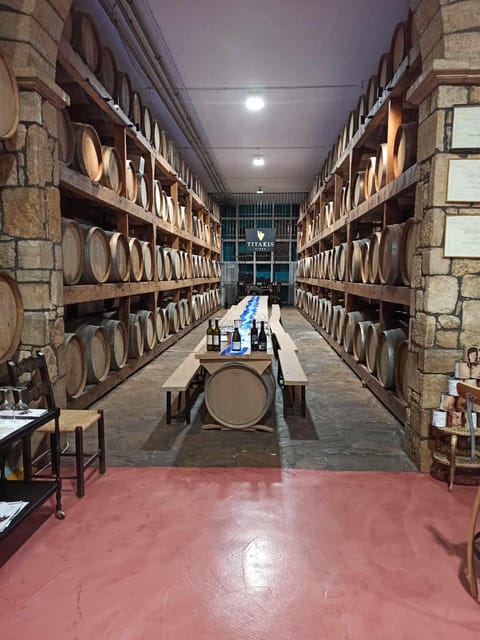
The tour finishes up with a winery stop in central Crete. You’ll learn about the wine production process and taste wines with local products.
Here’s the important practical point: winery entrance is extra. The fee is around 10 euros per person (and you may see it quoted as about 11 euros). The tasting is part of the experience, but entry gets charged separately.
That means your true all-in cost is your base tour price plus the winery entry fee. For a $104 tour, that extra isn’t shocking, but it is something you should budget for so you don’t feel blindsided.
One more consideration: some winery visits can feel more like a tasting session than a deep production tour. If you’re hoping to see a very detailed walk-through, go in with realistic expectations. The day is split across multiple tastings and stops, so the winery time may be structured to keep moving.
Shepherd’s House and Cheese Making: Watch for How Hands-On It Gets
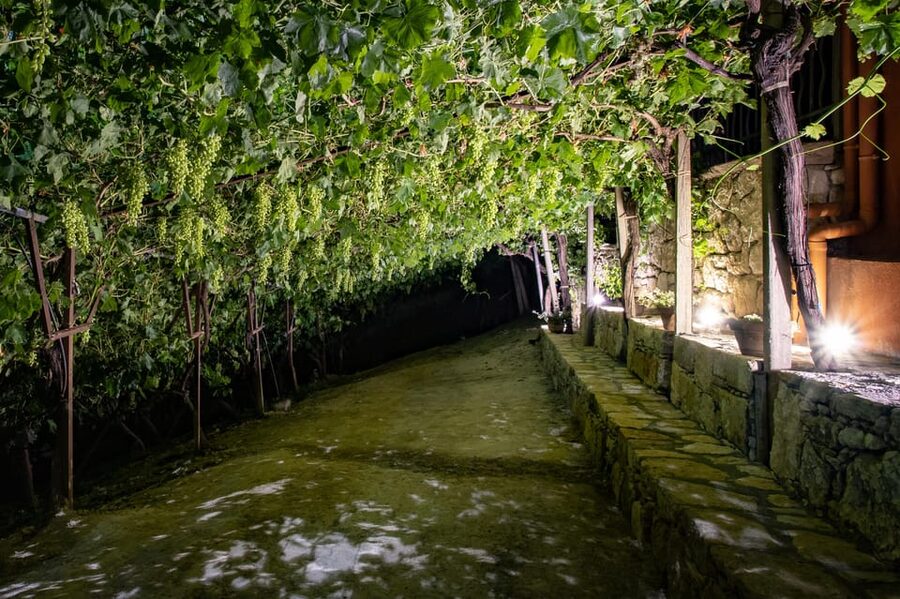
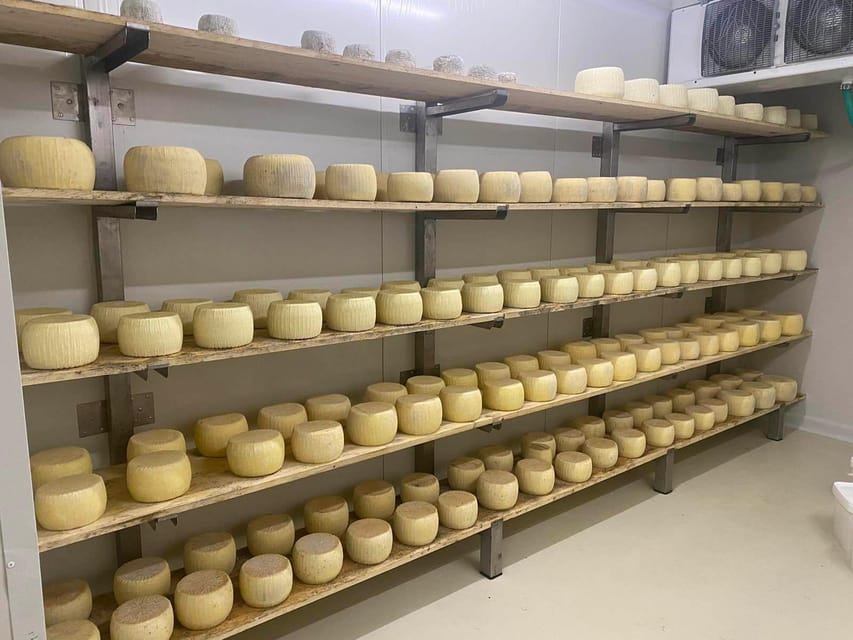
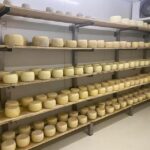
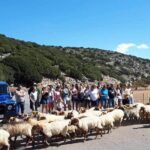
Then you reach the shepherd’s house segment, where you participate in authentic cheese production.
This part is a highlight conceptually because it ties Crete’s land (and animals) to what you eat. The day isn’t just sampling; it’s tracing ingredients back to source.
But here’s the thing: hands-on varies. On some days, the process may be explained rather than shown step-by-step, and the “participation” can lean more toward observing than doing. If you care a lot about making cheese with your own hands, I’d treat that as an upside if it happens, not a guaranteed moment.
Still, even a lighter version tends to give you a better sense of shepherd life than a purely theoretical talk. And it sets up the final meal in a way that makes the sweets feel earned, not random.
Lunch at Maria’s Place and the Sweet Tavern Finale
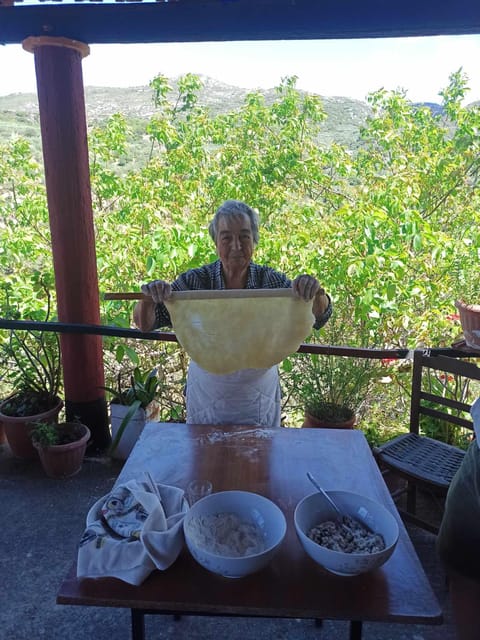
By late day, the focus turns hard to food. You’ll enjoy a traditional Cretan lunch with local wine and water, and then there’s a final meal experience in a traditional tavern where you make or taste Cretan sweets.
A name to remember: Maria is specifically mentioned for the lunch and cooking presentation, and it sounds like her food is the kind of stop you remember after you get home. This isn’t just “we fed you.” It’s a cooking moment that feels personal and older-than-you-tour-guide.
The sweets finale is smart planning. After olive oil, wine, raki, and cheese, sweets give you the last flavor hook of the day. It also slows the pace just enough so you finish with a full heart rather than sprinting to your hotel.
If you have a sweet tooth, this is the payoff. If you don’t, you can still enjoy it as part of the cultural meal rhythm, and then call it a day.
Price and Value: What $104 Really Buys You
At $104 per person for an 8-hour day, you’re paying for:
- hotel pickup and drop-off
- a full transportation loop in a jeep-type vehicle
- an experienced driver/guide experience
- multiple tastings and local snacks
- lunch with local wine and water
- guided stops and scenic/photo time
- olive oil farm visit and guided winery learning (with entry fee extra)
So the value isn’t only “food.” It’s also the routing and the fact that you’re not doing multiple separate bookings.
What can affect perceived value is the add-ons. The winery entrance fee is the big one, and if you’re expecting a more detailed winery production tour, the extra entry can feel less worth it. The same goes for any segment you hoped would be very hands-on (like cheese).
I’d think of this price as a solid deal if your priorities are:
- olive oil and wine tastings
- rural village atmosphere
- a final traditional meal with sweets
- a guided day that takes care of driving
If your priority is deep production tours with guaranteed hands-on steps at every location, you may want to check expectations before booking.
Guides: When the Day Feels Fun, Not Just Informational
The tour includes an informative guide, and real names show up in people’s experiences.
One guide mentioned is Janic, who was described as entertaining and good at answering questions. Another is Costa, praised for doing the job well and keeping the group upbeat.
That matters more than it sounds. When you’re spending 8 hours moving between rural stops, the guide sets the tone. You want someone who can explain what you’re seeing in plain language and keep the day from feeling like a checklist.
Who Should Book This Jeep Safari (and Who Should Skip)
This tour fits best if you:
- want a single-day sampler of olive oil, wine, raki, cheese, and sweets
- like guided village stops and scenic viewpoint breaks
- prefer driving to be handled for you
It’s probably not a great fit if you:
- have mobility impairments or recent surgeries (the tour isn’t suitable for those cases)
- need long, stable walking conditions
- expect every production stop to be fully hands-on and very detailed
Also, if you get motion-sick on winding roads, you should think about the jeep-style day and the multiple transfers.
Should You Book This Shepherd’s House Jeep Safari?
If you want an 8-hour Crete day that mixes rural villages with real food stops, I’d say yes—especially if you’re focused on tastings and traditional meals more than detailed factory-style production.
Book it if you’re okay with:
- the winery entrance fee around 10–11 euros
- the possibility that some “hands-on” moments depend on timing
Skip it (or shop closer) if you’re chasing a guaranteed, step-by-step cheese workshop and an in-depth winery production walkthrough as the main event.
FAQ
FAQ
How long is the Jeep Safari experience?
It lasts 8 hours.
Is hotel pickup and drop-off included?
Yes. Pickup and drop-off are included, and you return to the same locations as your pickup areas. You wait in your hotel lobby about 15 minutes before the scheduled pickup time.
What meals and drinks are included?
Lunch is included and comes with local wine and water. You also get local snacks at stops during the day.
Do I have to pay extra for the winery?
Yes. Winery entrance is not included and costs around 10–11 euros per person.
What should I bring for the day?
Bring comfortable shoes, sunglasses, a sun hat, and a camera. Wear comfortable clothes.
Is this tour suitable for mobility issues?
No. It’s not suitable for people with mobility impairments or people with recent surgeries.
What languages are the live guides available in?
The live tour guide is available in Dutch, English, German, French, Greek, Italian, and Russian.
More Tour Reviews in Malia


Crete by the Glass
Off-Road into the Backcountry


Fresh Off the Boat: Newest Crete Reviews


Jeep & Land Rover Safaris, compared.
 ★ 4.8From Rethymno: Half-Day Quad Bike SafariFrom $701,444 reviews
 ★ 5.0Full-Day Land Rover Safari from Heraklion with LunchFrom $1131,351 reviews
 ★ 4.9Quad Safari, Olive Mill with Tasting & Ghost VillageFrom $931,004 reviews
 ★ 5.05Hour Safari Tour in Crete(Heraklion)with Quad,Jeep,Buggy & LunchFrom $107941 reviews
 ★ 4.8Lasithi Plateau and Cave of Zeus Off-Road Safari TourFrom $104886 reviews
 ★ 5.0Agia Pelagia Quad Safari to Discover the Authentic CreteFrom $98877 reviews
 ★ 4.9Georgioupolis Full-Day Land Rover Safari ExperienceFrom $92855 reviews
 ★ 5.0Cretan Safari – 4×4 Adventure to Preveli Beach with LunchFrom $113780 reviews
Browse the lists this tour appears in