
Review · AGIOS NIKOLAOS & MIRABELLO
Heraklion : Spinalonga Island & Kritsa Village Half-Day Tour
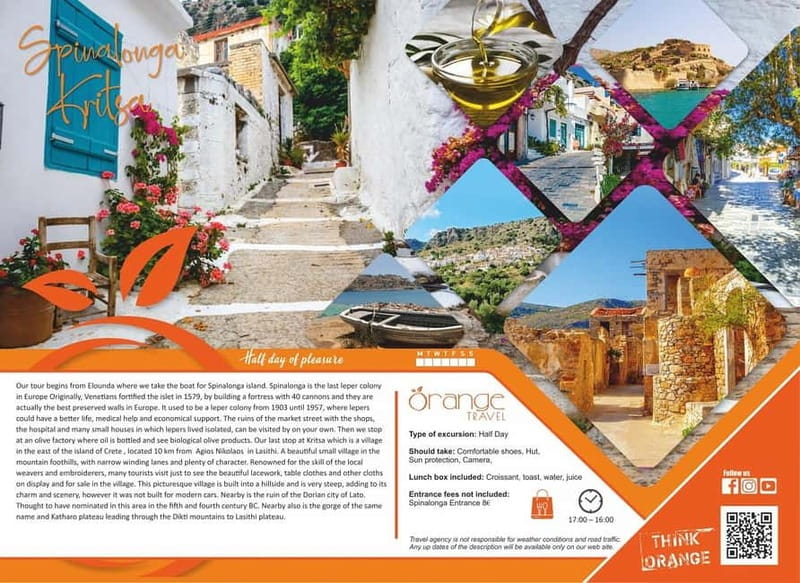
A trip to Spinalonga feels like stepping into a sealed chapter. This half-day tour links the Spinalonga leper-colony ruins with the craft life of Kritsa (lace, embroidery) plus a short olive oil stop—so you’re not just looking at ruins all day. I love that the core island time is flexible (you get self-guided wandering), and I also like that your day includes local-making culture with the lacework displays and shopping. One thing to plan for: Spinalonga entry costs extra (you pay €20 per person), and the island plus Kritsa lanes mean steady walking on uneven ground.
Logistics are built around bus pickup from the north coast area (think Sissi/Malia/Stalis/Hersonissos and similar zones), then a transfer to Elounda for the boat. You also get a prepacked lunch box to keep the day moving, and a guided component in English, French, Greek, or German to help you place what you’re seeing. The main consideration is that this isn’t for mobility needs—closed-toe shoes and good stamina matter.
In This Review
- Key Points You’ll Care About
- From Pickup to Elounda: How the Day Sets You Up
- Spinalonga Island: Venetian Fortress Meets the Last Leper Colony in Europe
- What to Do Once You’re There
- Elounda Back and Road Shift: The Pace Between Stops
- Kritsa Village: Lacework Lanes, Hillside Views, and Time for Snacks
- What to Look For While You Wander
- The Olive Oil Park Stop: How Cretan Oil Gets Bottled
- Price and Logistics: Is $50.80 Good Value?
- Timing That Matters: How Much Time You Really Get
- What to Bring (and What Can Ruin Your Day)
- Who Should Book This Tour (and Who Should Skip It)
- Should You Book Spinalonga and Kritsa?
- FAQ
- Is the Spinalonga Island entry fee included in the tour price?
- How long is the tour?
- Where does the tour start?
- Are boat tickets included?
- Do I get guided time or is it self-guided?
- What about lunch—what do you provide?
- What languages is the live guide available in?
- What should I bring for the day?
- Is this tour suitable for wheelchair users or people with mobility impairments?
- Are there any restrictions on what I can wear or do?
Key Points You’ll Care About
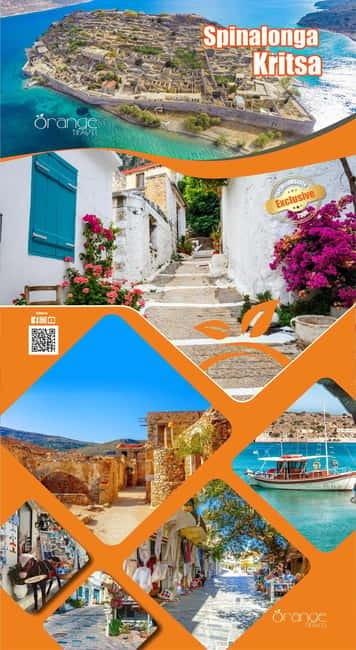
- Spinalonga starts from Elounda: you take the boat out and back, and you get a real window to explore on your own.
- Fortress walls tied to Venice: the Venetian fortification from 1579 is a major visual anchor, with 40 cannons referenced in the program.
- Kritsa is steep and walkable: narrow lanes built into the hillside make for great views and shopping, but modern cars aren’t a fit.
- You’ll see lacework culture up close: Kritsa is known for weavers and embroiderers, with handmade table cloths and lace on display for sale.
- Olive oil isn’t just a stop—it’s a mini lesson: an olive tour and time to look at bottling and biological options.
- Budget for the island fee: the €20 Spinalonga entry is not included in the tour price.
More crossings to Spinalonga and Elounda
- Crete: Spinalonga, Agios Nikolaos and Elounda with BBQ Lunch
★ 4.4 · 361 reviews - Heraklion: Spinalonga, Agios Nikolaos, & Elounda Tour
★ 4.0 · 117 reviews - Cruise to Spinalonga, Kolokytha Bay & Agios Nikolaos with Lunch
★ 4.0 · 106 reviews - From Heraklion: Elounda, Kolokitha, and Spinalonga Boat Trip
★ 4.3 · 92 reviews
From Pickup to Elounda: How the Day Sets You Up
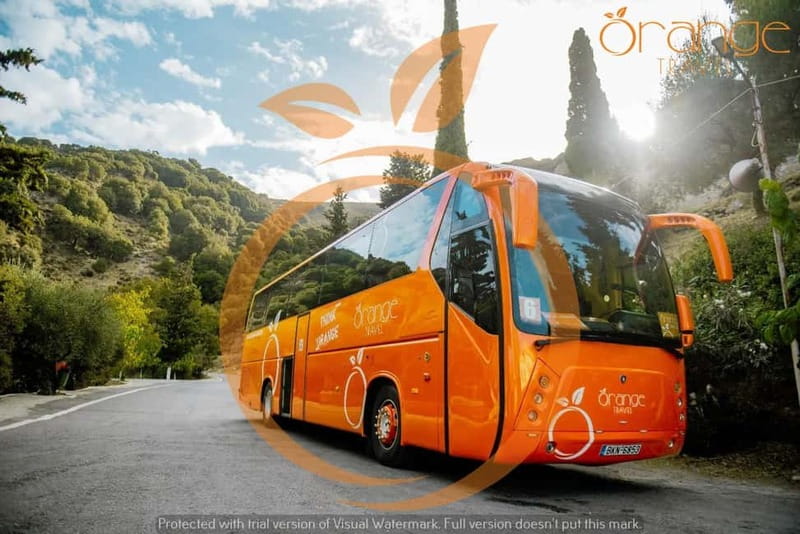
This tour runs about 7 hours, starting with pickup from a long list of predesignated stops across the northern coast side of Crete (Sissi, Malia, Stalis, Hersonissos, Analipsi, Gouves, and nearby areas). If you’re staying in the Heraklion region, this one does not include pickup there—so you’d need a different plan if you’re based closer to the city.
Once you’re aboard the air-conditioned coach, the drive time is a big part of the experience. The schedule is built around getting you to Elounda, with a 70-minute coach segment before the boat portion. Why this matters: it means you’re not rushing the island at the last second. You arrive, get oriented, and then you can focus on what you came for—Spinalonga—without feeling like the tour is a conveyor belt.
Spinalonga Island: Venetian Fortress Meets the Last Leper Colony in Europe
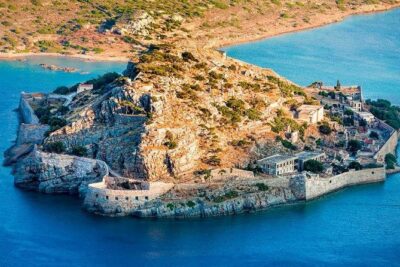
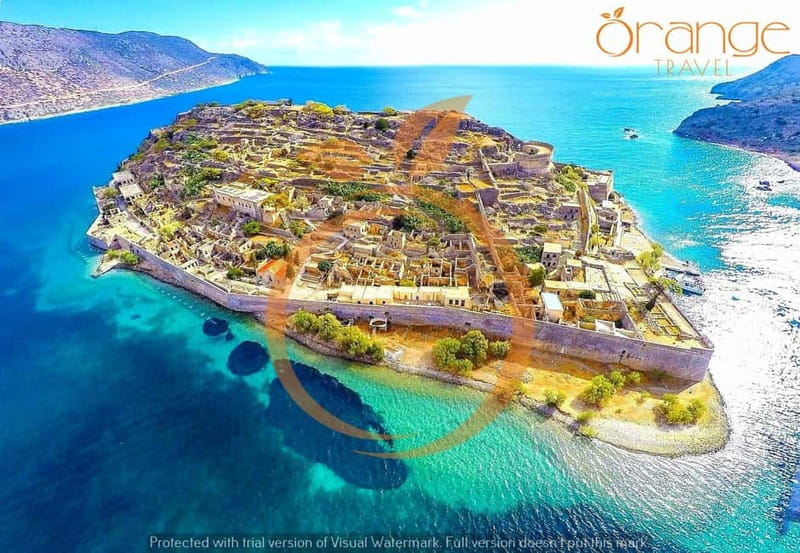
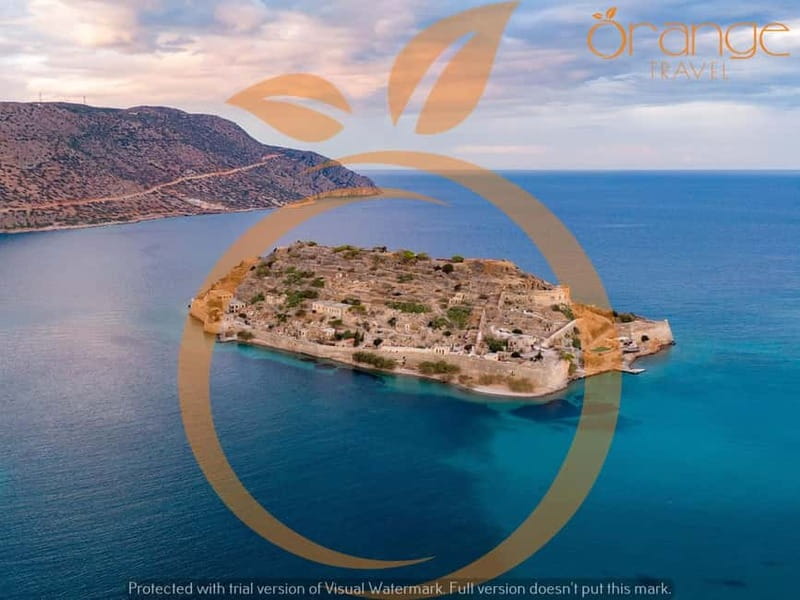
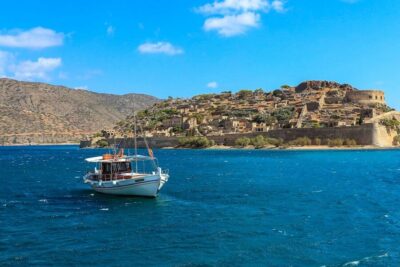
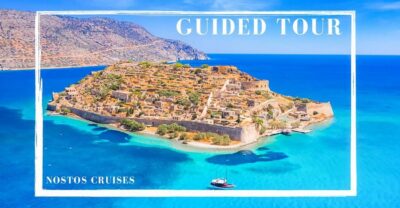
Your day’s centerpiece is the boat trip from Elounda to Spinalonga Island. The crossing is short—about 15 minutes—but it’s long enough to switch gears from road travel to a slower, island pace. When you step onto Spinalonga, the place immediately reads as a fortified world. The program specifically points to Venetian fortifications dating to 1579, including a fortress armed with 40 cannons, and it notes these walls as among the best preserved in Europe.
The big historical layer is the leper-colony period. Spinalonga was used as a leper colony from 1903 until 1957, described here as the last leper colony in Europe. That time span is not just a date stamp—it changes how you interpret the ruins. Instead of seeing random stone, you’ll be looking for the logic of isolation: where daily life happened, where medical support was available, and how the settlement functioned.
What to Do Once You’re There
You get a 75-minute self-guided visit on the island (the tour guide portion comes before/with the broader timing, but the key walking time is your choice). Make that time count. I like to plan for a slow loop: start by orienting yourself visually first, then follow the paths that lead toward the market and hospital remnants.
The program calls out the ruins in the old market street area—shops, a hospital, and many small houses where people lived in isolation. This is the kind of place where a little context really helps. A good strategy is to glance at what you’re seeing in the moment, then stop and read what’s posted on site before you move on. Even if you don’t spend long at each point, that rhythm keeps the visit from turning into hurried sightseeing.
A quick reality check: the island is not designed for comfort-first wandering. Wear comfortable shoes and expect uneven surfaces and sun exposure.
More around Agios Nikolaos and Mirabello Bay

Elounda Back and Road Shift: The Pace Between Stops
After Spinalonga, you take the small boat ride back to Elounda and then rejoin the coach. There’s a brief passing scenic segment (about 5 minutes) before the longer road travel continues. The tour then runs 35 minutes by coach to reach Kritsa.
This mid-tour transition is useful. You’re coming off an emotionally heavy, history-heavy stop, and Kritsa is a calmer vibe—craft work, village lanes, coffee time, and shopping. Even if you’re not a shopper, Kritsa is one of those places where window displays are part of the experience: you’re seeing how local skills become everyday objects.
Kritsa Village: Lacework Lanes, Hillside Views, and Time for Snacks

Kritsa is in eastern Crete and is described as about 10 km from Agios Nikolaos in the Lasithi region. The village sits in the foothills, with narrow winding lanes and a hillside build that’s steep. The tour explicitly notes it was not built for modern cars, which is exactly why the place feels like a village rather than a theme park.
You’ll get a mix of:
- a guided tour
- photo stop
- coffee and free time
- shopping and local snacks
- and a workshop segment (listed as 1 hour)
For me, the highlight is the lace and embroidery culture. Kritsa is renowned for the skill of locals weavers and embroiderers, and the program mentions handmade cloths like table clothes and other lacework items displayed for sale. If you want a souvenir that looks good in real life (not just in photos), this is where to look. Bring cash if you can—your tour kit list recommends cash, which usually means small shops prefer it.
What to Look For While You Wander
Even with guided moments, Kritsa is best when you wander slowly. Keep an eye out for patterns and how different crafts show up across items—lacework can look delicate from a distance, but up close you’ll see how it’s structured. If you’re shopping, don’t rush the first stall you see. Compare designs and materials, then decide.
Also, as you’re in the area, the program mentions nearby sights you might spot or connect visually to the region: the ruins of Lato (a Dorian city mentioned here as likely dating to the 5th and 4th centuries BC) and the Katharo Gorge route leading through the Dikti Mountains to the Lasithi Plateau. You won’t be doing long hiking in this tour, but those references help you understand why Kritsa sits where it does: it’s tied to a landscape of routes and old settlement areas.
The Olive Oil Park Stop: How Cretan Oil Gets Bottled
The final substantive stop is a short visit to OLIVE OIL PARK by Physis of Crete, described as a free olive tour. The schedule suggests about 30 minutes for this segment, plus a break time/photo stop and guided elements.
This part is simple by design, which is a good thing on a day that already includes Spinalonga and Kritsa. You’ll see how oil is bottled, and you’ll get time to explore biological olive oil products. Even if you don’t plan to buy, this helps you separate marketing from process. You’ll have a clearer sense of what you’re actually looking at if you later compare oils in shops back in town.
Price and Logistics: Is $50.80 Good Value?
The stated price is $50.80 per person, and it includes:
- boat tickets both ways to Spinalonga
- English/French/German-guided tour (language varies by group)
- luxury air-conditioned bus transport
- a prepacked lunch box (water, orange juice, praline croissant, and toast with cheese and turkey; vegetarian option swaps the toast for two croissants)
- free time to explore each destination
Not included: Spinalonga Island entry fee (€20 per person), plus anything else you buy at Kritsa or the olive oil stop.
Here’s how I’d judge the value for you: you’re paying for the expensive-moving parts—transport + boat—and getting a guided layer that helps you make sense of ruins and craft culture. If you tried to recreate this day on your own, you’d likely spend time coordinating buses, finding boat schedules, and paying for entry separately anyway. The big add-on to budget for is the €20 island fee.
The lunch box is also a practical inclusion. You’re not hunting for food right away, and it keeps the day on schedule. The vegetarian substitution is helpful, since lunch-box swaps can be limited with prepackaged items.
Timing That Matters: How Much Time You Really Get
The itinerary is built around several short rides and one longer on-foot island window:
- Coach travel (about 70 minutes) before Elounda
- Boat ride out (about 15 minutes)
- Spinalonga self-guided time (75 minutes)
- Boat ride back (about 15 minutes)
- Coach transfer to Kritsa (about 35 minutes)
- Kritsa stay with workshop/free time (about 1 hour workshop plus guided/free time in the overall segment)
- Olive oil park visit (about 30 minutes)
- Return coach travel (about 55 minutes) to drop-off points
So you won’t see everything in Crete. But you will get focused time at the two main cultural stops: Spinalonga for ruins and Kritsa for craft.
What to Bring (and What Can Ruin Your Day)
Your packing list is worth taking seriously for this tour:
- comfortable shoes (closed-toe)
- sun protection: sun hat and sunscreen (and the note about biodegradable sunscreen)
- camera
- cash (for purchases and small payments)
Also, the tour states you should avoid high-heeled shoes and anything like climbing or barefoot walking. Smoking in the vehicle is not allowed, and pets aren’t allowed either.
One more practical note: the island plus village lanes are not designed for wheelchairs. The tour is listed as not suitable for people with mobility impairments and not suitable for wheelchair users.
Who Should Book This Tour (and Who Should Skip It)
This works best if you want:
- a structured day trip that still includes self-guided time
- history you can walk through at Spinalonga
- craft culture you can actually shop and discuss at Kritsa
- a quick, low-pressure stop for olive oil information
I’d skip it if:
- you need wheelchair-friendly routes or have limited mobility
- you hate any walking on uneven ground
- you prefer a trip made entirely of one long, uninterrupted site (this one is intentionally multi-stop)
Should You Book Spinalonga and Kritsa?
If you’re staying on the north coast (Sissi/Malia/Stalis/Hersonissos area) and you want one day that mixes Spinalonga ruins + Kritsa lace village with an olive oil lesson, this is a solid pick. The big reasons to book are the included boat transport, the guided context, and the fact that you’re not crammed through the island with zero time to roam.
Just budget for the €20 Spinalonga entry fee, wear shoes you can trust, and bring a bit of cash for Kritsa crafts. If those boxes fit your style, this tour gives you more than a checklist—it gives you two different kinds of Cretan life in one long day.
FAQ
Is the Spinalonga Island entry fee included in the tour price?
No. The tour lists Spinalonga Island entry fee as €20 per person, not included.
How long is the tour?
The duration is listed as 7 hours (starting times depend on availability).
Where does the tour start?
It begins from Elounda for the boat to Spinalonga, with pickup available from main roads and predesignated points in areas such as Sissi, Malia, Stalis, Hersonissos, Analipsi, Anissaras, Gouves, Kokkini Chani, and Karteros. Pickup is not provided from the Heraklion region.
Are boat tickets included?
Yes. Boat tickets both ways to Spinalonga Island are included.
Do I get guided time or is it self-guided?
You’ll have guided touring (English, French, German, and also Greek as listed) plus free time. Spinalonga includes a self-guided window, and Kritsa includes free time along with guided time.
What about lunch—what do you provide?
A lunch box is included. It includes a bottle of water, an orange juice, a praline croissant, and a toast with cheese and turkey. For vegetarian lunch boxes, the toast is replaced with two croissants upon request.
What languages is the live guide available in?
The live tour guide is listed as available in English, French, Greek, and German.
What should I bring for the day?
Bring comfortable shoes, a sun hat, sunscreen (biodegradable sunscreen is noted), camera, cash, and comfortable clothes, plus closed-toe shoes.
Is this tour suitable for wheelchair users or people with mobility impairments?
No. It is listed as not suitable for people with mobility impairments and not suitable for wheelchair users.
Are there any restrictions on what I can wear or do?
The tour lists no high-heeled shoes, no climbing, no bare feet, and no pets. Smoking is also not allowed in the vehicle.
More Tour Reviews in Heraklion


Around Mirabello Bay


Across to Spinalonga

Fresh Off the Boat: Newest Crete Reviews
Agios Nikolaos & Mirabello, compared.
 ★ 4.6Day Trip to Agios Nikolaos and Spinalonga IslandFrom $444,416 reviews
 ★ 4.4Agios Nikolaos: Boat Trip to Spinalonga with Swim StopFrom $293,031 reviews
 ★ 4.2From Ag. Nikolaos: Spinalonga & Kolokytha Cruise with LunchFrom $35735 reviews
 ★ 4.1Agios Nikolaos: Semi-Submarine CruiseFrom $18670 reviews
 ★ 4.3Heraklion: Spinalonga and Agios Nikolaos Cruise with LunchFrom $58432 reviews
 ★ 4.5Day Trip to Agios Nikolaos and Spinalonga IslandFrom $50413 reviews
 ★ 4.5Agios Nikolaos, Plaka and Spinalonga Island TourFrom $35402 reviews
 ★ 4.8Agios Nikolaos: Spinalonga and Kolokytha Catamaran with MealFrom $141381 reviews
Browse the lists this tour appears in