
Review · KNOSSOS PALACE & MINOAN SITES
Heraklion: Knossos Palace Guided Tour Half Day
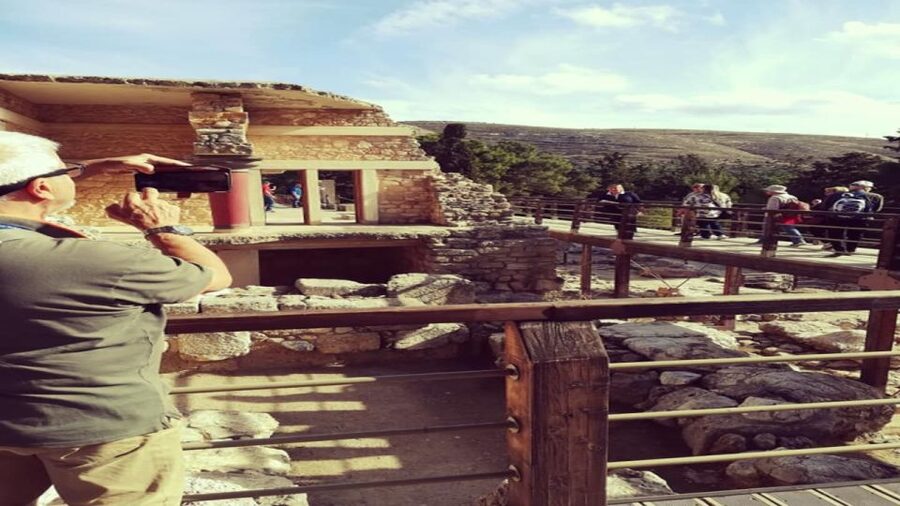
Knossos hits you with scale fast, and the guide makes it make sense. I especially like how this tour pairs Minoan architecture with the legends tied to King Minos, so you’re not just looking at walls—you’re following stories and function. I also like that you get a real interpretation of daily life at the palace, from storerooms and clay storage to the palace’s layout.
One thing to keep an eye on: even though the tour runs about three hours on paper, a past guest mentioned a shorter on-the-ground duration, so it’s smart to confirm the length when you book.
In This Review
- Key things to know before you go
- Meeting in Heraklion and the quick drive to Knossos
- What you’ll see at the Knossos Palace ruins (1700–1400 BC)
- Neolithic roots: why Knossos matters before the palace
- 1300 rooms, storerooms, and the daily-life clues
- Legends of King Minos: turning myth into orientation
- The discovery and excavations that created what you see today
- Timing, comfort, and the extra cost of entrance fees
- Who this Knossos tour fits best (and who should skip it)
- Should you book the Heraklion Knossos Palace half-day guided tour?
- FAQ
- Where do I meet for the Knossos Palace guided tour?
- How long is the tour?
- What time does the tour start and when do I return?
- Is the entrance fee to Knossos included?
- What’s included in the price?
- What language options are available for the guide?
- What should I bring?
- Is the tour suitable for mobility impairments?
Key things to know before you go
- A guided 2-hour walk through Knossos: enough time to understand rooms, corridors, and the overall palace plan without rushing.
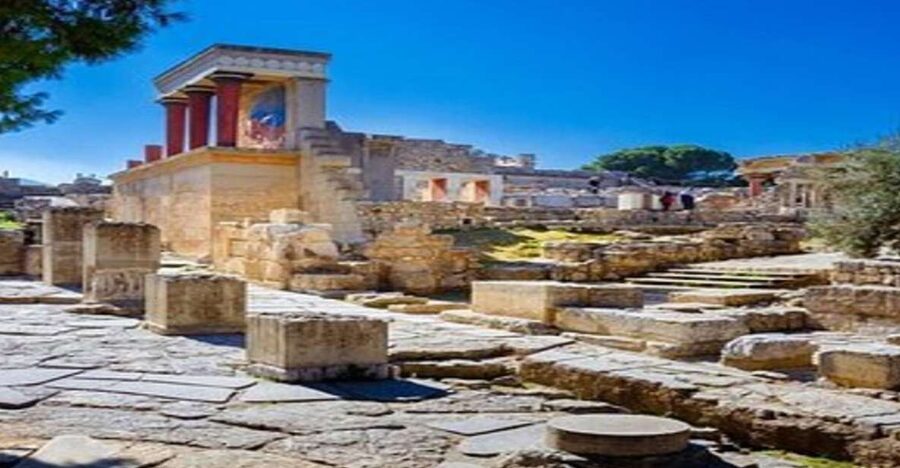
- Knossos built 1700–1400 BC with advanced techniques: you’ll see why it looks like a small city rather than a single building.
- 1300 rooms plus corridors, theater, and storerooms: the guide helps you connect big numbers to real spaces.
- Neolithic roots around 7000 BC: the site isn’t just Minoan—older settlement layers shaped what came later.
- Rediscovery in 1878 and excavations starting in 1900: you’ll learn how the palace was uncovered and studied over decades.
- Languages include English, Spanish, Italian, and French: one verified Spanish tour had a guide who used reconstructions to clarify the site.
Deeper into Minoan Crete, more palaces and ruins
- Knossos-Zeus Cave -Old Traditional Villages-Olive Oil Factory
★ 5.0 · 694 reviews - Lassithi, Zeus Cave, Olive Mill Farm & Knossos Combo Tour
★ 4.6 · 404 reviews - From Heraklion: Historical Center City Tour & Knossos Palace
★ 4.4 · 340 reviews - Knossos & Lasithi Plateau: Zeus Cave,Villages, Olive Oil Tour
★ 5.0 · 328 reviews
Meeting in Heraklion and the quick drive to Knossos
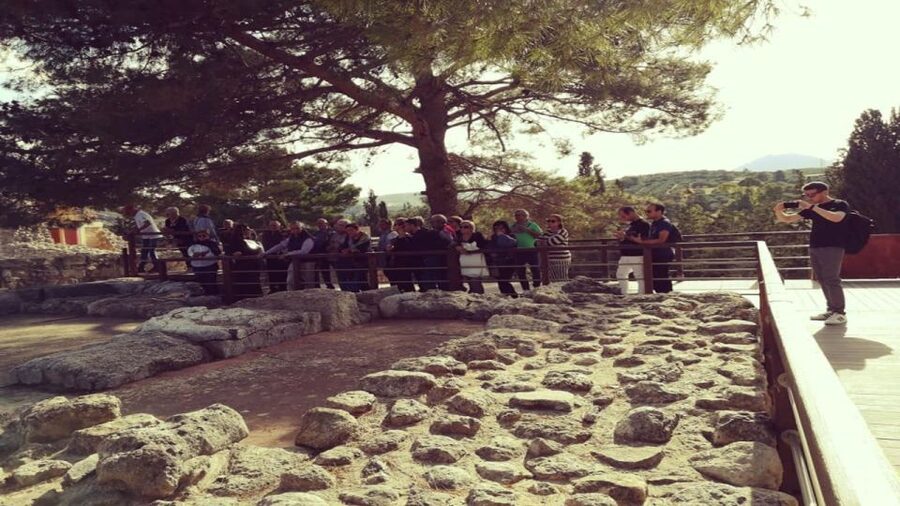
You’ll start in Heraklion near Hari’s Creperie, across from the entrance to the Heraklion Archaeological Museum, then meet up with your group for the van ride. The transfer is short—about 5 km southeast of the city—so you’re not spending half your day in transit. Still, you’ll feel like you’ve properly started your excursion when you board the air-conditioned motorcoach and settle in for the ride out.
I like this format for half-day tours: you get context without burning precious morning time. And because you’re traveling with a guide, you’ll arrive at Knossos already knowing what you’re supposed to look for, which matters here. Knossos is big, and without a guide it’s easy to get lost in the maze of partial walls and reconstructions.
What you’ll see at the Knossos Palace ruins (1700–1400 BC)
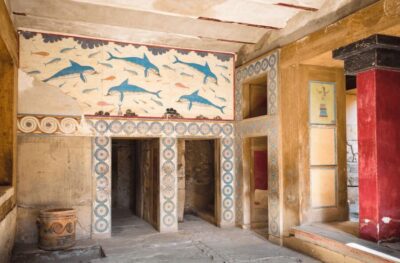
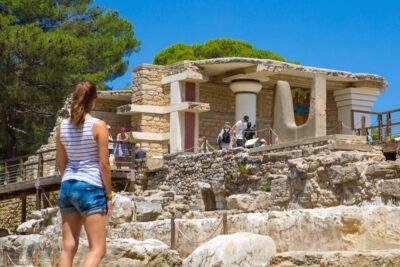
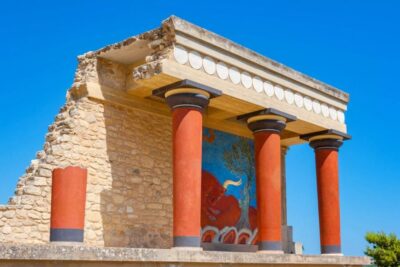
The main event is the Palace of Knossos, built roughly between 1700 and 1400 BC. This is not a tiny stop; it’s one of the most important and best-known Minoan palace sites. The guide will frame Knossos as the seat of the legendary king Minos, which gives you a storyline to hold onto while you walk.
One reason Knossos remains famous is the way it was constructed. You’ll hear that advanced architectural techniques were used, and that parts of the palace once rose as high as five stories. Standing in the ruins, it’s hard to picture height and whole-room volumes, but that’s where the tour’s guided explanations pay off—your job becomes imagining the original spaces rather than trying to decode them blindly.
Expect a practical guided route through major palace areas: corridors that connect spaces, rooms you can understand in context, and the sense that the palace operated like a complex machine. You’ll also learn that settlements at Knossos go back much farther than the palace itself, with Neolithic remains found around the island.
Neolithic roots: why Knossos matters before the palace
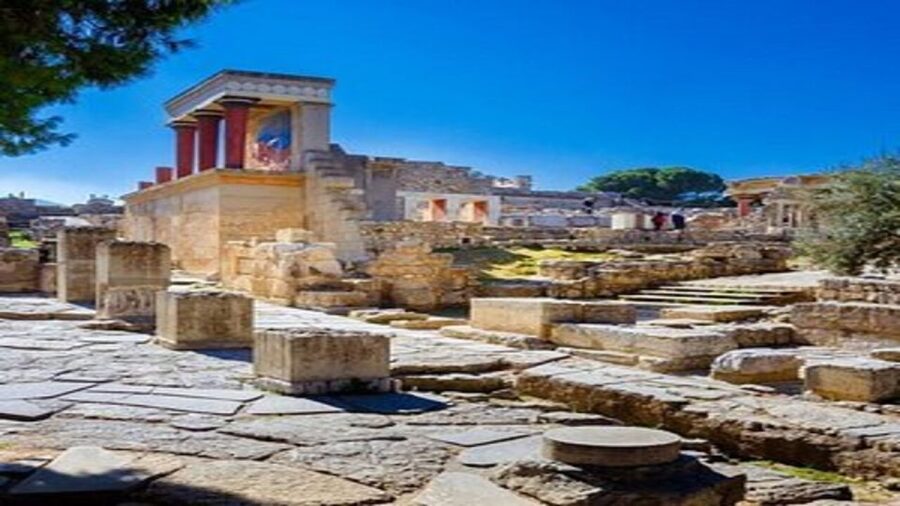
A nice surprise in this kind of guided visit is when you realize Knossos wasn’t born in the Minoan period. The site has roots stretching back to Neolithic life, with remains dating to around 7000 BC reported across Crete. In other words: people were living with these locations long before the palace was built.
That matters because it changes how you see the ruins. Instead of treating Knossos like an isolated snapshot, you get a sense of continuity—why this place mattered enough to keep being settled and developed. The guide ties those deeper layers to what you’re seeing from the later palace era.
If you like archaeology as a process (not just a finished result), this “before the palace” context helps you appreciate why certain areas were important and why the palace developed where it did.


1300 rooms, storerooms, and the daily-life clues
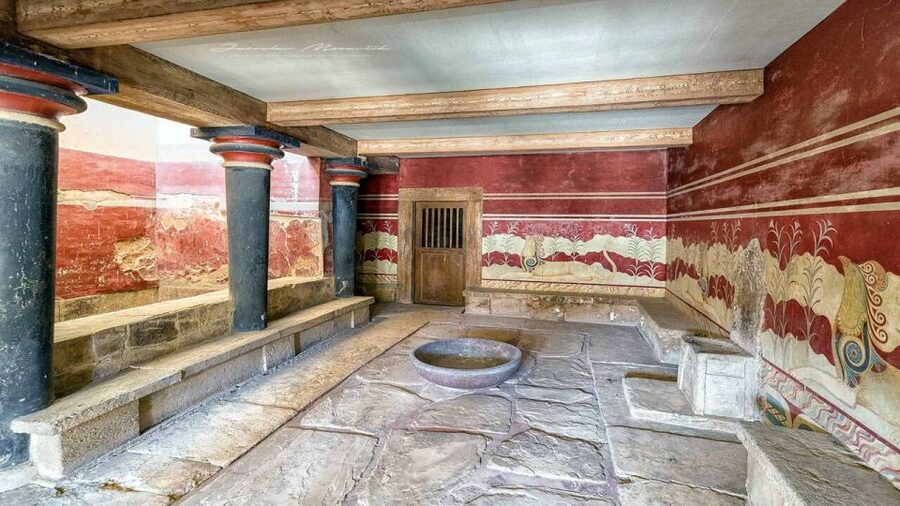
At Knossos, the numbers are huge: the palace is described as having about 1300 rooms connected by corridors. Add in a theater and extensive storerooms, and suddenly it reads like a city center rather than a palace you just visit for a throne-room photo.
The tour’s value is that it turns those large claims into something you can understand. The storerooms are a key example. You’ll hear about large clay containers used for everyday supplies such as oil, grains, dried fish, beans, and olives. This is the kind of detail that makes the site feel functional.
And then there’s the story element: the tour notes that gold was often hidden beneath. Even if you don’t take that detail literally in the modern sense, it tells you something important about how palaces worked—power was built on control of resources, storage, and secrecy. A guide helps you connect what you see (storeroom-style spaces and storage logic) to why those spaces would be politically significant.
This is one of the best reasons to do a guided half-day instead of a quick wander. Knossos can look like broken walls, but the guide helps you reconstruct purpose.
Legends of King Minos: turning myth into orientation
Knossos is tied to legends, and the tour leans into that. The focus is the legendary king Minos, and how stories became associated with this palace. For me, the best myth-and-ruins approach is the one that uses legend as a way to orient you: where the palace power was believed to sit, why certain areas might have gotten story attention, and how ancient narratives can attach to real locations.
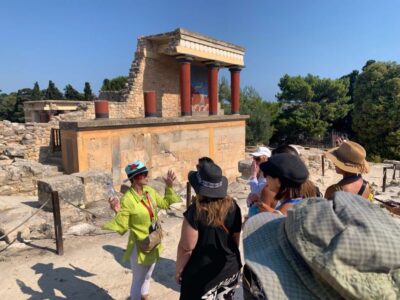
A highlight from a verified Spanish-language experience was how the guide used a book to show reconstructions. That kind of visual support is especially helpful at Knossos, where your brain needs help converting partial walls into whole spaces. If you take one thing away from that approach, it’s this: choose a language and guide style that works for you. The English, Spanish, Italian, and French guides are available, so if a language is your comfort zone, you’ll likely get more out of the explanations.
Legends aside, the tour’s real win is that you leave with a mental map of palace life—rooms and corridors make more sense when they’re described as part of a system.
The discovery and excavations that created what you see today
Knossos didn’t just appear in modern guidebooks. The tour also covers how the site was discovered and excavated—because what you see on the ground is shaped by how archaeologists worked.
You’ll hear that the site was discovered in 1878 by Minos Kalokairinos. Then the big work began in 1900 with excavations by the English archaeologist Sir Arthur Evans and his team, continuing for about 35 years. Those dates matter to you as a visitor because they explain why reconstructions and interpretations exist—and why you’ll sometimes see palace sections presented in a way that reflects later rebuilding choices.
This is another reason I think a guided tour is worth it here. Even if you’re not an archaeology buff, knowing that the palace is the result of discovery and long excavation helps you understand why the site can feel part-history and part reconstruction in your imagination.
Timing, comfort, and the extra cost of entrance fees
This is billed as a half-day experience with about three hours total time, including the drive. In practice, you’ll meet at 08:30 and return around 11:30. That schedule is great if you want to keep your afternoon free for beaches, museums, or just strolling Heraklion without feeling trapped by a late tour.
Price-wise, it’s listed at $70 per person. That includes the air-conditioned motorcoach and a professional guide, plus VAT and legal taxes. The one major additional cost to plan for: entrance fees to the archaeological site are not included.
So how is the value? If you’re the type who wants the “how it worked” story—architecture, layout, storerooms, and the legends—then paying for a guide is often money well spent. Knossos is not a place where you naturally understand everything in 60 minutes. A knowledgeable guide helps you avoid that common frustration of looking at the palace and thinking, I know it’s famous, but I don’t get it.
One practical consideration: a past guest mentioned a mismatch between expected and actual guide time, with the tour feeling shorter than the voucher showed. I can’t fix that for you, but you can protect yourself by confirming the duration you’re booking before the morning of the tour.
Who this Knossos tour fits best (and who should skip it)
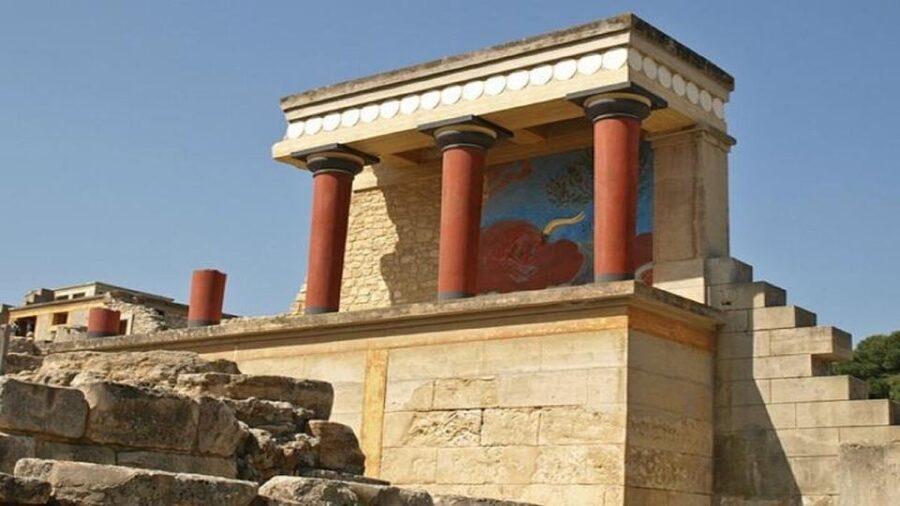
This tour is best for you if you want a structured experience that teaches palace layout and Minoan context without requiring a lot of homework. It’s also a good match if you like stories tied to real places—because Knossos isn’t just archaeology, it’s mythology and power.
It’s not suitable for people with mobility impairments, and unaccompanied minors aren’t allowed. If you’re traveling with someone who needs a slower, more flexible pace, it’s worth thinking carefully before booking, since this is a guided route with a set meeting time.
Language options are a major plus: English, Spanish, Italian, and French. If you’re choosing between language tours, pick the one you’ll understand best. A Spanish-language guide using reconstruction visuals was highlighted in a verified booking, and that approach works in any language if the guide clearly explains what you’re seeing.
Should you book the Heraklion Knossos Palace half-day guided tour?
Book it if:
- You want a guided 2-hour walkthrough that turns Knossos from confusing ruins into a readable palace system.
- You care about how rooms connect, how storerooms function, and what daily power might have looked like.
- You want a legend thread (King Minos) tied to the physical site, not just facts posted on signs.
Skip or think twice if:
- You’re mainly after a slow, self-guided wander where you set your own pace with no guide interpretation.
- You have mobility needs that make uneven ruins difficult, since this tour isn’t suitable for mobility impairments.
- You’re very sensitive to timing and strict duration. Since there’s been at least one reported mismatch, confirm the exact time expectations when you reserve.
If you’re doing Heraklion in half a day and want one “must-do” experience that actually teaches you something, this is one of the most efficient ways to do it. You’ll leave knowing not just that Knossos is important, but why—built date, layout logic, storeroom economy, and the legends that stuck to these stones.
FAQ
Where do I meet for the Knossos Palace guided tour?
You meet across from the entrance of the Heraklion Archaeological Museum, in front of Hari’s Creperie, in Heraklion.
How long is the tour?
The total duration is about 3 hours, with a guided visit of around 2 hours at the Palace of Knossos.
What time does the tour start and when do I return?
You meet at 08:30 and return around 11:30.
Is the entrance fee to Knossos included?
No. Entrance fees to the archaeological site are not included.
What’s included in the price?
The price includes an air-conditioned motorcoach, a professional guide, and VAT and all legal taxes.
What language options are available for the guide?
The live guide is available in English, Spanish, Italian, and French.
What should I bring?
Wear comfortable shoes for walking on uneven ruins.
Is the tour suitable for mobility impairments?
No, it’s not suitable for people with mobility impairments.
More Tour Reviews in Heraklion





Further into Minoan Crete





Fresh Off the Boat: Newest Crete Reviews



Knossos Palace & Minoan Sites, compared.
 ★ 3.9Knossos Palace Entry Ticket with Optional Audio GuideFrom $302,251 reviews
 ★ 3.8Palace of Knossos E-Ticket and Audio GuideFrom $341,540 reviews
 ★ 4.8Knossos: Knossos Palace Skip-the-Line Guided Walking TourFrom $1041,380 reviews
 ★ 4.4Knossos Palace & Heraklion Guided TourFrom $351,127 reviews
 ★ 4.0Knossos Palace and Museum E-Tickets with Audio GuidesFrom $69828 reviews
 ★ 5.0Knossos-Zeus Cave -Old Traditional Villages-Olive Oil FactoryFrom $136694 reviews
 ★ 4.9Land Rover Safari on Minoan RouteFrom $110652 reviews
 ★ 4.9Knossos Palace Skip-the-Line Ticket & Private Guided TourFrom $247633 reviews
Browse the lists this tour appears in