
Review · IMBROS & CRETAN GORGES
From Chania: Imbros Gorge Guided Hike and Village Visit
Imbros Gorge turns a long travel day into a real hike with payoff. I love the guided trail details (landmarks and WWII stories) and the chance to finish with a cool-off swim in Sfakia. One thing to plan for: the day can feel longer than the headline 8 hours once you factor in pickup, bus time, and moving through the gorge at a steady pace.
Most people come for the gorge, but the end of the day is what seals the deal. You’ll get a relaxed seaside stop in Chora Sfakion plus an option to look up at Venetian Fortress ruins for big views. Still, it’s smart to bring cash for the gorge entrance, and don’t count on lots of shade at the beach stop.
In This Review
- Key things you’ll notice on this Imbros Gorge day
- From Chania to the White Mountains: what the day feels like
- The hike into Imbros Gorge: 9 km, simple on paper, careful underfoot
- Walking the historic path: Airplane, Stenada, Mesofarango, Xepitira Arch
- The narrow section under 2 meters: the wow moment
- Break time and facilities: plan for real, not fancy
- Komitades to Sfakia: the transition from stones to sea
- The beach and swim stop: worth it, with a few caveats
- Price and value: why $35 can work on a day like this
- Who this tour is best for (and who should think twice)
- Practical tips so your day stays stress-free
- Should you book this Imbros Gorge from Chania tour?
- FAQ
- How long is the Imbros Gorge hike?
- What’s included in the tour price?
- Is lunch included in Sfakia?
- Is there time to swim during the tour?
- What do I need to bring?
- Is the tour guided in English?
- Can I cancel for a full refund?
Key things you’ll notice on this Imbros Gorge day
- A 9 km, mostly downhill hike that’s doable for families, with guides keeping it friendly and safe
- Landmarks you can actually picture: Airplane, Stenada, Mesofarango, and Xepitira Arch
- That pinch-point moment where the gorge narrows to under 2 meters and the cliffs feel close
- Sfakia reward time: lunch on your own, plus swimming in the Libyan Sea
- Sfakia views from old stone at the Venetian Fortress ruins
- Real-world logistics handled with hotel pickup/drop-off and an air-conditioned bus
More Cretan gorges to walk, Imbros and the rest
- From Chania private trip to Spili-Kourtaliotiko-Kalypso beach
★ 5.0 · 75 reviews - From Chania:Imbros Gorge Tour with Professional Hiking Guide
★ 4.6 · 71 reviews - Chania: Imbros Gorge Hiking Tour & Beach Relaxation
★ 4.5 · 34 reviews - From Chania: Imbros Gorge and Sfakia Experience Hike & Swim
★ 4.5 · 28 reviews
From Chania to the White Mountains: what the day feels like
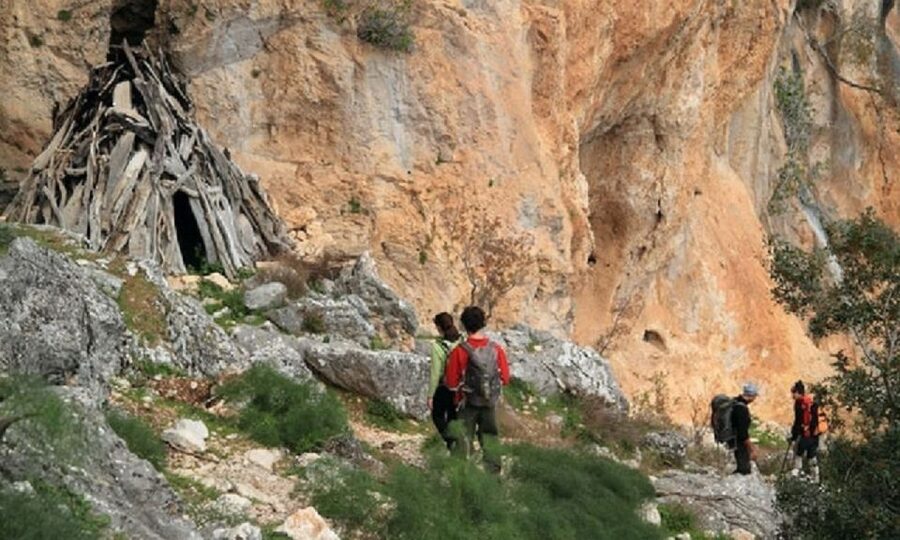
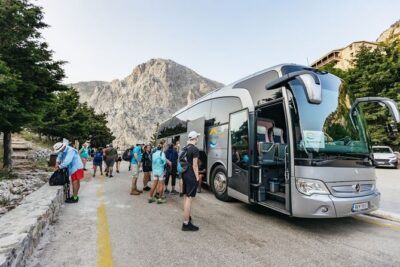
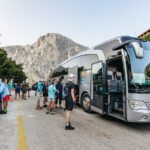
This is a classic Cretan day trip format. You start with hotel pickup around Chania, then you ride into the White Mountains area in an air-conditioned coach. The bus leg is about 1.5 hours each way, so you’ll get used to the idea that you’re trading a bit of transit for a hike you can’t easily DIY.
The tour builds in a small but useful rhythm: you get breakfast time before the trail begins. You’re not dropped at a random trailhead and left to figure it out alone. You’ll have a guide, a clear meeting plan for the end, and someone who knows how to keep a group moving without rushing.
What I like most is that the day doesn’t turn into a sprint. The gorge itself is described as a gentle 2.5-hour route for most people, and families do it at a comfortable pace.
The hike into Imbros Gorge: 9 km, simple on paper, careful underfoot
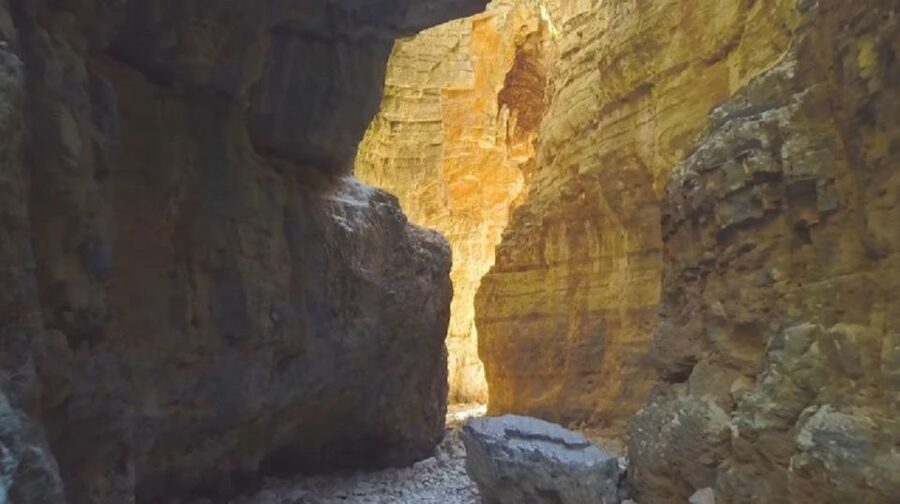
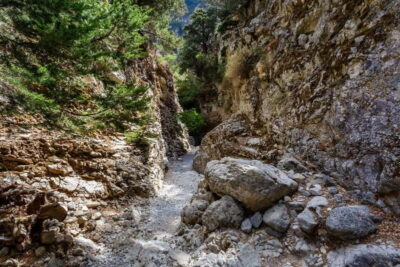
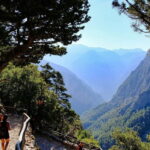
Imbros Gorge is one of Crete’s most accessible gorges, and it shows. The full walk is about 9 km, and the flow is mostly downhill. That matters because uphill gorges can be brutal. Here, you’re mostly working with gravity and careful footing.
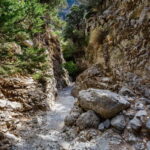
That said, “easy” here doesn’t mean “smooth.” The path is rocky. You’ll want closed shoes with grip, because stubbing a toe is a very real way to ruin a perfectly good day. One family-friendly clue: people have finished in just over 2 hours even with a kid in the group, which tells you the route can be managed well if you take breaks and stay smart on the stones.
Your guide also helps you see what you’re walking through. Guides like Carolina and Ingrid (names that come up often) are the type who talk as you walk. You’re not just staring at rock. You’ll learn what to look for and why certain spots matter.
Walking the historic path: Airplane, Stenada, Mesofarango, Xepitira Arch
This is where the guided part earns its keep. The trail follows an older route used to connect Sfakia and Chania. So even though you’re hiking through nature, you’re moving along a corridor that has been traveled for a long time.
As you go, your guide points out specific points along the route, and these names actually help you follow along:
- Airplane: a spot people use as a reference as the trail opens up and shapes start to make more sense
- Stenada: another landmark that helps you track progress without constantly checking your phone
- Mesofarango: a middle section name that gives structure to a long stretch
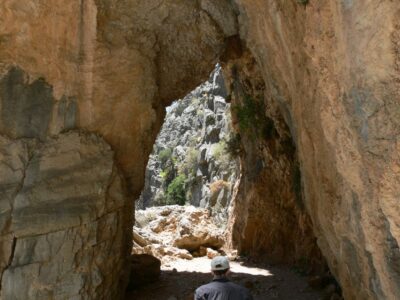
- Xepitira Arch: an impressive rock formation that’s worth slowing down for
You’ll also hear the WWII connection. The gorge served as an escape route for Allied soldiers during the 1941 Battle of Crete. It changes the vibe from scenery to story. Even if you’re not a military-history person, it gives context to why this gorge stayed important.
More trails to walk on Crete
The narrow section under 2 meters: the wow moment
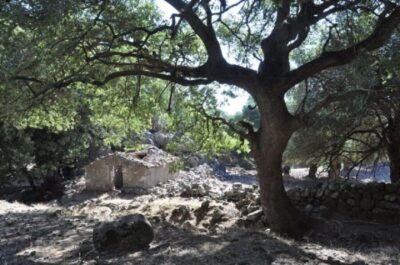
At some point, Imbros Gorge turns dramatic. The narrowest area is described as less than 2 meters wide. In real life, that means your eyes keep bouncing from one cliff wall to the other because there’s basically no space to ignore them.
This is the moment most people remember, not because it’s scary, but because it feels intensely physical. You’re walking through a cut in the mountain where the walls seem to crowd in. Your guide will likely point out where to focus your footing and how to pass slower walkers.
If you’re traveling with kids, this is where patience pays off. The gorge is straightforward, but narrow spots can slow down a group. If you like calm hikes, aim for a steady pace and don’t rush the tricky steps.
Break time and facilities: plan for real, not fancy
The day isn’t a nonstop slog. There’s a scheduled break during the hike, and you’ll also have breakfast before you start. That matters because the gorge is active enough that you’ll feel the effort after a long bus ride.
There are toilets and refreshments available on the route. One review described the toilet as simple (a basic hole-in-the-ground style), so don’t expect comfort-zone luxury. Treat it as a practical stop, not a spa moment. Still, having access to facilities on a gorge hike is a big plus.
If you’re bringing kids, pack a small buffer: water, a snack, and any blister-prevention basics you trust. The guide will do the hard part—keeping you oriented—but you control how comfortable you feel.
Komitades to Sfakia: the transition from stones to sea
When the gorge walk ends, you reach Komitades village, where transport is waiting. That handoff is important. You don’t have to figure out a complicated exit or manage a long return on your own.
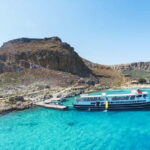
Then comes Sfakia, specifically Chora Sfakion, the seaside village where the mood changes. Instead of cliff walls and careful steps, you get salt air and a break from moving. You’ll have lunch time here (food in the village isn’t included), and you’ll have the chance to swim in the Libyan Sea.
This is also where the Venetian side of Sfakia shows up. You can visit the Venetian Fortress ruins, which give panoramic views over the region. It’s a nice way to end the day with something slightly different than just beach and sun.
The beach and swim stop: worth it, with a few caveats
The swim payoff is real. People describe the water as crystal-clear, and after a gorge hike, the temperature contrast feels like a reward. There’s also mention of a small changing setup (a privacy hut), which tells you they’ve thought about basic comfort.
Here’s the careful part: the beach stop isn’t presented as a big party beach. One review described it as small with limited shade, and another noted there wasn’t great space for laying things out. So if you burn easily or need shade for kids, bring sunscreen early and consider how you’ll store your bag in that space.
Also, you’ll want to treat this as a bonus stop, not the main event. The gorge is the center of gravity. The sea is the finishing touch.
Price and value: why $35 can work on a day like this
At about $35 per person for an 8-hour day, the value depends on what you would otherwise do.
First, you’re getting hotel pickup and drop-off, plus an air-conditioned coach. That’s not just convenience. It removes the hassle of navigating routes from Chania into the gorge region and back, especially if you don’t want to wrestle with parking or timing.
Second, you’re paying for a guide. Guides don’t just point the way. They connect the route to specific landmarks like Xepitira Arch and explain the WWII escape-route role during the 1941 Battle of Crete. That turns a walk into a story you understand while you’re still walking it.
Third, there’s full liability insurance included, which is one of those boring details that matters when you’re walking rocky ground.
The catch: lunch and gorge entry aren’t included in the tour price. You’ll also need cash for the gorge entrance. If you show up unprepared, you can end up scrambling in the wrong direction. Plan ahead and you’ll keep the day smooth.
Who this tour is best for (and who should think twice)
This tour fits best if you want a guided hike that feels structured but not intense. It’s a strong match for:
- Families with kids who can handle a rocky, mostly downhill walk
- Couples who want a memorable nature-morning followed by a sea reset
- First-time visitors to Crete who don’t want to self-drive a gorge day
- People who enjoy history when it’s tied to a place you can see
Think twice if you:
- Hate rocky paths or have fragile ankles and no supportive shoes
- Want a long, big, shaded beach scene at the end
- Need a tour that always sticks tightly to the shortest possible schedule (this is a full-day route and can run longer with real-world pacing)
Practical tips so your day stays stress-free
A few things will save you time, discomfort, and last-minute decisions.
Bring:
- Comfortable closed shoes with grip
- A hat and sunscreen (you’ll be out in daylight, even if parts of the gorge help)
- Swimwear for the Sfakia stop
- Water (you’ll get breaks, but it’s smart to stay ahead)
Also do this one money move:
- Carry a few euros in cash for the gorge entrance. Reviews specifically mention needing cash at the ticket office, and at least one person found the listed entrance price was different from what they expected.
Finally, keep your day flexible. Between pickup timing, bus rides, and walking pace, it’s normal for a tour marketed as 8 hours to feel like a longer block. Build in an easy evening back in Chania.
Should you book this Imbros Gorge from Chania tour?
Yes, if you want an efficient, guided gorge day that ends with sea time. The combination is hard to beat: a 9 km gorge walk with landmark points and WWII context, then the reset of a swim in Chora Sfakion. For $35, you’re not just paying for hiking. You’re paying for the logistics, the guide’s interpretive talk, and the smooth handoff to the seaside.
I’d pass or look for an alternative if you’re aiming for a mostly flat, very cushy nature stroll, or if you don’t want to deal with cash and basic facilities along the route. Also, if shade is a must for you at the end of the day, plan on adapting at the beach stop.
If your idea of a good day is walking a real gorge, learning what you’re seeing, then cooling off in the Libyan Sea, this one earns a spot on your Crete list.
FAQ
How long is the Imbros Gorge hike?
The hike is about 9 km and takes around 2.5 hours on the trail, with an overall tour duration of about 8 hours.
What’s included in the tour price?
Pickup and drop-off, a hiking guide, an air-conditioned luxury bus, and full liability insurance are included.
Is lunch included in Sfakia?
No. Food in the village is not included, so you’ll be responsible for lunch at Sfakia.
Is there time to swim during the tour?
Yes. After lunch in Sfakia, you’ll have time to swim in the Libyan Sea.
What do I need to bring?
Bring comfortable shoes, a hat, swimwear, sunscreen, and water.
Is the tour guided in English?
Yes, there is a live tour guide in English.
Can I cancel for a full refund?
Yes. You can cancel up to 24 hours in advance for a full refund.
On Foot Across the Island

More Tour Reviews in Chania
More Cretan Gorges to Walk
Fresh Off the Boat: Newest Crete Reviews

Imbros & Cretan Gorges, compared.
 ★ 4.3Rethymno: Preveli Beach Damnoni Beach Kourtaliotiko Day TripFrom $25929 reviews
 ★ 4.1Rethymno/Chania: Preveli Beach and Kourtaliotiko Gorge TourFrom $23359 reviews
 ★ 4.4From Rethymno/Chania: Imbros Gorge HikeFrom $30353 reviews
 ★ 4.8Sarakina Gorge, Forests, and South Coast SafariFrom $115301 reviews
 ★ 4.7From Rethymno: Kourtaliotiko, Preveli Palm Beach, & DamnoniFrom $29287 reviews
 ★ 4.5Heraklion: Preveli By Boat, Damnoni & Kourtaliotiko SpringsFrom $58254 reviews
 ★ 4.8Richtis Waterfall Full-Day Tour with Olive TastingFrom $115188 reviews
 ★ 4.6From Rethymno: Imbros Gorge & Libyan Guided Sea TourFrom $34118 reviews
Browse the lists this tour appears in